



Palmitoyl tripeptide-8

Based on 1 Customer Validation
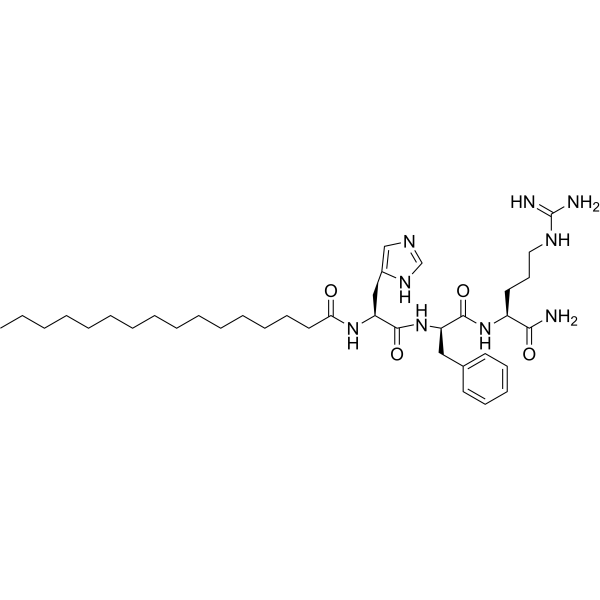
Palmitoyl tripeptide-8 is an immunomodulatory peptide and neurotransmitter inhibitory peptide. Palmitoyl tripeptide-8 inhibits the activation of the NF-κB pathway and the production of pro-inflammatory cytokines (IL-8, IL-6, and TNF-α). Palmitoyl tripeptide-8 activates the cutaneous opioid system and reduces CGRP release. Palmitoyl tripeptide-8 decreases the number of dilated capillaries, the size of dilated vessels, and the degree of edema in skin explants treated with Substance P (HY-P0201). Palmitoyl tripeptide-8 is used as an active ingredient in cosmetics for sensitive skin. Palmitoyl tripeptide-8 is utilized in research related to sensitive skin.
For research use only. We do not sell to patients.
- Purity : 99.58%
- CAS No.: 936544-53-5
- Formula: C37H61N9O4
- Molecular Weight:695.94
-
Storage:
Sealed storage, away from moisture.
Powder -80°C, 2 years , -20°C, 1 year* In solvent : -80°C, 6 months; -20°C, 1 month (sealed storage, away from moisture)

To place orders, for customer services and technical support, please contact: MedChemExpress USA
Tel: 609-228-6898 E-mail: [email protected] [email protected]


-
 Biological Activity
-
Chemical Information
- Protocols
- Purity & Documentation
- References
-
 Help & FAQs


-

HY-66018
Palmitoyl tripeptide-5 diTFAAnti-aging Peptide -
HY-W013494
L-CarnosineFree Radical Scavenger -

HY-W013494R
L-Carnosine (Standard) -
HY-W129161
Acetyl tetrapeptide-3ECM Protein Stimulant -
HY-P0102
Dipeptide diaminobutyroyl benzylamide diacetatenAChR Antagonist -
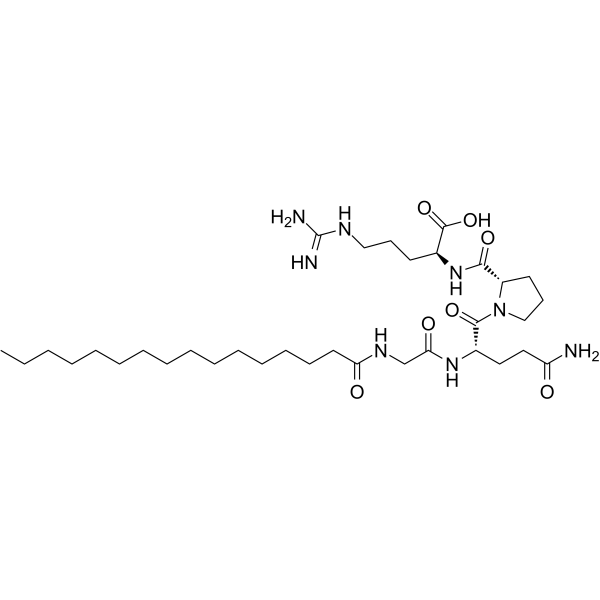
HY-P0064
Palmitoyl Tetrapeptide-3IL-6 Inhibitor -

HY-W010989
Gly-His-Lys acetateTripeptide -
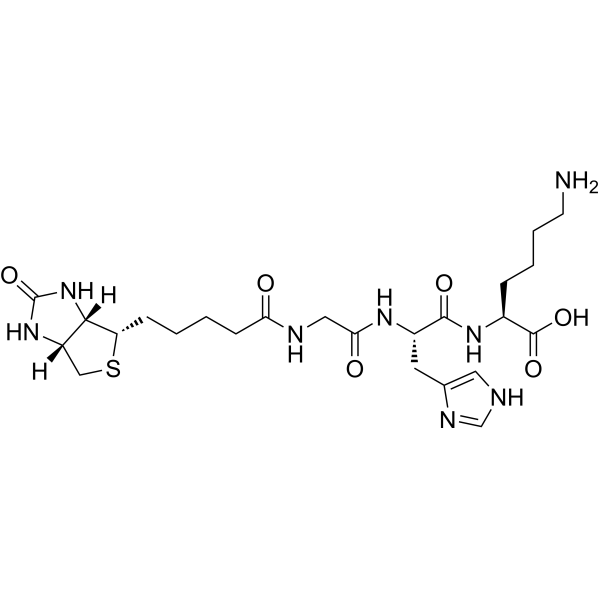
HY-125616
Biotinoyl tripeptide-1Peptide -
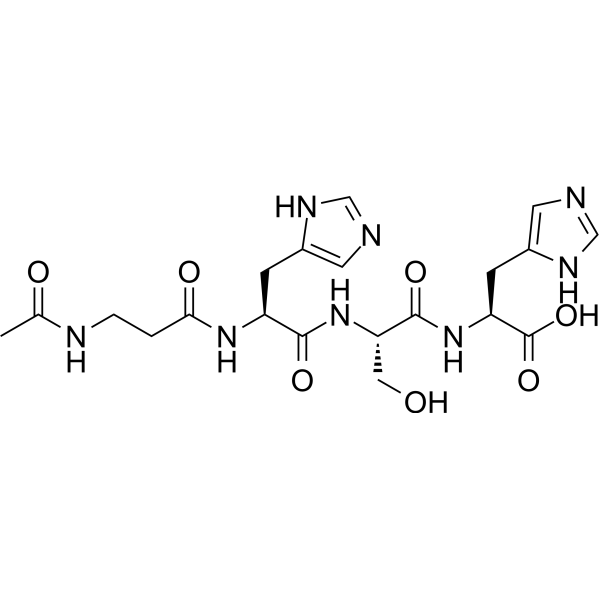
HY-P0095
Acetyl tetrapeptide-5ACE-1 Inhibitor -
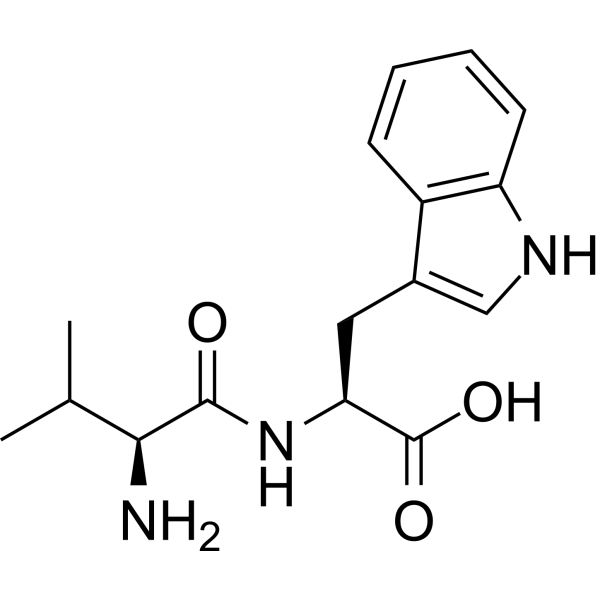
HY-118060
Dipeptide 2ACE Inhibitor -
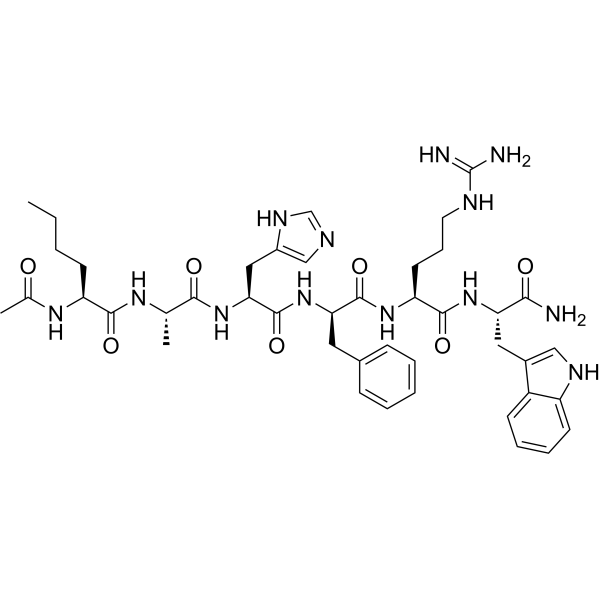
HY-P5220
Acetyl hexapeptide-1Cosmetic Peptide -
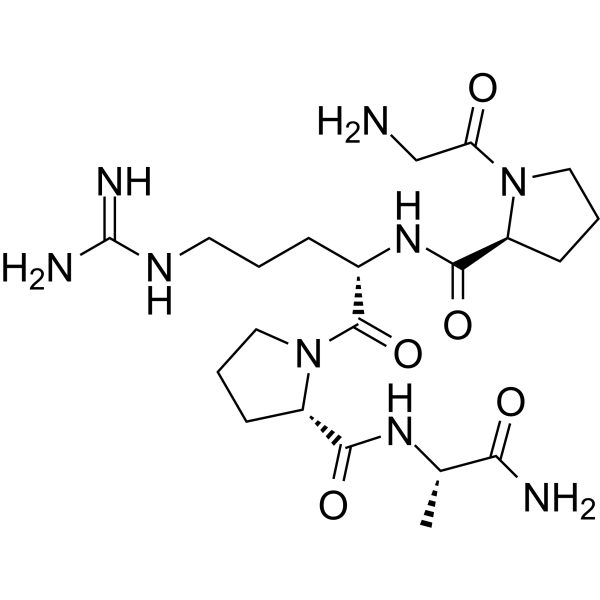
HY-P0099
Pentapeptide-3Acetylcholine Receptor Antagonist
All Opioid Receptor Isoforms
More

Biological Activity
Description
IC50 & Target
[1]|
IL-6 |
IL-8 |
In Vitro
Palmitoyl tripeptide-8 exhibits immunomodulatory activity in skin-related systems by reducing NF-κB activation and suppressing IL-6 and TNF-α production, thereby decreasing inflammation, redness, and skin sensitivity[1].
Palmitoyl tripeptide-8 inhibits IL-8 production in UVB-irradiated keratinocytes by up to 32%[2].
Palmitoyl tripeptide-8 reduces capillary dilation and edema in substance P-exposed skin explants, with 30% reduction in dilated capillary number, 51% reduction in dilated vessel size, and 60% reduction in edema[2].
MedChemExpress (MCE) has not independently confirmed the accuracy of these methods. They are for reference only. Further protocols information, click here.


Chemical Information
-
CAS No. 936544-53-5
-
Appearance Solid
-
Molecular Weight 695.94
-
Formula C37H61N9O4
-
Color White to off-white
-
Sequence
{palmitoyl-His}-{d-Phe}-Arg-NH2
-
Sequence Shortening
{palmitoyl-His}-{d-Phe}-R-NH2
-
Shipping
Room temperature in continental US; may vary elsewhere.
-
Storage
Sealed storage, away from moisture
Powder -80°C 2 years -20°C 1 year * In solvent : -80°C, 6 months; -20°C, 1 month (sealed storage, away from moisture)

Protocols
-
LPS-Induced Endotoxemia/Systemic Inflammation
Lipopolysaccharide (LPS)-induced endotoxemia is a widely used in vivo model of acute systemic inflammation in which LPS, a Gram-negative bacterial endotoxin, activates innate immune signaling primarily through TLR4, leading to rapid and transient induction of pro-inflammatory cytokines such as TNF-α, IL-6, and IL-1β in circulation and tissues. This cytokine surge is commonly used as a measurable readout of systemic inflammatory activation and immune dysregulation, and is typically assessed within hours after intraperitoneal LPS administration in mouse models of endotoxemia. The model captures key features of systemic inflammatory response syndrome, including cytokine release, immune cell activation, and downstream tissue responses, and has been used to evaluate anti-inflammatory interventions such as cytokine modulation, lipid mediators, and immune cell-targeting therapies.
-
Research Protocol for Inflammation-related Diseases
The NLRP3 inflammasome is a cytosolic innate immune signaling platform that integrates priming signals and danger-signal activation to promote caspase-1 activation, maturation of IL-1β and IL-18, and gasdermin D-mediated pyroptotic cell death. The core experimental logic is to determine whether inflammatory disease phenotypes are driven by increased NLRP3 expression, ASC-containing inflammasome assembly, caspase-1 cleavage, GSDMD cleavage, and extracellular release of IL-1β/IL-18 rather than by nonspecific cell injury alone. The pathway is strongly linked to inflammation-related disease phenotypes because monosodium urate crystals activate NALP3/NLRP3 inflammasome signaling in gout-like crystal inflammation, cholesterol crystals activate NLRP3 inflammasomes in atherogenesis models, and DSS-induced intestinal inflammation has been reported to involve NLRP3 inflammasome activity. However, experimental colitis studies also show context-dependent protective effects of NLRP3 inflammasome co


Purity & Documentation
-
Data Sheet (267 KB)
-
SDS (252 KB)
- English - EN (252 KB)
- Français - FR (252 KB)
- Deutsch - DE (252 KB)
- Norwegian - NO (252 KB)
- Español - ES (252 KB)
- Swedish - SV (252 KB)
- Italian - IT (252 KB)
- Korean - KR (252 KB)
- Portuguese - PT (252 KB)
-
Handling Instructions (2659 KB)
References

Calculators
Concentration (start) × Volume (start) = Concentration (final) × Volume (final)


Palmitoyl tripeptide-8 Related Classifications
HY-P5226 Related Classifications
 Powered by Bioz
Keywords
- Palmitoyl tripeptide-8
- 936544-53-5
- Palmitoyl tripeptide8
- Palmitoyl tripeptide 8
- NF-κB
- Interleukin Related
- Opioid Receptor
- CGRP Receptor
- TNF Receptor
- NF-κB pathway
- CGRP
- pro-inflammatory cytokine
- substance P-exposed skin explants
- UVB-irradiated keratinocytes
- IL-8
- α-melanocyte stimulating hormone
- IL-1-stimulated fibroblasts
- sodium dodecyl sulfate-induced skin irritation
- cutaneous opioid system
- Inhibitor
- inhibitor
- inhibit