2244 Results for "

inflammatory inducer

" in MedChemExpress (MCE) Product Catalog:
Products (2244)

2244 Results for "inflammatory inducer" in MCE Product Catalog:

Cat. No.: HY-160229
Synonyms: R-1075 sodium
ssRNA40 sodium (R-1075 sodium) is a single-stranded RNA40 derived from HIV-1. ssRNA40 sodium activates the TLR7, TLR8, TLR2, RIG-I, MDA5, MyD88, Caspase-3, IRE1α, NLRP3 inflammasome and IRF7 signaling pathways. ssRNA40 sodium alters mRNA expression in neutrophils, induces pro-inflammatory cytokines, ROS, autophagy (autophagy), pyroptosis (pyroptosis), neuronal death, neurodegeneration, aggregate formation and NK cell activation. ssRNA40 sodium activates the expression of CD62L, CD11b, CD69, MX1, OAS1, ATG7, LC3B and XBP1 in immune cell and neuronal populations. ssRNA40 sodium causes cortical neuron loss and axonal damage in mice in a TLR7-dependent manner. ssRNA40 sodium can be used in research on HIV-1 infection, neurodegeneration, COVID-19 and HIV-associated neurological disorders .
loading...
    loading...
Cat. No.: HY-163962
CAS No.: 2451070-32-7
L18I is a Bruton's tyrosine kinase (BTK) PROTAC degrader that targets wild-type and BTK C481, and recruits the cereblon E3 ligase to mediate proteasomal degradation. L18I regulates the BCR, TLR, FcγR and NLRP3 inflammasome signaling pathways, inhibits the phosphorylation of PLCγ-2, ERK1/2 and p38, and reduces the levels of B cell activation markers CD25, CD69 and CD86. L18I downregulates the NF-κB, TNF and TLR signaling pathways, reduces the production of pro-inflammatory cytokines, and decreases immune cell infiltration and immune complex deposition. L18I inhibits the proliferation of BTK-expressing lymphoma cells, induces tumor regression in xenograft models, and exhibits synergistic activity when combined with inhibitors of SYK, PI3K or Lyn. L18I can be used in research related to lupus, diffuse alveolar hemorrhage and B-cell lymphoma .
loading...
    loading...
Cat. No.: HY-182517
CAS No.: 2225980-49-2
Target:  

TRP Channel

Research Areas:  

Inflammation/Immunology

AG1529 is a TRPV1 inhibitor and capsaicinoid-based soft agent with a human TRPV1 IC50 of 0.9-0.93 μM. AG1529 reversibly blocks capsaicin-evoked TRPV1 activation, binds to the TRPV1 capsaicin binding site, moderately affects pH-induced TRPV1 gating, and does not alter voltage- or heat-mediated TRPV1 responses. AG1529 suppresses TRPV1-mediated neuronal excitability, reduces capsaicin- and pH-evoked neuronal firing, abolishes histaminergic and inflammation-mediated TRPV1 sensitization. AG1529 exhibits anti-nociceptive and antipruritic effects, attenuates in vivo hyperalgesia and pruritus, dose-dependently reduces acute histaminergic itch in rodents, and mildly blocks hTRPA1 and hTRPM8 channel activity. AG1529 undergoes hydrolysis and dermal deactivation, minimizes TRPV1-associated side reactions, does not evoke capsaicin-like burning sensation, and does not disrupt physiological thermal regulation. AG1529 can be used for the research of inflammatory cutaneous nociception and acute histaminergic pruritus .
loading...
    loading...
Cat. No.: HY-B1580B
CAS No.: 4075-81-4
Synonyms: Bioban-C (Pharmaceutical primary standard, USP)
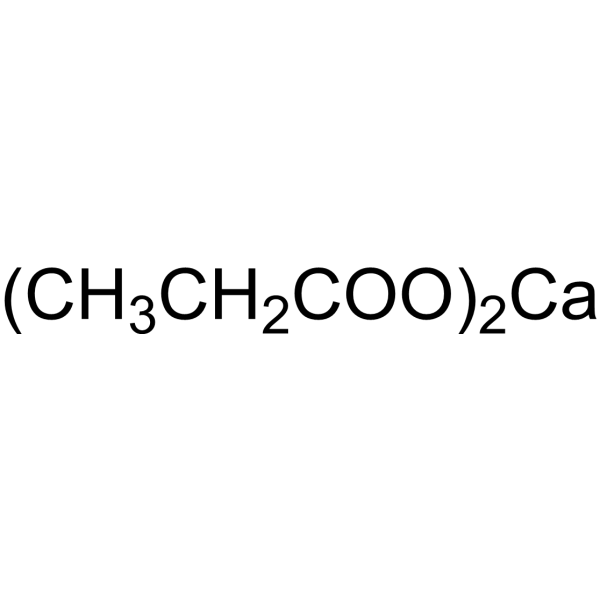
Calcium propionate, United States Pharmacopeia (USP) Reference Standard (Bioban-C (Pharmaceutical primary standard, USP)) is a calcium salt of Propionic acid with oral activity, which can be hydrolyzed into propionate and calcium ions. Calcium propionate, United States Pharmacopeia (USP) Reference Standard elevates intracellular ROS levels in tumor cells, depletes GSH, reduces mitochondrial membrane potential, and thereby induces tumor cell apoptosis. In mouse colitis models, Calcium propionate, United States Pharmacopeia (USP) Reference Standard modulates inflammatory factors such as IFN-γ, calprotectin, and Pglyrp3, ameliorating intestinal inflammation and metabolic disorders. In ruminants, Calcium propionate, United States Pharmacopeia (USP) Reference Standard serves as a gluconeogenic precursor, regulating rumen fermentation and microbial diversity; in high-fat diet rats, it alters gut microbiota composition and affects blood biochemical parameters. Calcium propionate, United States Pharmacopeia (USP) Reference Standard is commonly used as a food and feed additive, and is also used in research related to hypocalcemia, dyslipidemia, colitis, and lung cancer .
loading...
    loading...
Cat. No.: HY-D1056A2
Synonyms: LPS, from Escherichia coli (O127:B8)
Lipopolysaccharides, from E. coli O127:B8 (LPS, from Escherichia coli (O127:B8)) are endotoxins and TLR4 activators extracted from Escherichia coli (E. coli O127:B8) and are classified as S (smooth) type LPS. Lipopolysaccharides, from E. coli O127:B8 possess the typical three-part structure: O-antigen, R3-type core oligosaccharide, and lipid A. Lipopolysaccharides, from E. coli O127:B8 activate TLR-4 in immune cells, can induce inflammatory responses and ileal contractility, and can be used to construct intestinal inflammation models .
It is recommended to prepare a solution with concentration ≥2 mg/mL. Vortex thoroughly for more than 10 minutes. Due to the adsorption characteristics of LPS, silanized container or low adsorption centrifuge tubes should be used for aliquoting and storage, and mix thoroughly before use.
loading...
    loading...
Cat. No.: HY-N0430
CAS No.: 3486-66-6
Synonyms: Coptisin
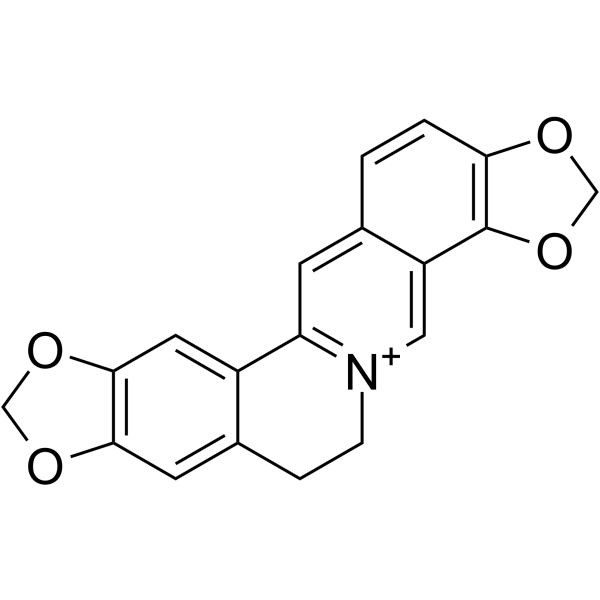
Coptisine is an orally active and brain-penetrant alkaloid found in Coptis chinensis. Coptisine is a reversible, uncompetitive IDO inhibitor with a Ki of 5.8 μM and an IC50 of 6.3 μM. Coptisine suppresses neuroinflammation, reduces Aβ plaque burden and shows neuroprotective activity. Coptisine shows anti-inflammation activity by blocking NF-κB, MAPK, and PI3K/Akt activation. Coptisine inhibits cancer cells proliferation, induces DNA damage, G2/M phase cell cycle arrest, apoptosis, ROS production and mitochondrial dysfunction. Coptisine inhibits Rho/ROCK pathway activation, reduces arrhythmia, limits cardiac injury marker release, reduces infarct size, and preserves cardiac function in rat myocardial ischemia/reperfusion models. Coptisine downregulates HMGCR and upregulates LDLR and CYP7A1 to modulate cholesterol metabolism, reduces abnormal serum lipid levels, and promotes fecal bile acid excretion. Coptisine can be used for the research of cancer, hypercholesterolemia, Alzheimer’s disease, inflammatory disorders and cardiovascular disease .
loading...
    loading...
Cat. No.: HY-N0448R
CAS No.: 23513-15-7
10-Gingerol (Standard) is the analytical standard of 10-Gingerol (HY-N0448). This product is intended for research and analytical applications. 10-Gingerol is an AMPK agonist, which is found in the ginger oleoresin from fresh rhizome with anti-inflammatory, antioxidant and anti-proliferative activities. 10-Gingerol suppresses neointimal hyperplasia and inhibits vascular smooth muscle cell proliferation. 10-Gingerol exhibits substantial scavenging activities with an IC50 value of 10.47 μM against DPPH radical, an IC50 value of 1.68 μM against superoxide radical and an IC50 value of 1.35 μM against hydroxyl radical. 10-Gingerol inhibits the proliferation of MDA-MB-231 tumor cell line with an IC50 of 12.1 μM. 10-Gingerol suppresses the proliferation, migration, invasion, and induced apoptosis through targeting the PI3K/Akt signaling pathway in MDA-MB-231/IR cells. 10-Gingerol is promising for research of ulcerative colitis .
loading...
    loading...
Cat. No.: HY-N1401R
CAS No.: 112246-15-8
20(R)-Ginsenoside Rh2 (Standard) is the analytical standard of 20(R)-Ginsenoside Rh2. This product is intended for research and analytical applications. 20(R)-Ginsenoside Rh2 is an orally active protopanaxadiol-type saponin with multiple biological activities. 20(R)-Ginsenoside Rh2 exerts a significant inhibitory effect on non-small cell lung cancer and liver cancer by inducing cell cycle arrest and promoting apoptosis. 20(R)-Ginsenoside Rh2 exerts anti-γ-herpesvirus effects by inhibiting viral DNA replication. 20(R)-Ginsenoside Rh2 inhibits inflammatory mediators by reducing the levels of NO, PGE2, and ROS; it can delay skin photoaging by reducing ROS and inhibiting MMP-9/2 activity. 20(R)-Ginsenoside Rh2 accelerates the recovery after muscle injury by activating the Akt1/PKB signaling pathway. 20(R)-Ginsenoside Rh2 can inhibit osteoclast formation and exert an anti-osteoporosis effect.
loading...
    loading...
Cat. No.: HY-N19083
Category:  

Extract

Target:  

Bacterial

Tecomella undulata Extract, also known as Rohida extract, is a valuable botanical extract derived from the bark and leaves of the Tecomella undulata plant native to the Indian Thar Desert and is rich in bioactive compounds such as flavonoids, quinones, triterpenoids, and other phytochemicals that contribute to its diverse therapeutic properties. This extract is widely recognized for its hepatoprotective effects demonstrated through its ability to protect against liver damage induced by toxins such as paracetamol and carbon tetrachloride by normalizing elevated liver enzyme levels reducing oxidative stress and improving liver function. Additionally, it exhibits significant anti-inflammatory activity comparable to standard drugs like indomethacin and has been used to treat conditions like ascites and hepatosplenomegaly while also showing immunomodulatory effects by enhancing both humoral and cell-mediated immune responses and possessing antimicrobial properties that make it effective against various pathogens. Recent research suggests that Tecomella undulata may have potential in managing nonalcoholic steatohepatitis (NASH) by reducing body weight insulin resistance and improving liver function markers making it a versatile natural remedy with significant applications in hepatoprotection anti-inflammation and immune support.
loading...
    loading...
Cat. No.: HY-N5073
CAS No.: 178468-00-3
Synonyms: 4''-O-Glucosylvitexin
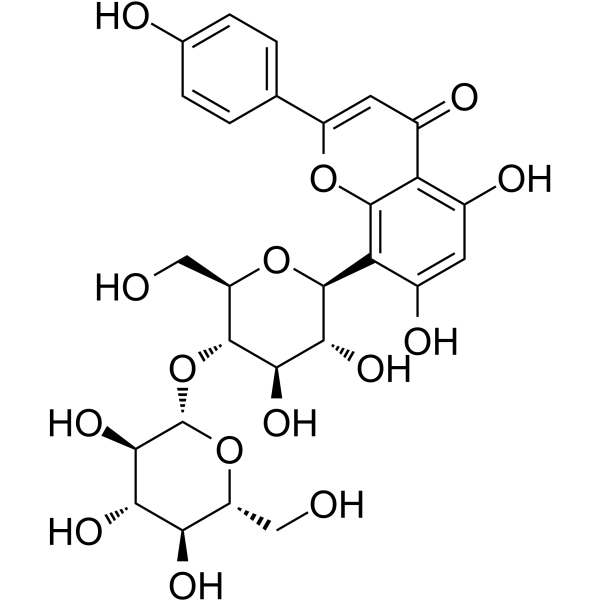
Vitexin-4''-O-glucoside (4''-O-Glucosylvitexin) is an orally active natural flavonoid component with multiple pharmacological effects including antioxidation, anti-inflammation, cytoprotection and anti-apoptosis. Vitexin-4''-O-glucoside regulates the MAPK signaling pathway by downregulating the phosphorylation levels of JNK and p38, thereby blocking endoplasmic reticulum stress responses. Vitexin-4''-O-glucoside alleviates oxidative stress by reducing MDA content and upregulating the activities of SOD and CAT, attenuates inflammation by downregulating the expressions of inflammatory factors TNF-α, IL-1β and IL-6, and also reduces LDH release and inhibits caspase-3 activation. Vitexin-4''-O-glucoside effectively improves drug-induced acute liver injury and exerts significant protective effects against myocardial hypoxia/reoxygenation injury. Vitexin-4''-O-glucoside can be used in studies on acute liver injury, cardiovascular diseases and myocardial hypoxia-reoxygenation injury .
loading...
    loading...
Cat. No.: HY-W015777
CAS No.: 105-13-5
Synonyms: P-Methoxy-benzyl alcoho; (4-Methoxyphenyl)methanol
4-Methoxybenzyl alcohol (P-Methoxy-benzyl alcoho; (4-Methoxyphenyl) methanol) is a naturally derived volatile aromatic compound. 4-Methoxybenzyl alcohol upregulates the phosphorylation level of PI3K/Akt pathway proteins, downregulates the expression of pro-inflammatory factors, increases the content of tight junction proteins occludin and claudin-5, and alleviates structural damage to the blood-brain barrier. 4-Methoxybenzyl alcohol improves the decrease in viability and NO level of cerebral microvascular endothelial cells induced by oxygen-glucose deprivation/reperfusion, and reduces the release of lactate dehydrogenase. 4-Methoxybenzyl alcohol serves as a substrate in the two-phase persulfate-mediated electro-oxidation system, where it is directionally oxidized to p-anisaldehyde. 4-Methoxybenzyl alcohol acts as a substrate for wild-type fungal aryl alcohol oxidase. 4-Methoxybenzyl alcohol can be used in studies related to ischemic stroke, as well as in research across various fields such as chemical synthesis, including the synthesis of fragrances and flavorings .
loading...
    loading...
Cat. No.: HY-118156
CAS No.: 155238-60-1
Target:  

Others

Research Areas:  

Others

L-699333 is a 5-lipoxygenase (5-LO) inhibitor belonging to the thieno[2,3,4-cd]indole class. This compound has a 2-ethoxybutyric acid side chain and is a potent inhibitor of the biosynthesis of 5-HPETE and LTB4 produced from human 5-LO, with ICm values of 22 nM, 7 nM, and 3.8 pM for human neutrophils and whole blood, respectively. L-699333 has shown anti-inflammatory and antiasthmatic effects in a variety of animal models, including rat pleurisy models, antigen-induced wheezing models, and awake macaque and sheep asthma models. Its inhibition of 5-LO is highly selective, with higher ICm values or stronger competitive inhibition in FLAP binding assays compared to inhibition of human 15-LO, porcine 12-LO, and ram epididymal cyclooxygenase. The racemic enantiomer 14g of L-699333 is the most potent enantiomer to date, with inhibitory effects similar to those of the known MK-0591, which has been shown in clinical trials to inhibit the biochemical effects of LTB4 biosynthesis in vitro and LTE4 excretion in urine.
loading...
    loading...
Cat. No.: HY-N0448A
CAS No.: 107257-18-1
(±)-10-Gingerol is the racemic form of 10-Gingerol (HY-N0448). 10-Gingerol is an AMPK agonist, which is found in the ginger oleoresin from fresh rhizome with anti-inflammatory, antioxidant and anti-proliferative activities. 10-Gingerol suppresses neointimal hyperplasia and inhibits vascular smooth muscle cell proliferation. 10-Gingerol exhibits substantial scavenging activities with an IC50 value of 10.47 μM against DPPH radical, an IC50 value of 1.68 μM against superoxide radical and an IC50 value of 1.35 μM against hydroxyl radical. 10-Gingerol inhibits the proliferation of MDA-MB-231 tumor cell line with an IC50 of 12.1 μM. 10-Gingerol suppresses the proliferation, migration, invasion, and induced apoptosis through targeting the PI3K/Akt signaling pathway in MDA-MB-231/IR cells. 10-Gingerol can be used in research on various common cancers such as ovarian cancer and colon cancer, as well as colitis and neurodegenerative diseases .
loading...
    loading...
Cat. No.: HY-N0113BR
CAS No.: 6027-23-2
Synonyms: Ordenina hydrochloride (Standard); Peyocactine hydrochloride (Standard)
Hordenine hydrochloride (Standard) (Ordenina hydrochloride (Standard); Peyocactine hydrochloride (Standard)) is the analytical standard of Hordenine hydrochloride (HY-N0113B). This product is intended for research and analytical applications. Hordenine hydrochloride (Ordenina hydrochloride; Peyocactine hydrochloride) is a multifunctional alkaloid with oral activity and blood-brain barrier penetration. Hordenine hydrochloride inhibits LPS-induced phosphorylation of p38, JNK, ERK1/2, p65, IκB, and AKT, prevents p65 nuclear translocation, and suppresses inflammatory cytokines and mediators. Hordenine hydrochloride inhibits melanin synthesis in melanocytes and reconstructed epidermis. Hordenine hydrochloride activates the Wnt/β-catenin signaling pathway. Hordenine hydrochloride activates DRD2, acts as a D3R partial agonist, α2A-AR full agonist, and 5-HT2A-R antagonist, and inhibits SERT and DAT. Hordenine hydrochloride inhibits α-synuclein accumulation and ameliorates motor deficits in Parkinson's disease models. Hordenine hydrochloride limits alcohol intake, reduces relapse drinking behavior. Hordenine hydrochloride can be used for research on mastitis, skin pigmentation, acute lung injury, foodborne diseases, hair loss, Parkinson's disease, bacterial infections, and alcohol use disorder .
loading...
    loading...
Cat. No.: HY-N0113BS
Synonyms: Ordenina-d6 hydrochloride; Peyocactine-d6 hydrochloride
Hordenine-d6 hydrochloride (Ordenina-d6 hydrochloride; Peyocactine-d6 hydrochloride) is the deuterated-labeled Hordenine hydrochloride (HY-N0113B). Hordenine hydrochloride (Ordenina hydrochloride; Peyocactine hydrochloride) is a multifunctional alkaloid with oral activity and blood-brain barrier penetration. Hordenine hydrochloride inhibits LPS-induced phosphorylation of p38, JNK, ERK1/2, p65, IκB, and AKT, prevents p65 nuclear translocation, and suppresses inflammatory cytokines and mediators. Hordenine hydrochloride inhibits melanin synthesis in melanocytes and reconstructed epidermis. Hordenine hydrochloride activates the Wnt/β-catenin signaling pathway. Hordenine hydrochloride activates DRD2, acts as a D3R partial agonist, α2A-AR full agonist, and 5-HT2A-R antagonist, and inhibits SERT and DAT. Hordenine hydrochloride inhibits α-synuclein accumulation and ameliorates motor deficits in Parkinson's disease models. Hordenine hydrochloride limits alcohol intake, reduces relapse drinking behavior. Hordenine hydrochloride can be used for research on mastitis, skin pigmentation, acute lung injury, foodborne diseases, hair loss, Parkinson's disease, bacterial infections, and alcohol use disorder .
loading...
    loading...
Cat. No.: HY-N2423B
CAS No.: 534-69-0
Synonyms: (E/Z)-Allyl-glucosinolate free base; (E/Z)-2-Propenyl-glucosinolate free base
(E/Z)-Sinigrin ((E/Z)-Allyl-glucosinolate; (E/Z)-2-Propenyl-glucosinolate) free base is an orally active aliphatic thioglucoside anti-leukemia compound. Allyl isothiocyanate, produced by the hydrolysis of (E/Z)-sinigrin free base by myrosinase, has an IC50 of 2.71 μM against HL60 leukemia cells. The hydrolysis products of (E/Z)-sinigrin free base can further activate apoptosis pathways, inhibit NF-κB and MAPK signaling pathways, and induce phase II metabolic enzyme activity, thus exhibiting anti-cancer, anti-inflammatory, antibacterial, antioxidant, and wound healing activities. (E/Z)-Sinigrin free base can be used in research on cancer, inflammation-related diseases (such as atherosclerosis), and infectious diseases. (E/Z)-Sinigrin free base can be naturally extracted from the seeds of Brassica nigra, Brassica juncea, and other Brassicaceae plants such as broccoli and Brussels sprouts. Methyl pechueloate is a guaiane-type sesquiterpene ester compound and a potential precursor of xerantholide. It is useful in the structural elucidation and biosynthetic pathway studies of sesquiterpenoids. Methyl pechueloate can be naturally extracted from the aerial parts of Pechuel-Loeschea leibnitziae (Kuntze) O. Hoffm .
loading...
    loading...
Cat. No.: HY-W028393R
CAS No.: 392-12-1
Indole-3-pyruvic acid (Standard) is the analytical standard of Indole-3-pyruvic acid (HY-W028393). This product is intended for research and analytical applications. Indole-3-pyruvic acid is an orally active ketone analog of tryptophan, and is an aryl hydrocarbon receptor (AHR) agonist. Indole-3-pyruvic acid inhibits p38/MAPK phosphorylation, regulates the tryptophan metabolic pathway, and also possesses protective activities against skin photodamage, as well as anti-inflammatory and anti-anxiety bioactivities in the gut. Indole-3-pyruvic acid can downregulate the expression of IL-1β, IL-6, Cox-2, and Bax to alleviate UVB-induced keratinocyte toxicity. Indole-3-pyruvic acid can activate AHR to promote Tr1 cell differentiation, increase IL-10, and inhibit Th1 cytokine production. Indole-3-pyruvic acid can alter the levels of kynurenine metabolites in the brain, mediating central nervous system-related effects. Indole-3-pyruvic acid can be used in research on skin lesions, colitis, and anxiety .
loading...
    loading...
Cat. No.: HY-B1580AR
CAS No.: 4075-81-4
Synonyms: Bioban-C, meets analytical specification of E282 (Standard)
Calcium propionate, meets analytical specification of E282 (Standard) (Bioban-C, meets analytical specification of E282 (Standard)) is the analytical standard of Calcium propionate, meets analytical specification of E282 (HY-B1580A). This product is intended for research and analytical applications. Calcium propionate, meets analytical specification of E282 is a calcium salt of Propionic acid with oral activity, which can be hydrolyzed into propionate and calcium ions. Calcium propionate, meets analytical specification of E282 elevates intracellular ROS levels in tumor cells, depletes GSH, reduces mitochondrial membrane potential, and thereby induces tumor cell apoptosis. In mouse colitis models, Calcium propionate, meets analytical specification of E282 modulates inflammatory factors such as IFN-γ, calprotectin, and Pglyrp3, ameliorating intestinal inflammation and metabolic disorders. In ruminants, Calcium propionate, meets analytical specification of E282 serves as a gluconeogenic precursor, regulating rumen fermentation and microbial diversity; in high-fat diet rats, it alters gut microbiota composition and affects blood biochemical parameters. Calcium propionate, meets analytical specification of E282 is commonly used as a food and feed additive, and is also used in research related to hypocalcemia, dyslipidemia, colitis, and lung cancer .
loading...
    loading...
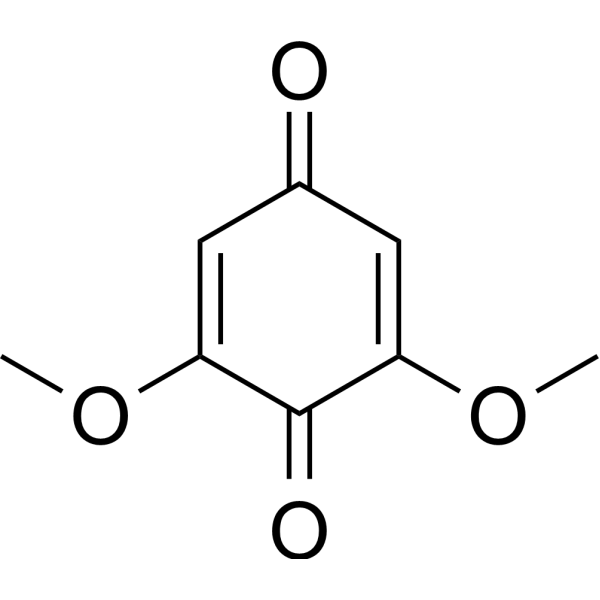
Cat. No.: HY-N1677
CAS No.: 530-55-2
2,6-Dimethoxy-1,4-benzoquinone is a 1,4-benzoquinone derivative. 2,6-Dimethoxy-1,4-benzoquinone promotes phosphorylation of AKT, S6K, mTOR, 4E-BP1, and AMPK, and attenuates mTORC1 activity as part of the AKT/mTOR pathway. 2,6-Dimethoxy-1,4-benzoquinone stimulates myoblast differentiation, increases myotube size, elevates MHC protein expression, enhances mitochondrial biogenesis, respiration, and DNA content, and increases skeletal muscle weights, fiber size, grip strength, and treadmill performance. 2,6-Dimethoxy-1,4-benzoquinone exerts anti-cancer, anti-inflammatory, anti-adipogenic, antibacterial, and antimutagenic effects, inhibits adipogenic transcription factors, nitric oxide production, skin tumor development, Magnaporthe oryzae growth, spore germination, appressorium formation, and growth of select bacterial species, induces H2O2 generation and rice defense gene expression, and reduces rice blast lesion formation. 2,6-Dimethoxy-1,4-benzoquinone can be used for the research of obesity, skin tumorigenesis, rice blast disease, and food-borne illness .
loading...
    loading...
Cat. No.: HY-W015777R
CAS No.: 105-13-5
Synonyms: P-Methoxy-benzyl alcoho (Standard); (4-Methoxyphenyl)methanol (Standard)
4-Methoxybenzyl alcohol (Standard) (P-Methoxy-benzyl alcoho (Standard); (4-Methoxyphenyl)methanol (Standard)) is the analytical standard of 4-Methoxybenzyl alcohol (HY-W015777). This product is intended for research and analytical applications. 4-Methoxybenzyl alcohol (P-Methoxy-benzyl alcoho; (4-Methoxyphenyl) methanol) is a naturally derived volatile aromatic compound. 4-Methoxybenzyl alcohol upregulates the phosphorylation level of PI3K/Akt pathway proteins, downregulates the expression of pro-inflammatory factors, increases the content of tight junction proteins occludin and claudin-5, and alleviates structural damage to the blood-brain barrier. 4-Methoxybenzyl alcohol improves the decrease in viability and NO level of cerebral microvascular endothelial cells induced by oxygen-glucose deprivation/reperfusion, and reduces the release of lactate dehydrogenase. 4-Methoxybenzyl alcohol serves as a substrate in the two-phase persulfate-mediated electro-oxidation system, where it is directionally oxidized to p-anisaldehyde. 4-Methoxybenzyl alcohol acts as a substrate for wild-type fungal aryl alcohol oxidase. 4-Methoxybenzyl alcohol can be used in studies related to ischemic stroke, as well as in research across various fields such as chemical synthesis, including the synthesis of fragrances and flavorings .
loading...
    loading...

