
290 Results for "

Edema

" in MedChemExpress (MCE) Product Catalog:
Products (290)

290 Results for "Edema" in MCE Product Catalog:

Cat. No.: HY-N0378BGL
CAS No.: 69-65-8
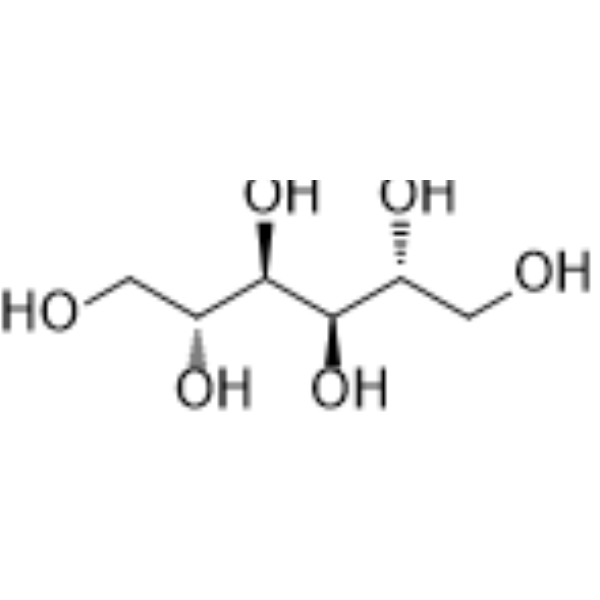
Synonyms: Mannitol, M100 (GMP Like); Mannite, M100 (GMP Like)
D-Mannitol, M100 (GMP Like) (Mannitol, M100 (GMP Like)) is the GMP Like class D-Mannitol that can be used as pharmaceutical excipients. D-Mannitol (Mannitol) is an oral, resistant sugar widely used in the food and pharmaceutical industries to promote the absorption and retention of calcium and magnesium through cecal fermentation, while acting as a osmotic diuretic to reduce tissue edema. D-Mannitol can enhance brown fat formation, improve insulin effect, reduce blood sugar levels, And through the start the β3-adrenergic receptor (β3-AR), PGC1α and PKA induced by means of white fat cells into brown fat cells .
loading...
    loading...
Cat. No.: HY-N6784
CAS No.: 11050-94-5
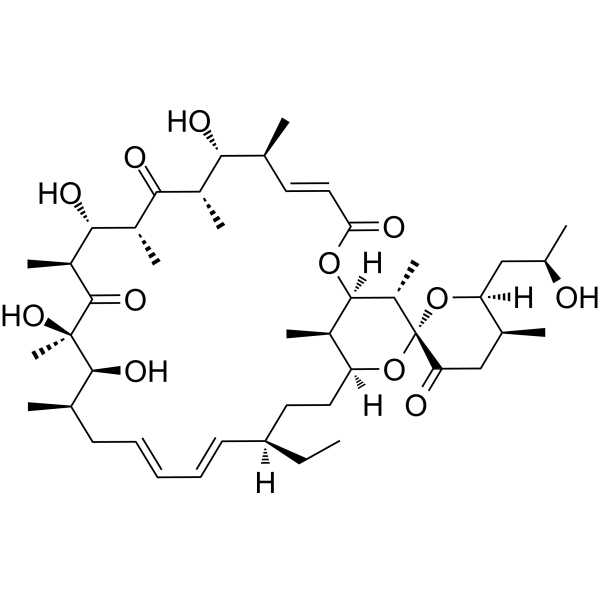
Oligomycin B is an antibiotic that acts as a non-selective inhibitor of ATP Synthase. Oligomycin B increases mitochondrial membrane potential. Oligomycin B induces apoptosis and necrosis. Oligomycin B impairs the motility of Plasmopara viticola zoospores and induces their lysis. Oligomycin B inhibits Magnaporthe oryzae (wheat blast fungus) and suppresses the development of wheat blast. Oligomycin B reduces hyphal growth and spore germination of Botrytis cinerea, and protects Arabidopsis thaliana against Botrytis cinerea infection. Oligomycin B exacerbates cytotoxic brain edema in rats with cerebral cortical contusion, increases intracranial pressure and brain water content, and aggravates mitochondrial damage in these rats. Oligomycin B is used in studies related to grape downy mildew, traumatic brain injury, wheat blast, and gray mold .
loading...
    loading...
Cat. No.: HY-P99830
CAS No.: 1227158-72-6
Synonyms: KH902
Conbercept (KH902) is a recombinant fusion protein composed of VEGFR-1 (second domain) and VEGFR-2 (third and fourth domains) regions fused to human IgG1 Fc. Conbercept is a VEGF inhibitor (IC50 = 8.8 pM) and is a soluble receptor decoy that blocks all isoforms of VEGF-A (Kd = 0.5 pM), VEGF-B (Kd = 8 pM), VEGF-C, and PlGF (Kd = 5 pM). Conbercept has anti-inflammatory effects, can lower the levels of VEGF, TNF-α and IL-6, and reduce the infiltration of inflammatory cells. Conbercept decreases tumor growth in several oncology studies. Conbercept can be used for various eye diseases such as polypoidal choroidal vasculopathy (PCV), diabetic macular edema (DME) and pathologic myopia choroidal neovascularization (pmCNV) .
loading...
    loading...
Cat. No.: HY-W324435
CAS No.: 885-62-1
Synonyms: Sodium 2,4-dinitrobenzenesulfonate; DNBS sodium salt; DNBSO sodium salt
Target:  

NF-κB p38 MAPK COX

Research Areas:  

Inflammation/Immunology

2,4-Dinitrobenzenesulfonic acid (DNBS; DNBSO) sodium salt (Sodium 2,4-dinitrobenzenesulfonate) is a classic colitis inducer that relies on activation of the NF-κB p65/COX-2/p38 pathway. As a hapten, 2,4-Dinitrobenzenesulfonic acid sodium salt stimulates the production of immune responses in colonic tissues, triggers oxidative stress and inflammatory reactions, and thereby leads to colonic injury. 2,4-Dinitrobenzenesulfonic acid sodium salt successfully induces models of colitis and ulcerative colitis in rats, causing pathological changes such as ulcers, edema, stenosis, shortening and organ adhesion in the distal colon, along with significant increases in the levels of inflammatory indicators and endoplasmic reticulum stress marker proteins. 2,4-Dinitrobenzenesulfonic acid sodium salt is widely used in studies on the mechanisms related to colitis and ulcerative colitis .
loading...
    loading...
Cat. No.: HY-108482
CAS No.: 132746-60-2
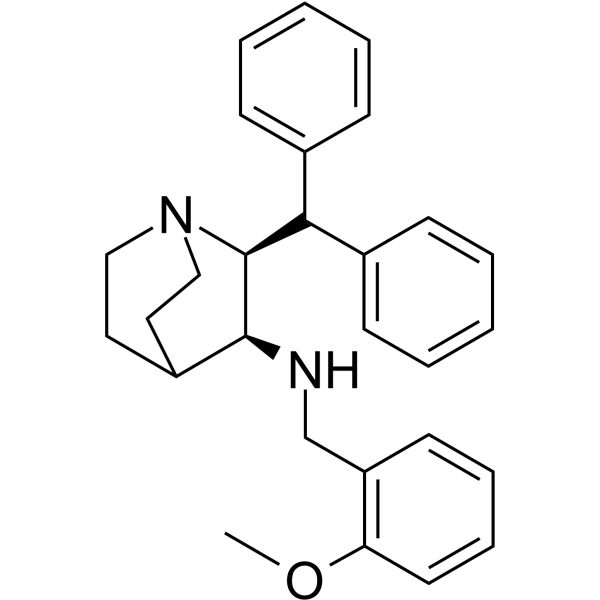
CP-96,345 is a non-peptide selective NK-1 receptor antagonist (Ki = 0.31 nM). CP-96,345 inhibits cell rolling, adhesion, and plasma extravasation, and inhibits degranulation and pancreatic MPO activity. CP-96,345 attenuates neurogenic inflammation, edema, and adhesion molecule expression. CP-96,345 attenuates static contraction- and muscle stretch-evoked pressor reflexes through blockade of NK-1 receptors in the dorsal horn. CP-96,345 impairs post-ischemic recovery of LVDevP, HR, and CF in isolated hearts and increases reperfusion fibrillation. CP-96,345 can be used for research on chronic colitis, myocardial ischemia-reperfusion injury, smoke inhalation and burn injury, acute pancreatitis, oxazolone colitis, and neurogenic inflammation .
loading...
    loading...
Cat. No.: HY-134092
CAS No.: 131391-65-6
Synonyms: N-Methyl-LTC4
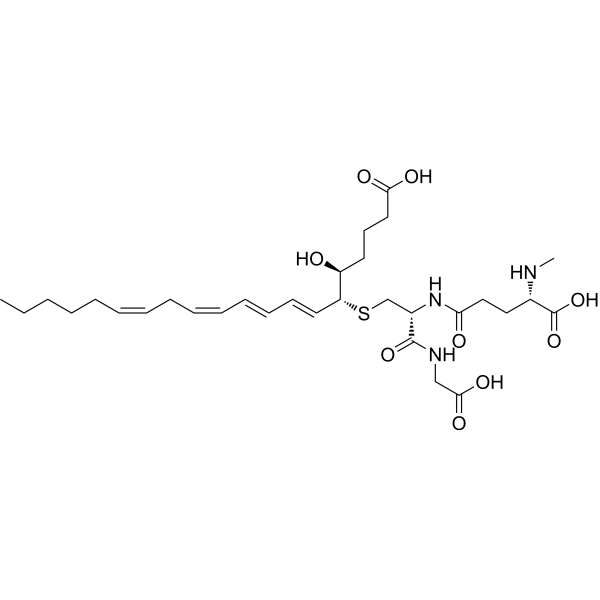
N-Methyl Leukotriene C4 (N-Methyl-LTC4) is a non-metabolizable LTC4 analog and a selective cysteinyl leukotriene receptor 2 (CysLT2) agonist, with an EC50 of 46.1 nM for mouse CysLT2 and an EC50 value of 122.3 nM for human CysLT2. N-Methyl Leukotriene C4 shows low potency against CysLT1. N-Methyl Leukotriene C4 activates human and mouse CysLT2 receptors, triggering calcium signaling, β-arrestin-2 binding to phosphorylated receptors, vascular leakage, hypotension, tachycardia, contraction of guinea pig ileum and trachea, mild bronchoconstriction, as well as hypertension associated with peripheral vasoconstriction. N-Methyl Leukotriene C4 can be used in research on asthma, rhinitis, sinusitis, cerebral inflammation and edema, pulmonary arterial hypertension, and cardiovascular diseases .
loading...
    loading...
Cat. No.: HY-173518
CAS No.: 3064262-80-9
SIN 14, a derivative of Sinomenine (HY-15122), is an orally active HO-1 activator (KD = 17.2 μM). SIN 14 binds to the catalytic core domain of HO-1 and induces HO-1 activation in catalysis. SIN 14 significantly increases HO-1 stability. SIN 14 has anti-inflammatory effects and inhibits M1 macrophage polarization while promoting M2 polarization in LPS (Lipopolysaccharides)(HY-D1056)-induced RAW264.7 cells. SIN 14 inhibits inflammatory mediator production (eg: NO, IL-6, IL-1β and CCL2, inhibits production of ROS and down-regulates the expression of COX-2 and iNOS. SIN 14 can inhibit RA-related inflammatory edema in collagen-induced arthritis (ClA) mice .
loading...
    loading...
Cat. No.: HY-186316
CAS No.: 2769053-56-5
KDS12025 is a blood-brain barrier-permeable, orally active H2O2-decomposing peroxidase enhancer. KDS12025 enhances the H2O2-decomposing pseudoperoxidase activity of Hb without altering oxygen transport function, and reduces intracellular H2O2 load. KDS12025 reduces abnormal H2O2 levels and inhibits the production of COL1. KDS12025 restores cerebral blood flow, maintains neuronal excitability, membrane properties, synaptic connections and corticospinal tract fibers, reduces cerebral edema and exerts neuroprotective effects. KDS12025 improves motor function and overall neurological function. KDS12025 can be used in the research of ischemic stroke, Alzheimer's disease, Parkinson's disease, amyotrophic lateral sclerosis, aging-related neurodegenerative diseases and rheumatoid arthritis .
loading...
    loading...
Cat. No.: HY-N0378S
Synonyms: Mannitol-d8; Mannite-d8
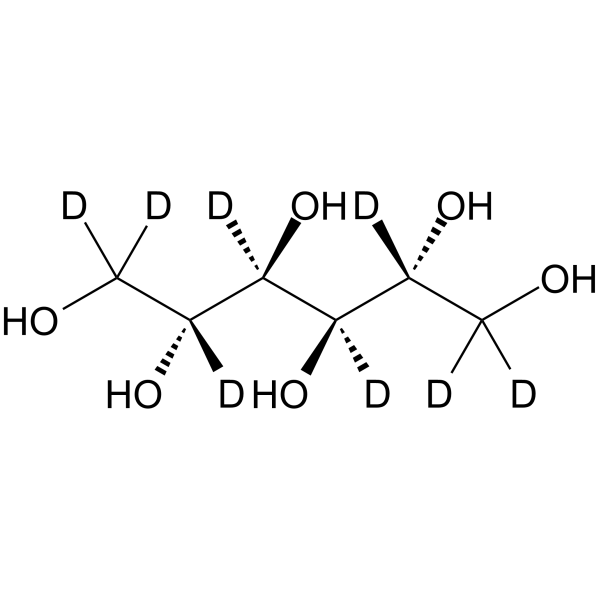
D-Mannitol-d8 is the deuterium labeled D-Mannitol (HY-N0378). D-Mannitol (Mannitol) is an oral, resistant sugar widely used in the food and pharmaceutical industries to promote the absorption and retention of calcium and magnesium through cecal fermentation, while acting as a osmotic diuretic to reduce tissue edema. D-Mannitol can enhance brown fat formation, improve insulin effect, reduce blood sugar levels, And through the start the β3-adrenergic receptor (β3-AR), PGC1α and PKA induced by means of white fat cells into brown fat cells . D-Mannitol is commonly used to maintain osmotic pressure between the plant cytoplasm and the culture medium and protect cells when the cell wall is weakened or even removed .
loading...
    loading...
Cat. No.: HY-N0378S1
CAS No.: 132202-29-0
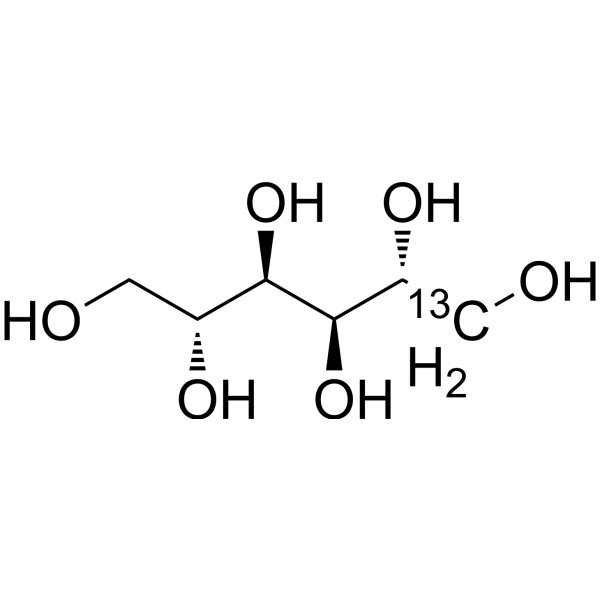
Synonyms: Mannitol-13C; Mannite-13C
D-Mannitol- 13C is the 13C labeled D-Mannitol (HY-N0378). D-Mannitol (Mannitol) is an oral, resistant sugar widely used in the food and pharmaceutical industries to promote the absorption and retention of calcium and magnesium through cecal fermentation, while acting as a osmotic diuretic to reduce tissue edema. D-Mannitol can enhance brown fat formation, improve insulin effect, reduce blood sugar levels, And through the start the β3-adrenergic receptor (β3-AR), PGC1α and PKA induced by means of white fat cells into brown fat cells . D-Mannitol is commonly used to maintain osmotic pressure between the plant cytoplasm and the culture medium and protect cells when the cell wall is weakened or even removed .
loading...
    loading...
Cat. No.: HY-N0378S2
CAS No.: 287112-34-9
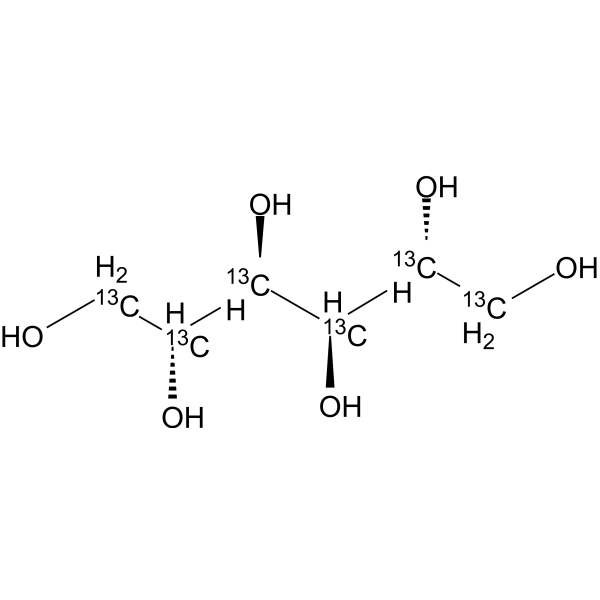
Synonyms: Mannitol-13C6; Mannite-13C6
D-Mannitol- 13C6 is the 13C labeled D-Mannitol (HY-N0378). D-Mannitol (Mannitol) is an oral, resistant sugar widely used in the food and pharmaceutical industries to promote the absorption and retention of calcium and magnesium through cecal fermentation, while acting as a osmotic diuretic to reduce tissue edema. D-Mannitol can enhance brown fat formation, improve insulin effect, reduce blood sugar levels, And through the start the β3-adrenergic receptor (β3-AR), PGC1α and PKA induced by means of white fat cells into brown fat cells . D-Mannitol is commonly used to maintain osmotic pressure between the plant cytoplasm and the culture medium and protect cells when the cell wall is weakened or even removed .
loading...
    loading...
Cat. No.: HY-N0378S4
CAS No.: 2649096-16-0
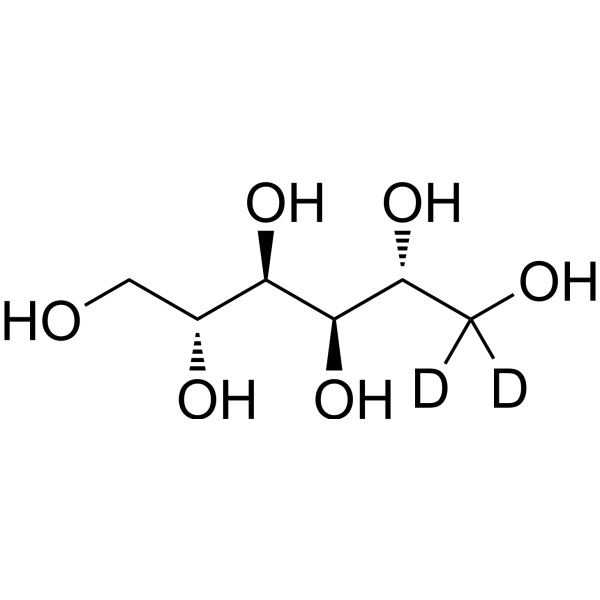
Synonyms: Mannitol-d2; Mannite-d2
D-Mannitol-d2 is the deuterium labeled D-Mannitol (HY-N0378). D-Mannitol (Mannitol) is an oral, resistant sugar widely used in the food and pharmaceutical industries to promote the absorption and retention of calcium and magnesium through cecal fermentation, while acting as a osmotic diuretic to reduce tissue edema. D-Mannitol can enhance brown fat formation, improve insulin effect, reduce blood sugar levels, And through the start the β3-adrenergic receptor (β3-AR), PGC1α and PKA induced by means of white fat cells into brown fat cells . D-Mannitol is commonly used to maintain osmotic pressure between the plant cytoplasm and the culture medium and protect cells when the cell wall is weakened or even removed .
loading...
    loading...
Cat. No.: HY-N0378S5
CAS No.: 75607-68-0
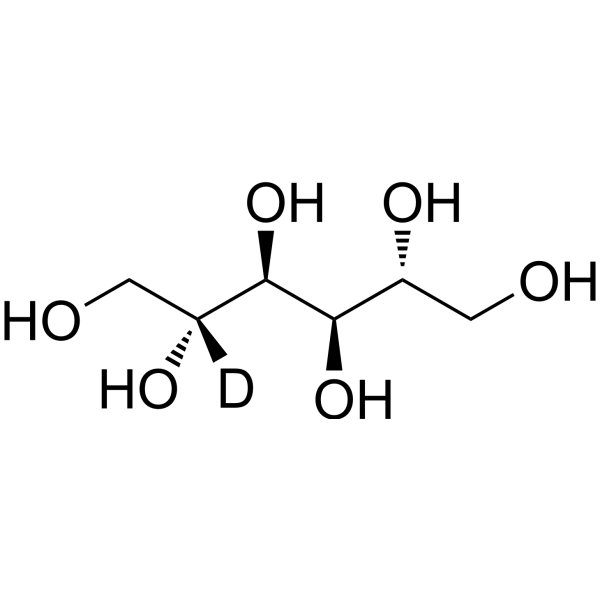
Synonyms: Mannitol-d1; Mannite-d1
D-Mannitol-d is the deuterium labeled D-Mannitol (HY-N0378). D-Mannitol (Mannitol) is an oral, resistant sugar widely used in the food and pharmaceutical industries to promote the absorption and retention of calcium and magnesium through cecal fermentation, while acting as a osmotic diuretic to reduce tissue edema. D-Mannitol can enhance brown fat formation, improve insulin effect, reduce blood sugar levels, And through the start the β3-adrenergic receptor (β3-AR), PGC1α and PKA induced by means of white fat cells into brown fat cells . D-Mannitol is commonly used to maintain osmotic pressure between the plant cytoplasm and the culture medium and protect cells when the cell wall is weakened or even removed .
loading...
    loading...
Cat. No.: HY-N0891
CAS No.: 115810-12-3
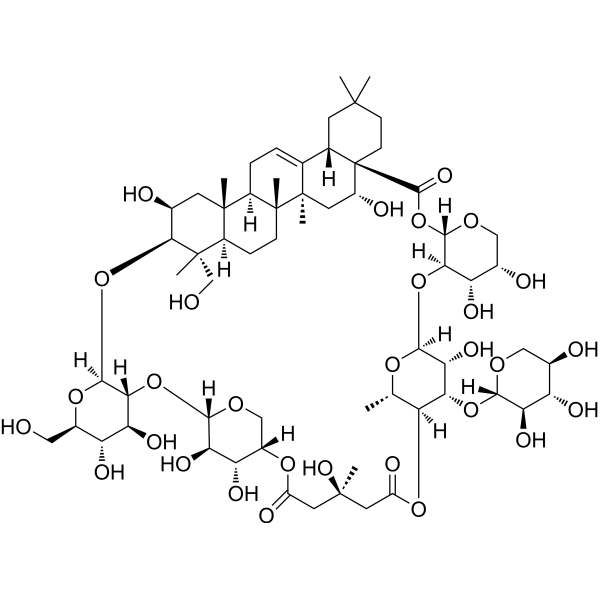
Synonyms: Tubeimoside-B
Tubeimoside II is an orally active triterpenoid saponin and antiviral agent that binds to PACT/PRKRA with Kd values of 5.37 μM and 133.1 μM, respectively. Tubeimoside II inhibits oxidase-dependent EGFR activation and reduces TGF-β1-induced oxidative stress. Tubeimoside II activates the RIG-I signaling pathway and increases IFN-β secretion. Tubeimoside II suppresses TPA-induced ear edema, mouse sarcoma 180 growth, and TPA-induced skin tumor formation. Tubeimoside II exerts broad-spectrum antiviral activity against SARS-CoV-2, HCoV-OC43, and IAV-H1N1/FM1. Tubeimoside II can be used in research related to retinoblastoma, respiratory viral infections, skin tumors, and sarcoma 180 .
loading...
    loading...
Cat. No.: HY-N18124
CAS No.: 122688-84-0
1-O-Tigloyl-1-O-debenzoylohchinal is an orally active limonoid-type triterpenoid anti-inflammatory and peripheral analgesic agent isolated from the fruits of Melia toosendan. 1-O-Tigloyl-1-O-debenzoylohchinal significantly inhibits acetic acid (HY-Y0319)-induced increase in vascular permeability, λ-Carrageenan (HY-N9470)-induced paw edema, and acetic acid-induced writhing response in mice. 1-O-Tigloyl-1-O-debenzoylohchinal shows no significant analgesic effect in the hot-plate test, and acts mainly on the peripheral rather than the central nervous system. 1-O-Tigloyl-1-O-debenzoylohchinal can be widely used in the research of acute or chronic inflammation, stomachache and other related diseases .
loading...
    loading...
Cat. No.: HY-N20719
CAS No.: 3162-56-9
Vulgarin is an orally active, naturally occurring eudesmane sesquiterpene with multiple biological activities including anti-inflammatory and antioxidant properties. Vulgarin targets and inhibits HMGB1, NF-κB and iNOS, while regulating key genes involved in hepatic gluconeogenesis; it also blocks inflammatory signaling pathways and inhibits the production and release of pro-inflammatory cytokines such as TNF-α and IL-1β. Vulgarin effectively alleviates pancreatic oxidative stress by reducing lipid peroxidation levels and restoring antioxidant enzyme activity. Vulgarin reverses abnormally elevated serum pancreatic enzyme levels, preserves the integrity of pancreatic acinar cells, and reduces pancreatic edema, hemorrhage and inflammatory infiltration. Vulgarin remodels the function of pancreatic endocrine cells, restores insulin content in β cells, and downregulates glucagon levels in α cells and somatostatin levels in δ cells. Vulgarin can be used in studies related to pancreatic injury and diabetes .
loading...
    loading...
Cat. No.: HY-130046
CAS No.: 547-81-9
Purity:  99.04%
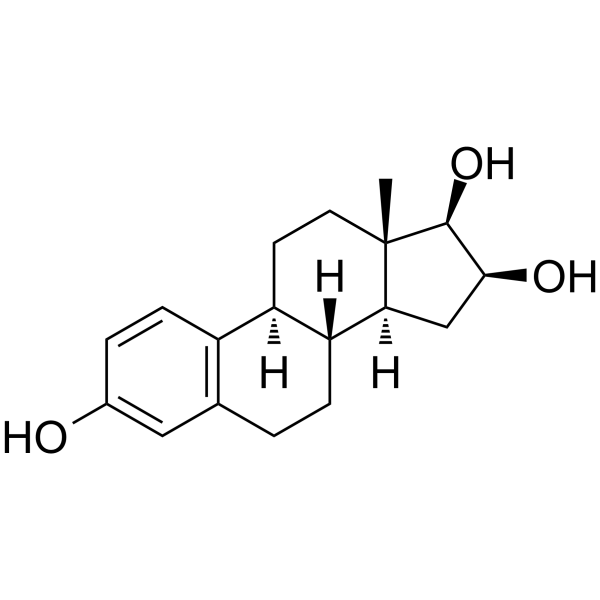
Synonyms: 16-epi-Estriol; 16β,17β-Estriol
Target:  

UGT Bacterial

Research Areas:  

Infection Inflammation/Immunology

16-Epiestriol (16-epi-Estriol; 16β,17β-Estriol) is a natural stereoisomer of estriol and an anti-inflammatory agent that targets UGT. The Ki values of 16-Epiestriol against human UGT1A10 and UGT2B7 are 98.1 μM and 162 μM, respectively. As a glucuronidation substrate, 16-Epiestriol can be modified at the 3-OH, 16-OH and 17-OH sites by various UGT enzymes; in liver microsomes, the modification mainly occurs at the 16-OH and 17-OH sites, while reactions take place at all three sites in intestinal microsomes. 16-Epiestriol acts on the phase II inflammatory process by blocking edema mediated by prostaglandins and leukocyte infiltration. It lacks glycogenic activity or any effect on blood glucose levels, and serves as an important candidate molecule in the research of inflammatory diseases .
loading...
    loading...
Cat. No.: HY-178413S
Synonyms: Mannitol-d4; Mannite-d4
D-Mannitol-d4 (Mannitol-d4) is the deuterium labeled D-Mannitol (HY-N0378). D-Mannitol (Mannitol) is an oral, resistant sugar widely used in the food and pharmaceutical industries to promote the absorption and retention of calcium and magnesium through cecal fermentation, while acting as a osmotic diuretic to reduce tissue edema. D-Mannitol can enhance brown fat formation, improve insulin effect, reduce blood sugar levels, And through the start the β3-adrenergic receptor (β3-AR), PGC1α and PKA induced by means of white fat cells into brown fat cells . D-Mannitol is commonly used to maintain osmotic pressure between the plant cytoplasm and the culture medium and protect cells when the cell wall is weakened or even removed .
loading...
    loading...
Cat. No.: HY-N0378R
CAS No.: 69-65-8
Synonyms: Mannitol(Standard); Mannite (Standard)
D-Mannitol (Standard) is the analytical standard of D-Mannitol (HY-N0378). This product is intended for research and analytical applications. D-Mannitol (Mannitol) is an oral, resistant sugar widely used in the food and pharmaceutical industries to promote the absorption and retention of calcium and magnesium through cecal fermentation, while acting as a osmotic diuretic to reduce tissue edema. D-Mannitol can enhance brown fat formation, improve insulin effect, reduce blood sugar levels, And through the start the β3-adrenergic receptor (β3-AR), PGC1α and PKA induced by means of white fat cells into brown fat cells . D-Mannitol is commonly used to maintain osmotic pressure between the plant cytoplasm and the culture medium and protect cells when the cell wall is weakened or even removed .
loading...
    loading...
Cat. No.: HY-N0378S3
CAS No.: 287100-69-0
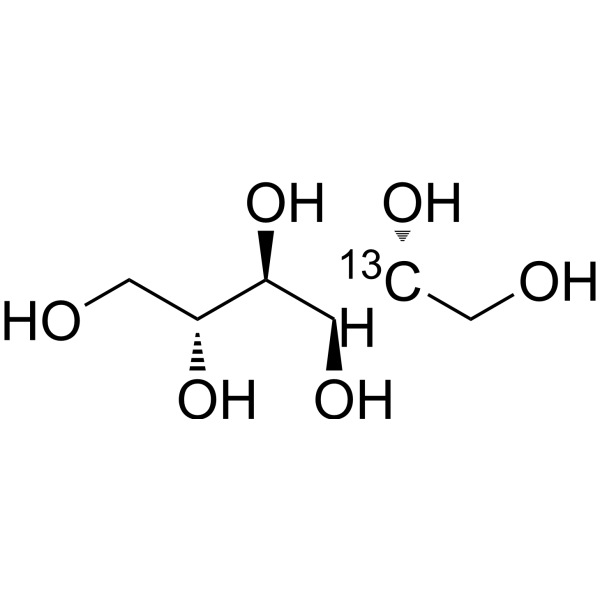
Synonyms: Mannitol-2-13C; Mannite-2-13C
D-Mannitol-2- 13C is the 13C labeled D-Mannitol (HY-N0378). D-Mannitol (Mannitol) is an oral, resistant sugar widely used in the food and pharmaceutical industries to promote the absorption and retention of calcium and magnesium through cecal fermentation, while acting as a osmotic diuretic to reduce tissue edema. D-Mannitol can enhance brown fat formation, improve insulin effect, reduce blood sugar levels, And through the start the β3-adrenergic receptor (β3-AR), PGC1α and PKA induced by means of white fat cells into brown fat cells . D-Mannitol is commonly used to maintain osmotic pressure between the plant cytoplasm and the culture medium and protect cells when the cell wall is weakened or even removed .
loading...
    loading...

