1700 Results for "

Apoptosis/Targets

" in MedChemExpress (MCE) Product Catalog:
Products (1700)

1700 Results for "Apoptosis/Targets" in MCE Product Catalog:

12
12 Cited Publications
Cat. No.: HY-18676
CAS No.: 2070015-22-2
Research Areas:  

Cancer

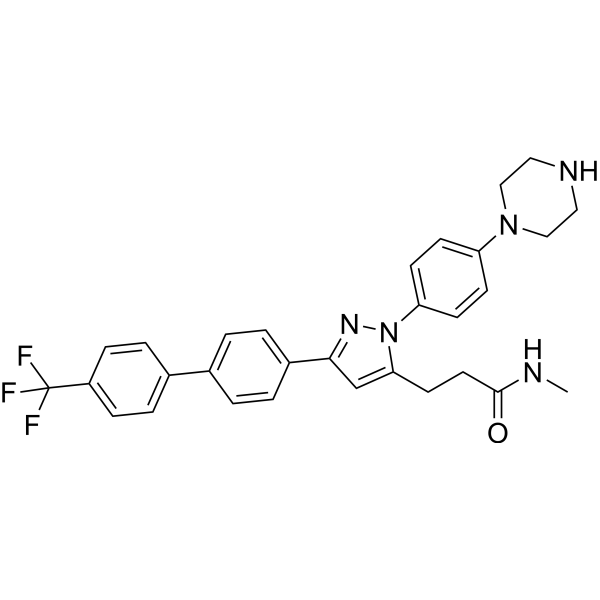
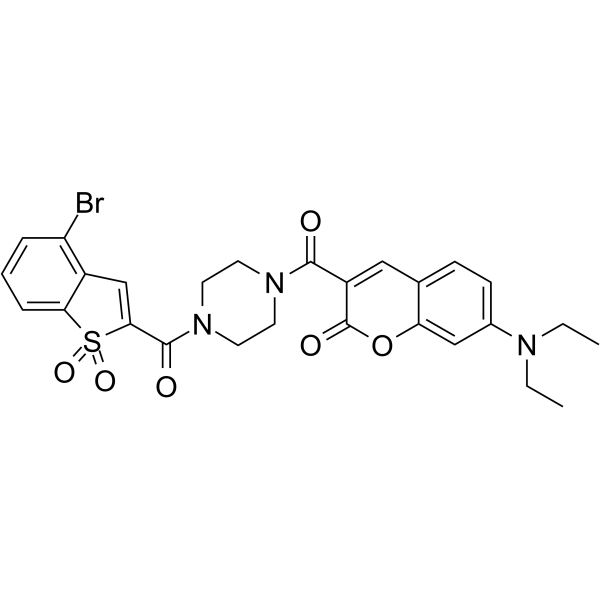
OSU-T315 (ILK-IN-1) is a small Integrin-linked kinase (ILK) inhibitor with an IC50 of 0.6 μM, inhibiting PI3K/AKT signaling by dephosphorylation of AKT-Ser473 and other ILK targets (GSK-3β and myosin light chain) . OSU-T315 abrogates AKT activation by impeding AKT localization in lipid rafts and triggers caspase-dependent apoptosis in an ILK-independent manner . OSU-T315 causes cell death through apoptosis and autophagy .
loading...
    loading...
12
12 Cited Publications
Cat. No.: HY-N1372A
CAS No.: 436-77-1
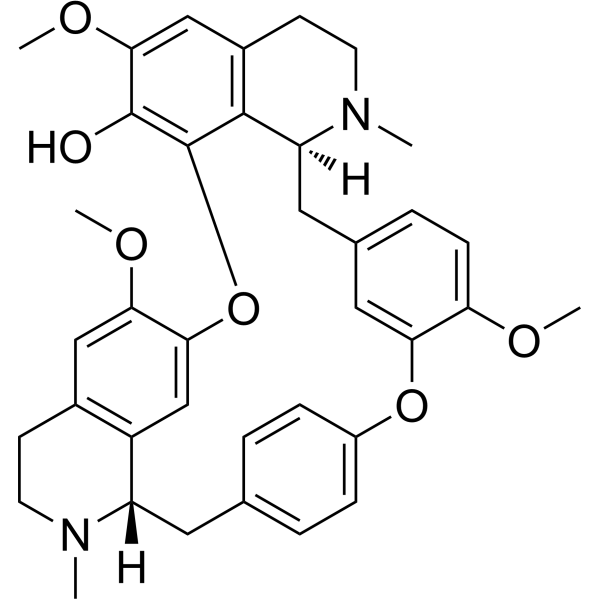
Fangchinoline is isolated from Stephania tetrandra with extensive biological activities, such as enhancing immunity, anti-inflammatory sterilization and anti-atherosclerosis. Fangchinoline, a novel HIV-1 inhibitor, inhibits HIV-1 replication by impairing gp160 proteolytic processing . Fangchinoline targets Focal adhesion kinase (FAK) and suppresses FAK-mediated signaling pathway in tumor cells which highly expressed FAK . Fangchinoline induces apoptosis and adaptive autophagy in bladder cancer .
loading...
    loading...
11
11 Cited Publications
Cat. No.: HY-124617
CAS No.: 441022-64-6
Purity:  99.44%
Target:  

Apoptosis Bacterial

Research Areas:  

Infection Cancer

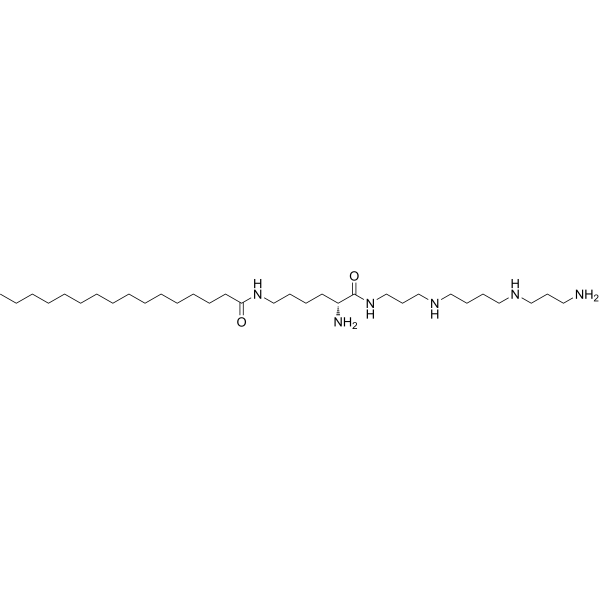
AMXT-1501 is a Bacterial agent and polyamine transport system inhibitor. AMXT-1501 targets membrane phospholipids and exhibits antibacterial activity against a variety of Gram-positive and Gram-negative multidrug-resistant bacteria . AMXT-1501 inhibits capsular biosynthesis in Streptococcus pneumoniae . AMXT-1501 targets ornithine decarboxylase and polyamines to inhibit the proliferation of neuroblastoma cells . AMXT-1501 in combination with DFMO (HY-B0744) induces Apoptosis in neuroblastoma cells. AMXT-1501 is applicable to research related to multidrug-resistant bacterial infections, pneumococcal infections, Streptococcus pneumoniae infections, and neuroblastoma .
loading...
    loading...
11
11 Cited Publications
Cat. No.: HY-124617A
CAS No.: 2444815-84-1
Purity:  ≥98.0%
Target:  

Apoptosis Bacterial

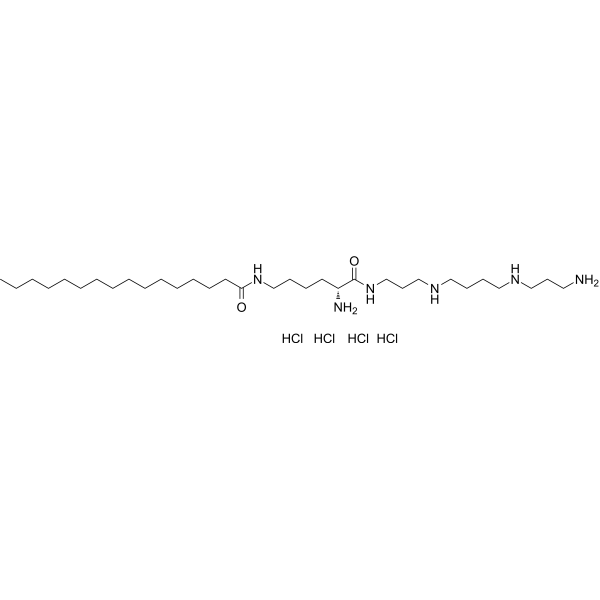
AMXT-1501 tetrahydrochloride is a Bacterial agent and polyamine transport system inhibitor. AMXT-1501 tetrahydrochloride targets membrane phospholipids and exhibits antibacterial activity against a variety of Gram-positive and Gram-negative multidrug-resistant bacteria . AMXT-1501 tetrahydrochloride inhibits capsular biosynthesis in Streptococcus pneumoniae . AMXT-1501 tetrahydrochloride targets ornithine decarboxylase and polyamines to inhibit the proliferation of neuroblastoma cells . AMXT-1501 tetrahydrochloride in combination with DFMO (HY-B0744) induces Apoptosis in neuroblastoma cells. AMXT-1501 tetrahydrochloride is applicable to research related to multidrug-resistant bacterial infections, pneumococcal infections, Streptococcus pneumoniae infections, and neuroblastoma .
loading...
    loading...
11
11 Cited Publications
Cat. No.: HY-B1077
CAS No.: 26864-56-2
Synonyms: R-16341
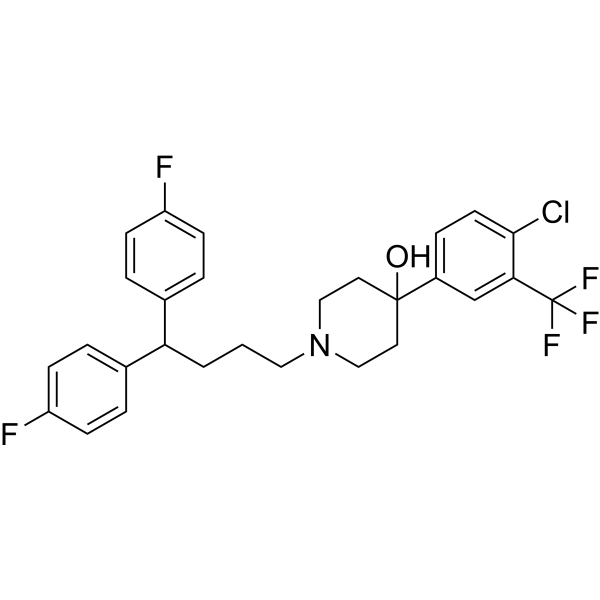
Penfluridol (R-16341) is a potent, long-acting, first-generation, oral diphenylbutylpiperidine antipsychotic agent by targeting D2-like dopamine receptor. Penfluridol effectively inhibits TNFα-induced NF-κB activation and alleviates the severity of arthritis and colitis in vivo. Penfluridol is a Ca2+-calmodulin inhibitor. Penfluridol induces apoptosis and autophagy. Penfluridol is used for chronic schizophrenia, acute psychosis, Tourette syndrome and autoimmune diseases. Penfluridol inhibites the growth of E. faecalis planktonic cells with the MIC of 7.81 μg/ml .
loading...
    loading...
10
10 Cited Publications
Cat. No.: HY-15614
CAS No.: 895158-95-9
Purity:  99.48%
Research Areas:  

Cancer

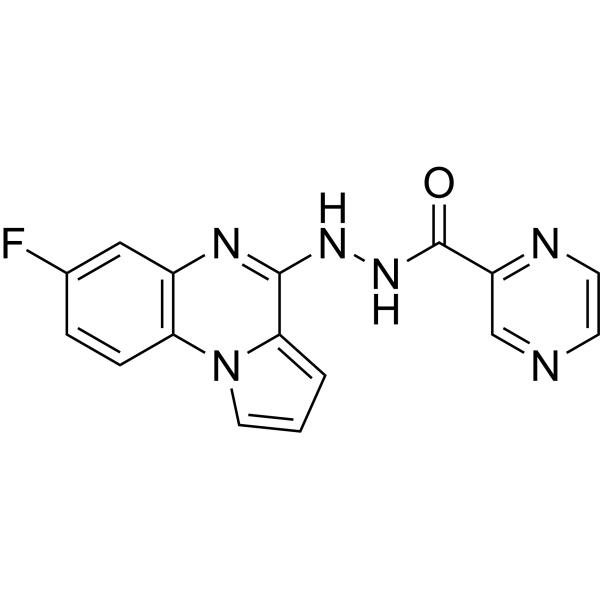
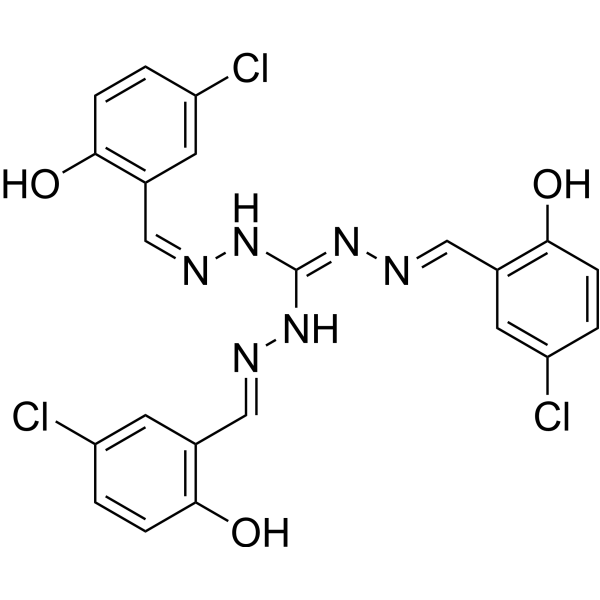
SC144 is a first-in-class, orally active gp130 (IL6-beta) inhibitor. SC144 binds gp130, induces gp130 phosphorylation (S782) and deglycosylation, abrogates Stat3 phosphorylation and nuclear translocation, and further inhibits the expression of downstream target genes. SC144 shows potent inhibition of gp130 ligand-triggered signaling. SC144 induces apoptosis in human ovarian cancer cells .
loading...
    loading...
10
10 Cited Publications
Cat. No.: HY-15614A
CAS No.: 917497-70-2
Purity:  98.98%
Research Areas:  

Cancer

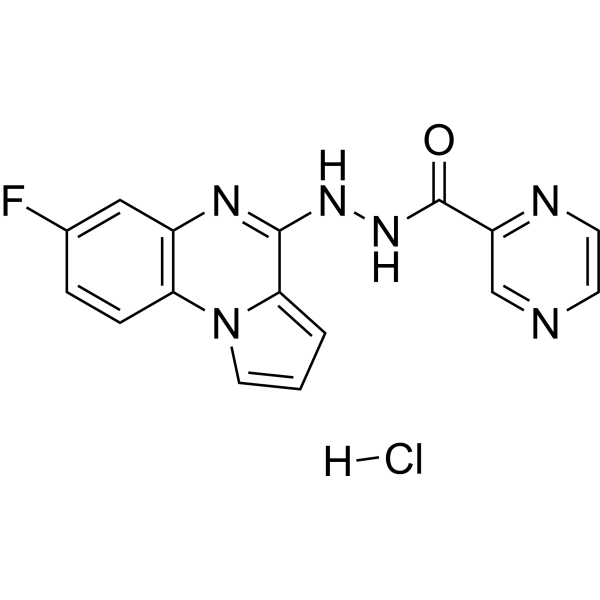
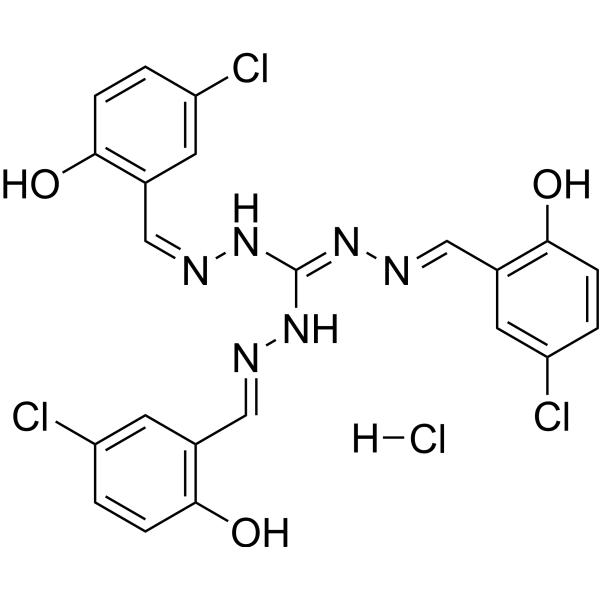
SC144 hydrochloride is a first-in-class, orally active gp130 (IL6-beta) inhibitor. SC144 hydrochloride binds gp130, induces gp130 phosphorylation (S782) and deglycosylation, abrogates Stat3 phosphorylation and nuclear translocation, and further inhibits the expression of downstream target genes. SC144 hydrochloride shows potent inhibition of gp130 ligand-triggered signaling. SC144 hydrochloride induces apoptosis in human ovarian cancer cells .
loading...
    loading...
10
10 Cited Publications
Cat. No.: HY-128586
CAS No.: 1848959-10-3
Purity:  99.52%
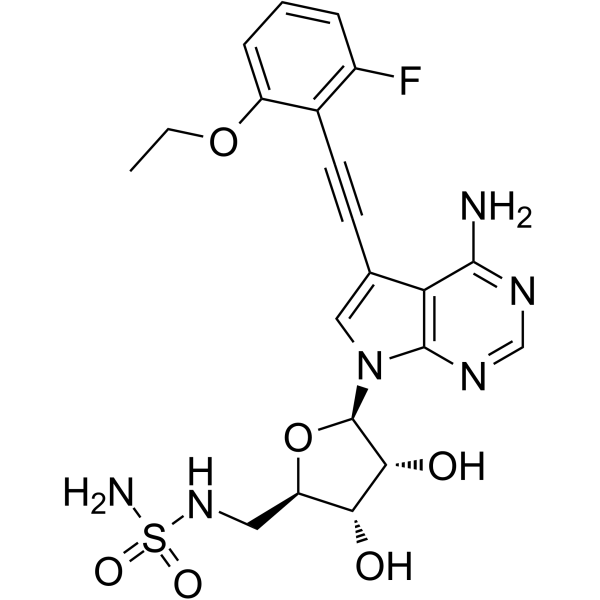
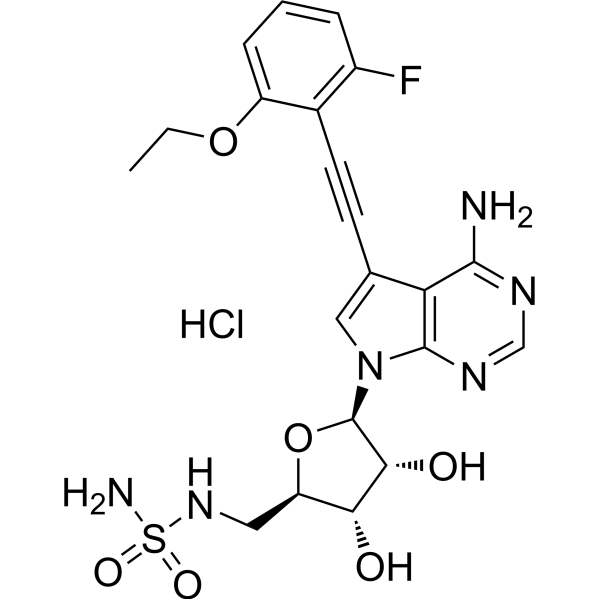
TAS4464 is a long-acting, highly selective covalent inhibitor targeting NEDD8-activating enzyme (NAE) (IC50=0.955 nM), and also inhibits CAII with an IC50 of 0.73 μM, which is less potent than MLN4924 (HY-70062). The IC50 values of TAS4464 against other E1 enzymes UAE and SAE are 449 nM and 1280 nM, respectively. TAS4464 targets NEDD8 in an ATP-dependent manner to inhibit NAE, blocks the neddylation pathway, causes accumulation of CRL ubiquitin ligase substrates (such as CDT1, p27, phosphorylated IκBα), and further induces tumor cell apoptosis. TAS4464 exhibits antiproliferative and cytotoxic effects, and has broad-spectrum antitumor activity against various hematologic and solid tumor cell lines as well as patient-derived tumor cells. TAS4464 has a wide selcetive window, without obvious toxicity. TAS4464 can be used in the research of hematologic malignancies (leukemia, lymphoma, multiple myeloma, etc.) and solid tumors (small cell lung cancer, colorectal cancer, sarcoma, endometrial cancer, ovarian cancer, etc.) .
loading...
    loading...
10
10 Cited Publications
Cat. No.: HY-128586A
CAS No.: 1848959-11-4
Purity:  98.91%
TAS4464 hydrochloride is a long-acting, highly selective covalent inhibitor targeting NEDD8-activating enzyme (NAE) (IC50=0.955 nM), and also inhibits CAII with an IC50 of 0.73 μM, which is less potent than MLN4924 (HY-70062). The IC50 values of TAS4464 hydrochloride against other E1 enzymes UAE and SAE are 449 nM and 1280 nM, respectively. TAS4464 hydrochloride targets NEDD8 in an ATP-dependent manner to inhibit NAE, blocks the neddylation pathway, causes accumulation of CRL ubiquitin ligase substrates (such as CDT1, p27, phosphorylated IκBα), and further induces tumor cell apoptosis. TAS4464 hydrochloride exhibits antiproliferative and cytotoxic effects, and has broad-spectrum antitumor activity against various hematologic and solid tumor cell lines as well as patient-derived tumor cells. TAS4464 hydrochloride has a wide therapeutic window, without obvious toxicity. TAS4464 hydrochloride can be used in the research of hematologic malignancies (leukemia, lymphoma, multiple myeloma, etc.) and solid tumors (small cell lung cancer, colorectal cancer, sarcoma, endometrial cancer, ovarian cancer, etc.) .
loading...
    loading...
9
9 Cited Publications
Cat. No.: HY-N0104
CAS No.: 4871-97-0
Synonyms: (-)-Curcumol
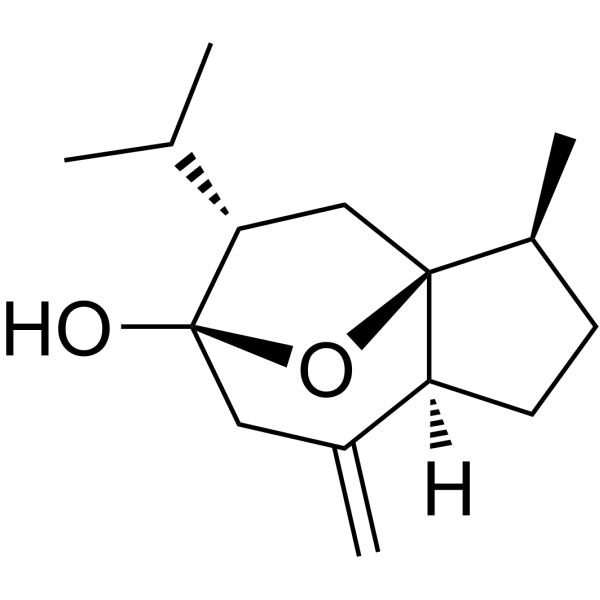
Curcumol ((-)-Curcumol), a bioactive sesquiterpenoid, possesses numerous pharmacological activities like anticancer, antimicrobial, antifungal, antiviral, and antiinflammatory. Curcumol is a potent inducer of apoptosis in numerous cancer cells via targeting key signaling pathways as MAPK/ERK, PI3K/Akt and NF-κB which are generally deregulated in several cancers .
loading...
    loading...
9
9 Cited Publications
Cat. No.: HY-112306
CAS No.: 1442472-39-0
Purity:  98.21%
Synonyms: DCC-2618
Research Areas:  

Cancer

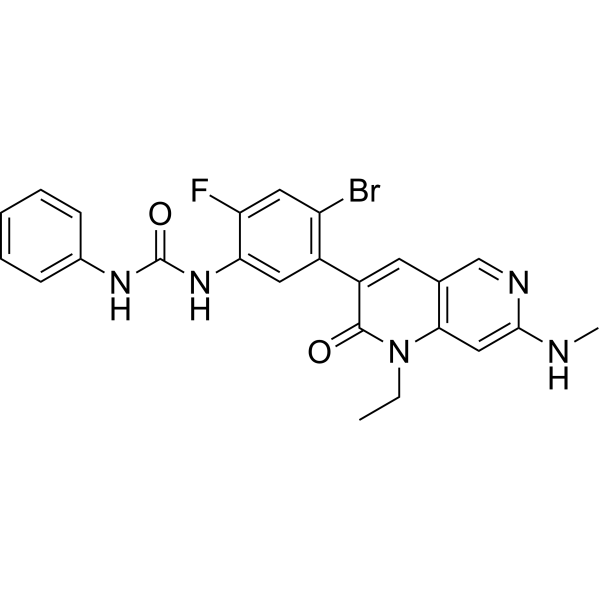
Ripretinib (DCC-2618) is an orally bioavailable, selective KIT and PDGFRA switch-control inhibitor. Ripretinib (DCC-2618) targets and binds to both wild-type and mutant forms of KIT and PDGFRA specifically at their switch pocket binding sites, thereby preventing the switch from inactive to active conformations of these kinases and inactivating their wild-type and mutant forms. Ripretinib (DCC-2618) also inhibits multiple other kinase targets, such as FLT3 and KDR (or VEGFR-2) . DCC-2618 exerts antineoplastic effect and induces apoptosis .
loading...
    loading...
9
9 Cited Publications
Cat. No.: HY-10966
CAS No.: 405554-55-4
Purity:  99.77%
Target:  

Raf Apoptosis

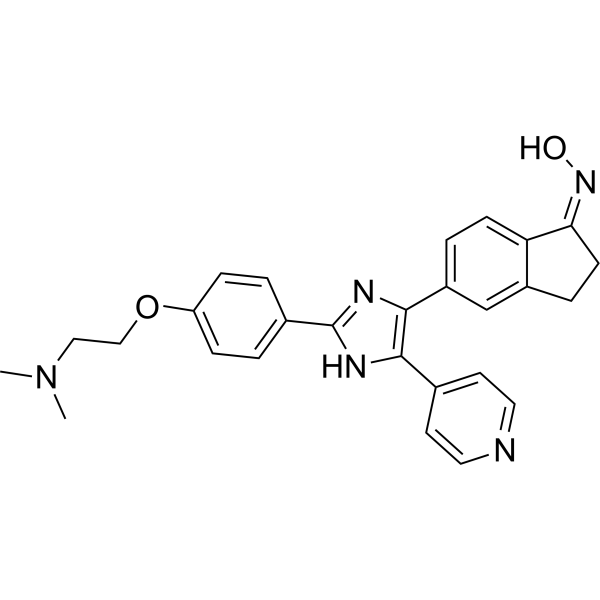
SB-590885 is a BRAF/c-Raf kinase inhibitor that selectively targets B-Raf, and it amplifies the ERK/MAPK signaling pathway in RAS-activated cells. SB-590885 effectively inhibits the malignant proliferation, transformation and tumorigenicity of oncogenic B-Raf cells; it also induces the proliferation of erythroid progenitor cells, delays their differentiation and promotes hemoglobin synthesis, thereby improving ineffective erythropoiesis and reducing apoptosis. SB-590885 exerts a synergistic effect with TGF-β inhibitors and glucocorticoids, significantly promoting the formation of erythroid colonies in cells from patients with Diamond-Blackfan anemia (DBA). SB-590885 is mainly used in relevant studies on DBA, cisplatin-induced myelosuppression-related anemia, and pan-cancers such as melanoma and colorectal cancer .
loading...
    loading...
8
8 Cited Publications
Cat. No.: HY-128588
CAS No.: 2361304-26-7
Purity:  98.40%
Target:  

STAT Apoptosis

Research Areas:  

Cancer

STAT3-IN-3 is a potent and selective inhibitor of signal transducer and activator of transcription 3 (STAT3), with anti-proliferative activity. STAT3-IN-3 induces apoptosis in breast cancer cells. STAT3-IN-3 acts as a promising mitochondria-targeting STAT3 inhibitor for cancer research .
loading...
    loading...
8
8 Cited Publications
Cat. No.: HY-13822
CAS No.: 312636-16-1
Purity:  99.25%
SKI-II is an orally active dual-target inhibitor of SphK1/2 and DES1, with Ki values of 16 µM and 0.3 µM against SphK1 and DES1, respectively. SKI-II activates the PERK-Nrf2 antioxidant pathway by stabilizing Nrf2, and synergizes with Temozolomide (HY-17364) to induce oxidative/endoplasmic reticulum stress and cancer cell death under hypoxic conditions. In vivo, SKI-II inhibits SphK activity, promotes ceramide accumulation and apoptosis, and synergizes with Cisplatin (HY-17394) to reverse drug resistance via the ras/MAPK pathway. SKI-II reduces measles virus replication by inhibiting mTORC1 activity. SKI-II binds to VCP to induce M1 polarization, enhances host tolerance to Staphylococcus aureus infection, and exerts radioprotective effects through Nrf2 activation and accelerated DNA repair. SKI-II can be used in research related to glioblastoma, acute myeloid leukemia, gastric cancer, measles virus infection, Staphylococcus aureus infection, and acute radiation syndrome .
loading...
    loading...
7
7 Cited Publications
Cat. No.: HY-153274
CAS No.: 2408590-36-1
Purity:  98.18%
Target:  

Apoptosis

Research Areas:  

Cancer

CWI1-2 is an IGF2BP2 inhibitor that binds IGF2BP2 and inhibits its interaction with m6A-modified target transcripts, induces apoptosis and differentiation, and shows promising anti-leukemic effects .
loading...
    loading...
7
7 Cited Publications
Cat. No.: HY-153274A
CAS No.: 2408590-37-2
Purity:  98.27%
Target:  

Apoptosis

Research Areas:  

Cancer

CWI1-2 hydrochloride is an IGF2BP2 inhibitor that binds IGF2BP2 and inhibits its interaction with m6A-modified target transcripts, induces apoptosis and differentiation, and shows promising anti-leukemic effects .
loading...
    loading...
7
7 Cited Publications
Cat. No.: HY-N0410
CAS No.: 474-58-8
Synonyms: Eleutheroside A; β-Sitosterol β-D-glucoside
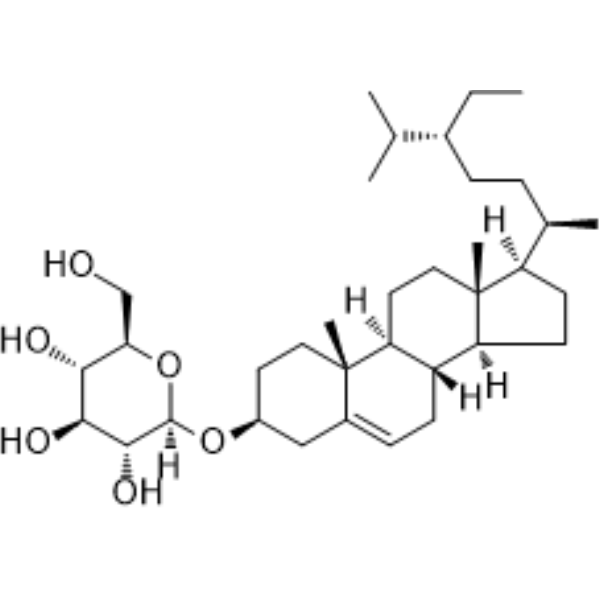
Daucosterol is an orally active natural sterol compound, which has anti-inflammatory, anticancer and immunomodulatory activities. Daucosterol inhibits cancer cell proliferation by inducing autophagy through ROS-dependent manner. Daucosterol also inhibits colon cancer growth by inducing apoptosis, inhibiting cell migration and invasion and targeting caspase signalling pathway .
loading...
    loading...
7
7 Cited Publications
Cat. No.: HY-124629
CAS No.: 2170606-74-1
Purity:  99.48%
Target:  

Apoptosis

Research Areas:  

Cancer

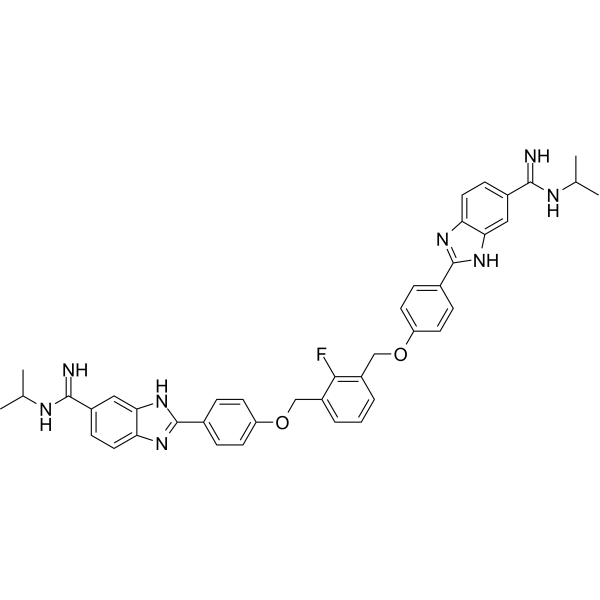
DB2313 is a potent inhibitor of transcription factor PU.1. DB2313 inhibits PU.1-dependent reporter gene transactivation with an IC50 of 5 μM. DB2313 disrupts the interaction of PU.1 with target gene promoters. DB2313 induces apoptosis in acute myeloid leukemia (AML) cells and has anticancer effects .
loading...
    loading...
7
7 Cited Publications
Cat. No.: HY-130800
CAS No.: 1860875-51-9
Purity:  99.76%
Synonyms: CC-90009
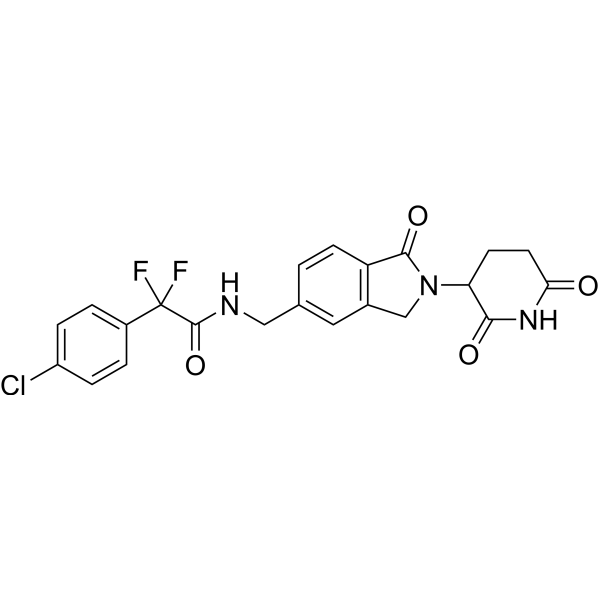
Eragidomide (CC-90009) is a GSPT1 Molecular Glue degrader. Eragidomide exhibits antiproliferative and pro-apoptotic (apoptosis) activities against acute myeloid leukemia cells. Eragidomide recruits the CRL4CRBN E3 ubiquitin ligase complex to selectively target GSPT1 for ubiquitination and proteasomal degradation. Eragidomide reduces leukemia cell engraftment and eliminates leukemia stem cells. Eragidomide promotes the activation of the GCN1/GCN2/ATF4 pathway and the integrated stress response pathway, inhibits global protein translation, promotes preferential translation of ATF4, and induces the accumulation of ATF4, CHOP and ATF3. The response to Eragidomide is regulated by the ILF2/ILF3 heterodimer complex, the mTOR signaling pathway and the integrated stress response. Eragidomide can be used in research related to acute myeloid leukemia and relapsed/refractory acute myeloid leukemia .
loading...
    loading...
6
6 Cited Publications
Cat. No.: HY-16399
CAS No.: 445493-23-2
Target:  

Apoptosis SF3B1

Research Areas:  

Cancer

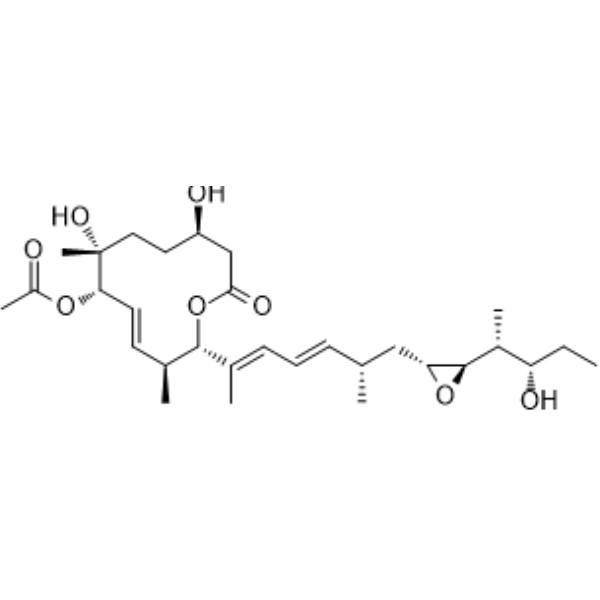
Pladienolide B is a potent cancer cell growth inhibitor that targets the SF3B1 subunit of the spliceosome. Pladienolide B exerts antitumor activities mediated through the inhibition of pre-mRNA splicing. Pladienolide B induces apoptosis .
loading...
    loading...

