67 Results for "

Nephrotoxicity

" in MedChemExpress (MCE) Product Catalog:
Products (67)

67 Results for "Nephrotoxicity" in MCE Product Catalog:

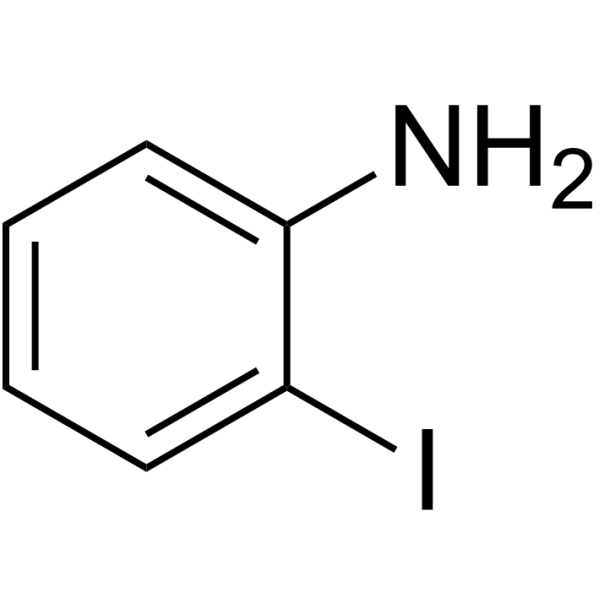
Cat. No.: HY-W007318
CAS No.: 615-43-0
Synonyms: 2-Iodophenylamine
Target:  

Drug Derivative

Research Areas:  

Others

2-Iodoaniline (2-Iodophenylamine) is an aniline derivative, and has potential hepatotoxic and nephrotoxic activity .
loading...
    loading...
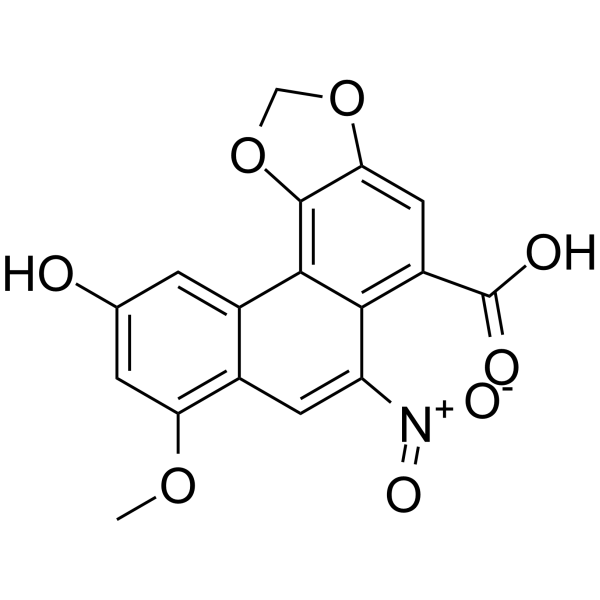
Cat. No.: HY-N1465
CAS No.: 17413-38-6
Synonyms: Aristolochic acid-IVa
Aristolochic acid D (Aristolochic acid-IVa) is an orally active PDE2 (IC50: 4.673 μM) and CDK2 (IC50: 25 μM) inhibitor that can be isolated from Aristolochia indica L. Aristolochic acid D exhibits anti-inflammatory activity and is non-carcinogenic and non-nephrotoxic. Aristolochic acid D can be used in the research of inflammation and tumor-related diseases .
loading...
    loading...
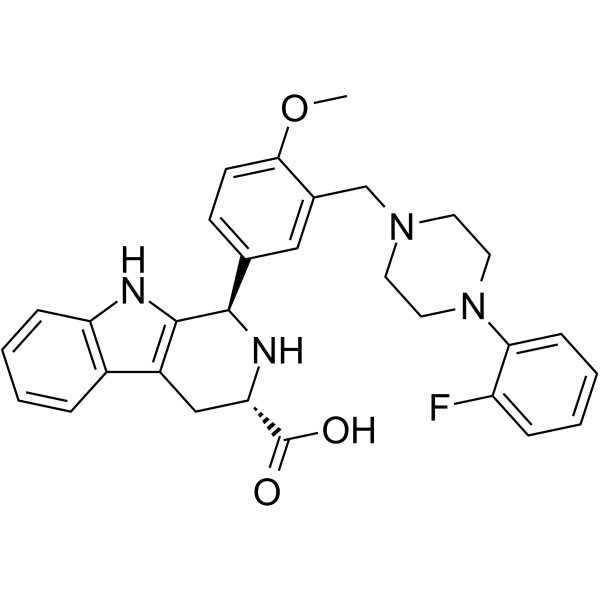
Cat. No.: HY-103316
CAS No.: 1354235-96-3
Purity:  99.33%
trans-Ned 19 is a NAADP antagonist and TPC blocker. trans-Ned 19 suppresses the calcium signal and the rat aorta relaxation in response to low histamine concentrations. trans-Ned 19 increases the spontaneous acrosome reaction rate, alleviates anti-CD3 mAb-induced intestinal inflammation, and improves kidney damage in mice with nephrotoxic serum nephritis .
loading...
    loading...
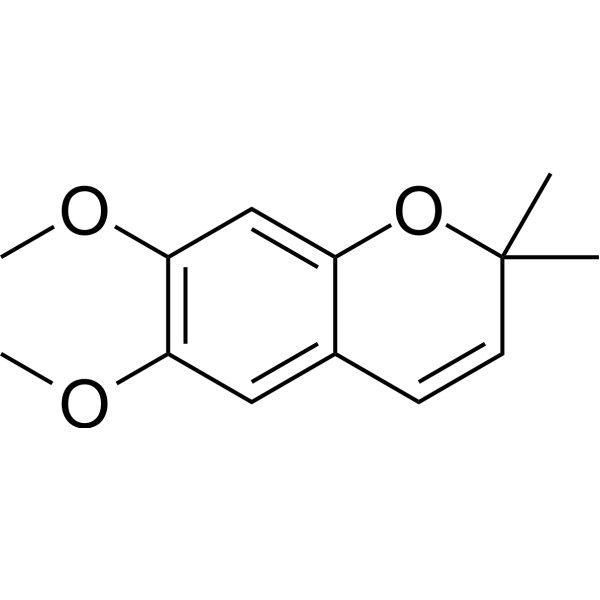
Cat. No.: HY-122940
CAS No.: 644-06-4
Purity:  99.95%
Synonyms: Ageratochromene
Precocene II (Ageratochromene) is a plant larva hormone antagonists that inhibits the biosynthesis of juvenile hormone. Precocene II inhibits corpora allata function and downregulates juvenile hormone levels, while exerting multiple effects including inducing precocious metamorphosis, forming macropterous morphs, inhibiting ovarian growth, producing cytotoxicity, disrupting insect development, and causing sterility and kidney damage. Precocene II blocks normal nymphal development, causes renal tubular damage and increases blood urea nitrogen levels, and also blocks juvenile hormone biosynthesis in vitro. Precocene II undergoes oxidative metabolism catalyzed by NADPH-dependent monooxygenase to generate a variety of metabolites. Precocene II can be applied in studies related to insect growth regulation and nephrotoxicity .
loading...
    loading...
Cat. No.: HY-N11722
CAS No.: 89837-52-5
Panduratin A is an orally active natural compound with multiple pharmacological activities. By specifically inhibiting the NF-κB signaling pathway, Panduratin A exerts potent anti-inflammatory and antioxidant effects in intestinal and vascular inflammation models. Panduratin A exerts a definite protective effect against Colistin (HY-113678)-induced nephrotoxicity by alleviating oxidative stress, improving mitochondrial dysfunction and inhibiting cell apoptosis. Panduratin A activates autophagy via an AMPK-dependent pathway and exhibits anti-tuberculosis activity. Panduratin A exerts antiviral effects by inhibiting the methyltransferase (DNA Methyltransferase) of SARS-CoV-2 .
loading...
    loading...
Cat. No.: HY-P10939A
Target:  

Caspase Pyroptosis

Research Areas:  

Inflammation/Immunology Cancer

Ac-DMLD-CMK TFA is a caspase 3 inhibitor and a GSDME inhibitor. Ac-DMLD-CMK TFA binds directly to the catalytic domain of caspase-3, blocks caspase-3-mediated cleavage of GSDME, inhibits the activation of caspase 3 and Gsdme in the caspase 3-Gsdme signaling pathway, and reduces the levels of pyroptosis and apoptosis as well as the expression of LDH, IL-6, IL-1β and IL-18. Ac-DMLD-CMK TFA alleviates renal function deterioration, renal tubular epithelial cell injury, inflammatory cytokine secretion, pulmonary structural damage, and chemotherapy-induced nephrotoxicity .
loading...
    loading...
Cat. No.: HY-B0509AR
CAS No.: 37517-28-5
Synonyms: BAY 41-6551 (Standard)
Research Areas:  

Infection Cancer

Amikacin (Standard) is the analytical standard of Amikacin. This product is intended for research and analytical applications. Amikacin (BAY 41-6551), a semisynthetic analog of kanamycin, is very active against most gram-negative bacteria including gentamicin- and tobramycin-resistant strains. Amikacin (BAY 41-6551) is ototoxic and nephrotoxic .
loading...
    loading...
Cat. No.: HY-W764758
CAS No.: 2155855-77-7
Research Areas:  

Inflammation/Immunology

3-OH-Kynurenamine dihydroiodide is the dihydroiodide form of 3-OH-Kynurenamine (HY-156908). 3-OH-Kynurenamine dihydroiodide is an activator for aryl hydrocarbon receptor (AhR), and thus regulates the immune response. 3-OH-Kynurenamine dihydroiodide upregulates the expressions of Ido1 and Tgfb1, ameliorates the skin inflammation in psoriasis mouse model and kidney damage in nephrotoxic lupus mouse model .
loading...
    loading...
Cat. No.: HY-B0819
CAS No.: 14816-18-3
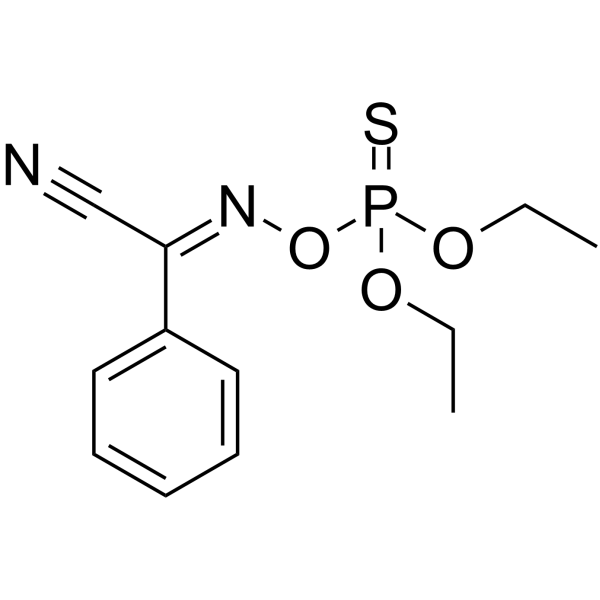
Phoxim is an organophosphorus pesticide and an orally active inhibitor of cholinesterase and CYP3A, which induces neurotoxicity in Caenorhabditis elegans and causes nephrotoxicity characterized by glomerular atrophy and interstitial fibrosis. Phoxim induces inhibition of the autophagy pathway. Phoxim induces dopaminergic neuron degeneration and exacerbates Aβ-induced paralysis. Phoxim damages enterocytes and disrupts intestinal barrier integrity. Phoxim induces ROS accumulation. Phoxim induces mitochondrial apoptosis, involving upregulation of Bad, Bax, caspase-3, and caspase-9 and downregulation of Bcl-2. Phoxim inhibits mitochondrial functional enzymes (COX, Ca 2+-Mg 2+-ATPase, SDH). Phoxim upregulates Nrf2 mRNA expression in the jejunal mucosa. Phoxim increases TNF-α and decreases IL-6 and IL-8 in the intestinal mucosa. Phoxim alters gut microbial composition by increasing total bacteria and Escherichia coli and reducing Lactobacillus. Phoxim enhances energy metabolism in silver carp by upregulating key glycolytic and gluconeogenic enzymes. Phoxim is used in research on neurodegenerative diseases, nephrotoxicity, intestinal oxidative stress and barrier dysfunction, and bacterial sepsis .
loading...
    loading...
Cat. No.: HY-119459R
CAS No.: 658066-35-4
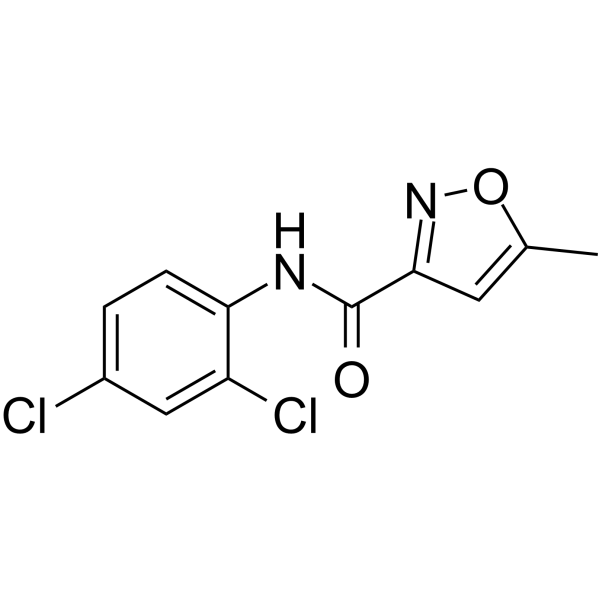
Fluopyram (Standard) is the analytical standard of Fluopyram (HY-119459). This product is intended for research and analytical applications. Fluopyram is an orally active succinate dehydrogenase inhibitor, antifungal and nematicide. Fluopyram inhibits succinate dehydrogenase activity, activates CAR/PXR nuclear receptors, and increases caspase-3, TNF-α and NF-κB. Fluopyram inhibits the growth of F. virguliforme, Botrytis cinerea and Alternaria solani with EC50 values of 3.35, 5.389 and 0.244 µg/mL, respectively. Fluopyram induces liver and thyroid tumor formation. Fluopyram is nephrotoxic and embryotoxic .
loading...
    loading...
Cat. No.: HY-P10939
CAS No.: 2588354-33-8
Target:  

Caspase Pyroptosis

Research Areas:  

Inflammation/Immunology Cancer

Ac-DmLD-CMK is a caspase 3 inhibitor and a GSDME inhibitor. Ac-DmLD-CMK binds directly to the catalytic domain of caspase-3, blocks caspase-3-mediated cleavage of GSDME, inhibits the activation of caspase 3 and Gsdme in the caspase 3-Gsdme signaling pathway, and reduces the levels of pyroptosis and apoptosis as well as the expression of LDH, IL-6, IL-1β and IL-18. Ac-DmLD-CMK alleviates renal function deterioration, renal tubular epithelial cell injury, inflammatory cytokine secretion, pulmonary structural damage, and chemotherapy-induced nephrotoxicity .
loading...
    loading...
Cat. No.: HY-Y0308D
CAS No.: 7558-79-4
Synonyms: Disodium hydrogen phosphate, meets analytical specification of Ph. Eur. BP USP FCC E339
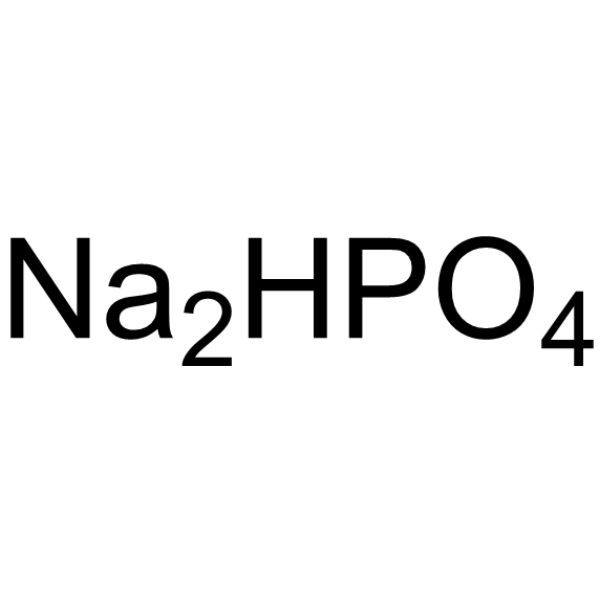
Sodium phosphate dibasic (Disodium hydrogen phosphate), meets analytical specification of Ph. Eur. BP USP FCC E339 is an inorganic dibasic phosphate that functions as an electrolyte supplement, a buffer carrier for injectable drugs, while also exhibiting nephrotoxicity. Sodium phosphate dibasic, meets analytical specification of Ph. Eur. BP USP FCC E339 induces extensive nephrotic syndrome-like changes, including systemic symptoms such as persistent proteinuria, lipemia, hypercholesterolemia, and anemia, and causes severe renal pathological alterations such as renal enlargement, glomerular calcification, podocyte injury, and tubulointerstitial lesions. Sodium phosphate dibasic, meets analytical specification of Ph. Eur. BP USP FCC E339 has the ability to induce phosphate-induced nephropathy and glomerular calcification, and can be widely used in studies on nephrotic syndrome and related renal pathological mechanisms .
loading...
    loading...
Cat. No.: HY-P10414A
Synonyms: KP1 (human) hydrochloride
Target:  

TGF-β Receptor

Research Areas:  

Infection Endocrinology

Klotho-derived peptide 1 hydrochloride (KP1 (human) hydrochloride) is a polypeptide with multiple activities including senescence inhibition and renal protection. Klotho-derived peptide 1 hydrochloride binds to TβR2 and ATAD3A, with a Kd value of 1.41 μM for binding to human TβR2 and a Kd value of 0.319 μM for binding to ATAD3A. By binding to TβR2, Klotho-derived peptide 1 hydrochloride blocks the TGF-β/Smad3 and downstream TGF-β signaling pathways, inhibits the expression of miR-223-3p, induces the expression of lncRNA-TUG1, restores endogenous Klotho at the post-transcriptional level, inhibits cellular senescence markers, fibroblast activation and renal tubular epithelial cell apoptosis, blocks cytochrome c release and caspase activation, maintains the integrity of mitochondrial ultrastructure, and restores mitochondrial protein levels. Klotho-derived peptide 1 hydrochloride enters renal tubular epithelial cells via endocytosis, protects against nephrotoxic and hypoxic injuries, and recapitulates the renal protective and anti-fibrotic effects of full-length Klotho. Klotho-derived peptide 1 hydrochloride can be used in research related to kidney diseases such as chronic kidney disease and SARS-CoV-2-associated acute kidney injury .
loading...
    loading...
Cat. No.: HY-16137
CAS No.: 3577-01-3
Synonyms: Cephaloglycin
Target:  

Bacterial

Research Areas:  

Infection

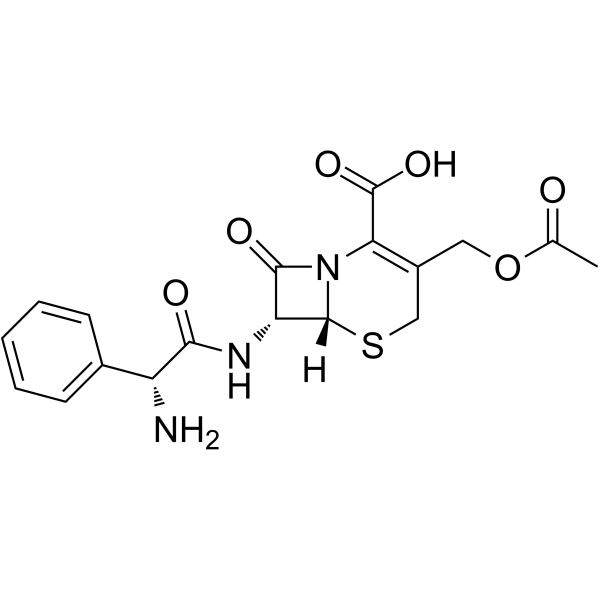
Cefaloglycin (Cephaloglycin) is an orally active nephrotoxic β-lactam cephalosporin antibiotic with antibacterial activity. Cefaloglycin is activity against Gram-Positive cocci other than enterococci. Cefaloglycin is toxic to mitochondrial substrate uptake and respiration .
loading...
    loading...
Cat. No.: HY-117082
CAS No.: 646530-37-2
Purity:  99.92%
Synonyms: GBL-5g
Target:  

TNF Receptor

Research Areas:  

Inflammation/Immunology

UTL-5g (GBL-5g), an anti-inflammatory TNF-α inhibitor, has chemoprotective and liver radioprotective effects. UTL-5g lowers hepatotoxicity, nephrotoxicity, and myelotoxicity induced by Cisplatin through TNF-α inhibition among other factors .
loading...
    loading...
Cat. No.: HY-W661499
CAS No.: 37338-80-0
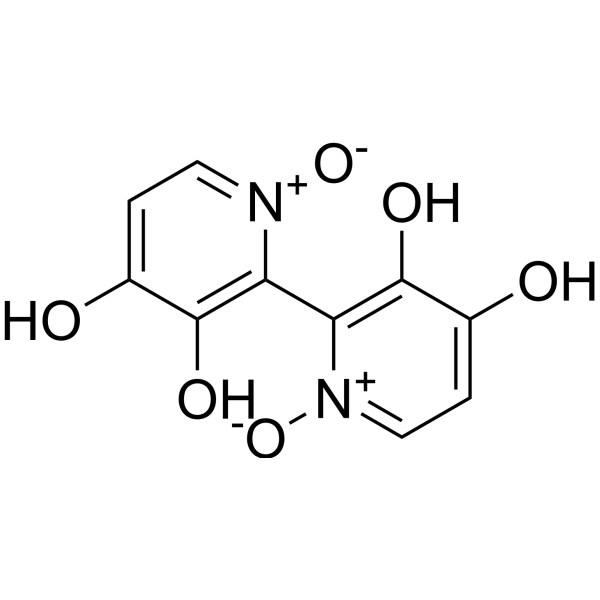
Orellanine, a nephrotoxic alkaloid found in Cortinarius orellanus, is an orally active and selective non-competitive inhibitor of alkaline phosphatase. Orellanine chelates iron, generates reactive oxygen species (ROS), induces DNA scission, forms ortho-semiquinone radicals, downregulates antioxidant defenses, and inhibits mitochondrial function. Orellanine induces caspase 8/9-mediated apoptosis. Orellanine inhibits synthesis of proteins, RNA, DNA, and mitochondrial protein synthesis, with metabolic activation required for cell-free protein synthesis inhibition. Orellanine can be used for the research of metastatic clear cell renal cell carcinoma, acute renal failure, chronic renal insufficiency, and kidney damage .
loading...
    loading...
Cat. No.: HY-P10414
Synonyms: KP1 (human)
Target:  

TGF-β Receptor

Research Areas:  

Infection Endocrinology

Klotho-derived peptide 1 (KP1 (human)) is a polypeptide with multiple activities including senescence inhibition and renal protection. Klotho-derived peptide 1 binds to TβR2 and ATAD3A, with a Kd value of 1.41 μM for binding to human TβR2 and a Kd value of 0.319 μM for binding to ATAD3A. By binding to TβR2, Klotho-derived peptide 1 blocks the TGF-β/Smad3 and downstream TGF-β signaling pathways, inhibits the expression of miR-223-3p, induces the expression of lncRNA-TUG1, restores endogenous Klotho at the post-transcriptional level, inhibits cellular senescence markers, fibroblast activation and renal tubular epithelial cell apoptosis, blocks cytochrome c release and caspase activation, maintains the integrity of mitochondrial ultrastructure, and restores mitochondrial protein levels. Klotho-derived peptide 1 enters renal tubular epithelial cells via endocytosis, protects against nephrotoxic and hypoxic injuries, and recapitulates the renal protective and anti-fibrotic effects of full-length Klotho. Klotho-derived peptide 1 can be used in research related to kidney diseases such as chronic kidney disease and SARS-CoV-2-associated acute kidney injury .
loading...
    loading...
Cat. No.: HY-108385
CAS No.: 1448049-50-0
Ochratoxin A-D4 (Phe-​OTA-D4) is the deuterium labeled Ochratoxin A. Ochratoxin A is an orally active food-borne mycotoxin that can cross the blood-brain barrier. Ochratoxin A is a secondary metabolite of fungi belonging to the genera Aspergillus and Penicillium, and is classified as a Group 2B carcinogen. Ochratoxin A exerts its effects through multiple pathways, including inducing oxidative stress, inhibiting mitochondrial respiration, causing oxidative DNA damage, disrupting the PPAR-γ-CD36 axis, inducing immunosuppression, generating ROS, mediating mitochondria-dependent apoptosis, inhibiting glutamate uptake, triggering demyelination and neuroinflammation, inducing DNA hypomethylation, and inhibiting cell proliferation. Ochratoxin A can induce nephrotoxicity, hepatotoxicity, immunotoxicity, and neurotoxicity, and also exhibits mutagenicity, teratogenicity, and carcinogenicity.
loading...
    loading...
Cat. No.: HY-B2072
CAS No.: 50-59-9
Target:  

Antibiotic Bacterial

Research Areas:  

Infection

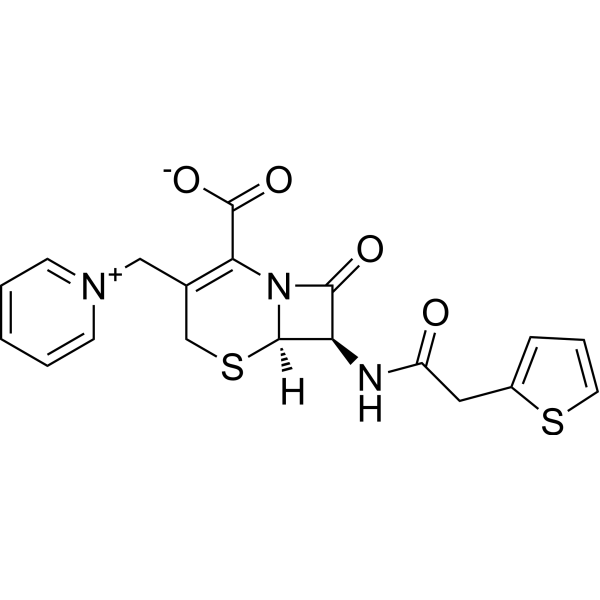
Cephaloridine is a broad-spectrum antibacterial antibiotic. Cephaloridine has certain dose-related nephrotoxicity .
loading...
    loading...
Cat. No.: HY-156908
CAS No.: 99362-47-7
Research Areas:  

Inflammation/Immunology

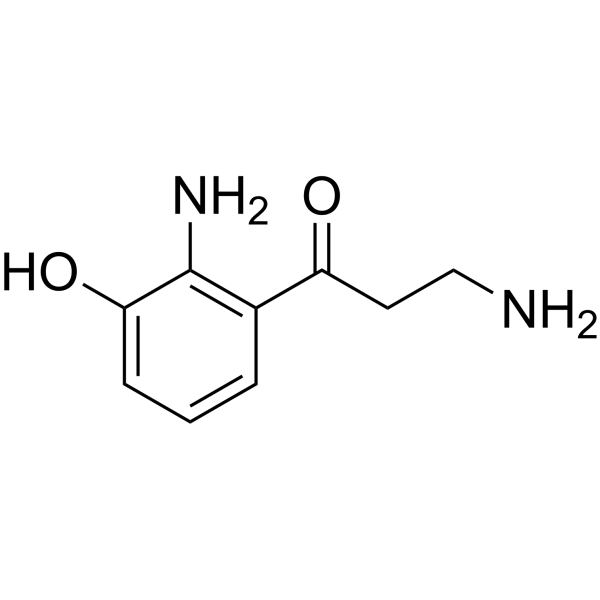
3-OH-Kynurenamine dihydroiodide is an activator for aryl hydrocarbon receptor (AhR), and thus regulates the immune response. 3-OH-Kynurenamine dihydroiodide upregulates the expressions of Ido1 and Tgfb1, ameliorates the skin inflammation in psoriasis mouse model and kidney damage in nephrotoxic lupus mouse model .
loading...
    loading...

