71 Results for "

redox active

" in MedChemExpress (MCE) Product Catalog:
Products (71)

71 Results for "redox active" in MCE Product Catalog:

1
1 Cited Publications
Cat. No.: HY-B0859A
CAS No.: 3653-48-3
Research Areas:  

Metabolic Disease

MCPA sodium is an orally active phenoxyacetic acid herbicide. MCPA sodium interferes with membrane integrity, energy metabolism (decreases ATP levels), and redox balance in plant cells. MCPA sodium increases hepatic cytochrome P-450 levels and increases aniline hydroxylase and 7-ethoxycoumarin O-deethylase activities. MCPA sodium can be used to control broadleaf weeds .
loading...
    loading...
Cat. No.: HY-W012145
CAS No.: 637-01-4
Target:  

Others

Research Areas:  

Metabolic Disease

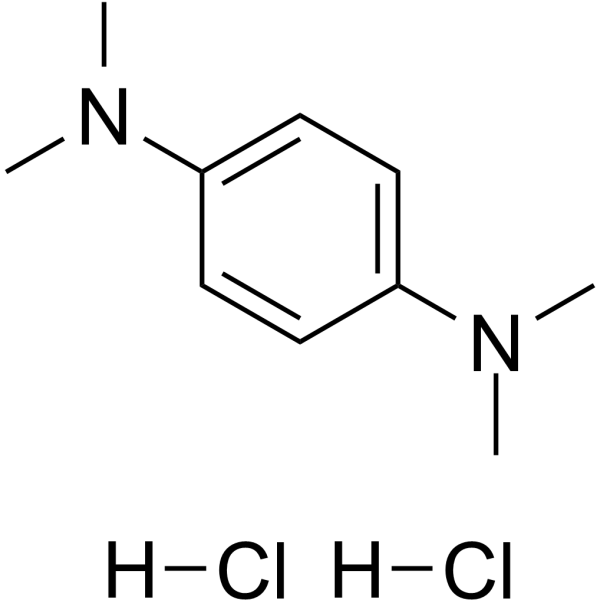
TMPD dihydrochloride, a readily oxidizable compound, is an enzymatically convert redox active substrate molecule. TMPD dihydrochloride is also an electron donor and serves as a reducing cosubstrate for heme peroxidases . TMPD dihydrochloride is also a complex IV substrate .
loading...
    loading...
Cat. No.: HY-W010323
CAS No.: 615-94-1
Synonyms: DHBQ
Research Areas:  

Others

2,5-Dihydroxy-1,4-benzoquinone (DHBQ) is a redox-active quinone-based organic ligand with antibacterial activity that can be obtained from fungal metabolites. After 2,5-Dihydroxy-1,4-benzoquinone is incorporated into the Fe (dhbq) metal-organic framework, a two-electron redox process occurs, which helps improve the discharge capacity of Li +-ion battery cathodes. 2,5-Dihydroxy-1,4-benzoquinone can be used to construct conductive metal-organic frameworks suitable for Li +-ion battery cathodes .
loading...
    loading...
Cat. No.: HY-N0390S6
CAS No.: 285978-14-5
Synonyms: L-Glutamic acid 5-amide-13C5,15N2
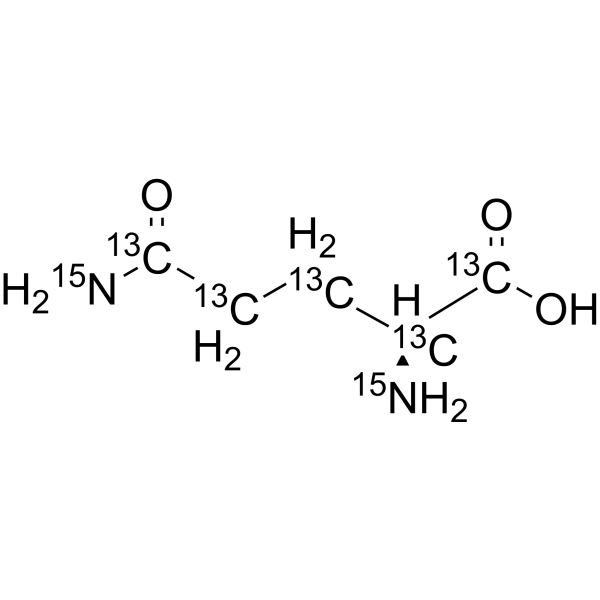
L-Glutamine- 13C5, 15N2 is the 13C- and 15N-labeled L-Glutamine (HY-N0390). L-Glutamine is an orally active nutritional agent and cellular metabolism regulator. L-Glutamine is taken up in a Na +-dependent manner and targets multiple key molecules including glutaminase, mTORC1, NF-κB, STAT-3 and HIF-1α. L-Glutamine enhances glutaminolytic catabolism, drives the conversion of glutamate to α-ketoglutarate, thereby regulating gene expression, integrating metabolic signals, mediating glutamine flux and maintaining redox homeostasis. L-Glutamine also promotes cell proliferation, osteogenic differentiation and fracture healing, exerts neuroprotective and cardioprotective effects, and inhibits osteoarthritis. L-Glutamine can be applied to research related to osteoporosis, osteoarthritis, ischemic stroke and acute cantharidin-induced cardiotoxicity .
loading...
    loading...
Cat. No.: HY-113355
CAS No.: 58-68-4
NADH is an orally active dehydrogenase coenzyme that acts as a crucial electron carrier in cellular respiration and participates in ATP production. NADH promotes metabolism, supports brain function, and counteracts oxidative stress by transferring electrons to the electron transport chain. As a signaling molecule, NADH regulates multiple biological processes, including anti-apoptosis, synaptic plasticity, gene expression, and calcium homeostasis. Redox imbalance of NADH/NAD⁺ is one of the key pathological mechanisms of various diseases, such as diabetic nephropathy, neurodegenerative diseases, and ischemia-reperfusion injury.
loading...
    loading...
Cat. No.: HY-W110927
CAS No.: 130-22-3
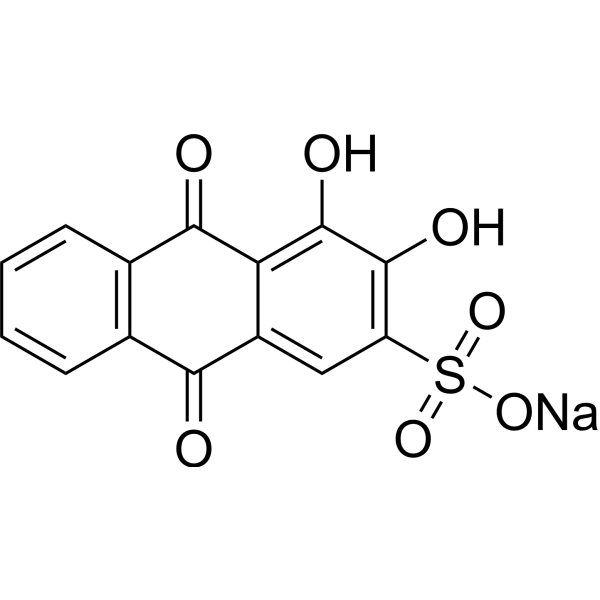
Alizarin red S indicator (C.I. 58005) is a reductively active (quinone-based) anthraquinone dye that forms complexes with metal ions (such as zirconium, calcium) or boric acid to label calcium deposition and perform electrochemical sensing functions. Alizarin Red S undergoes reversible redox reactions (for electrochemical detection) and irreversible chelation (for bone staining). Alizarin Red S is mainly used in bone metabolism research (labeling mineralized tissue), sugar detection (boric acid-sugar competition system) and metal ion sensing (such as zirconium ion detection), and can be used in osteoporosis and metabolic disease research .
loading...
    loading...
Cat. No.: HY-13568
CAS No.: 51234-28-7
Purity:  99.24%
Synonyms: LRCL 3794
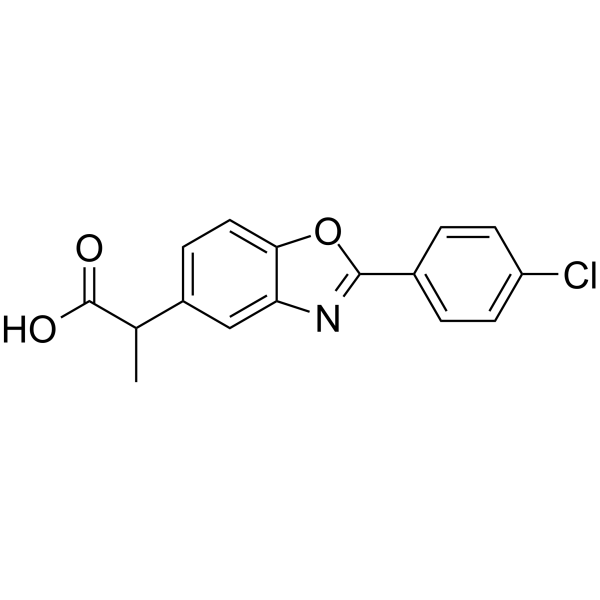
Benoxaprofen (LRCL 3794) is a nonsteroidal anti-inflammatory agent that blocks the biosynthesis of inflammatory mediators such as leukotrienes and prostaglandins by inhibiting 5-LOX, PGH2 synthase and cytochrome P-450. Benoxaprofen exhibits significant toxicity: it not only alters cellular redox status, uncouples oxidative phosphorylation and disrupts calcium ion homeostasis, but also causes liver injury through the formation of covalent adducts between its active metabolites and hepatic proteins. Benoxaprofen shows strong phototoxicity under ultraviolet irradiation, and induces erythrocyte lysis, mast cell degranulation and histamine release. Benoxaprofen is widely used in studies of urticaria and related phototoxic mechanisms .
loading...
    loading...
Cat. No.: HY-114243
CAS No.: 1382469-39-7
Purity:  98.28%
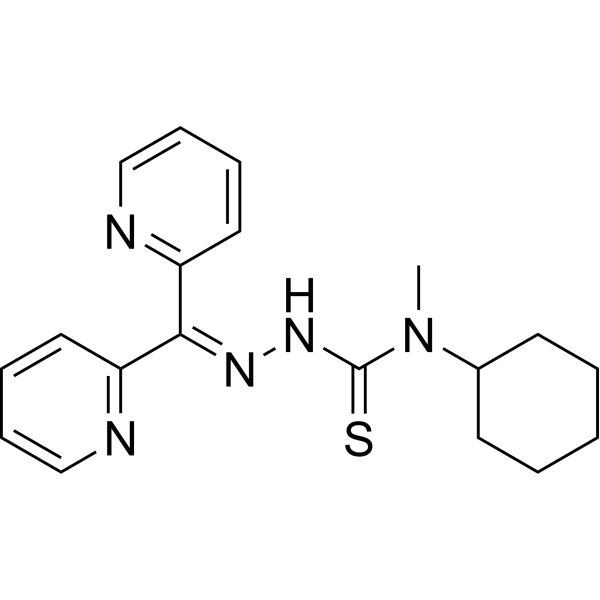
DpC is a selective, orally active iron chelator with anticancer activity. DpC acts on signaling pathway-related targets such as JNK, NF-κB, and its activity is competitively inhibited by another iron chelator Dp44mT (HY-18973). By chelating intracellular iron and copper ions in tumor cells to form redox-active complexes, DpC induces oxidative stress, activates the JNK, NF-κB pathways and downregulates IκBα, upregulates the expressions of neuroglobin and cytoglobin, activates caspase 3/9 to induce tumor cell apoptosis. It also overcomes P-glycoprotein-mediated multidrug resistance through a lysosome-targeting mechanism, and exhibits broad-spectrum synergistic effects when combined with various chemotherapeutic agents. DpC inhibits tumor metastasis and increases TNF-α levels in the tumor microenvironment to enhance endogenous immune responses. DpC is applicable to the research of various malignancies including neuroblastoma, pancreatic cancer, prostate cancer, lung cancer, and breast cancer .
loading...
    loading...
Cat. No.: HY-131943
CAS No.: 2361327-08-2
Purity:  99.36%
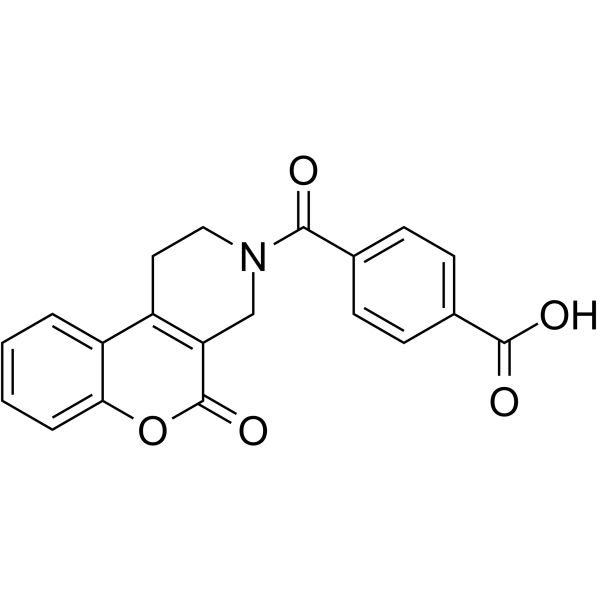
DS44960156 is a selective MTHFD2 inhibitor with moderate to low blood-brain barrier penetration (IC50=1.6 μM, Ki=1.23 μM). DS44960156 specifically binds to the active site of MTHFD2, disrupts redox homeostasis and blocks serine-mediated one-carbon metabolism, thereby increasing the NAD +/NADH ratio and ROS levels. DS44960156 not only effectively inhibits the proliferation of glioma cells, but also enhances the sensitivity of cells to glutamine starvation-induced death. DS44960156 binds to plasma proteins, shows no mutagenicity, carcinogenicity or acute oral toxicity, and serves as a research agent for glioblastoma multiforme and other cancers .
loading...
    loading...
Cat. No.: HY-N0390R
CAS No.: 56-85-9
Synonyms: L-Glutamic acid 5-amide (Standard)
L-Glutamine (Standard) is the analytical standard of L-Glutamine (HY-N0390). This product is intended for research and analytical applications. L-Glutamine is an orally active nutritional agent and cellular metabolism regulator. L-Glutamine is taken up in a Na +-dependent manner and targets multiple key molecules including glutaminase, mTORC1, NF-κB, STAT-3 and HIF-1α. L-Glutamine enhances glutaminolytic catabolism, drives the conversion of glutamate to α-ketoglutarate, thereby regulating gene expression, integrating metabolic signals, mediating glutamine flux and maintaining redox homeostasis. L-Glutamine also promotes cell proliferation, osteogenic differentiation and fracture healing, exerts neuroprotective and cardioprotective effects, and inhibits osteoarthritis. L-Glutamine can be applied to research related to osteoporosis, osteoarthritis, ischemic stroke and acute cantharidin-induced cardiotoxicity .
loading...
    loading...
Cat. No.: HY-116749
CAS No.: 217798-39-5
Purity:  ≥98.0%
Synonyms: BBSKE
Target:  

TrxR

Research Areas:  

Cancer

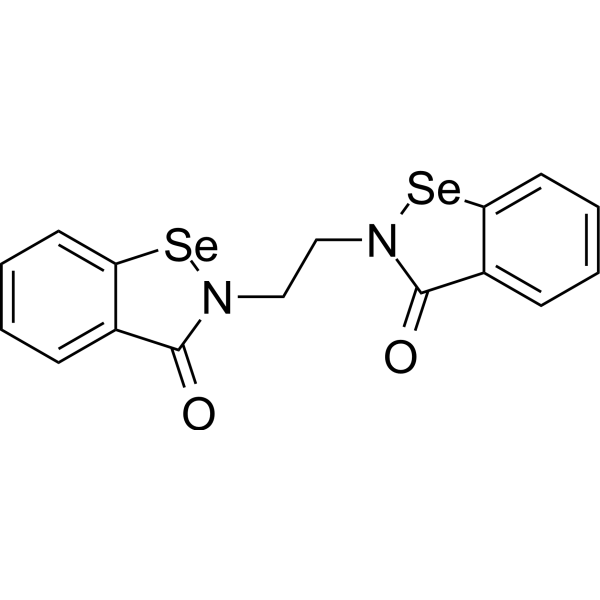
Ethaselen (BBSKE) is an orally active, selective thioredoxin reductase (TrxR) inhibitor with IC50s of 0.5 and 0.35 μM for the wild-type human TrxR1 and rat TrxR1, respectively. Ethaselen specifically binds to the unique selenocysteine-cysteine redox pair in the C-terminal active site of mammalian TrxR1. Ethaselen, an organoselenium compound, is a potent antitumor candidate that exerts potent inhibition on non-small cell lung cancer (NSCLC) by targeting TrxR .
loading...
    loading...
Cat. No.: HY-W037825
CAS No.: 2236-60-4
Pterin is a pteridine with antibacterial activity. Pterin binds to the Fe 2+ active site via its carbonyl group, reducing the oxygen activation energy barrier in hydroxylases. Pterin participates in metabolic redox processes. Pterin can be used in research related to cancer, vitiligo, bacterial infections, phenylketonuria, Parkinson's disease, schizophrenia and depression .
loading...
    loading...
Cat. No.: HY-125999
CAS No.: 1147883-03-1
Purity:  99.53%
Research Areas:  

Neurological Disease

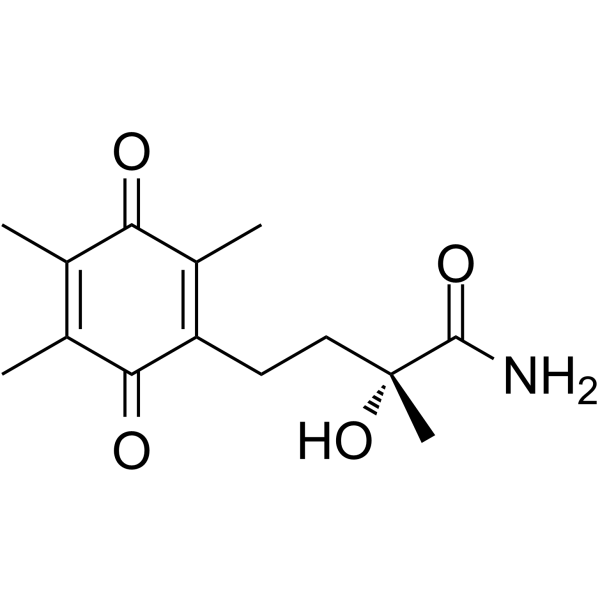
EPI-589, a quinone derivative, is a safe and well tolerated oxidoreductase enzyme inhibitor and a free radical scavenger, with blood-brain barrier permeable and orally available. EPI-589 is a redox-active neuroprotectant that effectively delays the symptoms of motor neuron disease in wobbler mice. EPI-589 can be used in amyotrophic lateral sclerosis (ALS) research .
loading...
    loading...
Cat. No.: HY-N0390S4
CAS No.: 159680-32-7
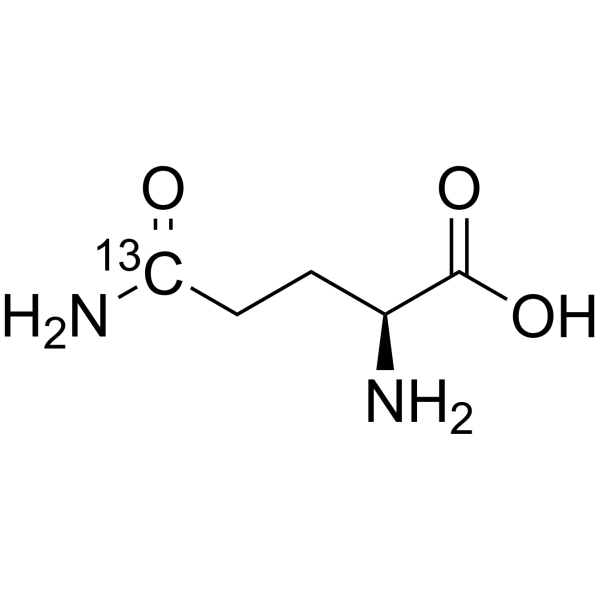
Synonyms: L-Glutamic acid 5-amide-5-13C
L-Glutamine-5- 13C is the 13C-labeled L-Glutamine (HY-N0390). L-Glutamine is an orally active nutritional agent and cellular metabolism regulator. L-Glutamine is taken up in a Na +-dependent manner and targets multiple key molecules including glutaminase, mTORC1, NF-κB, STAT-3 and HIF-1α. L-Glutamine enhances glutaminolytic catabolism, drives the conversion of glutamate to α-ketoglutarate, thereby regulating gene expression, integrating metabolic signals, mediating glutamine flux and maintaining redox homeostasis. L-Glutamine also promotes cell proliferation, osteogenic differentiation and fracture healing, exerts neuroprotective and cardioprotective effects, and inhibits osteoarthritis. L-Glutamine can be applied to research related to osteoporosis, osteoarthritis, ischemic stroke and acute cantharidin-induced cardiotoxicity .
loading...
    loading...
Cat. No.: HY-117048
CAS No.: 1029317-21-2
Purity:  99.77%
Synonyms: PF-04191834
Target:  

Lipoxygenase

Research Areas:  

Inflammation/Immunology

PF-4191834 (PF-04191834) is an orally active, noniron chelating, and non-redox inhibitor of the 5-Lipoxygenase (5-LOX) (IC50=229 nM), displays ~300-fold selectivity for 5-LOX over 12-LOX and 15-LOX, shows no activity toward the cyclooxygenase enzymes, and is effective in inflammation and pain .
loading...
    loading...
Cat. No.: HY-N0390S3
CAS No.: 2123439-02-9
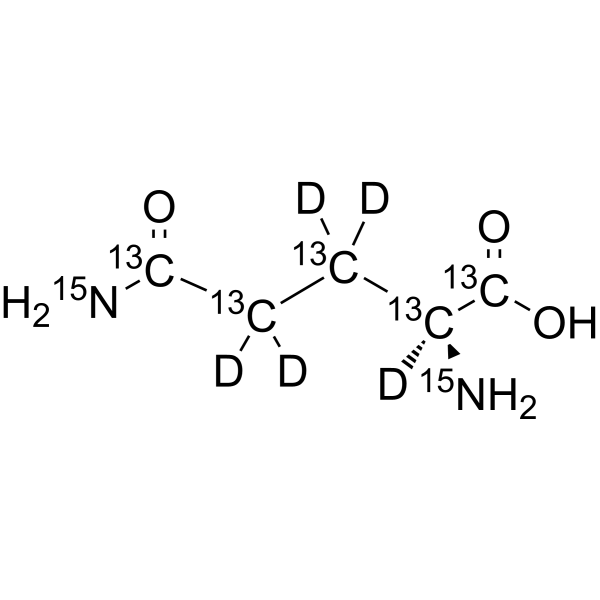
Synonyms: L-Glutamic acid 5-amide-13C5,15N2,d5
L-Glutamine- 13C5, 15N2,d5 is the deuterium, 13C-, and 15N-labeled L-Glutamine (HY-N0390). L-Glutamine is an orally active nutritional agent and cellular metabolism regulator. L-Glutamine is taken up in a Na +-dependent manner and targets multiple key molecules including glutaminase, mTORC1, NF-κB, STAT-3 and HIF-1α. L-Glutamine enhances glutaminolytic catabolism, drives the conversion of glutamate to α-ketoglutarate, thereby regulating gene expression, integrating metabolic signals, mediating glutamine flux and maintaining redox homeostasis. L-Glutamine also promotes cell proliferation, osteogenic differentiation and fracture healing, exerts neuroprotective and cardioprotective effects, and inhibits osteoarthritis. L-Glutamine can be applied to research related to osteoporosis, osteoarthritis, ischemic stroke and acute cantharidin-induced cardiotoxicity .
loading...
    loading...
Cat. No.: HY-N9610
CAS No.: 1065-31-2
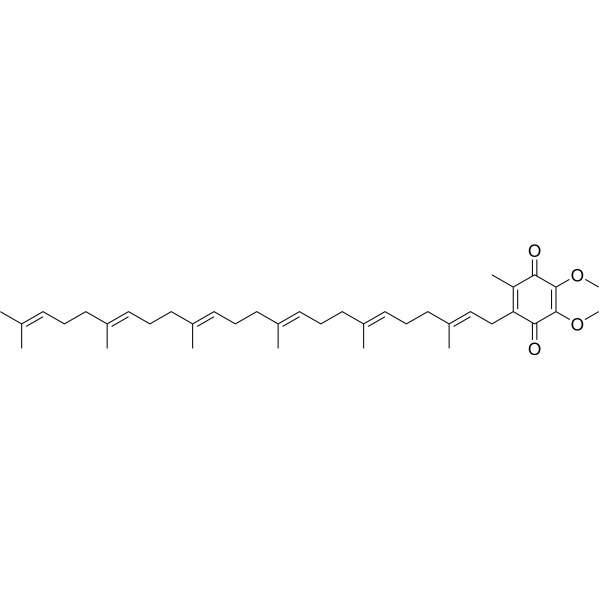
Synonyms: Ubiquinone 30
Coenzyme Q6 (Ubiquinone 30) is a redox-active benzoquinone lipid and mitochondrial electron carrier. Coenzyme Q6 can be used in research on MASLD, mitochondrial diseases, pneumococcal diseases, and steroid-resistant nephrotic syndrome with FSGS .
loading...
    loading...
Cat. No.: HY-125662A
CAS No.: 1379783-91-1
BMX-001, a novel redox-active metalloporphyrin, improves islet function and engraftment in a murine transplant model. BMX-001 reduces apoptosis in human and murine islets. BMX-001 significantly improves static-glucose stimulated insulin secretion (sGSIS) responses in murine islets. BMX-001 can significantly restore euglycemia in murine islet studies in the presence of the MnSOD. BMX-001 reduces the generation of ROS in a murine islet isolation and culture model .
loading...
    loading...
Cat. No.: HY-148766
CAS No.: 37648-76-3
Target:  

Drug Derivative

Research Areas:  

Metabolic Disease

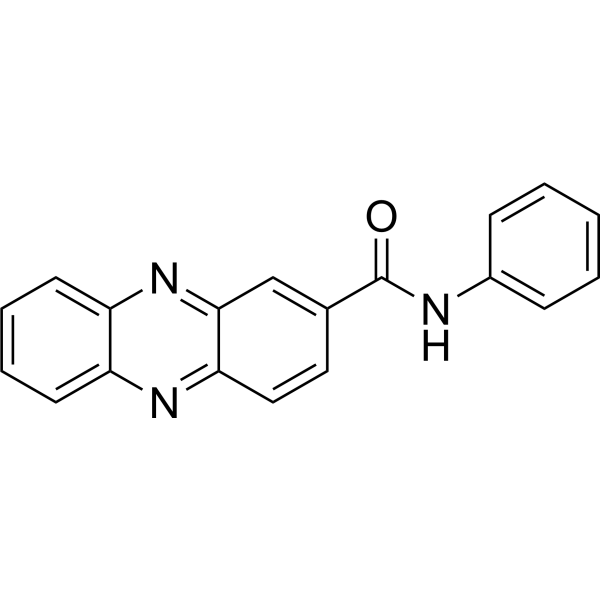
VU661, a phenazine carboxamide, is a modulator of circadian rhythms to produce a period lengthening of the circadian rhythm. VU661 is a redox-active small molecule .
loading...
    loading...
Cat. No.: HY-B0859S1
CAS No.: 352431-14-2
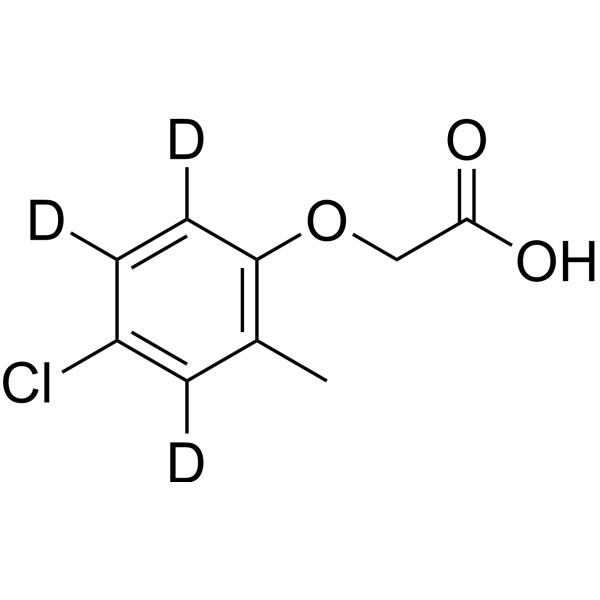
MCPA-d3 is the deuterium labeled MCPA (HY-B0859). MCPA is an orally active phenoxyacetic acid herbicide. MCPA interferes with membrane integrity, energy metabolism (decreases ATP levels), and redox balance in plant cells. MCPA increases hepatic cytochrome P-450 levels and increases aniline hydroxylase and 7-ethoxycoumarin O-deethylase activities. MCPA can be used to control broadleaf weeds .
loading...
    loading...

