2157 Results for "

reversed electron flow

" in MedChemExpress (MCE) Product Catalog:
Products (2157)

2157 Results for "reversed electron flow" in MCE Product Catalog:

50
50 Cited Publications
Cat. No.: HY-12495
CAS No.: 1597403-47-8
Purity:  99.49%
Target:  

PERK Autophagy Apoptosis

Research Areas:  

Neurological Disease

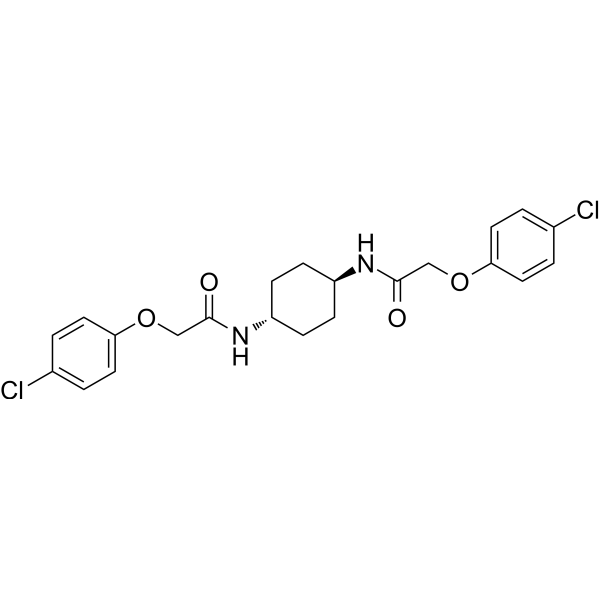
ISRIB (trans-isomer) is a potent inhibitor of PERK with an IC50 of 5 nM. ISRIB potently reverses the effects of eIF2α phosphorylation (IC50=5 nM).
loading...
    loading...
49
49 Cited Publications
Cat. No.: HY-D0711
CAS No.: 3599-32-4
Synonyms: Foxgreen; IC Green; Cardiogreen
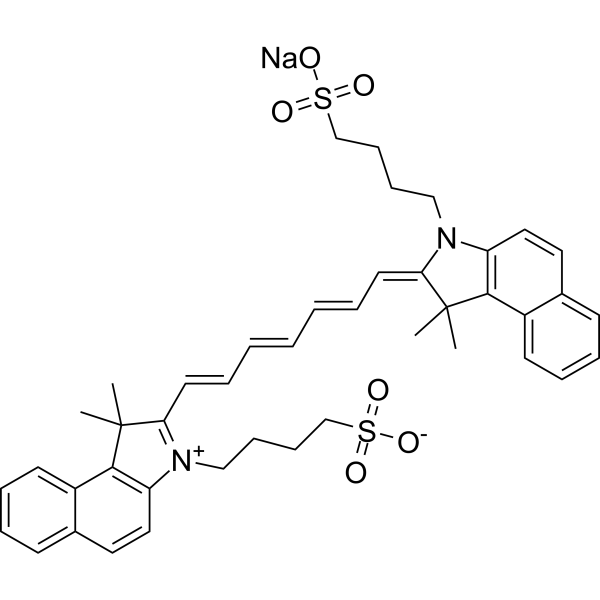
Indocyanine green (Foxgreen) is a low toxicic fluorescent agent that has been widely used in medical diagnostics, such as determining cardiac output, hepatic function, and liver blood flow, and for ophthalmic angiography (Ex/Em = 785/813 nm) .
loading...
    loading...
45
45 Cited Publications
Cat. No.: HY-K0511A

MCE RT Master Mix for qPCR II is a convenient, ready-to-use formulation for reverse transcription and can eliminate genomic DNA (gDNA) contaminations in RNA samples. With updated reverse transcriptase, this kit can synthesize cDNA more rapidly, more specifically. The 100 rxns is defined as the base specification. All larger sizes correspond to incremental volumes of this base.

loading...
    loading...
35
35 Cited Publications
Cat. No.: HY-N0088
CAS No.: 498-02-2
Synonyms: Acetovanillone
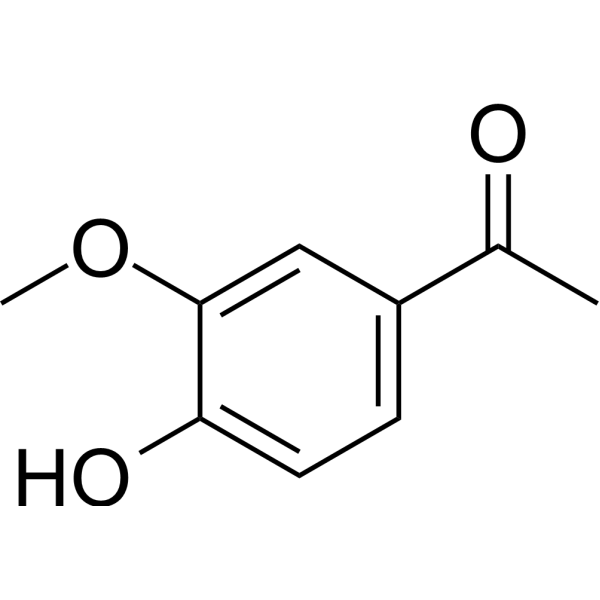
Apocynin is a selective NADPH-oxidase inhibitor with an IC50 of 10 μM . Apocynin improves acute lung inflammation in Carrageenan (HY-125474)-induced pleurisy mice model . Apocynin can also be used for cancer research . Apocynin reverses the aging process in mesenchymal stem cells to promote osteogenesis and increases bone mass .
loading...
    loading...
32
32 Cited Publications
Cat. No.: HY-101570
CAS No.: 1637542-33-6
Purity:  99.70%
Synonyms: Peposertib; M3814
Target:  

DNA-PK BCRP

Research Areas:  

Cancer

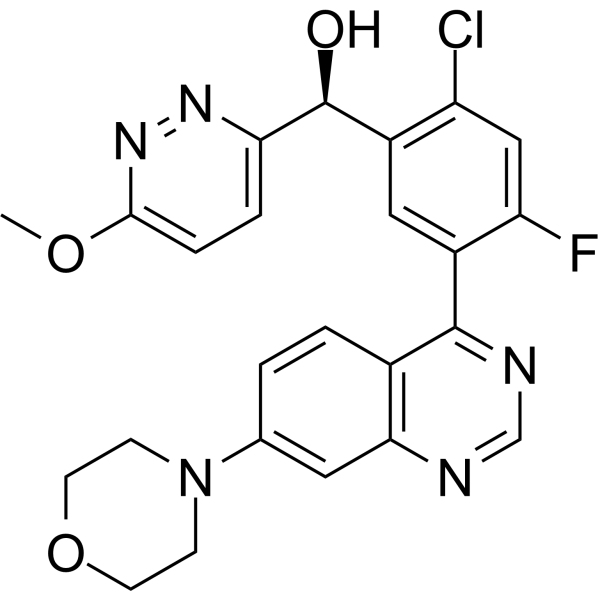
Nedisertib (Peposertib) is an orally active selective DNA-dependent protein kinase (DNA-PK) inhibitor with an IC50 value of less than 3 nM. Nedisertib also acts as a modulator of ABCG2, capable of reversing ABCG2-mediated multidrug resistance (MDR), thus providing new strategies for combination therapy. By inhibiting DNA double-strand break repair, Nedisertib can enhance the efficacy of chemotherapy and radiotherapy. Nedisertib exhibits antitumor activity .
loading...
    loading...
23
23 Cited Publications
Cat. No.: HY-B0879A
CAS No.: 129-46-4
Synonyms: Suramin hexasodium salt
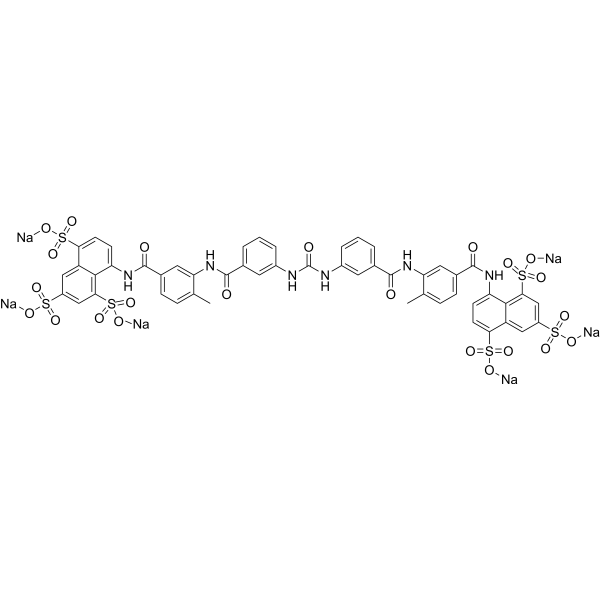
Suramin sodium salt (Suramin hexasodium salt) is a reversible and competitive protein-tyrosine phosphatases (PTPases) inhibitor . Suramin sodium salt is a potent inhibitor of sirtuins: SirT1 (IC50=297 nM), SirT2 (IC50=1.15 μM), and SirT5 (IC50=22 μM) . Suramin sodium salt is a competitive inhibitor of reverse transcriptase (DNA topoisomerase II: IC50=5 μM) . Suramin sodium salt is a potent SARS-CoV-2 RNA-dependent RNA polymerase (RdRp) inhibitor . Suramin sodium salt efficiently inhibits IP5K and is an antiparasitic, anti-neoplastic and anti-angiogenic agent .
loading...
    loading...
21
21 Cited Publications
Cat. No.: HY-D0090
CAS No.: 162558-52-3
Target:  

Fluorescent Dye

Research Areas:  

Others

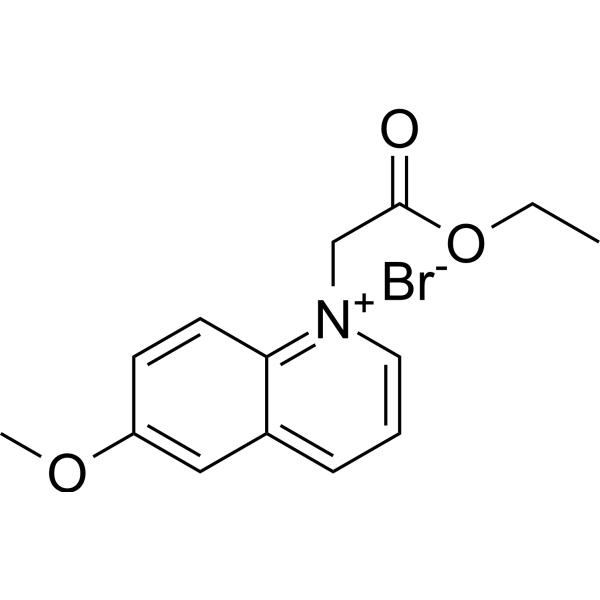
MQAE is a chloride ion (Cl -) fluorescent probe that can be used to measure chloride concentrations. The fluorescence intensity of MQAE decreases proportionally as Cl - ions increase. MQAE has high cell permeability and is suitable for fluorescence detection such as confocal microscopy and flow cytometry (Ex/Em=350/460 nm) .
loading...
    loading...
20
20 Cited Publications
Cat. No.: HY-B0250
CAS No.: 134678-17-4
Synonyms: BCH-189
Research Areas:  

Infection Cancer

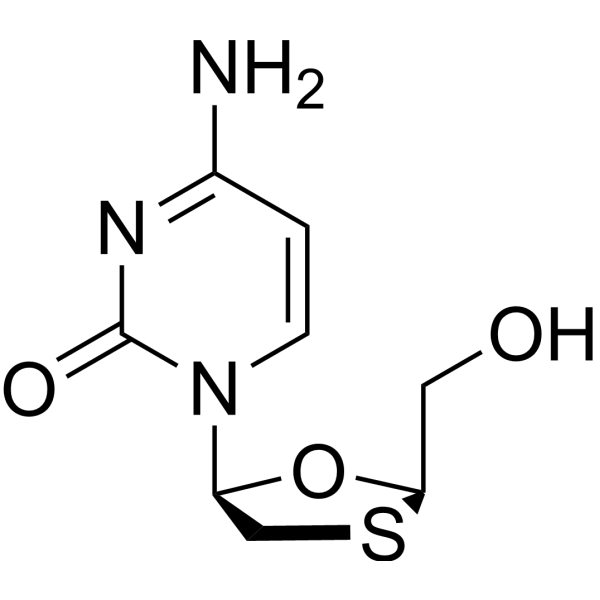
Lamivudine (BCH-189) is an orally active nucleoside reverse transcriptase inhibitor (NRTI). Lamivudine can inhibit HIV reverse transcriptase 1/2 and also the reverse transcriptase of hepatitis B virus. Lamivudine salicylate can penetrate the CNS .
loading...
    loading...
19
19 Cited Publications
Cat. No.: HY-16900
CAS No.: 61413-54-5
Synonyms: (R,S)-Rolipram; (±)-Rolipram; ZK 62711
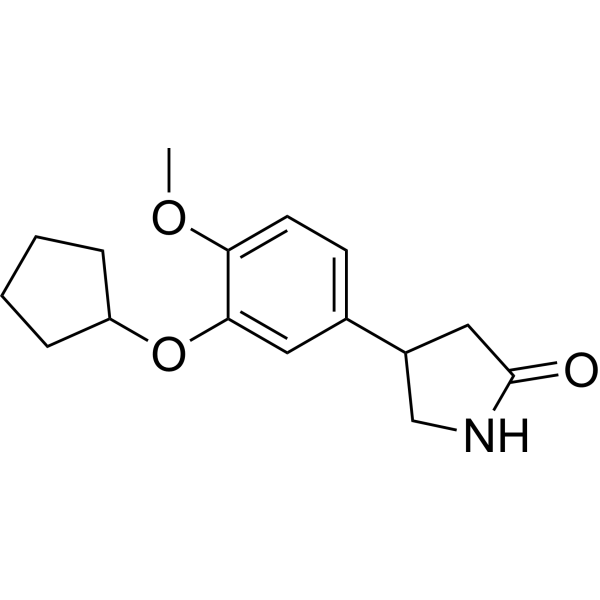
Rolipram is a PDE4 inhibitor, with blood-brain barrier permeability, that reverses β-amyloid-induced learning and memory impairment in rats. Rolipram elevates intracellular cAMP and clevels and regulates the cAMP/CREB signaling pathway, thereby alleviating neuroinflammation and apoptotic responses. Rolipram promotes neuronal differentiation of human bone marrow mesenchymal stem cells and inhibits Methamphetamine- and morphine-induced hyperlocomotion in mice. Rolipram also reduces the viability of glioblastoma stem-like cells and enhances Bevacizumab (HY-P9906)-induced cell death. Rolipram inhibits the expression of proinflammatory cytokines and enhances central noradrenergic transmission. Rolipram is mainly used in studies related to various central nervous system diseases including Alzheimer's disease, major depressive disorder, glioblastoma multiforme, and multiple sclerosis .
loading...
    loading...
17
loading...
    loading...
17
17 Cited Publications
Cat. No.: HY-17392
CAS No.: 7481-89-2
Synonyms: 2',3'-Dideoxycytidine; ddC; Dideoxycytidine
Research Areas:  

Infection

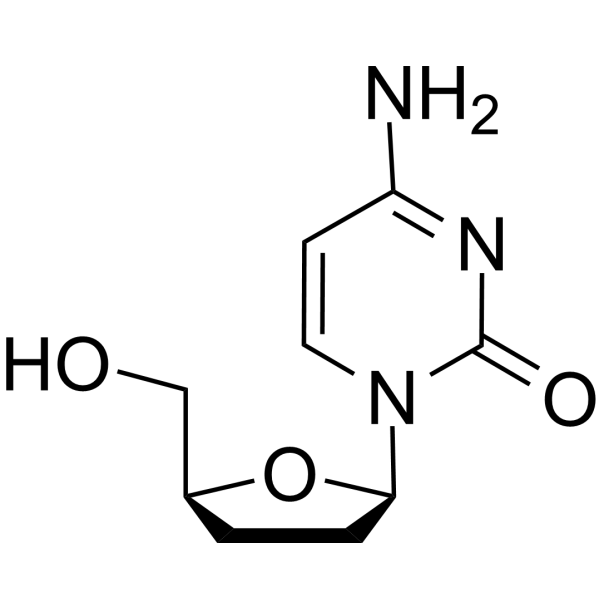
Zalcitabine is a potent nucleoside analogue reverse transcriptase inhibitor used in the treatment of HIV infection.
loading...
    loading...
17
17 Cited Publications
Cat. No.: HY-10572
CAS No.: 154598-52-4
Purity:  99.93%
Synonyms: DMP 266; EFV; L-743726
Research Areas:  

Infection Cancer

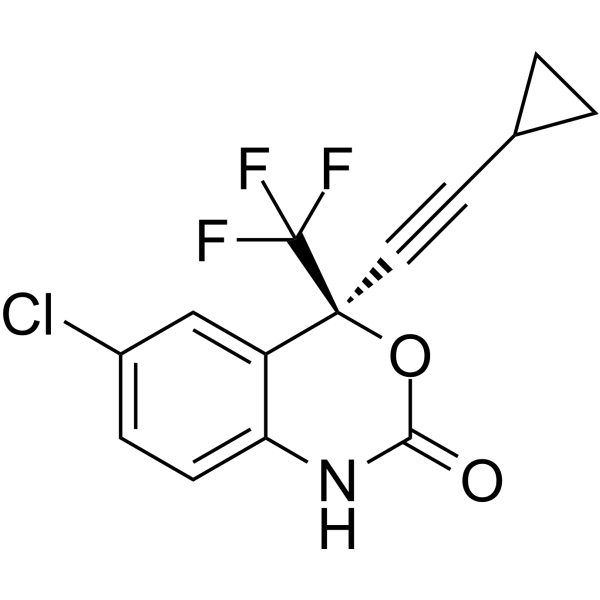
Efavirenz (DMP 266) is a potent inhibitor of the wild-type HIV-1 reverse transcriptase with a Ki of 2.93 nM and exhibits an IC95 of 1.5 nM for the inhibition of HIV-1 replicative spread in cell culture .
loading...
    loading...
17
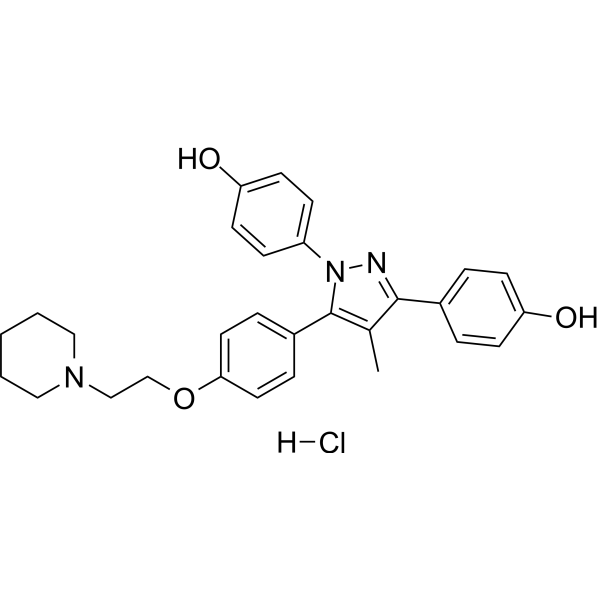
17 Cited Publications
Cat. No.: HY-103454B
CAS No.: 2863676-89-3
Purity:  99.28%
Research Areas:  

Endocrinology Cancer

MPP hydrochloride is a potent and selective ER (estrogen receptor) modulator. MPP hydrochloride induces significant apoptosis in the endometrial cancer and oLE cell lines. MPP hydrochloride reverses the the positive effects of beta-estradiol. MPP hydrochloride has mixed agonist/antagonist action on murine uterine ERalpha in vivo .
loading...
    loading...
17
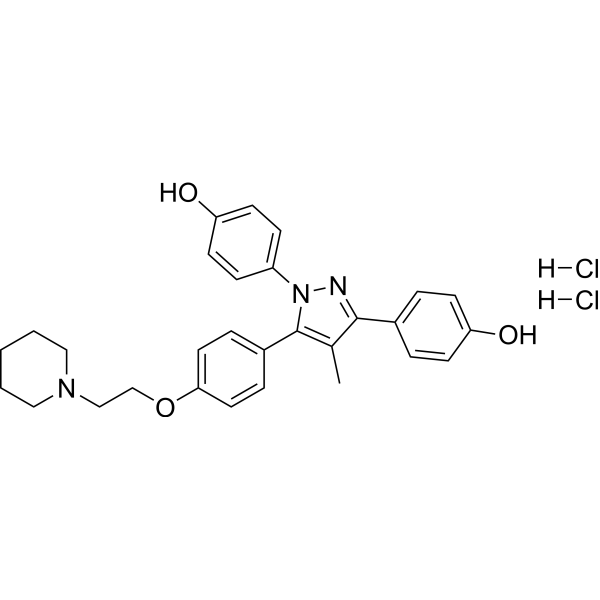
17 Cited Publications
Cat. No.: HY-103454
CAS No.: 911295-24-4
Purity:  99.54%
Research Areas:  

Endocrinology Cancer

MPP dihydrochloride is a potent and selective ER (estrogen receptor) modulator. MPP dihydrochloride induces significant apoptosis in the endometrial cancer and oLE cell lines. MPP dihydrochloride reverses the positive effects of beta-estradiol. MPP dihydrochloride has mixed agonist/antagonist action on murine uterine ERalpha in vivo .
loading...
    loading...
17
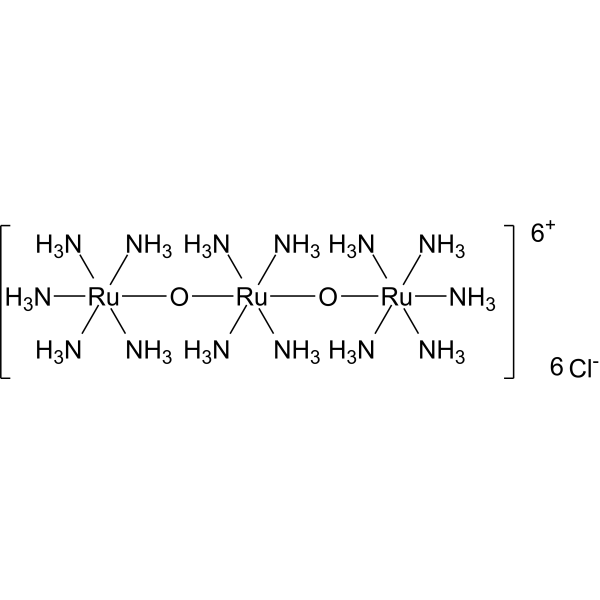
17 Cited Publications
Cat. No.: HY-103311
CAS No.: 11103-72-3
Purity:  ≥97.0%
Synonyms: Ammoniated ruthenium oxychloride
Target:  

Calcium Channel

Research Areas:  

Cardiovascular Disease

Ruthenium red (Ammoniated ruthenium oxychloride) is a polycationic dye widely used for electron microscopy (EM) of cells, tissues and vegetative bacteria. Ruthenium red strongly reacts with phospholipids and fatty acids and binds to acidic mucopolysaccharides. Ruthenium red is a L-type calcium current (ICa) blocker. When using Ruthenium Red to stain plant tissue sections affected by pathogens, the breakdown of mucilaginous substances by the pathogens prevents them from taking up the stain, whereas the cell walls of healthy tissue stain red .
loading...
    loading...
15
15 Cited Publications
Cat. No.: HY-15887
CAS No.: 1243583-85-8
Purity:  99.24%
Synonyms: Tip60 HAT inhibitor
MG149 (Tip60 HAT inhibitor) is a selective and potent Tip60 inhibitor with IC50 of 74 uM, similar potentcy for MOF (IC50 = 47 uM); little potent for PCAF and p300 (IC50 >200 uM). MG 149 inhibits KAT8 and blocks PINK1 kinase activity. MG149 inhibits the phosphorylation of Parkin and ubiquitin, thereby suppressing the initiation of PINK1-dependent mitophagy. MG 149 can reverse chronic restraint stress (CRS) induced hypertension and related molecular changes. MG 149 commonly used in research on diseases such as hypertension and Parkinson's disease .
loading...
    loading...
15
15 Cited Publications
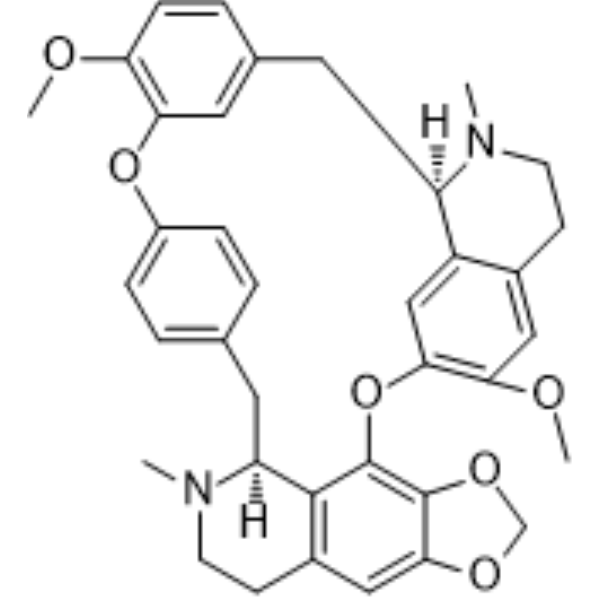
Cat. No.: HY-N6972
CAS No.: 481-49-2
Cepharanthine is a natural product that can be isolated from the plant Stephania cephalantha Hayata. Cepharanthine has anti-severe acute respiratory syndrome coronavirus 2 (anti-SARS-CoV-2) activities. Cepharanthine has good effective in suppressing viral proliferation (half maximal (50%) inhibitory concentration (IC50) and 90% inhibitory concentration (IC90) values of 1.90 and 4.46 μM . Cepharanthine can also effectively reverses P-gp-mediated multidrug resistance in K562 cells and increase enhances the sensitivity of anticancer agents in xenograft mice model . Cepharanthine shows inhibitory effects of human liver cytochrome P450 enzymes CYP3A4, CYP2E1 and CYP2C9. Cepharanthine has antitumor, anti-inflammatory and antinociceptive effects .
loading...
    loading...
14
14 Cited Publications
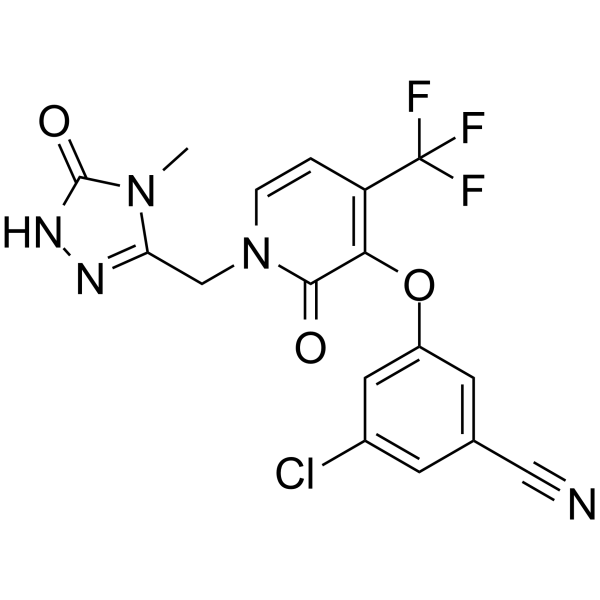
Cat. No.: HY-16767
CAS No.: 1338225-97-0
Synonyms: MK-1439
Doravirine (MK-1439) is a highly specific HIV-1 nonnucleoside reverse transcriptase inhibitor with IC50s of 4.5 nM, 5.5 nM and 6.1 nM against the wild type and K103N and Y181C reverse transcriptase mutants, respectively .
loading...
    loading...
14
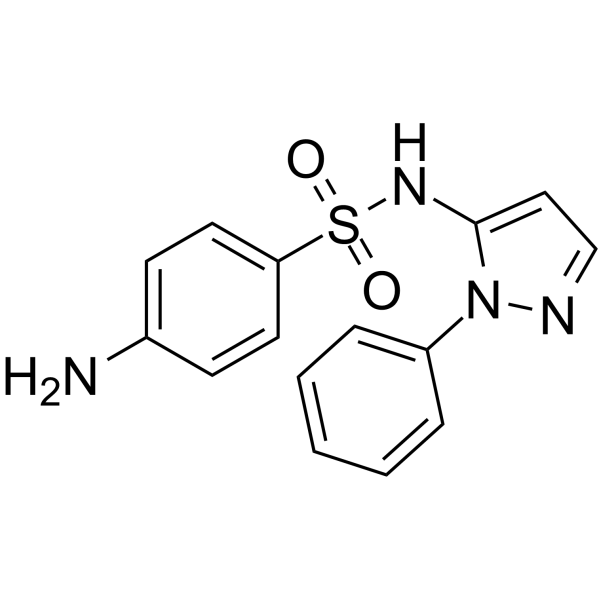
14 Cited Publications
Cat. No.: HY-B1218
CAS No.: 526-08-9
Sulfaphenazole is a selective inhibitor of human cytochrome P450 (CYP) 2C9 enzyme. Sulfaphenazole is a cytoprotective agent against light-induced death of photoreceptors. Sulfaphenazole inhibits light-induced necrosis and mitochondrial stress-initiated apoptosis. Sulfaphenazole is an off patent sulfonamide antibiotic and demonstrates bactericidal activity through enhanced M1 macrophage activity. Sulfaphenazole can significantly reduce infarct size and restore post-ischemic coronary flow following ischemia and reperfusion .
loading...
    loading...
14
14 Cited Publications
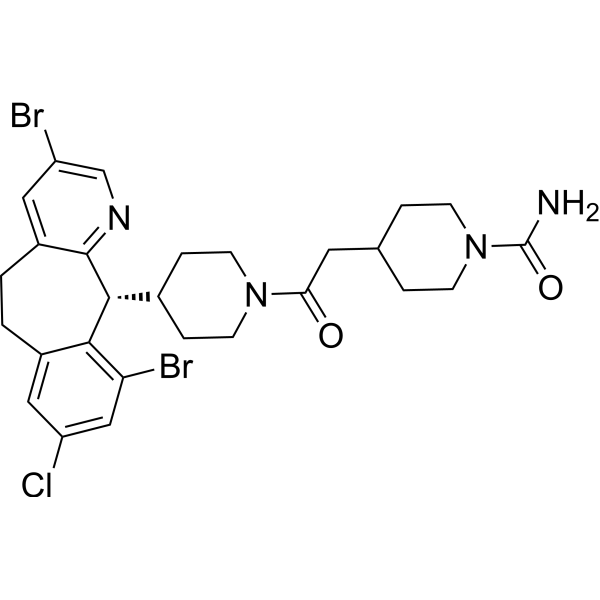
Cat. No.: HY-15136
CAS No.: 193275-84-2
Purity:  99.60%
Synonyms: Sch66336
Lonafarnib (Sch66336) is an orally active, blood-brain barrier penetrant farnesyltransferase (FPTase) inhibitor. Lonafarnib increases the phosphorylation levels of Akt, CaMKII and CREB, upregulates BDNF expression in the hippocampus, elevates the content of α7nAChR on cell membranes, and blocks the isoprenylation of H-Ras. Lonafarnib repairs synapses and reverses spatial memory deficits in Aβ1-42 model mice. Lonafarnib inhibits RSV fusion and replication, and alleviates virus-induced lung injury. Lonafarnib activates the lysosomal and autophagic pathways, and reduces the phosphorylation and aggregation of tau. Lonafarnib acts synergistically with Sorafenib (HY-10201) to promote apoptosis, and inhibits the proliferation and invasion of melanoma cells. Lonafarnib inhibits the farnesylation of progerin, repairs nuclear membrane defects, and activates the cGAS-STING-STAT1 signaling pathway. Lonafarnib can be used in research related to diseases including Alzheimer's disease, viral infections, melanoma, and progeria .
loading...
    loading...

