131 Results for "

epigenetics

" in MedChemExpress (MCE) Product Catalog:
Products (131)

131 Results for "epigenetics" in MCE Product Catalog:

2
2 Cited Publications
Cat. No.: HY-162080
CAS No.: 374705-10-9
Research Areas:  

Cancer

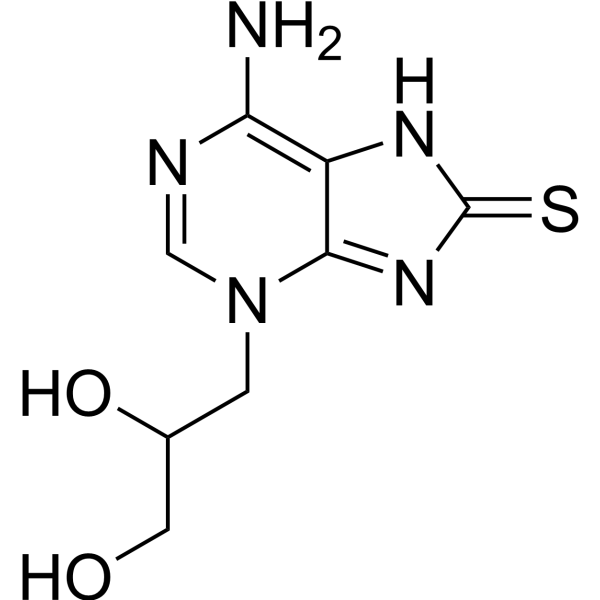
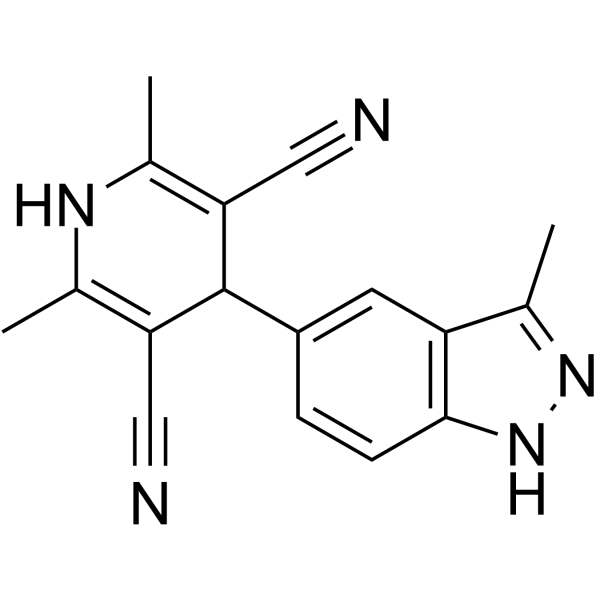
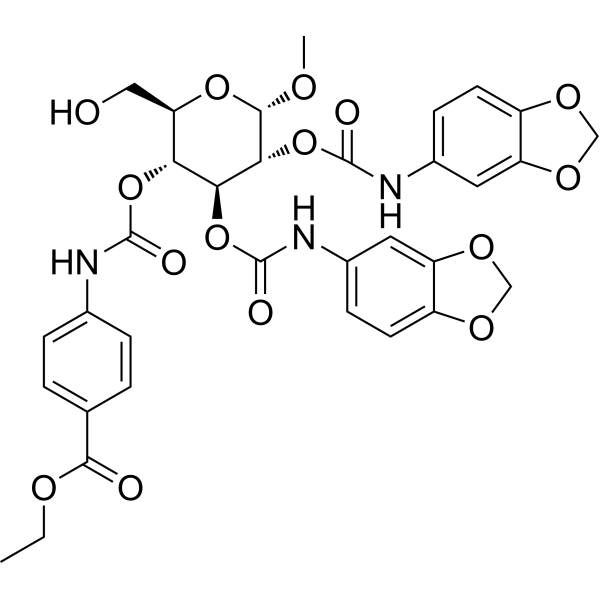
METTL1-WDR4-IN-1 (Compound 1) is a selective competitive inhibitor of the methyltransferase complex METTL1-WDR4 (IC50 = 144 μM). METTL1-WDR4-IN-1 inhibits the m 7G methyltransferase activity of the METTL1-WDR4 complex, blocking m 7G modification of PKM mRNA, reducing PKM2 protein expression, disrupting the METTL1/PKM2/H3K9la positive feedback loop, and simultaneously inhibiting PKM2 nuclear translocation-mediated CD155 transcriptional activation. METTL1-WDR4-IN-1 can inhibit tumor cell proliferation, weaken glycolytic metabolism, reverse tumor immune evasion (restoring NK cell and CD8 + T cell function), and regulate RNA epigenetic modification and the tumor immune microenvironment. METTL1-WDR4-IN-1 can be used in immunotherapy research for cancers such as colorectal cancer, and is particularly suitable for use in combination with PKM2 inhibitors to enhance anti-tumor treatment efficacy .
loading...
    loading...
2
2 Cited Publications
Cat. No.: HY-162080A
Research Areas:  

Cancer

METTL1-WDR4-IN-1 (Compound 1) TFA is a selective competitive inhibitor of the methyltransferase complex METTL1-WDR4 (IC50=144 μM). METTL1-WDR4-IN-1 TFA inhibits the m 7G methyltransferase activity of the METTL1-WDR4 complex, blocking the m 7G modification of PKM mRNA, reducing PKM2 protein expression, disrupting the METTL1/PKM2/H3K9la positive feedback loop, and simultaneously inhibiting PKM2 nuclear translocation-mediated CD155 transcriptional activation. METTL1-WDR4-IN-1 TFA can inhibit tumor cell proliferation, weaken glycolytic metabolism, reverse tumor immune evasion (restoring NK cell and CD8 + T cell function), and regulate RNA epigenetic modification and the tumor immune microenvironment. METTL1-WDR4-IN-1 TFA can be used in immunotherapy research for cancers such as colorectal cancer, and is particularly suitable for use in combination with PKM2 inhibitors to enhance anti-tumor treatment efficacy .
loading...
    loading...
1
1 Cited Publications
Cat. No.: HY-126428
CAS No.: 2377151-10-3
Purity:  99.26%
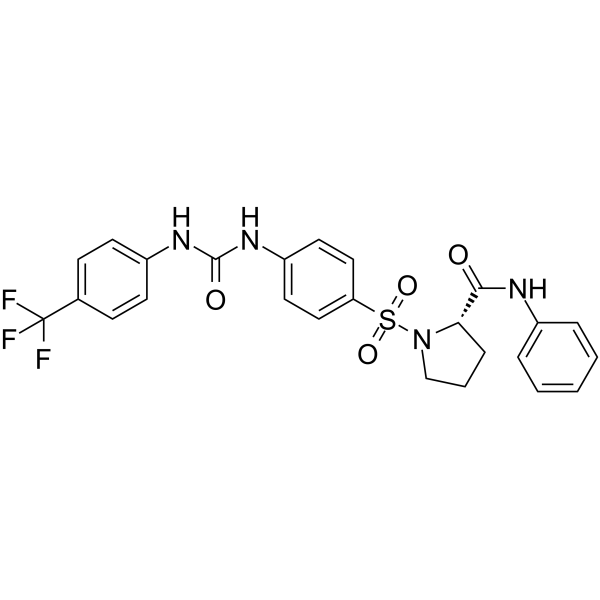
ZL0580, a structurally close analog of ZL0590, induces epigenetic suppression of HIV via selectively binding to BD1 domain of BRD4. ZL0580 induces HIV suppression by inhibiting Tat transactivation and transcription elongation as well as by inducing repressive chromatin structure at the HIV promoter .
loading...
    loading...
1
1 Cited Publications
Cat. No.: HY-W030778
CAS No.: 139-13-9
Synonyms: Triglycollamic acid
Research Areas:  

Others

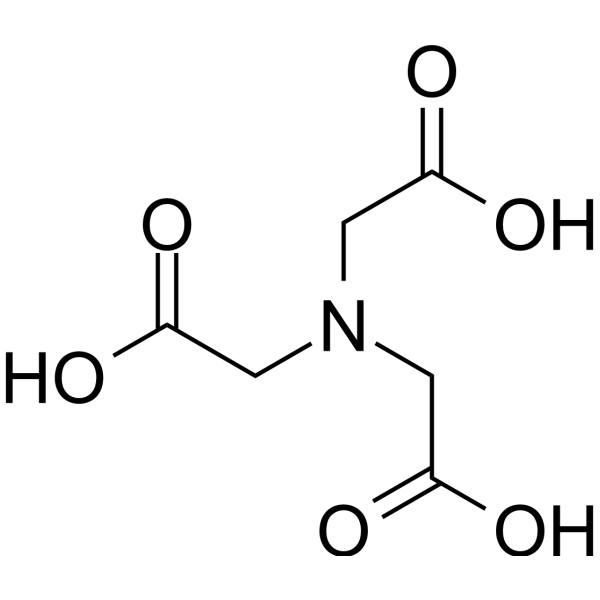
Nitrilotriacetic acid is an orally active chelating agent for metal ions. Nitrilotriacetic acid is an aminotricarboxylic acid that can sequester metal ions as water soluble complexes. Nitrilotriacetic acid reacts with strong oxidizing agents such as hypochlorite, chlorine, ozone, or oxygen in the presence of palladium/carbon catalyst. Nitrilotriacetic acid interacts with solid phases such as cell membranes and bone matrices in the mammalian system. Nitrilotriacetic acid is classified as an epigenetic rodent carcinogen .
loading...
    loading...
1
1 Cited Publications
Cat. No.: HY-143711S
CAS No.: 1182037-78-0
Purity:  ≥95.0%
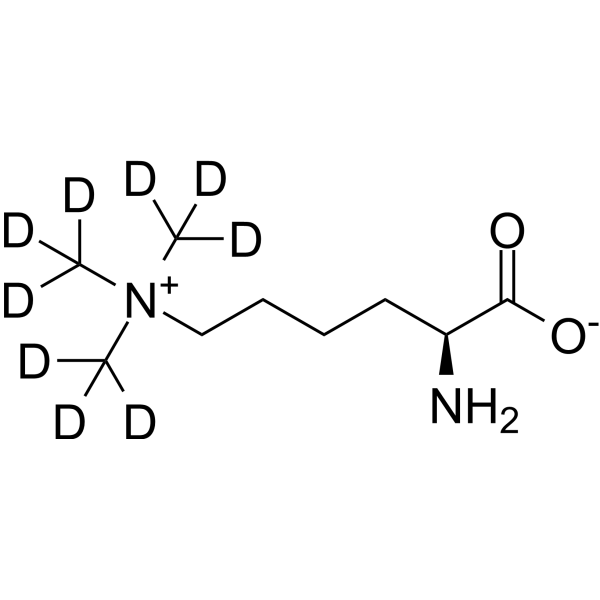
Trimethyllysine-d9 is the deuterium labeled Trimethyllysine (HY-143711) . Trimethyllysine is an important post-translationally modified amino acid, involving in carnitine biosynthesis and epigenetic processes .
loading...
    loading...
1
1 Cited Publications
Cat. No.: HY-133083
CAS No.: 1033767-86-0
Purity:  99.75%
Target:  

c-Met/HGFR

Research Areas:  

Cancer

BAY-474 is a tyrosine-protein kinase c-Met inhibitor. BAY-474 acts as an epigenetics probe .
loading...
    loading...
1
1 Cited Publications
Cat. No.: HY-B0364A
CAS No.: 536-43-6
Synonyms: Dyclocaine hydrochloride
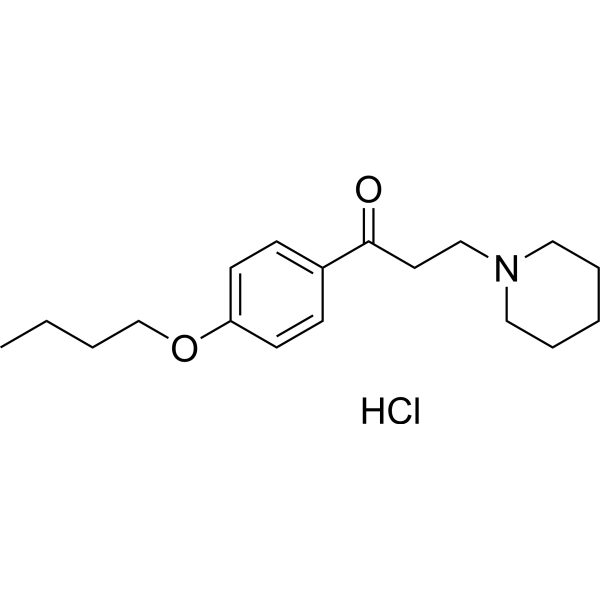
Dyclonine hydrochloride (Dyclocaine hydrochloride) is an orally active, blood-brain barrier-permeable piperidine phenylacetone small molecule commonly used as a local anesthetic. Dyclonine hydrochloride acts as a highly selective allosteric antagonist of TRPV3; it also reversibly inhibits G9a, ALDH2 and ALDH3A1, non-competitively blocks AChE. Dyclonine hydrochloride activates the Nrf2/ARE pathway, relieves the epigenetic silencing of FXN, blocks Aβ42 aggregation, and promotes remyelination and reparative polarization of microglia. Dyclonine hydrochloride alleviates pruritus via TRPV3 inhibition; it is used in studies of neurodegenerative disease models based on its AChE inhibitory, antioxidant and remyelinating effects; it sensitizes drug-resistant tumors through ALDH inhibition, and combined use with protease inhibitors induces more tumor cell apoptosis; it inhibits Candida albicans in vitro. Dyclonine hydrochloride can be used for research on multiple diseases including neurodegenerative diseases, cancer and pruritic dermatitis .
loading...
    loading...
Cat. No.: HY-113491
CAS No.: 820-11-1
Purity:  99.88%
Synonyms: 3-PGA; 3-Glycerophosphoric acid
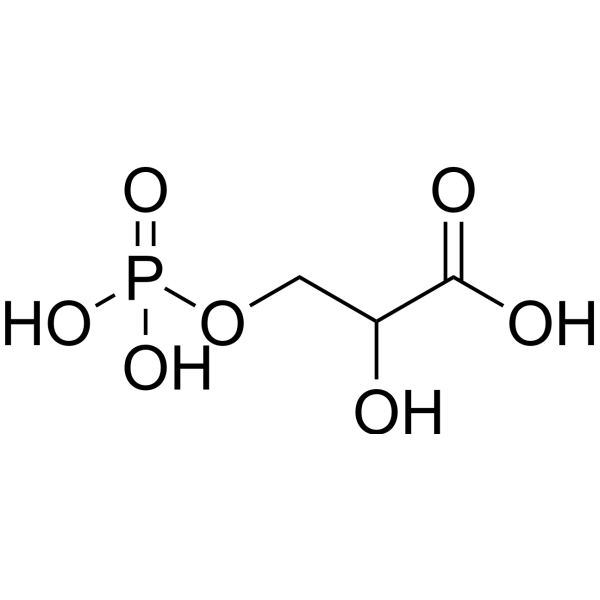
3-Phosphoglyceric acid is a metabolic intermediate in both glycolysis and the Calvin cycle. 3-Phosphoglyceric acid is involved in alveolar macrophage epigenetic regulation.
loading...
    loading...
Cat. No.: HY-W011725
CAS No.: 2002-35-9
Synonyms: m6dA
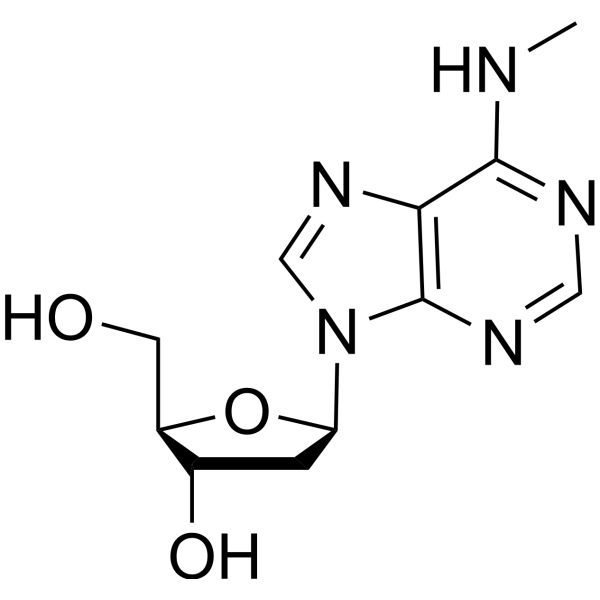
N-6-Methyl-2-deoxyadenosine (m6dA) is an adenine nucleoside analogue. N-6-Methyl-2-deoxyadenosine targets nuclear processes and DNA replication machineries including WER, SATB1, TFAM, Jumu, SSBP1, DNA polymerase η and phage polymerase Gp90 exo −. N-6-Methyl-2-deoxyadenosine acts as a multifunctional epigenetic regulator that modulates transcription, DNA damage response, cell cycle, transposon silencing, stress adaptation, epigenetic crosstalk, and nucleosome organization in both prokaryotes and eukaryotes. N-6-Methyl-2-deoxyadenosine regulates mitochondrial epigenetic inheritance and is required for fear extinction memory in mice. N-6-Methyl-2-deoxyadenosine exhibits dysregulated levels in cancers. N-6-Methyl-2-deoxyadenosine can be used for the research of glioblastoma, triple negative breast cancer, and conditioned fear (fear extinction impairment) .
loading...
    loading...
Cat. No.: HY-W015114
CAS No.: 63512-50-5
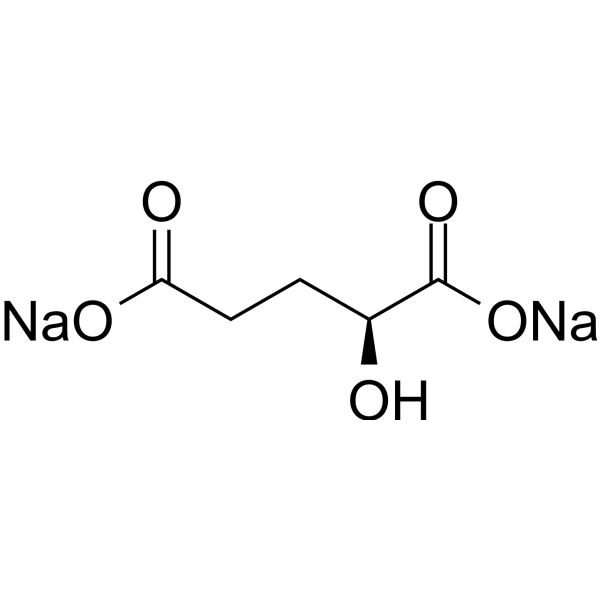
Synonyms: (S)-2-Hydroxyglutaric acid disodium
L-2-Hydroxyglutaric acid disodium is an epigenetic modifier and putative oncometabolite in renal cancer. L-2-Hydroxyglutaric acid disodium can inhibit histone demethylases and hence promote histone methylation . L-2-Hydroxyglutaric acid inhibits mitochondrial creatine kinase (Mi-CK) activity with Km and Ki of 2.52 mM and 11.13 mM, respectively .
loading...
    loading...
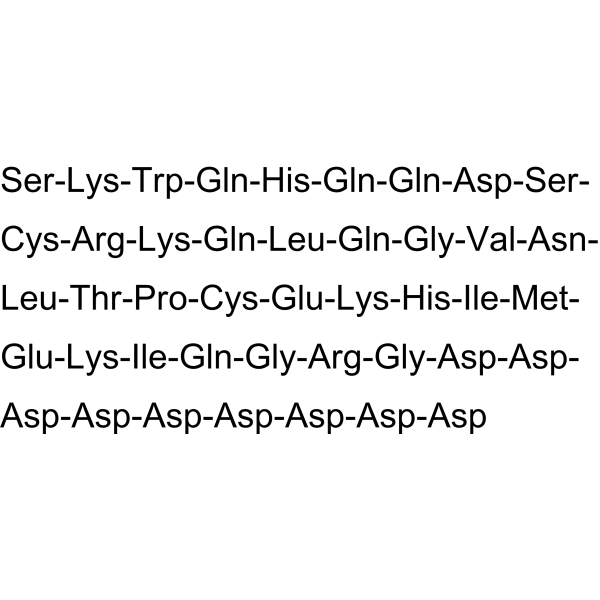
Cat. No.: HY-P5285
CAS No.: 496823-34-8
Target:  

Parasite

Lunasin is a bioactive peptide with antioxidant, anti-inflammatory, anticancer and anti-aging properties. Lunasin can be isolated from soybean. Lunasin also has an epigenetic mechanism of action associated with histone acetylation. Lunasin can be internalized into cells and inhibit Oncosphere formation in cancer cells .
loading...
    loading...
Cat. No.: HY-W007087
CAS No.: 6106-41-8
Target:  

GABA Receptor

Research Areas:  

Metabolic Disease

Valerate sodium is the sodium salt of valeric acid, a short-chain fatty acid, and exhibits oral activity. Valerate sodium reduces binge ethanol intake and decreases blood ethanol concentration in mice, while also exerting anxiolytic effects. Valerate sodium increases GABA levels, regulates epigenetics and alters gut microbiome function. Valerate sodium can be used in research related to excessive alcohol consumption .
loading...
    loading...
Cat. No.: HY-113039
CAS No.: 13095-48-2
Purity:  ≥95.0%
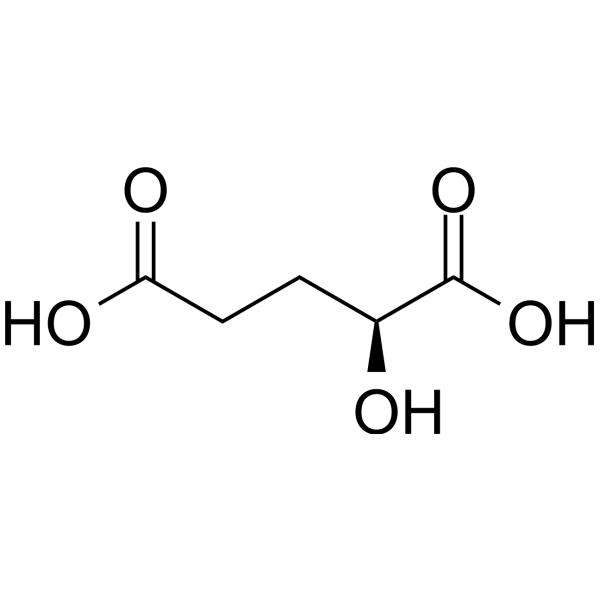
Synonyms: (S)-2-Hydroxyglutaric acid
L-2-Hydroxyglutaric acid is an epigenetic modifier and putative oncometabolite in renal cancer. L-2-Hydroxyglutaric acid can inhibit histone demethylases and hence promote histone methylation . L-2-Hydroxyglutaric acid inhibits mitochondrial creatine kinase (Mi-CK) activity with Km and Ki of 2.52 mM and 11.13 mM, respectively .
loading...
    loading...
Cat. No.: HY-19694
CAS No.: 1137359-47-7
Target:  

Insulin Receptor

Research Areas:  

Endocrinology

BRD7552, a potent PDX1 transcription factor inducer, upregulates PDX1 expression in both primary human islets and ductal cells, and induces epigenetic changes in the PDX1 promoter consistent with transcriptional activation. BRD7552 increases insulin expression. PDX1 is a key transcription factor involved in pancreas development and β cell function .
loading...
    loading...
Cat. No.: HY-111875
CAS No.: 2095244-54-3
Purity:  99.68%
Research Areas:  

Cancer

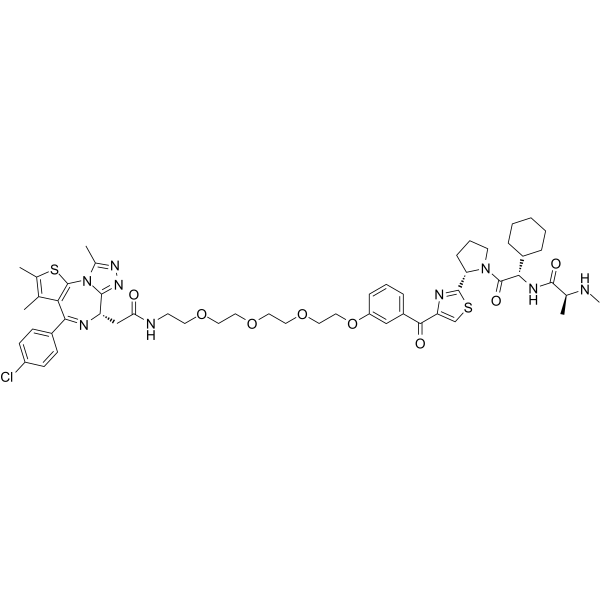
SNIPER (BRD)-1 is a BRD2/3/4 SNIPER degrader. SNIPER (BRD)-1 induces ubiquitin-proteasome-dependent degradation of the epigenetic regulatory proteins BRD2/3/4 as well as the IAP family E3 ligase itself with its IC50 values for cIAP1, cIAP2 and XIAP of 6.8 nM, 17 nM and 49 nM, respectively. SNIPER (BRD)-1 can be used in the research of prostate cancer .
loading...
    loading...
Cat. No.: HY-B2227R
CAS No.: 50-21-5
Synonyms: DL-Lactic acid (Standard); E-270 (Standard)
Lactic acid (Standard) (DL-Lactic acid (Standard)) is the analytical standard of Lactic acid (HY-B2227). This product is intended for research and analytical applications. Lactic acid (DL-Lactic acid) is a hydroxycarboxylic acid receptor 1 (HCAR1) activator and an epigenetic modulator inducing lysine residues lactylation. Lactic acid is a glycolysis end-product, bridging the gap between glycolysis and oxidative phosphorylation. Lactic acid is an oncometabolite and has immune protective role of lactate in anti-tumor immunity . Lactic acid also has antimicrobial activity, which can be used as a food preservative .
loading...
    loading...
Cat. No.: HY-111130
CAS No.: 91-80-5
Purity:  99.66%
Research Areas:  

Neurological Disease Cancer

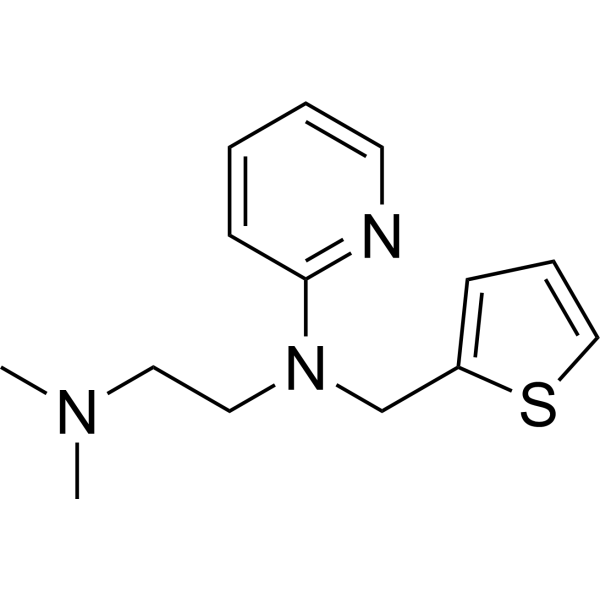
Methapyrilene is a histamine antagonist, a pyridine chemical with anticholinergic activity. Methapyrilene can cause target organ-specific epigenetic alterations, such as a decrease in DNA methylation levels. Methapyrilene induces hepatocellular carcinoma in rats .
loading...
    loading...
Cat. No.: HY-19553
CAS No.: 1808951-93-0
Research Areas:  

Inflammation/Immunology

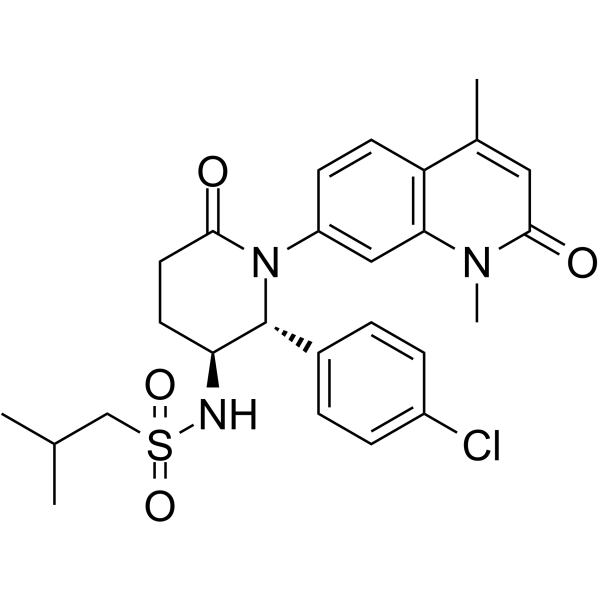
LP99, an epigenetic probe, is a potent and selective inhibitor of the BRD7 and BRD9 bromodomains with a Kd of 99 nM against BRD9. LP99 disrupts the binding of BRD7 and BRD9 to chromatin in cells .
loading...
    loading...
Cat. No.: HY-10586R
CAS No.: 320-67-2
Synonyms: Azacitidine (Standard); 5-AzaC (Standard); Ladakamycin (Standard)
5-Azacytidine (Standard) is the analytical standard of 5-Azacytidine. This product is intended for research and analytical applications. 5-Azacytidine (Azacitidine; 5-AzaC; Ladakamycin) is a nucleoside analogue of cytidine that specifically inhibits DNA methylation. 5-Azacytidine is incorporated into DNA to covalently trap DNA methyltransferases and contributes to reverse epigenetic changes . 5-Azacytidine induces cell autophagy .
loading...
    loading...
Cat. No.: HY-162683
CAS No.: 437982-89-3
Target:  

CDK E1/E2/E3 Enzyme

Research Areas:  

Neurological Disease

(S)-PHA533533 is a CDK2 and CDK5 inhibitor with blood-brain barrier permeability, with IC50 values of 37 nM and 55 nM, respectively. (S)-PHA533533 effectively restores UBE3A expression by downregulating UBE3A-ATS and relieving the epigenetic silencing of paternal UBE3A in mature neurons. (S)-PHA533533 can be used for the research of Angelman syndrome .
loading...
    loading...

