3297 Results for "

interdigitated bilayer formation

" in MedChemExpress (MCE) Product Catalog:
Products (3297)

3297 Results for "interdigitated bilayer formation" in MCE Product Catalog:

57
57 Cited Publications
Cat. No.: HY-123606
CAS No.: 1652629-23-6
GSK484 is a PAD4 inhibitor that effectively inhibits protein citrullination and the formation of neutrophil extracellular traps (NETs) by blocking the catalytic activity of PAD4. GSK484 suppresses the production of histone H3, MHC-I expression, CD8 + T cell activation, proliferation and inflammatory cytokine release. GSK484 reduces inflammation and bone destruction in collagen-induced rheumatoid arthritis, alleviates pain and mast cell activation in sickle cell disease, and improves myocardial ischemia-reperfusion injury and experimental colitis. In addition, GSK484 restores intestinal microbial homeostasis by reversing ferroptosis-induced dysbiosis. GSK484 can be used to study the disease mechanisms of rheumatoid arthritis, sickle cell disease, thrombosis, myocardial injury, colitis and other conditions .
loading...
    loading...
54
54 Cited Publications
Cat. No.: HY-134541
CAS No.: 2089251-47-6
Purity:  99.97%
Target:  

Liposome

Research Areas:  

Infection

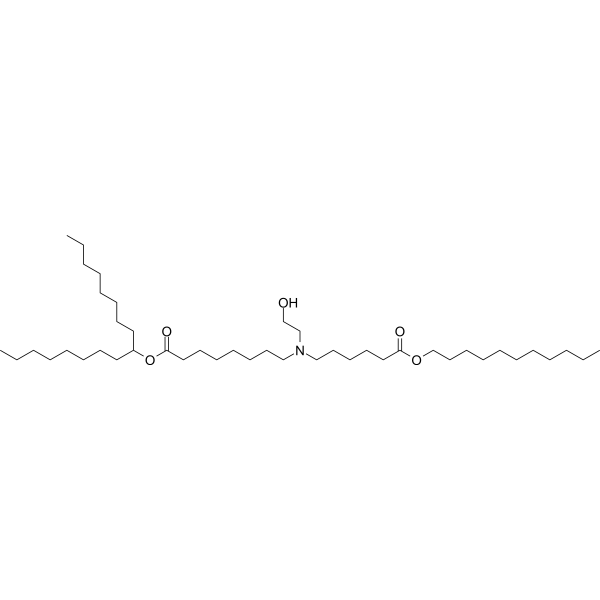
SM-102 is an amino cationic lipid useful in the formation of lipid nanoparticles (LNPs). SM-102 has higher transfection efficiency. SM-102 plays an important role in the effectiveness of lipid nanoparticles (LNPs) in delivering mRNA therapeutics and vaccines .
loading...
    loading...
52
52 Cited Publications
Cat. No.: HY-15947
CAS No.: 1453848-26-4
Synonyms: GDC-0994
Research Areas:  

Cancer

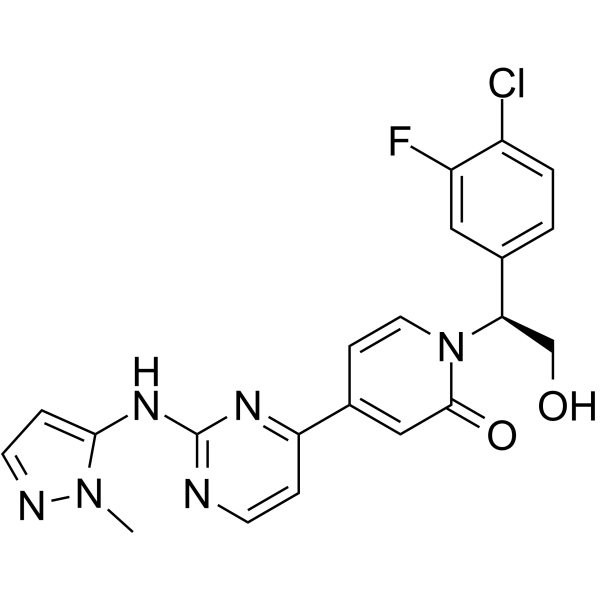
Ravoxertinib (GDC-0994) is an orally active ERK1/2 inhibitor. Ravoxertinib inhibits the ERK1/2 MAPK signaling pathway and reduces the expression levels of c-Myc, HK2 and LDHA. Ravoxertinib decreases mammosphere formation, and exerts additive and/or superadditive cytotoxicity when combined with Ipatasertib (HY-15186) in 3D tumor sphere models. Ravoxertinib can be used in research related to various cancers including breast cancer, melanoma, head and neck cancer, non-small cell lung cancer, ovarian cancer and Merkel cell carcinoma .
loading...
    loading...
52
52 Cited Publications
Cat. No.: HY-15947A
CAS No.: 2070009-58-2
Synonyms: GDC-0994 hydrochloride
Research Areas:  

Cancer

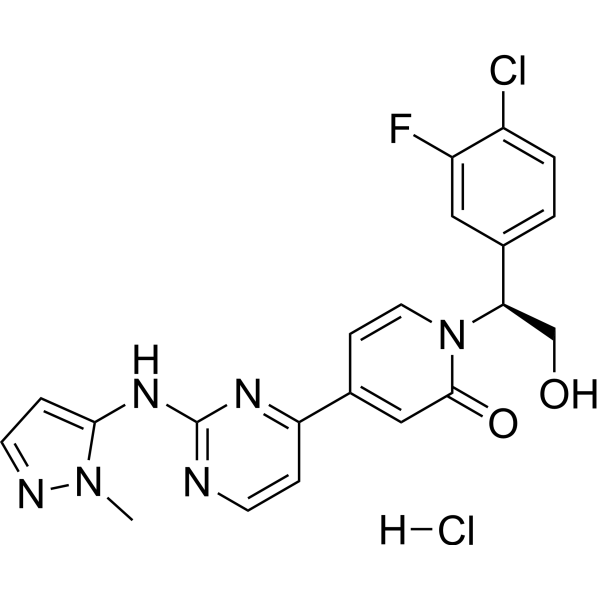
Ravoxertinib hydrochloride (GDC-0994 hydrochloride) is an orally active ERK1/2 inhibitor. Ravoxertinib hydrochloride inhibits the ERK1/2 MAPK signaling pathway and reduces the expression levels of c-Myc, HK2 and LDHA. Ravoxertinib hydrochloride decreases mammosphere formation, and exerts additive and/or superadditive cytotoxicity when combined with Ipatasertib (HY-15186) in 3D tumor sphere models. Ravoxertinib hydrochloride can be used in research related to various cancers including breast cancer, melanoma, head and neck cancer, non-small cell lung cancer, ovarian cancer and Merkel cell carcinoma .
loading...
    loading...
52
52 Cited Publications
Cat. No.: HY-B0764
CAS No.: 16980-89-5
Synonyms: Dibutyryl cAMP sodium; DBcAMP sodium
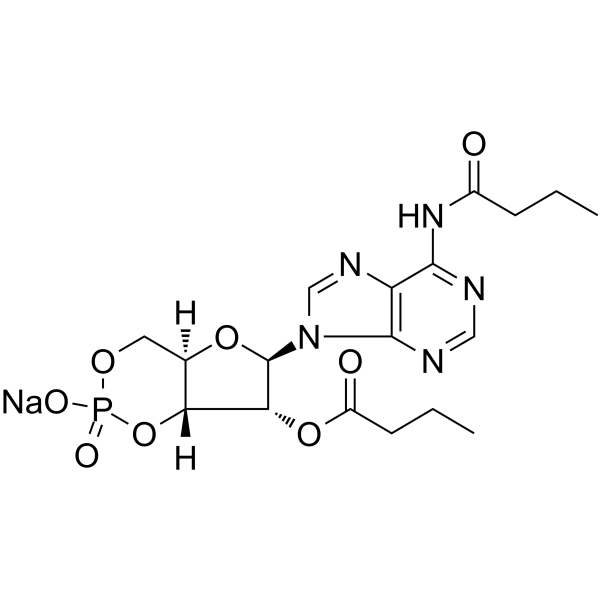
Bucladesine (Dibutyryl cAMP; DBcAMP) sodium is a membrane-permeable 3′, 5′-cyclic adenosine monophosphate (cAMP) analog. Bucladesine selectively activates cAMP dependent protein kinase (PKA) by increasing the intracellular level of cAMP. Bucladesine significantly attenuates MDMA-induced increases in hippocampal mitochondrial ROS formation, mitochondrial outer membrane damage, cytochrome c release, and hippocampal ADP/ATP ratio, thereby improving spatial learning and memory impairments. Bucladesine exhibit anti-nociceptive and anti-inflammation effect. Bucladesine can inhibit cancer cells proliferation, induce apoptosis. Bucladesine can be used for the researches of neurological disease, cancer, inflammation .
loading...
    loading...
52
52 Cited Publications
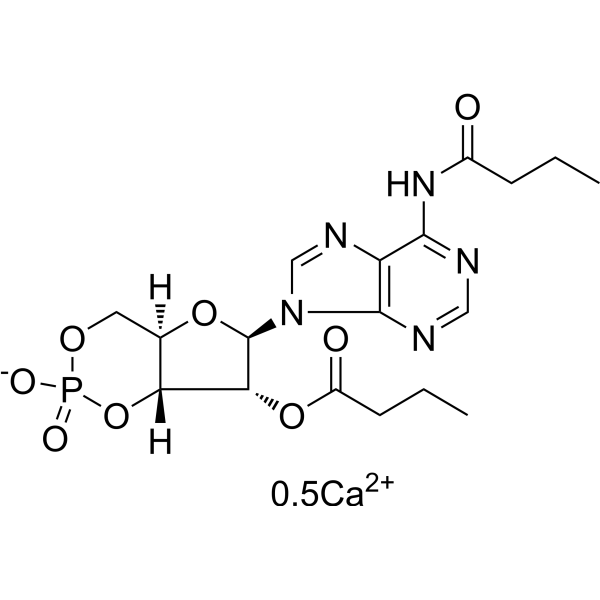
Cat. No.: HY-B0764A
CAS No.: 938448-87-4
Synonyms: Dibutyryl cAMP hemicalcium; DBcAMP hemicalcium
Bucladesine (Dibutyryl cAMP; DBcAMP) hemicalcium is a membrane-permeable 3′, 5′-cyclic adenosine monophosphate (cAMP) analog. Bucladesine selectively activates cAMP dependent protein kinase (PKA) by increasing the intracellular level of cAMP. Bucladesine significantly attenuates MDMA-induced increases in hippocampal mitochondrial ROS formation, mitochondrial outer membrane damage, cytochrome c release, and hippocampal ADP/ATP ratio, thereby improving spatial learning and memory impairments. Bucladesine exhibit anti-nociceptive and anti-inflammation effect. Bucladesine can inhibit cancer cells proliferation, induce apoptosis. Bucladesine can be used for the researches of neurological disease, cancer, inflammation .
loading...
    loading...
50
50 Cited Publications
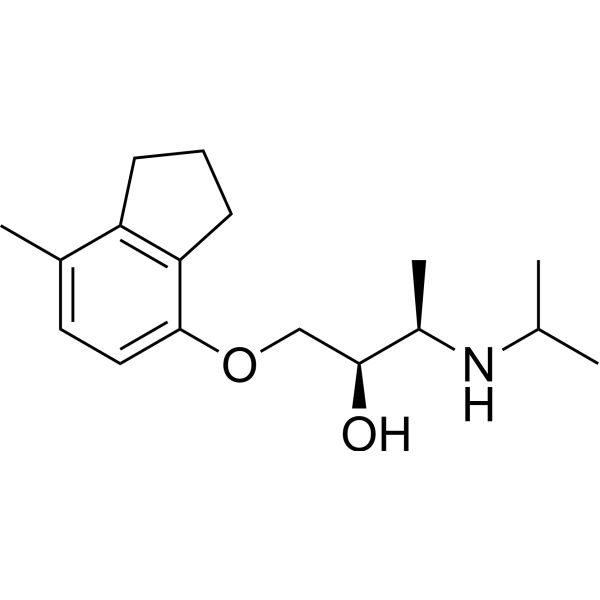
Cat. No.: HY-100543
CAS No.: 72795-26-7
Purity:  99.60%
Synonyms: ICI-118551
Zenidolol (ICI-118551) is a selective β2-adrenergic receptor antagonist with Ki values of Zenidolol for β2, β1 and β3 adrenergic receptors of 0.7, 49.5 and 611 nM, respectively. Zenidolol exerts antitumor effects via inducing apoptosis, inhibiting tumor sphere formation, and downregulating the HIF pathway by blocking β2-AR on tumor cells. Zenidolol exhibits a unique pulmonary vessel-specific vasodilatory effect in mouse models. Zenidolol can be used as an intraocular pressure-lowering agent in ophthalmic disease research .
loading...
    loading...
47
47 Cited Publications
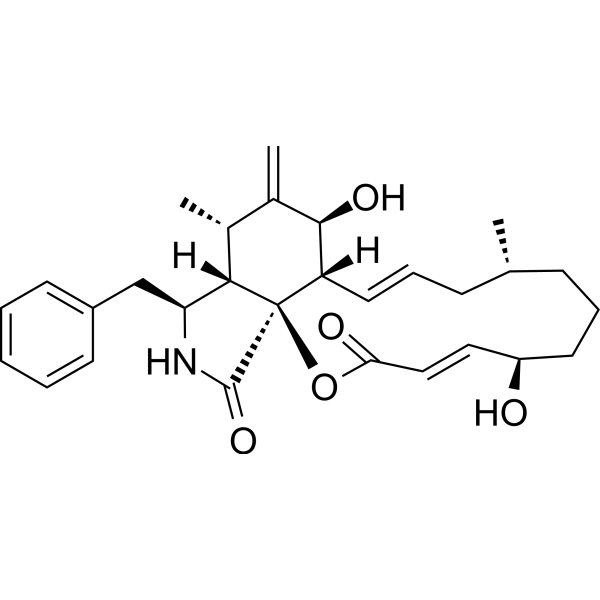
Cat. No.: HY-16928
CAS No.: 14930-96-2
Synonyms: Phomin
Cytochalasin B is a cell-permeable mycotoxin binding to the barbed end of actin filaments, disrupting the formation of actin polymers, with Kd value of 1.4-2.2 nM for F-actin. Cytochalasin B blocks cell migration.
loading...
    loading...
45
45 Cited Publications
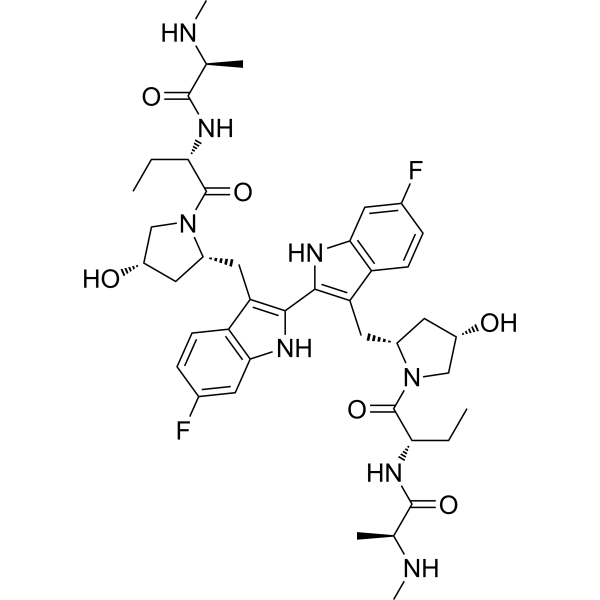
Cat. No.: HY-16591
CAS No.: 1260251-31-7
Synonyms: TL32711
Target:  

IAP Apoptosis HIV

Research Areas:  

Cancer

Birinapant (TL32711), a bivalent Smac mimetic, is a potent antagonist for XIAP and cIAP1 with Kds of 45 nM and less than 1 nM, respectively. Birinapant (TL32711) induces the autoubiquitylation and proteasomal degradation of cIAP1 and cIAP2 in intact cells, which results in formation of a RIPK1: caspase-8 complex, caspase-8 activation, and induction of tumor cell death. Birinapant (TL32711) targets TRAF2-associated cIAPs and abrogates TNF-induced NF-κB activation.
loading...
    loading...
36
36 Cited Publications
Cat. No.: HY-19992
CAS No.: 1113-59-3
Synonyms: Bromopyruvic acid; 3-BrPA; Hexokinase II Inhibitor II, 3-BP
Research Areas:  

Cancer

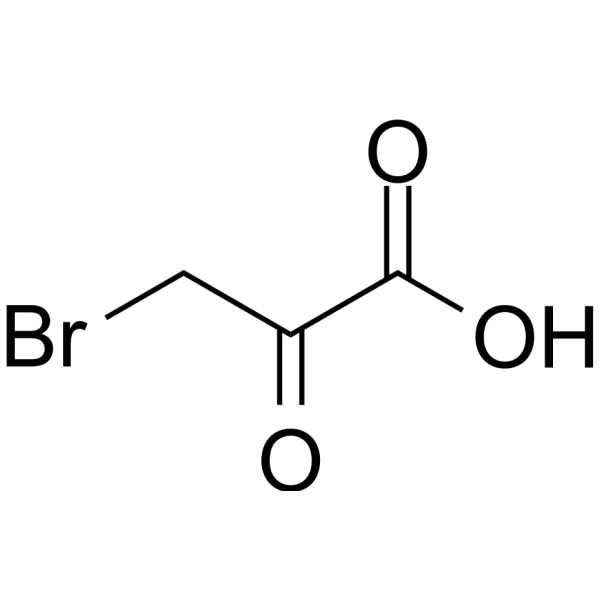
3-Bromopyruvate (Bromopyruvic acid) is an analogue of pyruvate and a potent hexokinase (HK)-II inhibitor with high tumor selectivity. 3-Bromopyruvate inhibits cell growth and induces apoptosis through interfering with glycolysis. 3-Bromopyruvate induces autophagy by stimulating ROS formation in breast cancer cells. Antimicrobial activities .
loading...
    loading...
33
33 Cited Publications
Cat. No.: HY-16268
CAS No.: 4727-31-5
Synonyms: KGN
Target:  

TGF-beta/Smad

Research Areas:  

Inflammation/Immunology

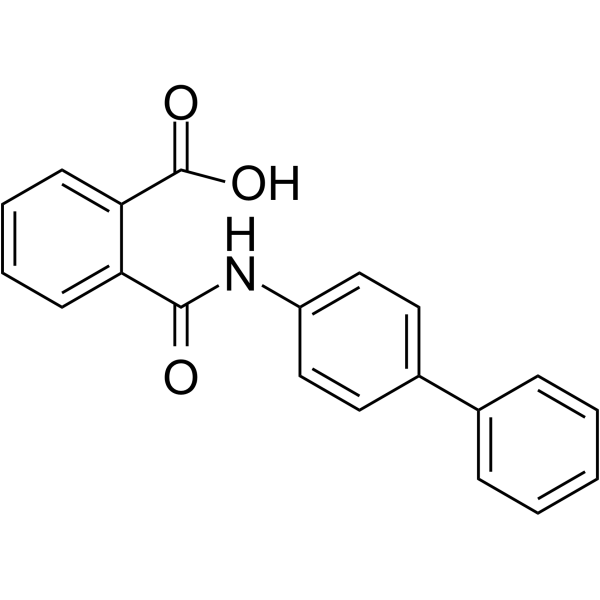
Kartogenin (KGN) is an inducer of chondrogenic tissue formation (EC50: 100 nM). Kartogenin induces chondrogenesis by binding to fibrin A, disrupting its interaction with the transcription factor core binding factor beta subunit (CBFβ), and by modulating the CBFβ-RUNX1 transcriptional program. Kartogenin also promotes tendon-bone junction (TBJ) wound healing by stimulating collagen synthesis. Kartogenin is widely used in cell-free therapy in the field of regeneration for cartilage regeneration and protection, tendon-bone healing, wound healing and limb development. Kartogenin promotes cartilage repair, coordinates limb development, and is also used in osteoarthritis (OA) research .
loading...
    loading...
33
33 Cited Publications
Cat. No.: HY-16268A
CAS No.: 1401168-39-5
Synonyms: KGN sodium
Target:  

TGF-beta/Smad

Research Areas:  

Inflammation/Immunology

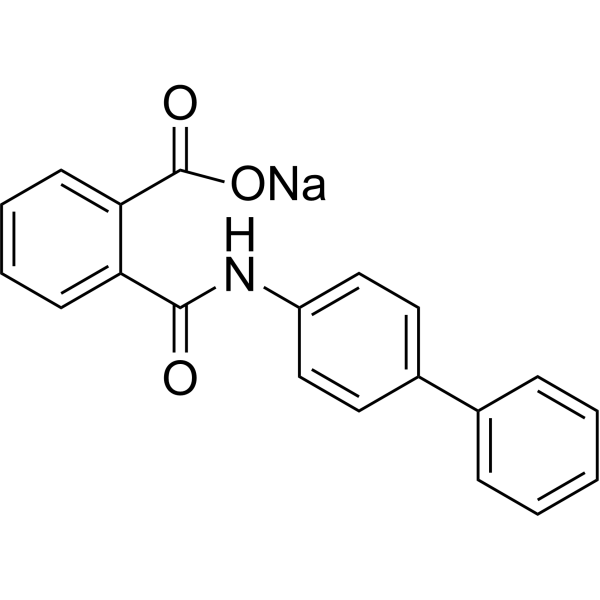
Kartogenin (KGN) sodium is an inducer of chondrogenic tissue formation (EC50: 100 nM). Kartogenin sodium induces chondrogenesis by binding to fibrin A, disrupting its interaction with the transcription factor core binding factor beta subunit (CBFβ), and by modulating the CBFβ-RUNX1 transcriptional program. Kartogenin sodium also promotes tendon-bone junction (TBJ) wound healing by stimulating collagen synthesis. Kartogenin sodium is widely used in cell-free therapy in the field of regeneration for cartilage regeneration and protection, tendon-bone healing, wound healing and limb development. Kartogenin sodium promotes cartilage repair, coordinates limb development, and is also used in osteoarthritis (OA) research .
loading...
    loading...
28
28 Cited Publications
Cat. No.: HY-15425
CAS No.: 1415562-82-1
Purity:  99.85%
Synonyms: Sphingosine Kinase 1 Inhibitor II
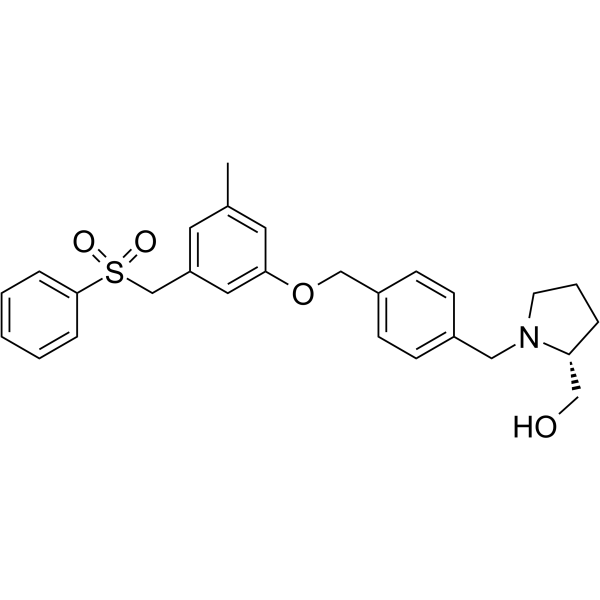
PF-543 (Sphingosine Kinase 1 Inhibitor II) is a potent, selective, reversible and sphingosine-competitive SPHK1 inhibitor with an IC50 of 2 nM and a Ki of 3.6 nM. PF-543 is >100-fold selectivity for SPHK1 over SPHK2. PF-543 is an effective potent inhibitor of sphingosine 1-phosphate (S1P) formation in whole blood with an IC50 of 26.7 nM. PF-543 induces apoptosis, necrosis, and autophagy .
loading...
    loading...
28
28 Cited Publications
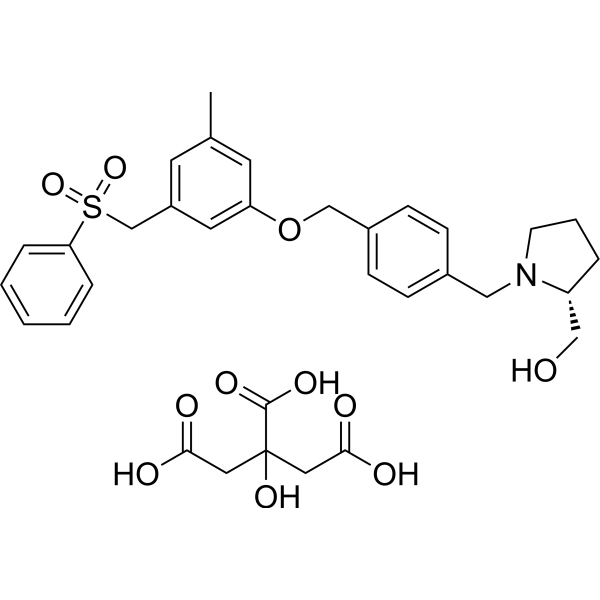
Cat. No.: HY-15425A
CAS No.: 1415562-83-2
Purity:  99.47%
Synonyms: Sphingosine Kinase 1 Inhibitor II Citrate
PF-543 Citrate (Sphingosine Kinase 1 Inhibitor II Citrate) is a potent, selective, reversible and sphingosine-competitive SPHK1 inhibitor with an IC50 of 2 nM and a Ki of 3.6 nM. PF-543 Citrate is >100-fold selectivity for SPHK1 over SPHK2. PF-543 Citrate is an effective potent inhibitor of sphingosine 1-phosphate (S1P) formation in whole blood with an IC50 of 26.7 nM. PF-543 Citrate induces apoptosis, necrosis, and autophagy .
loading...
    loading...
27
27 Cited Publications
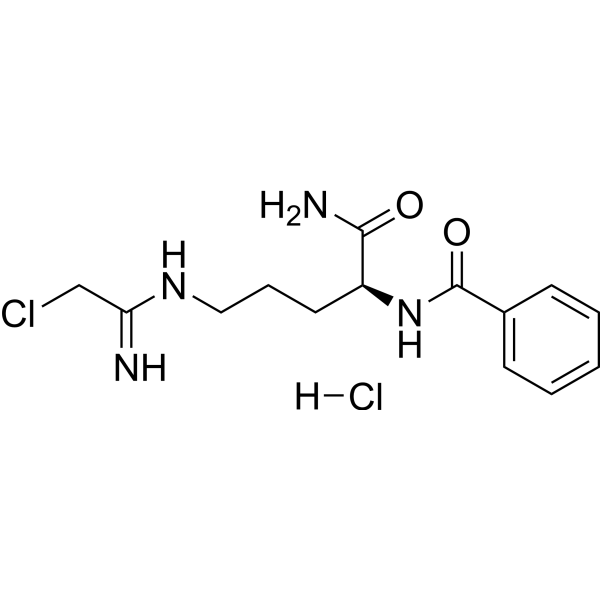
Cat. No.: HY-100574A
CAS No.: 1373232-26-8
Purity:  99.82%
Cl-amidine hydrochloride is an orally active peptidylarginine deminase (PAD) inhibitor, with IC50 values of 0.8 μM, 6.2 μM and 5.9 μM for PAD1, PAD3, and PAD4, respectively. Cl-amidine hydrochloride induces apoptosis in cancer cells. Cl-amidine hydrochloride induces microRNA (miR)-16 (miRNA-16, microRNA-16) expression and causes cell cycle arrest. Cl-Amidine hydrochloride prevents histone 3 citrullination and neutrophil extracellular trap formation, and improves survival in a murine sepsis model .
loading...
    loading...
27
27 Cited Publications
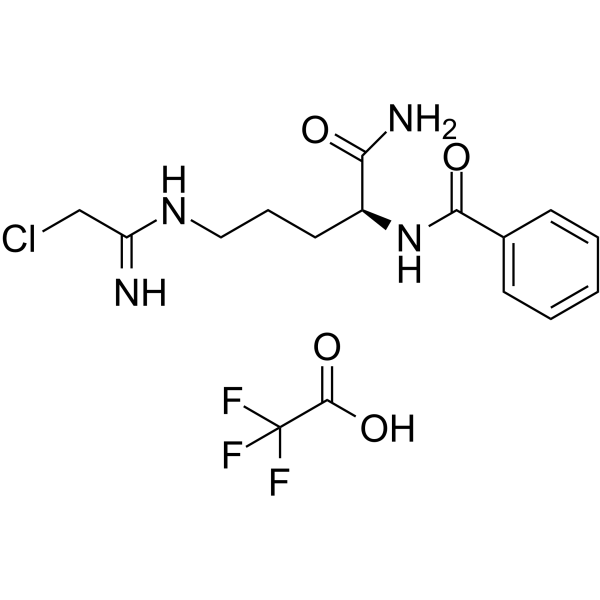
Cat. No.: HY-100574B
CAS No.: 1043444-18-3
Cl-amidine TFA is an orally active peptidylarginine deminase (PAD) inhibitor, with IC50 values of 0.8 μM, 6.2 μM and 5.9 μM for PAD1, PAD3, and PAD4, respectively. Cl-amidine TFA induces apoptosis in cancer cells. Cl-amidine TFA induces microRNA (miR)-16 (miRNA-16, microRNA-16) expression and causes cell cycle arrest. Cl-Amidine TFA prevents histone 3 citrullination and neutrophil extracellular trap formation, and improves survival in a murine sepsis model .
loading...
    loading...
26
26 Cited Publications
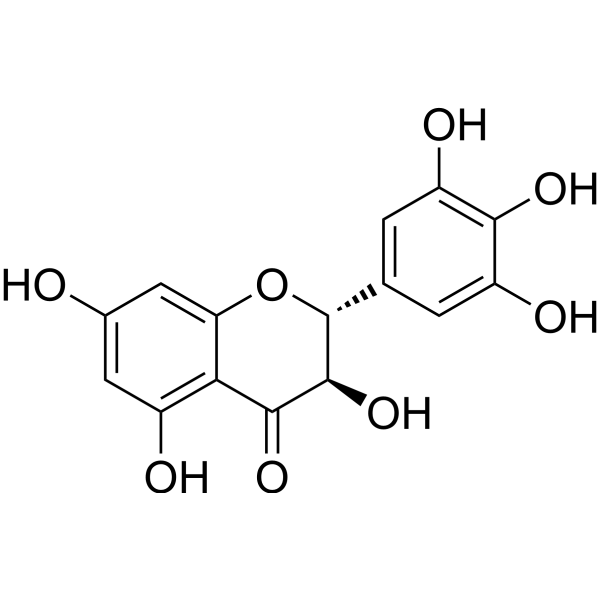
Cat. No.: HY-N0112
CAS No.: 27200-12-0
Synonyms: Ampelopsin; Ampeloptin
Dihydromyricetin is a potent inhibitor with an IC50 of 48 μM on dihydropyrimidinase. Dihydromyricetin can activate autophagy through inhibiting mTOR signaling. Dihydromyricetin suppresses the formation of mTOR complexes (mTORC1/2). Dihydromyricetin is also a potent influenza RNA-dependent RNA polymerase inhibitor with an IC50 of 22 μM.
loading...
    loading...
25
25 Cited Publications
Cat. No.: HY-W008574
CAS No.: 51987-99-6
Target:  

PROTAC Linkers

Research Areas:  

Inflammation/Immunology Cancer

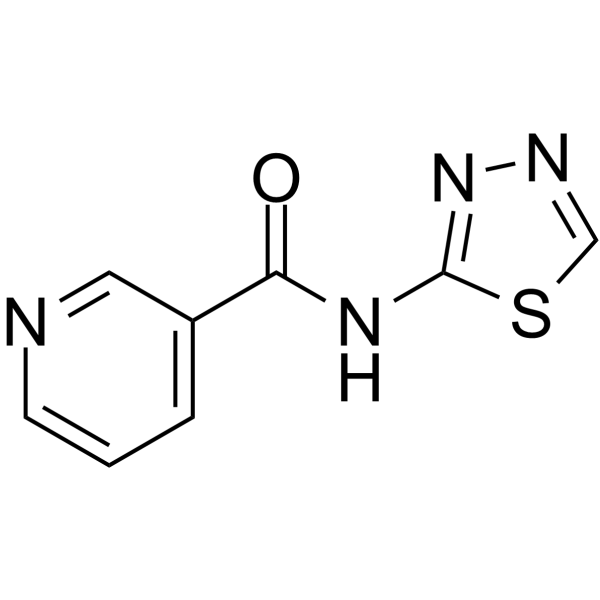
TGN-020 is a selective Aquaporin 4 (AQP4) inhibitor with an IC50 of 3.1 μM . TGN-020 is an alkyl chain-based PROTAC linker that can be used in the synthesis of PROTACs .TGN-020 alleviates edema and inhibits glial scar formation after spinal cord compression injury in rats .
loading...
    loading...
25
25 Cited Publications
Cat. No.: HY-W008574A
CAS No.: 1313731-99-5
Target:  

PROTAC Linkers

Research Areas:  

Inflammation/Immunology Cancer

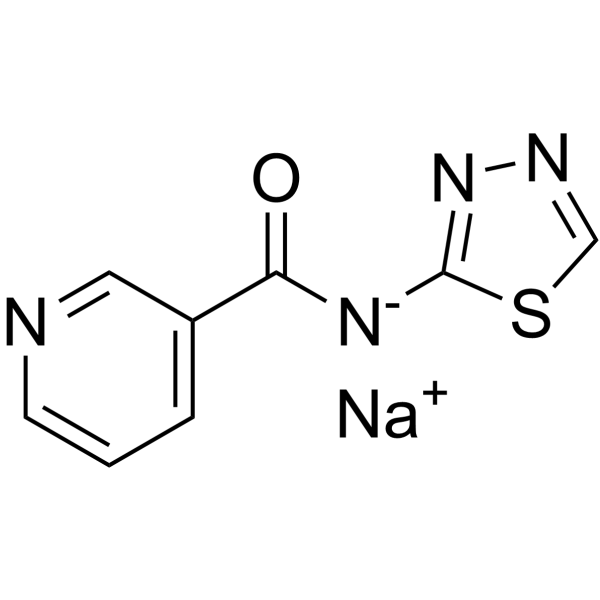
TGN-020 sodium is a selective Aquaporin 4 (AQP4) inhibitor with an IC50 of 3.1 μM . TGN-020 sodium is an alkyl chain-based PROTAC linker that can be used in the synthesis of PROTACs . TGN-020 sodium alleviates edema and inhibits glial scar formation after spinal cord compression injury in rats .
loading...
    loading...
23
23 Cited Publications
Cat. No.: HY-16563
CAS No.: 29477-83-6
Synonyms: Lycoricidinol
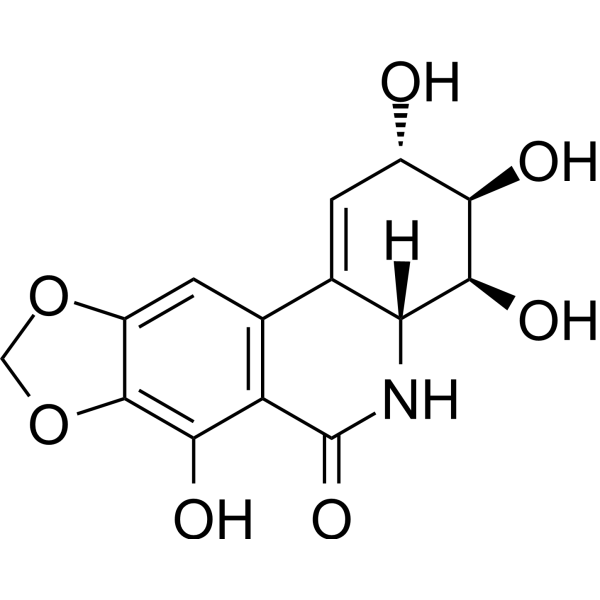
Narciclasine is a plant growth modulator. Narciclasine modulates the Rho/Rho kinase/LIM kinase/cofilin signaling pathway, greatly increasing GTPase RhoA activity as well as inducing actin stress fiber formation in a RhoA-dependent manner.
loading...
    loading...

