527 Results for "

electron

" in MedChemExpress (MCE) Product Catalog:
Products (527)

527 Results for "electron" in MCE Product Catalog:

Cat. No.: HY-W004606
CAS No.: 6267-02-3
Synonyms: DM-AD
Research Areas:  

Others

9,9-Dimethyl-9,10-dihydroacridine (DM-AD) is an electron-donating group with hole transport mobility, which serves as a building block for the synthesis of organic semiconductors and light-emitting emitters. 9,9-Dimethyl-9,10-dihydroacridine can form donor-acceptor-donor type thermally activated delayed fluorescence emitters. 9,9-Dimethyl-9,10-dihydroacridine undergoes oxidation to form radical cations, which further participate in dimerization or oligomerization reactions .
loading...
    loading...
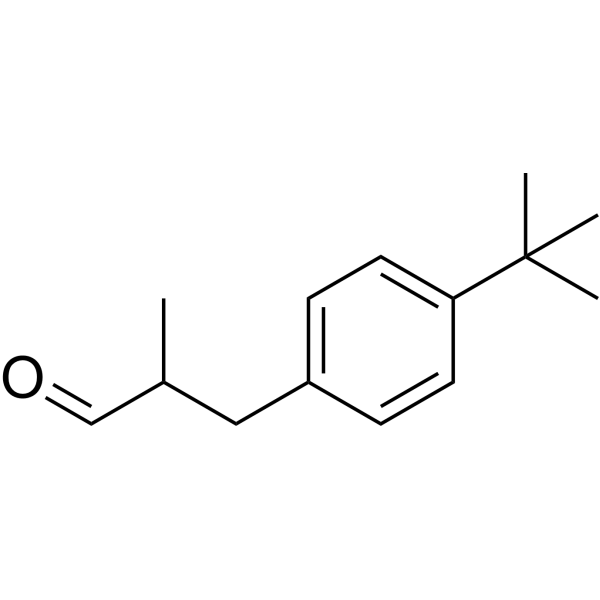
Cat. No.: HY-W014684
CAS No.: 80-54-6
Lilial is a widely used synthetic fragrance and ester in consumer products. Lilial possesses estrogenic activity in vitro. Lilial can induce a toxic effect on mitochondria that causes a decrease in the viability of HaCaT cells. Lilial can increase NRF2 protein level in vitro. Lilial is able to target respiratory chain complexes, inhibit complexes I and II of the electron transport chain, increase the generation of reactive oxygen species, and decrease the level of intracellular ATP. Lilial can induce systemic toxicity in vivo. Lilial induces significant DNA strand breaks .
loading...
    loading...
Cat. No.: HY-W1061747
Research Areas:  

Others

endo-BCN-PEG3 Phosphoramidite is a nucleic acid phosphoramidite modifier containing an endo-bicyclononyne (BCN) group and a PEG3 spacer, enabling site-specific incorporation of endo-BCN-PEG3 into DNA or RNA during solid-phase oligonucleotide synthesis. endo-BCN-PEG3 Phosphoramidite introduces a BCN group that can undergo copper-free strain-promoted azide-alkyne cycloaddition (SPAAC) with azide-containing molecules or inverse electron demand Diels-Alder (IEDDA) reactions with tetrazines, enabling post-synthetic oligonucleotide labeling and bioconjugation.
loading...
    loading...
Cat. No.: HY-W761397
CAS No.: 117568-28-2
Target:  

COMT

Research Areas:  

Neurological Disease

COMT-IN-3 is a competitive inhibitor of soluble catechol-O-methyltransferase (S-COMT). COMT-IN-3 coordinates with the Mg 2+ ion at the COMT active site via its catechol hydroxyl group, and its nitro group, as a strong electron-withdrawing substituent, further enhances the binding affinity. COMT-IN-3 interacts with the hydrophobic residues Trp38, Met40, and Trp143 at the back of the active site via its neutral nitrile tail, thereby competitively inhibiting COMT activity. COMT-IN-3 can be used in research related to Parkinson's disease .
loading...
    loading...
Cat. No.: HY-K3124

MCE Macrofungal-Derived Extracellular Vesicle Isolation and Purification Kit is specifically optimized for fungal fruiting body samples. The optimized extraction system facilitates the release of EVs from fungal tissues, while the purification system effectively removes polysaccharides, proteins, phenolic compounds, terpenoids, and other non-vesicular components, enabling efficient isolation and purification of fungal EVs. The isolated macrofungal-derived vesicles can be used for downstream applications including transmission electron microscopy (TEM), nanoparticle tracking analysis (NTA), Western blotting, qPCR, cell-based studies, and animal experiments.

loading...
    loading...
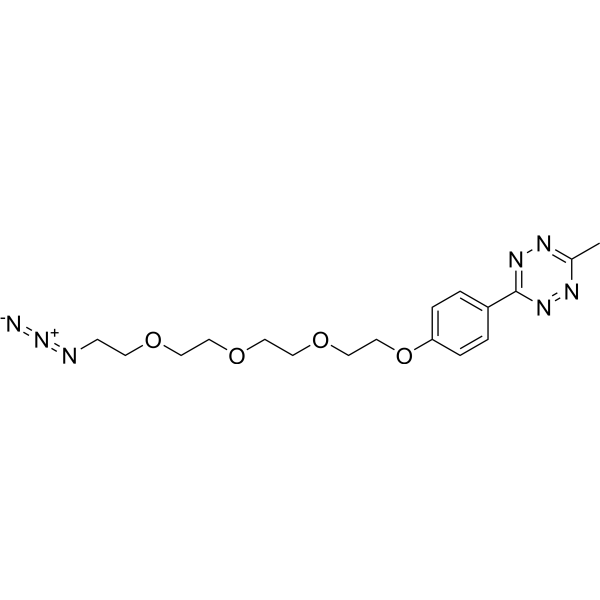
Cat. No.: HY-130508
CAS No.: 1802908-04-8
Target:  

PROTAC Linkers

Research Areas:  

Cancer

Methyltetrazine-Ph-PEG4-azide is a PEG-based PROTAC linker that can be used in the synthesis of PROTACs . Methyltetrazine-Ph-PEG4-azide is a click chemistry reagent, it contains a Tetrazine group that can undergo an inverse electron demand Diels-Alder reaction (iEDDA) with molecules containing TCO groups. It contains an azide group and can undergo copper-catalyzed azide-alkyne cycloaddition (CuAAc) with molecules containing alkyne groups. It can also undergo ring strain-promoted alkyne-azide cycloaddition (SPAAC) with molecules containing DBCO or BCN groups.
loading...
    loading...
Cat. No.: HY-137294
CAS No.: 2304444-49-1
Synonyms: Y6
Target:  

Endogenous Metabolite

Research Areas:  

Others

BTPTT-4F (Y6) is a non-fullerene acceptor-donor-acceptor (A-D-A) type small molecular acceptor (SMA) characterized by its flexible alkyl chains and centrally fused ring structure. Featuring a ladder-type electron-deficient core, BTPTT-4F can be effectively blended with PM6, showcasing significant potential for enhancing the performance of organic photovoltaic applications. Its tailored optical properties and adjustable electronic energy levels contribute to improved thermal and photochemical stability, making it a promising candidate for next-generation high-performance organic solar cells.
loading...
    loading...
Cat. No.: HY-173283
Target:  

Fungal

Research Areas:  

Infection

Antifungal agent 129 (Compound 4g) is an inhibitor targeting Rhizoctonia solani, with an EC50 value of 4.27 mg/L. It has a good control effect against rice sheath blight in in vitro and in vivo experiments. Preliminary exploration through scanning electron microscopy, molecular docking, enzyme activity determination, and cytotoxicity experiments has revealed that Antifungal agent 129 may exert its inhibitory activity by affecting the cell structure or physiological processes of Rhizoctonia solani. Antifungal agent 129 can be used in the research of plant diseases in the agricultural field, such as rice sheath blight, which are caused by Rhizoctonia solani .
loading...
    loading...
Cat. No.: HY-181610
CAS No.: 3112883-32-3
Research Areas:  

Infection

SDH-IN-45 is a succinate dehydrogenase BcSDH inhibitor and mycelial growth inhibitor targeting Botrytis cinerea, with an IC50 of 5.97 μg/mL against Botrytis cinerea. SDH-IN-45 inhibits succinate dehydrogenase, a component of the mitochondrial electron transport chain, via a unique binding mode, thereby regulating fungal energy metabolism. SDH-IN-45 causes morphological damage to Botrytis cinerea mycelia, leading to collapse and shrinkage of mycelial structures. SDH-IN-45 exhibits in vitro fungicidal activity against Botrytis cinerea. SDH-IN-45 can be used in research related to cucumber gray mold .
loading...
    loading...
Cat. No.: HY-185782
Research Areas:  

Others

Methyltetrazine-PEG2-tris (PEG3-DBCO) is a methyltetrazine-derived multi-arm PEG crosslinker designed specifically for the inverse electron-demand Diels-Alder (IEDDA) bioorthogonal reaction. Methyltetrazine-PEG2-tris (PEG3-DBCO) contains both methyltetrazine and tris (PEG3-DBCO) domains, and carries DBCO reactive groups. Methyltetrazine-PEG2-tris (PEG3-DBCO) serves as a highly efficient bioorthogonal conjugation reagent .
loading...
    loading...
Cat. No.: HY-D3188
CAS No.: 2730023-28-4
gGlu-2OMe SiR600 is a γ-glutamyl transpeptidase (GGT) responsive fluorescent probe. gGlu-2OMe SiR600 can be converted into a highly fluorescent molecule via reaction with GGT, and its initial fluorescence is quenched through a photoinduced electron transfer (PeT) mechanism. gGlu-2OMe SiR600 exhibits fluorescence activation in malignant breast cancer and benign breast fibroadenoma tissues, enabling lesion visualization. gGlu-2OMe SiR600 can be used for research related to breast cancer and fibroadenoma .
loading...
    loading...
Cat. No.: HY-D3480
BeRST voltage sensitive dye is a silicon-rhodamine-based voltage-sensitive dye that serves as a membrane potential indicator, featuring fast response kinetics, high sensitivity, photostability, and excellent signal-to-noise ratio. BeRST voltage sensitive dye relies on the photoinduced electron transfer (PeT) mechanism to report changes in neuronal membrane potential via fluorescent signals. BeRST voltage sensitive dye localizes to the extracellular surface of neuronal plasma membranes, including cell bodies and neurites. BeRST voltage sensitive dye can be used in studies related to Alzheimer's disease (Ex/Em = 658/683 nm) .
loading...
    loading...
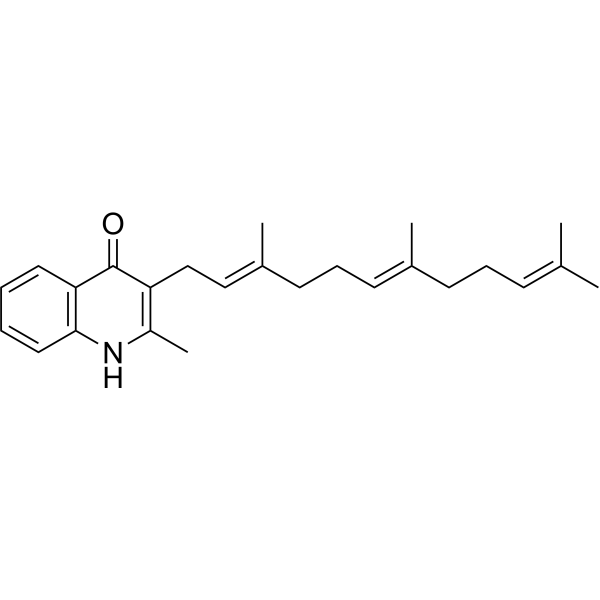
Cat. No.: HY-N7151
CAS No.: 108354-13-8
Aurachin D is an antibiotic and selective cytochrome bd oxidase inhibitor. Aurachin D exhibits inhibitory effects against Gram-positive bacteria and a small number of fungi, with an IC50 value of 0.1 μM against Escherichia coli and an IC50 value ranging from 0.13 to 33 μM against Mycobacterium tuberculosis. Aurachin D binds to and inhibits cytochrome bd oxidase, thereby blocking the electron transfer process, disrupting the respiratory chain and energy metabolism of pathogens. Aurachin D can be used in research related to leishmaniasis, malaria, Chagas disease, African trypanosomiasis, and tuberculosis [2] .
loading...
    loading...
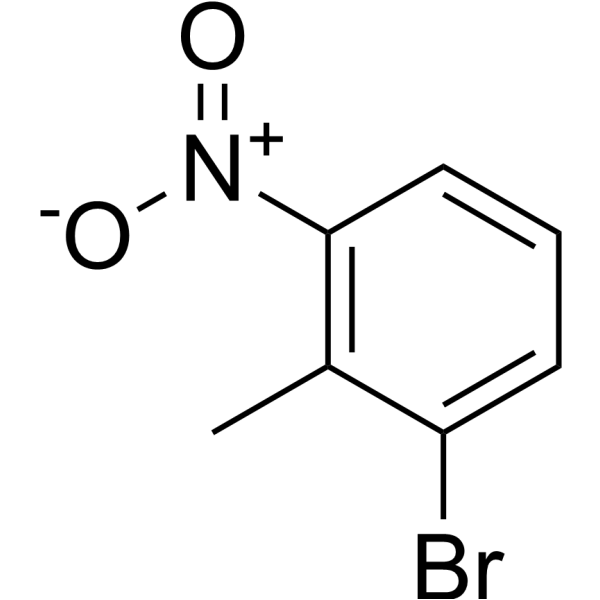
Cat. No.: HY-W014159
CAS No.: 55289-35-5
1-Bromo-2-methyl-3-nitrobenzene is an organic synthesis intermediate. 1-Bromo-2-methyl-3-nitrobenzene participates in chemical reactions such as electrophilic substitution and coupling through the bromine atom and nitro group in the molecule, and acts as a synthetic precursor. 1-Bromo-2-methyl-3-nitrobenzene can construct complex molecular structures by relying on the leaving property of bromine and the electron-withdrawing property of nitro group, and can be used in the synthesis of benzimidazole VISTA inhibitors in medicinal chemistry .
loading...
    loading...
Cat. No.: HY-W250179
CAS No.: 5168-91-2
Synonyms: Polyoxyethylene (6) cetyl ether
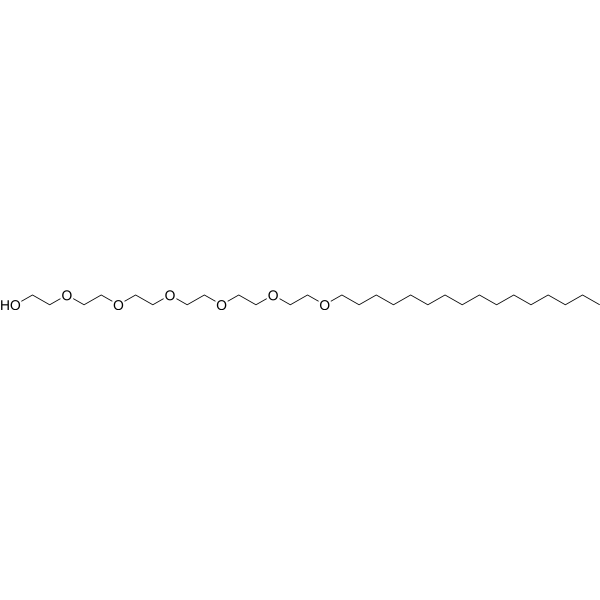
Hexaethylene glycol monohexadecyl ether, is a nonionic surfactant belonging to the polyethylene glycol (PEG) ether family. It has a hydrophilic head and a lipophilic tail, which makes it suitable for a wide range of applications. Specifically, Hexaethylene glycol monohexadecyl ether is commonly used in membrane protein research, for solubilization and stabilization of proteins, and for structural analysis techniques such as X-ray crystallography and electron microscopy. Additionally, Hexaethylene glycol monohexadecyl ether is used in a variety of other industrial and research applications, including drug delivery systems, nanotechnology, and diagnostic analysis. Its unique properties make it ideal for facilitating interactions between molecules with different physicochemical properties.
loading...
    loading...
Cat. No.: HY-Y1359S
CAS No.: 1173022-19-9
Synonyms: 2-Methyl-1H-imidazole-d6
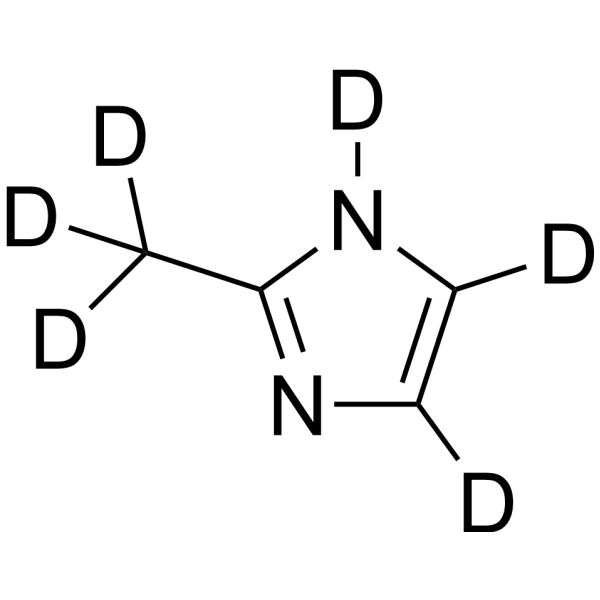
2-Methylimidazole-d6 is the deuterium labeled 2-Methylimidazole. 2-Methylimidazole (2-Methyl-1H-imidazole) is a nitrogen-containing MOF ligand that serves as a laccase-mimicking activity enhancer and a morphology regulator for copper-based metal-organic frameworks. 2-Methylimidazole promotes the formation of natural laccase-like nanoenzyme structures, accelerates electron transfer and enhances catalytic activity. During hydrothermal synthesis, 2-Methylimidazole inhibits the vertical growth of crystals, thus enabling the preparation of two-dimensional nanosheet morphology .
loading...
    loading...
Cat. No.: HY-140310
CAS No.: 1801863-88-6
Research Areas:  

Cancer

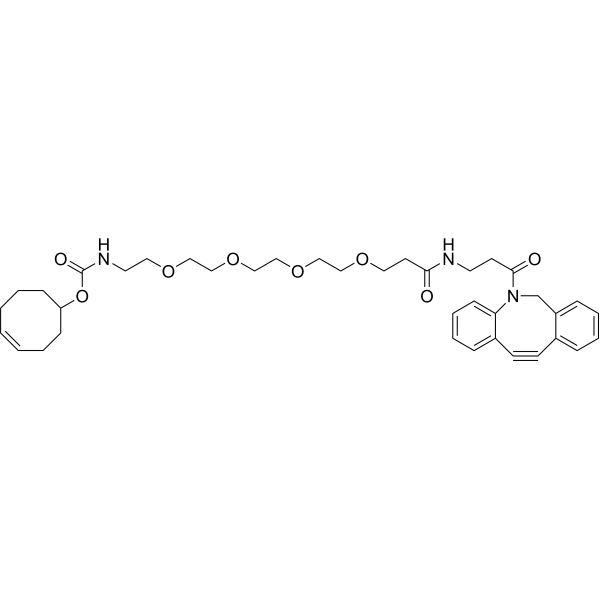
TCO-PEG4-DBCO is a PEG-based PROTAC linker can be used in the synthesis of PROTACs. TCO-PEG4-DBCO is a cleavable ADC linker used in the synthesis of antibody-drug conjugates (ADCs) . TCO-PEG4-DBCO is a click chemistry reagent, it contains a DBCO group that can undergo strain-promoted alkyne-azide cycloaddition (SPAAC) with molecules containing Azide groups. TCO-PEG4-DBCO also contains a TCO group that can undergo an inverse electron demand Diels-Alder reaction (iEDDA) with molecules containing Tetrazine groups.
loading...
    loading...
Cat. No.: HY-145538
CAS No.: 146877-98-7
Synonyms: 5'-Deoxyguanylic acid disodium hydrate
Target:  

DNA/RNA Synthesis

Research Areas:  

Others

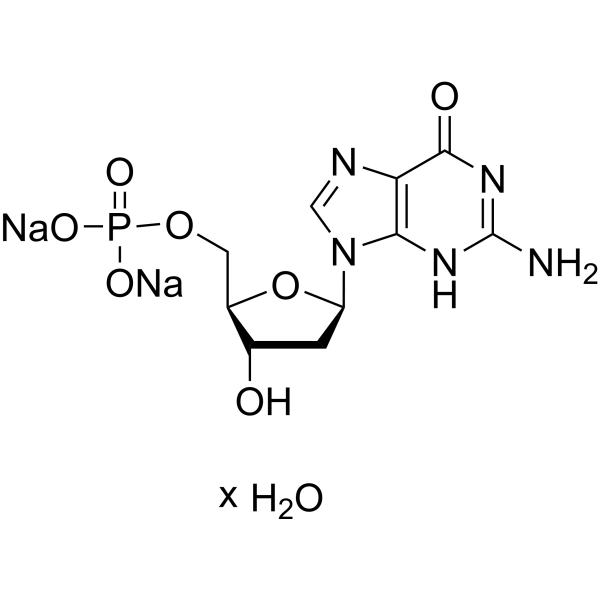
2'-Deoxyguanosine 5'-monophosphate (5'-Deoxyguanylic acid; dGMP) disodium hydrate is an oxidizable target of the photosensitizer pterin (PT) and can be used to evaluate the photosensitizing properties of biopterins (such as Bip, Fop and Cap) . Pterin causes a photosensitive reaction of dGMP under UV-A radiation, causing damage to DNA molecules. There are two main mechanisms for the photosensitive oxidation of purine nucleotides by pterin in vitro: one is the hydrogen abstraction reaction of electron transfer from dGMP to the triplet excited state of pterin (type I mechanism), and the other is the interaction between dGMP and pterin. The reaction produces singlet molecular oxygen (1O2) (Type II mechanism) .
loading...
    loading...
Cat. No.: HY-154802
CAS No.: 2307311-19-7
Research Areas:  

Cancer

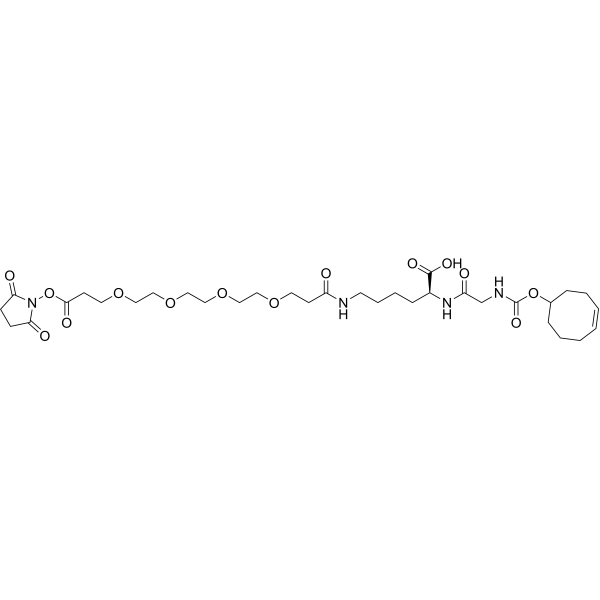
TCO-GK-PEG4-NHS ester is an ADC Linker, and can be used for synthesis of [18F]AlF-NOTA-Tz-TCO-GK-2Rs15d. [18F]AlF-NOTA-Tz-TCO-GK-2Rs15d binds with high affinity and immunoreactivity to HER2 . TCO-GK-PEG4-NHS ester is a click chemistry reagent, it contains a TCO group that can undergo an inverse electron demand Diels-Alder reaction (iEDDA) with molecules containing Tetrazine groups.
loading...
    loading...
Cat. No.: HY-162066
CAS No.: 2868298-43-3
Target:  

Parasite

Research Areas:  

Infection

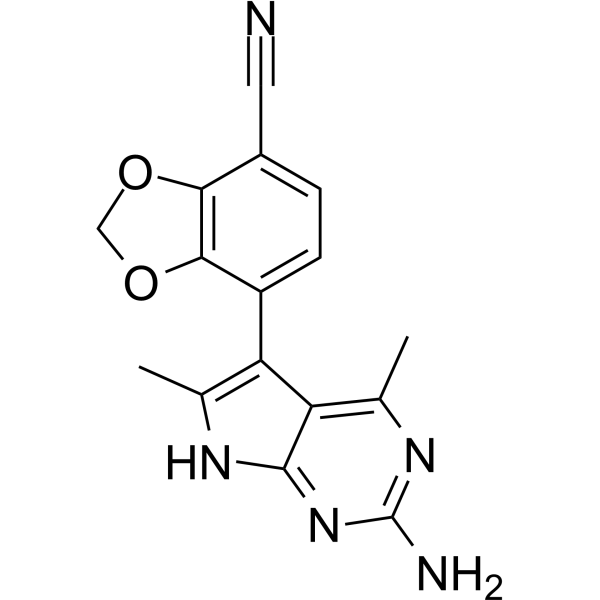
DNDI-6174 is an orally active Leishmania cytochrome b (Qi site of cytochrome bc1 complex/complex III) inhibitor. DNDI-6174 binds to the Qi site of Leishmania cytochrome b, inhibits cytochrome bc1 complex activity in the parasite's electron transport chain across promastigote and axenic amastigote stages. DNDI-6174 reduces parasite burden in rodent models, inhibits growth of various Leishmania species, drug-resistant clinical isolates, and Trypanosoma cruzi, with marginal activity against Trypanosoma brucei. DNDI-6174 can be used for the research of visceral leishmaniasis, cutaneous leishmaniasis .
loading...
    loading...

