8056 Results for "

Inflammatory

" in MedChemExpress (MCE) Product Catalog:
Products (8056)

8056 Results for "Inflammatory" in MCE Product Catalog:

50
50 Cited Publications
Cat. No.: HY-W404916
CAS No.: 23795-03-1
Probenecid sodium is an orally active, blood-brain barrier-permeable Pannexin 1 channel inhibitor. Probenecid sodium exhibits anti-inflammatory, antiviral, and neuroprotective activities. Probenecid sodium can be used in research related to multiple sclerosis, focal cerebral ischemic injury, influenza virus infection, and nephropathy .
loading...
    loading...
50
50 Cited Publications
Cat. No.: HY-B0568
CAS No.: 30652-11-0
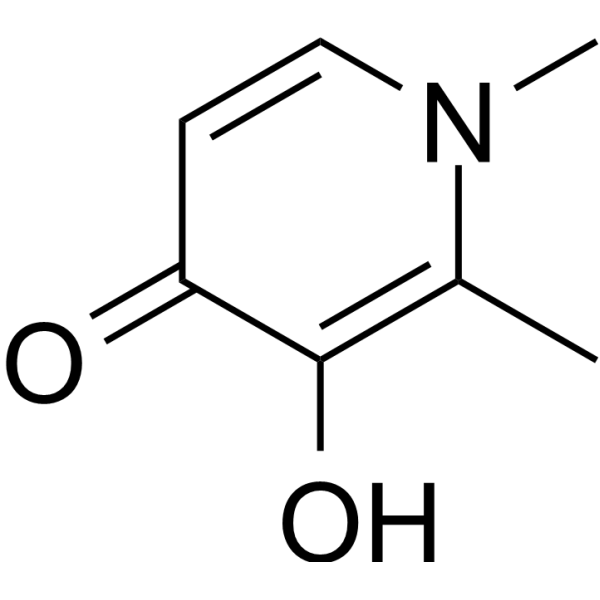
Deferiprone is a potent, orally active, brain-penetrant, cell-penetrant, skin-permeable, free iron chelating agent. Deferiprone inhibits the proliferation and migration, and stimulates apoptosis in tumor cell. Deferiprone can inhibit KDM. Deferiprone has antianemic, neuroprotective, anti-inflammatory, antioxidant, and antidotal activity. Deferiprone can be used in cancer, cardiovascular disease, infection, inflammation, and neurological disease study .
loading...
    loading...
50
50 Cited Publications
Cat. No.: HY-B1081
CAS No.: 28094-15-7
Synonyms: 6-Hydroxydopamine Hydrochloride
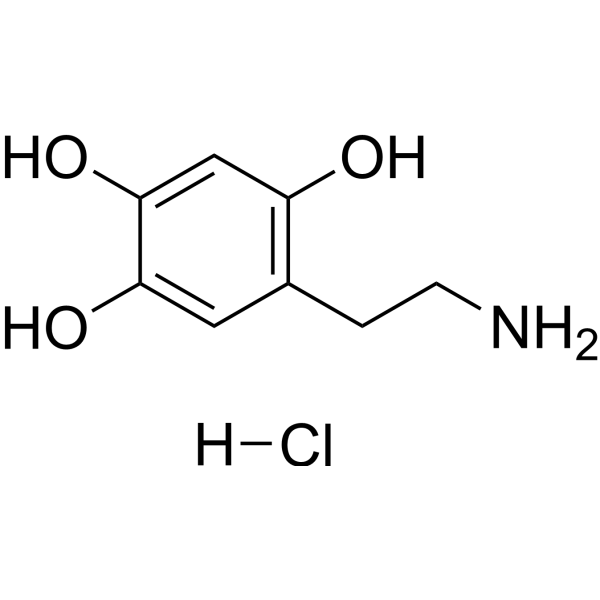
Oxidopamine (6-OHDA) hydrochloride is an antagonist of the neurotransmitter dopamine. Oxidopamine hydrochloride is a widely used neurotoxin and selectively destroys dopaminergic neurons. Oxidopamine hydrochloride promotes COX-2 activation, leading to PGE2 synthesis and pro-inflammatory cytokine IL-1β secretion. Oxidopamine hydrochloride can be used for the research of Parkinson’s disease (PD), attention-deficit hyperactivity disorder (ADHD), and Lesch-Nyhan syndrome .
loading...
    loading...
50
50 Cited Publications
Cat. No.: HY-B1081A
CAS No.: 636-00-0
Synonyms: 6-Hydroxydopamine hydrobromide; 6-OHDA hydrobromide
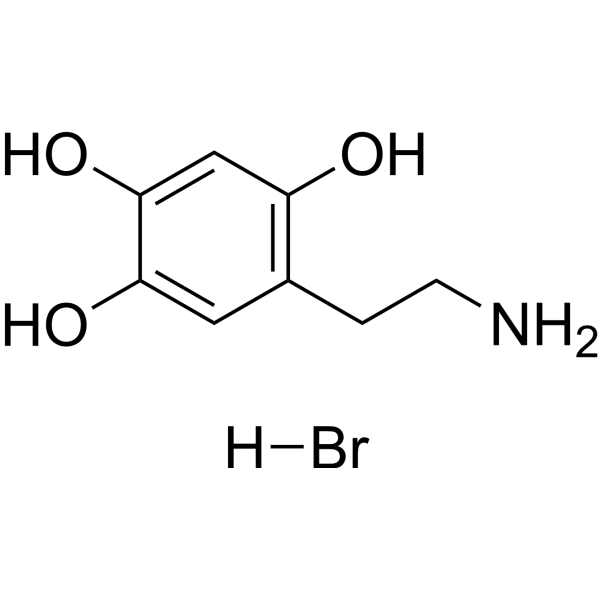
Oxidopamine (6-OHDA) hydrobromide is an antagonist of the neurotransmitter dopamine. Oxidopamine hydrobromide is a widely used neurotoxin and selectively destroys dopaminergic neurons. Oxidopamine hydrobromide promotes COX-2 activation, leading to PGE2 synthesis and pro-inflammatory cytokine IL-1β secretion. Oxidopamine hydrobromide can be used for the research of Parkinson’s disease (PD), attention-deficit hyperactivity disorder (ADHD), and Lesch-Nyhan syndrome .
loading...
    loading...
49
49 Cited Publications
Cat. No.: HY-100599
CAS No.: 1143-70-0
Purity:  99.82%
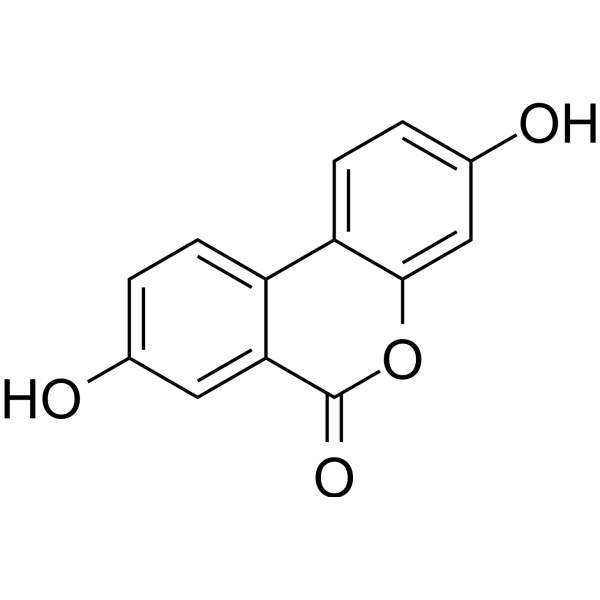
Urolithin A, a gut-microbial metabolite of ellagic acid, exerts anti-inflammatory, antiproliferative, and antioxidant properties. Urolithin A induces autophagy and apoptosis, suppresses cell cycle progression, and inhibits DNA synthesis .
loading...
    loading...
47
47 Cited Publications
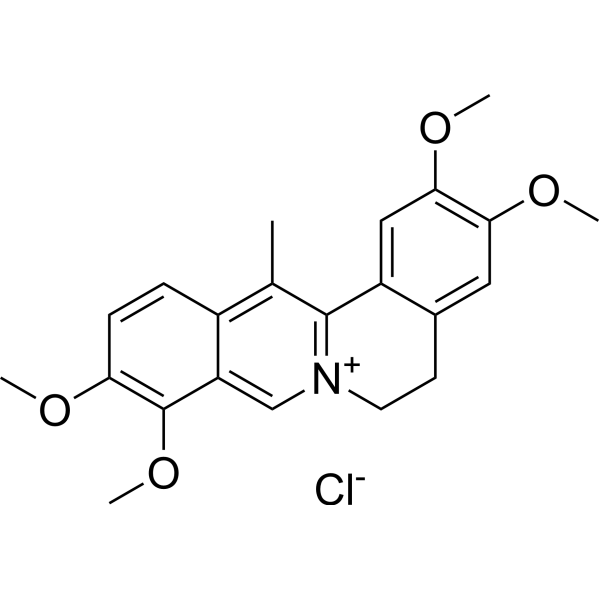
Cat. No.: HY-N0674A
CAS No.: 10605-03-5
Synonyms: 13-Methylpalmatine chloride
Dehydrocorydaline chloride (13-Methylpalmatine chloride) is an alkaloid that regulates protein expression of Bax, Bcl-2; activates caspase-7, caspase-8, and inactivates PARP . Dehydrocorydaline chloride elevates p38 MAPK activation. Anti-inflammatory and anti-cancer activities . Dehydrocorydaline chloride shows strong anti-malarial effects (IC50 =38 nM), and low cytotoxicity (cell viability > 90%) using P. falciparum 3D7 strain .
loading...
    loading...
47
47 Cited Publications
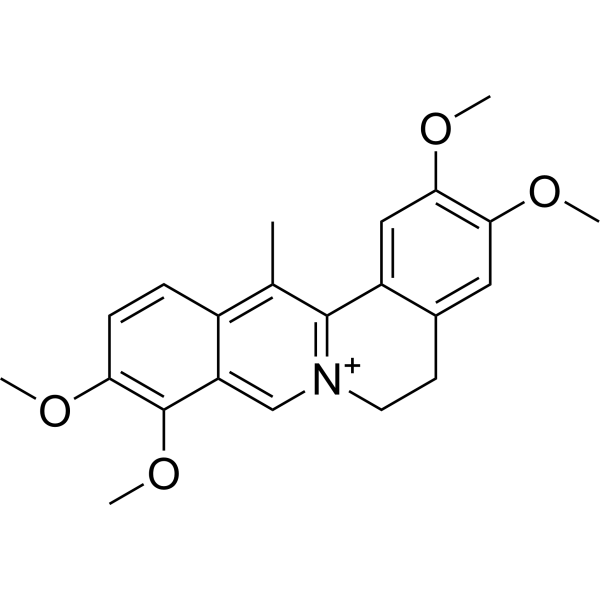
Cat. No.: HY-N0674
CAS No.: 30045-16-0
Synonyms: 13-Methylpalmatine
Dehydrocorydaline (13-Methylpalmatine) is an alkaloid that regulates protein expression of Bax, Bcl-2; activates caspase-7, caspase-8, and inactivates PARP . Dehydrocorydaline elevates p38 MAPK activation. Anti-inflammatory and anti-cancer activities . Dehydrocorydaline shows strong anti-malarial effects (IC50=38 nM), and low cytotoxicity (cell viability > 90%) using P. falciparum 3D7 strain .
loading...
    loading...
46
46 Cited Publications
Cat. No.: HY-108882
CAS No.: 9003-98-9
Synonyms: DNase
Target:  

Others

Research Areas:  

Inflammation/Immunology Cancer

DNase I (EC 3.1.21.1) is an enzyme that degrade DNA, it plays a key role in the cleavage of extracellular DNA is crucial for limiting the inflammatory response and maintaining homeostasis. Exogenous deoxyribonuclease shows beneficial effects in inflammatory diseases and cancer .
loading...
    loading...
46
46 Cited Publications
Cat. No.: HY-108882A
CAS No.: 9003-98-9
Target:  

Endonuclease

Research Areas:  

Others

Recombinant DNase I (RNase-free) is a recombinant deoxyribonuclease that degrades DNA. Recombinant DNase I is essential for limiting inflammatory responses and maintaining homeostasis .
loading...
    loading...
46
46 Cited Publications
Cat. No.: HY-112847A
Purity:  ≥98.0%
Synonyms: Sulfo-N-succinimidyl oleate sodium
Target:  

Mitophagy

Research Areas:  

Inflammation/Immunology

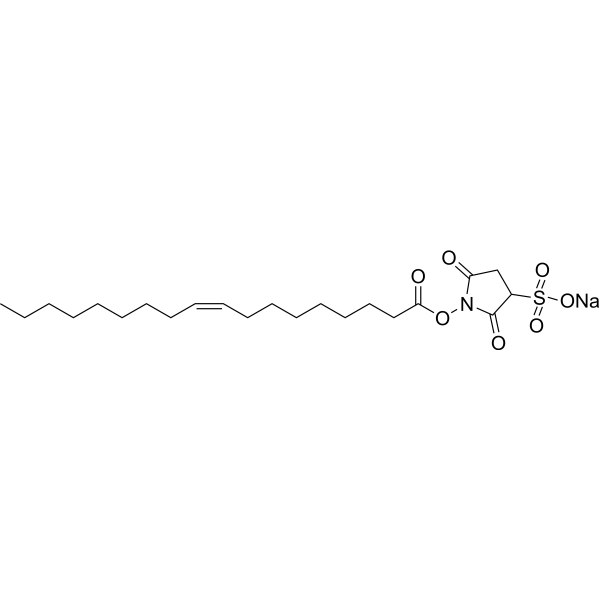
Sulfosuccinimidyl oleate sodium (Sulfo-N-succinimidyl oleate sodium) is a long chain fatty acid that inhibits fatty acid transport into cells. Sulfosuccinimidyl oleate sodium is a potent and irreversible inhibitor of mitochondrial respiratory chain. Sulfosuccinimidyl oleate sodium binds the CD36 receptor on the surface of microglia. Anti-inflammatory effect .
loading...
    loading...
46
46 Cited Publications
Cat. No.: HY-N0674B
Synonyms: 13-Methylpalmatine (hydroxyl)
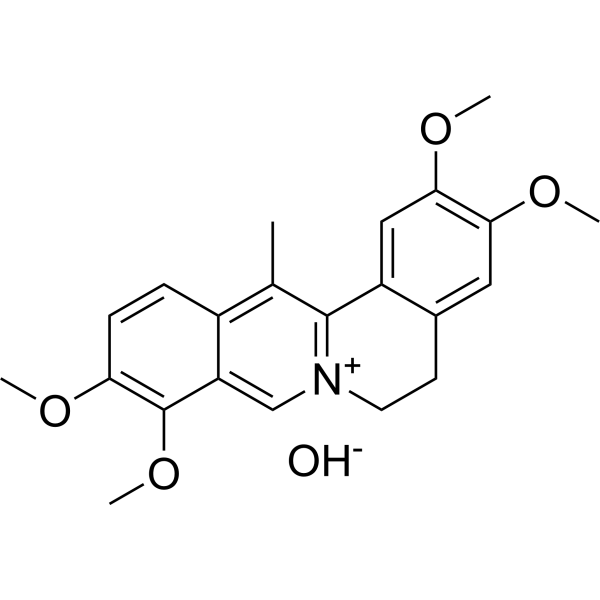
Dehydrocorydaline (13-Methylpalmatine) hydroxyl is an alkaloid that regulates protein expression of Bax, Bcl-2; activates caspase-7, caspase-8, and inactivates PARP. Dehydrocorydaline hydroxyl elevates p38 MAPK activation. Anti-inflammatory and anti-cancer activities. Dehydrocorydaline hydroxyl shows strong anti-malarial effects (IC50=38 nM), and low cytotoxicity (cell viability > 90%) using P. falciparum 3D7 strain.
loading...
    loading...
46
46 Cited Publications
Cat. No.: HY-108882C
CAS No.: 9003-98-9
Target:  

DNA/RNA Synthesis

Research Areas:  

Inflammation/Immunology

DNase I is an enzyme that degrades DNA. DNase I is mainly produced by digestive system organs, such as the pancreas and parotid gland. Three types of DNase I are known in mammals: pancreatic type, parotid type, and pancreatico-parotid type. DNase I plays a key role in the cleavage of extracellular DNA, and is critical for limiting inflammatory responses and maintaining homeostasis. DNase I is responsible for digesting extracellular nucleoproteins, which may be essential for preventing autoimmune reactions. Decreased DNase I activity may be associated with the occurrence and development of systemic lupus erythematosus (SLE). DNase I (filtered) is filtered through a 0.22 μM membrane and is not tested for pyrogenicity .
loading...
    loading...
46
46 Cited Publications
Cat. No.: HY-108882B
CAS No.: 9003-98-9
Target:  

DNA/RNA Synthesis

Research Areas:  

Inflammation/Immunology

DNase I is an enzyme that degrades DNA. DNase I is mainly produced by digestive system organs, such as the pancreas and parotid gland. Three types of DNase I are known in mammals: pancreatic type, parotid type, and pancreatico-parotid type. DNase I plays a key role in the cleavage of extracellular DNA, and is critical for limiting inflammatory responses and maintaining homeostasis. DNase I is responsible for digesting extracellular nucleoproteins, which may be essential for preventing autoimmune responses. Decreased DNase I activity may be associated with the onset and progression of systemic lupus erythematosus (SLE). DNase I (RNase & Protease free) is a molecular biology-grade DNase I purified by chromatography to remove RNase and protease .
loading...
    loading...
45
45 Cited Publications
Cat. No.: HY-N4238
CAS No.: 13005-09-9
Synonyms: 13-Methylpalmatine nitrate
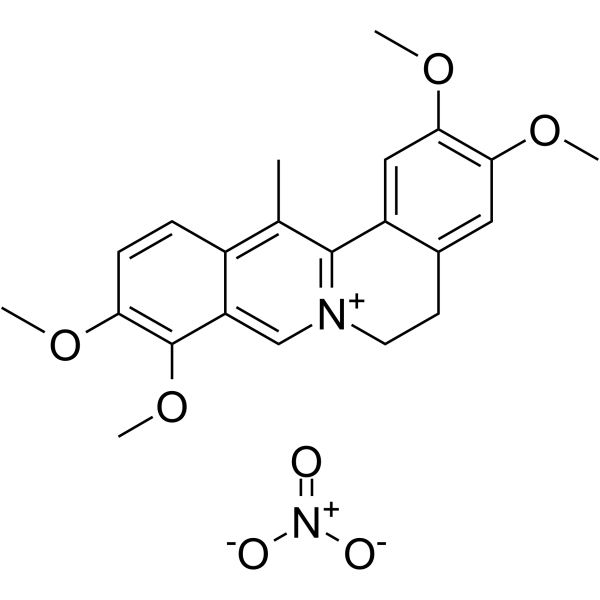
Dehydrocorydaline nitrate (13-Methylpalmatine nitrate) is an alkaloid. Dehydrocorydaline regulates protein expression of Bax, Bcl-2; activates caspase-7, caspase-8, and inactivates PARP . Dehydrocorydaline nitrate elevates p38 MAPK activation. Anti-inflammatory and anti-cancer activities. . Dehydrocorydaline nitrate shows strong anti-malarial effects (IC50 =38 nM), and low cytotoxicity (cell viability > 90%) using P. falciparum 3D7 strain .
loading...
    loading...
44
44 Cited Publications
Cat. No.: HY-13324
CAS No.: 218600-53-4
Purity:  98.92%
Synonyms: RTA 402; NSC 713200; CDDO Methyl ester
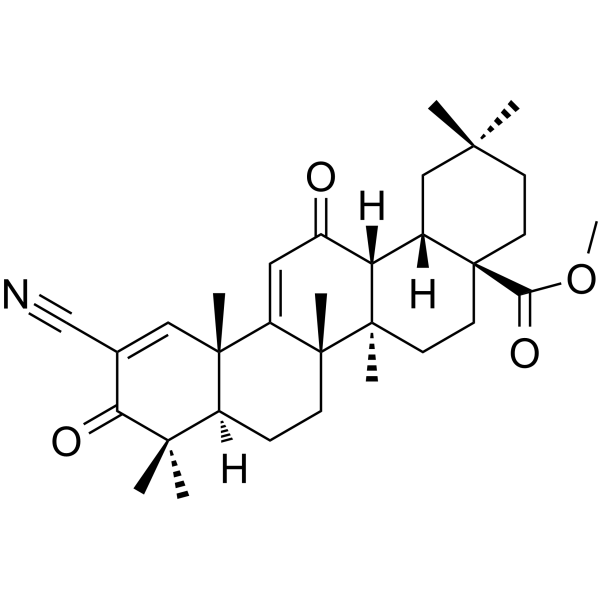
Bardoxolone methyl (RTA 402) is an orally active and blood-brain-barrier-penetrant activator of Nrf2 and an inhibitor of SARS-CoV-2 3CL protease. Bardoxolone methyl inhibits SARS-CoV-2 replication in Vero cells with an EC50 value of 0.29 μM. Bardoxolone methyl increases levels of pNrf2 and HO-1, inhibits inflammatory mediators like pNFκB and MCP-1. Bardoxolone methyl activates the Nrf2 pathway to enhance antioxidant and anti-inflammatory responses, inhibits viral replication, and improves mitochondrial function. Bardoxolone methyl can be used in research on chemotherapy-induced neuropathic pain (CINP), COVID-19, and chronic kidney disease (CKD) .
loading...
    loading...
43
43 Cited Publications
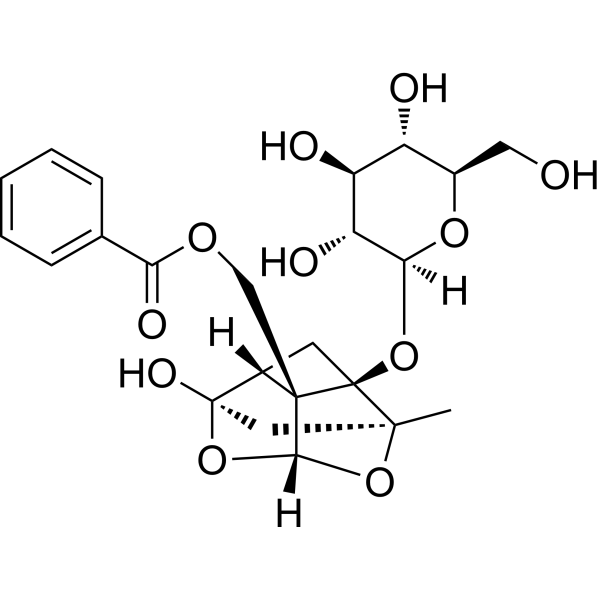
Cat. No.: HY-N0293
CAS No.: 23180-57-6
Synonyms: Peoniflorin
Paeoniflorin is a heat shock protein-inducing compound and commonly exists in the plants of Paeoniaceae family, with various biological activities, including anticancer activity, anti-inflammatory activity, enhancing cognition and attenuating learning impairment, anti-oxidative stress, antiplatelet aggregation, expansion of blood vessels, and reducing blood viscosity .
loading...
    loading...
42
42 Cited Publications
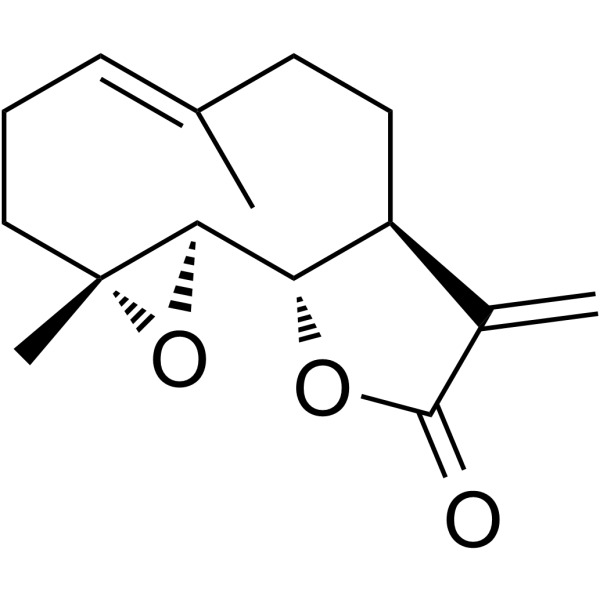
Cat. No.: HY-N0141
CAS No.: 20554-84-1
Synonyms: (-)-Parthenolide
Parthenolide is a sesquiterpene lactone found in the medicinal herb Feverfew. Parthenolide exhibits anti-inflammatory activity by inhibiting NF-κB activation; also inhibits HDAC1 protein without affecting other class I/II HDACs.
loading...
    loading...
42
42 Cited Publications
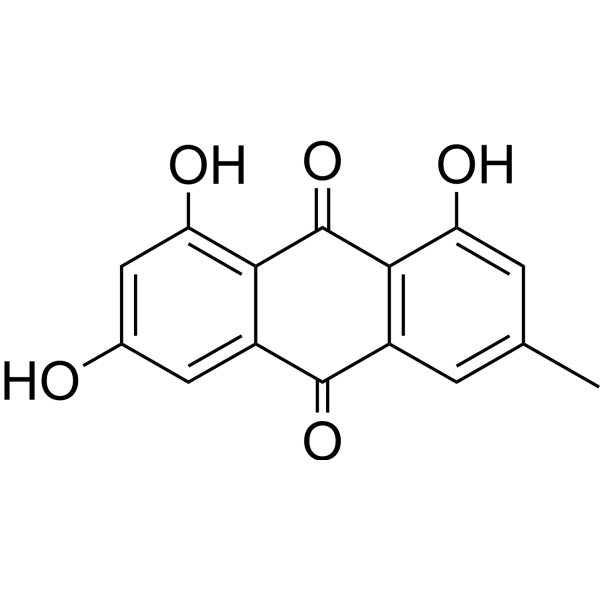
Cat. No.: HY-14393
CAS No.: 518-82-1
Purity:  99.25%
Synonyms: Frangula emodin
Emodin (Frangula emodin), an anthraquinone derivative, is an anti-SARS-CoV compound. Emodin blocks the SARS coronavirus spike protein and angiotensin-converting enzyme 2 (ACE2) interaction . Emodin inhibits casein kinase-2 (CK2). Anti-inflammatory and anticancer effects . Emodin is a potent selective 11β-HSD1 inhibitor with the IC50 of 186 and 86 nM for human and mouse 11β-HSD1, respectively. Emodin ameliorates metabolic disorder in diet-induced obese mice .
loading...
    loading...
38
38 Cited Publications
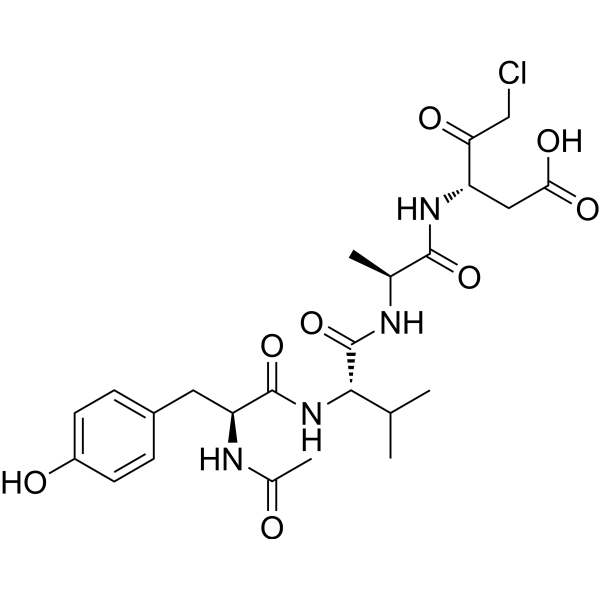
Cat. No.: HY-16990
CAS No.: 178603-78-6
Synonyms: Caspase-1 Inhibitor II
Target:  

Caspase

Research Areas:  

Inflammation/Immunology

Ac-YVAD-cmk (Caspase-1 Inhibitor II) is a selective caspase-1 (IL-1beta converting enzyme, ICE)) inhibitor with neuroprotective and anti-inflammatory effects. Ac-YVAD-cmk effectively suppresses the expression of IL-1β and IL-18. Ac-YVAD-cmk inhibits pyroptosis in many diseases .
loading...
    loading...
38
38 Cited Publications
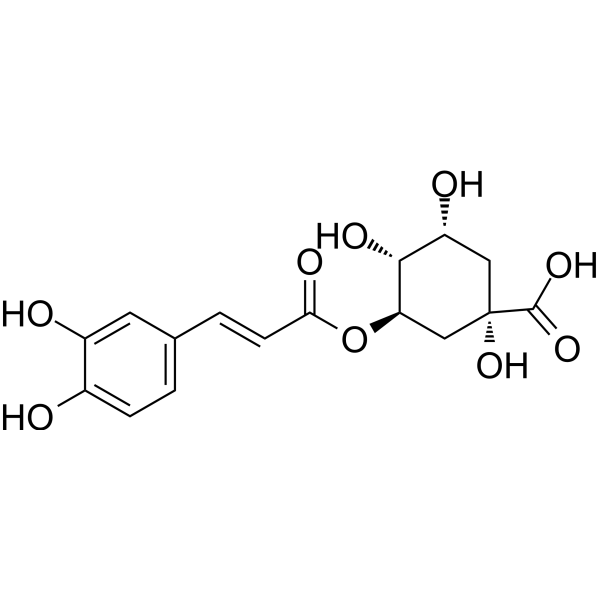
Cat. No.: HY-N0055
CAS No.: 327-97-9
Synonyms: 3-O-Caffeoylquinic acid; Heriguard; NSC-407296
Chlorogenic acid is a major phenolic compound in Lonicera japonica Thunb. It is an orally active antioxidant activity, antibacterial, hepatoprotective, cardioprotective, anti-inflammatory, antipyretic, neuroprotective, anti-obesity, antiviral, anti-microbial, anti-hypertension compound .
loading...
    loading...

