372 Results for "

Bladder

" in MedChemExpress (MCE) Product Catalog:
Products (372)

372 Results for "Bladder" in MCE Product Catalog:

1
1 Cited Publications
Cat. No.: HY-N2384A
CAS No.: 32434-42-7
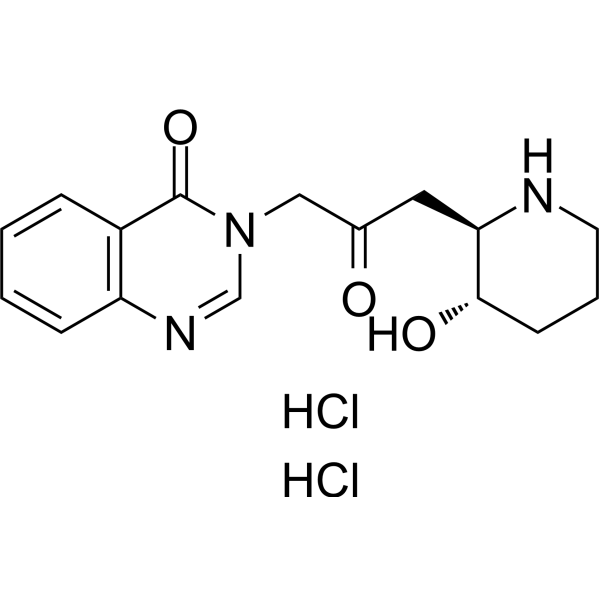
Febrifugine dihydrochloride is a quinazolinone alkaloid that inhibits P. falciparum and has antimalarial activity. Febrifugine dihydrochloride inhibits bladder cancer by inhibiting DNA synthesis, inducing apoptosis, and reducing steroids .
loading...
    loading...
1
1 Cited Publications
Cat. No.: HY-P1494
CAS No.: 57468-17-4
Target:  

Neurokinin Receptor

Research Areas:  

Neurological Disease

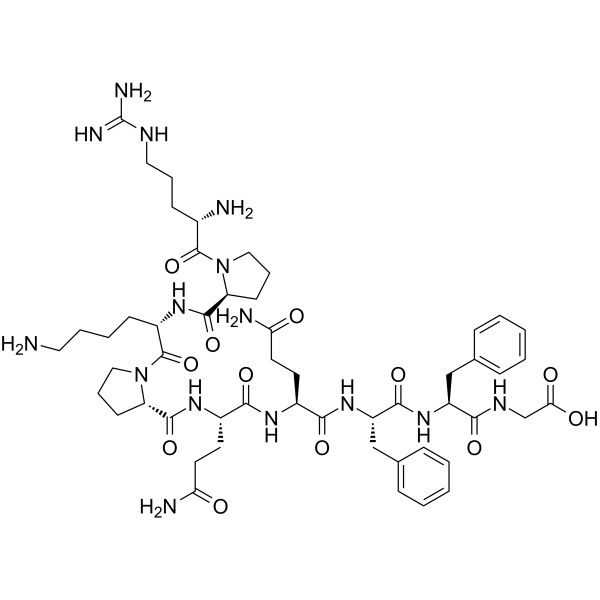
Substance P (1-9) is nonapeptide, which decreases the inactivation of substance P by the guinea-pig ileum and urinary bladder.
loading...
    loading...
1
1 Cited Publications
Cat. No.: HY-108719
CAS No.: 160337-95-1
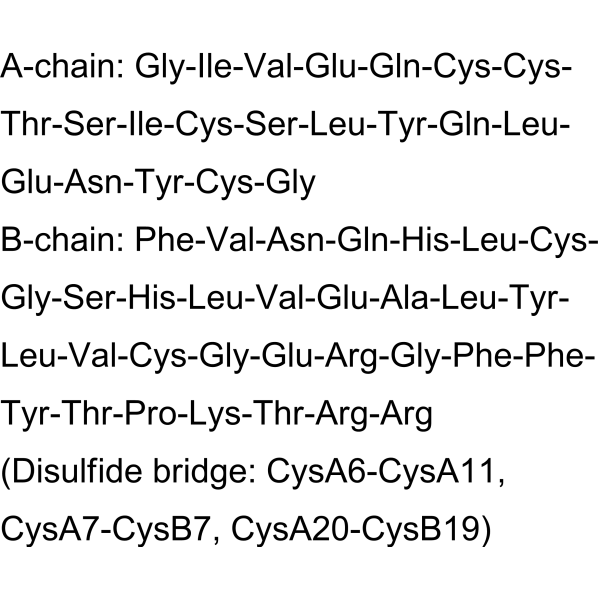
Insulin glargine is a long-acting insulin analog. Insulin glargine has the effect of lowering blood sugar and can be used in the research of diabetes. In addition, high doses of Insulin glargine can promote the proliferation of bladder cancer cells .
loading...
    loading...
1
1 Cited Publications
Cat. No.: HY-153728
CAS No.: 2894832-05-2
Purity:  98.74%
Target:  

WDR5

Research Areas:  

Cancer

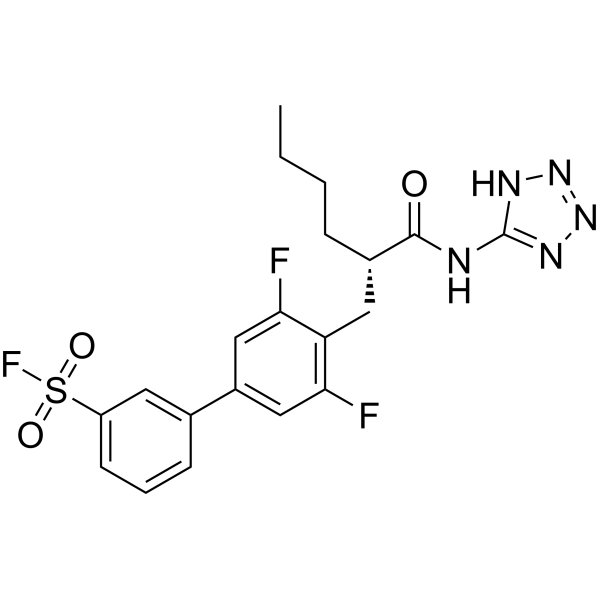
WM-586 is a covalent WDR5 inhibitor. WM-586 specifically decreases WDR5 and MYC interaction with an IC50 of 101 nM. WM-586 is used in research on a variety of cancers including neuroblastoma, breast cancer, bladder cancer and colorectal cancer .
loading...
    loading...
1
1 Cited Publications
Cat. No.: HY-114244
CAS No.: 1373268-67-7
Purity:  99.82%
Target:  

CXCR

Research Areas:  

Cancer

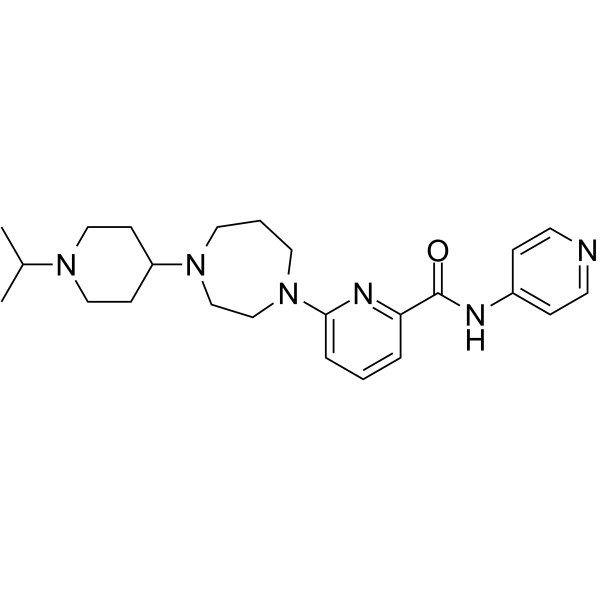
USL311 is an orally active CXCR4 inhibitor. USL311 blocks the activity of the CXCR4 receptor. USL311 is applicable to research related to various cancers including breast cancer, bladder cancer, colon cancer, rectal cancer, liver cancer and glioblastoma .
loading...
    loading...
1
1 Cited Publications
Cat. No.: HY-19933
CAS No.: 1190389-15-1
Synonyms: MK-4618
Target:  

Adrenergic Receptor

Research Areas:  

Others

Vibegron (MK-4618) is a potent, highly selective and orally active β3-adrenoceptor agonist (EC50=1.1 nM). Vibegron can be used for severe urgency urinary incontinence related to overactive bladder .
loading...
    loading...
1
1 Cited Publications
Cat. No.: HY-P700279
Purity:  ≥ 95%, as determined by reducing SDS-PAGE.
Synonyms: FGF10; Produced By Fibroblasts Of Urinary Bladder Lamina Propria; Fibroblast Growth Factor 10; Fibroblast Growth Factor; Keratinocyte Growth Factor 2; LADD3; FGF-10; FGF
Species:  
Human
Source:  
E. coli
loading...
    loading...
1
1 Cited Publications
Cat. No.: HY-P7048
Purity:  ≥ 95%, as determined by reducing SDS-PAGE.
Synonyms: FGF10; Produced By Fibroblasts Of Urinary Bladder Lamina Propria; Fibroblast Growth Factor 10; Fibroblast Growth Factor; Keratinocyte Growth Factor 2; LADD3; FGF-10; FGF
Species:  
Human
Source:  
E. coli
loading...
    loading...
1
1 Cited Publications
Cat. No.: HY-P7342AF
Purity:  ≥ 95%, as determined by reducing SDS-PAGE.
Synonyms: FGF10; Produced By Fibroblasts Of Urinary Bladder Lamina Propria; Fibroblast Growth Factor 10; Fibroblast Growth Factor; Keratinocyte Growth Factor 2; LADD3; FGF-10; FGF
Species:  
Human
Source:  
E. coli
loading...
    loading...
1
1 Cited Publications
Cat. No.: HY-19436
CAS No.: 252920-94-8
Synonyms: GW 427353
Target:  

Adrenergic Receptor

Research Areas:  

Metabolic Disease Endocrinology

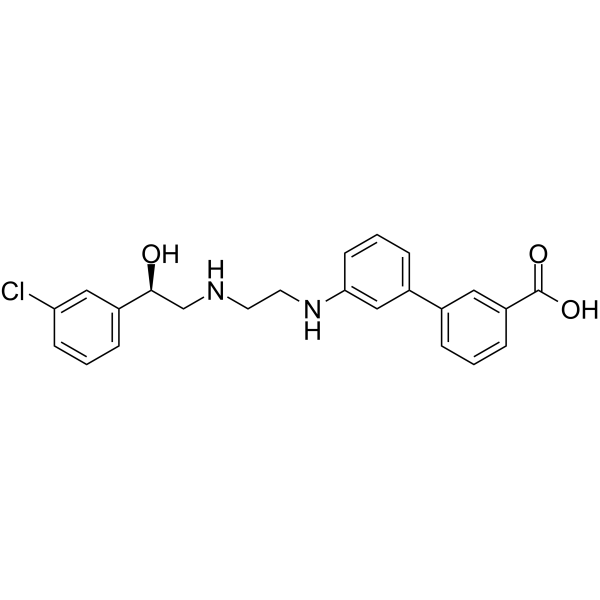
Solabegron (GW 427353) is a selective β3-adrenergic receptor agonist, stimulating cAMP accumulation in Chinese hamster ovary cells expressing the human β3-AR, with an EC50 value of 22 nM . Solabegron (GW 427353) is being developed for the treatment of overactive bladder and irritable bowel syndrome .
loading...
    loading...
1
1 Cited Publications
Cat. No.: HY-Y1117
CAS No.: 108-78-1
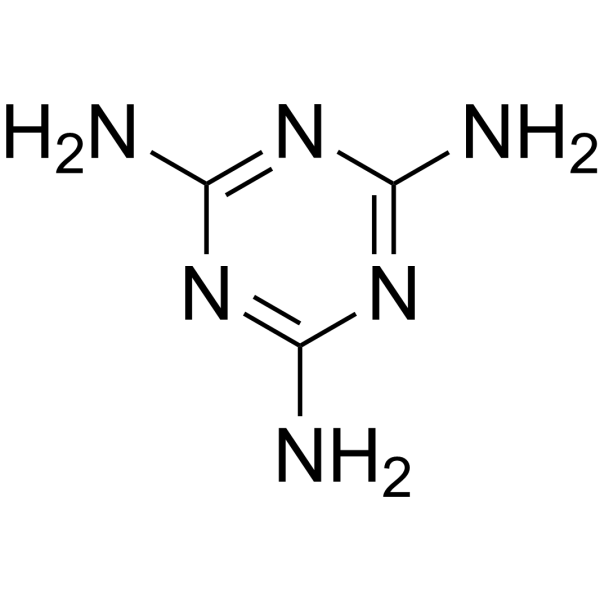
Melamine is an orally active inducer of Apoptosis. Melamine induces animal disease models. Melamine affects the activity of Sertoli cell and can be used for research on male reproductive function. Melamine also has neurotoxicity and nephrotoxicity. Melamine induces cognitive impairment and acute kidney injury models. Melamine can also be used to induce bladder cancer and urinary stone models .
loading...
    loading...
1
1 Cited Publications
Cat. No.: HY-N5084
CAS No.: 205370-59-8
Pinocembrin 7-O-[3''-O-galloyl-4'',6''-hexahydroxydiphenoyl]-β-D-glucoside is a TRPV1 antagonist and HDAC7 inhibitor. Pinocembrin 7-O-[3''-O-galloyl-4'',6''-hexahydroxydiphenoyl]-β-D-glucoside blocks TRPV1-mediated calcium influx, suppresses phosphorylation of p65, IκBα, p38, JNK, and ERK1/2, inhibiting NF-κB and MAPK signaling cascades. Pinocembrin 7-O-[3''-O-galloyl-4'',6''-hexahydroxydiphenoyl]-β-D-glucoside reduces production and gene expression of pro-inflammatory cytokines IL-1β, IL-6, and TNF-α. Pinocembrin 7-O-[3''-O-galloyl-4'',6''-hexahydroxydiphenoyl]-β-D-glucoside exhibits potent analgesic activity, elevates thermal pain threshold and mechanical pain threshold in murine models. Pinocembrin 7-O-[3''-O-galloyl-4'',6''-hexahydroxydiphenoyl]-β-D-glucoside restores CD8 + T cell infiltration into bladder cancer tumors and improves bladder cancer immunotherapy efficacy. Pinocembrin 7-O-[3''-O-galloyl-4'',6''-hexahydroxydiphenoyl]-β-D-glucoside can be used for the researches of painand bladder cancer .
loading...
    loading...
1
1 Cited Publications
Cat. No.: HY-N2877
CAS No.: 111035-65-5
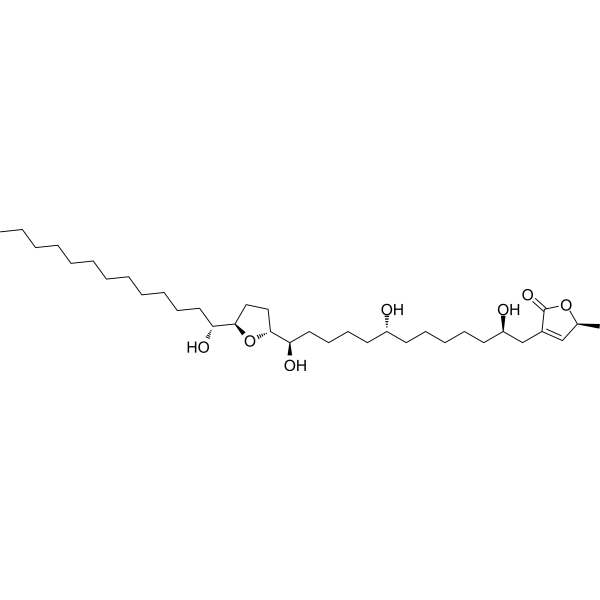
Annonacin is an acetylgenin that is toxic by inhibiting the pathway of the mitochondrial complex. Annonacin increases tau phosphorylation in R406W +/+ mice. Annonacin acts as an inhibitor of the sodium/potassium and sarcoplasmic reticulum (SERCA) ATPase pumps. Annonacin has significant killing effect on ovarian cancer cell, cervical cancer cell, breast cancer cell, bladder cancer cell and skin cancer cell. Annonacin induces apoptosis through Bax and Caspase-3-related pathways .
loading...
    loading...
1
1 Cited Publications
Cat. No.: HY-17509
CAS No.: 169590-41-4
Synonyms: SC 046; SC 46; SC 59046
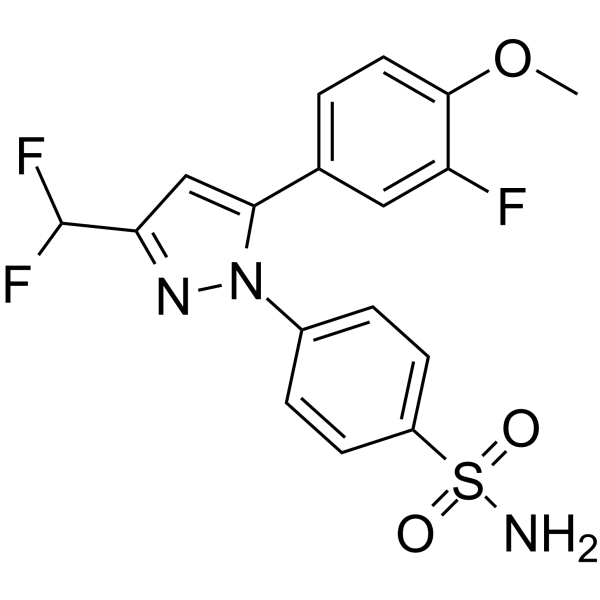
Deracoxib (SC 046; SC 59046), an orally active COX-2 inhibitor, is a veterinary nonsteroidal anti-inflammatory agent used exclusively in dogs. Deracoxib inhibits the COX-2 enzyme to reduce the production of prostaglandins, effectively controlling pain and inflammation after canine soft tissue surgery. Deracoxib reduces the inhibition of COX-1 and lowers the risk of gastrointestinal side effects. Deracoxib induces tumor cell cycle arrest and apoptosis, and shows anti-tumor activity in canine osteosarcoma, breast tumors and bladder transitional cell carcinomas .
loading...
    loading...
1
1 Cited Publications
Cat. No.: HY-129046D
CAS No.: 9001-99-4
Synonyms: Ribonuclease A, Recombinant
Research Areas:  

Endocrinology Cancer

RNase A (Bovine pancreatic RNase) is a widely used Endonuclease in DNA purification by specifically hydrolyzing cytosine or uracil residues of RNA. RNase A degrades the RNA in the RNA/DNA duplex. RNase A catalyses the breakdown of 3',5'-phosphodiester linkages of single stranded RNA. RNase A family members in organisms are tightly involved in various physiological and pathological processes including cell growth and development, proliferation, differentiation and migration. Dysregulation of RNase A activity or expression level is closely related to pancreatic, ovarian, bladder and thyroid cancer. RNase A has tumor cell-killing ability. RNase A, Recombinant (Ribonuclease A, Recombinant) is a recombinant form of RNase A .
loading...
    loading...
1
1 Cited Publications
Cat. No.: HY-119024
CAS No.: 112170-24-8
Purity:  98.88%
Target:  

SHP1 STAT

Research Areas:  

Cancer

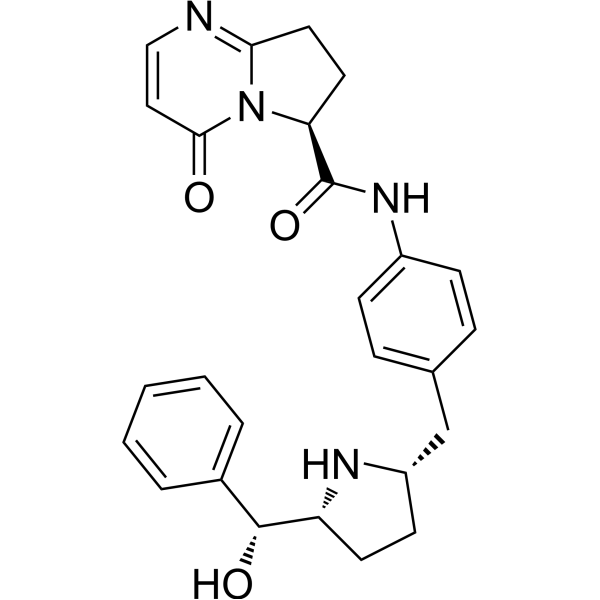
BCI-137 is a Argonaute 2 (AGO2) inhibitor. By inhibiting AGO2 function, reducing PTPN6/SHP-1 protein levels and enhancing STAT1 phosphorylation, BCI-137 restores the sensitivity of tumor cells to IFN-γ. BCI-137 effectively enhances the recruitment, activation and cytotoxicity of CD8 + T cells. BCI-137 exerts a synergistic effect with anti-PD-1 antibodies and significantly reduces tumor volume in preclinical mouse models. BCI-137 exhibits favorable safety profiles and does not cause significant weight loss or death in mice. BCI-137 can be used in research related to bladder cancer, colorectal cancer, melanoma and other related fields .
loading...
    loading...
1
1 Cited Publications
Cat. No.: HY-W017113
CAS No.: 149-30-4
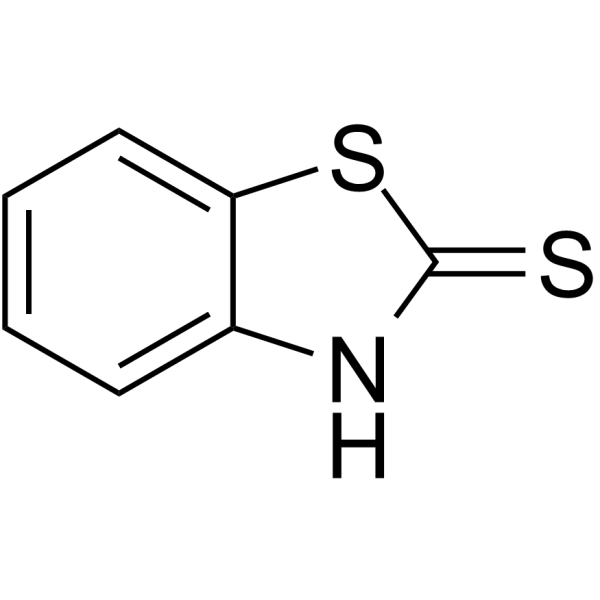
2-Mercaptobenzothiazole is an activator of the aryl hydrocarbon receptor (AhR) , inhibiting thyroid hormone synthesis and dopamine beta-hydroxylase activity . 2-Mercaptobenzothiazole promotes bladder cancer cell invasion by altering the conformation of the AhR ligand binding domain (LBD), activating AhR transcription, and upregulating the mRNA and protein expression of target genes CYP1A1 and CYP1B1 . 2-Mercaptobenzothiazole inhibits thyroid peroxidase (TPO) with an IC50 value of 11.5 μM, induces histological changes such as follicular cell hypertrophy in Xenopus laevis tadpoles, delaying metamorphosis . 2-Mercaptobenzothiazole increases chromosomal aberrations and sister chromatid exchanges (SCEs) in Chinese hamster ovary (CHO) cells, and enhances carcinogenicity in F344/N rats . 2-Mercaptobenzothiazole inhibits norepinephrine synthesis in mice and completely blocks the conversion of exogenous dopamine to norepinephrine in rat cardiomyocytes .
loading...
    loading...
Cat. No.: HY-B0549A
CAS No.: 3717-88-2
Synonyms: Rec-7-0040; DW61
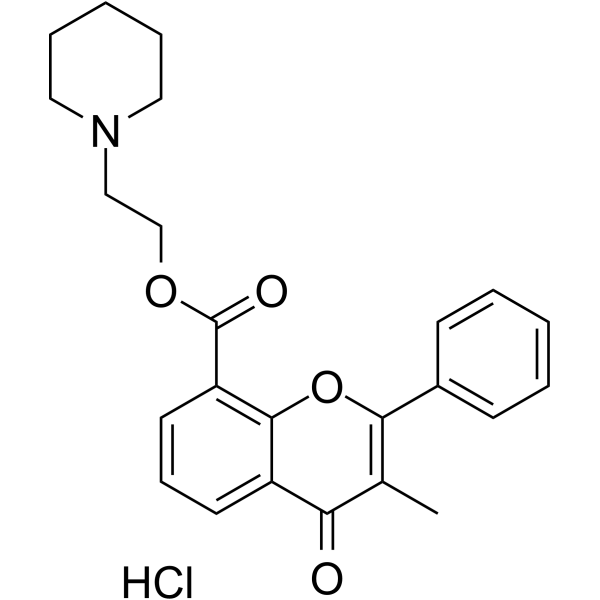
Flavoxate hydrochloride (Rec-7-0040; DW61) is an orally active L-type Ca 2+ channel inhibitor and antispasmodic. Flavoxate hydrochloride inhibits cyclic adenosine monophosphate production by blocking voltage-dependent inward Ba 2+ currents, regulating the brainstem micturition center, and stimulating G protein-coupled receptors. Consequently, Flavoxate hydrochloride induces relaxation of bladder smooth muscle and inhibits isovolumetric rhythmic contractions. Flavoxate hydrochloride effectively increases bladder capacity and alleviates symptoms of urgent urination frequency and pollakiuria caused by overactive bladder. Flavoxate hydrochloride can be used in research on overactive bladder and related voiding dysfunctions .
loading...
    loading...
Cat. No.: HY-W755252
CAS No.: 3817-11-6
Synonyms: BBN
Research Areas:  

Cancer

N-Butyl-N-(4-hydroxybutyl)nitrosamine is a potent mutagen that can cause high-level of mutagenesis specifically in the epithelial cells (urothelial) of the urinary bladder. N-Butyl-N-(4-hydroxybutyl)nitrosamine is used to induce bladder cancer in rodents .
loading...
    loading...
Cat. No.: HY-B0267A
CAS No.: 1508-65-2
Target:  

mAChR Potassium Channel

Research Areas:  

Neurological Disease Cancer

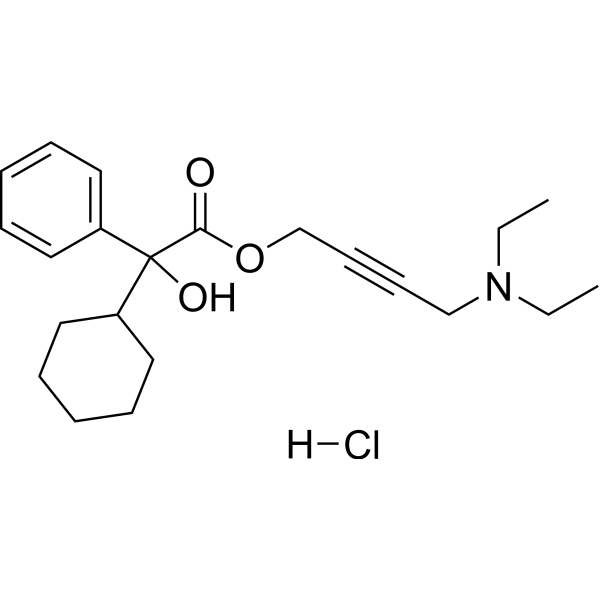
Oxybutynin chloride is an oral active and competitive mAChR antagonist with Kis of 14.3 and 5.55 nM for specific [ 3H]NMS binding in the mouse bladder and cerebral cortex, respectively. Oxybutynin chloride inhibits vascular Kv channels in a manner independent of anticholinergic effect, with an IC50 value of 11.51 μM. Oxybutynin chloride reduces muscle spasm in the bladder and urinary tract, can be used in study of overactive bladder syndrome (OAB) . Oxybutynin (chloride) is a click chemistry reagent, it contains an Alkyne group and can undergo copper-catalyzed azide-alkyne cycloaddition (CuAAc) with molecules containing Azide groups.
loading...
    loading...