

298 Results for "

SMAD

" in MedChemExpress (MCE) Product Catalog:
Products (298)

298 Results for "SMAD" in MCE Product Catalog:

2
2 Cited Publications
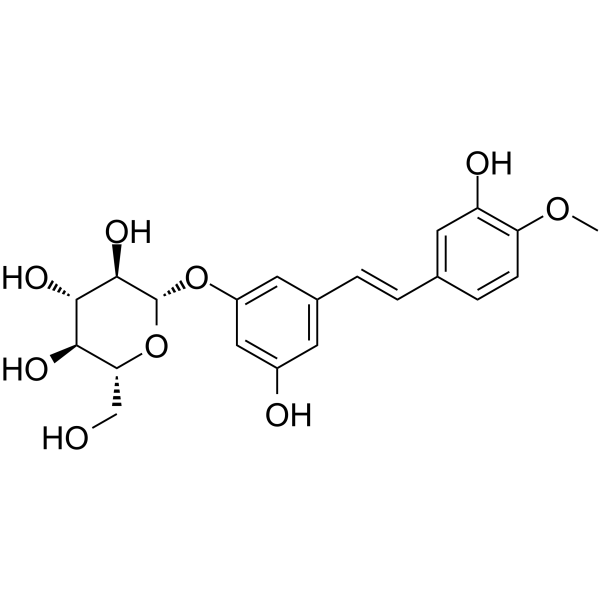
Cat. No.: HY-N0671
CAS No.: 155-58-8
Synonyms: Rhaponiticin
Rhapontin (Rhaponiticin) is an orally aactive SIRT1 agonist and AMPK activator with anti-inflammatory and anti-fibrotic activities. Rhapontin inhibits NLRP3 inflammasome activation by activating SIRT1 and inhibits TGF-β/Smad signaling via the AMPK pathway. Rhapontin reduces intestinal and lung inflammation, inhibits fibroblast differentiation and extracellular matrix deposition, and enhances tight junction protein expression to repair epithelial barriers. Rhapontin can be used in the study of inflammatory bowel diseases (such as ulcerative colitis) and pulmonary fibrosis .
loading...
    loading...
2
2 Cited Publications
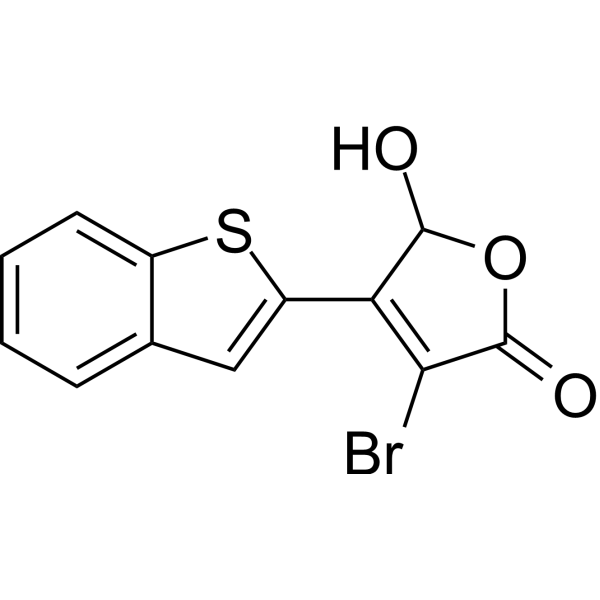
Cat. No.: HY-118119
CAS No.: 938069-71-7
Purity:  99.12%
CAY10526 is an inhibitor of Y-box binding protein 1 (YB-1) and microsomal prostaglandin E2 synthase 1 (mPGES1). CAY10526 inhibits the production of PGE2 by suppressing YB-1 and mPGES1. CAY10526 induces cell apoptosis (apoptosis) and inhibits the JAK/STAT, TGF-β/Smad3 and PI3K/AKT signaling pathways. CAY10526 can be used in research related to melanoma, prostate cancer, esophageal adenocarcinoma, T-cell lymphoma, etc .
loading...
    loading...
2
2 Cited Publications
Cat. No.: HY-158426
CAS No.: 500271-63-6
Purity:  99.70%
Target:  

Sirtuin

Research Areas:  

Cardiovascular Disease

2-APQC is an orally active and selective agonist of Sirtuin-3 (SIRT3) (Kd=2.756 μM), antagonizes Isoproterenol/ISO (HY-B0468)-induced cytotoxicity. 2-APQC activates the SIRT3-PYCR1 axis to enhance mitochondrial proline metabolism and inhibit the ROS-p38MAPK pathway by inhibiting signaling pathways such as mTOR-p70S6K, JNK, and TGF-β/Smad3. 2-APQC also activates the AMPK-Parkin axis to alleviate myocardial hypertrophy and fibrosis and protect cardiac function. 2-APQC can be used in the study of heart failure .
loading...
    loading...
2
2 Cited Publications
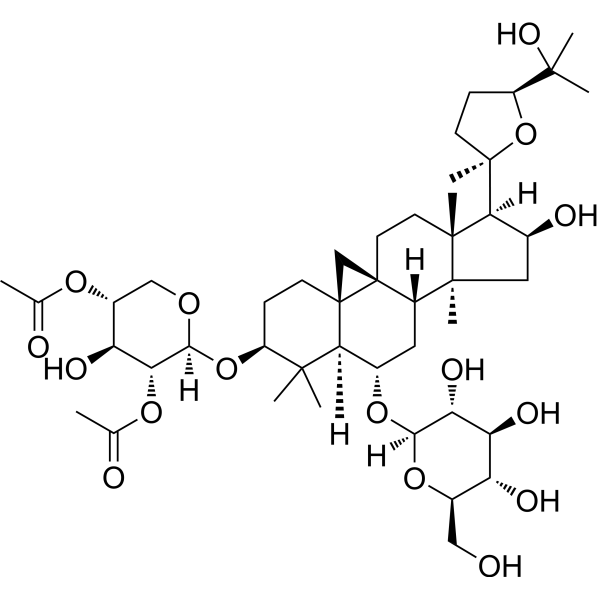
Cat. No.: HY-N0887
CAS No.: 84676-88-0
Synonyms: Isoastragaloside-I
Isoastragaloside I is a natural compound found in Astragalus membranaceus, with oral activity and multiple biological activities such as anti-inflammatory and antioxidant properties. Isoastragaloside I inhibits Akt, NF-κB, MAPKs and PI3K, enhances the activity of hepatic FXR, regulates the TGF-β/Smads signaling pathway, and upregulates antioxidant molecules downstream of Nrf2. Isoastragaloside I inhibits the expression of NO, TNF-α, iNOS, COX-2, IL-1β and VCAM-1, and reduces intracellular ROS levels. Isoastragaloside I attenuates blood-brain barrier disruption, restores intestinal barrier function, increases β-cell mass, improves glucose homeostasis, and elevates circulating adiponectin levels. Isoastragaloside I can be used for the study of neuroinflammation-related neurodegenerative diseases, cholestatic liver disease, and diabetes .
loading...
    loading...
1
1 Cited Publications
Cat. No.: HY-P80854A
Synonyms: SMAD3; MADH3; Mothers against decapentaplegic homolog 3; MAD homolog 3; Mad3; Mothers against DPP homolog 3; hMAD-3; JV15-2; SMAD family member 3; SMAD 3; SMAD3; hSMAD3

Host:  

Rabbit

Application:  

WB, IHC-P, ICC/IF

Reactivity:  

Human, Mouse

loading...
    loading...
1
1 Cited Publications
Cat. No.: HY-P86139
Synonyms: SMAD2; MADH2; MADR2; Mothers against decapentaplegic homolog 2; MAD homolog 2; Mothers against DPP homolog 2; JV18-1; Mad-related protein 2; hMAD-2; SMAD family member 2; SMAD 2; SMAD2; hSMAD2; SMAD3; MADH3; Mothers against decapentaplegic

Host:  

Rabbit

Application:  

WB, ICC/IF, IP, ELISA

Reactivity:  

Human, Mouse, Rat

loading...
    loading...
1
1 Cited Publications
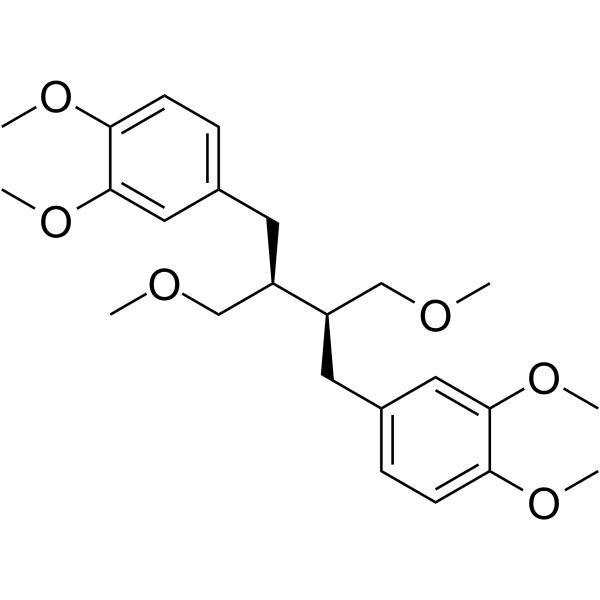
Cat. No.: HY-N4107
CAS No.: 10351-88-9
Phyllanthin is an effective oral anticancer agent. Phyllanthin inhibits MOLT-4 cell viability, increases apoptosis, inhibits cell migration and invasion. Phyllanthin exerts anti-fibrotic effects by down-regulating TGF signaling pathway via ALK5 and Smad2/3. Phyllanthin also has anti-inflammatory and antibacterial properties .
loading...
    loading...
1
1 Cited Publications
Cat. No.: HY-W012977
CAS No.: 624-95-3
Synonyms: DMB; Neohexanol
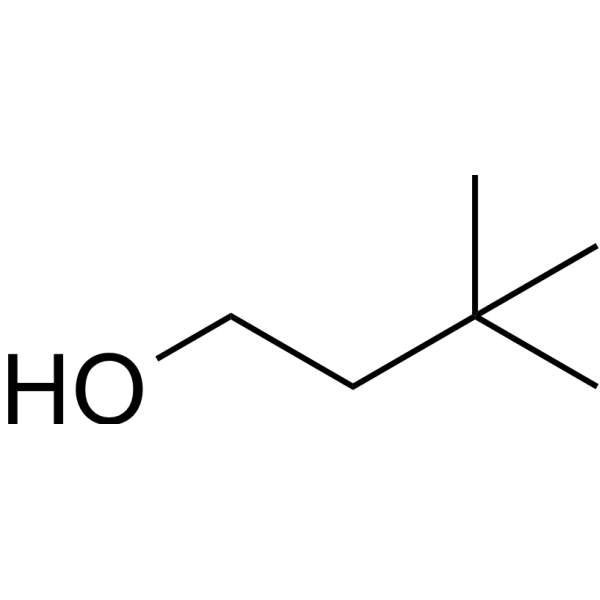
3,3-Dimethyl-1-butanol (DMB) is an orally active inhibitor of trimethylamine (TMA) and trimethylamine N-oxide (TMAO). 3,3-Dimethyl-1-butanol inhibits the signaling pathway of p65 NF-κB and TGF-β1/Smad3. 3,3-Dimethyl-1-butanol has potential applications in cardiovascular disease (CVD) .
loading...
    loading...
1
1 Cited Publications
Cat. No.: HY-P99494
CAS No.: 1268714-50-6
Synonyms: TRC105; DE-122

Target:  

TGF-beta/Smad

Research Areas:  

Cancer

Carotuximab (TRC105) is a IgG1 monoclonal antibody that blocks endoglin (CD105) and its downstream Smad signaling pathway. Carotuximab has immunomodulatory and antineoplastic actions .
loading...
    loading...
1
1 Cited Publications
Cat. No.: HY-145721A
CAS No.: 1443994-98-6
Purity:  99.61%
Synonyms: GED-0301 sodium
Target:  

TGF-beta/Smad

Research Areas:  

Inflammation/Immunology

Mongersen sodium is a specific and orally active SMAD7 antisense oligonucleotide. Mongersen sodium restores TGF-β1 activity leading to inhibition of inflammatory signals. Mongersen sodium can attenuate Crohn's disease-like experimental colitis in mice .
loading...
    loading...
1
1 Cited Publications
Cat. No.: HY-121246
CAS No.: 848353-85-5
Purity:  99.78%
Synonyms: AKF-PD
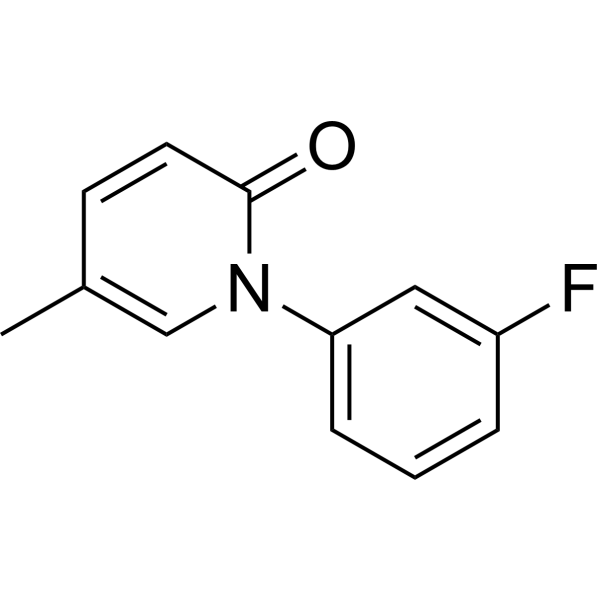
Fluorofenidone (AKF-PD) is an orally active compound with anti-fibrotic, antioxidant, and anti-inflammatory pharmacological effects. Fluorofenidone downregulates the expression of ACSL4, upregulates GPX4 expression and inhibits the NF-κB signaling pathway to alleviate inflammation and fibrosis. Fluorofenidone ameliorates cholestasis and fibrosis by inhibiting hepatic Erk/-Egr-1 signaling and Tgfβ1/Smad pathway in mice. Fluorofenidone demonstrates protective effects against chronic lung injury in mice. Fluorofenidone can be used for the study of chronic obstructive pulmonary disease (COPD), pulmonary interstitial fibrosis (PIF) and non-small cell lung cancer (NSCLC) .
loading...
    loading...
1
1 Cited Publications
Cat. No.: HY-P10899
Target:  

PROTACs TGF-beta/Smad

Research Areas:  

Endocrinology

ETTAC-2 is a LRG1 PROTAC degrader, degrading LRG1 via the ubiquitin-proteasome pathway with a DC50 value of 8.38 μM. ETTAC-2 penetrates damaged renal cells to reduce the extracellular secretion of LRG1. ETTAC-2 effectively inhibits the TGF-β-Smad3 signaling pathway and diminishes the secretion of fibrosis-associated extracellular matrix proteins. ETTAC-2 degrades LRG1 within fibrotic kidneys and the efficacy in inhibiting the TGF-β-Smad3 pathway both in vitro and vivo. ETTAC-2 can be used for renal fibrosis research .
loading...
    loading...
1
1 Cited Publications
Cat. No.: HY-145721
CAS No.: 1443994-46-4
Synonyms: GED-0301
Target:  

TGF-beta/Smad

Research Areas:  

Inflammation/Immunology

Mongersen (GED-0301) is a specific and orally active SMAD7 antisense oligonucleotide. Mongersen restores TGF-β1 activity leading to inhibition of inflammatory signals. Mongersen can attenuate Crohn's disease-like experimental colitis in mice .
loading...
    loading...
1
1 Cited Publications
Cat. No.: HY-N6082
CAS No.: 34298-86-7
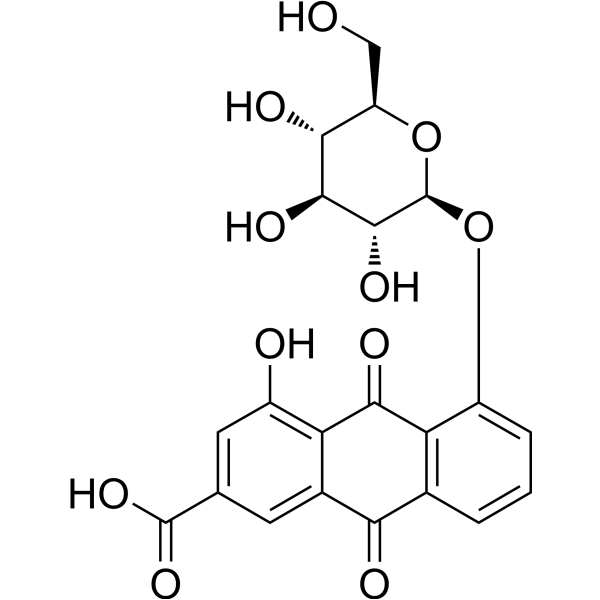
Rhein 8-O-β-D-Glucopyranoside is an orally active glycoside found in Rhubarb. Rhein 8-O-β-D-Glucopyranoside attenuates high glucose-induced apoptosis, recovers altered lincRNA ANRIL and let-7a expression, reverses high glucose-altered Bcl-2 and cleaved caspase-3 protein expression, and inhibits TGF-β1/Smad signaling. Rhein 8-O-β-D-Glucopyranoside accelerates Sennoside A (HY-N0365) metabolism, stimulates sennoside A purgative activity. Rhein 8-O-β-D-Glucopyranoside inhibits bacterial biofilm formation, suppresses its virulence gene expression, and exerts antibacterial activity. Rhein 8-O-β-D-Glucopyranoside can be used for the research of diabetic nephropathy, constipation, and infection .
loading...
    loading...
1
1 Cited Publications
Cat. No.: HY-P99590A
Synonyms: RAP-011
Sotatercept (mIgG2a) (RAP-011), the murine homolog of Sotatercept (ACE-011) (HY-P99590), is a soluble activin receptor type IIA (ActRIIA) ligand trap. Sotatercept (mIgG2a) inhibits the binding of activin A and other members of the TGF-β superfamily (such as Activin A/B, GDF11 and BMP9/10) to their receptors by combining and neutralizing them, thereby regulating cell proliferation and differentiation. Sotatercept (mIgG2a) mainly inhibits the SMAD2/3 signaling pathway, and can be used in various diseases such as chronic kidney disease. Sotatercept (mIgG2a) reduces the expression of erythropoietic hepcidin (ERFE), regulates iron metabolism, and promotes red blood cell production. Sotatercept (mIgG2a) has a dual effect of promoting bone formation (anabolic) and inhibiting bone resorption (catabolic) .
loading...
    loading...
1
1 Cited Publications
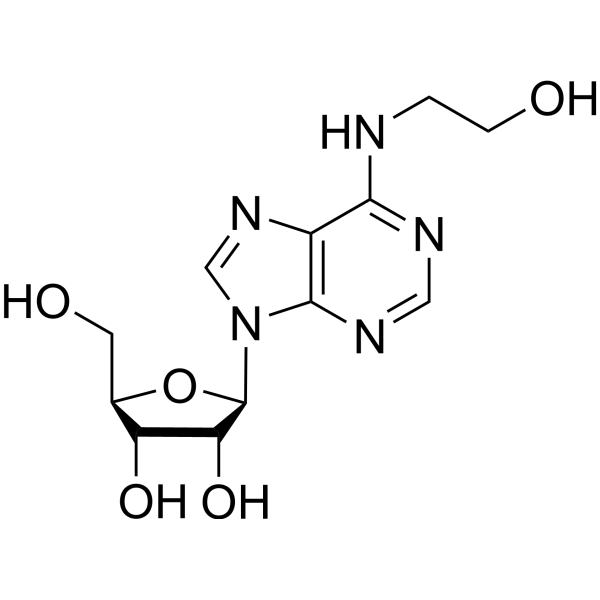
Cat. No.: HY-W006957
CAS No.: 4338-48-1
N6-(2-Hydroxyethyl)adenosine is a purine nucleoside analog. N6-(2-Hydroxyethyl)adenosine inhibits NF-κB/Smad signaling pathway, exhibits anti-hyperglycemia, antioxidant, antitumor and anti-inflammatory and insecticidal activities. N6-(2-Hydroxyethyl)adenosine is orally active .
loading...
    loading...
1
1 Cited Publications
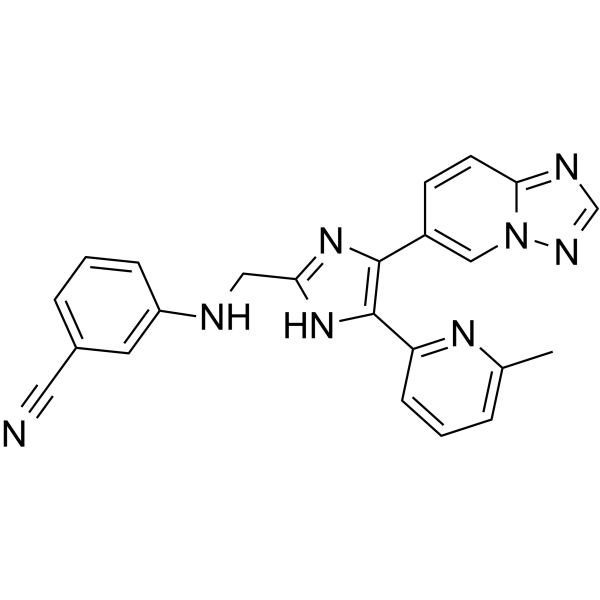
Cat. No.: HY-18766
CAS No.: 1352609-28-9
Research Areas:  

Cancer

EW-7195 is a potent and selective ALK5 (TGFβR1) inhibitor with an IC50 of 4.83 nM. EW-7195 has >300-fold selectivity for ALK5 over p38α. EW-7195 efficiently inhibits TGF-β1-induced Smad signaling, epithelial-to-mesenchymal transition (EMT) and breast tumour metastasis to the lung .
loading...
    loading...
1
1 Cited Publications
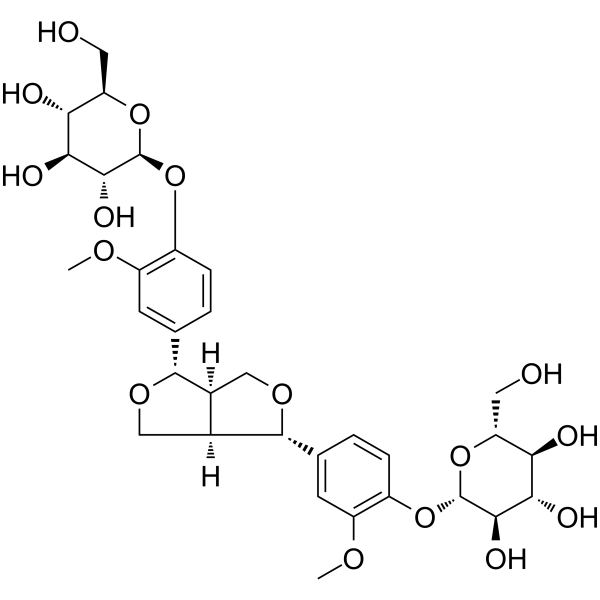
Cat. No.: HY-N0657
CAS No.: 63902-38-5
Pinoresinol Diglucoside is an orally active lignan with multifunctional bioactivity. Pinoresinol Diglucoside interacts with targets including ALB, HIF1A, GSK3B, BCL2, MARK3, IL6, NF-κB p65, Nrf2, HO-1, and TLR4, and modulates pathways including PI3K-Akt, estrogen, MAPK, Rap1, AKT/mTOR/NF-κB, and TGF-β1/Smads. Pinoresinol Diglucoside regulates osteogenesis, bone resorption, oxidative stress, inflammation, apoptosis, ferroptosis, ferritinophagy, cardiac fibrosis, and vasorelaxation. Pinoresinol Diglucoside can be used for the research of osteoporosis, ischemia/reperfusion-induced brain injury, Alzheimer’s disease, myocardial ischemia-reperfusion injury, chondrodysplasia, diabetic cardiomyopathy, cardiac hypertrophy, hypertension, cisplatin-induced hearing loss, atherosclerotic cardiovascular diseases, and disuse osteoporosis .
loading...
    loading...
1
1 Cited Publications
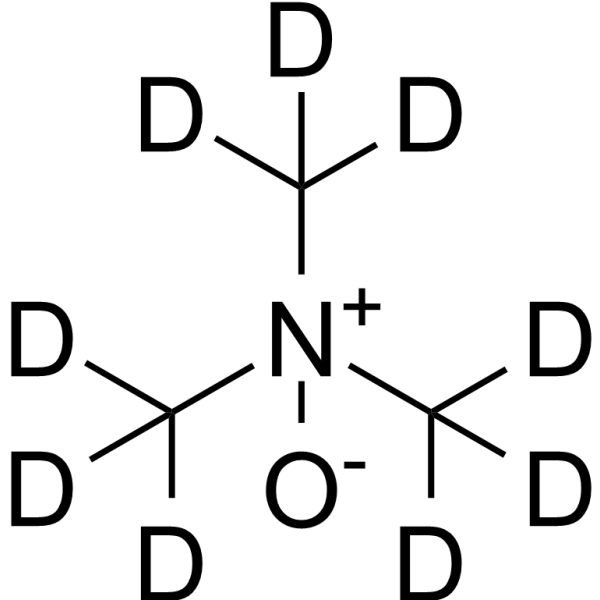
Cat. No.: HY-116084S
CAS No.: 1161070-49-0
Purity:  99.76%
Trimethylamine N-oxide-d9 is the deuterium labeled Trimethylamine N-oxide. Trimethylamine N-oxide is a gut microbe-dependent metabolite of dietary choline and other trimethylamine-containing nutrients. Trimethylamine N-oxide induces inflammation by activating the ROS/NLRP3 inflammasome. Trimethylamine N-oxide also accelerates fibroblast-myofibroblast differentiation and induces cardiac fibrosis by activating the TGF-β/smad2 signaling pathway .
loading...
    loading...
1
1 Cited Publications
Cat. No.: HY-N2013
CAS No.: 13395-02-3
Synonyms: Aristololactam; Aristolactam
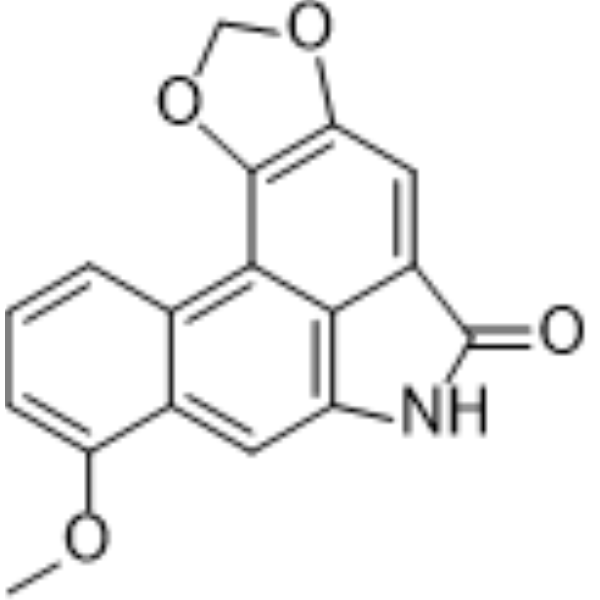
Aristolactam I is an AQP1 inhibitor and Aristolochic acid I metabolite. Aristolactam I can be isolated from Aristolochia plants. Aristolactam I downregulates Twist1 expression, increases E-cadherin expression, and activates the TGF-β/Smad signaling pathway. Aristolactam I has anticancer activity against breast cancer. Aristolactam I is nephrotoxic. Aristolactam I is mainly used in the study of breast cancer and kidney diseases such as renal interstitial fibrosis .
loading...
    loading...

