
244 Results for "

active component

" in MedChemExpress (MCE) Product Catalog:
Products (244)

244 Results for "active component" in MCE Product Catalog:

1
1 Cited Publications
Cat. No.: HY-N4290
CAS No.: 25499-90-5
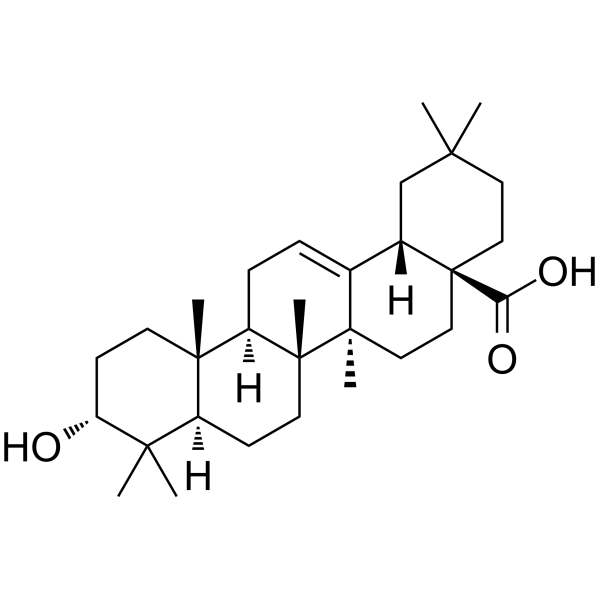
3-Epioleanolic acid is an active component of Verbena officinalis Linn, with anti-inflammatory activity .
loading...
    loading...
1
1 Cited Publications
Cat. No.: HY-P9950
CAS No.: 242138-07-4
Synonyms: Olizumab; rhuMab-E25; IGE25; RG-3648

Target:  

Interleukin Related

Research Areas:  

Inflammation/Immunology Cancer

Omalizumab is a recombinant, humanized, monoclonal antibody against human immunoglobulin E (IgE) with a KD of 0.393 nM. Omalizumab binds to the human FcγRIIb receptors with a KD of 6.37 uM. Omalizumab has the potential for persistent allergic asthma research . The component ratio of this product is Active ingredient : Excipients = 1:1.3-1:1.5.
loading...
    loading...
1
1 Cited Publications
Cat. No.: HY-N0045R
CAS No.: 22427-39-0
Synonyms: Panaxoside A (Standard); Panaxoside Rg1 (Standard)
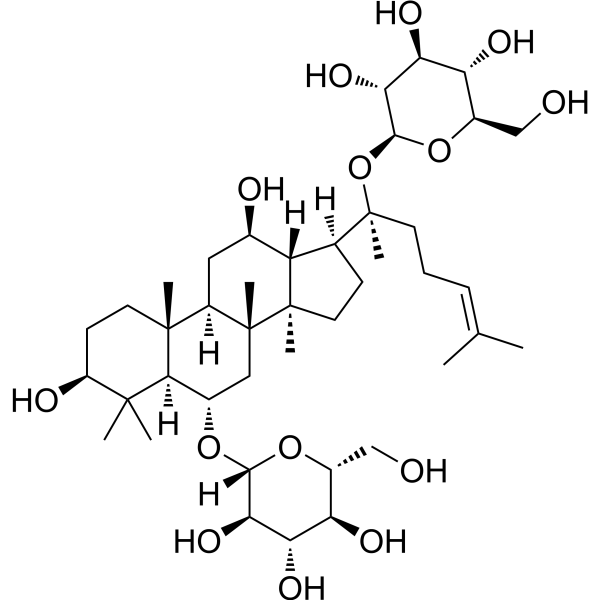
Ginsenoside Rg1 (Standard) is the analytical standard of Ginsenoside Rg1. This product is intended for research and analytical applications. Ginsenoside Rg1 is one of the major active components of Panax ginseng. Ginsenoside Rg1 ameliorates the impaired cognitive function, displays promising effects by reducing cerebral Aβ levels. Ginsenoside Rg1 also reduces NF-κB nuclear translocation.
loading...
    loading...
1
1 Cited Publications
Cat. No.: HY-N0107
CAS No.: 860-79-7
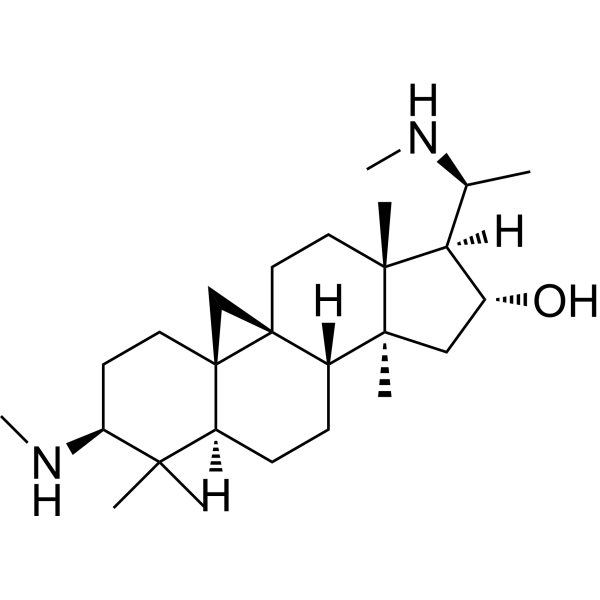
Cyclovirobuxine D (CVB-D) is the main active component of the traditional Chinese medicine Buxus microphylla. Cyclovirobuxine D induces autophagy and attenuates the phosphorylation of Akt and mTOR . Cyclovirobuxine D inhibits cell proliferation of gastric cancer cells through suppression of cell cycle progression and inducement of mitochondria-mediated apoptosis . Cyclovirobuxine D is beneficial for heart failure induced by myocardial infarction .
loading...
    loading...
1
1 Cited Publications
Cat. No.: HY-139426A
CAS No.: 2108567-79-7
Purity:  99.81%
Synonyms: trans-ML-SI3
Target:  

TRP Channel Autophagy

Research Areas:  

Cancer

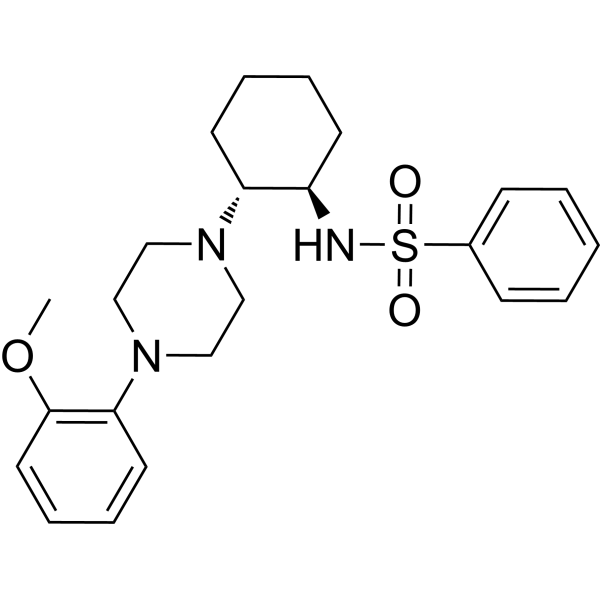
(rel)-ML-SI3 is one of the active ingredients of ML-SI3 (HY-139426) (another component is (cis)-ML-SI3) that targets three isoforms of TRPML. (rel)-ML-SI3 is an inhibitor of TRPML1 and TRPML3 (IC50=3.1 μM/28.5 μM), and a potent activator of TRPML2 (EC50=3.3 μM) .
loading...
    loading...
1
1 Cited Publications
Cat. No.: HY-N0429
CAS No.: 20086-06-0
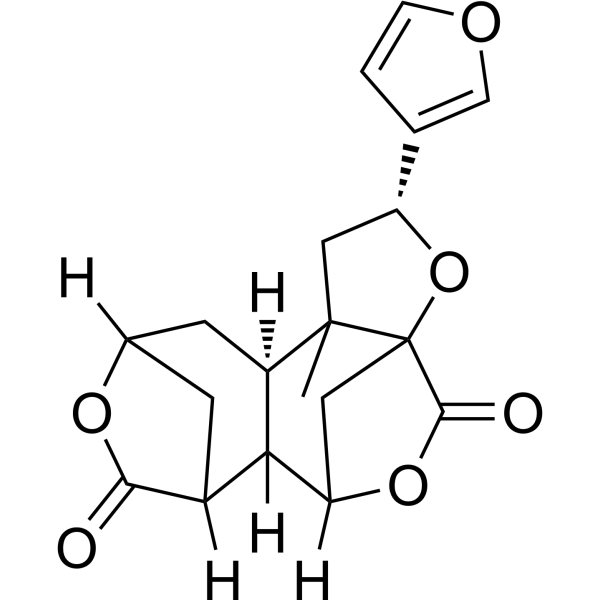
Diosbulbin B, a diterpene lactone, is an anticancer agent. Diosbulbin B is an orally active component of Dioscorea. bulbifera L. Diosbulbin B can inhibit cell proliferation, induce G0/G1 phase arrest and apoptosis. Diosbulbin B can induce autophagy and mitochondrial dysfunction. Diosbulbin B can induce liver injury. Diosbulbin B can be used for the research of cancer, such as non-small cell lung cancer (NSCLC) .
loading...
    loading...
1
1 Cited Publications
Cat. No.: HY-N6983
CAS No.: 118441-84-2
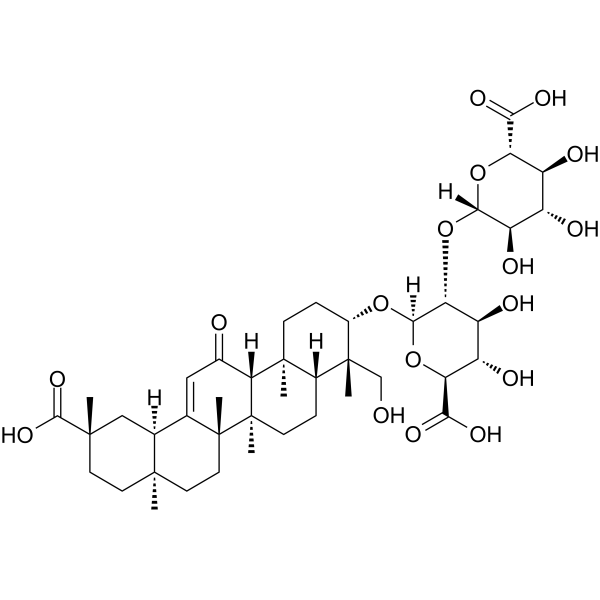
Licoricesaponin G2 is an orally active component found in Licorice. Licoricesaponin G2 significantly ameliorates Bleomycin (HY-108345)-induced pulmonary fibrosis by inhibiting the TNF-α signaling pathway, reducing epithelial-mesenchymal transition, and decreasing extracellular matrix deposition. Licoricesaponin G2 inhibits cancer cells proliferation, migration, inhibits PI3K/AKT/mTOR signaling pathway and increases ROS production. Licoricesaponin G2 can be used for the research of lung cancer and pulmonary fibrosis .
loading...
    loading...
1
1 Cited Publications
Cat. No.: HY-W039897
CAS No.: 617-04-9
Synonyms: α-Methyl-D-mannoside
Target:  

Bacterial

Research Areas:  

Infection

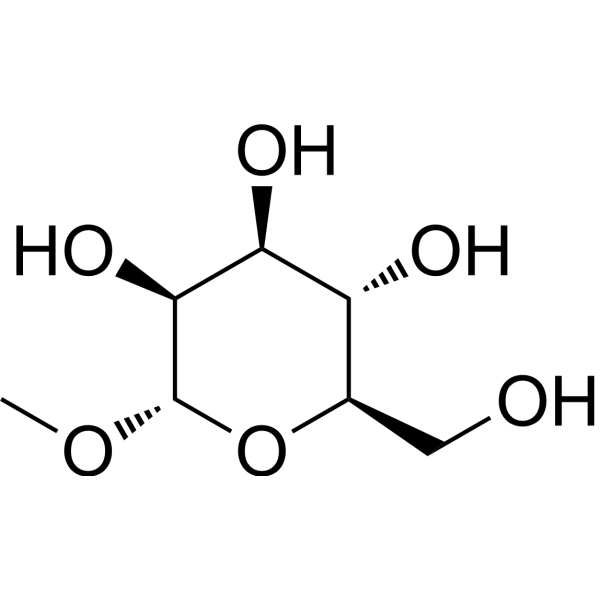
Methyl α-D-mannopyranoside (α-Methyl-D-mannoside) is a methyl glycoside derivative and conformational stabilizer of α-D-mannopyranose. The glycosidic bond conformation of Methyl α-D-mannopyranoside is significantly affected by the environment. In aqueous solution, Methyl α-D-mannopyranoside stabilizes into a trans conformation via intermolecular hydrogen bonds; in the gas phase, however, steric interactions drive Methyl α-D-mannopyranoside to prefer a clockwise gauche conformation. Methyl α-D-mannopyranoside also serves as a major component of secondary cell wall polymers in some bacteria and an active precursor site for virus-targeted glycoproteins. Methyl α-D-mannopyranoside acts as an acceptor substrate for alternansucrase, mediating the transfer of D-glucopyranosyl groups to generate a variety of glycosylated oligosaccharide products, with methyl α-D-glucopyranosyl-(1→6)-α-D-mannopyranoside as the main component. Methyl α-D-mannopyranoside is applicable to studies on bacterial pathogenic mechanisms associated with mannose-specific fimbrial lectins .
loading...
    loading...
1
1 Cited Publications
Cat. No.: HY-N0695
CAS No.: 58546-55-7
Synonyms: Gomisin-B; Wuweizi ester-B; Schisantherin-B
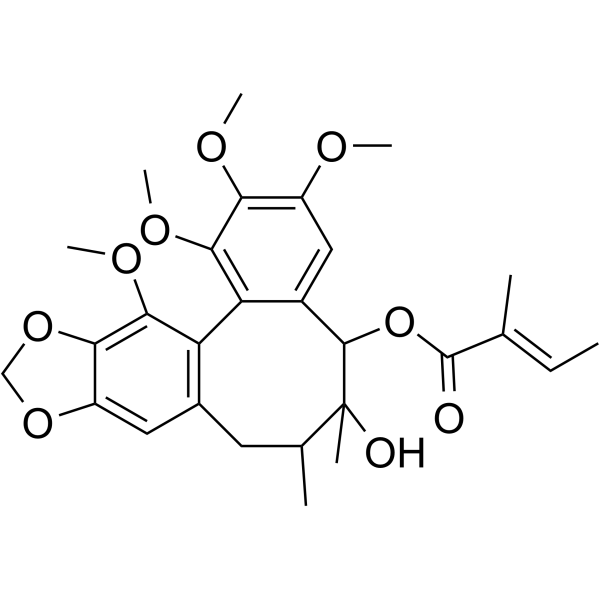
Schisantherin B (Gomisin-B) is a lignan compound and one of the active components of Schisandra chinensis. Schisantherin B activates the PI3K/AKT signaling pathway, restores the activity of GSK3β, and reduces the hyperphosphorylation of tau protein in hippocampal and cerebral cortical tissues. Schisantherin B upregulates the level of GLT-1, decreases the expression of pro-inflammatory cytokines TNF-α/IL-1β/IL-6, upregulates the expression of IL-10, and inhibits cell apoptosis. Schisantherin B is applicable to the research of spinal cord injury, Alzheimer's disease and depression .
loading...
    loading...
1
1 Cited Publications
Cat. No.: HY-113283
CAS No.: 451-13-8
Purity:  99.46%
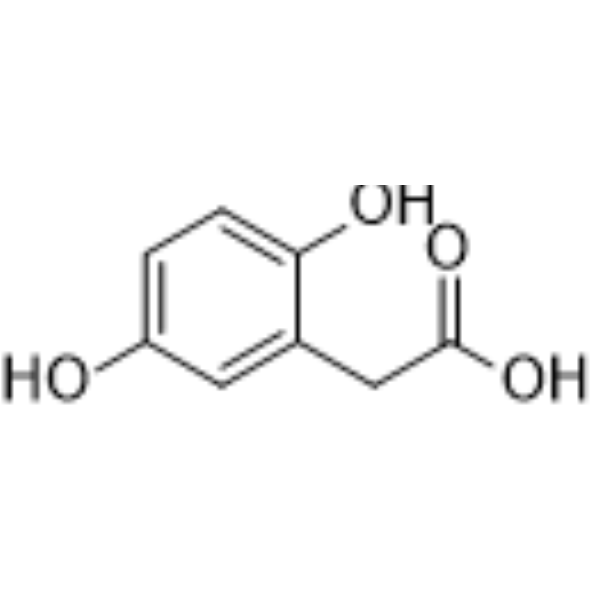
Homogentisic acid is an orally active, blood-brain barrier-permeable amyloidogenic compound that functions as both an amyloid component and a pigment precursor. Accumulation of homogentisic acid downregulates tight junction proteins (such as claudin-5, occludin, ZO-1) and impairs blood-brain barrier integrity. Homogentisic acid and its oxidation product benzoquinone acetic acid not only induce the aggregation and fibrosis of multiple proteins (such as 1-42, α-synuclein, SAA, Transthyretin (TTR), atrial natriuretic peptide), but also trigger oxidative stress, damage to the Wnt/β-catenin pathway, and neurotoxicity, leading to ochronosis pigment deposition and synaptic dysfunction. At specific concentrations, homogentisic acid exerts no cytotoxicity or genotoxicity on human peripheral blood lymphocytes, and even counteracts the genotoxicity induced by Irinotecan (HY-16562). Homogentisic acid serves as an important tool molecule for investigating the mechanisms of diseases including ochronosis, secondary amyloidosis, Alzheimer's disease, and colorectal cancer .
loading...
    loading...
1
1 Cited Publications
Cat. No.: HY-121970
CAS No.: 27031-00-1
iGP-1 is a cell-permeable, selective mixed inhibitor of mitochondrial sn-glycerol-3-phosphate dehydrogenase (mGPDH), with IC50s of 6.3 μM and 13.6 μM for rat mGPDH activity and H2O2 production, respectively. iGP-1 specifically blocks the mitochondrial component of the glycerophosphate shuttle without affecting cytosolic GPDH. iGP-1 not only inhibits cell proliferation and glutaminolysis, and enhances glycolysis, but also significantly alters key cellular physiological processes such as apoptosis, ROS production, HIF-1α stability and mitochondrial membrane potential. iGP-1 remains active in neutrophil cultures under both normoxic and hypoxic conditions, and serves as an ideal probe for glycerol-3-phosphate metabolic mechanisms. iGP-1 has been applied to studies on prostate cancer and related metabolic pathways .
loading...
    loading...
1
1 Cited Publications
Cat. No.: HY-N2392
CAS No.: 75288-96-9
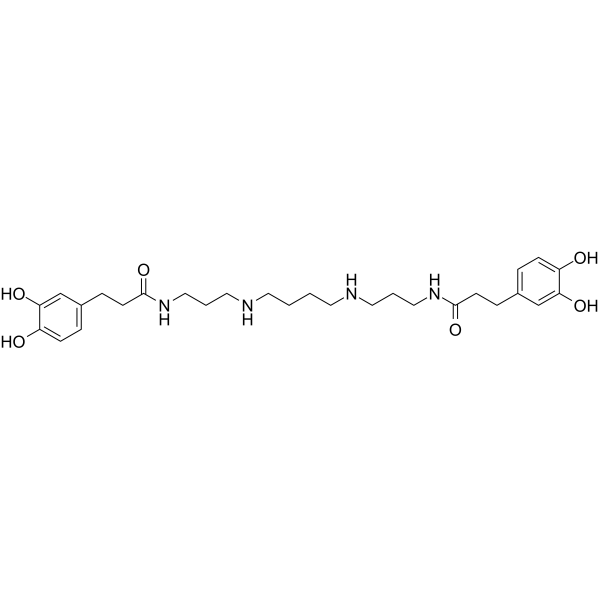
Kukoamine A, a spermine alkaloid, is an orally active and brain-penetrant component found in the root barks of Lycium chinense (L. chinense) Miller. Kukoamine A inhibits purified Crithidia fasciculata trypanothione reductase and soybean lipoxygenase, activates μ-opioid receptor. Kukoamine A can inhibt cancer cell proliferation, migration and invasion, cause G0/G1 phase cell cycle arrest and induce apoptosis. Kukoamine A exerts neuroprotective effect and can induce autophagy . Kukoamine A inhibits LPS (HY-D1056)-induced NO, ROS, PGE2, TNF-α, IL-1β, IL-6 production and COX-2 activity. Kukoamine A reverses palmitic acid-induced insulin resistance, lipid accumulation, and oxidative stress via downregulation of Srebp-1c. Kukoamine A can be used for the research of cancer, infection, inflammation, metabolic and neurological disease, such as glioblastoma and Parkinson's disease .
loading...
    loading...
Cat. No.: HY-W017163
CAS No.: 552-62-5
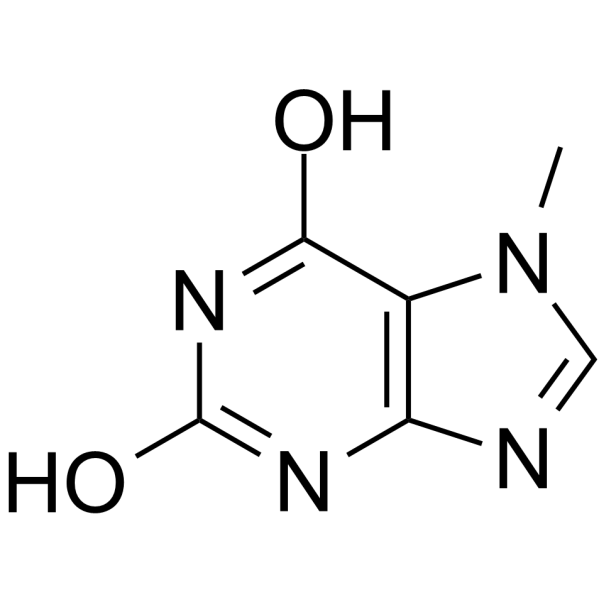
7-Methylxanthine is an orally active methyl derivative of xanthine and a non-selective adenosine receptor antagonist. 7-Methylxanthine is also one of the purine components of human urinary calculi. 7-Methylxanthine has anti-myopia activity .
loading...
    loading...
Cat. No.: HY-113427A
CAS No.: 506-17-2
Purity:  ≥99.0%
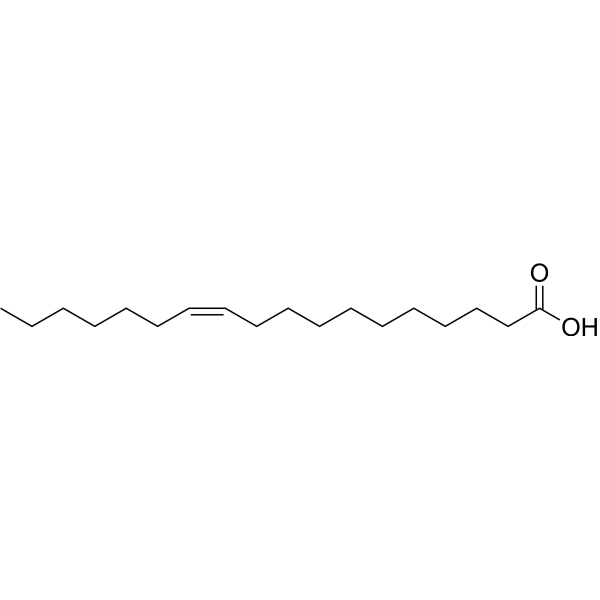
cis-Vaccenic acid, the antiviral extract from Rhodopseudomonas capsulate and the predominant active component of Rhodopseudomonas capsulate , acts a potential fetal hemoglobin inducer .
loading...
    loading...
Cat. No.: HY-129566
CAS No.: 56973-41-2
Purity:  98.52%
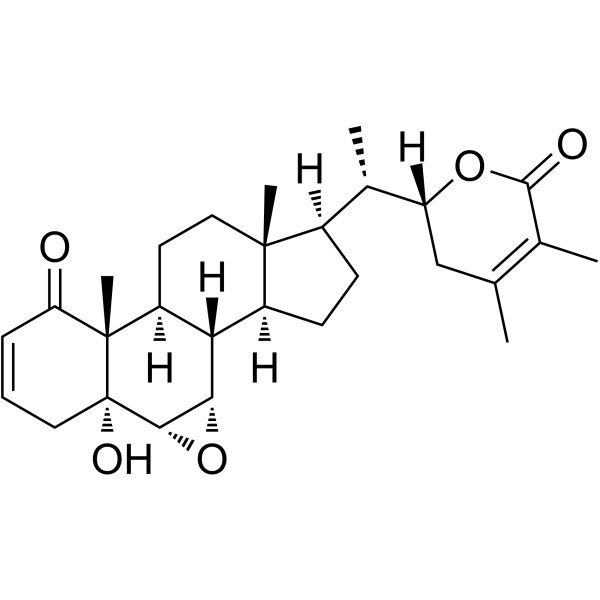
Withanolide B is an active component of W. somnifera Dunal. Withanolide B promotes osteogenic differentiation of hBMSCs via ERK1/2 and Wnt/β-catenin signaling pathways. Withanolide B exhibits neuroprotective, anti-arthritic, anti-aging and anti-cancer effects .
loading...
    loading...
Cat. No.: HY-147332
CAS No.: 2361162-70-9
Purity:  99.92%
Target:  

Liposome

Research Areas:  

Neurological Disease

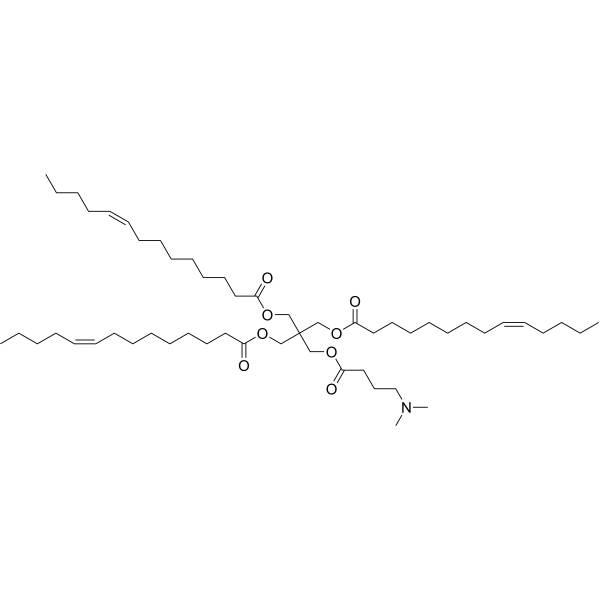
TCL053 is an ionizable lipid carrier and used to introduce active components, in particular nucleic acids, into cells with excellent efriciency. TCL053, together with DPPC (Dipalmitoylphosphatidylcholine), PEG-DMG (Polyethylene glycoldimyristoyl glycerol), and cholesterol, forms lipid nanoparticle (LNP) which is able to deliver Cas9 mRNA and sgRNA into skeletal muscle .
loading...
    loading...
Cat. No.: HY-138877
CAS No.: 13147-57-4
Phosphoglycolic acid is a metabolite and a bacterial cytoplasmic component. Phosphoglycolic acid acts as a by-product generated during the preparation of phosphoglycolohydroxamic acid via hydrolysis of ethyl phosphoglycolate. Phosphoglycolic acid also functions as an active component of postbiotics .
loading...
    loading...
Cat. No.: HY-Y0973
CAS No.: 56602-33-6
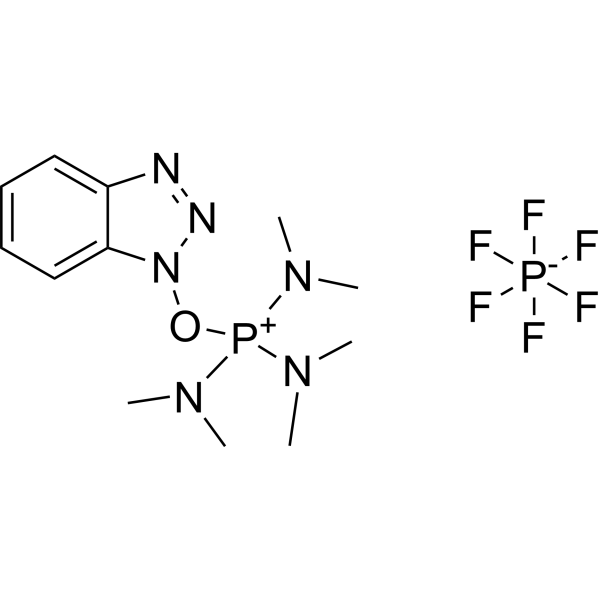
BOP hexafluorophosphate is a phosphonium-type condensing agent. BOP hexafluorophosphate activates the carboxylic acid component to form a highly reactive O-benzotriazole ester (active ester) intermediate, which then reacts with the amino component to form an amide bond (peptide bond). BOP hexafluorophosphate is applicable to solid-phase polypeptide synthesis and nucleoside modification .
loading...
    loading...
Cat. No.: HY-Y1242
CAS No.: 123-41-1
Research Areas:  

Others

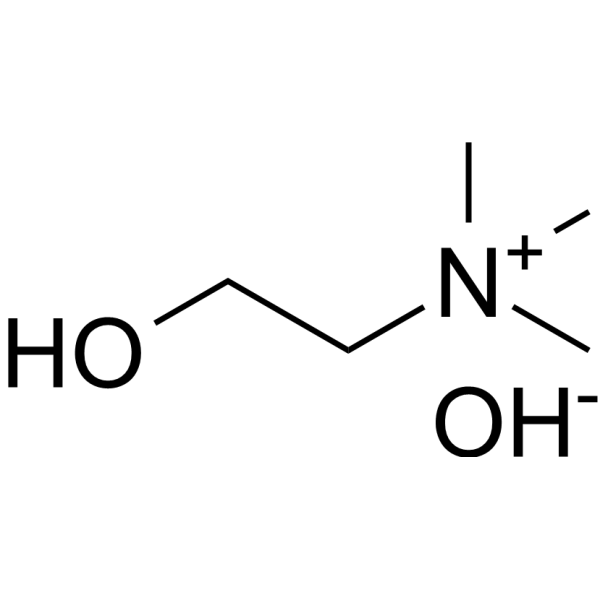
Choline hydroxide is a Choline hydrogen oxidized derivative and a strong organic base, can be used as the standard alkaline to adjust the pH of the medium. Choline is an orally active nutrient, serves as an important component of lecithin and sphingomyelin, promotes fat metabolism .
loading...
    loading...
Cat. No.: HY-158145
CAS No.: 2488609-43-2
Purity:  99.65%
Target:  

Phospholipase

Research Areas:  

Cancer

DS55980254 is the orally active inhibitor for phosphatidylserine synthase 1 (PTDSS1) that blocks the synthesis of intracellular phosphatidylserine. PTDSS1 deficiency affects the balance of cell membrane phospholipid components, and activates B cell receptor (BCR) signaling pathway .
loading...
    loading...

