

957 Results for "

affective

" in MedChemExpress (MCE) Product Catalog:
Products (957)

957 Results for "affective" in MCE Product Catalog:

4
4 Cited Publications
Cat. No.: HY-101957
CAS No.: 71897-07-9
Purity:  99.86%
Target:  

PDGFR

Research Areas:  

Cardiovascular Disease

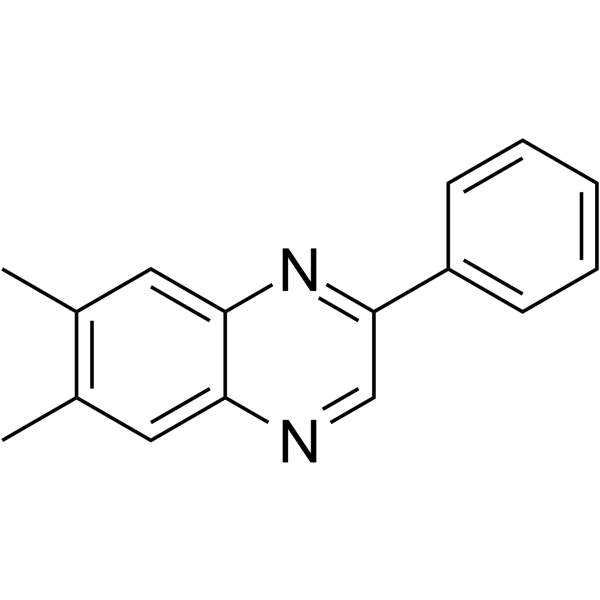
AG 1295 is a selective platelet-derived growth factor receptor (PDGFR) tyrosine-kinase inhibitor. AG1295 abolishes autophosphorylation of the PDGFR whereas not affects the autophosphorylation of the EGF receptor .
loading...
    loading...
4
4 Cited Publications
Cat. No.: HY-112173
CAS No.: 61596-47-2
Purity:  99.85%
Synonyms: Z-Pro-D-Leu-OH
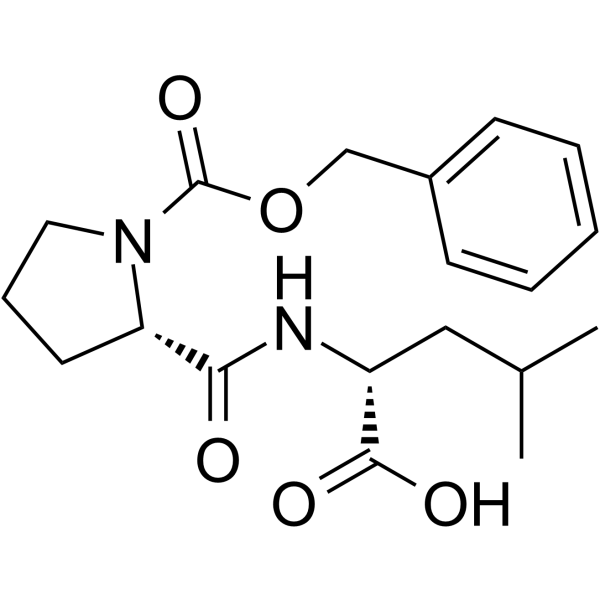
Prolylleucine (Z-Pro-D-Leu) is a dipeptide containing branched-chain amino acids. Prolylleucine (Z-Pro-D-Leu) can affect the circadian rhythms and behaviour of animals .
loading...
    loading...
4
4 Cited Publications
Cat. No.: HY-P2813
CAS No.: 8001-27-2
Hirudin is a thrombin inhibitor with blood anticoagulant property. Hirudin has potent anti-thrombotic, wound repair, anti-fibrosis, anti-tumor and anti-hyperuricemia effects. Hirudin also affects diabetic complications, cerebral hemorrhage, and others .
loading...
    loading...
4
4 Cited Publications
Cat. No.: HY-N0454
CAS No.: 7200-25-1
Synonyms: (±)-Arginine
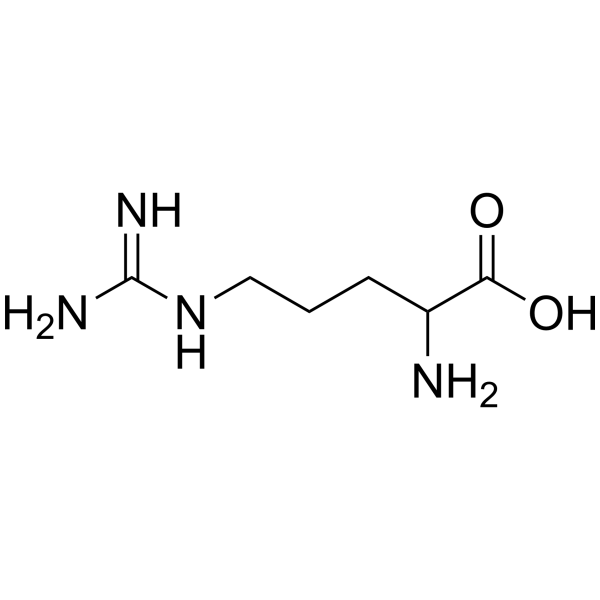
DL-Arginine is the racemic compound of L-Arginine (HY-N0455) and D-Arginine (HY-W016781). Arginine is an essential amino acid that requires additional supplementation in traumatic or diseased conditions. Arginine is involved in T cell activation, proliferation, and differentiation, and affects the function of immune cells .
loading...
    loading...
4
4 Cited Publications
Cat. No.: HY-W014375
CAS No.: 32042-43-6
Synonyms: (±)-Arginine hydrochloride
Target:  

Endogenous Metabolite

Research Areas:  

Cardiovascular Disease

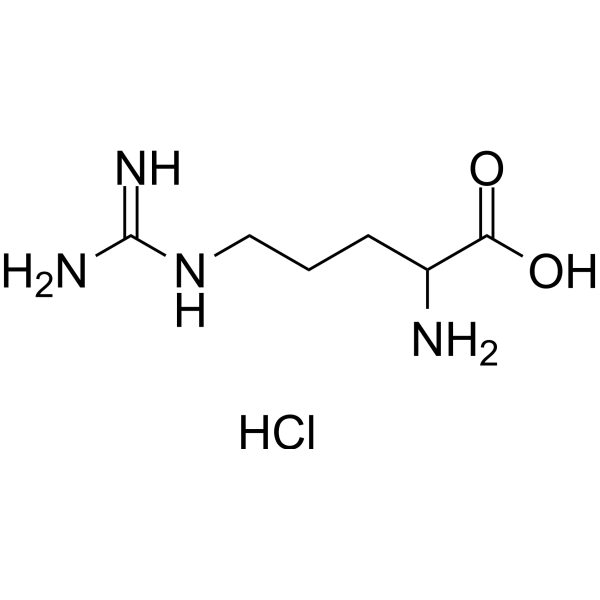
DL-Arginine ((±)-Arginine) hydrochloride is the racemic compound of L-Arginine (HY-N0455) and D-Arginine (HY-W016781). Arginine is an essential amino acid that requires additional supplementation in traumatic or diseased conditions. Arginine is involved in T cell activation, proliferation, and differentiation, and affects the function of immune cells .
loading...
    loading...
4
4 Cited Publications
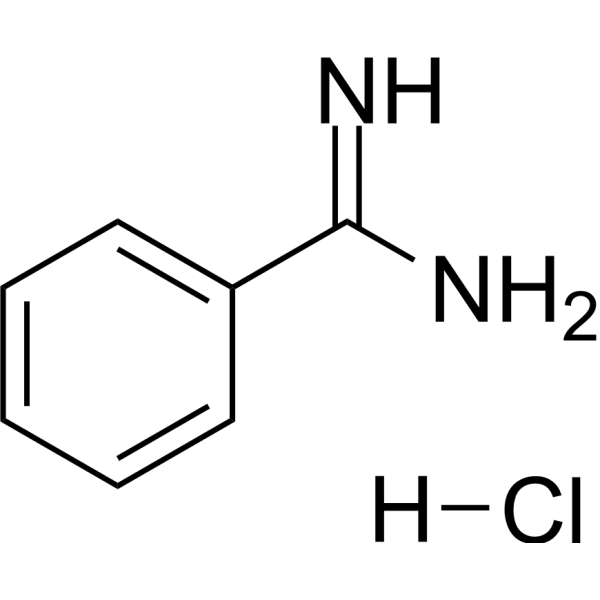
Cat. No.: HY-125913
CAS No.: 618-39-3
Target:  

Ser/Thr Protease

Research Areas:  

Inflammation/Immunology

Benzamidine is a competitive protease inhibitor that blocks the hydrolytic cleavage of glucagon by plasmin, trypsin and thrombin. Benzamidine effectively inhibits the degradation of glucagon by relevant proteases during the collection, storage and analysis of human plasma and blood samples. During in vivo metabolism, Benzamidine undergoes N-hydroxylation and produces multiple metabolites, exhibiting characteristics of delayed excretion or biphasic elimination. Benzamidine only induces slight single-strand DNA breaks at high concentrations and shows no significant genotoxic potential overall. Benzamidine may interfere with the detection of some glucagon antisera, but does not affect key antigen-antibody affinity at specific concentrations. Benzamidine can be used as a stabilizer in glucagon radioimmunoassays to ensure the accuracy and recovery rate of detection results .
loading...
    loading...
4
4 Cited Publications
Cat. No.: HY-W018781
CAS No.: 1670-14-0
Target:  

Ser/Thr Protease

Research Areas:  

Cancer

Benzamidine hydrochloride is a competitive protease inhibitor that blocks the hydrolytic cleavage of glucagon by plasmin, trypsin and thrombin. Benzamidine hydrochloride effectively inhibits the degradation of glucagon by relevant proteases during the collection, storage and analysis of human plasma and blood samples. During in vivo metabolism, Benzamidine hydrochloride undergoes N-hydroxylation and produces multiple metabolites, exhibiting characteristics of delayed excretion or biphasic elimination. Benzamidine hydrochloride only induces slight single-strand DNA breaks at high concentrations and shows no significant genotoxic potential overall. Benzamidine hydrochloride may interfere with the detection of some glucagon antisera, but does not affect key antigen-antibody affinity at specific concentrations. Benzamidine hydrochloride can be used as a stabilizer in glucagon radioimmunoassays to ensure the accuracy and recovery rate of detection results .
loading...
    loading...
4
4 Cited Publications
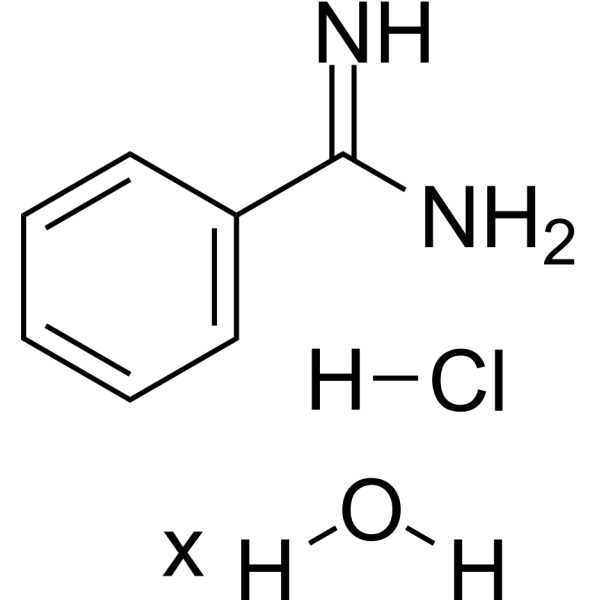
Cat. No.: HY-W087937
CAS No.: 206752-36-5
Synonyms: Benzenecarboximidamide hydrochloride hydrate
Benzamidine (Benzenecarboximidamide) hydrochloride hydrate is a competitive protease inhibitor that blocks the hydrolytic cleavage of glucagon by plasmin, trypsin and thrombin. Benzamidine hydrochloride hydrate effectively inhibits the degradation of glucagon by relevant proteases during the collection, storage and analysis of human plasma and blood samples. During in vivo metabolism, Benzamidine hydrochloride hydrate undergoes N-hydroxylation and produces multiple metabolites, exhibiting characteristics of delayed excretion or biphasic elimination. Benzamidine hydrochloride hydrate only induces slight single-strand DNA breaks at high concentrations and shows no significant genotoxic potential overall. Benzamidine hydrochloride hydrate may interfere with the detection of some glucagon antisera, but does not affect key antigen-antibody affinity at specific concentrations. Benzamidine hydrochloride hydrate can be used as a stabilizer in glucagon radioimmunoassays to ensure the accuracy and recovery rate of detection results .
loading...
    loading...
3
3 Cited Publications
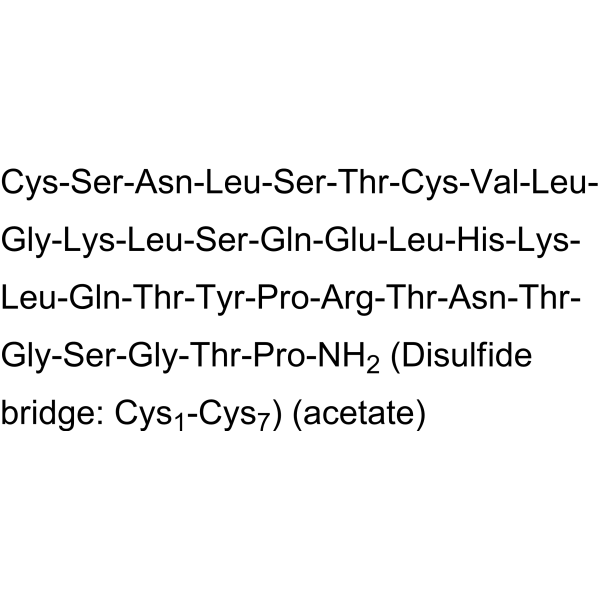
Cat. No.: HY-P0090A
CAS No.: 158000-61-4
Synonyms: Salmon calcitonin acetate
Target:  

CGRP Receptor

Research Areas:  

Cancer

Calcitonin (salmon) (acetate) is a dual-action amylin and calcitonin receptor agonist, can stimulate bone formation and inhibit bone resorption .The acetate form can affect the absorption and efficacy of hormones .
loading...
    loading...
3
3 Cited Publications
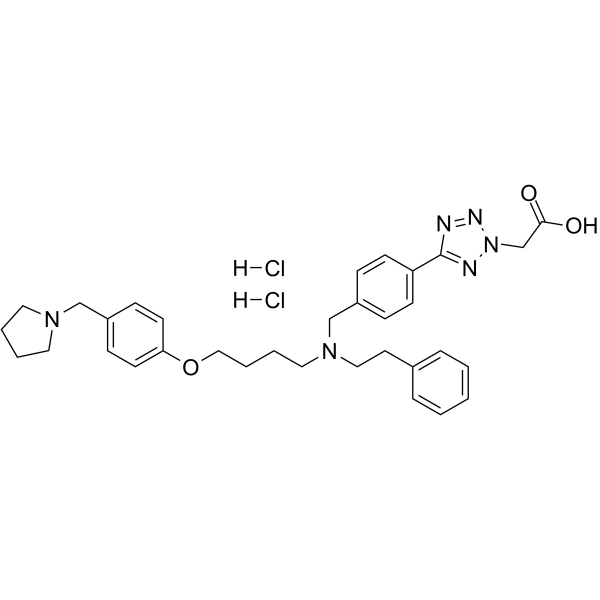
Cat. No.: HY-123604A
CAS No.: 2108830-09-5
Purity:  99.60%
Research Areas:  

Cancer

TH1834 dihydrochloride is a specific Tip60 (KAT5) histone acetyltransferase inhibitor. TH1834 dihydrochloride induces apoptosis and increases DNA damage in breast cancer. TH1834 dihydrochloride does not affect the activity of related histone acetyltransferase MOF. Anticancer activity .
loading...
    loading...
3
3 Cited Publications
Cat. No.: HY-123604
CAS No.: 2108830-08-4
Purity:  99.44%
Research Areas:  

Cancer

TH1834 is a specific Tip60 (KAT5) histone acetyltransferase (HAT) inhibitor. TH1834 induces apoptosis and increases DNA damage in breast cancer. TH1834 does not affect the activity of related histone acetyltransferase MOF. Anticancer activity .
loading...
    loading...
3
3 Cited Publications
Cat. No.: HY-Y0921
CAS No.: 57-55-6
Synonyms: 1,2-(RS)-Propanediol; 1,2-Propylene glycol; Propylene glycol
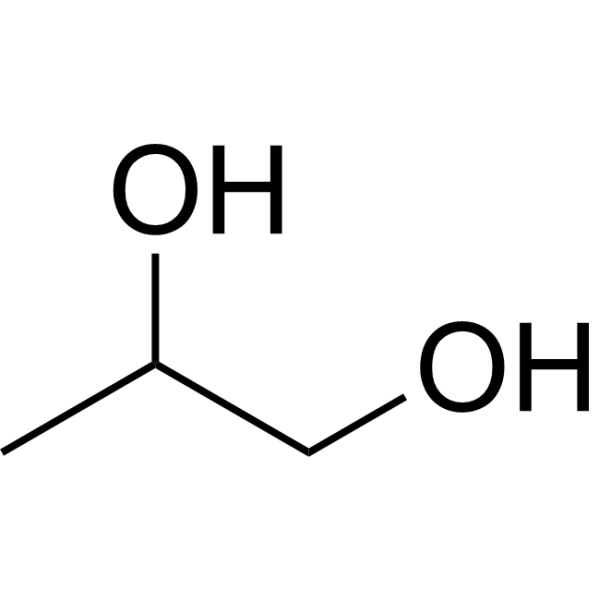
(±)-1, 2-propanediol (1,2-(RS)-Propanediol) is an aliphatic alcohol that is often used as an excipient in many active molecular preparations to increase the solubility and stability of the active molecule. (±)-1, 2-propanediol can affect the neurobehavior of zebrafish .
loading...
    loading...
3
3 Cited Publications
Cat. No.: HY-103396
CAS No.: 82952-64-5
Purity:  98.09%
Synonyms: CI-898 glucuronate
Target:  

Antifolate Bacterial

Research Areas:  

Infection Cancer

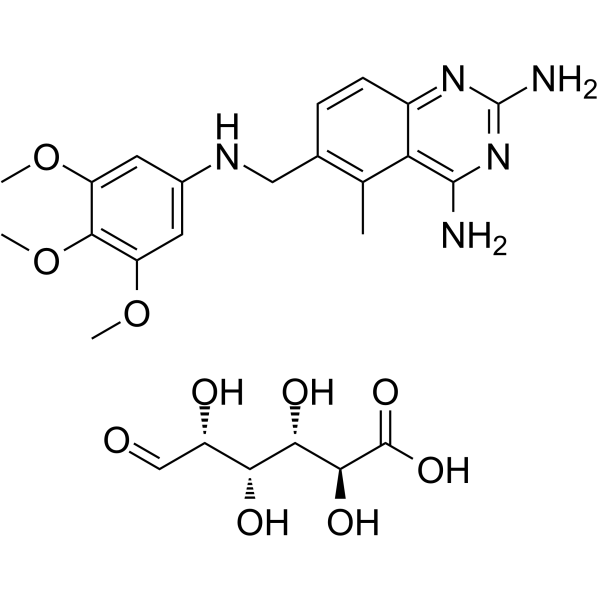
Trimetrexate glucuronate (NSC 352122) is a folic acid antagonist. Trimetrexate glucuronate affects DNA and RNA synthesis by inhibiting dihydrofolate reductase and preventing the synthesis of purine nucleotides and thymidylate. Trimetrexate glucuronate has potential antitumour activity and can also be used to inhibit Pneumocystis carinii pneumonia .
loading...
    loading...
3
3 Cited Publications
Cat. No.: HY-Y0873H
CAS No.: 25322-68-3
Synonyms: Polyethylene glycol 4000
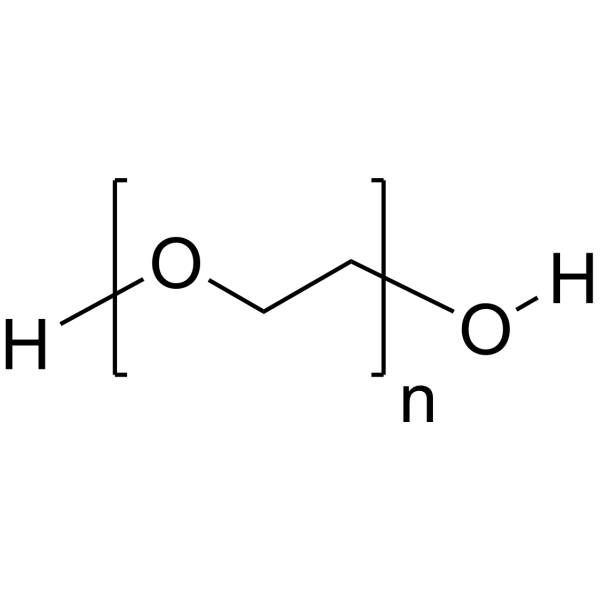
PEG4000 can be used as an excipient, such as Ointment base, lubricant, etc. Pharmaceutical excipients, or pharmaceutical auxiliaries, refer to other chemical substances used in the pharmaceutical process other than pharmaceutical ingredients. Pharmaceutical excipients generally refer to inactive ingredients in pharmaceutical preparations, which can improve the stability, solubility and processability of pharmaceutical preparations. Pharmaceutical excipients also affect the absorption, distribution, metabolism, and elimination (ADME) processes of co-administered drugs .
loading...
    loading...
3
3 Cited Publications
Cat. No.: HY-W250118
CAS No.: 90989-93-8
Target:  

Liposome Autophagy

Research Areas:  

Endocrinology

Cephalin form bovine brain is an orally active phospholipid widely present in organisms.Cephalin form bovine brain participates in the formation of autophagosome membrane as a lipid anchor of autophagy-related protein Atg8/LC3. Cephalin form bovine brain enhances Autophagic flux, promotes cell differentiation, regulates lipid droplet fusion, delays aging, and also affects lipid metabolism and membrane integrity .
loading...
    loading...
3
3 Cited Publications
Cat. No.: HY-Y1316
CAS No.: 532-32-1
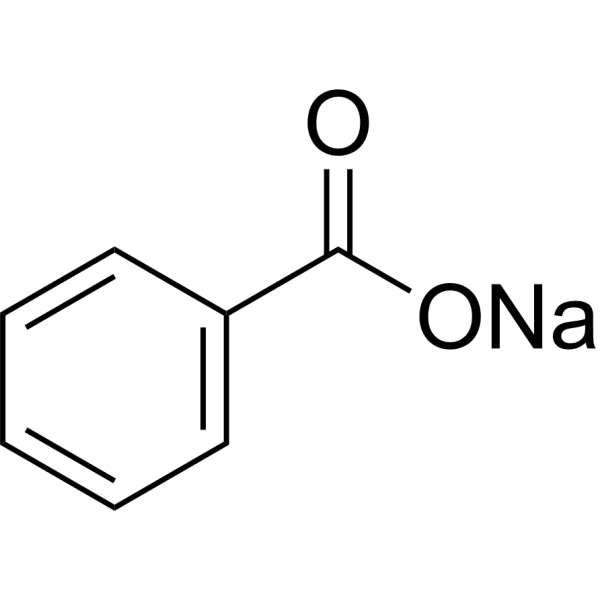
Sodium benzoate is an orally active pharmaceutical excipient, such as an antibacterial agent, preservative, lubricant, etc. Pharmaceutical excipients, or pharmaceutical auxiliaries, refer to other chemical substances used in the pharmaceutical process other than pharmaceutical ingredients. Pharmaceutical excipients generally refer to inactive ingredients in pharmaceutical preparations, which can improve the stability, solubility and processability of pharmaceutical preparations. Pharmaceutical excipients also affect the absorption, distribution, metabolism, and elimination (ADME) processes of co-administered drugs.Sodium benzoate activates NF-κB and induces Apoptosis. Sodium benzoate induces immune suppression and produces reproductively toxic. Sodium benzoate can be used for colon cancer and immune disease research .
loading...
    loading...
3
3 Cited Publications
Cat. No.: HY-122826
CAS No.: 2243076-67-5
Purity:  98.90%
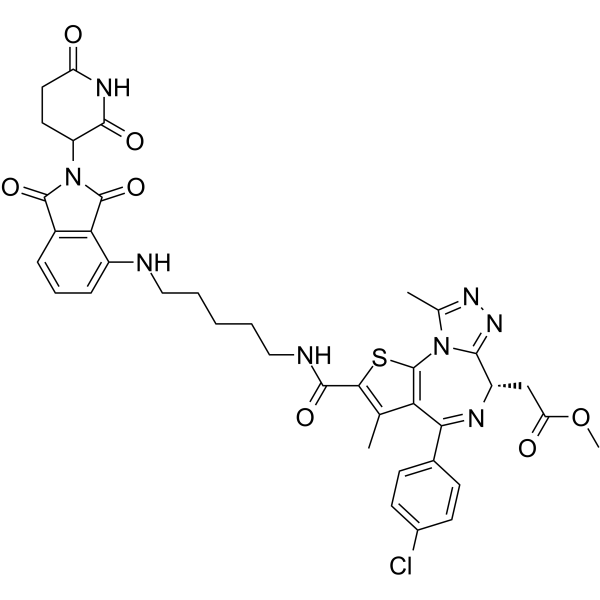
ZXH-3-26 is a CRBN-recruiting BRD4 PROTAC degrader with a DC50/5h of approximately 5 nM. ZXH-3-26 drives the ubiquitination and degradation of BRD4 by recruiting BRD4BD1 to the CRL4 CRBN E3 ubiquitin ligase complex, thereby inhibiting the dynamic distribution of super-enhancers. ZXH-3-26 reverses TNF-α-induced impairment of the immunosuppressive function of mesenchymal stem cells, and affects RNA synthesis and the transcriptional elongation process of Pol II. ZXH-3-26 can be used in studies related to inflammatory arthritis, malignant tumors, and HIV latency .
loading...
    loading...
2
2 Cited Publications
Cat. No.: HY-P3278
CAS No.: 350670-85-8
Target:  

Proton Pump

Research Areas:  

Metabolic Disease

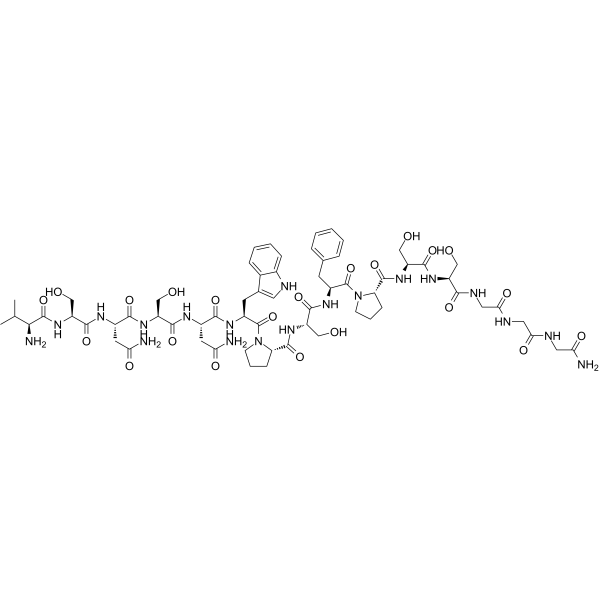
Caloxin 2A1 is an extracellular plasma membrane Ca 2+-ATPase (PMCA) peptide inhibitor. Caloxin 2A1 does not affect basal Mg 2+-ATPase or Na +-K +-ATPase .
loading...
    loading...
2
2 Cited Publications
Cat. No.: HY-P3278A
Target:  

Proton Pump

Research Areas:  

Metabolic Disease

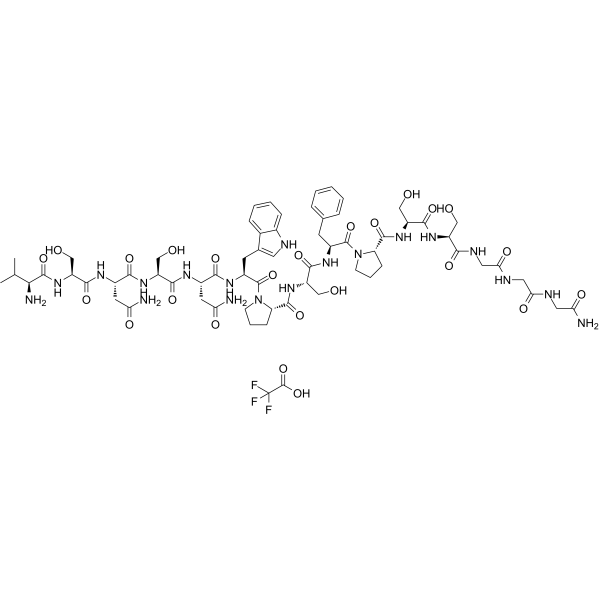
Caloxin 2A1 TFA is an extracellular plasma membrane Ca 2+-ATPase (PMCA) peptide inhibitor. Caloxin 2A1 TFA does not affect basal Mg 2+-ATPase or Na +-K +-ATPase .
loading...
    loading...
2
2 Cited Publications
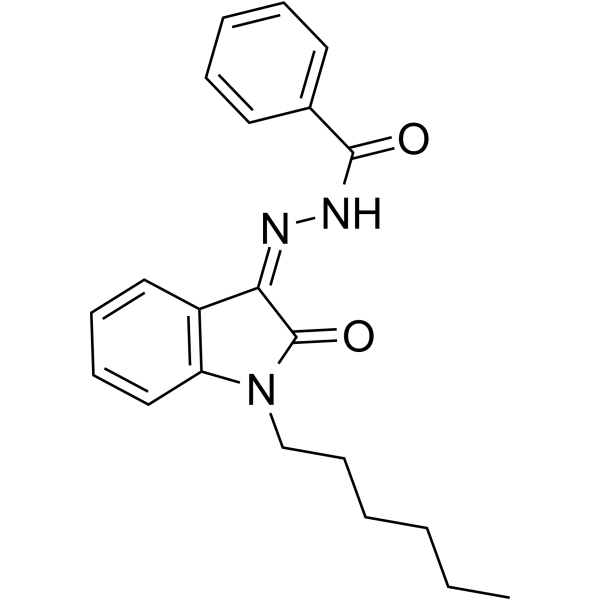
Cat. No.: HY-15451
CAS No.: 1048973-47-2
Purity:  99.26%
Synonyms: BZO-HEXOXIZID
Target:  

Cannabinoid Receptor

Research Areas:  

Neurological Disease

MDA 19 is a potent and selective agonist of human cannabinoid receptor 2 (CB2), with a Ki of 43.3 nM. MDA 19 has antiallodynic effects in a rat model of neuropathic pain and does not affect rat locomotor activity .
loading...
    loading...

