

2347 Results for "

component

" in MedChemExpress (MCE) Product Catalog:
Products (2347)

2347 Results for "component" in MCE Product Catalog:

12
12 Cited Publications
Cat. No.: HY-113424A
CAS No.: 4235-95-4
Purity:  98.11%
Synonyms: DOPC
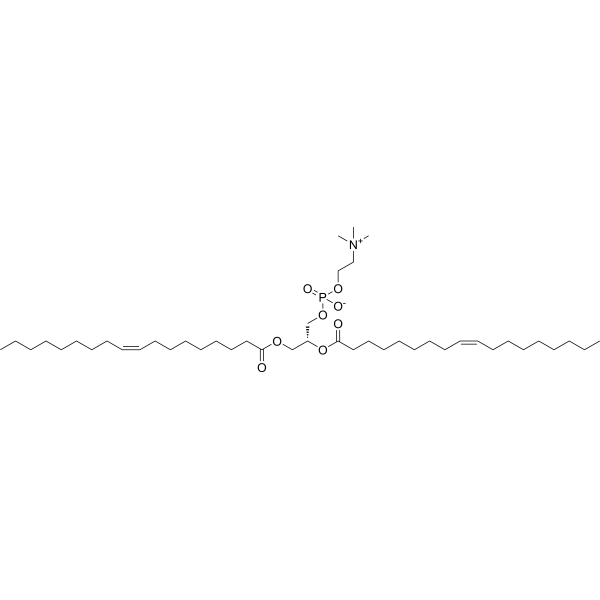
1,2-Dioleoyl-sn-glycero-3-phosphocholine (DOPC) is a phospholipid and is commonly used alone, or with other components, in the generation of micelles, liposomes, and other types of artificial membranes.
loading...
    loading...
12
12 Cited Publications
Cat. No.: HY-N0877
CAS No.: 465-21-4
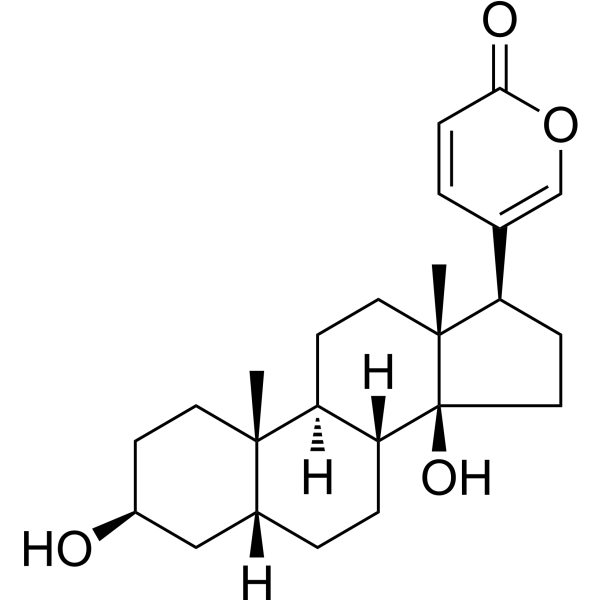
Bufalin is an active component isolated from Chan Su, acts as a potent Na +/K +-ATPase inhibitor, binds to the subunit α1, α2 and α3, with Kd of 42.5, 45 and 40 nM, respectively . Anti-cancer activity .
loading...
    loading...
12
12 Cited Publications
Cat. No.: HY-138298
CAS No.: 1826843-81-5
Purity:  98.90%
Synonyms: T-DXd (solution); DS-8201 (solution); DS-8201a (solution)
Research Areas:  

Cancer

Trastuzumab deruxtecan (T-DXd; DS-8201a) (solution) is an anti-human epidermal growth factor receptor 2 (HER2) antibody-drug conjugate (ADC). Trastuzumab deruxtecan is composed of a humanized anti-HER2 antibody, an enzymatically cleavable peptide-linker, a topoisomerase I inhibitor (a toxin component of Dxd), and the drug-linker conjugate for ADC is Deruxtecan (HY-13631E). Trastuzumab deruxtecan can be used for the research of HER2-positive breast cancer and gastric cancer .
loading...
    loading...
12
12 Cited Publications
Cat. No.: HY-138298A
CAS No.: 1826843-81-5
Purity:  99.58%
Synonyms: T-DXd; DS-8201; DS-8201a
Research Areas:  

Cancer

Trastuzumab deruxtecan (DS-8201a) is an anti-human epidermal growth factor receptor 2 (HER2) antibody-drug conjugate (ADC). Trastuzumab deruxtecan is composed of a humanized anti-HER2 antibody, an enzymatically cleavable peptide-linker, a topoisomerase I inhibitor (a toxin component of Dxd), and the drug-linker conjugate for ADC is Deruxtecan (HY-13631E). Trastuzumab deruxtecan can be used for the research of HER2-positive breast cancer and gastric cancer .
loading...
    loading...
12
12 Cited Publications
Cat. No.: HY-N2515
CAS No.: 494753-69-4
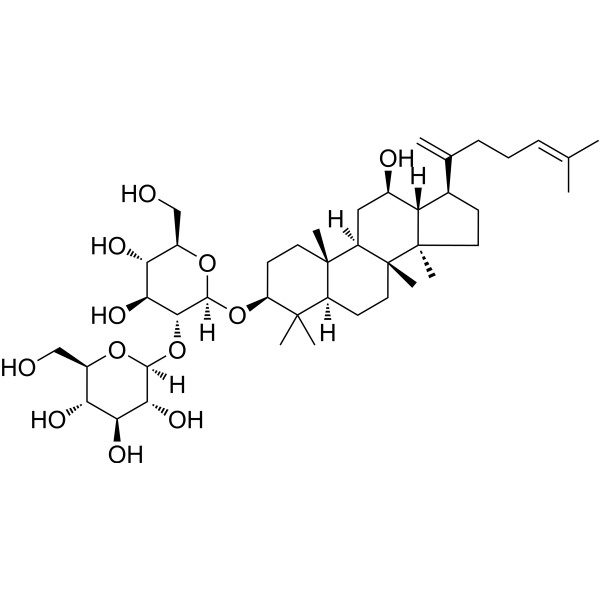
Ginsenoside Rk1 is a unique component created by processing the ginseng plant (mainly Sung Ginseng, SG) at high temperatures . Ginsenoside Rk1 has anti-inflammatory effect, suppresses the activation of Jak2/Stat3 signaling pathway and NF-κB . Ginsenoside Rk1 has anti-tumor effect, antiplatelet aggregation activities, anti-insulin resistance, nephroprotective effect, antimicrobial effect, cognitive function enhancement, lipid accumulation reduction and prevents osteoporosis . Ginsenoside Rk1 induces cell apoptosis by triggering intracellular reactive oxygen species (ROS) generation and blocking PI3K/Akt pathway .
loading...
    loading...
12
12 Cited Publications
Cat. No.: HY-N2037
CAS No.: 5843-65-2
Synonyms: Norcoclaurine; Demethyl-Coclaurine
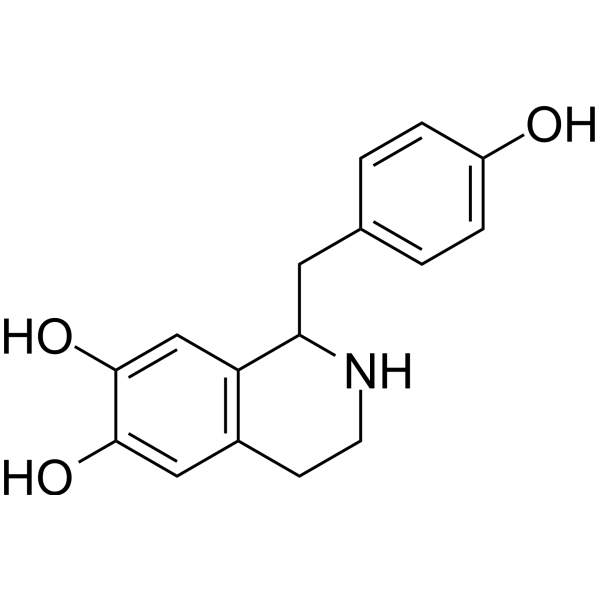
Higenamine (Norcoclaurine), a β2-AR agonist with antioxidant capability, is a key component of the Chinese herb aconite root that prescribes for treating symptoms of heart failure in the oriental Asian countries. Higenamine is also a α1-adrenergic receptor antagonist with hypotensive effect. is a selective LSD1 inhibitor (IC50=1.47 μM) that can be isolated from aconite. Higenamine hydrochloride has anti-inflammatory and antibacterial activity. Higenamine protects myocyte Apoptosis and ischemia/reperfusion (I/R) injury through selective activation of beta2-adrenergic receptor (β2-AR). Higenamine also reduces I/R-induced myocardial infarction in mice. Higenamine can attenuate IL-1β-induced Apoptosis through ROS-mediated PI3K/Akt signaling pathway. Higenamine protects brain cells from oxygen deprivation. Higenamine can promote bone formation in osteoporosis through the SMAD2/3 pathway. Higenamine can be used to study cancer, inflammation, cardiorenal syndrome and other diseases .
loading...
    loading...
11
11 Cited Publications
Cat. No.: HY-N0510A
CAS No.: 10190-99-5
Synonyms: Aristolochic acid I sodium; TR 1736 sodium
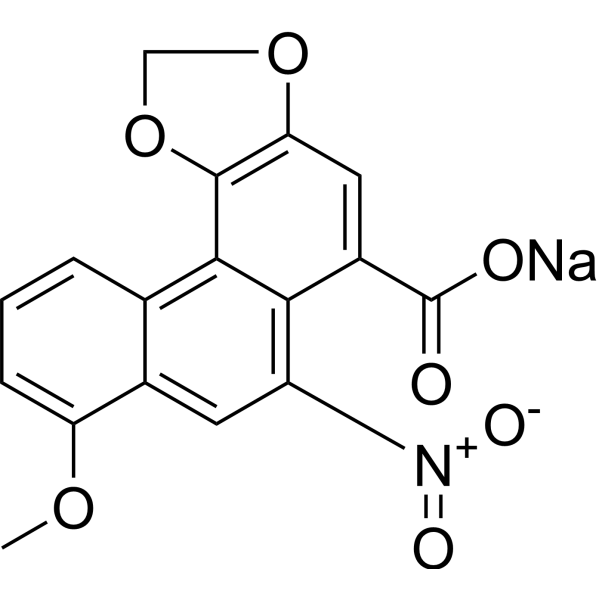
Aristolochic acid A (Aristolochic acid I) sodium is the main component of plant extract Aristolochic acids, which are found in various herbal plants of genus Aristolochia and Asarum. Aristolochic acid A sodium significantly reduces both activator protein 1 (AP-1) and NF-κB activities. Aristolochic acid A sodium reduces BLCAP gene expression in human cell lines .
loading...
    loading...
11
11 Cited Publications
Cat. No.: HY-N0510
CAS No.: 313-67-7
Synonyms: Aristolochic acid I; TR 1736
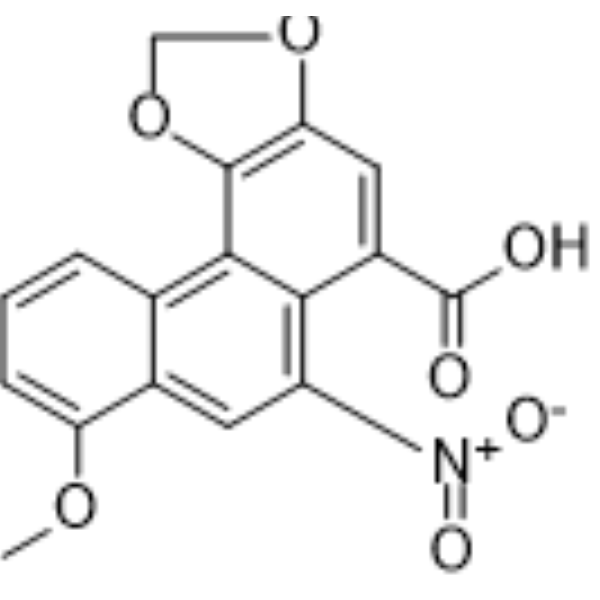
Aristolochic acid A (Aristolochic acid I; TR 1736) is the main component of plant extract Aristolochic acids, which are found in various herbal plants of genus Aristolochia and Asarum. Aristolochic acid A significantly reduces both activator protein 1 (AP-1) and NF-κB activities. Aristolochic acid A reduces BLCAP gene expression in human cell lines .
loading...
    loading...
11
11 Cited Publications
Cat. No.: HY-N0664
CAS No.: 479-98-1
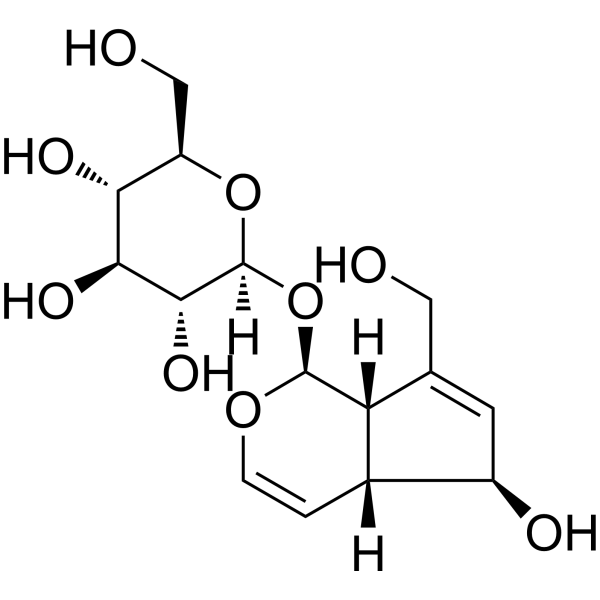
Aucubin is an iridoid glycoside component that acn be found in E. ulmoides. Aucubin can cross the blood-brain barrier (BBB) and has anti-anxiety, antidepressive and anti-neuroinflammatory effects. Aucubin has many biological activities, such as antioxidant, anti-aging, anti-inflammatory, antimicrobial, anti-fibrotic, anti-cancer, hepatoprotective, neuroprotective and osteoprotective effects .
loading...
    loading...
10
10 Cited Publications
Cat. No.: HY-P7863
Purity:  ≥ 95%, as determined by reducing SDS-PAGE.
Synonyms: C3; Complement component 3; Complement C3; C3a Anaphylatoxin; CPAMD1; Prepro-C3; ARMD9; Epididymis Secretory Sperm Binding Protein Li 62p; C3a; Acylation-Stimulating Protein Cleavage Product; C3b; HEL-S-62p; C3 And PZP-Like Alpha-2-Macroglobulin Domain-Co
Species:  
Mouse
Source:  
E. coli
loading...
    loading...
10
10 Cited Publications
Cat. No.: HY-109506
CAS No.: 63-89-8
Purity:  99.91%
Synonyms: 129Y83
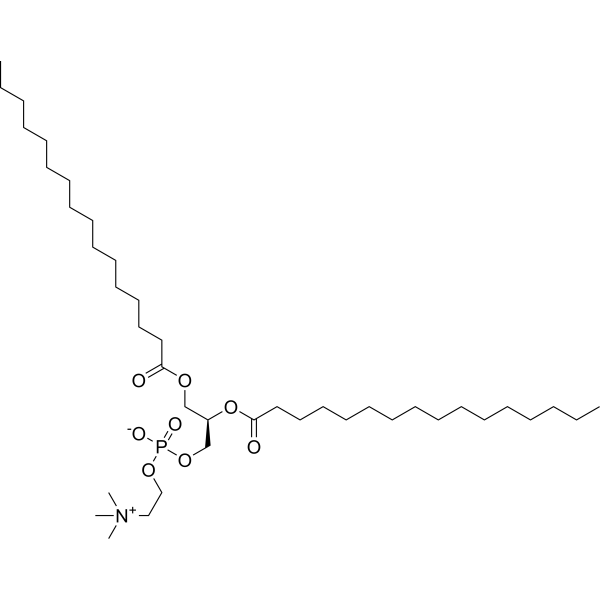
DPPC (129Y83) is a phosphoglyceride that can be used to prepare lipid monolayers, bilayers, and liposomes. DPPC is the main lipid component of pulmonary surfactant. Dppc-liposome can be effectively used as a delivery vector to induce an immune response against GSL antigen in mice .
loading...
    loading...
10
10 Cited Publications
Cat. No.: HY-139426
CAS No.: 891016-02-7
Purity:  99.91%
Synonyms: ML-SI3 (cis/trans mix)
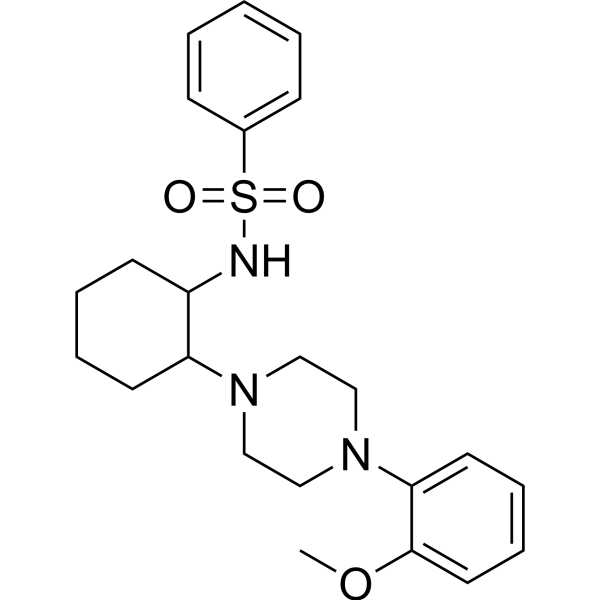
ML-SI3 is a mixture of cis/trans ML-SI3 (HY-139426A), which is a TRPML1/2 channel inhibitor with IC50s of 4.7 μM and 1.7 μM, respectively. ML-SI3 also inhibits lysosomal calcium efflux and blocks downstream TRPML1-mediated autophagy. The cis/trans ML-SI3 (HY-139426A) components of ML-SI3 are TRPML2 activators with EC50s of 3.3 μM and 9.4 μM, respectively .
loading...
    loading...
9
9 Cited Publications
Cat. No.: HY-B2230
CAS No.: 499-44-5
Synonyms: β-Thujaplicin
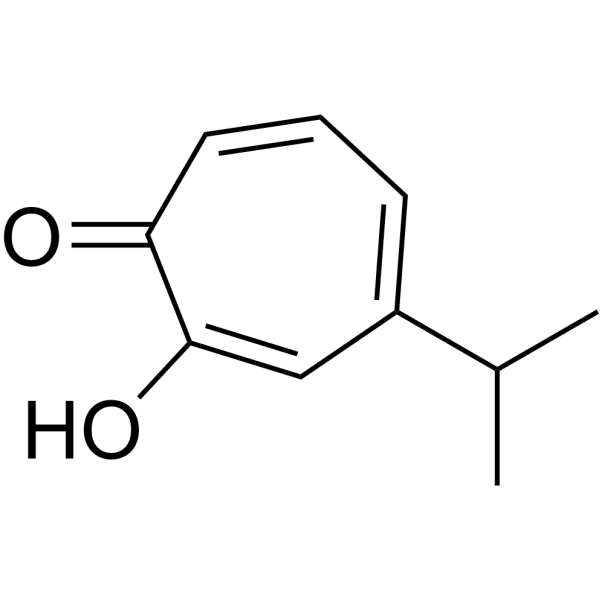
Hinokitiol is a component of essential oils isolated from Chymacyparis obtusa, reduces Nrf2 expression, and decreases DNMT1 and UHRF1 mRNA and protein expression, with anti-infective, anti-oxidative, and anti-tumor activities.
loading...
    loading...
9
9 Cited Publications
Cat. No.: HY-15579A
CAS No.: 1415246-68-2
Purity:  99.93%
Synonyms: Monomethylauristatin F hydrochloride
Research Areas:  

Cancer

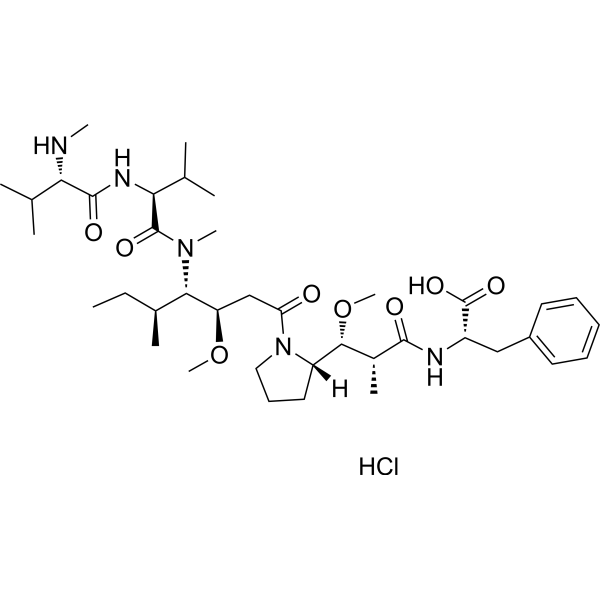
MMAF (Monomethylauristatin F) hydrochloride is a potent tubulin polymerization inhibitor and is used as a antitumor agent. MMAF hydrochloride is widely used as a cytotoxic component of antibody-drug conjugates (ADCs) such as Vorsetuzumab mafodotin and SGN-CD19A .
loading...
    loading...
9
9 Cited Publications
Cat. No.: HY-15579
CAS No.: 745017-94-1
Purity:  99.92%
Synonyms: Monomethylauristatin F
Research Areas:  

Cancer

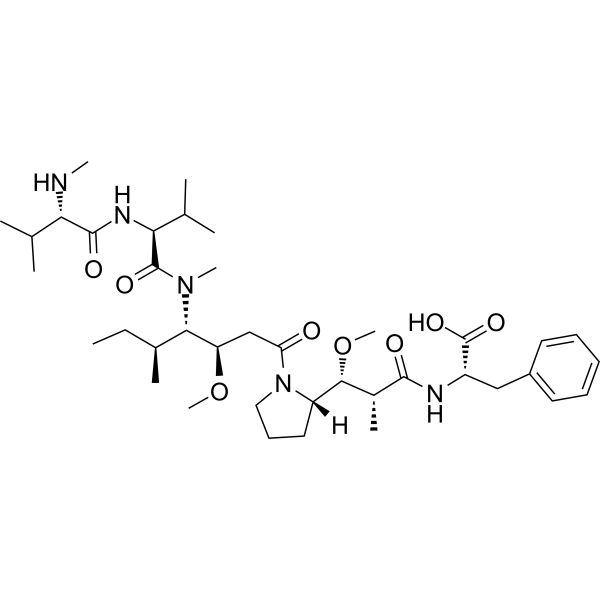
MMAF (Monomethylauristatin F) is a potent tubulin polymerization inhibitor and is used as a antitumor agent. MMAF (Monomethylauristatin F) is widely used as a cytotoxic component of antibody-drug conjugates (ADCs) such as vorsetuzumab mafodotin and SGN-CD19A .
loading...
    loading...
9
9 Cited Publications
Cat. No.: HY-15579B
CAS No.: 1799706-65-2
Purity:  99.59%
Synonyms: Monomethylauristatin F sodium
Research Areas:  

Cancer

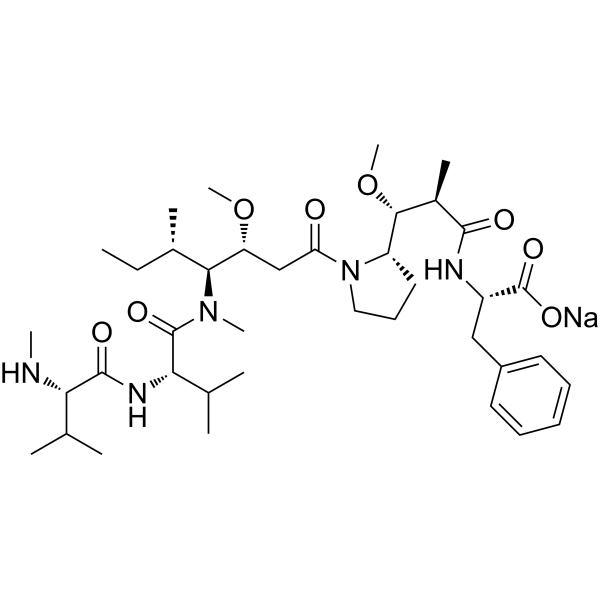
MMAF sodium (Monomethylauristatin F sodium) is a potent tubulin polymerization inhibitor and is used as a antitumor agent. MMAF sodium (Monomethylauristatin F sodium) is widely used as a cytotoxic component of antibody-drug conjugates (ADCs) such as Vorsetuzumab mafodotin and SGN-CD19A .
loading...
    loading...
9
9 Cited Publications
Cat. No.: HY-N0603
CAS No.: 14197-60-5
Synonyms: 20(S)-Propanaxadiol; S-ginsenoside Rg3
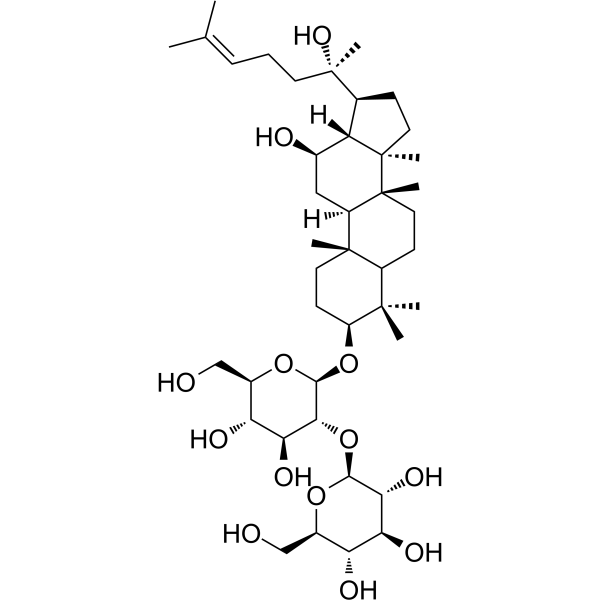
20(S)-Ginsenoside Rg3 is the main component of Panax ginseng C. A. Meyer. Ginsenoside Rg3 inhibits Na + and hKv1.4 channel with IC50s of 32.2±4.5 and 32.6±2.2 μM, respectively. 20(S)-Ginsenoside Rg3 also inhibits levels, NF-κB activity, and COX-2 expression.
loading...
    loading...
9
9 Cited Publications
Cat. No.: HY-P1240A
Synonyms: Myelin Oligodendrocyte Glycoprotein Peptide (35-55), mouse, rat TFA
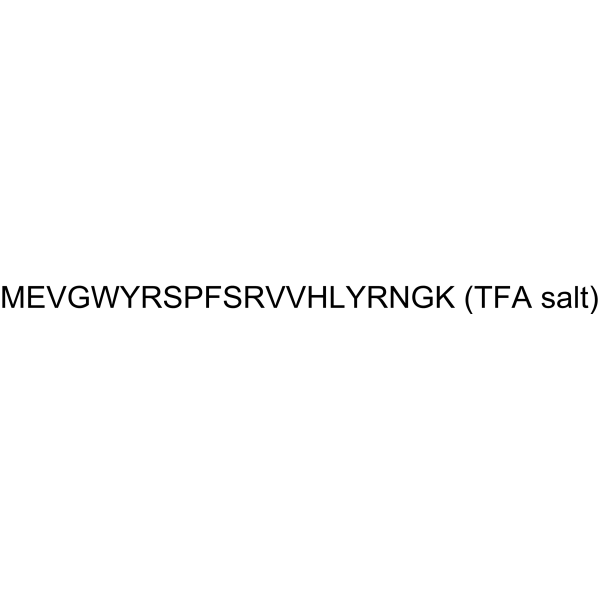
MOG (35-55) (MOG (35-55)) TFA is a minor component of CNS myelin. MOG (35-55) (TFA) has encephalitogenic activity and induces T cell proliferative. MOG (35-55) (TFA) induces Th1 cytokine response as well as relatively high levels of IgG antibodies. MOG (35-55) (TFA) produces a relapsing-remitting neurological disease with extensive plaque-like demyelination. MOG (35-55) (MOG (35-55)) TFA can be used for experimental autoimmune encephalomyelitis (EAE) modeling .
loading...
    loading...
9
9 Cited Publications
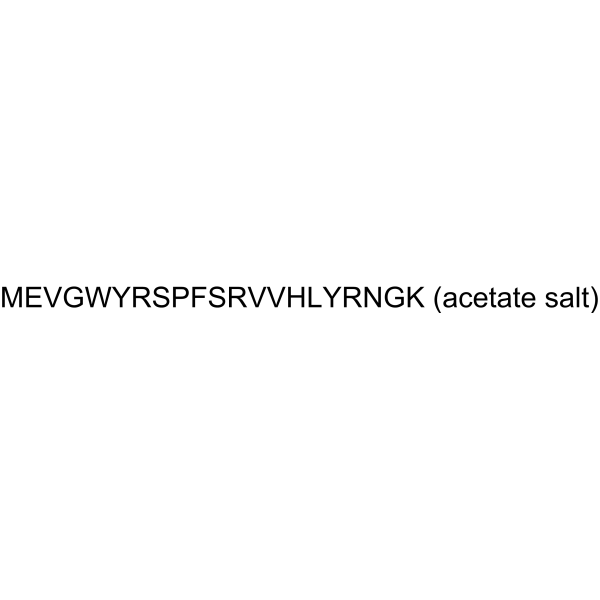
Cat. No.: HY-P1240B
Synonyms: Myelin Oligodendrocyte Glycoprotein Peptide (35-55), mouse, rat acetate
MOG (35-55) (Myelin Oligodendrocyte Glycoprotein Peptide (35-55), mouse, rat) acetate is a minor component of CNS myelin. MOG (35-55) (acetate) has encephalitogenic activity and induces T cell proliferative. MOG (35-55) (acetate) induces Th1 cytokine response as well as relatively high levels of IgG antibodies. MOG (35-55) (acetate) produces a relapsing-remitting neurological disease with extensive plaque-like demyelination. MOG (35-55) (Myelin Oligodendrocyte Glycoprotein Peptide (35-55), mouse, rat) acetate can be used for experimental autoimmune encephalomyelitis (EAE) modeling .
loading...
    loading...
9
9 Cited Publications
Cat. No.: HY-P1240
CAS No.: 149635-73-4
Synonyms: Myelin Oligodendrocyte Glycoprotein Peptide (35-55), mouse, rat
MOG (35-55) mouse, rat (Myelin Oligodendrocyte Glycoprotein Peptide (35-55), mouse, rat) is a minor component of CNS myelin. MOG (35-55) mouse, rat has encephalitogenic activity and induces T cell proliferative. MOG (35-55) mouse, rat induces Th1 cytokine response as well as relatively high levels of IgG antibodies. MOG (35-55) mouse, rat produces a relapsing-remitting neurological disease with extensive plaque-like demyelination. MOG (35-55) mouse, rat (MOG (35-55)) can be used for experimental autoimmune encephalomyelitis (EAE) modeling .
loading...
    loading...

