2216 Results for "

Toxicity Endpoints

" in MedChemExpress (MCE) Product Catalog:
Products (2216)

2216 Results for "Toxicity Endpoints" in MCE Product Catalog:

7
7 Cited Publications
Cat. No.: HY-135985
CAS No.: 2222635-15-4
Purity:  99.35%
Target:  

Fluorescent Dye

Research Areas:  

Cancer

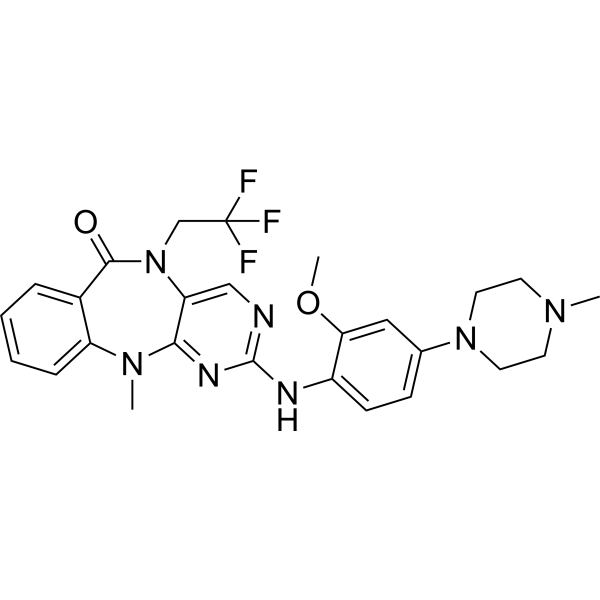
DCLK1-IN-1 is a selective, oral bioavailability in vivo-compatible chemical probe of the doublecortin like kinase 1 (DCLK1 kinase) domain. DCLK1-IN-1 inhibits DCLK1 and DCLK2 kinases (IC50: DCLK1=9.5/57.2 nM and DCLK2=31/103 nM in binding and kinase assay, respectively). DCLK1-IN-1 shows low toxicity, and can investigate DCLK1 biology and establish its role in cancer, like DCLK1 + pancreatic ductal adenocarcinoma (PDAC) .
loading...
    loading...
7
7 Cited Publications
Cat. No.: HY-110082
CAS No.: 130-89-2
Quinine hydrochloride is an alkaloid extracted from cinchona bark and exhibits oral activity, acting as a potassium channel inhibitor. Quinine hydrochloride modulates the tolerance of red blood cells and presents dose-dependent toxicity and embryonic effects. Quinine hydrochloride is a typical hemolysin that directly lyses red blood cells, with cellular components of red blood cell membranes as its action targets. Quinine hydrochloride disrupts red blood cell membranes and induces hemolysis at high concentrations, while merely weakening the anti-hemolytic capacity of red blood cells at low concentrations. Quinine hydrochloride continuously reduces red blood cell tolerance after in vivo administration, and high doses can also alter blood cell counts. Quinine hydrochloride can be applied to researches related to red blood cell hemolysis, cancer and malaria .
loading...
    loading...
7
7 Cited Publications
Cat. No.: HY-D1063
CAS No.: 207399-07-3
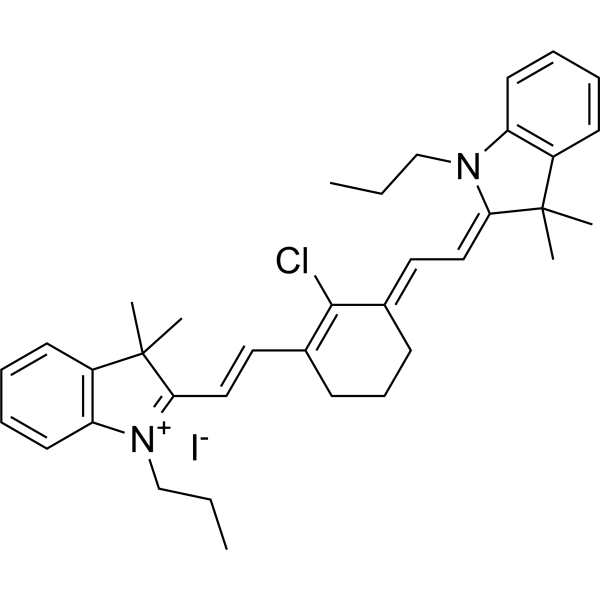
IR-780 is a near-infrared fluorescent probe for in vivo imaging of tumor cells. IR-780 is transported into tumor cells via OATPs and ABCB10, with uptake dependent on glycolytic activity and plasma membrane potential. IR-780 preferentially accumulates in tumor cell mitochondria, including those of drug-resistant cancer cells, without chemical conjugation. IR-780 generates reactive oxygen species (ROS), induces hyperthermia and apoptosis, inhibits tumor growth and recurrence, and modulates HSP70 expression upon ultrasound or 808 nm laser exposure. IR-780 acts as a sonosensitizer, photodynamic and photothermal agent, and drug delivery carrier, with low acute imaging-dose toxicity and rapid vital organ clearance. IR-780 can be used for the research of cancer, such as breast cancer, lung cancer, and non-small cell lung cancer (NSCLC) .
loading...
    loading...
6
6 Cited Publications
Cat. No.: HY-B0525A
CAS No.: 4800-94-6
Synonyms: Sodium carbenicillin
Target:  

Antibiotic Bacterial

Research Areas:  

Infection

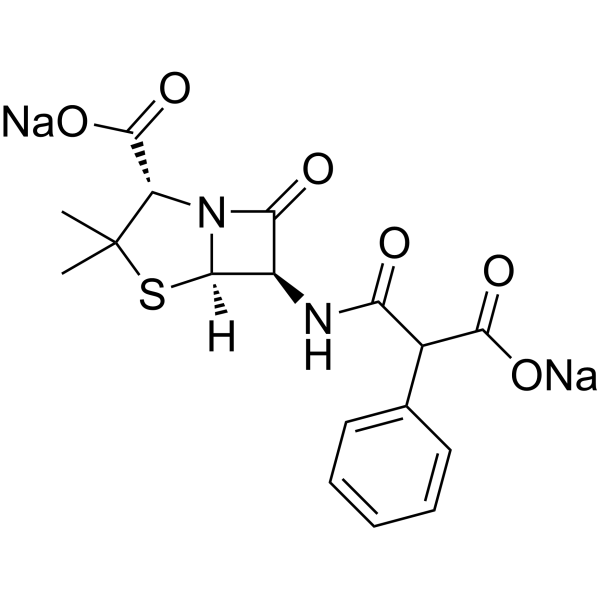
Carbenicillin disodium (Sodium carbenicillin) is a broad-spectrum semi-synthetic penicillin antibiotic for gram-negative bacteria. Carbenicillin disodium can interfere the cell wall synthesis while displaying low toxicity to plant tissue .
loading...
    loading...
6
6 Cited Publications
Cat. No.: HY-N1373
CAS No.: 6882-68-4
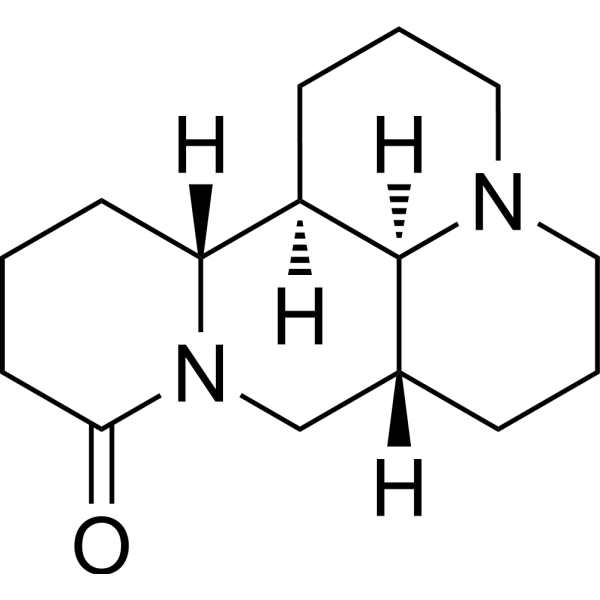
Sophoridine is a quinolizidine alkaloid isolated from Leguminous plant Sophora flavescens. Sophoridine induces apoptosis. Sophoridine has the potential to be a novel, potent and selective antitumor agent candidate for pancreatic cancer with well-tolerated toxicity .
loading...
    loading...
6
6 Cited Publications
Cat. No.: HY-116387A
CAS No.: 30711-93-4
Purity:  98.16%
Synonyms: BRL 6231
Research Areas:  

Infection

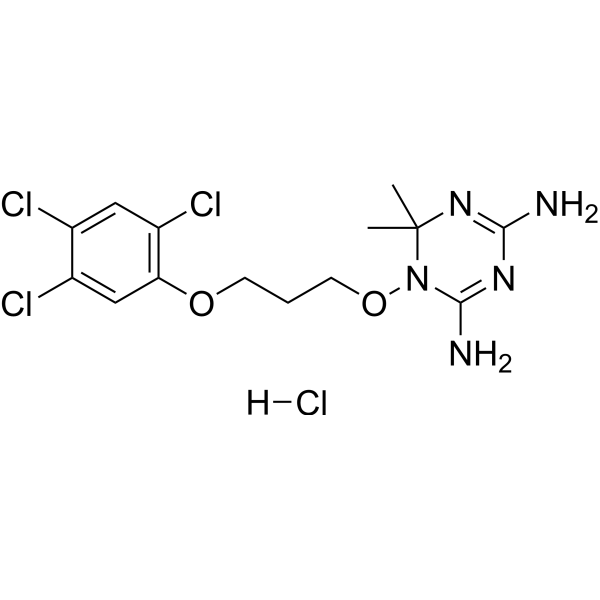
WR99210 hydrochloride is an orally active and low-toxicity dihydrofolate reductase (DHFR) inhibitor (IC50<0.075 nM). WR99210 hydrochloride shows good antiparasitic activity and is effective against P. falciparum and P. falciparum strains as well as T. gondii .
loading...
    loading...
6
6 Cited Publications
Cat. No.: HY-116387
CAS No.: 47326-86-3
Purity:  99.10%
Synonyms: BRL 6231 free base
Research Areas:  

Infection

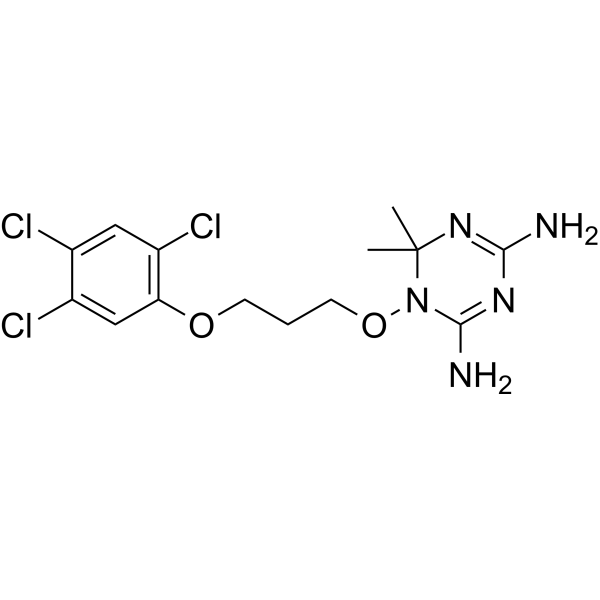
WR99210 is an orally active and low-toxicity dihydrofolate reductase (DHFR) inhibitor (IC50<0.075 nM). WR99210 shows good antiparasitic activity and is effective against P. falciparum and P. falciparum strains (including Pyrimethamine< (HY-18062)-resistant P. falciparum strains) as well as T. gondii .
loading...
    loading...
6
6 Cited Publications
Cat. No.: HY-100433
CAS No.: 1401089-31-3
Purity:  99.32%
Target:  

PDI

Research Areas:  

Cancer

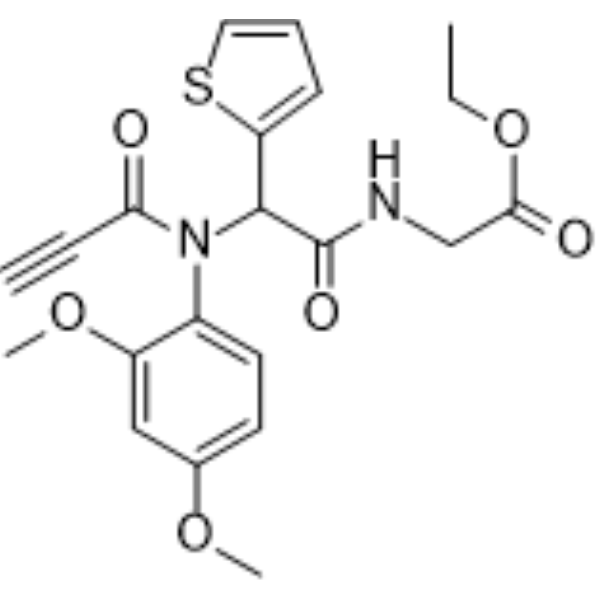
PACMA 31 is an irreversible, orally active protein disulfide isomerase (PDI) inhibitor with an IC50 of 10 μM. PACMA 31 forms a covalent bond with the active site cysteines of PDI. PACMA 31 shows tumor targeting ability and significantly suppresses ovarian tumor growth without causing toxicity to normal tissues . PACMA 31 is a click chemistry reagent, it contains an Alkyne group and can undergo copper-catalyzed azide-alkyne cycloaddition (CuAAc) with molecules containing Azide groups.
loading...
    loading...
6
6 Cited Publications
Cat. No.: HY-115576
CAS No.: 1809031-84-2
Purity:  99.54%
Research Areas:  

Neurological Disease Cancer

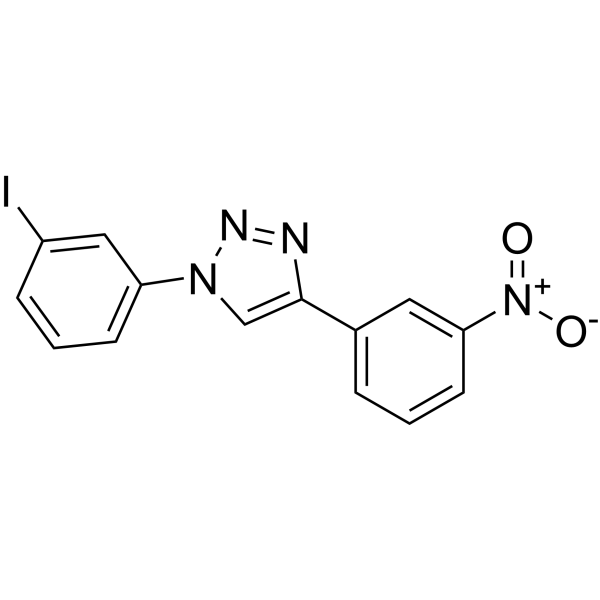
P62-mediated mitophagy inducer (PMI) is a P62-mediated mitophagy activator. P62-mediated mitophagy inducer activates mitochondrial autophagy without recruitment of Parkin or collapse of the mitochondrial membrane potential and remains active in cells lacking a fully functional PINK1/Parkin pathway. P62-mediated mitophagy inducer serves as a pharmacological tool to study the molecular mechanisms of mitosis, avoiding toxicity and some of the non-specific effects associated with the sudden dissipation of mitochondria lacking membrane potential .
loading...
    loading...
6
6 Cited Publications
Cat. No.: HY-B0742
CAS No.: 630-56-8
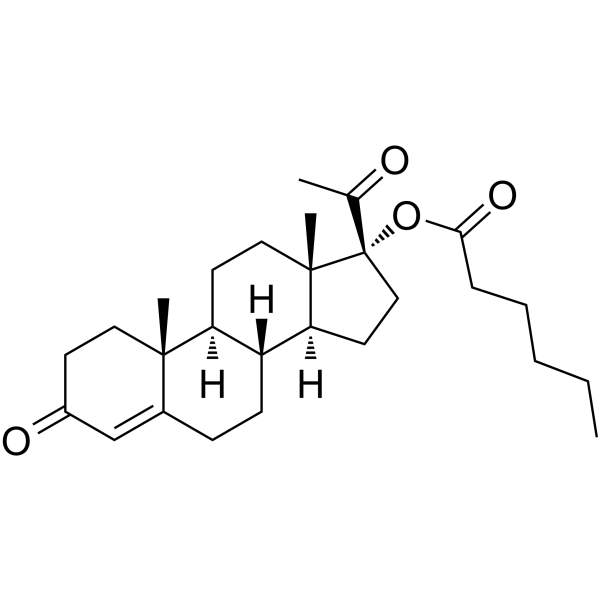
Synonyms: 17α-Hydroxyprogesterone hexanoate; 17α-Hydroxyprogesterone caproate
Target:  

Progesterone Receptor

Research Areas:  

Endocrinology

Hydroxyprogesterone caproate (17α-Hydroxyprogesterone hexanoate; 17α-Hydroxyprogesterone caproate) is a progesterone receptor (progesterone receptor) ligand and steroid hormone transcription inhibitor. Hydroxyprogesterone caproate downregulates estrogen receptors in target tissues and activates their metabolic pathways, and exhibits equivalent affinity for progesterone receptor A and progesterone receptor B. Hydroxyprogesterone caproate shows no consistent teratogenicity or developmental toxicity in rat, mouse and monkey models, but induces resorption or abortion in rhesus monkeys at human-equivalent doses. Hydroxyprogesterone caproate promotes the production of TNF-α in lipopolysaccharide-stimulated whole blood from non-pregnant women. Hydroxyprogesterone caproate can be used in scientific research related to preterm birth .
loading...
    loading...
6
6 Cited Publications
Cat. No.: HY-B0366A
CAS No.: 969-33-5
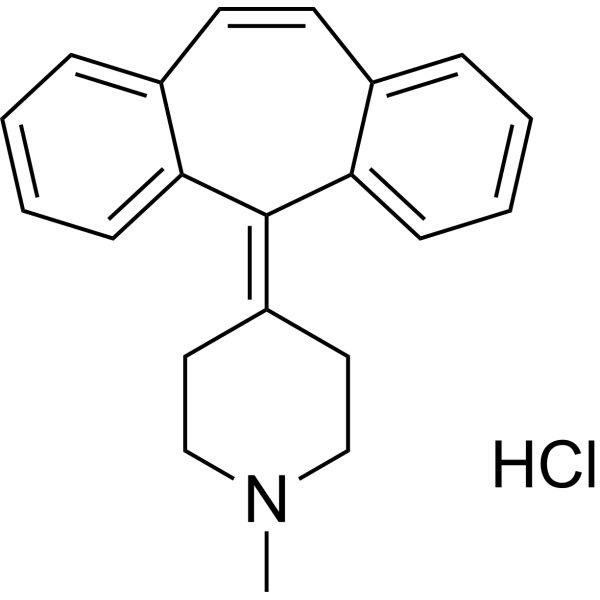
Synonyms: Cyproheptadine HCl
Cyproheptadine hydrochloride (Cyproheptadine HCl) acts as a p38 MAP kinase activator, CHK2 activator, histamine H1 receptor inhibitor and serotonin receptor inhibitor. Cyproheptadine hydrochloride mediates cell cycle arrest via G1 phase arrest, G1/S transition arrest, G0/G1 phase arrest, reduced expression of cyclins D1/D2/D3, upregulated expression of HBP1, p16, p21, p27, and decreased phosphorylation of retinoblastoma protein. Cyproheptadine hydrochloride induces Apoptosis by increasing PARP and cleaved PARP, as well as activating the mitochondrial caspase pathway. Cyproheptadine hydrochloride inhibits tumor growth with extremely low toxicity to normal cells. Cyproheptadine hydrochloride can be used in research related to hepatocellular carcinoma, multiple myeloma and acute myeloid leukemia .
loading...
    loading...
6
6 Cited Publications
Cat. No.: HY-B1622
CAS No.: 129-03-3
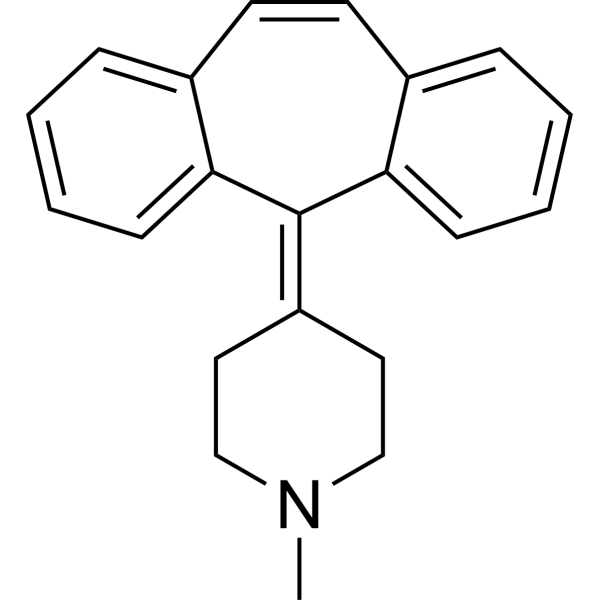
Cyproheptadine acts as a p38 MAP kinase activator, CHK2 activator, histamine H1 receptor inhibitor and serotonin receptor inhibitor. Cyproheptadine mediates cell cycle arrest via G1 phase arrest, G1/S transition arrest, G0/G1 phase arrest, reduced expression of cyclins D1/D2/D3, upregulated expression of HBP1, p16, p21, p27, and decreased phosphorylation of retinoblastoma protein. Cyproheptadine induces Apoptosis by increasing PARP and cleaved PARP, as well as activating the mitochondrial caspase pathway. Cyproheptadine inhibits tumor growth with extremely low toxicity to normal cells. Cyproheptadine can be used in research related to hepatocellular carcinoma, multiple myeloma and acute myeloid leukemia .
loading...
    loading...
6
6 Cited Publications
Cat. No.: HY-B1165
CAS No.: 41354-29-4
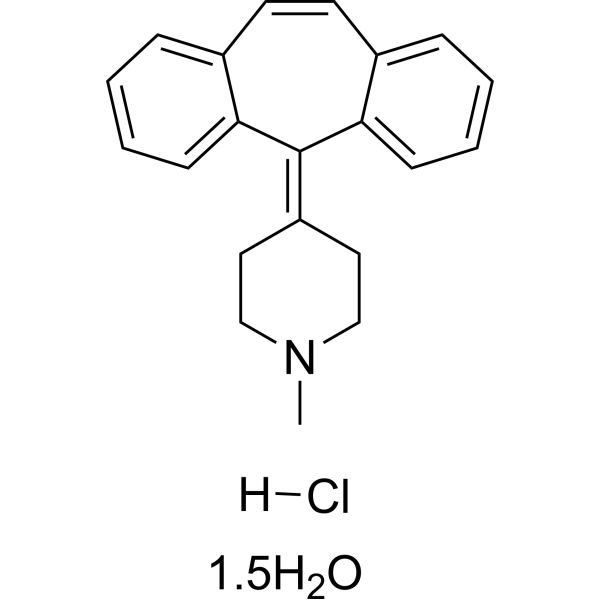
Cyproheptadine hydrochloride sesquihydrate acts as a p38 MAP kinase activator, CHK2 activator, histamine H1 receptor inhibitor and serotonin receptor inhibitor. Cyproheptadine hydrochloride sesquihydrate mediates cell cycle arrest via G1 phase arrest, G1/S transition arrest, G0/G1 phase arrest, reduced expression of cyclins D1/D2/D3, upregulated expression of HBP1, p16, p21, p27, and decreased phosphorylation of retinoblastoma protein. Cyproheptadine hydrochloride sesquihydrate induces Apoptosis by increasing PARP and cleaved PARP, as well as activating the mitochondrial caspase pathway. Cyproheptadine hydrochloride sesquihydrate inhibits tumor growth with extremely low toxicity to normal cells. Cyproheptadine hydrochloride sesquihydrate can be used in research related to hepatocellular carcinoma, multiple myeloma and acute myeloid leukemia .
loading...
    loading...
5
5 Cited Publications
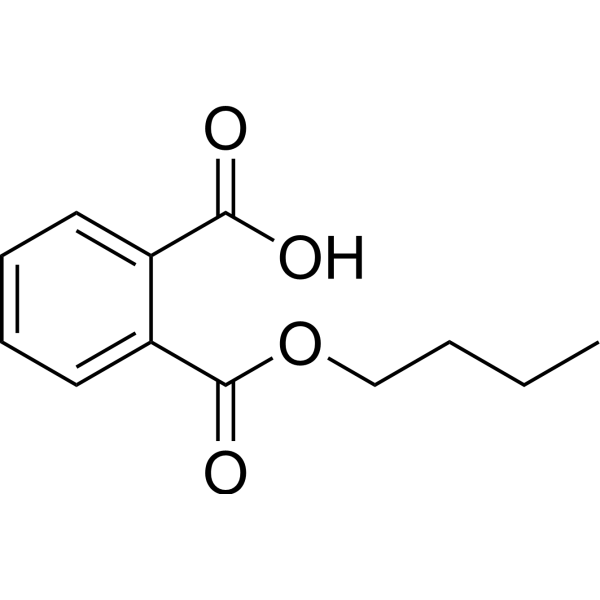
Cat. No.: HY-N7143
CAS No.: 131-70-4
Monobutyl phthalate is an orally active metabolite of Di-n-butyl phthalate (HY-Y0304) and an embryotoxic agent. Monobutyl phthalate regulates mesodermal lineage gene expression, inhibits uterine decidualization, reduces fetal testosterone levels without directly binding to the androgen receptor, and induces teratogenic effects during organogenesis. Monobutyl phthalate induces testicular oxidative stress and sperm abnormalities. Monobutyl phthalate can be used in studies of developmental toxicity and male reproductive toxicity .
loading...
    loading...
5
5 Cited Publications
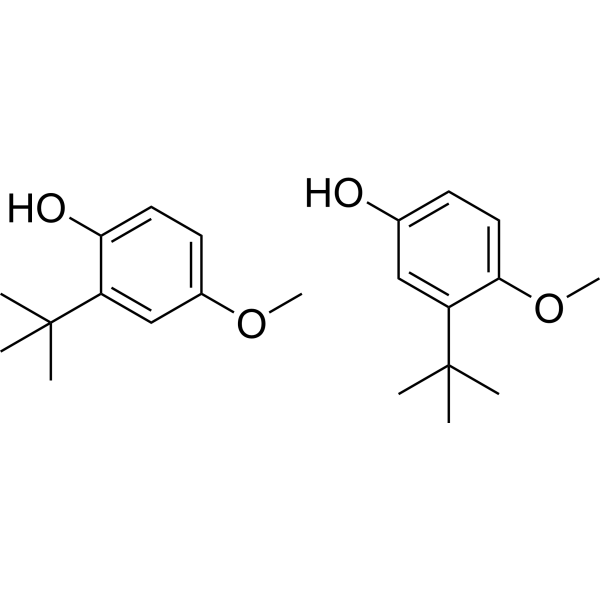
Cat. No.: HY-B1066
CAS No.: 25013-16-5
Synonyms: Butylated hydroxyanisole; E320
Butylhydroxyanisole (Butylated hydroxyanisole) is an antioxidant used as a food additive preservative. Butylhydroxyanisole mediates liver toxicity, retardation in reproductive organ development and learning, and sleep deficit. Butylhydroxyanisole exerts neurotoxic effects and leads to disruption of the brain and nerve development . Butylhydroxyanisole is a ferroptosis inducer .
loading...
    loading...
5
5 Cited Publications
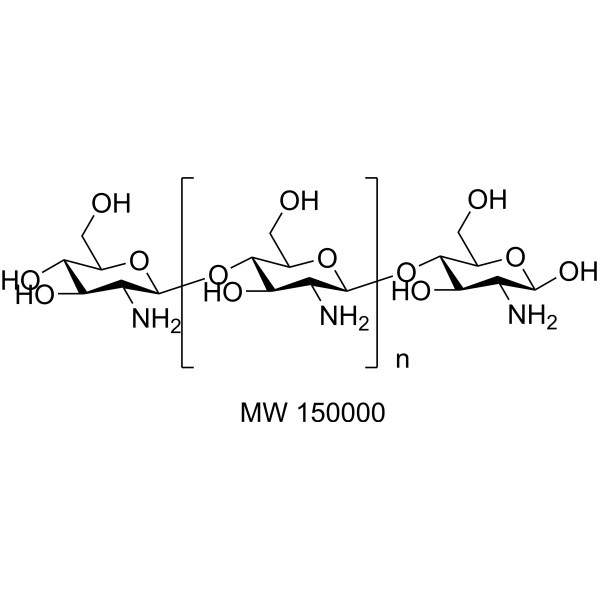
Cat. No.: HY-B2144A
CAS No.: 9012-76-4
Synonyms: Deacetylated chitin (MW 150000) (≥85% deacetylated); Poly(D-glucosamine) (MW 150000) (≥85% deacetylated)
Research Areas:  

Infection Cancer

Chitosan (MW 150000) (Deacetylated chitin (MW 150000)) is a polycationic linear polysaccharide derived from chitin with the molecular weight of 150000. Chitosan is an versatile biomaterial because of its non-toxicity, low allergenicity, biocompatibility and biodegradability. Chitosan also has antitumor, antibacterial, antifungal, and antioxidant activities .
loading...
    loading...
5
5 Cited Publications
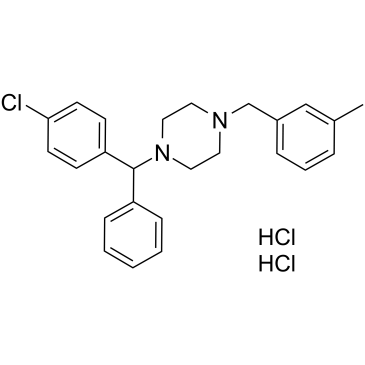
Cat. No.: HY-B0349
CAS No.: 1104-22-9
Synonyms: Meclozine dihydrochloride
Meclizine (Meclozine) dihydrochloride, an antihistamine, reversibly inhibits the interaction of histamine at the H1 receptors. Meclizine dihydrochloride is a member of the piperazine class of H1 antagonists. Meclizine dihydrochloride is an effective anti-motion sickness agent. Meclizine dihydrochloride crosses the blood-brain barrier. Meclizine dihydrochloride can be used for the research of polyQ toxicity disorders, such as Huntington's disease. Meclizine dihydrochloride is an agonist ligand for mouse constitutive androstane receptor (CAR) and an inverse agonist for Human CAR .
loading...
    loading...
5
5 Cited Publications
Cat. No.: HY-Y0836
CAS No.: 123-25-1
Synonyms: Diethyl Butanedioate
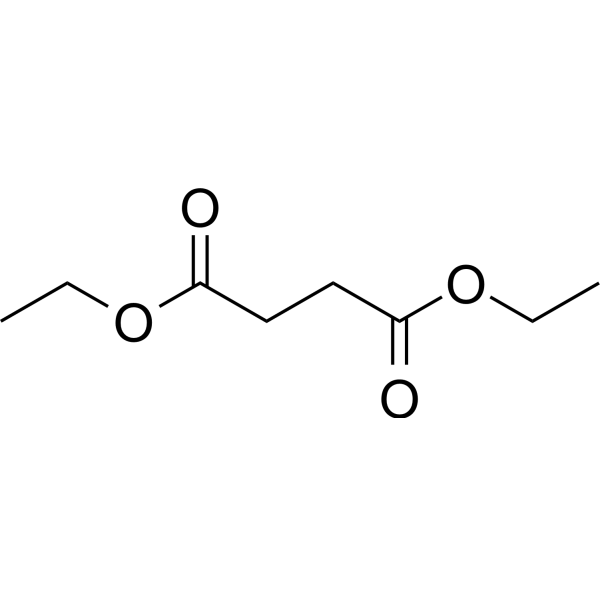
Diethyl succinate (Diethyl Butanedioate) can be utilized at physiological pH, allowing it to penetrate biological membranes and integrate into the cells of tissue cultures, where it is metabolized via the tricarboxylic acid cycle. Diethyl succinate modulates the polarization and activation of microglial cells by reducing mitochondrial fission and the levels of reactive oxygen species (ROS), thereby exerting an inflammatory protective effect in primary microglial cells. Furthermore, Diethyl succinate is non-toxic and can be used in flavorings and seasonings .
loading...
    loading...
5
5 Cited Publications
Cat. No.: HY-10209
CAS No.: 790299-79-5
Purity:  99.95%
Synonyms: AB1010
Research Areas:  

Cancer

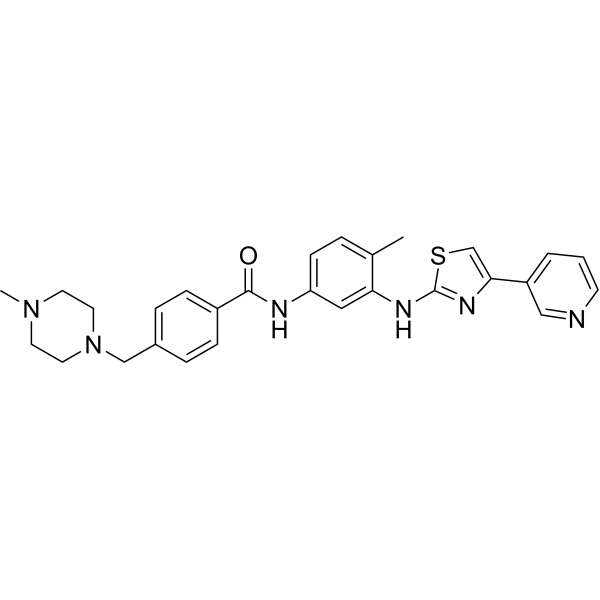
Masitinib (AB1010) is a potent, orally bioavailable, and selective inhibitor of c-Kit (IC50=200 nM for human recombinant c-Kit). It also inhibits PDGFRα/β (IC50s=540/800 nM), Lyn (IC50= 510 nM for LynB), Lck, and, to a lesser extent, FGFR3 and FAK. Masitinib (AB1010) has anti-proliferative, pro-apoptotic activity and low toxicity .
loading...
    loading...
5
5 Cited Publications
Cat. No.: HY-10209A
CAS No.: 1048007-93-7
Purity:  99.51%
Synonyms: AB-1010 mesylate
Target:  

c-Kit PDGFR Src FGFR Apoptosis

Research Areas:  

Cancer

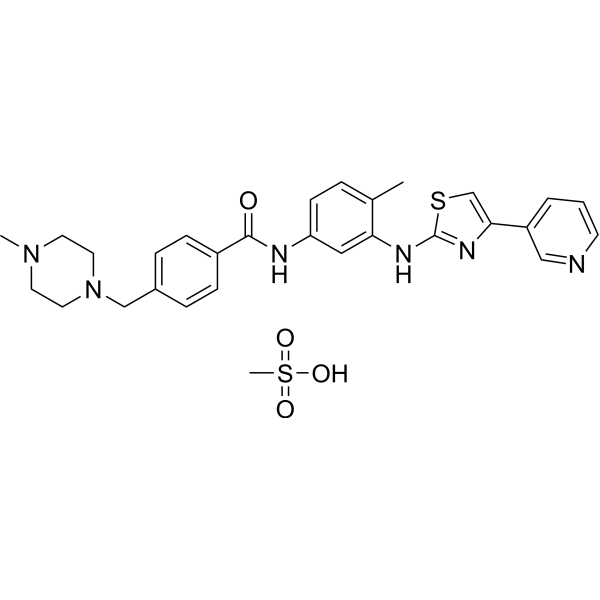
Masitinib mesylate (AB-1010 mesylate) is a potent, orally bioavailable, and selective inhibitor of c-Kit (IC50=200 nM for human recombinant c-Kit). It also inhibits PDGFRα/β (IC50s=540/800 nM), Lyn (IC50= 510 nM for LynB), Lck, and, to a lesser extent, FGFR3 and FAK. Masitinib mesylate (AB-1010 mesylate) has anti-proliferative, pro-apoptotic activity and low toxicity .
loading...
    loading...

