12234 Results for "

alpha

" in MedChemExpress (MCE) Product Catalog:
Products (12234)

12234 Results for "alpha" in MCE Product Catalog:

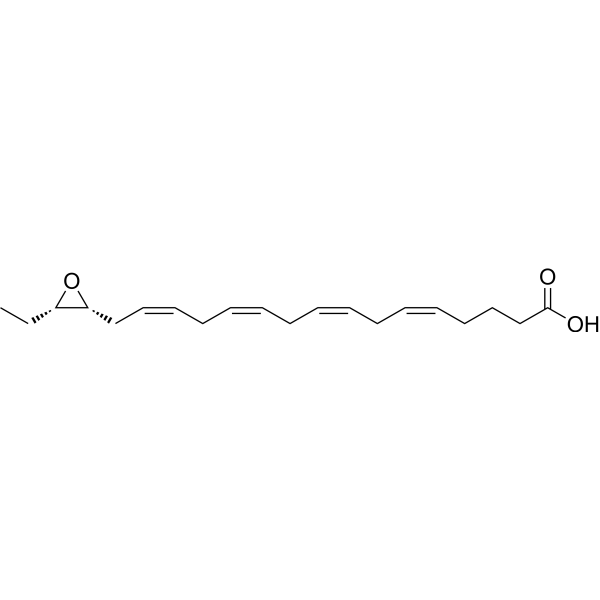
Cat. No.: HY-113040A
CAS No.: 725246-18-4
Purity:  ≥93.0%
Synonyms: 17(R),18(S)-EETeTr
Target:  

Calcium Channel

Research Areas:  

Cardiovascular Disease

(17R,18S)-Epoxyeicosatetraenoic acid (17 (R),18 (S)-EETeTr) is a physiologically active fatty acid metabolite and also a vasodilator targeting BKα. (17R,18S)-Epoxyeicosatetraenoic acid activates the outward potassium current mediated by BK channels, and this effect is independent of the BKβ1 subunit, intracellular/extracellular calcium levels, and sarcoplasmic reticulum calcium release regulated by RyR3. (17R,18S)-Epoxyeicosatetraenoic acid is produced by the epoxidation of eicosapentaenoic acid mediated by CYP1A1 variants. (17R,18S)-Epoxyeicosatetraenoic acid is applicable to research related to arrhythmia .
loading...
    loading...
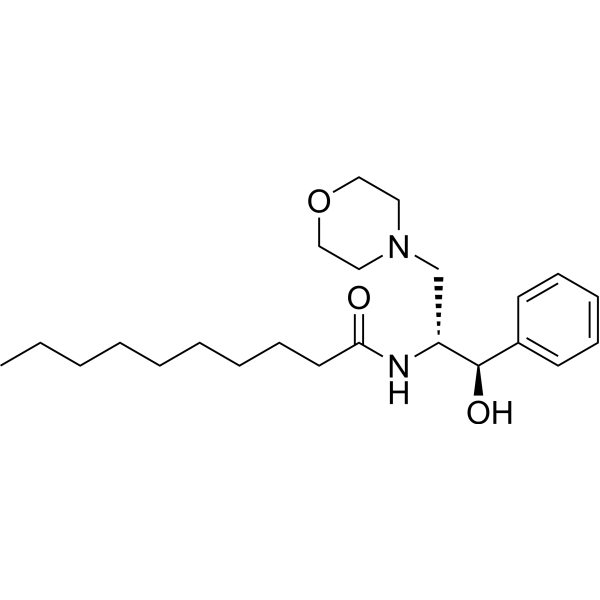
Cat. No.: HY-116392E
CAS No.: 109836-82-0
D-threo-PDMP is a potent glucoceramide synthase (GCS) inhibitor, which reduces the glycosphingolipids (such as GM3 and GD3) on the cell surface by inhibiting glycosylation, reduces the total length of the axon plexus and the number of axon branch points, and inhibits neurite growth. D-threo-PDMP inhibits the synthesis of GM3, thereby reducing the adhesion ability of B16 melanoma cells and mimicking the pathological effects of hyperglycemia/TGF-β1. D-threo-PDMP inhibits the synthesis of GD3, thereby protecting liver cells from apoptosis induced by TNF-α. D-threo-PDMP can be used to study diseases related to targeted glycosphingolipid metabolism .
loading...
    loading...
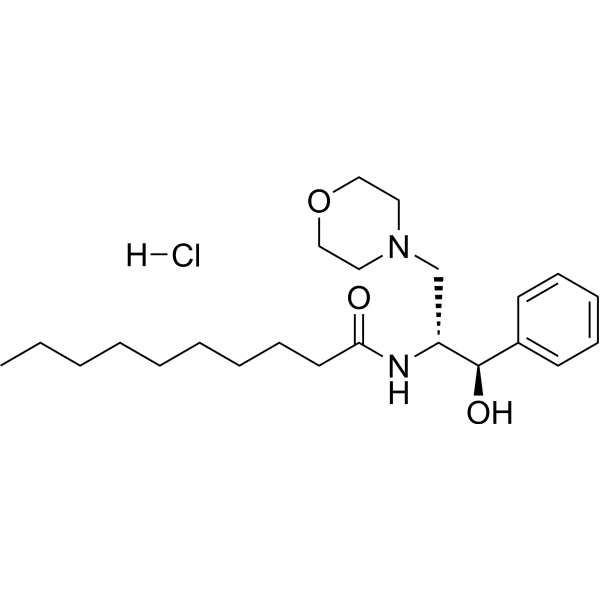
Cat. No.: HY-116392F
CAS No.: 139889-62-6
Purity:  ≥98.0%
D-threo-PDMP hydrochloride is a potent glucoceramide synthase (GCS) inhibitor, which reduces the glycosphingolipids (such as GM3 and GD3) on the cell surface by inhibiting glycosylation, reduces the total length of the axon plexus and the number of axon branch points, and inhibits neurite growth. D-threo-PDMP hydrochloride inhibits the synthesis of GM3, thereby reducing the adhesion ability of B16 melanoma cells and mimicking the pathological effects of hyperglycemia/TGF-β1. D-threo-PDMP hydrochloride inhibits the synthesis of GD3, thereby protecting liver cells from apoptosis induced by TNF-α. D-threo-PDMP hydrochloride can be used to study diseases related to targeted glycosphingolipid metabolism .
loading...
    loading...
Cat. No.: HY-117063
CAS No.: 145204-80-4
Target:  

5-HT Receptor

Research Areas:  

Endocrinology

LEK 8841 methanesulfonate is a gastrointestinal calming agent with strong selective 5-HT2 receptor antagonist activity. The antipsychotic potential of LEK 8841 has made it the focus of research into alternative medicines. LEK 8841 behaves as a pure competitive antagonist in response to 5-HT and norepinephrine, with pA2 values of 7.93 and 6.45, respectively. The selectivity of LEK 8841 is better than that of the comparative drug ketanserin, making it an important reference value in corresponding receptor research. Studies related to structural modifications have shown that LEK 8841 exhibits high affinity for 5-HT2 receptors and low alpha-adrenergic receptor activity .
loading...
    loading...
Cat. No.: HY-122566
CAS No.: 903864-87-9
Synonyms: ZINC666243
Research Areas:  

Cancer

SMU127 is an agonist of the toll-like receptor 1/2 (TLR1/2) heterodimer. It induces NF-κB signaling in cells expressing human TLR2 (EC50=0.55 μM) but not cells expressing human TLR3, -4, -5, -7, or -8 when used at concentrations ranging from 0.1 to 100 μM. SMU127 induces the production of TNF-α in isolated human peripheral blood mononuclear cells (PBMCs) when used at concentrations ranging from 0.01 to 1 μM. In vivo, SMU127 (0.1 mg/animal) reduces tumor volume in a 4T1 murine mammary carcinoma model.
loading...
    loading...
Cat. No.: HY-12642AR
CAS No.: 90-89-1
Diethylcarbamazine (Standard) is the analytical standard of Diethylcarbamazine (HY-12642A). This product is intended for research and analytical applications. Diethylcarbamazine is an orally active microfilaricidal agent used originally in onchocerciasis and lymphatic filiariasis. Diethylcarbamazine reduces eosinophil trafficking to the lung tissue and exerts anti-allergic effects. Diethylcarbamazine reduces serum levels of leptin, TNF-α, IL-6, MCP-1, glucose, insulin, and triglycerides, and ameliorates insulin resistance without altering body, liver, or adipose tissue weights. Diethylcarbamazine enhances reactive oxygen intermediate expression by polymorphonuclear neutrophils, increases lymphocyte proliferation, and inhibits actinomycetoma lesion development. Diethylcarbamazine can be used for the researches of bronchial asthma, insulin resistance and infection .
loading...
    loading...
Cat. No.: HY-134058S
Synonyms: Butylethylcarbinol-d4
3-Heptanol-d4 (Butylethylcarbinol-d4) is the deuterium labeled 3-Heptanol (HY-134058). 3-Heptanol is a biotransformation product of n-heptane. 3-Heptanol can act as the building block in the synthesis of 4-(3-adamantan-1-yl-ureido)-butyric acid and cyclohexanecarboxylic acid derivatives as sEH inhibitors. 3-Heptanol can be used as a solvent to form microenvironments around single-walled carbon nanotubes. 3-Heptanol can be used in the preperation of substituted pyrimidine derivatives as C1 domain-targeted isophthalate analogs to study their binding affinities towards PKCα isoform .
loading...
    loading...
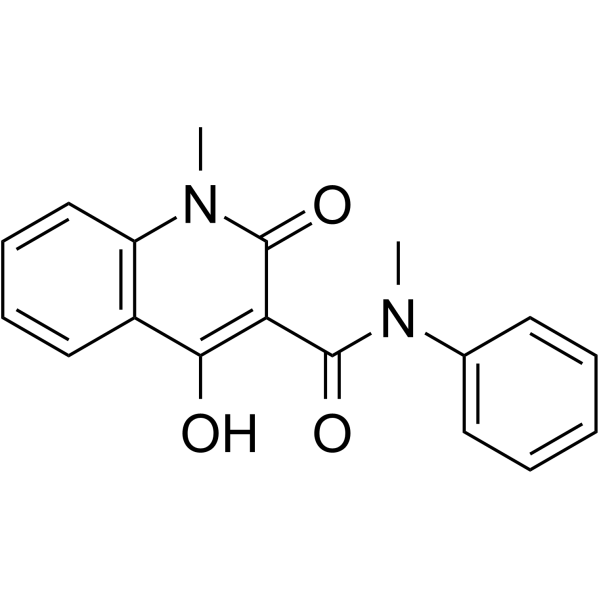
Cat. No.: HY-13743
CAS No.: 84088-42-6
Purity:  99.69%
Synonyms: Linomide; FCF89; ABR212616
Roquinimex (Linomide) is an orally active immunomodulator with antineoplastic, anti-inflammatory, and antiangiogenic activity. Roquinimex suppresses TH1 lymphocyte cytokines (IL-2, IFN-γ), promotes TH2 lymphocyte cytokines (IL-4, IL-10), increases NK cell, activated monocyte, and T cell activity. Roquinimex blocks macrophage TNF-α production and suppresses IL-1/IL-6 secretion. Roquinimex exhibits in vivo antitumour activity, suppresses rodent autoimmune disease signs, and ameliorates murine colitis and psoriasis. Roquinimex can be used for the research of leukemia, inflammatory bowel disease, multiple sclerosis, and psoriasis .
loading...
    loading...
Cat. No.: HY-138834
CAS No.: 1042673-20-0
JH-I-25 is an orally active IRAK1 and IRAK4 inhibitor. JH-I-25 inhibits LPS-induced IRAK4 phosphorylation, IRAK1 degradation, MAPK activation, and the expression of proinflammatory cytokines TNF-α and IL-6 in lung tissues. JH-I-25 improves the survival rate of LPS-induced septic mice and serves as an IRAK4 recruiter in the design of proteolysis-targeting chimeric molecules. JH-I-25 can be used in research related to diffuse large B-cell lymphoma, Waldenström's macroglobulinemia, septic shock, rheumatoid arthritis, atherosclerosis, Alzheimer's disease, acute lung injury, sepsis, and psoriasis .
loading...
    loading...
Cat. No.: HY-139972
CAS No.: 2761281-50-7
Purity:  99.42%
PROTAC (H-PGDS)-7 is a selective, linker-free H-PGDS PROTAC degrader with a DC50 of 17.3 pM. PROTAC (H-PGDS)-7 binds to CRBN and forms a ternary complex with H-PGDS, inducing the degradation of H-PGDS via the ubiquitin-proteasome system through polyubiquitination and proteasomal degradation processes. PROTAC (H-PGDS)-7 inhibits the upregulated expression of TNFα, IL-1β, TGFβ1 and CD11b in mice with cardiac hypertrophy models. PROTAC (H-PGDS)-7 can be used in studies related to Duchenne muscular dystrophy and allergic diseases .
loading...
    loading...
Cat. No.: HY-141582S
CAS No.: 1354806-91-9
Synonyms: N-Stearoyl phytosphingosine-d3
Ceramide 3-d3 (N-Stearoyl phytosphingosine-d3) is deuterium labeled Ceramide 3. Ceramide 3 is an orally active major component of intercellular lipids in the stratum corneum of the skin, and belongs to the ceramide family. Ceramide 3 inhibits c-jun and NF-κB activation induced by Histamine (HY-B1204), and suppresses the expression of IL-4 and TNF-α. Ceramide 3 inhibits scratching behavior and vascular permeability in mice, and exhibits antihistamine effects in guinea pig ileum. Ceramide 3 improves skin barrier function, reduces transepidermal water loss, erythema and the number of circulating epidermal cells, and accelerates barrier repair of irritated or dysfunctional skin.
loading...
    loading...
Cat. No.: HY-147898
CAS No.: 2458163-92-1
Target:  

PI3K Apoptosis

Research Areas:  

Cancer

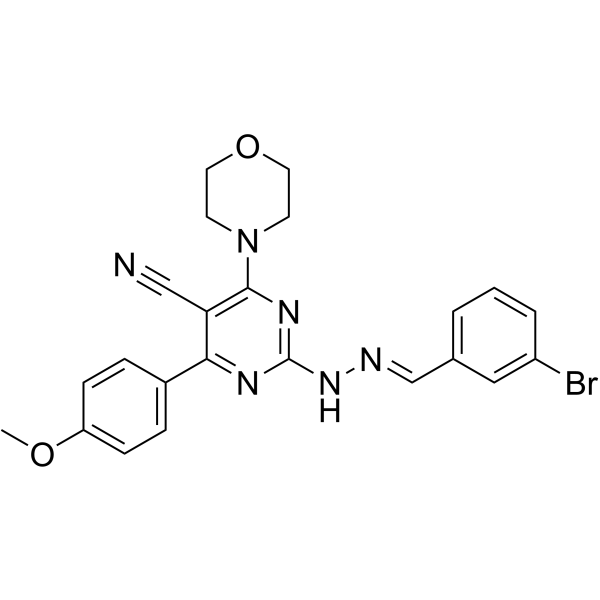
PI3K-IN-33 (Compound 6e) is a highly selective PI3K inhibitor with IC50 values of 11.73, 6.09 and 11.18 μM for PI3K-α、PI3K-β and PI3K-δ , respectively. PI3K-IN-33 arrests cell cycle at G2/M phase and induces apoptosis. PI3K-IN-33 can be used in leukemia research .
loading...
    loading...
Cat. No.: HY-147899
CAS No.: 2458163-94-3
Target:  

PI3K Apoptosis

Research Areas:  

Cancer

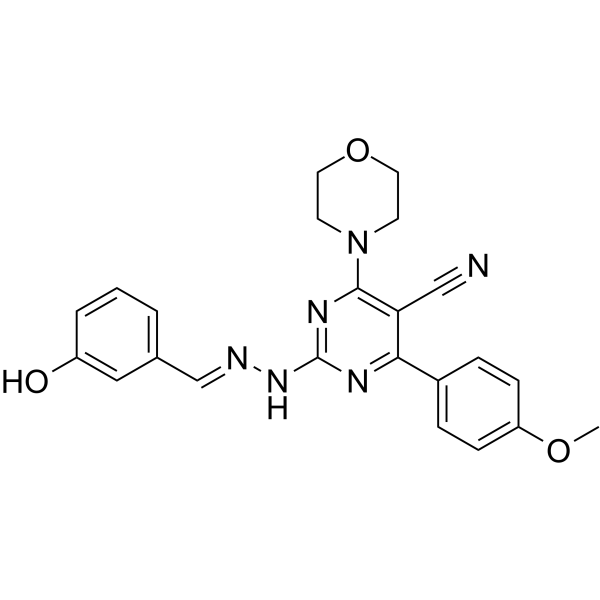
PI3K-IN-34 (Compound 6g) is a highly selective PI3K inhibitor with IC50 values of 11.73, 6.09 and 11.18 μM for PI3K-α、PI3K-β and PI3K-δ , respectively. PI3K-IN-34 arrests cell cycle at G2/M phase and induces apoptosis. PI3K-IN-34 can be used in leukemia research .
loading...
    loading...
Cat. No.: HY-147900
CAS No.: 2458163-99-8
Target:  

PI3K Apoptosis

Research Areas:  

Cancer

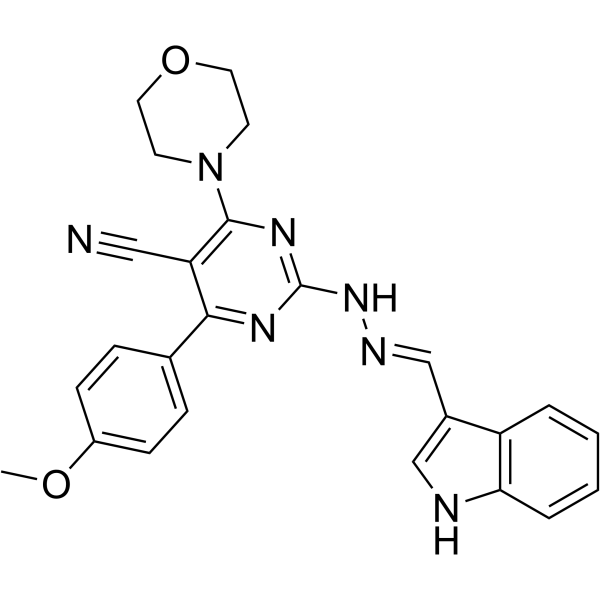
PI3K-IN-35 (Compound 6l) is a highly selective PI3K inhibitor with IC50 values of 13.98, 7.22 and 10.94 μM for PI3K-α、PI3K-β and PI3K-δ, respectively. PI3K-IN-35 arrests cell cycle at G2/M phase and induces apoptosis. PI3K-IN-35 can be used in leukemia research .
loading...
    loading...
Cat. No.: HY-149521
Target:  

PI3K

Research Areas:  

Cancer

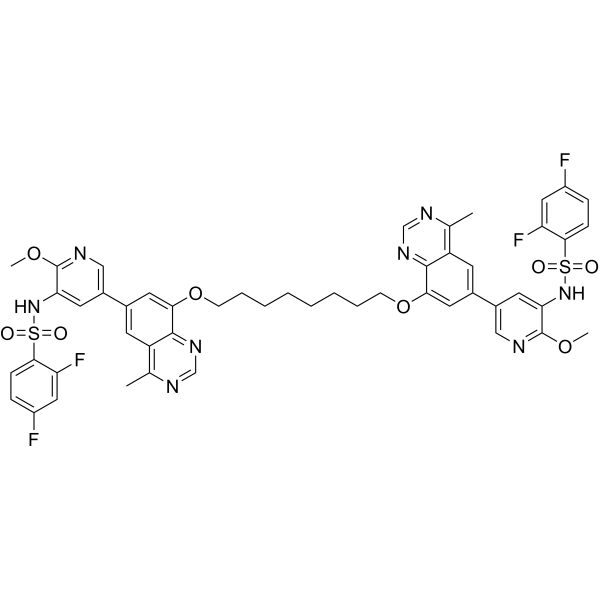
PI3K-IN-47 (Compound 27) is a bivalent PI3K inhibitor (IC50: 0.44 nM for PI3Kα, 7.18 nM, 13.92 nM, 22.83 nM for PI3Kβ, PI3Kγ, PI3Kδ). PI3K-IN-47 induces cell cycle arrest in G1 phase, inhibits colony formation and cell migration. PI3K-IN-47 inhibits tumor growth in HGC-27 xenograft mice .
loading...
    loading...
Cat. No.: HY-153703
CAS No.: 2575863-25-9
Target:  

PI3K

Research Areas:  

Cancer

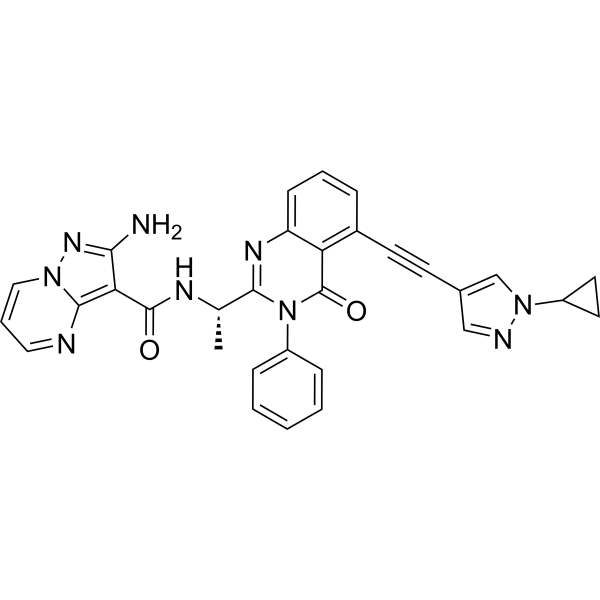
PI3Kγ inhibitor 7 (compound 2) is a potent and orally active PI3Kγ inhibitor with IC50 values of 4768, 878.1, 3.42, 355.2 nM for PI3Kα, PI3Kβ, PI3Kγ, PI3Kδ, respectively. PI3Kγ inhibitor 7 shows antitumor activity . PI3Kγ inhibitor 7 is a click chemistry reagent, it contains an Alkyne group and can undergo copper-catalyzed azide-alkyne cycloaddition (CuAAc) with molecules containing Azide groups.
loading...
    loading...
Cat. No.: HY-165478
CAS No.: 155651-56-2
Target:  

5 alpha Reductase

Research Areas:  

Endocrinology

FCE 28260 is an orally active 4-azacyclic 5α-reductase (5αR) inhibitor. FCE 28260 exhibits IC₅₀ values for human 5αR type 1 and 5αR type 2 of 36 and 3.3 nM, respectively, and for human and rat prostates with IC₅₀ values of 16 and 15 nM, respectively. FCE 28260 simultaneously blocks the production of dihydrotestosterone (DHT) in the prostate and peripheral tissues. FCE 28260 can significantly inhibit the induction of prostatic and seminal vesicle hyperplasia by testosterone (T) in rat models, without inhibiting the growth of the prostate in DHT implantation models. FCE 28260 can be used for the studies DHT-dependent diseases such as benign prostatic hyperplasia (BPH) .
loading...
    loading...
Cat. No.: HY-168615
CAS No.: 2991818-13-2
Research Areas:  

Cancer

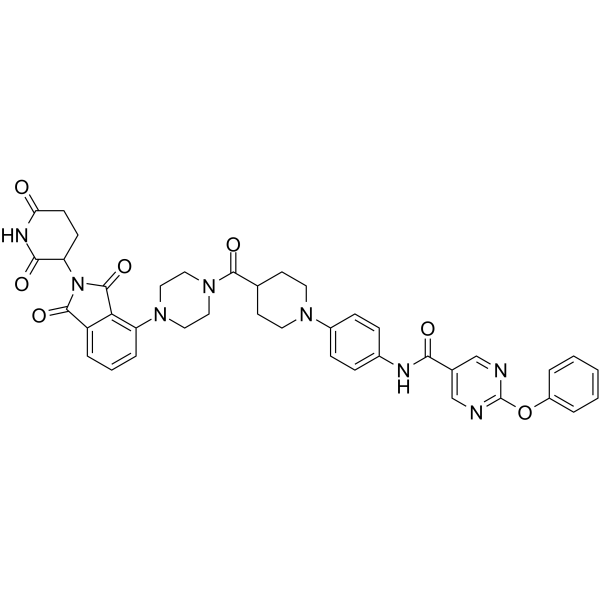
MGD-28 is an orally effective cereblon-dependent molecular glue degrader that potently degrades CK1α, IKZF1, IKZF2, and IKZF3, with respective DC50 values of 7.8, 3.8, 56.3, and 7.1 nM. MGD-28 also induces the degradation of multiple novel substrate proteins including ZFP91, DTWD1, ZNFX1, MBD1, and MBD3 via a CRBN/Cullin- and proteasome-dependent mechanism. MGD-28 induces cell apoptosis. MGD-28 is used in the research of multiple myeloma, acute myeloid leukemia, diffuse large B-cell lymphoma, and related malignancies .
loading...
    loading...
Cat. No.: HY-169103
Neuroprotective agent 5 (compound 28) is a brain permeabilizing agent with anti-neuritis, anti-oxidative damage and neuroprotective effects. Neuroprotective agent 5 exhibits a potent NO inhibitory effect (EC50=0.49 μM), inhibits the release of proinflammatory factors PGE2 and TNF-α, downregulates the expression of iNOS and COX-2 proteins, and promotes the polarization of BV-2 cells from the proinflammatory M1 phenotype to the anti-inflammatory M2 phenotype. In addition, Neuroprotective agent 5 can also inhibit acetylcholinesterase (AChE) activity and Aβ42 aggregation in a dose-dependent manner. Neuroprotective agent 5 can be used for the study of Alzheimer's disease .
loading...
    loading...
Cat. No.: HY-169177
CAS No.: 3047795-60-5
Target:  

JNK

Research Areas:  

Inflammation/Immunology

JNK-1-IN-4 (Compound E1) is an inhibitor for JNK, that inhibits JNK-1, JNK-2 and JNK-3 with IC50s of 2.7, 19.0 and 9.0 nM, respectively. JNK-1-IN-4 inhibits the phosphorylation of c-Jun, and reduces the expression of TGF-β1-induced EMT marker proteins, such as fibronectin and α-SMA. JNK-1-IN-4 exhibits good pharmacokinetic characteristics with a bioavailability of 69%. JNK-1-IN-4 exhibits anti-fibrotic effect in Bleomycin (HY-17565)-induced mice idiopathic pulmonary fibrosis models .
loading...
    loading...

