
2407 Results for "

decrease

" in MedChemExpress (MCE) Product Catalog:
Products (2407)

2407 Results for "decrease" in MCE Product Catalog:

8
8 Cited Publications
Cat. No.: HY-N0002
CAS No.: 1257-08-5
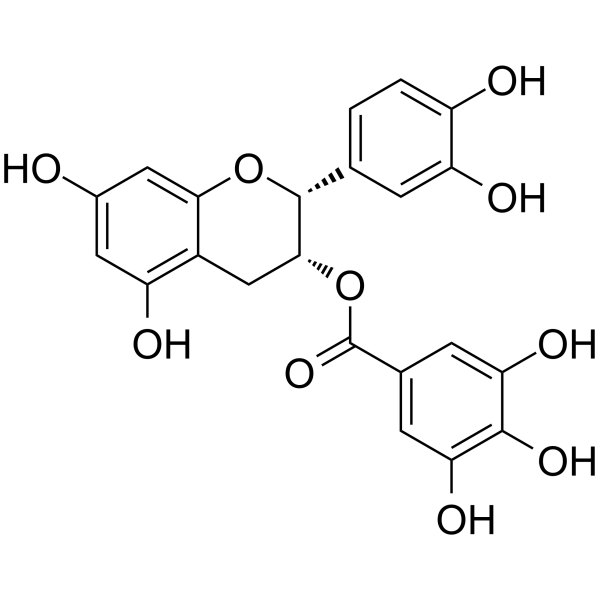
Synonyms: Epicatechin gallate; ECG; (-)-Epicatechin 3-O-gallate
(-)-Epicatechin gallate (Epicatechin gallate) inhibits cyclooxygenase-1 (COX-1) with an IC50 of 7.5 μM . (-)-Epicatechin gallate is a GLUT1 and GLUT5 inhibitor. (-)-Epicatechin gallate decreases cell growth of GLUT5-expressing hxt 0 yeast cells .
loading...
    loading...
8
8 Cited Publications
Cat. No.: HY-19870
CAS No.: 920014-72-8
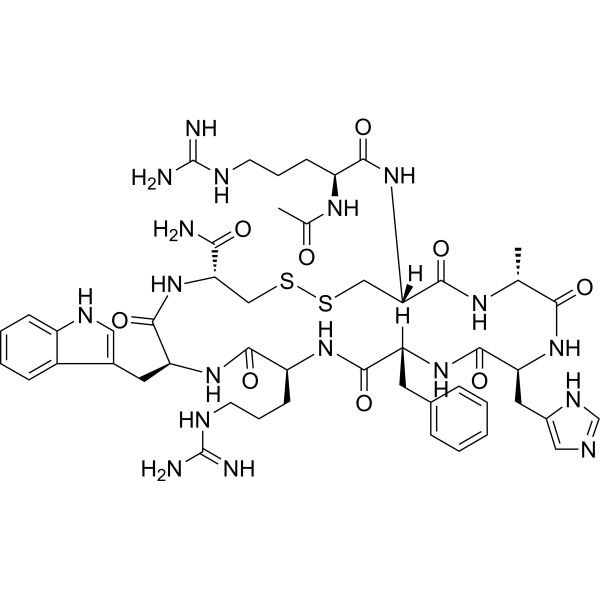
Synonyms: RM-493; BIM-22493; IRC-022493
Setmelanotide (RM-493) is a blood-brain barrier-permeable, selective MC4R agonist with a Ki value of 2.1 nM for hMC4R. Setmelanotide activates the CaMKK2/AMPK signaling pathway. Setmelanotide mediates body weight homeostasis, feeding regulation and energy expenditure modulation; it reduces food intake, induces weight loss, decreases obesity severity, increases daytime activity and energy expenditure, lowers levels of leptin, triglycerides, fasting insulin and diastolic blood pressure, improves insulin sensitivity, glucose tolerance and fatty liver condition, and reverses respiratory depression. Setmelanotide is applicable to research related to obesity, hyperinsulinemia, fatty liver and respiratory depression .
loading...
    loading...
8
8 Cited Publications
Cat. No.: HY-19870C
CAS No.: 2759937-80-7
Synonyms: RM-493 monoacetate; BIM-22493 monoacetate; IRC-022493 monoacetate
Setmelanotide monoacetate (RM-493 monoacetate) is a blood-brain barrier-permeable, selective MC4R agonist with a Ki value of 2.1 nM for hMC4R. Setmelanotide monoacetate activates the CaMKK2/AMPK signaling pathway. Setmelanotide monoacetate mediates body weight homeostasis, feeding regulation and energy expenditure modulation; it reduces food intake, induces weight loss, decreases obesity severity, increases daytime activity and energy expenditure, lowers levels of leptin, triglycerides, fasting insulin and diastolic blood pressure, improves insulin sensitivity, glucose tolerance and fatty liver condition, and reverses respiratory depression. Setmelanotide monoacetate is applicable to research related to obesity, hyperinsulinemia, fatty liver and respiratory depression .
loading...
    loading...
7
7 Cited Publications
Cat. No.: HY-13580
CAS No.: 51333-22-3
Purity:  99.75%
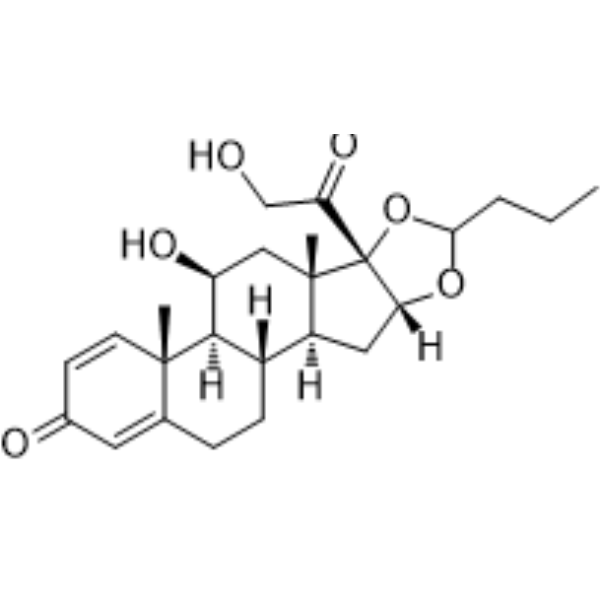
Budesonide, an inhaled glucocortical steroid, is an orally active glucocorticoid receptor agonist. Budesonide decreases the size of lung tumors, reverses DNA hypomethylation and modulates mRNA expression of genes. Budesonide is an anti-inflammatory agent used for asthma .
loading...
    loading...
7
7 Cited Publications
Cat. No.: HY-B0588
CAS No.: 138890-62-7
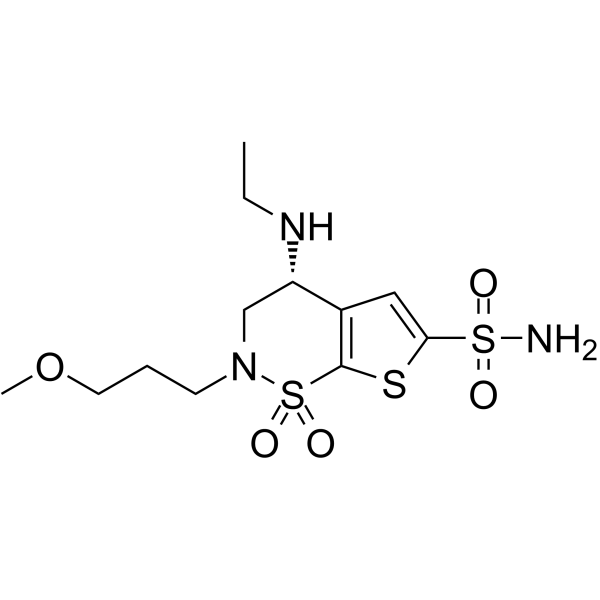
Synonyms: AL-4862
Brinzolamide (AL-4862) is a selective carbonic anhydrase II inhibitor with anIC50 value of 3.2 nM. Brinzolamide hydrochloride reduces intraocular pressure (IOP) by inhibiting ciliary CA-II and decreasing atrial fluid secretion. Brinzolamide can be used in glaucoma disease research .
loading...
    loading...
7
7 Cited Publications
Cat. No.: HY-B0412
CAS No.: 50-27-1
Synonyms: Oestriol
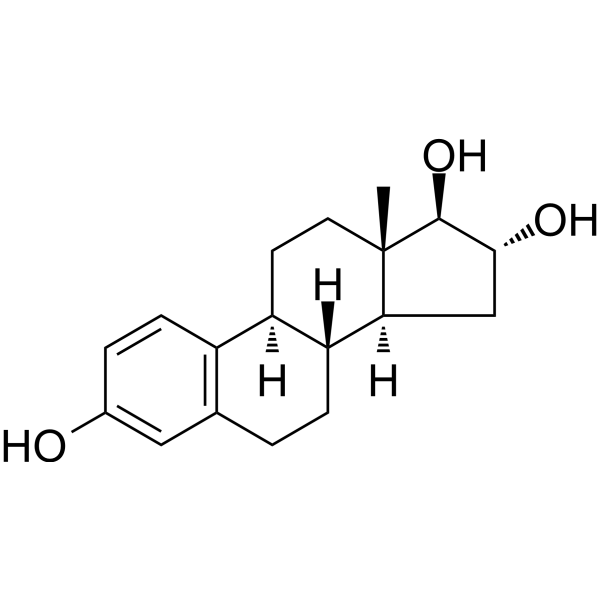
Estriol (Oestriol), an orally active estrogen, is a ERα and ERβ agonist. Estriol is a potent GPR30 antagonist in estrogen receptor-negative breast cancer cells. Estriol can ameliorate disease severity through immunomodulatory mechanisms that decrease tissue inflammation. Estriol has powerful proconvulsant effects .
loading...
    loading...
7
7 Cited Publications
Cat. No.: HY-P2260
CAS No.: 1423821-88-8
Target:  

CHIKV Autophagy HIV

Research Areas:  

Infection

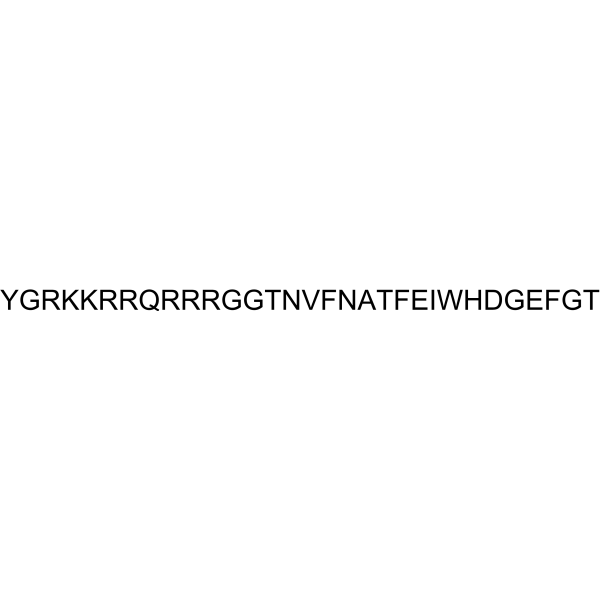
Tat-beclin 1, a peptide derived from a region of the autophagy protein (beclin 1), is a potent inducer of autophagy and interacts with negative regulator of autophagy, GAPR-1 (GLIPR2). Tat-beclin 1 decreases the accumulation of polyglutamine expansion protein aggregates and the replication of several pathogens (including HIV-1) in vitro, and reduces mortality in mice infected with chikungunya (CHIKV) or West Nile virus (WNV) .
loading...
    loading...
7
7 Cited Publications
Cat. No.: HY-P99731
CAS No.: 899796-83-9
Synonyms: hLL1; MEDI-115

Target:  

CD74

Research Areas:  

Cancer

Milatuzumab (hLL1; MEDI-115) is a humanized anti-CD74 monoclonal antibody. CD74, a integral membrane protein, is associated with the promotion of B-cell growth and survival. Milatuzumab causes free radical oxygen generation, and loss of mitochondrial membrane potential. Milatuzumaba also decreases CD20/CD74 aggregates and cell adhesion, to lead to cell death .
loading...
    loading...
7
7 Cited Publications
Cat. No.: HY-N1346
CAS No.: 301-19-9
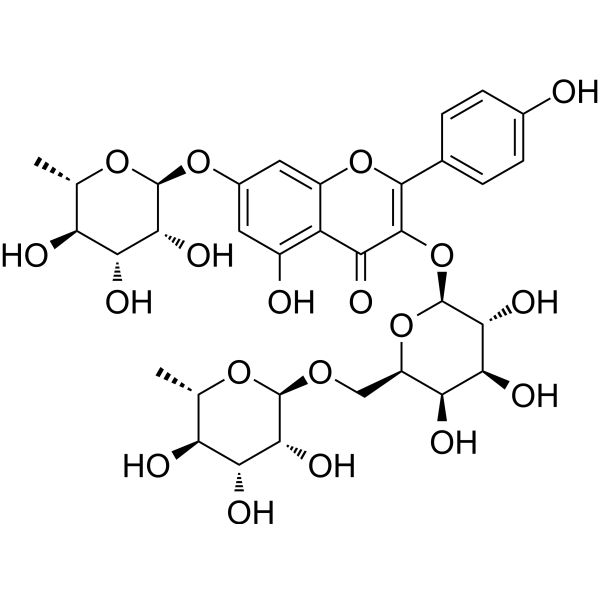
Robinin is a flavonoid that can be extracted from the leaves of purple cowpea, inhibiting TGF-β, TLR4/NF-κB and TLR2-PI3k-AKT signaling pathways. Robinin exerts anti-inflammatory and anti-tumor effects. The combination of Robinin and Methotrexate (HY-14519) reduces inflammation in experimental arthritis, Robinin can decrease the Doxorubicin (HY-15142A) induced cardiac toxicity effect .
loading...
    loading...
6
6 Cited Publications
Cat. No.: HY-B1747
CAS No.: 1121-30-8
Research Areas:  

Infection

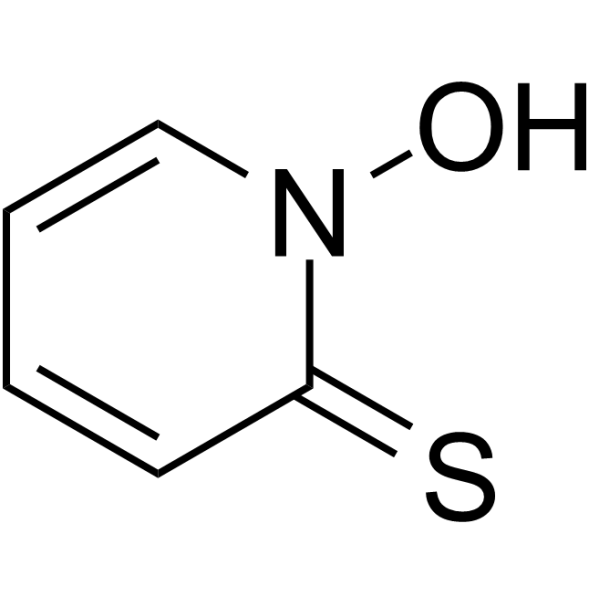
Pyrithione is an inhibitor of membrane transport processes in fungi. Pyrithione is a potent antibiotic aspergillic acid. Pyrithion incubated Penicillium mycelia would have a marked decrease in the activities of a variety of independently regulated transport systems .
loading...
    loading...
6
6 Cited Publications
Cat. No.: HY-13968
CAS No.: 664993-53-7
Purity:  99.83%
Target:  

PARP

Research Areas:  

Cancer

JW 55 is a potent and selective β-catenin signaling pathway inhibitor, which functions via inhibition of the PARP domain of tankyrase 1 and tankyrase 2 (TNKS1/2). JW 55 decreases auto-PARsylation of TNKS1/2 in vitro with IC50s of 1.9 μM and 830 nM respectively.
loading...
    loading...
6
6 Cited Publications
Cat. No.: HY-14951
CAS No.: 402567-16-2
Purity:  99.75%
Synonyms: SB 683699
Target:  

Integrin

Research Areas:  

Neurological Disease

Firategrast (SB 683699) is an orally active and specific α4β1/α4β7 integrin antagonist. Firategrast reduces trafficking of lymphocytes into the central nervous system (CNS) and decreases multiple sclerosis (MS) activity .
loading...
    loading...
6
6 Cited Publications
Cat. No.: HY-111753A
CAS No.: 2749300-35-2
Purity:  99.87%
Target:  

WDR5 Apoptosis

Research Areas:  

Cancer

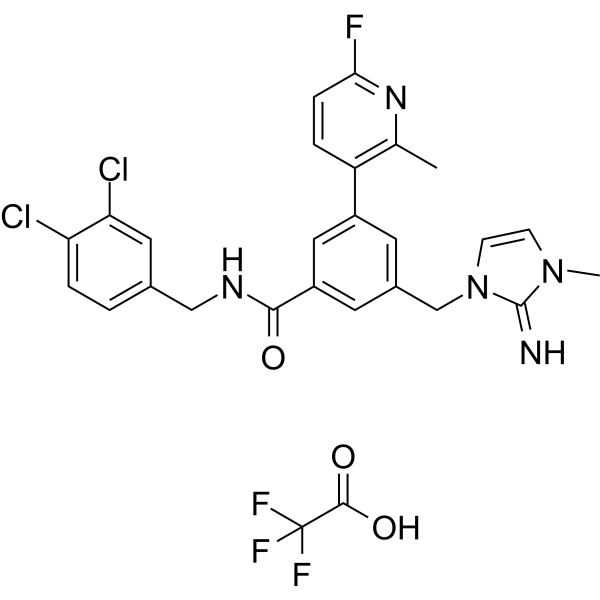
WDR5-IN-4 TFA (Compound C6) is an inhibitor of the WIN site of chromatin-associated WD repeat-containing protein 5 (WDR5), with a Kd of 0.1 nM. WDR5-IN-4 TFA displaces WDR5 from chromatin and decreases the expression of associated genes, causing translational inhibition, nucleolar stress. Anti-cancer activity .
loading...
    loading...
6
6 Cited Publications
Cat. No.: HY-145514
CAS No.: 2624313-15-9
Purity:  99.97%
Target:  

PROTACs FKBP

Research Areas:  

Cancer

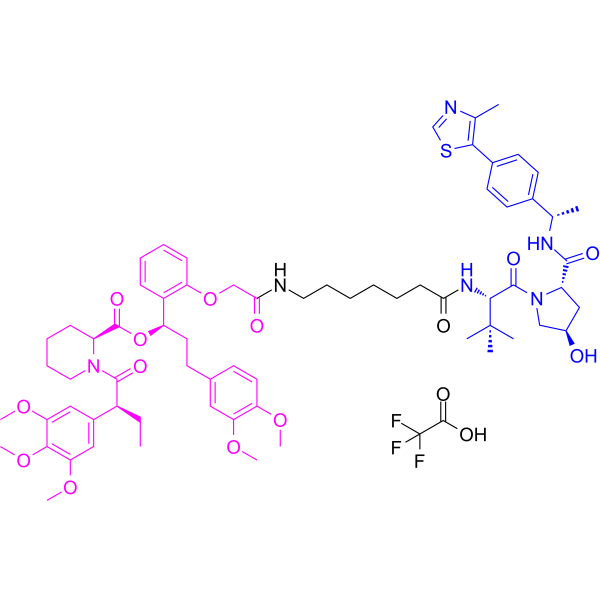
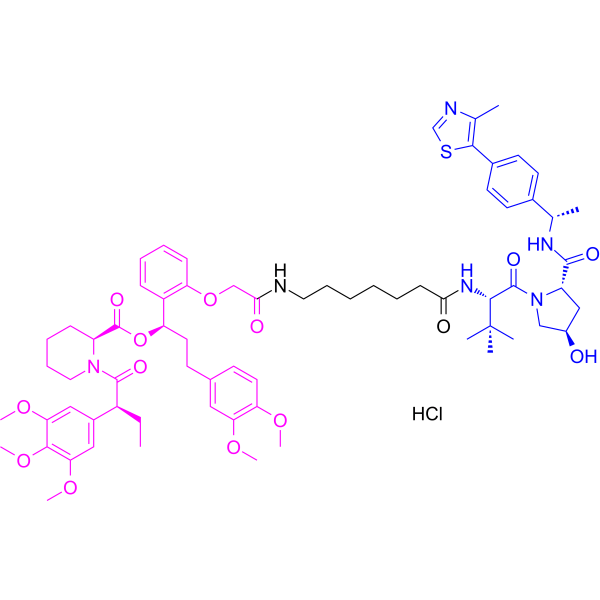
dTAGV-1 TFA is a selective FKBP12 F36V PROTAC degrader. dTAGV-1 TFA induces rapid degradation of FKBP12 F36V-tagged oncogenic fusion proteins, triggering collapse of downstream cellular signaling pathways, reduced proliferative capacity of cancer cells, and decreased levels of target proteins. dTAGV-1 TFA is applicable to functional validation studies of cancer and undegradable oncoproteins .
loading...
    loading...
6
6 Cited Publications
Cat. No.: HY-145514C
CAS No.: 2624313-16-0
Purity:  98.83%
Target:  

PROTACs FKBP

Research Areas:  

Cancer

dTAGV-1 hydrochloride is a selective FKBP12 F36V PROTAC degrader. dTAGV-1 hydrochloride induces rapid degradation of FKBP12 F36V-tagged oncogenic fusion proteins, triggering collapse of downstream cellular signaling pathways, reduced proliferative capacity of cancer cells, and decreased levels of target proteins. dTAGV-1 hydrochloride is applicable to functional validation studies of cancer and undegradable oncoproteins .
loading...
    loading...
6
6 Cited Publications
Cat. No.: HY-145514D
CAS No.: 2451573-86-5
Target:  

PROTACs FKBP

Research Areas:  

Cancer

dTAGV-1 is a selective FKBP12 F36V PROTAC degrader. dTAGV-1 induces rapid degradation of FKBP12 F36V-tagged oncogenic fusion proteins, triggering collapse of downstream cellular signaling pathways, reduced proliferative capacity of cancer cells, and decreased levels of target proteins. dTAGV-1 is applicable to functional validation studies of cancer and undegradable oncoproteins .
loading...
    loading...
6
6 Cited Publications
Cat. No.: HY-111431
CAS No.: 3233-58-7
Purity:  99.87%
Synonyms: p-Tolyl sulfate
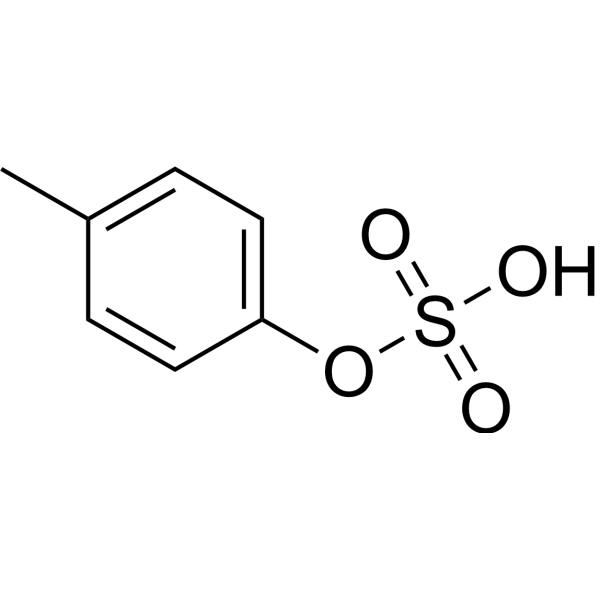
p-Cresyl sulfate (p-Tolyl sulfate) is a uremic toxin, that can cause renal damage and dysfunction. p-Cresyl sulfate shows antiproliferation activity. p-Cresyl sulfate increases the protein expression of HIF-1α and VHL, decreases the protein expression of HIF-2α. p-Cresyl sulfate induces epithelial-mesenchymal transition (EMT). p-Cresyl sulfate activates the JNK and p38 MAPK signaling pathways .
loading...
    loading...
6
6 Cited Publications
Cat. No.: HY-B0388
CAS No.: 23288-49-5
Synonyms: DH-581
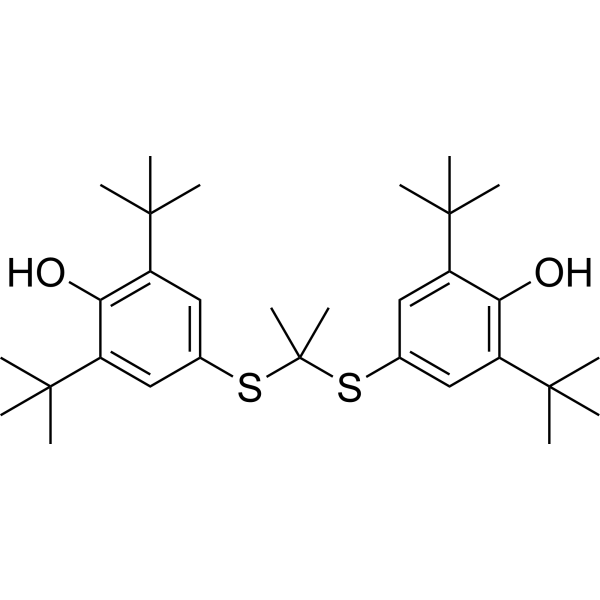
Probucol (DH-581) is an anti-hyperlipidemic agent. Probucol activates glutathione peroxidase. Probucol promotes low density lipoprotein (LDL) catabolism, inhibits ABCA1-dependent cholesterol efflux, and decreases HDL-C levels. Probucol also has anti-inflammatory, antioxidant and neuroprotective properties. Probucol can be used for researches on bone, cardiovascular, cancer, neurological, and metabolism-related diseases .
loading...
    loading...
6
6 Cited Publications
Cat. No.: HY-107859
CAS No.: 115-96-8
Purity:  95.12%
Synonyms: TCEP
Tris(2-chloroethyl) phosphate (TCEP) is a widely used organic phosphorus flame retardant, mainly used as a plasticizer. Tris(2-chloroethyl) phosphate has orally active hepatotoxicity, inducing an increase in reactive oxygen species (ROS) and calcium ions (Ca 2+) influx, a decrease in mitochondrial membrane potential (△Ψm), and causing DNA damage and cell apoptosis. Tris(2-chloroethyl) phosphate directly binds to FXR, inducing obesity and the formation of fatty liver in mice. Chloroethyl) phosphate activates the TLR4/NF-κB pathway, triggering liver inflammation .
loading...
    loading...
6
6 Cited Publications
Cat. No.: HY-N3584
CAS No.: 68124-04-9
Synonyms: Chonglou Saponin VII
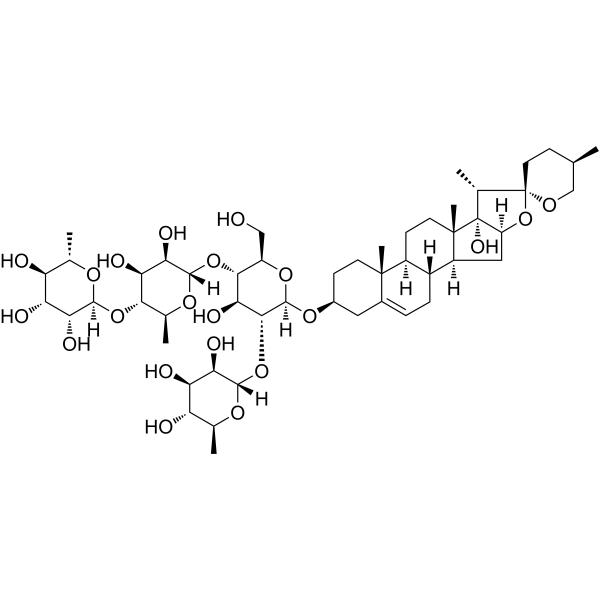
Paris saponin VII (Chonglou Saponin VII) is a steroidal saponin isolated from the roots and rhizomes of Trillium tschonoskii. Paris saponin VII-induced apoptosis in K562/ADR cells is associated with Akt/MAPK and the inhibition of P-gp. Paris saponin VII attenuates mitochondrial membrane potential, increases the expression of apoptosis-related proteins, such as Bax and cytochrome c, and decreases the protein expression levels of Bcl-2, caspase-9, caspase-3, PARP-1, and p-Akt. Paris saponin VII induces a robust autophagy in K562/ADR cells and provides a biochemical basis in the treatment of leukemia .
loading...
    loading...

