22 Results for "

AMPK pathway phosphorylation inducer

" in MedChemExpress (MCE) Product Catalog:
Products (22)

22 Results for "AMPK pathway phosphorylation inducer" in MCE Product Catalog:

5
5 Cited Publications
Cat. No.: HY-N0259
CAS No.: 110623-73-9
Synonyms: Epmedin B
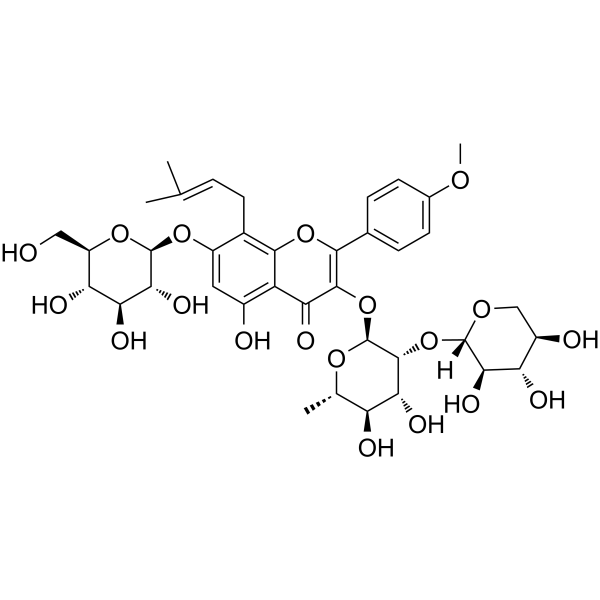
Epimedin B (Epmedin B) is a flavonoid active component found in Epimedium, with oral activity, and exhibits anti-osteoporotic and neuroprotective effects. Epimedin B inhibits RANKL-induced osteoclast differentiation, F-actin ring formation, and mature osteoclast bone resorption, inhibits the phosphorylation of JNK, p38 MAPK, PI3K, and AKT, activates the AMPK-Nrf2 antioxidant pathway, and reduces cellular and mitochondrial ROS. Epimedin B acts on ESR1 and exerts its effects via GPER. Epimedin B alleviates bone loss and improves bone microstructure in vivo, and in Parkinson's models protects dopaminergic neurons and maintains striatal dopamine levels through anti-apoptotic and anti-endoplasmic reticulum stress effects. Epimedin B can be used for research related to osteoporosis, diabetic osteoporosis, and Parkinson's disease .
loading...
    loading...
4
4 Cited Publications
Cat. No.: HY-N2445
CAS No.: 37308-75-1
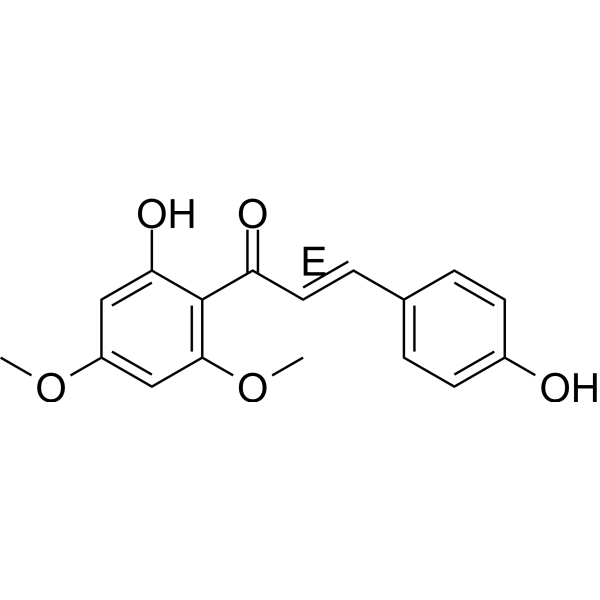
Flavokawain C is an orally active natural chalcone. Flavokawain C inhibits the proliferation of various cancer cells. Flavokawain C upregulates GADD153 in cancer cells, inhibits the phosphorylation of Akt and JNK, suppresses early ERK phosphorylation, activates late ERK phosphorylation, activates caspase related subtypes, induces PARP-1 cleavage, causes upregulation of p21 and p27, downregulation of mutant p53 and anti-apoptotic IAP proteins, elevates intracellular ROS levels, reduces SOD activity, and induces apoptosis. Flavokawain C downregulates FABP4, induces autophagy in cancer cells, and activates the AMPK/mTOR pathway . Flavokawain C decreases the expression of glycolysis-related proteins GLUT1 and HK2, and inhibits glycolysis in nasopharyngeal carcinoma cells. Flavokawain C inhibits the activation of the EGFR/PI3K/Akt/mTOR signaling pathway and reduces the expression of HSP90B1. Flavokawain C inhibits angiogenesis by decreasing the expression of angiogenic proteins Ang-1 and VEGF in human umbilical vein endothelial cells. Flavokawain C increases γ-H2AX levels in cells, inhibits the phosphorylation of FAK, PI3K and AKT in cells, and induces DNA damage in cells. Flavokawain C exerts anti-tumor activity in multiple tumor xenograft mouse models. Flavokawain C is applicable to research related to colorectal cancer, colon adenocarcinoma, nephroblastoma, nasopharyngeal carcinoma and liver cancer .
loading...
    loading...
1
1 Cited Publications
Cat. No.: HY-N0559
CAS No.: 52659-56-0
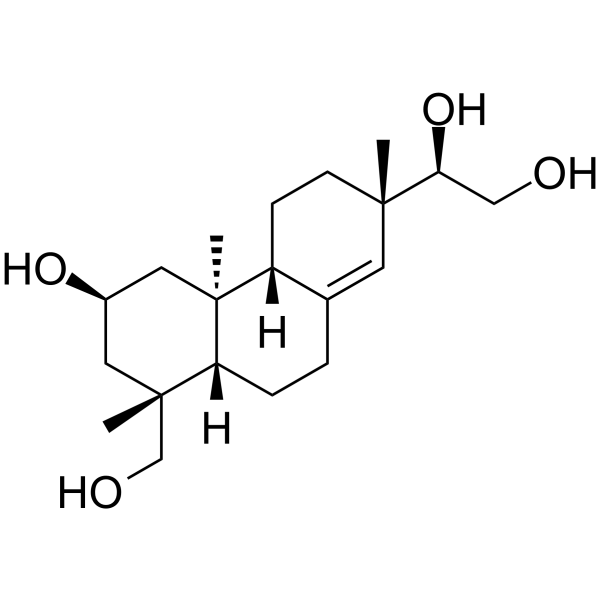
Kirenol is a diterpenoid compound, an orally active apoptosis inducer and signaling pathway regulator, with a Kd value of 5.47 μM against the target CK2. Kirenol promotes the cleavage of Bid into tBid, regulates the protein levels/phosphorylation of Bax, Bcl-2, p53 and p21, and induces caspase-independent apoptosis, S-phase cell cycle arrest, ROS accumulation and cytotoxicity in cancer cells. Kirenol activates the CK2/AKT and AMPK-mTOR-ULK1 pathways, inhibits the signaling of NF-κB, TGF-β/Smads and NLRP3 inflammasome, and regulates the GSK3β, BMP and Wnt/β-catenin pathways. Kirenol induces autophagy, mitophagy and osteoblast differentiation, promotes mitochondrial fusion, and exerts antioxidant, anti-inflammatory, antifibrotic, renoprotective, cardioprotective, neuroprotective and analgesic effects. Kirenol is applicable to research related to chronic myeloid leukemia, ischemic stroke, diabetic nephropathy, heart failure, acute lung injury and osteoporosis .
loading...
    loading...
1
1 Cited Publications
Cat. No.: HY-135115
CAS No.: 31773-95-2
Pureté:  95.16%
Synonyms: 3,4-DHPEA-EA
Oleuropein Aglycone (3,4-DHPEA-EA) is a secoiridoid that exerts antioxidant, anti-inflammatory, and anti-apoptotic effects by promoting ERK/AMPK/eNOS phosphorylation and inhibiting JNK/p38 MAPK and inflammation-related signaling pathways. Oleuropein Aglycone is used in research on acute kidney injury induced by ischemia-reperfusion injury, pleurisy, osteoporosis, Alzheimer's disease, neurodegenerative diseases, and triple-negative breast cancer .
loading...
    loading...
1
1 Cited Publications
Cat. No.: HY-N0805A
CAS No.: 18649-93-9
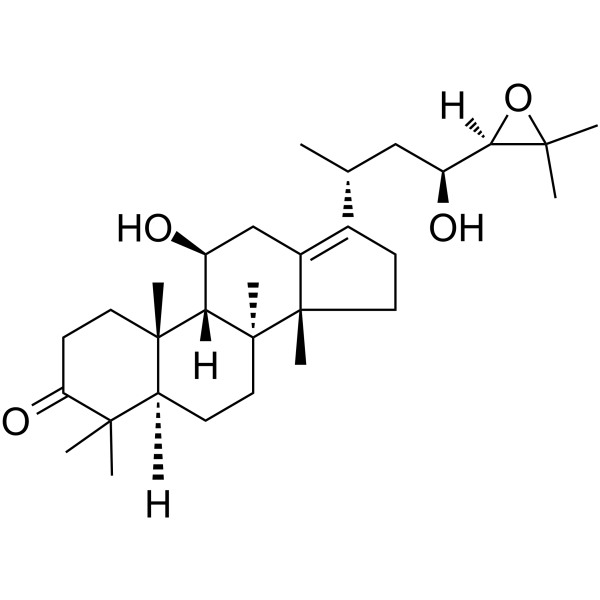
Alisol B is a triterpene with diverse biological activities. Alisol B binds human soluble epoxide hydrolase (sEH) with a Ki of 5.97 μM and reduces sEH activity. Alisol B inhibits RANKL-induced JNK phosphorylation, NFATc1 and c-Fos expression, osteoclast formation, mature osteoclast pit-forming and actin ring activity, and SERCA pump activity. Alisol B induces calcium mobilization, CaMKK-AMPK-mTOR pathway activation, autophagic flux, autophagosome formation, G1 phase cell cycle arrest, endoplasmic reticulum stress, unfolded protein responses, and cancer cell apoptosis. Alisol B can be used for the research of hypercalcemia, osteoporosis, rheumatoid arthritis, periodontitis, acute kidney injury, and breast cancer .
loading...
    loading...
Cat. No.: HY-125848
CAS No.: 62025-49-4
Pureté:  99.95%
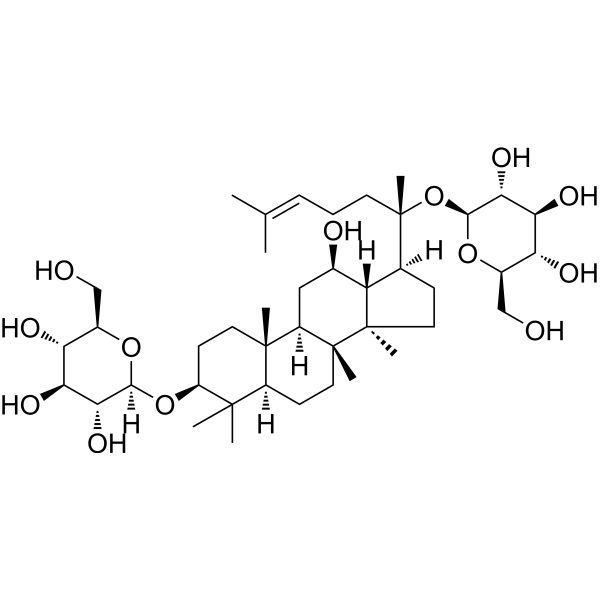
Ginsenoside F2 is an orally active bioactive compound that participates in the regulation of metabolism and inflammation. Ginsenoside F2 promotes the phosphorylation of AMPK and ACC, binds to PPARγ, inhibits the phosphorylation of MAPK, activates the PI3K/AKT/GSK-3β pathway, reduces GLRX expression, and regulates lipid metabolism. Ginsenoside F2 reduces ROS production and MDA levels, restores SOD activity in cells, and alleviates oxidative stress. Ginsenoside F2 induces cell apoptosis (Apoptosis) and increases the number of cleaved caspase-3-positive cells. Ginsenoside F2 reduces body weight gain, adipose tissue weight and serum lipid levels in obese mice, and activates the hepatic AMPK signaling pathway and the expression of antioxidant enzymes. Ginsenoside F2 alleviates atopic dermatitis in mice by inhibiting inflammation and reshaping the gut microbiota . Ginsenoside F2 is applicable to research related to insulin resistance, obesity, atopic dermatitis, liver cancer, glioblastoma and glioma .
loading...
    loading...
Cat. No.: HY-N8307
CAS No.: 487-35-4
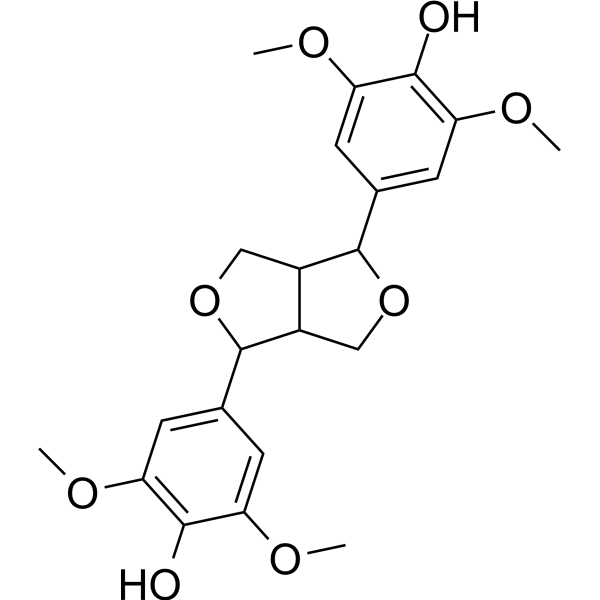
Syringaresinol is a lignan-type phytochemical with anti-inflammatory activities. Syringaresinol inhibits the NF-κB and AKT signaling pathway in IL-1β-activated mouse chondrocytes. Syringaresinol increases phosphorylation of AMPK, eNOS, and intracellular Ca 2+ levels in HUVECs. Syringaresinol attenuates osteoarthritis progression in mice with Destabilization of the Medial Meniscus (DMM)-induced osteoarthritis. Syringaresinol can be used for the study of osteoarthritis (OA) .
loading...
    loading...
Cat. No.: HY-168894
CT-1 is a secreted protein belonging to the IL-6 cytokine family. Overexpression of CT-1 enhances cell proliferation, migration and angiogenesis via the ADMA/DDAH pathway. CT-1 inhibits the growth of triple-negative breast cancer cells by simultaneously inducing Ferroptosis in N2-type tumor-associated neutrophils and cancer cells. CT-1 activates the Jak/STAT-3, p42/p44 MAPK and AMPK pathways, and inhibits GSK-3β activity through phosphorylation to induce cardiomyocyte hypertrophy. CT-1 enhances the viability of cardiomyocytes and neurons, reduces cell Apoptosis, induces the expression of heat shock proteins (HSP) and BNP, and inhibits TNF levels. CT-1 exerts anti-tumor activity in mouse models of triple-negative breast cancer. CT-1 improves cognitive impairment in mice. CT-1 is applicable to the research of ischemic heart disease, triple-negative breast cancer, myocardial hypertrophy, Parkinson's disease, hypertensive heart disease, myocardial infarction, acute Chagas cardiomyopathy, high-fat diet-induced cognitive impairment and diabetes-related cognitive impairment .
loading...
    loading...
Cat. No.: HY-N1677
CAS No.: 530-55-2
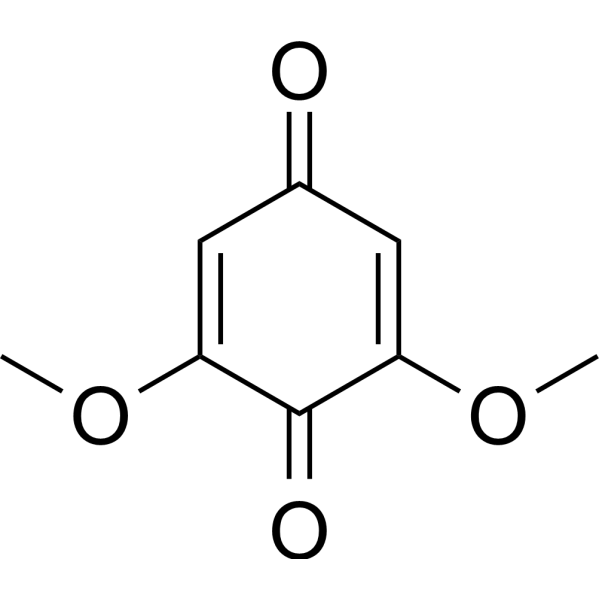
2,6-Dimethoxy-1,4-benzoquinone is a 1,4-benzoquinone derivative. 2,6-Dimethoxy-1,4-benzoquinone promotes phosphorylation of AKT, S6K, mTOR, 4E-BP1, and AMPK, and attenuates mTORC1 activity as part of the AKT/mTOR pathway. 2,6-Dimethoxy-1,4-benzoquinone stimulates myoblast differentiation, increases myotube size, elevates MHC protein expression, enhances mitochondrial biogenesis, respiration, and DNA content, and increases skeletal muscle weights, fiber size, grip strength, and treadmill performance. 2,6-Dimethoxy-1,4-benzoquinone exerts anti-cancer, anti-inflammatory, anti-adipogenic, antibacterial, and antimutagenic effects, inhibits adipogenic transcription factors, nitric oxide production, skin tumor development, Magnaporthe oryzae growth, spore germination, appressorium formation, and growth of select bacterial species, induces H2O2 generation and rice defense gene expression, and reduces rice blast lesion formation. 2,6-Dimethoxy-1,4-benzoquinone can be used for the research of obesity, skin tumorigenesis, rice blast disease, and food-borne illness .
loading...
    loading...
Cat. No.: HY-171705
CAS No.: 1478585-60-2
KMS99220 is an orally active, blood-brain barrier-permeable activator of the Nrf2 inhibitory protein Keap-1. KMS99220 enhances the activity of AMPK, activates the Nrf2 signaling pathway, and reduces the phosphorylation of IκB, nuclear translocation of NFκB, as well as the phosphorylation levels of JNK, IKK and p38 MAPK via HO-1. KMS99220 binds to Keap1 to trigger the nuclear translocation of Nrf2, induces the expression of HO-1, NQO1, GCLC, GCLM and proteasome subunits; enhances proteasomal enzymatic activity; inhibits iNOS expression, nitric oxide production and IL-1β generation; attenuates microglial activation; reduces α-synuclein aggregation; and prevents dopaminergic neuron degeneration and motor dysfunction. KMS99220 prevents the degeneration of dopaminergic neurons in the substantia nigra, induces the expression of Nrf2 downstream target genes, and effectively ameliorates associated motor dysfunction in a mouse model of Parkinson's disease. KMS99220 is applicable to research related to Parkinson's disease .
loading...
    loading...
Cat. No.: HY-N12124
CAS No.: 1011244-19-1
Synonyms: Monascinol
Monascuspiloin (Monascinol) is an orally active compound extracted from red mold-fermented rice, with multiple biological activities including anti-androgenic, anti-inflammatory, hypolipidemic, and anti-cancer properties. Monascuspiloin attenuates the PI3K/Akt/mTOR signaling pathway, enhances AMPK phosphorylation, downregulates FASN/SREBP2, induces apoptosis, G2/M phase arrest and autophagy in prostate cancer cells, interferes with dihydrotestosterone-receptor binding, enhances radiation-induced DNA damage, stimulates endoplasmic reticulum stress, and alleviates hepatic oxidative stress. Monascuspiloin regulates hepatic metabolic pathways and modulates the expression of genes and proteins related to hepatic lipid metabolism. Monascuspiloin can be used in studies related to prostate cancer and alcoholic liver injury .
loading...
    loading...
Cat. No.: HY-N5008
CAS No.: 146100-02-9
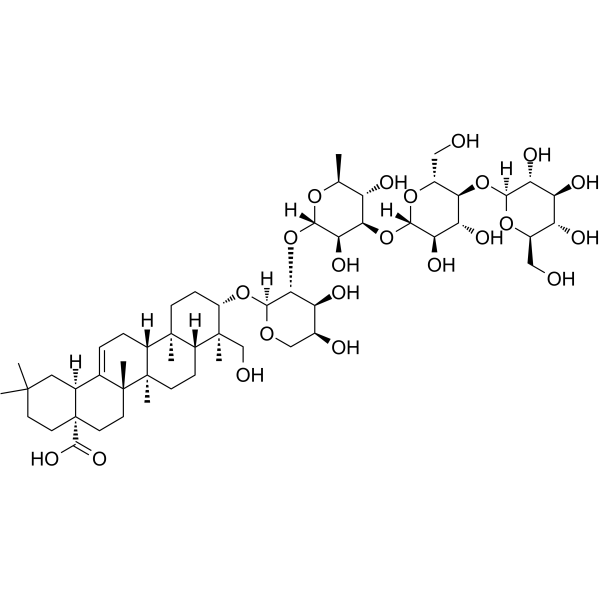
Macranthoside B is an apoptosis inducer with in vitro and in vivo anticancer activity. Macranthoside B induces autophagy and ferroptosis in cancer cells. Macranthoside B induces intracellular ROS accumulation, activates AMPK, inhibits mTOR and P70S6 kinase phosphorylation, and modulates Bcl-2/Bax expression. Macranthoside B activates caspase-3, caspase-9, and the intrinsic caspase cascade, induces PARP cleavage/degradation, and inhibits NRF2 signaling. Macranthoside B disrupts iron homeostasis via NCOA4-dependent ferritinophagy, up-regulates Lip-ROS, reduces mitochondrial membrane potential, and activates the JNK pathway. Macranthoside B can be used for the research of ovarian cancer, hepatoma, gastric carcinoma, breast carcinoma, colon carcinoma, glioma, melanoma, adenocarcinoma of the esophagogastric junction, and cervical cancer .
loading...
    loading...
Cat. No.: HY-179578
CAS No.: 1262219-89-5
Domaines de recherche:  

Metabolic Disease Cancer

SU212 is a podophyllotoxin-derived ENO1 inhibitor and AMPK activator. SU212 can selectively induce oxidative phosphorylation, reduce glycolysis activity and glucose uptake in tumor cells, and directly bind to ENO1 without affecting these pathways in normal cells. SU212 induces apoptosis and promotes ENO1 degradation via proteasomal and autophagic pathways without inhibiting the catalytic activity. SU212 leads to mitotic arrest and apoptosis in TNBC (triple-negative breast cancer) cells by activating AMPK, demonstrating potent anti-tumor activity in vitro. SU212 inhibits tumor growth and metastasis in syngeneic, xenograft, and diabetic mouse models, exhibiting an excellent safety profile. SU212 can be used in research on t TNBC, diabetes, and fatty liver disease .
loading...
    loading...
Cat. No.: HY-125535
CAS No.: 1290069-19-0
OSU-53 is an orally active AMPK activator and mTOR inhibitor, with an IC50 of 0.3 μM for AMPK, an EC50 of 2-5 μM for AMPK, and an IC50 of 8.23 μM for mTOR. OSU-53 inhibits the Akt signaling pathway, directly activates AMPK by binding to its autoinhibitory domain, reduces IKKβ-mediated phosphorylation of Foxo3a, blocks Akt-mediated phosphorylation of MDM2, and promotes the nuclear localization and stabilization of Foxo3a, while directly inhibiting mTOR. OSU-53 inhibits epithelial-mesenchymal transition (EMT), induces epithelial phenotype, suppresses invasion and metastasis, induces autophagy, inhibits the activation of ERK and Akt, reduces the secretion of nitric oxide and proinflammatory cytokines, and inhibits the migration of MDSC; at high doses, it induces MDSC apoptosis, attenuates the immunosuppressive effect of MDSC, reduces MDSC levels, and blocks incision-induced mechanical hyperalgesia. OSU-53 can be used in studies related to breast cancer, prostate cancer, thyroid cancer, melanoma and postoperative pain .
loading...
    loading...
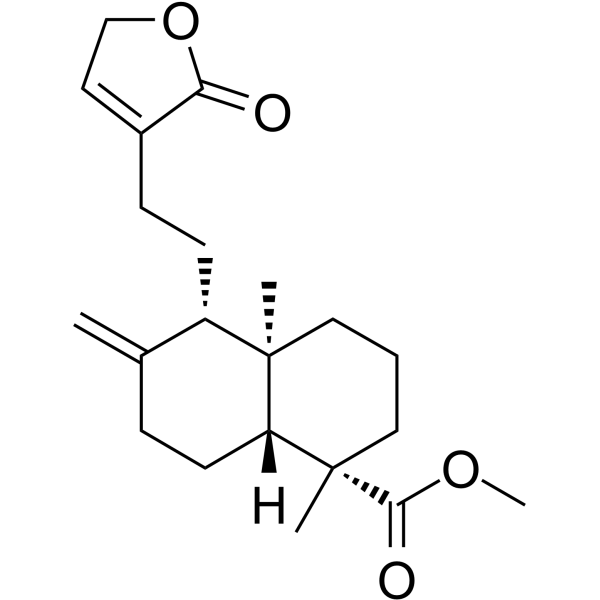
Cat. No.: HY-N3055
CAS No.: 31685-80-0
Pinusolide is an AMPK activator and PAF receptor antagonist. Pinusolide activates AMPK, phosphorylates ACC, enhances IRS-1 tyrosine phosphorylation, boosts glucose uptake, and modulates insulin signaling. Pinusolide inhibits caspase-3/7 activation, intracellular calcium elevation, reactive oxygen species overproduction, lipid peroxidation, and tumor cell proliferation. Pinusolide stabilizes superoxide dismutase activity, reduces apoptotic hallmarks, induces mitochondrial pathway apoptosis, and triggers DNA fragmentation. Pinusolide can be used for the research of type 2 diabetes, neurodegenerative diseases, acute lymphoblastic leukemia, acute myeloid leukemia, and Burkitt lymphoma .
loading...
    loading...
Cat. No.: HY-N0559R
CAS No.: 52659-56-0
Kirenol (Standard) is the analytical standard of Kirenol (HY-N0559). This product is intended for research and analytical applications. Kirenol is a diterpenoid compound, an orally active apoptosis inducer and signaling pathway regulator, with a Kd value of 5.47 μM against the target CK2. Kirenol promotes the cleavage of Bid into tBid, regulates the protein levels/phosphorylation of Bax, Bcl-2, p53 and p21, and induces caspase-independent apoptosis, S-phase cell cycle arrest, ROS accumulation and cytotoxicity in cancer cells. Kirenol activates the CK2/AKT and AMPK-mTOR-ULK1 pathways, inhibits the signaling of NF-κB, TGF-β/Smads and NLRP3 inflammasome, and regulates the GSK3β, BMP and Wnt/β-catenin pathways. Kirenol induces autophagy, mitophagy and osteoblast differentiation, promotes mitochondrial fusion, and exerts antioxidant, anti-inflammatory, antifibrotic, renoprotective, cardioprotective, neuroprotective and analgesic effects. Kirenol is applicable to research related to chronic myeloid leukemia, ischemic stroke, diabetic nephropathy, heart failure, acute lung injury and osteoporosis.
loading...
    loading...
Cat. No.: HY-N0805AR
CAS No.: 18649-93-9
Alisol B (Standard) is the analytical standard of Alisol B (HY-N0805A). This product is intended for research and analytical applications. Alisol B is a triterpene with diverse biological activities. Alisol B binds human soluble epoxide hydrolase (sEH) with a Ki of 5.97 μM and reduces sEH activity. Alisol B inhibits RANKL-induced JNK phosphorylation, NFATc1 and c-Fos expression, osteoclast formation, mature osteoclast pit-forming and actin ring activity, and SERCA pump activity. Alisol B induces calcium mobilization, CaMKK-AMPK-mTOR pathway activation, autophagic flux, autophagosome formation, G1 phase cell cycle arrest, endoplasmic reticulum stress, unfolded protein responses, and cancer cell apoptosis. Alisol B can be used for the research of hypercalcemia, osteoporosis, rheumatoid arthritis, periodontitis, acute kidney injury, and breast cancer.
loading...
    loading...
Cat. No.: HY-N0259R
CAS No.: 110623-73-9
Synonyms: Epmedin B (Standard)
Epimedin B (Standard) (Epmedin B (Standard)) is the analytical standard of Epimedin B (HY-N0259). This product is intended for research and analytical applications. Epimedin B (Epmedin B) is a flavonoid active component found in Epimedium, with oral activity, and exhibits anti-osteoporotic and neuroprotective effects. Epimedin B inhibits RANKL-induced osteoclast differentiation, F-actin ring formation, and mature osteoclast bone resorption, inhibits the phosphorylation of JNK, p38 MAPK, PI3K, and AKT, activates the AMPK-Nrf2 antioxidant pathway, and reduces cellular and mitochondrial ROS. Epimedin B acts on ESR1 and exerts its effects via GPER. Epimedin B alleviates bone loss and improves bone microstructure in vivo, and in Parkinson's models protects dopaminergic neurons and maintains striatal dopamine levels through anti-apoptotic and anti-endoplasmic reticulum stress effects. Epimedin B can be used for research related to osteoporosis, diabetic osteoporosis, and Parkinson's disease .
loading...
    loading...
Cat. No.: HY-N1677R
CAS No.: 530-55-2
2,6-Dimethoxy-1,4-benzoquinone (Standard) is the analytical standard of 2,6-Dimethoxy-1,4-benzoquinone (HY-N1677). This product is intended for research and analytical applications. 2,6-Dimethoxy-1,4-benzoquinone is a 1,4-benzoquinone derivative. 2,6-Dimethoxy-1,4-benzoquinone promotes phosphorylation of AKT, S6K, mTOR, 4E-BP1, and AMPK, and attenuates mTORC1 activity as part of the AKT/mTOR pathway. 2,6-Dimethoxy-1,4-benzoquinone stimulates myoblast differentiation, increases myotube size, elevates MHC protein expression, enhances mitochondrial biogenesis, respiration, and DNA content, and increases skeletal muscle weights, fiber size, grip strength, and treadmill performance. 2,6-Dimethoxy-1,4-benzoquinone exerts anti-cancer, anti-inflammatory, anti-adipogenic, antibacterial, and antimutagenic effects, inhibits adipogenic transcription factors, nitric oxide production, skin tumor development, Magnaporthe oryzae growth, spore germination, appressorium formation, and growth of select bacterial species, induces H2O2 generation and rice defense gene expression, and reduces rice blast lesion formation. 2,6-Dimethoxy-1,4-benzoquinone can be used for the research of obesity, skin tumorigenesis, rice blast disease, and food-borne illness.
loading...
    loading...
Cat. No.: HY-189542
CAS No.: 3112754-10-3
Domaines de recherche:  

Cancer

Biguanide-4-(p-tolylethynyl) aniline is an amphiphilic cation and AMPK pathway phosphorylation inducer that crosses phospholipid membranes and accumulates in mitochondria, inhibiting pancreatic cancer cell proliferation by altering COXII and NDUFB8 protein levels. Biguanide-4-(p-tolylethynyl) aniline can be used in the study of pancreatic cancer .
loading...
    loading...

