

1. Search Result
Search Result
Results for "

ASGPr

" in MedChemExpress (MCE) Product Catalog:

26

Inhibitors & Agonists

2

Biochemical Assay Reagents

1

Peptides

9

Recombinant Proteins

3

Antibodies

1

Click Chemistry

6

Oligonucleotides

Cat. No. Product Name Target Research Areas Chemical Structure
  • HY-148476

    LYTACs Metabolic Disease
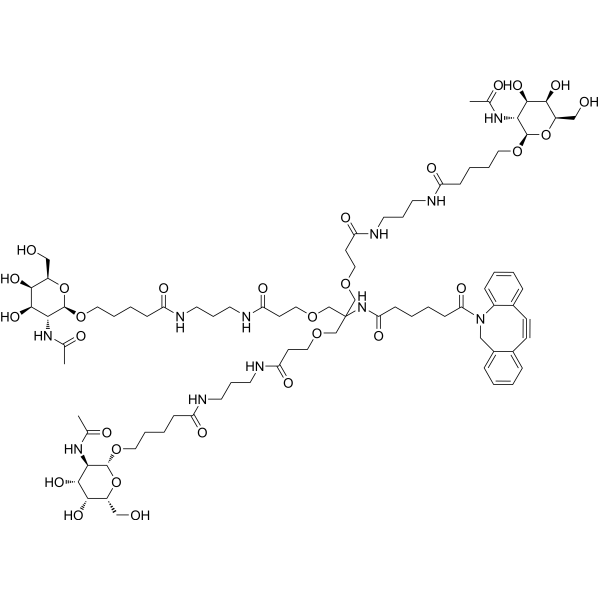
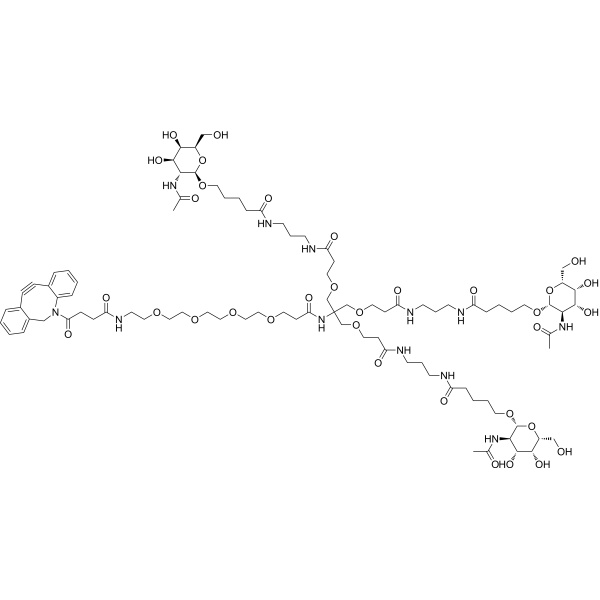
    Tri-GalNAc-DBCO is a synthetic ligand composed of three GalNAc units connected to DBCO. Tri-GalNAc-DBCO can act as a ligand for the sialic acid-degrading protein receptor (ASGPR), and can be coupled with targeting proteins or small molecules to form GalNAc-LYTACs. Tri-GalNAc-DBCO specifically binds to ASGPR and, through receptor-mediated endocytosis, guides the coupled molecules to lysosomes for degradation .
    Tri-GalNAc-DBCO
  • HY-148118A

    LYTACs Cancer
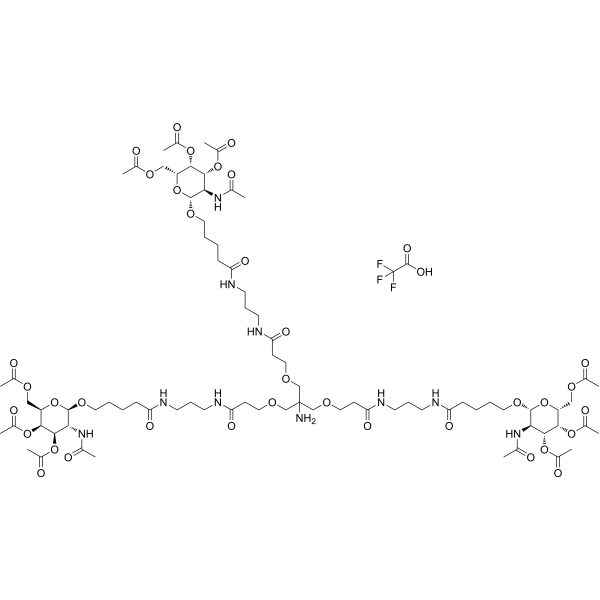
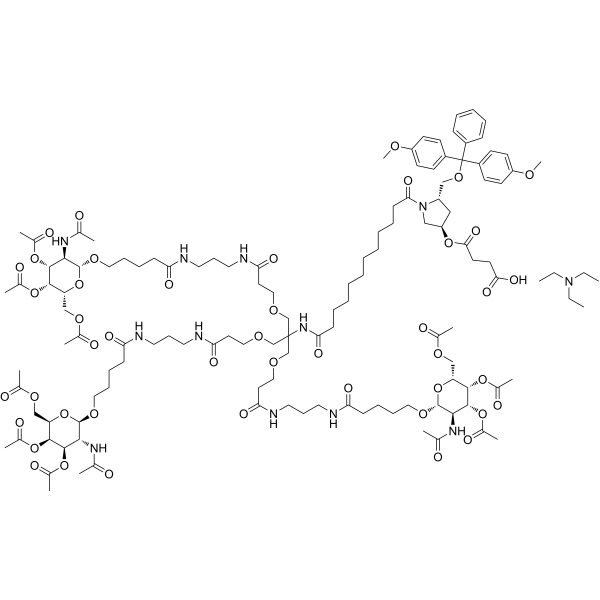
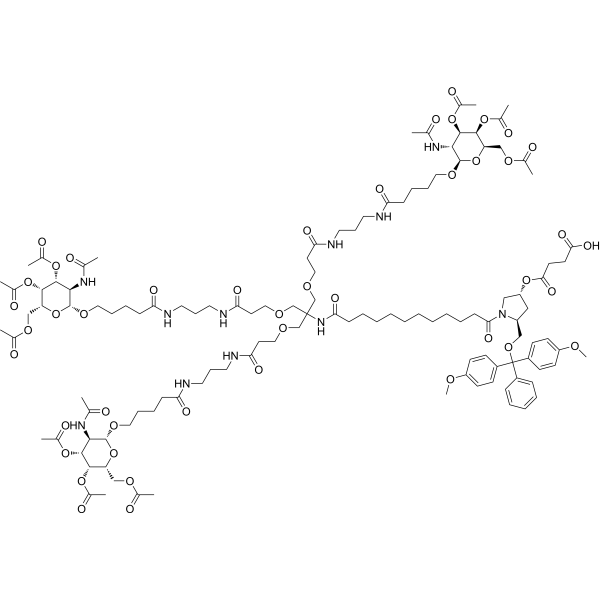
    Tri-GalNAc(OAc)3 TFA is a trivalent N-acetylgalactosamine (GalNAc) derivative that can be used to synthesize GalNAc-LYTAC. Tri-GalNAc is a specific ligand targeting the asialoglycoprotein receptor (ASGPR), mediating the endocytosis and transport of cell surface proteins (such as EGFR, HER2) to lysosomes for degradation by lysosomal targeting chimeras (LYTACs). Tri-GalNAc significantly reduces the level of target proteins and inhibits downstream signaling pathways (such as EGFR-mediated Akt and MAPK signals). Tri-GalNAc(OAc)3 TFA can be used for hepatocyte targeting studies, and can degrade carcinogenic membrane proteins and inhibit tumor cell proliferation in liver cancer cell models .
    Tri-GalNAc(OAc)3 TFA
  • HY-139482

    LYTACs Cancer
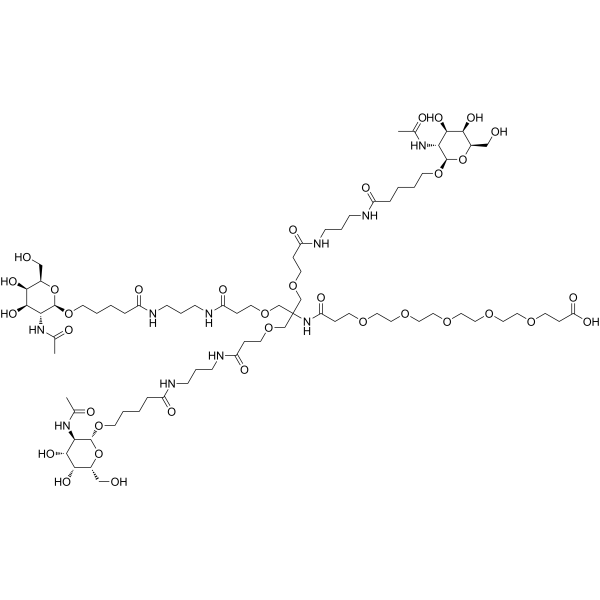
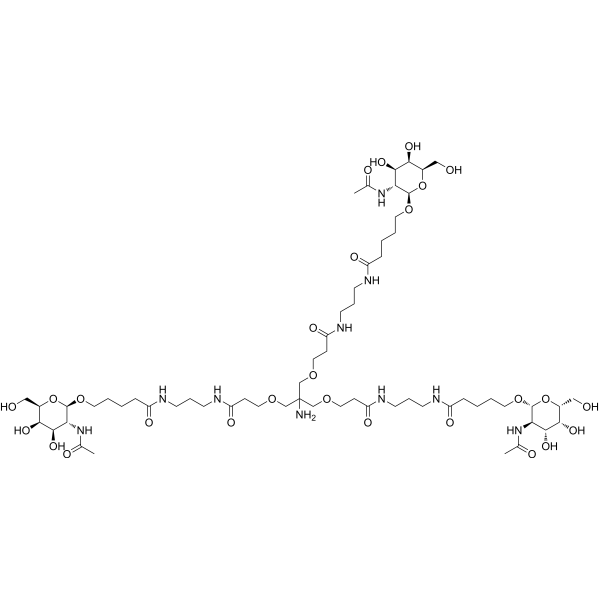
    tri-GalNAc-COOH is an asialoglycoprotein receptor (ASGPR) ligand that can be used for LYsosome TArgeting Chimera (LYTAC) research .
    tri-GalNAc-COOH
  • HY-157950

    Liposome Cancer
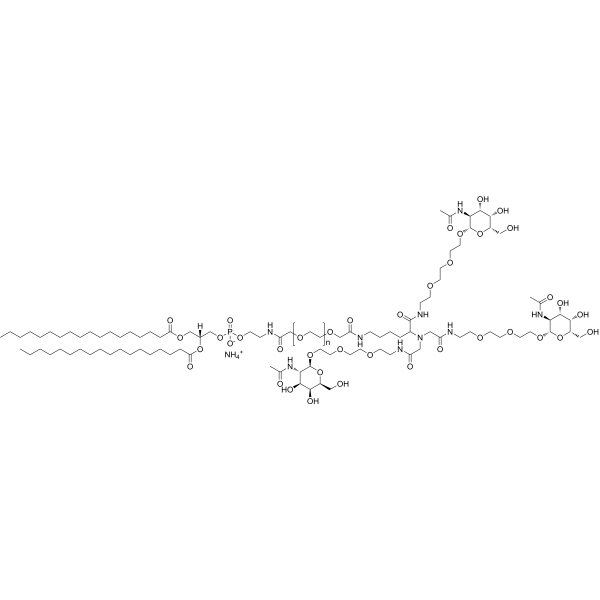
    DSPE-PEG2K-triGalNAc ammonium is a polar lipid composed of DSPE and tri-N-acetylgalactosamine that can be used to construct liposomes target to asialoglycoprotein receptor (ASGPR).
    DSPE-PEG2000-triGalNAc ammonium
  • HY-147354

    LYTACs Cardiovascular Disease
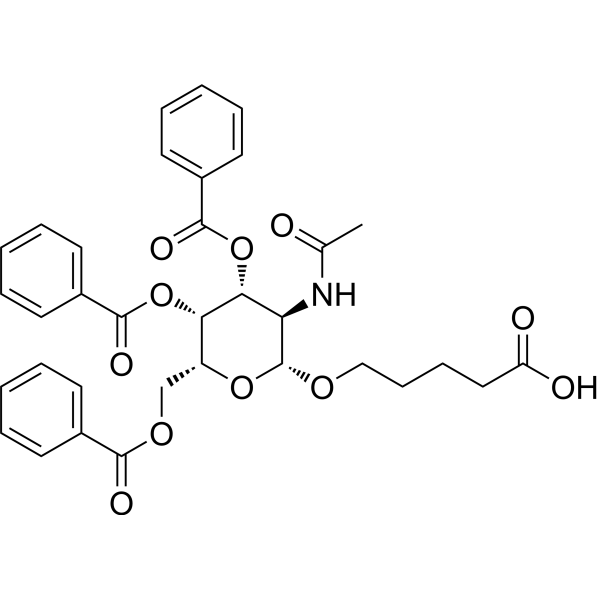
    TriGalNAc CBz is a GalNAc derivative and tri-GalNAc is an asialoglycoprotein receptor (ASGPR) ligand. TriGalNAc CBz can be used for mRNA drug delivery as well as lysosomal targeted chimerism (LYTAC) studies .
    TriGalNAc CBz
  • HY-147012

    Drug Intermediate Others
    GalNAc-L96, a triantennary N-acetylgalactosamine (GalNAc), is a ligand of asialoglycoprotein receptor (ASGPR). GalNAc-L96 can be used to synthesize GalNAc-siRNA and can be used for oligonucleotide delivery .
    GalNAc-L96
  • HY-173247

    Drug Derivative Others
    GalNAc-NAG37 phosphoramidite is an N-acetylgalactosamine (GalNAc) derivative that acts as a ligand for the asialoglycoprotein receptor (ASGPR). GalNAc-NAG37 phosphoramidite can be used to synthesize GalNAc-siRNA and for oligonucleotide delivery .
    GalNAc-NAG37 phosphoramidite
  • HY-147266

    VIR-2218 sodium

    Small Interfering RNA (siRNA) HBV Infection
    Elebsiran (VIR-2218) sodium is a siRNA that targets and degrades hepatitis B virus (HBV) and hepatitis D virus (HDV) RNA transcripts. Elebsiran sodium leads to a significant decrease in HBV surface antigen (HBsAg) and a reduction in viral load. Elebsiran sodium binds to the sialic acid-depleted glycoprotein receptor (ASGPR) on the surface of liver cells through the GalNAc ligand, achieving liver-targeted delivery and demonstrating improved liver safety. Elebsiran sodium can be used for the study of chronic HBV/HDV infections .
    Elebsiran sodium
  • HY-156994

    Asialoglycoprotein Receptor (ASGPR) Others
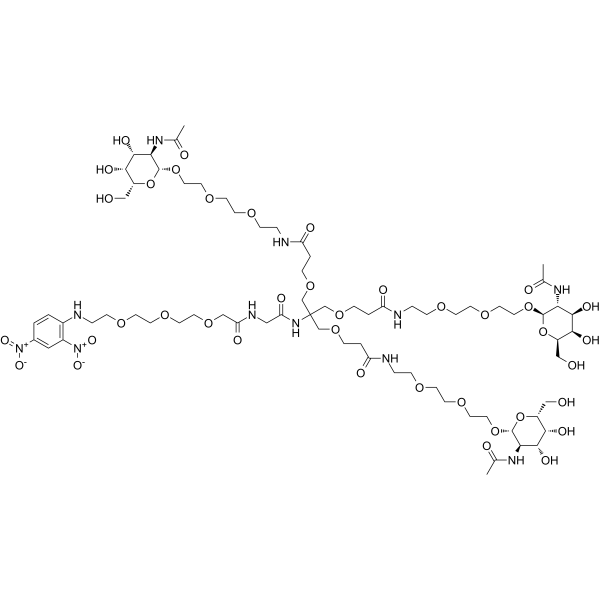
    ASGPR ligand-1 (Compound int-CC2) is an asialoglycoprotein receptor (ASGPR) ligand with a binding Kd value of 0.9 nM. ASGPR ligand-1 is applicable to research on lysosome degradation-related diseases .
    ASGPR ligand-1
  • HY-150151A

    LYTACs Cardiovascular Disease
    GalNac-siRNA negative control (21nt) is the negative control form of GalNac-siRNA. GalNac-siRNA is an Asialoglycoprotein receptor (ASGPR)-targeted inhibitor conjugate. GalNac-siRNA is promising for research of hereditary transthyretin amyloidosis, acute hepatic porphyria, hemophilia and hypercholesterolemia .
    GalNac-siRNA negative control (21nt)
  • HY-147102

    LYTACs Metabolic Disease
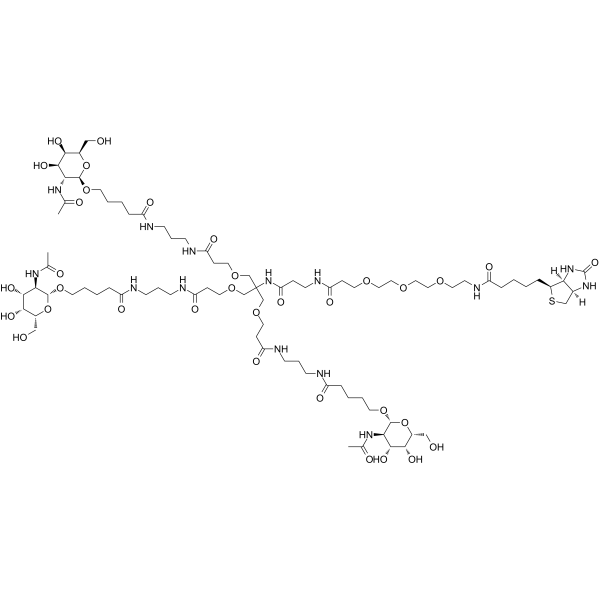
    tri-GalNAc biotin is a biotinylated ASGPR (Asialoglycoprotein receptor) ligand. tri-GalNAc biotin promotes cellular uptake of neutravidin (NA) via ASGPR. tri-GalNAc biotin delivers neutravidin to lysosomes for degradation. tri-GalNAc biotin can be used for research of LYsosome TArgeting Chimera (LYTAC) .
    tri-GalNAc biotin
  • HY-171910

    Asialoglycoprotein Receptor (ASGPR) LYTACs Others
    tri(GalNAc-PEG2)-PEG4-cyclo(Ac-DCAW-{Arg(3F-Ph)-PEG2}-LGELVWCT) (Cys2-Cys12) is an asialoglycoprotein receptor (ASGPR) ligand that can be used for LYsosome TArgeting Chimera (LYTAC) research .
    tri(GalNAc-PEG2)-PEG4-cyclo(Ac-DCAW-{Arg(3F-Ph)-PEG2}-LGELVWCT) (Cys2-Cys12)
  • HY-153184

    Asialoglycoprotein Receptor (ASGPR) Small Interfering RNA (siRNA) Metabolic Disease
    GalNAc-L96 free base is a conjugate of GalNAc and its ligand L96. When conjugated with the A-rich HCV sequence (H12), GalNAc-L96 free base binds potently to ASGPR, with a Ki value of 10.4 nM. GalNAc-L96 free base promotes siRNA delivery to hepatocytes .
    GalNAc-L96 free base
  • HY-179737

    LYTACs Metabolic Disease
    ASGPR ligand-2 (Compound 366) is an asialoglycoprotein receptor (ASGPR) binder. ASGPR ligand-2 can be coupled with recognition elements of target proteins (such as antibodies or antigen-binding fragments), and through the endocytosis mediated by ASGPR, the target protein is delivered to the lysosomes of liver cells, promoting the degradation of the target protein. ASGPR ligand-2 can be used for the research of metabolic disease .
    ASGPR ligand-2
  • HY-147266A

    VIR-2218

    HBV Small Interfering RNA (siRNA) Infection
    Elebsiran (VIR-2218) is a siRNA that targets and degrades hepatitis B virus (HBV) and hepatitis D virus (HDV) RNA transcripts. Elebsiran leads to a significant decrease in HBV surface antigen (HBsAg) and a reduction in viral load. Elebsiran binds to the sialic acid-depleted glycoprotein receptor (ASGPR) on the surface of liver cells through the GalNAc ligand, achieving liver-targeted delivery and demonstrating improved liver safety. Elebsiran can be used for the study of chronic HBV/HDV infections .
    Elebsiran
  • HY-142881

    LYTACs Others
    D-MoDE-A (1) is a bifunctional small molecule that mediates the degradation of extracellular proteins through the asialoglycoprotein receptor (ASGPR).
    D-MoDE-A (1)
  • HY-153527

    LYTACs Metabolic Disease
    GalNAc-L96 analog is an intermediate in the synthesis of the asialoglycoprotein receptor (ASGPR) ligand GalNAc-L96 (HY-147012).
    GalNac-L96 analog
  • HY-145649A

    AD-85481 sodium; ALN-AGT sodium

    Small Interfering RNA (siRNA) Asialoglycoprotein Receptor (ASGPR) Cardiovascular Disease
    Zilebesiran (AD-85481; ALN-AGT) sodium is a long-acting liver-targeted small interfering RNA (siRNA) antihypertensive agent. Zilebesiran sodium binds to the hepatic asialoglycoprotein receptor (ASGPR), activates the RNA-induced silencing complex to degrade hepatic angiotensinogen mRNA, thereby inhibiting the gene expression and synthesis of angiotensinogen. Zilebesiran sodium dose-dependently reduces serum angiotensinogen levels and 24-hour ambulatory blood pressure, with its effect persisting throughout the circadian cycle. Zilebesiran sodium is applicable to research related to hypertension .
    Zilebesiran sodium
  • HY-146152

    Others Others
    ASGPR modulator-1 (Compound 5TJX) is a macrocycle compound that can be uesd for protein-protein interaction study .
    ASGPR modulator-1
  • HY-112752

    Liposome Others
    Gal-C4-Chol is a glycosylated cholesterol derivative. Gal-C4-Chol can be used as a ligand for asialoglycoprotein receptors (ASGPR) to prepare Galactosylated (Gal) liposomes. Gal-C4-Chol can be used to prepare simple lipid-based nanoparticles .
    Gal-C4-Chol
  • HY-RS01085

    Small Interfering RNA (siRNA) Others

    ASGR1 Human Pre-designed siRNA Set A contains three designed siRNAs for ASGR1 gene (Human), as well as a negative control, a positive control, and a FAM-labeled negative control.

    ASGR1 Human Pre-designed siRNA Set A
    ASGR1 Human Pre-designed siRNA Set A
  • HY-142885

    LYTACs Others
    M-MoDE-A (2) is a bifunctional small molecule that mediates the degradation of extracellular proteins through the asialoglycoprotein receptor (ASGPR).
    M-MoDE-A (2)
  • HY-171342

    LYTACs Inflammation/Immunology
    Mal-C2-amide-C10-tri-GalNAc (Compound 1226) is an asialoglycoprotein receptor (ASGPR) binding ligand fragment and a component of lysosome-targeted bifunctional molecules. Mal-C2-amide-C10-tri-GalNAc promotes the sequestration and degradation of extracellular target molecules in lysosomes. Mal-C2-amide-C10-tri-GalNAc is used in the research of autoimmune diseases .
    Mal-C2-amide-C10-tri-GalNAc
  • HY-180909

    PROTACs Asialoglycoprotein Receptor (ASGPR) Epigenetic Reader Domain Cancer
    TMU454 is a prototype GalNAc-PROTAC conjugate. TMU454 binds to ASGPR on the membrane of cells, and then is internalized via ASGPR-mediated endocytosis. TMU454 selectively degrades BRD4. TMU454 exhibits anticancer activity against hepatocellular carcinoma .
    TMU454
  • HY-19272

    Nucleoside Antimetabolite/Analog Asialoglycoprotein Receptor (ASGPR) Cancer
    OGT-719 is a potent, orally active nucleoside analogue that targets the asialoglycoprotein receptor (ASGP-R). OGT-719 inhibits growth of metastatic colorectal tumors in the liver of nude mice. OGT-719 can be used for primary hepatocellular carcinoma and colorectal liver metastases research .
    OGT-719
  • HY-P11639

    Biochemical Assay Reagents Others
    ppTG21 is an endosomolytic agent and inducer. ppTG21 can facilitate endosomal escape of Cas9-2lig-1NLS and Cas9-ASGPrL ribonucleoproteins (RNPs) to enable receptor-facilitated, cell-type specific gene editing in cancer cells without electroporation or transfection reagents. ppTG21 can be used for the research of gene editing .
    ppTG21

Inquiry Online

Your information is safe with us. * Required Fields.

Salutation


Country or Region *

Applicant Name *


Organization Name *

Department *


Email Address *


Product Name *

Cat. No.


Requested quantity *

Phone Number *


Remarks

Inquiry Online

Inquiry Information

Product Name:
Cat. No.:
Quantity:
MCE Japan Authorized Agent:

