


Search Result
Results for "
Acetaminophen
" in MedChemExpress (MCE) Product Catalog:
1
Biochemical Assay Reagents
19
Isotope-Labeled Compounds
| Cat. No. |
Product Name |
Target |
Research Areas |
Chemical Structure |
-
- HY-66005
-
-
-
- HY-154629
-
-
-
- HY-113381
-
|
α-Hydroxybutyric acid
|
Endogenous Metabolite
|
Metabolic Disease
Inflammation/Immunology
|
|
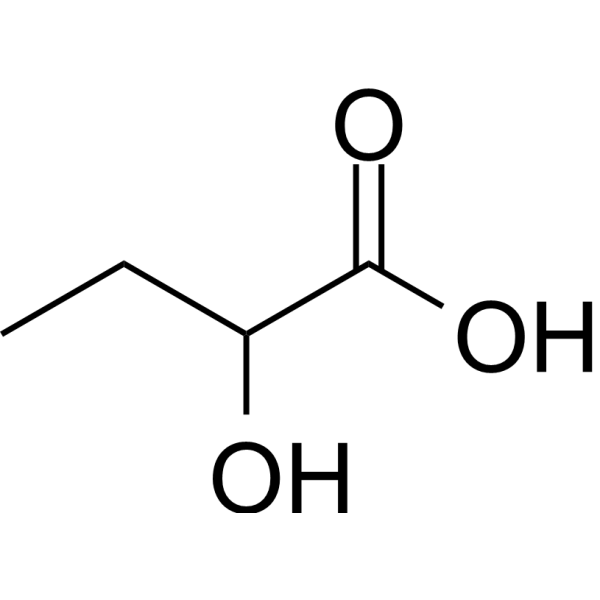
2-Hydroxybutyric acid (α-Hydroxybutyric acid ) is converted from 2-Aminobutyric acid, with 2-oxobutyric acid as an intermediate metabolite . 2-Hydroxybutyric acid is a potential biomarker for type 2 diabetes and preeclampsia . 2-Hydroxybutyric acid prevents the acetaminophen (AP)-induced liver injury .
|
-
-
- HY-W010800
-
|
|
Topoisomerase
DNA/RNA Synthesis
Apoptosis
Necroptosis
|
Cancer
|
|
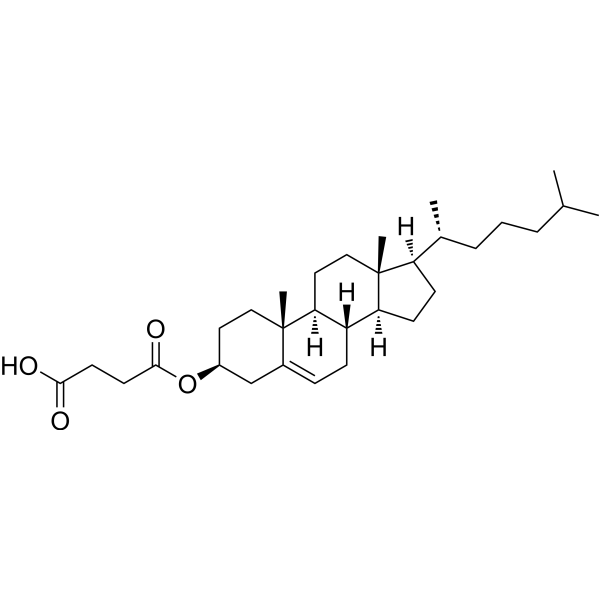
Cholesteryl hemisuccinate is a with hepatoprotective an anticancer activity. Cholesteryl hemisuccinate inhibits Acetaminophen (AAP, HY-66005) hepatotoxicity, and prevents AAP-induced hepatic apoptosis and necrosis. Cholesteryl hemisuccinate inhibits DNA polymerase and DNA topoisomerase to inhibit DNA replication and repair and cell division. Thus, Cholesteryl hemisuccinate inhibits tumor growth .
|
-
-
- HY-134816
-
|
|
Toll-like Receptor (TLR)
|
Metabolic Disease
Inflammation/Immunology
Cancer
|
|
D-Glucan is an orally effective Dectin-1 receptor immune activator with antioxidant properties (reducing TNF-α). D-Glucan activates macrophages and neutrophils to scavenge free radicals, inhibit oxidative stress and inflammatory responses, and improve insulin sensitivity. D-Glucan promotes glycolysis by enhancing the activity of the antioxidant enzyme glutathione, inhibiting gluconeogenesis and activating GK. D-Glucan can be used in the research of liver damage protection (antagonizing Acetaminophen (HY-66005) toxicity), radiation protection (synergistic with vitamin E) and diabetes (improving glucose metabolism) .
|
-
-
- HY-W010800A
-
|
Cholesterol hydrogen succinate Tris salt; CHS-Tris
|
Biochemical Assay Reagents
Topoisomerase
DNA/RNA Synthesis
Apoptosis
Necroptosis
|
Inflammation/Immunology
Cancer
|
|
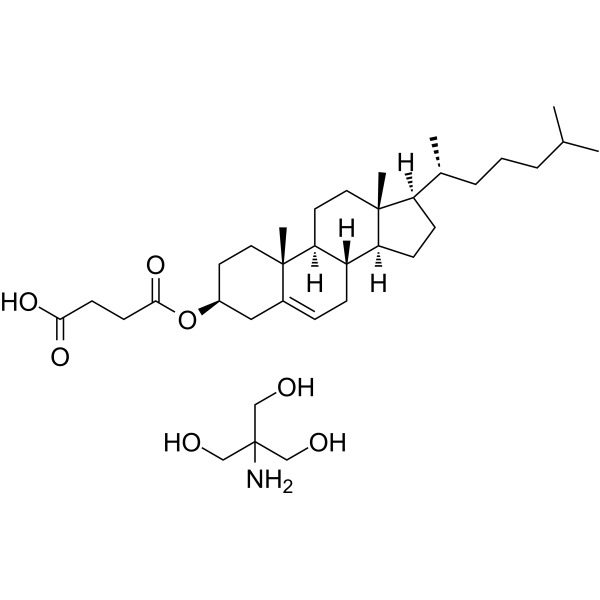
Cholesterol hemisuccinate (Cholesterol hydrogen succinate) Tris salt is a compound with hepatoprotective and anticancer activity. Cholesterol hemisuccinate Tris salt inhibits Acetaminophen (AAP) (HY-66005) hepatotoxicity, and prevents AAP-induced hepatic apoptosis and necrosis. Cholesterol hemisuccinate Tris salt inhibits DNA polymerase and DNA topoisomerase to inhibit DNA replication and repair and cell division. Cholesterol hemisuccinate Tris salt inhibits tumor growth. Cholesterol hemisuccinate Tris salt can be used for buffer preparation .
|
-
-
- HY-66005S
-
|
Paracetamol-d4; 4-Acetamidophenol-d4; 4'-Hydroxyacetanilide-d4
|
COX
Histone Acetyltransferase
Endogenous Metabolite
|
Inflammation/Immunology
|
|
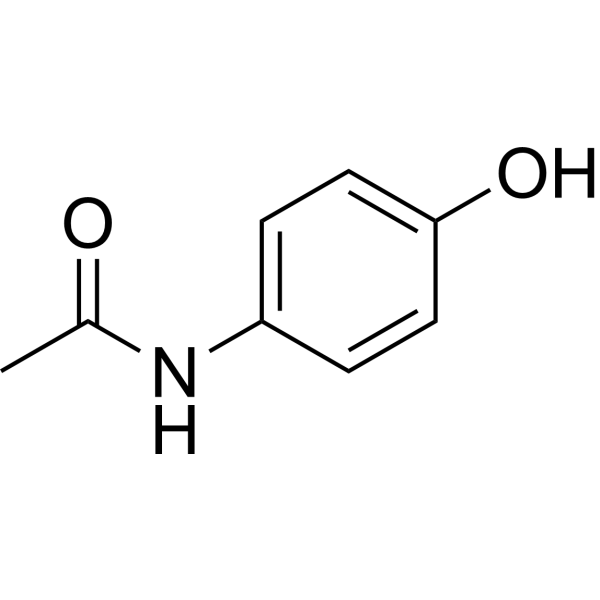
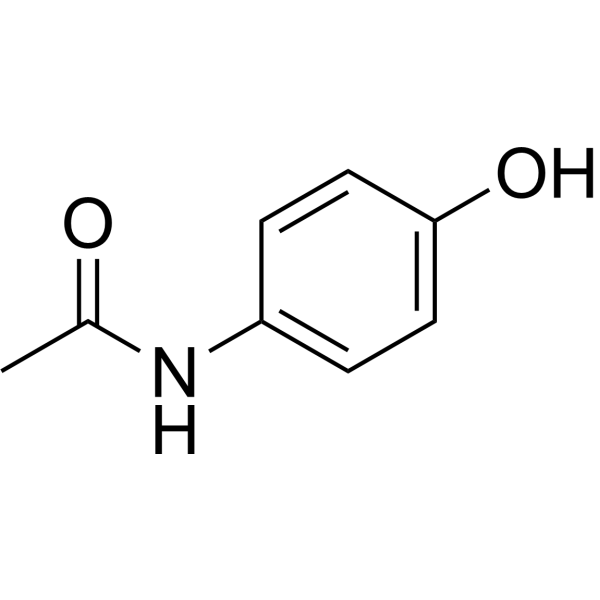
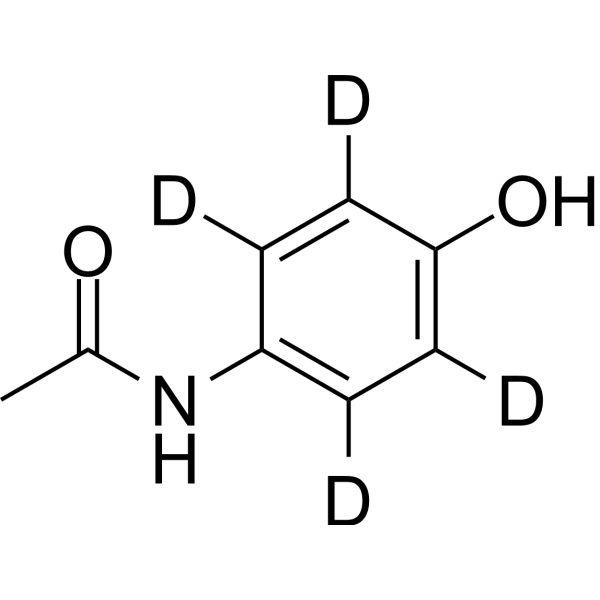
Acetaminophen-d4 is the deuterium labeled Acetaminophen. Acetaminophen (Paracetamol) is a selective cyclooxygenase-2 (COX-2) inhibitor with an IC50 of 25.8 μM; is a widely used antipyretic and analgesic agent . Acetaminophen is a potent hepatic N-acetyltransferase 2 (NAT2) inhibitor .
|
-
-
- HY-P4070
-
|
|
Insulin Receptor
|
Metabolic Disease
|
|
Insulin icodec is an Insulin (HY-P0035) analog that strongly but reversibly binds to albumin. Insulin icodec has long plasma half-life. Insulin icodec modulates insulin receptor activity, controls blood glucose levels, reduces HbA1c levels, and binds reversibly to human serum albumin. Insulin icodec can be used for the research of type 2 diabetes mellitus .
|
-
-
- HY-66005R
-
|
Paracetamol (Standard); 4-Acetamidophenol (Standard); 4'-Hydroxyacetanilide (Standard)
|
Reference Standards
COX
Histone Acetyltransferase
Endogenous Metabolite
Bacterial
Parasite
|
Inflammation/Immunology
Cancer
|
|
Acetaminophen (Standard) is the analytical standard of Acetaminophen. This product is intended for research and analytical applications. Acetaminophen (Paracetamol) is a selective cyclooxygenase-2 (COX-2) inhibitor with an IC50 of 25.8 μM; is a widely used antipyretic and analgesic agent . Acetaminophen is a potent hepatic N-acetyltransferase 2 (NAT2) inhibitor .
|
-
-
- HY-W017464
-
|
N-Acetyl-4-benzoquinone Imine
|
Drug Metabolite
Endogenous Metabolite
|
Metabolic Disease
|
|
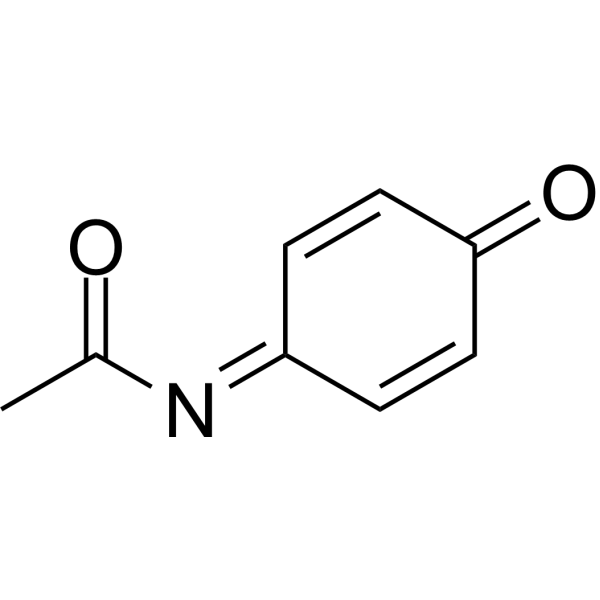
NAPQI is the toxic metabolite of Acetaminophen (HY-66005). NAPQI is also an inhibitor of enzymes in the vitamin K cycle. NAPQI is rapidly detoxified by glutathione (GSH), but in situations of GSH deficiency, excess NAPQI reacts with cysteine residues in proteins, causing cell death and toxicity in the liver .
|
-
-
- HY-113083
-
|
APAP-glu
|
Drug Metabolite
Endogenous Metabolite
|
Others
|
|
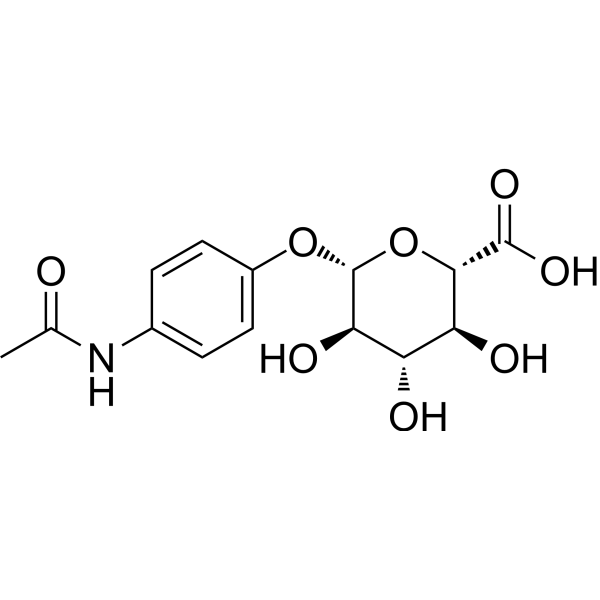
Acetaminophen glucuronide (APAP-glu) is an inactive glucuronide metabolite of Acetaminophen (HY-66005) . Acetaminophen is a selective cyclooxygenase-2 (COX-2) inhibitor and a potent hepatic N-acetyltransferase 2 (NAT2) inhibitor .
|
-
-
- HY-124750
-
-
-
- HY-113486
-
|
|
Endogenous Metabolite
SOD
Lactate Dehydrogenase
|
Metabolic Disease
|
|
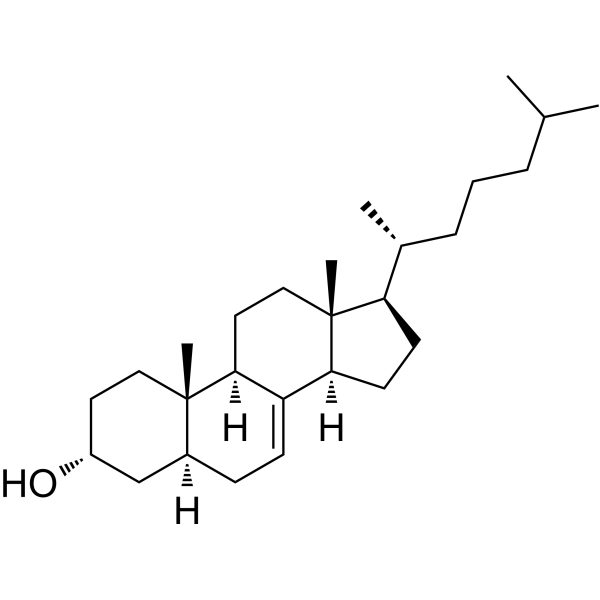
Lathosterol is a plant sterol and cholesterol-like molecule. Lathosterol increases antioxidant enzymes (such as SOD, CAT, and GSH) and decreases LDH. Lathosterol has a hepatoprotective effect on mice with acetaminophen (HY-66005)-induced liver injury [1] .
|
-
-
- HY-B1309
-
|
AMAP
|
Drug Derivative
Mitochondrial Metabolism
|
Infection
Cancer
|
|
Metacetamol (AMAP) is an analog of Acetaminophen (HY-66005). Metacetamol induces dose-dependent necrosis in primary hepatocytes via glutathione depletion, mitochondrial damage, and formation of mitochondrial protein adducts. Metacetamol derivatives act as anticancer and antibacterial agents. Metacetamol can be used in studies related to breast cancer, bacterial infections, and fungal infections (candidiasis) .
|
-
-
- HY-12346
-
|
NSC 12407; BRD-K4477
|
Quinone Reductase
|
Others
|
|
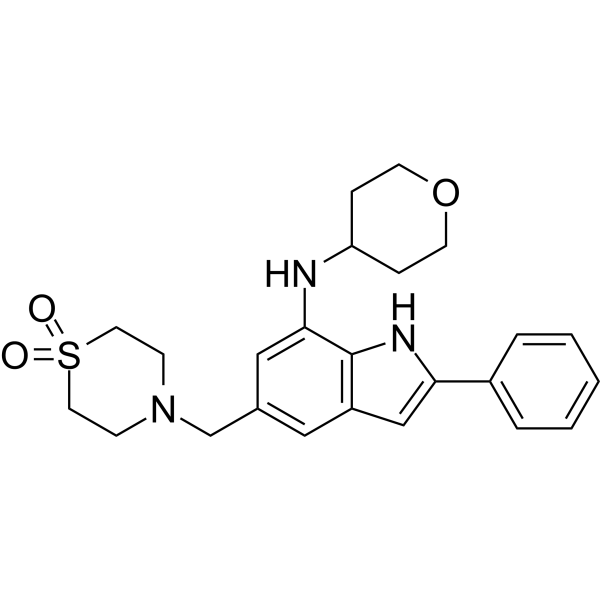
FH1 (NSC 12407) is a NQO2 inhibitor with hepatoprotective effects. FH1 enhances hepatocyte function and promotes differentiation of induced pluripotent stem (iPS)-derived hepatocytes to a more mature phenotype and maturation of well-differentiated hepatocyte-like cell (iHeps) cultures. FH1 protects against Acetaminophen (HY-66005)-induced hepatotoxicity in both embryos and adult zebrafish .
|
-
-
- HY-G0004
-
|
3-HydroxyAcetaminophen
|
Drug Metabolite
|
Inflammation/Immunology
|
|
Acetaminophen metabolite 3-hydroxy-acetaminophen (3-Hydroxyacetaminophen) is a non-toxic metabolite and antioxidant of acetaminophen (HY-66005) with free radical scavenging activity. Acetaminophen metabolite 3-hydroxy-acetaminophen can reduce oxidative damage by exerting electron donation ability and antioxidant activity through phenolic hydroxyl groups. 3-hydroxy-acetaminophen can be used to study the toxicity mechanism and drug metabolism of acetaminophen .
|
-
-
- HY-P5362
-
|
|
Radionuclide-Drug Conjugates (RDCs)
Somatostatin Receptor
|
Neurological Disease
Cancer
|
|
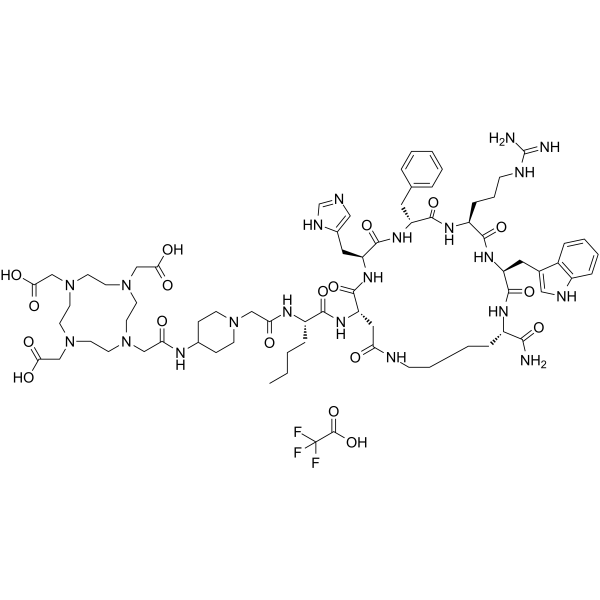
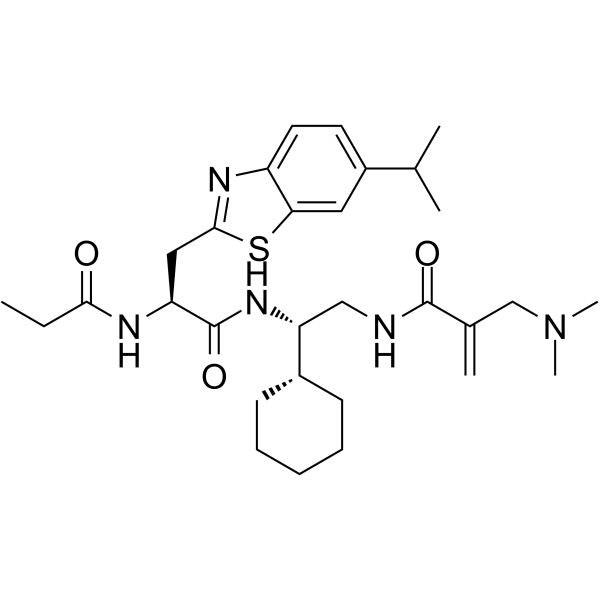
NODAGA-LM3 is a ligand that can cross the blood-brain barrier and targets somatostatin receptor SSTR2 with high affinity (IC50 = 1.3 nM). NODAGA-LM3 does not trigger the internalization of SSTR2 and can inhibit agonist-induced internalization processes. NODAGA-LM3 shows low uptake in normal tissues such as the liver and spleen, but high uptake in the lungs and blood pool. 68Ga-labeled NODAGA-LM3 can serve as a PET imaging agent for well-differentiated neuroendocrine tumors, and is applied in studies related to small cell lung cancer and well-differentiated neuroendocrine tumors .
|
-
-
- HY-W012790
-
|
2-Hydroxybutyric acid sodium
|
Endogenous Metabolite
|
Metabolic Disease
|
|
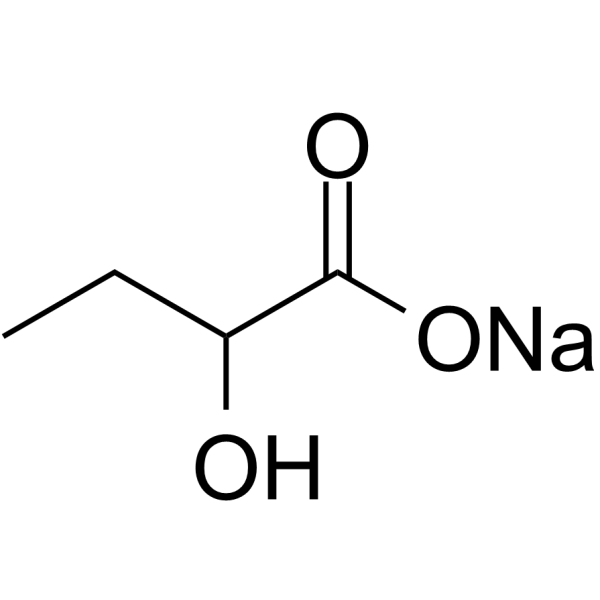
Sodium 2-hydroxybutanoate (2-Hydroxybutyric acid sodium) is converted from 2-Aminobutyric acid, with 2-oxobutyric acid as an intermediate metabolite . Sodium 2-hydroxybutanoate is a potential biomarker for type 2 diabetes and preeclampsia . Sodium 2-hydroxybutanoate prevents the acetaminophen (AP)-induced liver injury .
|
-
-
- HY-P2336A
-
|
|
Melanocortin Receptor
|
Cancer
|
|
CCZ01048 TFA, a α-MSH analogue, exhibits high binding affinity to melanocortin 1 receptor (MC1R) with a Ki of 0.31 nM. CCZ01048 TFA shows rapid internalization into B16F10 melanoma cells and high in vivo stability. CCZ01048 TFA is a promising candidate for PET imaging of malignant melanoma .
|
-
-
- HY-66005S1
-
|
Paracetamol-d3; 4-Acetamidophenol-d3; 4'-Hydroxyacetanilide-d3
|
COX
Histone Acetyltransferase
Endogenous Metabolite
|
Inflammation/Immunology
Cancer
|
|
Acetaminophen-d3 is the deuterium labeled Acetaminophen. Acetaminophen (Paracetamol) is a selective cyclooxygenase-2 (COX-2) inhibitor with an IC50 of 25.8 μM; is a widely used antipyretic and analgesic agent . Acetaminophen is a potent hepatic N-acetyltransferase 2 (NAT2) inhibitor .
|
-
-
- HY-139093A
-
|
APAP-Cys TFA
|
Drug Derivative
|
Others
|
|
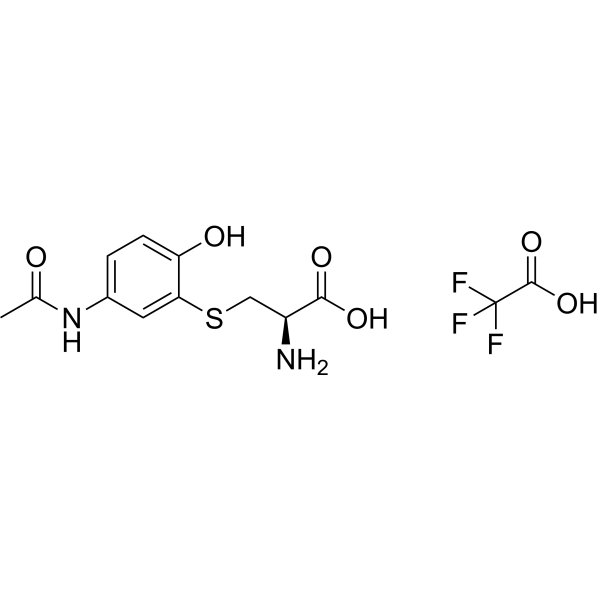
Paracetamol-cysteine (TFA) is an acetaminophen-protein adduct formed during the metabolism of acetaminophen (HY-66005) .
|
-
-
- HY-66004
-
|
Diacetamate
|
Drug Intermediate
Bacterial
Parasite
|
Inflammation/Immunology
Cancer
|
|
4-Acetamidophenyl acetate is an impurity of Acetaminophen (HY-66005). 4-Acetamidophenyl acetate acts as an intermediate in the synthesis of Acetaminophen. Acetaminophen is a selective COX-2 inhibitor (IC50=25.8 μM), and is a potent hepatic N-acetyltransferase 2 (NAT2) inhibitor .
|
-
-
- HY-145733
-
|
|
E1/E2/E3 Enzyme
|
Cardiovascular Disease
|
|
DI-1859 is a potent, selective and covalent inhibitor of DCN1. DI-1859 inhibits neddylation of cullin 3 in cells at low nanomolar concentrations. DI-1859 induces a robust increase of NRF2 protein, a CRL3 substrate, in mouse liver and effectively protects mice from acetaminophen-induced liver damage .
|
-
-
- HY-145453
-
|
|
Interleukin Related
|
Inflammation/Immunology
|
|
Propacetamol is an orally active prodrug of Acetaminophen (HY-66005), which exerts antipyretic and analgesic effects after metabolism. Propacetamol reduces Aspirin (ASA) (HY-14654)-induced elevation of malondialdehyde (MDA) in gastric mucosa and plasma, regulates the levels of gastric mucosal glutathione (GSH and GSSG) to maintain cellular antioxidant defense, and increases gastric mucosal uric acid (UA) levels. Propacetamol exerts a dose-dependent protective effect against ASA-induced gastric mucosal damage in rats. Propacetamol can be used for the study of gastric mucosal injury by interfering with oxidative stress .
|
-
-
- HY-66005S2
-
|
Paracetamol-d7; 4-Acetamidophenol-d7; 4'-Hydroxyacetanilide-d7
|
COX
Endogenous Metabolite
Histone Acetyltransferase
|
Inflammation/Immunology
|
|
Acetaminophen-d7 is the deuterium labeled Acetaminophen. Acetaminophen (Paracetamol) is a selective cyclooxygenase-2 (COX-2) inhibitor with an IC50 of 25.8 μM; is a widely used antipyretic and analgesic agent. Acetaminophen is a potent hepatic N-acetyltransferase 2 (NAT2) inhibitor.
|
-
-
- HY-W010800R
-
|
|
Reference Standards
Topoisomerase
DNA/RNA Synthesis
Apoptosis
Necroptosis
|
Cancer
|
|
Cholesteryl hemisuccinate (Standard) is the analytical standard of Cholesteryl hemisuccinate. This product is intended for research and analytical applications. Cholesteryl hemisuccinate is a with hepatoprotective an anticancer activity. Cholesteryl hemisuccinate inhibits Acetaminophen (AAP, HY-66005) hepatotoxicity, and prevents AAP-induced hepatic apoptosis and necrosis. Cholesteryl hemisuccinate inhibits DNA polymerase and DNA topoisomerase to inhibit DNA replication and repair and cell division. Thus, Cholesteryl hemisuccinate inhibits tumor growth[1][2].
|
-
-
- HY-P10341
-
|
|
GCGR
|
Metabolic Disease
|
|
ZP3022 is a dual agonist of glucagon-like peptide-1 (GLP-1) and gastrin that has the ability to sustainably improve glycemic control. Additionally, ZP3022 can effectively increase β-cell mass, promote β-cell proliferation, and enhance the function of pancreatic islets. ZP3022 can be used in anti-diabetic research .
|
-
-
- HY-66005S4
-
|
Paracetamol-13C2,15N; 4-Acetamidophenol-13C2,15N; 4'-Hydroxyacetanilide-13C2,15N
|
COX
Bacterial
Histone Acetyltransferase
Parasite
Endogenous Metabolite
|
Inflammation/Immunology
|
|
Acetaminophen- 13C2, 15N is the 13C and 15N labeled Acetaminophen . Acetaminophen (Paracetamol) is a selective cyclooxygenase-2 (COX-2) inhibitor with an IC50 of 25.8 μM;is a widely used antipyretic and analgesic agent . Acetaminophen is a potent hepatic N-acetyltransferase 2 (NAT2) inhibitor .
|
-
-
- HY-W016034
-
|
p-Acetamidophenyl β-D-glucuronide sodium salt; p-AAPG sodium salt
|
Drug Metabolite
|
Infection
|
|
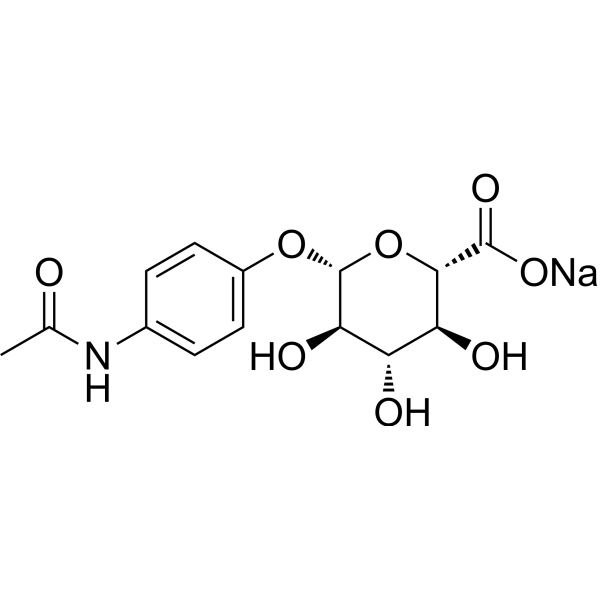
Acetaminophen glucuronide is a safe and effective
antipyretic analgesic. Acetaminophen glucuronide is potentially toxic to liver
and kidney .
|
-
-
- HY-138128
-
-
-
- HY-W012790S
-
|
|
Endogenous Metabolite
|
Metabolic Disease
|
|
Sodium 2-hydroxybutanoate-d3 is the deuterium labeled Sodium 2-hydroxybutanoate . Sodium 2-hydroxybutanoate (2-Hydroxybutyric acid sodium) is converted from 2-Aminobutyric acid, with 2-oxobutyric acid as an intermediate metabolite . Sodium 2-hydroxybutanoate is a potential biomarker for type 2 diabetes and preeclampsia . Sodium 2-hydroxybutanoate prevents the acetaminophen (AP)-induced liver injury .
|
-
-
- HY-N7697C
-
|
|
Toll-like Receptor (TLR)
Interleukin Related
Reactive Oxygen Species (ROS)
|
Cardiovascular Disease
Metabolic Disease
Inflammation/Immunology
|
|
Chitohexaose hexahydrochloride is a small molecular polysaccharide. Chitohexaose hexahydrochloride inhibits the binding of AgW to TLR4. Chitohexaose hexahydrochloride upregulates IL-10, inhibits LPS-induced upregulation of ROS, induces alternative activation of macrophages/monocytes, and suppresses LPS-induced production of TNF-α, IL-1β and IL-6. Chitohexaose hexahydrochloride reverses the mortality of mice challenged with APAP or LPS. Chitohexaose hexahydrochloride can be used in research related to Acetaminophen (HY-66005)-induced hepatotoxicity and endotoxemia .
|
-
-
- HY-66006AS
-
-
-
- HY-66005S3
-
-
-
- HY-128435
-
|
|
Estrogen Receptor/ERR
|
Metabolic Disease
|
|
2,4'-Dihydroxybenzophenone ((Z)-SU4312) exhibited estrogenic activities. 2,4'-Dihydroxybenzophenone has oral bioactivity that can effectively protect C57BL/6J mice from Acetaminophen (HY-66005, APAP)-induced hepatotoxicity .
|
-
-
- HY-135325
-
|
|
Drug Metabolite
|
Inflammation/Immunology
|
|
4-Hydroxyacetophenone oxime is an impurity of Acetaminophen (Paracetamol). Acetaminophen is a potent cyclooxygenase-2 (COX-2) and hepatic N-acetyltransferase 2 (NAT2) inhibitor, and used antipyretic and analgesic agent .
|
-
-
- HY-66004R
-
|
Diacetamate (Standard)
|
Reference Standards
Drug Intermediate
Bacterial
Parasite
|
Inflammation/Immunology
Cancer
|
|
4-Acetamidophenyl acetate (Standard) is the analytical standard of 4-Acetamidophenyl acetate (HY-66004). This product is intended for research and analytical applications. 4-Acetamidophenyl acetate is an impurity of Acetaminophen (HY-66005). 4-Acetamidophenyl acetate acts as an intermediate in the synthesis of Acetaminophen. Acetaminophen is a selective COX-2 inhibitor (IC50=25.8 μM), and is a potent hepatic N-acetyltransferase 2 (NAT2) inhibitor .
|
-
-
- HY-W016034R
-
|
p-Acetamidophenyl β-D-glucuronide sodium salt (Standard); p-AAPG sodium salt (Standard)
|
Drug Metabolite
Reference Standards
|
Infection
|
|
Acetaminophen glucuronide (sodium salt) (Standard) is the analytical standard of Acetaminophen glucuronide (sodium salt). This product is intended for research and analytical applications. Acetaminophen glucuronide is a safe and effective
antipyretic analgesic. Acetaminophen glucuronide is potentially toxic to liver
and kidney .
|
-
-
- HY-P11004
-
|
|
Bacterial
Antibiotic
|
Infection
|
|
A3-APO is an antimicrobial peptide. A3-APO has a significant antimicrobial activity by a dual mode of action with both membrane disintegration and intracellular target inhibition. A3-APO can deactivate bacterial toxins and increase the expression of anti-inflammatory cytokines (such as IL-4 and IL-10), without antimicrobial resistance. A3-APO accelerates burn wounds healing in mice infection model of Acinetobacter baumannii and Staphylococcus aureus .
|
-
-
- HY-G0004R
-
|
3-HydroxyAcetaminophen (Standard)
|
Reference Standards
Drug Metabolite
|
Inflammation/Immunology
|
|
Acetaminophen metabolite 3-hydroxy-acetaminophen (3-Hydroxyacetaminophen) (Standard) is the analytical standard of Acetaminophen metabolite 3-hydroxy-acetaminophen (HY-G0004). This product is intended for research and analytical applications. Acetaminophen metabolite 3-hydroxy-acetaminophen is a non-toxic metabolite and antioxidant of acetaminophen (HY-66005) with free radical scavenging activity. Acetaminophen metabolite 3-hydroxy-acetaminophen can reduce oxidative damage by exerting electron donation ability and antioxidant activity through phenolic hydroxyl groups. 3-hydroxy-acetaminophen can be used to study the toxicity mechanism and drug metabolism of acetaminophen .
|
-
-
- HY-P10472
-
|
|
GnRH Receptor
|
Endocrinology
|
|
Azaline B is an antagonist for gonadotropin-releasing hormone (GnRH) with IC50 of 1.37 nM, Azaline B can be used in research of sex hormone-related pathological states, ovulation induction and male contraception .
|
-
-
- HY-P4757
-
|
|
Parasite
|
Others
|
|
N1-Glutathionyl-spermidine disulfide is a substrate of trypanothione reductase .
|
-
-
- HY-171035
-
|
|
Quinone Reductase
Keap1-Nrf2
Aminotransferases (Transaminases)
|
Metabolic Disease
|
|
PRL-295 is an orally active inhibitor targeting Keap1-Nrf2 interaction. PRL-295 increases the thermal stability of Keap1 and disrupts its interaction with Nrf2, thereby activating the Nrf2-dependent transcriptional target NAD(P)H:quinone oxidoreductase 1 (NQO1). PRL-295 protects against Acetaminophen (HY-66005)-induced liver injury in mice .
|
-
-
- HY-66006S1
-
-
-
- HY-66006S
-
-
-
- HY-P11243
-
|
|
Ephrin Receptor
|
Neurological Disease
|
|
EphA4 agonist compound 23 is a novel EphA4 agonist peptide mimic. EphA4 agonist compound 23 exhibits high affinity, high selectivity, and significant receptor activation ability. EphA4 agonist compound 23 is commonly used in the study of neurodegenerative diseases .
|
-
-
- HY-P2434
-
|
|
Somatostatin Receptor
|
Neurological Disease
Metabolic Disease
Cancer
|
|
AP102 is a dual SSTR2/SSTR5-specific somatostatin analog (SSA). AP102 is a disulfide-bridged octapeptide SSA containing synthetic iodinated amino acids. AP102 binds with subnanomolar affinity to SSTR2 and SSTR5 (IC50: 0.63 and 0.65 nM, respectively). AP102 does not bind to SSTR1 or SSTR3. AP102 can be used for acromegaly and neuroendocrine tumors research .
|
-
-
- HY-154762S
-
-
-
- HY-143911S
-
-
-
- HY-141736S
-
-
- HY-P5362A
-
|
|
Radionuclide-Drug Conjugates (RDCs)
Somatostatin Receptor
|
Cancer
|
|
NODAGA-LM3 TFA is a ligand that can cross the blood-brain barrier and targets somatostatin receptor SSTR2 with high affinity (IC50 = 1.3 nM). NODAGA-LM3 TFA does not trigger the internalization of SSTR2 and can inhibit agonist-induced internalization processes. NODAGA-LM3 TFA shows low uptake in normal tissues such as the liver and spleen, but high uptake in the lungs and blood pool. 68Ga-labeled NODAGA-LM3 TFA can serve as a PET imaging agent for well-differentiated neuroendocrine tumors, and is applied in studies related to small cell lung cancer and well-differentiated neuroendocrine tumors .
|
-
- HY-105168
-
|
|
Endothelin Receptor
|
Cardiovascular Disease
|
|
TAK 044 is an antagonist of Endothelin Receptor. TAK 044 strongly inhibits ET-induced deterioration in various animal models. TAK 044 can be used in study ET-related diseases such as acute myocardial infarction,acute renal failure, acute hepatic malfunction, and subarachnoid hemorrhage .
|
-
- HY-135323
-
-
- HY-W742557
-
-
- HY-W750886
-
-
- HY-113083R
-
|
APAP-glu (Standard)
|
Reference Standards
Drug Metabolite
Endogenous Metabolite
|
Others
|
|
Acetaminophen glucuronide (Standard) is the analytical standard of Acetaminophen glucuronide. This product is intended for research and analytical applications. Acetaminophen glucuronide (APAP-glu) is an inactive glucuronide metabolite of Acetaminophen (HY-66005) . Acetaminophen is a selective cyclooxygenase-2 (COX-2) inhibitor and a potent hepatic N-acetyltransferase 2 (NAT2) inhibitor .
|
-
- HY-W016034S
-
|
p-Acetamidophenyl β-D-glucuronide-d3 sodium salt; p-AAPG-d3 sodium salt
|
Isotope-Labeled Compounds
|
Others
|
|
Acetaminophen glucuronide-d3 sodium salt is the deuterium labeled Acetaminophen glucuronide sodium salt.
|
-
- HY-66005S5
-
-
- HY-P3690
-
|
|
Proteasome
|
Others
|
|
Ac-Leu-Leu-Norleucinol (ALLN) is a calpain inhibitor, can be used for research of Acetaminophen (HY-66005) induced acute liver damage, and lowers glutamic-oxalacetic transaminease (ALT) and glutamic-pyruvic transaminase (AST) .
|
-
- HY-W739619
-
|
|
Isotope-Labeled Compounds
Drug Derivative
|
Others
|
|
Paracetamol-cysteine-d5 TFA is the deuterium labeled Paracetamol-cysteine TFA (HY-139093A). Paracetamol-cysteine TFA is an acetaminophen-protein adduct formed during the metabolism of acetaminophen (HY-66005) .
|
-
- HY-156436
-
|
|
Interleukin Related
|
Inflammation/Immunology
|
|
Anti-inflammatory agent 62 is an anti-inflammatory agent. Anti-inflammatory agent 62 alleviate Acetaminophen-induced hepatotoxicity in HepG2 by the regulation of inflammatory and oxidative stress pathways .
|
-
- HY-W721656
-
|
|
Drug Derivative
|
Inflammation/Immunology
|
|
Triclacetamol is the trichloroacetyl derivative of Acetaminophen (HY-66005), exhibiting weak cyclooxygenase inhibition and possessing analgesic and antipyretic activities as a nonsteroidal anti-inflammatory drug (NSAID). Triclacetamol acts as an anti-inflammatory agent and promotes the excretion of uric acid .
|
-
- HY-N12016
-
|
|
Others
|
Metabolic Disease
|
|
Fulvotomentoside B is a saponin isolated from Lactobacillus flavus. Fulvotomentoside compounds can significantly reduce serum glutamate pyruvate transaminase (SGPT) and triacylglycerol (GT) levels in mice poisoned by CCl4, d-galactosamine (d-gal) and acetaminophen, and significantly alleviate liver pathology. damage .
|
-
- HY-N2109R
-
|
|
Reference Standards
Others
|
Metabolic Disease
|
|
Macranthoidin A (Standard) is the analytical standard of Macranthoidin A. This product is intended for research and analytical applications. Macranthoidin A is an orally active saponin from Flos Lonicerae. Macranthoidin A possess protection effects on hepatic injury caused by Acetaminophen, Cd, and CCl4, and conspicuous depressant effects on swelling of ear croton oil .
|
-
- HY-113486S1
-
-
- HY-113486R
-
|
|
Endogenous Metabolite
Reference Standards
SOD
Lactate Dehydrogenase
|
Metabolic Disease
|
|
Lathosterol (Standard) is the analytical standard of Lathosterol (HY-113486). This product is intended for research and analytical applications. Lathosterol is a plant sterol and cholesterol-like molecule. Lathosterol increases antioxidant enzymes (such as SOD, CAT, and GSH) and decreases LDH. Lathosterol has a hepatoprotective effect on mice with acetaminophen (HY-66005)-induced liver injury [1] .
|
-
- HY-W012790R
-
|
|
Reference Standards
Endogenous Metabolite
|
Metabolic Disease
|
|
Sodium 2-hydroxybutanoate is an endogenous metabolite. Sodium 2-hydroxybutanoate (2-Hydroxybutyric acid sodium) is converted from 2-Aminobutyric acid, with 2-oxobutyric acid as an intermediate metabolite . Sodium 2-hydroxybutanoate is a potential biomarker for type 2 diabetes and preeclampsia . Sodium 2-hydroxybutanoate prevents the acetaminophen (AP)-induced liver injury .
|
-
- HY-169927
-
|
|
Ferroptosis
|
Inflammation/Immunology
|
|
Ferroptosis-IN-16 (Compound 13l) is a specific inhibitor for ferroptosis with an EC50 of 0.7 nM and 0.9 nM in ES-2 cell and LX-2 cell. Ferroptosis-IN-16 ameliorates Acetaminophen (HY-66005)-induced acute liver injury in mouse model, and exhibits good metabolic stability in mouse liver microsomes .
|
-
- HY-P2075
-
|
|
Renin
|
Endocrinology
|
|
EMD 55068 is a renin antagonist. EMD 55068 inhibits the uptake of taurocholate .
|
-
- HY-W744265
-
|
N-Acetyl-4-benzoquinone Imine-d3
|
Isotope-Labeled Compounds
Drug Metabolite
Endogenous Metabolite
|
Metabolic Disease
|
|
NAPQI-d3 (N-Acetyl-4-benzoquinone Imine-d3) is the deuterium labeled NAPQI (HY-W017464). NAPQI is the toxic metabolite of Acetaminophen (HY-66005). NAPQI is also an inhibitor of enzymes in the vitamin K cycle. NAPQI is rapidly detoxified by glutathione (GSH), but in situations of GSH deficiency, excess NAPQI reacts with cysteine residues in proteins, causing cell death and toxicity in the liver .
|
-
- HY-173293
-
|
|
ASK1
|
Inflammation/Immunology
|
|
ASK1-IN-8 (Compound 35) is an orally active inhibitor of apoptosis signal-regulating kinase 1 (ASK1) with an IC50 value of 1.8 nM . In an experimental mouse model of liver injury induced by Acetaminophen (HY-66005), ASK1-IN-8 can significantly reduce the plasma alanine transaminase (ALT) level, protecting the liver . ASK1-IN-8 can be used in research related to liver diseases .
|
-
- HY-P10876
-
|
|
Amyloid-β
|
Neurological Disease
|
|
mcK6A1 is an inhibitor for the aggregation of amyloid-β (Aβ), that selectively binds to the 16KLVFFA21 segment of Aβ42, forms an extended β-folded structure, and inhibits the formation of Aβ42 oligomers. mcK6A1 can be used in research of Alzheimer's disease and other amyloid-related diseases .
|
-
- HY-145453R
-
|
|
Reference Standards
Interleukin Related
|
Inflammation/Immunology
|
|
Propacetamol (Standard) is the analytical standard of Propacetamol (HY-145453). This product is intended for research and analytical applications. Propacetamol is an orally active prodrug of Acetaminophen (HY-66005), which exerts antipyretic and analgesic effects after metabolism. Propacetamol reduces Aspirin (ASA) (HY-14654)-induced elevation of malondialdehyde (MDA) in gastric mucosa and plasma, regulates the levels of gastric mucosal glutathione (GSH and GSSG) to maintain cellular antioxidant defense, and increases gastric mucosal uric acid (UA) levels. Propacetamol exerts a dose-dependent protective effect against ASA-induced gastric mucosal damage in rats. Propacetamol can be used for the study of gastric mucosal injury by interfering with oxidative stress .
|
-
- HY-113083A
-
|
APAP-glu potassium
|
Drug Metabolite
|
Others
|
|
Acetaminophen glucuronide potassium (APAP-glu potassium) is the inactive glucuronide metabolite of Acetaminophen (HY-66005). Acetaminophen glucuronide potassium can be used as a biomarker to measure glucuronidation activity or hepatic drug metabolism capacity .
|
-
- HY-N17467
-
|
|
Drug Derivative
|
Metabolic Disease
|
|
Forsydoitriside A is an iridoid glycoside trimer found in the fruits of Forsythia suspensa. Forsydoitriside A shows no significant hepatoprotective activity against Acetaminophen (HY-66005)-induced damage in liver cells at 10 μM .
|
-
- HY-N18297
-
|
|
Phosphatase
|
Metabolic Disease
|
|
Licoagrochalcone A is a PTP1B inhibitor. Licoagrochalcone A exerts protective effects against liver cell injury induced by carbon tetrachloride and Acetaminophen (HY-66005). Licoagrochalcone A is applicable to the research of type 2 diabetes, obesity and liver injury .
|
-
- HY-W725454
-
|
|
Drug Metabolite
Drug Intermediate
|
Inflammation/Immunology
|
|
Acetaminosalol, a merged ester NSAID–APAP hybrid, is a metabolite of Benorylate (HY-107795) and a prodrug of Acetaminophen (HY-66005) and Aalicylic acid (HY-B0167). Acetaminosalol can be used for the research of acute rheumatism .
|
-
- HY-135323R
-
|
|
Reference Standards
|
|
|
Paracetamol EP Impurity N (Standard) is the analytical standard of Paracetamol EP Impurity N. This product is intended for research and analytical applications.
|
-
- HY-N17855
-
|
|
Glycosidase
Reactive Oxygen Species (ROS)
|
Metabolic Disease
|
|
Guavinoside B is an orally active α-glucosidase inhibitor with an IC50 of 0.21 mM. Guavinoside B upregulates the expressions of Nrf2, GCLC and NQO1 induced by Acetaminophen (HY-66005), downregulates the expression of p-JNK, and reduces intracellular ROS levels. Guavinoside B decreases serum TNF-α levels induced by Acetaminophen, alleviates hepatocellular infiltration and necrosis, and improves liver-related biochemical parameters. Guavinoside B is applicable to the research of diabetes and Acetaminophen-induced liver injury .
|
-
- HY-119348
-
|
NCX-701
|
Interleukin Related
TNF Receptor
COX
NO Synthase
|
Neurological Disease
Inflammation/Immunology
|
|
Nitroparacetamol (NCX-701) is a nitric oxide (NO) donor-non-steroidal anti-inflammatory agent (NO-NSAID). Nitroparacetamol is formed by the ester linkage of Acetaminophen (HY-66005) and Nitrooxybutyroyl, aiming to combine the analgesic advantage of Acetaminophen with the organ-protective effect of nitric oxide, while expanding its anti-inflammatory activity. The analgesic spectrum of Nitroparacetamol is broader, and it is effective for painful pathological pain, and significantly reduces hepatotoxicity. Nitroparacetamol can reduce the expressions of IL-1β, TNF-α, COX-2, and iNOS.
|
-
- HY-182237
-
|
PGSH
|
Liposome
|
Metabolic Disease
|
|
Palmitoyl glutathione (PGSH) is a palmitoylated peptide derivative and a liver-targeted liposome-forming agent. Palmitoyl glutathione can form liposome-like vesicles with cholesterol, which can encapsulate water-soluble solutes. Palmitoyl glutathione can be used in studies related to Acetaminophen (HY-66005)-induced liver necrosis .
|
-
- HY-W017464R
-
|
N-Acetyl-4-benzoquinone Imine (Standard)
|
Drug Metabolite
Reference Standards
Endogenous Metabolite
|
Metabolic Disease
|
|
NAPQI (Standard) is the analytical standard of NAPQI (HY-W017464). This product is intended for research and analytical applications. NAPQI is the toxic metabolite of Acetaminophen (HY-66005). NAPQI is also an inhibitor of enzymes in the vitamin K cycle. NAPQI is rapidly detoxified by glutathione (GSH), but in situations of GSH deficiency, excess NAPQI reacts with cysteine residues in proteins, causing cell death and toxicity in the liver .
|
-
- HY-N1749
-
|
|
FXR
|
Others
|
|
2-Oxokolavenol is a selective agonist targeting the farnesoid X receptor (FXR), with an EC50 of ~3.7 μM. 2-Oxokolavenol exerts its activity against Acetaminophen (HY-66005)-induced hepatocyte damage in an FXR-dependent manner by binding to the FXR ligand-binding pocket, recruiting co-activators, and inducing FXR transcriptional activity. 2-Oxokolavenol can be naturally extracted from Aglaia spectabilis (a plant of the Aglaia genus in the Meliaceae family) and can be used in research related to liver diseases .
|
-
- HY-182390
-
|
|
Ferroptosis
Reactive Oxygen Species (ROS)
Keap1-Nrf2
|
Cardiovascular Disease
Metabolic Disease
Inflammation/Immunology
|
|
Ferroptosis-IN-24 is a non-classical ferroptosis inhibitor capable of crossing the blood-brain barrier, with nanomolar inhibitory activity against ferroptosis induced by RSL3 (HY-100218A) and Erastin (HY-15763). Ferroptosis-IN-24 alleviates oxidative stress, reduces lipid peroxidation accumulation, and restores redox homeostasis. Ferroptosis-IN-24 is applicable to research related to cerebral ischemia-reperfusion injury and acute liver injury .
|
-
- HY-P11488
-
|
|
Radionuclide-Drug Conjugates (RDCs)
Somatostatin Receptor
PSMA
|
Cancer
|
|
JR11-PEG3-DOTA-PSMA-03 (Compound 2) is an RDC-related compound containing the chelating agent DOTA (HY-W053583), the JR11 peptide (SSTR2 antagonist), and the PSMA ligand. JR11-PEG3-DOTA-PSMA-03 shows SSTR2-binding affinities and PSMA-binding affinities, with IC50 s of 94.0 nM, 81.8 nM, respectively. JR11-PEG3-DOTA-PSMA-03 can be radiolabeled with [ 68Ga]. [ 68Ga] radiolabeled JR11-PEG3-DOTA-PSMA-03 can be used in diagnostic studies of neuroendocrine differentiated prostate cancer .
|
-
- HY-P11485
-
|
|
Radionuclide-Drug Conjugates (RDCs)
Somatostatin Receptor
PSMA
|
Cancer
|
|
JR11-PEG3-HBED-CC-PSMA-03 (Compound 1) is an RDC-related compound containing the chelating agent HBED-CC, the JR11 peptide (SSTR2 antagonist), and the PSMA ligand. JR11-PEG3-HBED-CC-PSMA-03 shows SSTR2-binding affinities and PSMA-binding affinities, with IC50 s of 59.2 nM, 57.0 nM, respectively. JR11-PEG3-HBED-CC-PSMA-03 can be radiolabeled with [ 68Ga]. [ 68Ga] radiolabeled JR11-PEG3-HBED-CC-PSMA-03 can be used in diagnostic studies of neuroendocrine differentiated prostate cancer .
|
-
| Cat. No. |
Product Name |
Type |
-
- HY-134816
-
|
|
Biochemical Assay Reagents
|
|
D-Glucan is an orally effective Dectin-1 receptor immune activator with antioxidant properties (reducing TNF-α). D-Glucan activates macrophages and neutrophils to scavenge free radicals, inhibit oxidative stress and inflammatory responses, and improve insulin sensitivity. D-Glucan promotes glycolysis by enhancing the activity of the antioxidant enzyme glutathione, inhibiting gluconeogenesis and activating GK. D-Glucan can be used in the research of liver damage protection (antagonizing Acetaminophen (HY-66005) toxicity), radiation protection (synergistic with vitamin E) and diabetes (improving glucose metabolism) .
|
| Cat. No. |
Product Name |
Target |
Research Area |
-
- HY-P4070
-
|
|
Insulin Receptor
|
Metabolic Disease
|
|
Insulin icodec is an Insulin (HY-P0035) analog that strongly but reversibly binds to albumin. Insulin icodec has long plasma half-life. Insulin icodec modulates insulin receptor activity, controls blood glucose levels, reduces HbA1c levels, and binds reversibly to human serum albumin. Insulin icodec can be used for the research of type 2 diabetes mellitus .
|
-
- HY-105055
-
|
|
Peptides
|
Cancer
|
|
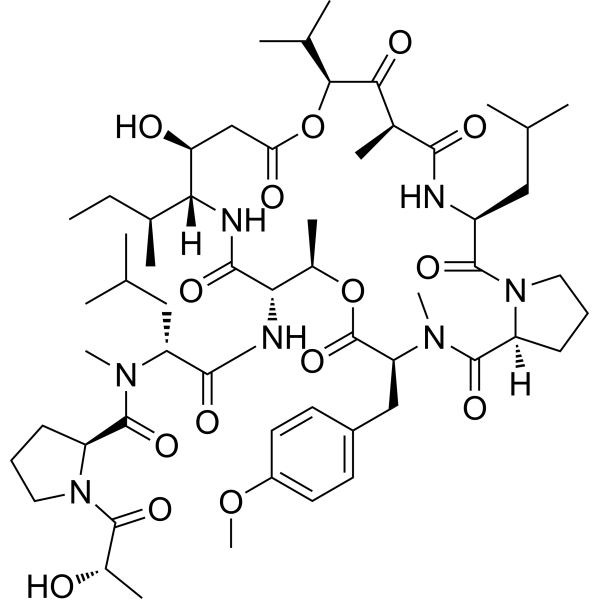
Didemnin B is a depsipeptide extracted from the marine tunicate Trididemnin cyanophorum. Didemnin B can be used for the research of cancer .
|
-
- HY-P5362
-
|
|
Radionuclide-Drug Conjugates (RDCs)
Somatostatin Receptor
|
Neurological Disease
Cancer
|
|
NODAGA-LM3 is a ligand that can cross the blood-brain barrier and targets somatostatin receptor SSTR2 with high affinity (IC50 = 1.3 nM). NODAGA-LM3 does not trigger the internalization of SSTR2 and can inhibit agonist-induced internalization processes. NODAGA-LM3 shows low uptake in normal tissues such as the liver and spleen, but high uptake in the lungs and blood pool. 68Ga-labeled NODAGA-LM3 can serve as a PET imaging agent for well-differentiated neuroendocrine tumors, and is applied in studies related to small cell lung cancer and well-differentiated neuroendocrine tumors .
|
-
- HY-P2336A
-
|
|
Melanocortin Receptor
|
Cancer
|
|
CCZ01048 TFA, a α-MSH analogue, exhibits high binding affinity to melanocortin 1 receptor (MC1R) with a Ki of 0.31 nM. CCZ01048 TFA shows rapid internalization into B16F10 melanoma cells and high in vivo stability. CCZ01048 TFA is a promising candidate for PET imaging of malignant melanoma .
|
-
- HY-P10341
-
|
|
GCGR
|
Metabolic Disease
|
|
ZP3022 is a dual agonist of glucagon-like peptide-1 (GLP-1) and gastrin that has the ability to sustainably improve glycemic control. Additionally, ZP3022 can effectively increase β-cell mass, promote β-cell proliferation, and enhance the function of pancreatic islets. ZP3022 can be used in anti-diabetic research .
|
-
- HY-P11004
-
|
|
Bacterial
Antibiotic
|
Infection
|
|
A3-APO is an antimicrobial peptide. A3-APO has a significant antimicrobial activity by a dual mode of action with both membrane disintegration and intracellular target inhibition. A3-APO can deactivate bacterial toxins and increase the expression of anti-inflammatory cytokines (such as IL-4 and IL-10), without antimicrobial resistance. A3-APO accelerates burn wounds healing in mice infection model of Acinetobacter baumannii and Staphylococcus aureus .
|
-
- HY-P10472
-
|
|
GnRH Receptor
|
Endocrinology
|
|
Azaline B is an antagonist for gonadotropin-releasing hormone (GnRH) with IC50 of 1.37 nM, Azaline B can be used in research of sex hormone-related pathological states, ovulation induction and male contraception .
|
-
- HY-P4757
-
|
|
Parasite
|
Others
|
|
N1-Glutathionyl-spermidine disulfide is a substrate of trypanothione reductase .
|
-
- HY-P11243
-
|
|
Ephrin Receptor
|
Neurological Disease
|
|
EphA4 agonist compound 23 is a novel EphA4 agonist peptide mimic. EphA4 agonist compound 23 exhibits high affinity, high selectivity, and significant receptor activation ability. EphA4 agonist compound 23 is commonly used in the study of neurodegenerative diseases .
|
-
- HY-P2434
-
|
|
Somatostatin Receptor
|
Neurological Disease
Metabolic Disease
Cancer
|
|
AP102 is a dual SSTR2/SSTR5-specific somatostatin analog (SSA). AP102 is a disulfide-bridged octapeptide SSA containing synthetic iodinated amino acids. AP102 binds with subnanomolar affinity to SSTR2 and SSTR5 (IC50: 0.63 and 0.65 nM, respectively). AP102 does not bind to SSTR1 or SSTR3. AP102 can be used for acromegaly and neuroendocrine tumors research .
|
-
- HY-P5362A
-
|
|
Radionuclide-Drug Conjugates (RDCs)
Somatostatin Receptor
|
Cancer
|
|
NODAGA-LM3 TFA is a ligand that can cross the blood-brain barrier and targets somatostatin receptor SSTR2 with high affinity (IC50 = 1.3 nM). NODAGA-LM3 TFA does not trigger the internalization of SSTR2 and can inhibit agonist-induced internalization processes. NODAGA-LM3 TFA shows low uptake in normal tissues such as the liver and spleen, but high uptake in the lungs and blood pool. 68Ga-labeled NODAGA-LM3 TFA can serve as a PET imaging agent for well-differentiated neuroendocrine tumors, and is applied in studies related to small cell lung cancer and well-differentiated neuroendocrine tumors .
|
-
- HY-105168
-
|
|
Endothelin Receptor
|
Cardiovascular Disease
|
|
TAK 044 is an antagonist of Endothelin Receptor. TAK 044 strongly inhibits ET-induced deterioration in various animal models. TAK 044 can be used in study ET-related diseases such as acute myocardial infarction,acute renal failure, acute hepatic malfunction, and subarachnoid hemorrhage .
|
-
- HY-P3690
-
|
|
Proteasome
|
Others
|
|
Ac-Leu-Leu-Norleucinol (ALLN) is a calpain inhibitor, can be used for research of Acetaminophen (HY-66005) induced acute liver damage, and lowers glutamic-oxalacetic transaminease (ALT) and glutamic-pyruvic transaminase (AST) .
|
-
- HY-P2075
-
|
|
Renin
|
Endocrinology
|
|
EMD 55068 is a renin antagonist. EMD 55068 inhibits the uptake of taurocholate .
|
-
- HY-P10876
-
|
|
Amyloid-β
|
Neurological Disease
|
|
mcK6A1 is an inhibitor for the aggregation of amyloid-β (Aβ), that selectively binds to the 16KLVFFA21 segment of Aβ42, forms an extended β-folded structure, and inhibits the formation of Aβ42 oligomers. mcK6A1 can be used in research of Alzheimer's disease and other amyloid-related diseases .
|
-
- HY-P11488
-
|
|
Radionuclide-Drug Conjugates (RDCs)
Somatostatin Receptor
PSMA
|
Cancer
|
|
JR11-PEG3-DOTA-PSMA-03 (Compound 2) is an RDC-related compound containing the chelating agent DOTA (HY-W053583), the JR11 peptide (SSTR2 antagonist), and the PSMA ligand. JR11-PEG3-DOTA-PSMA-03 shows SSTR2-binding affinities and PSMA-binding affinities, with IC50 s of 94.0 nM, 81.8 nM, respectively. JR11-PEG3-DOTA-PSMA-03 can be radiolabeled with [ 68Ga]. [ 68Ga] radiolabeled JR11-PEG3-DOTA-PSMA-03 can be used in diagnostic studies of neuroendocrine differentiated prostate cancer .
|
-
- HY-P11485
-
|
|
Radionuclide-Drug Conjugates (RDCs)
Somatostatin Receptor
PSMA
|
Cancer
|
|
JR11-PEG3-HBED-CC-PSMA-03 (Compound 1) is an RDC-related compound containing the chelating agent HBED-CC, the JR11 peptide (SSTR2 antagonist), and the PSMA ligand. JR11-PEG3-HBED-CC-PSMA-03 shows SSTR2-binding affinities and PSMA-binding affinities, with IC50 s of 59.2 nM, 57.0 nM, respectively. JR11-PEG3-HBED-CC-PSMA-03 can be radiolabeled with [ 68Ga]. [ 68Ga] radiolabeled JR11-PEG3-HBED-CC-PSMA-03 can be used in diagnostic studies of neuroendocrine differentiated prostate cancer .
|
| Cat. No. |
Product Name |
Category |
Target |
Chemical Structure |
| Cat. No. |
Product Name |
Chemical Structure |
-
- HY-66005S
-
|
|
|
Acetaminophen-d4 is the deuterium labeled Acetaminophen. Acetaminophen (Paracetamol) is a selective cyclooxygenase-2 (COX-2) inhibitor with an IC50 of 25.8 μM; is a widely used antipyretic and analgesic agent . Acetaminophen is a potent hepatic N-acetyltransferase 2 (NAT2) inhibitor .
|
-
-
- HY-66005S1
-
|
|
|
Acetaminophen-d3 is the deuterium labeled Acetaminophen. Acetaminophen (Paracetamol) is a selective cyclooxygenase-2 (COX-2) inhibitor with an IC50 of 25.8 μM; is a widely used antipyretic and analgesic agent . Acetaminophen is a potent hepatic N-acetyltransferase 2 (NAT2) inhibitor .
|
-
-
- HY-66005S2
-
|
|
|
Acetaminophen-d7 is the deuterium labeled Acetaminophen. Acetaminophen (Paracetamol) is a selective cyclooxygenase-2 (COX-2) inhibitor with an IC50 of 25.8 μM; is a widely used antipyretic and analgesic agent. Acetaminophen is a potent hepatic N-acetyltransferase 2 (NAT2) inhibitor.
|
-
-
- HY-66005S4
-
|
|
|
Acetaminophen- 13C2, 15N is the 13C and 15N labeled Acetaminophen . Acetaminophen (Paracetamol) is a selective cyclooxygenase-2 (COX-2) inhibitor with an IC50 of 25.8 μM;is a widely used antipyretic and analgesic agent . Acetaminophen is a potent hepatic N-acetyltransferase 2 (NAT2) inhibitor .
|
-
-
- HY-W012790S
-
|
|
|
Sodium 2-hydroxybutanoate-d3 is the deuterium labeled Sodium 2-hydroxybutanoate . Sodium 2-hydroxybutanoate (2-Hydroxybutyric acid sodium) is converted from 2-Aminobutyric acid, with 2-oxobutyric acid as an intermediate metabolite . Sodium 2-hydroxybutanoate is a potential biomarker for type 2 diabetes and preeclampsia . Sodium 2-hydroxybutanoate prevents the acetaminophen (AP)-induced liver injury .
|
-
-
- HY-66006AS
-
|
|
|
4-Acetaminophen sulfate-d3 (potassium) is the deuterium labeled 4-Acetaminophen sulfate potassium .
|
-
-
- HY-66005S3
-
|
|
|
Acetaminophen-13C6 (Paracetamol-13C6) is the 13C-labeled Acetaminophen. Acetaminophen (Paracetamol) is a selective cyclooxygenase-2 (COX-2) inhibitor with an IC50 of 25.8 μM; is a widely used antipyretic and analgesic agent . Acetaminophen is a potent hepatic N-acetyltransferase 2 (NAT2) inhibitor .
|
-
-
- HY-66006S1
-
|
|
|
4-Acetaminophen sulfate-d4 is deuterated labeled 4-Acetaminophen sulfate.
|
-
-
- HY-66006S
-
|
|
|
4-Acetaminophen sulfate-d3 is the deuterium labeled 4-Acetaminophen sulfate .
|
-
-
- HY-154762S
-
|
|
|
Acetaminophen glucuronide-d4 is deuterated labeled Acetaminophen glucuronide.
|
-
-
- HY-143911S
-
|
|
|
Acetaminophen glucuronide-d3 is the deuterium labeled Acetaminophen glucuronide .
|
-
-
- HY-141736S
-
|
|
|
Acetaminophen dimer-d6 is the deuterium labeled Acetaminophen dimer .
|
-
-
- HY-W742557
-
|
|
|
Acetaminophen glutathione-d3 disodium is the deuterium labeled Acetaminophen glutathione disodium.
|
-
-
- HY-W750886
-
|
|
|
rac-Acetaminophen mercapturate-d5 is the deuterium labeled rac-Acetaminophen mercapturate.
|
-
-
- HY-W016034S
-
|
|
|
Acetaminophen glucuronide-d3 sodium salt is the deuterium labeled Acetaminophen glucuronide sodium salt.
|
-
-
- HY-66005S5
-
|
|
|
Acetaminophen-d5 is deuterated-labeled Acetaminophen (HY-66005). Acetaminophen (Paracetamol) is a selective cyclooxygenase-2 (COX-2) inhibitor with an IC50 of 25.8 μM; is a widely used antipyretic and analgesic agent . Acetaminophen is a potent hepatic N-acetyltransferase 2 (NAT2) inhibitor .
|
-
-
- HY-W739619
-
|
|
|
Paracetamol-cysteine-d5 TFA is the deuterium labeled Paracetamol-cysteine TFA (HY-139093A). Paracetamol-cysteine TFA is an acetaminophen-protein adduct formed during the metabolism of acetaminophen (HY-66005) .
|
-
-
- HY-113486S1
-
|
|
|
lathosterol-d7 is deuterium labeled Lathosterol (HY-113486). Lathosterol is a plant sterol and cholesterol-like molecule. Lathosterol increases antioxidant enzymes (such as SOD, CAT, and GSH) and decreases LDH. Lathosterol has a hepatoprotective effect on mice with acetaminophen (HY-66005)-induced liver injury .
|
-
-
- HY-W744265
-
|
|
|
NAPQI-d3 (N-Acetyl-4-benzoquinone Imine-d3) is the deuterium labeled NAPQI (HY-W017464). NAPQI is the toxic metabolite of Acetaminophen (HY-66005). NAPQI is also an inhibitor of enzymes in the vitamin K cycle. NAPQI is rapidly detoxified by glutathione (GSH), but in situations of GSH deficiency, excess NAPQI reacts with cysteine residues in proteins, causing cell death and toxicity in the liver .
|
-
| Cat. No. |
Product Name |
|
Classification |
-
- HY-154629
-
|
|
|
Solvents
|
|
Sesame Oil is a vegetable oil. Sesame Oil can be extracted from the seeds of Sesamum indicum L. Sesame Oil decreases NF-κB, aspartate aminotransferase, alanine aminotransferase, IL-1β, IL-4 and nitric oxide. Sesame Oil has antitumor activity against malignant melanoma. Sesame Oil has protective effects against liver damage caused by various agents such as Cisplatin (HY-17394) and Acetaminophen (HY-66005). Sesame Oil shows antinociceptive and anti-inflammatory activities .
|
-
- HY-W010800
-
|
|
|
Cholesterol
|
|
Cholesteryl hemisuccinate is a with hepatoprotective an anticancer activity. Cholesteryl hemisuccinate inhibits Acetaminophen (AAP, HY-66005) hepatotoxicity, and prevents AAP-induced hepatic apoptosis and necrosis. Cholesteryl hemisuccinate inhibits DNA polymerase and DNA topoisomerase to inhibit DNA replication and repair and cell division. Thus, Cholesteryl hemisuccinate inhibits tumor growth .
|
Your information is safe with us. * Required Fields.
Inquiry Information
- Product Name:
- Cat. No.:
- Quantity:
- MCE Japan Authorized Agent:

