



1. Search Result
Search Result
Results for "

Ammonium

" in MedChemExpress (MCE) Product Catalog:

618

Inhibitors & Agonists

13

Fluorescent Dye

213

Biochemical Assay Reagents

9

Peptides

3

MCE Kits

58

Natural
Products

110

Isotope-Labeled Compounds

2

Click Chemistry

119

Oligonucleotides

Cat. No. Product Name Target Research Areas Chemical Structure
  • HY-B1645
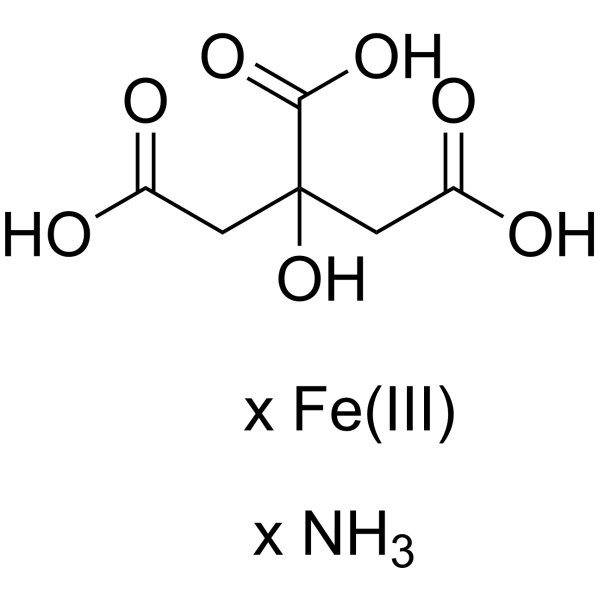
    Ammonium iron(III) citrate
    25+ Cited Publications

    Ammonium ferric citrate; FAC

    Environmental Pollutants Ferroptosis Cancer
    Ammonium iron(III) citrate (Ammonium ferric citrate), a physiological form of nonetransferrin-bound iron, induces intracellular iron overload to cause ferroptosis . Ammonium iron(III) citrate can enhance protein production .
    Ammonium iron(III) citrate
  • HY-Y1269
    Ammonium chloride, AR, 99.5%
    Maximum Cited Publications
    47 Publications Verification

    Environmental Pollutants Autophagy Cancer
    Ammonium chloride, as a heteropolar compound with pH value regulation, can cause intracellular alkalization and metabolic acidosis thus effecting enzymatic activity and influencing the process of biological system. Ammonium chloride is an autophagy inhibitor. Ammonium chloride is also a lysosome inhibitor .
    Ammonium chloride, AR, 99.5%
  • HY-18738
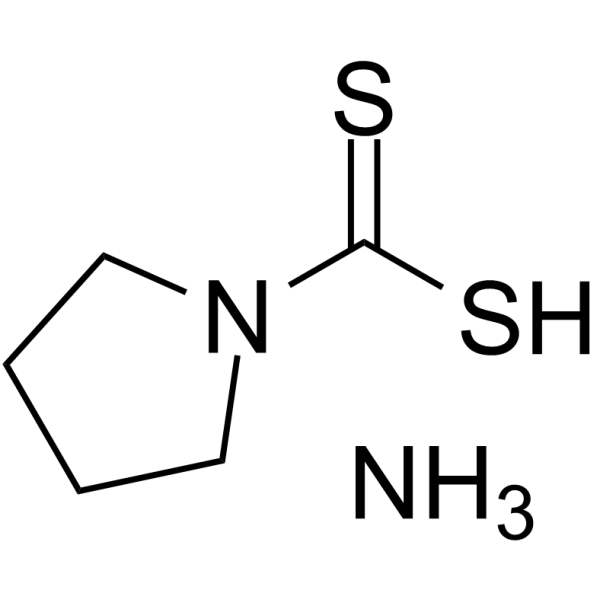
    Pyrrolidinedithiocarbamate ammonium
    Maximum Cited Publications
    146 Publications Verification

    Ammonium pyrrolidinedithiocarbamate; PDTC Ammonium; APDC

    NF-κB Inflammation/Immunology Cancer
    Pyrrolidinedithiocarbamate ammonium (Ammonium pyrrolidinedithiocarbamate) is a selective and blood-brain barrier (BBB) permeable NF-κB inhibitor.
    Pyrrolidinedithiocarbamate ammonium
  • HY-Y1269C
    Ammonium chloride, for cell culture
    Maximum Cited Publications
    47 Publications Verification

    Salmiac, for cell culture

    Environmental Pollutants Biochemical Assay Reagents Autophagy Cancer
    Ammonium chloride, for cell culture (Salmiac, for cell culture) is a reagent that can be used in cell culture to provide a source of nitrogen. Ammonium chloride can be used as a heteropolar compound to regulate pH value, which can cause intracellular alkalination and metabolic acidosis, thus affecting the activity of enzymes and affecting the process of biological systems. Ammonium chloride acts as an autophagy inhibitor.Ammonium chloride is also a lysosome inhibitor.
    Ammonium chloride, for cell culture
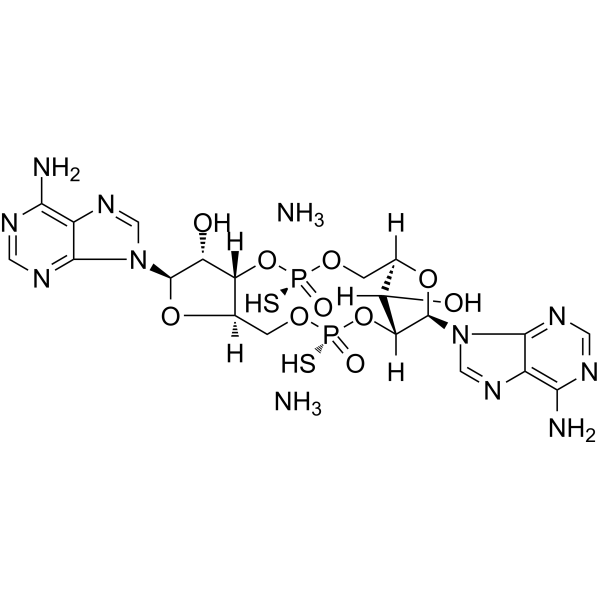
  • HY-12885B

    ADU-S100 Ammonium salt; MIW815 Ammonium salt; ML RR-S2 CDA Ammonium salt

    STING Inflammation/Immunology Cancer
    2’3’-c-di-AM(PS)2 (Rp,Rp) ammonium salt (ADU-S100 ammonium salt), an activator of stimulator of interferon genes (STING), leads to potent and systemic tumor regression and immunity .
    2’3’-c-di-AM(PS)2 (Rp,Rp) ammonium salt
  • HY-Y0849C

    Environmental Pollutants Biochemical Assay Reagents Others
    Ammonium acetate, for molecular biology, 98% is a biochemical reagent that can be used as a biological material or organic compound for life science related research.
    Ammonium acetate, for molecular biology, 98%
  • HY-W093399
    Ammonium bicarbonate,AR,99%
    3 Publications Verification

    Environmental Pollutants Biochemical Assay Reagents Fungal Infection
    Ammonium bicarbonate,AR,99% is an analytical reagent-grade ammonium bicarbonate. Ammonium bicarbonate has antifungal activity. Ammonium bicarbonate is widely used in laboratory analysis, food processing, agricultural fertilization and other fields .
    Ammonium bicarbonate,AR,99%
  • HY-W019870
    Glufosinate ammonium
    1 Publications Verification

    Environmental Pollutants Herbicide Neurological Disease
    Glufosinate ammonium, a phosphinic acid analogue of glutamic acid, is an herbicide which is converted by plant cells into PT (L-phosphinothricin). Glufosinate ammonium exerts neurotoxic activity .
    Glufosinate ammonium
  • HY-Y1269S

    Autophagy Isotope-Labeled Compounds Cancer
    Ammonium chloride- 15N is the 15N labeled Ammonium chloride (HY-Y1269). Ammonium chloride, as a heteropolar compound with pH value regulation, can cause intracellular alkalization and metabolic acidosis thus effecting enzymatic activity and influencing the process of biological system. Ammonium chloride is an autophagy inhibitor. Ammonium chloride is also a lysosome inhibitor .
    Ammonium chloride-15N
  • HY-76225
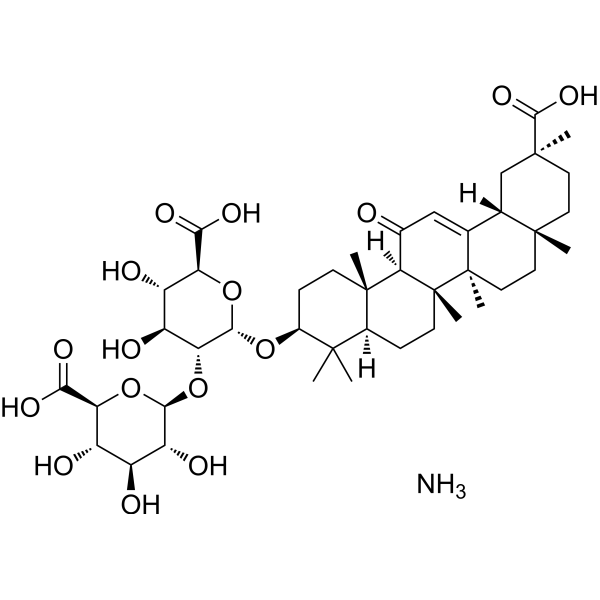
    Ammonium glycyrrhizinate
    Maximum Cited Publications
    59 Publications Verification

    MonoAmmonium glycyrrhizinate; Glycyrrhizic acid Ammonium salt; Ammonium glycyrrhizate

    Environmental Pollutants Interleukin Related Inflammation/Immunology
    Ammonium glycyrrhizinate (Monoammonium glycyrrhizinate) has various pharmacological actions such as anti-inflammatory, antiallergic, antigastriculcer, and antihepatitis activities.
    Ammonium glycyrrhizinate
  • HY-Y0261A

    Environmental Pollutants Biochemical Assay Reagents Others
    Ammonium sulphate,≥99.0%,AR is an inorganic sulfate salt used for molecular biology . Ammonium sulphate,≥99.0%,AR can be used to precipitate proteins, separate antibodies, and enhance antigen-antibody reactions. Ammonium sulphate,≥99.0%,AR can serve as a nitrogen source in plant fertilizers and has developmentally toxicity to freshwater snails, but increases the number of Anopheles africanus and Culex mosquito larvae in rice paddies. Ammonium sulphate,≥99.0%,AR also inhibits the conversion of glucose to ascorbic acid in plants .
    Ammonium sulphate,≥99.0%,AR
  • HY-Y0488A
    Formic acid ammonium
    2 Publications Verification

    Ammonium formate

    Environmental Pollutants Calcium Channel NO Synthase Bacterial ATP Synthase Metabolic Disease
    Formic acid ammonium is the ammonium salt form of formic acid, which is an endogenous metabolite. Formic acid ammonium activates the nitric oxide/cyclic guanosine monophosphate (NO/cGMP) signaling pathway in endothelial cells and inhibits calcium ion influx in vascular smooth muscle cells, resulting in vasomotor relaxation. Formic acid ammonium inhibits cytochrome C oxidase (CcO) and disrupts the electron transport chain, leading to ATP depletion. Formic acid ammonium can be used as a feed additive, which can lower the feed pH value, inhibit the growth of microorganisms (such as Escherichia coli, Salmonella), and extend the shelf life of the feed .
    Formic acid ammonium
  • HY-113037C

    Farnesyl diphosphate Ammonium

    TRP Channel Endogenous Metabolite Calcium Channel Neurological Disease Inflammation/Immunology Cancer
    Farnesyl pyrophosphate (Farnesyl diphosphate) ammonium is a metabolic intermediate in the mevalonate (MVA) pathway. It is a TRP channel (TRPM2) agonist that triggers Ca2+ influx and cell death. Farnesyl pyrophosphate ammonium is a key branch substrate for cholesterol synthesis, ubiquinone synthesis, protein farnesylation, and geranylgeranyl pyrophosphate (GGPP) synthesis. Farnesyl pyrophosphate ammonium is used in research on cerebral ischemia, neurodegenerative diseases, pancreatic cancer, inflammation, and autoimmune diseases .
    Farnesyl pyrophosphate ammonium
  • HY-B0445S

    β-DPN-13C5 Ammonium; β-NAD-13C5 Ammonium; β-Nicotinamide Adenine Dinucleotide-13C5 Ammonium

    Isotope-Labeled Compounds Metabolic Disease
    NAD+-13C5 (ammonium) is the 13C labled NAD+ (HY-B0445), with an ammonium .
    NAD+-13C5 ammonium
  • HY-N6790

    Ammonium ionophore I

    Oxidative Phosphorylation Potassium Channel Mitochondrial Metabolism Bacterial Influenza Virus Apoptosis Antibiotic HSP Infection Cancer
    Nonactin is a macrotetrolide antibiotic and mitochondrial uncoupler with antibacterial, insecticidal, and acaricidal activities. Nonactin acts as an ionophore for monovalent cations, including K +, and NH4 +, and it can also inhibit the surface expression of endogenous HSP60. In addition, Nonactin can induce apoptosis in β-catenin mutant tumor cells and has anti-tumor activity .
    Nonactin
  • HY-119695A
    Simvastatin acid ammonium
    1 Publications Verification

    Tenivastatin Ammonium

    HMG-CoA Reductase (HMGCR) Reactive Oxygen Species (ROS) Cardiovascular Disease Inflammation/Immunology
    Simvastatin acid (Tenivastatin) ammonium is a potent HMG-CoA reductase (HMGCR) inhibitor. Simvastatin acid ammonium reduces Indoxyl sulfate-mediated reactive oxygen species (ROS) production in human cardiomyocytes. Simvastatin acid ammonium can also modulates OATP3A1 expression in cardiomyocytes and HEK293 cells transfected with the OATP3A1 gene .
    Simvastatin acid ammonium
  • HY-W019927

    Ammonium ferric sulfate dodecahydrate, 99%

    Biochemical Assay Reagents Others
    Ammonium iron(III) sulfate dodecahydrate, 99% is an analytical reagent-grade iron(III) salt and source material for iron(III) reagent or standard solutions in volumetric analysis .
    Ammonium iron(III) sulfate dodecahydrate, 99%
  • HY-N7071A
    Maduramicin ammonium
    2 Publications Verification

    Maduramycin Ammonium

    Bacterial Apoptosis Antibiotic Autophagy AMPK Eukaryotic Initiation Factor (eIF) Infection Cardiovascular Disease
    Maduramicin ammonium (Maduramycin ammonium) is isolated from the actinomycete Actinomadura rubra. Maduramicin ammonium (Maduramycin ammonium) is an anticoccidial agent for the the treatment of Eimeria spp., E. adenoeides, E. gallopavonis, and E. dispersa infection . Maduramicin ammonium (Maduramycin ammonium) induces cell apoptosis in chicken myocardial cells via intrinsic and extrinsic pathways .
    Maduramicin ammonium
  • HY-P0093A
    Sincalide ammonium
    4 Publications Verification

    Cholecystokinin octapeptide Ammonium; CCK-8 Ammonium; SQ19844 Ammonium

    Cholecystokinin Receptor Apoptosis PI3K Akt Infection Cancer
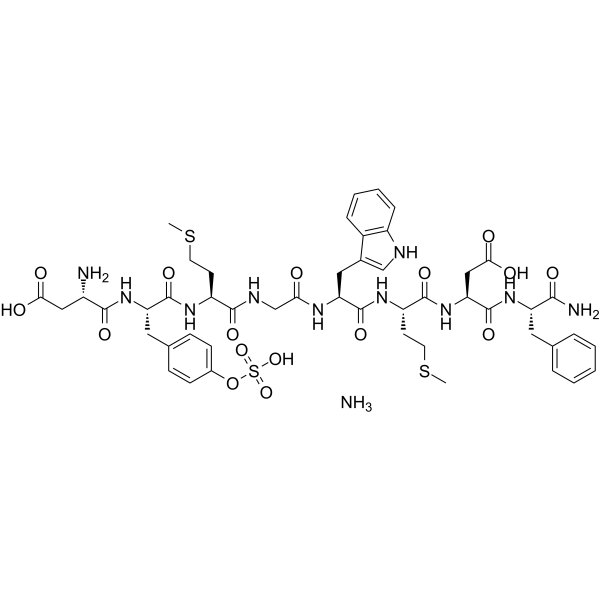
    Sincalide ammonium (Cholecystokinin octapeptide ammonium, CCK-8 ammonium) is a rapid-acting amino acid polypeptide hormone analogue of cholecystokinin (CCK) for intravenous use in postevacuation cholecystography. Sincalide ammonium is a major bioactive segment of CCK that retains most of the biological activities of CCK. CCK‐8 can promote gallbladder contraction by injection and helps diagnose gallbladder and pancreas disorders. Sincalide ammonium can increase bile secretion, cause the gallbladder to contract and relax the sphincter of Oddi, resulting in bile drainage into the duodenum. Sincalide ammonium is a major bioactive segment of CCK that retains most of the biological activities of CCK .
    Sincalide ammonium
  • HY-W419700
    L-Glutamic acid ammonium
    10+ Cited Publications

    Endogenous Metabolite iGluR Ferroptosis Apoptosis Neurological Disease
    L-Glutamic acid ammonium is an excitatory amino acid neurotransmitter that acts as an agonist for all subtypes of glutamate receptors (metabolic rhodophylline, NMDA, and AMPA). L-Glutamic acid ammonium has an agonist effect on the release of DA from dopaminergic nerve endings. L-Glutamic acid can be used in the study of neurological diseases. L-Glutamic acid ammonium acts at ionotropic and?metabotropic glutamate receptors .
    L-Glutamic acid ammonium
  • HY-Y0286

    Hartshorn salt, 99%

    Environmental Pollutants Biochemical Assay Reagents Others
    Ammonium carbonate (Ammonium carbonate), 99% is a solid amino compound that functions as a buffer, pH regulator, pore-forming agent, and electrocatalytic oxidation substrate. Ammonium carbonate, 99% is a GRAS-grade direct food additive with no restricted daily intake specified by FAO/WHO, and it shows no acute skin toxicity, clinical signs of toxicity, or effects on body weight in rats. Ammonium carbonate, 99% undergoes electrocatalytic oxidation in alkaline solutions with a Pt/C catalyst (carbonate adsorption interferes with activity). Ammonium carbonate, 99% can serve as a fuel for low-temperature polymer fuel cells and anion exchange membrane fuel cells (with performance superior to pure ammonia), and can also form pores in the carrier-free Pt cathode catalyst layer after low-temperature decomposition, thereby enhancing catalyst activity under low-humidity conditions and the performance of proton exchange membrane fuel cells .
    Ammonium carbonate, 99%
  • HY-B1529
    Ammonium citrate dibasic, 99%
    5+ Cited Publications

    Ammonium hydrogencitrate, 99%; DiAmmonium hydrogen citrate, 99%

    Environmental Pollutants Endogenous Metabolite Biochemical Assay Reagents Apoptosis Others
    Ammonium citrate dibasic, 99% (Ammonium hydrogencitrate, 99%) can be used as the carbon source to prepare carbon quantum dots (CDs). Ammonium citrate dibasic, 99% is a buffering agent .
    Ammonium citrate dibasic, 99%
  • HY-155788

    Biochemical Assay Reagents Others
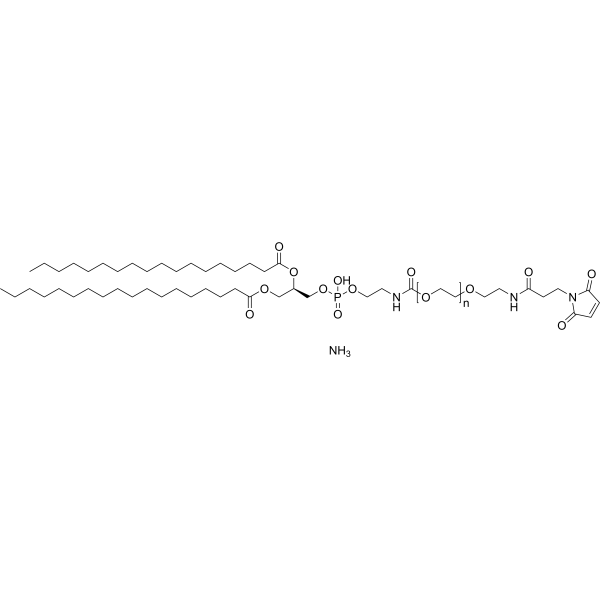
    DSPE-PEG-DBCO ammonium is the ammonium salt form of DSPE-PEG-DBCO. DSPE-PEG-DBCO ammonium is utilized in copper-free click chemistry through SPAAC conjugation with an azido-functionalized peptide ligand. DSPE-PEG-DBCO ammonium is applied in drug-delivery and nanoparticle research .
    DSPE-PEG-DBCO ammonium
  • HY-144010

    DOPE-PEG2000 Ammonium; 1,2-Dioleoyl-sn-glycero-3-phosphoethanolamine-N-[methoxy(polyethylene glycol)-2000] Ammonium

    Liposome Others
    18:1 PEG2000 PE ammonium (DOPE-PEG2000 ammonium) is a polyethyleneglycol/phosphatidyl-ethanolamine conjugate. 18:1 PEG2000 PE ammonium (DOPE-PEG2000 ammonium) can be used for drug delivery .
    18:1 PEG2000 PE ammonium
  • HY-115760
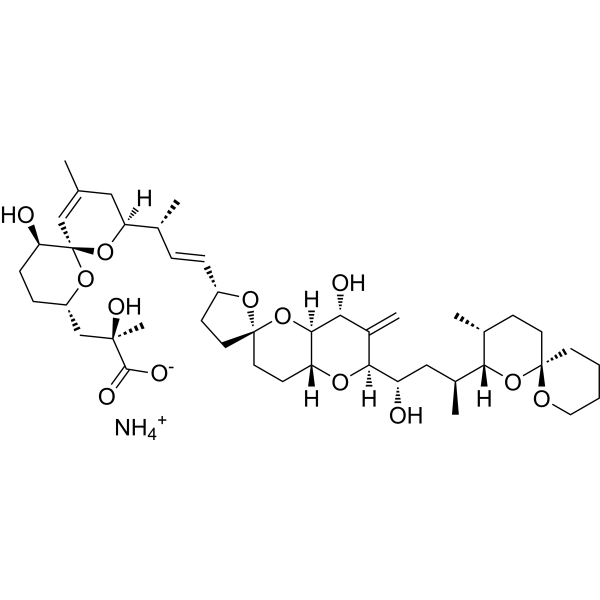
    Okadaic acid ammonium salt
    20+ Cited Publications

    Phosphatase Neurological Disease Cancer
    Okadaic acid ammonium salt, a marine toxin, is an inhibitor of protein phosphatases (PP). Okadaic acid ammonium salt has a significantly higher affinity for PP2A (IC50=0.1-0.3 nM), and inhibits PP1 (IC50=15-50 nM), PP3 (IC50=3.7-4 nM), PP4 (IC50=0.1 nM), PP5 (IC50=3.5 nM), but does not inhibit PP2C. Okadaic acid ammonium salt increases of phosphorylation of a number of proteins by inhibiting PP, and acts as a tumor promoter. Okadaic acid ammonium salt induces tau phosphorylation .
    Okadaic acid ammonium salt
  • HY-W019872

    Environmental Pollutants Biochemical Assay Reagents Others
    Ammonium dihydrogen phosphate is a kind of biological materials or organic compounds that are widely used in life science research .
    Ammonium dihydrogen phosphate
  • HY-125929

    Ammonium purpurate

    Biochemical Assay Reagents Others
    Murexide (Ammonium purpurate) can be used as an indicator in complexometric titrations to determine water hardness.
    Murexide
  • HY-109536B

    Biochemical Assay Reagents Others
    Ammonium polyphosphate, n<20, water solubility>90 g/100 mL, a low-polymerization-degree ammonium polyphosphate (APP), is an important raw material in chelated, and controlled-release fertilizers .
    Ammonium polyphosphate, n<20, water solubility>90 g/100 mL
  • HY-W040155

    Sulfamic acid Ammonium

    Environmental Pollutants Biochemical Assay Reagents Others
    Ammonium sulfamate (Sulfamic acid ammonium) is a kind of biological materials or organic compounds that are widely used in life science research .
    Ammonium sulfamate
  • HY-D0896A
    ANS ammonium
    1 Publications Verification

    NSC 1746 Ammonium; Peri acid, phenyl- Ammonium; Phenyl peri acid Ammonium

    Bacterial Infection
    ANS ammonium is a potent antibacterial agent and a textile dye. ANS ammonium can be used as fluorescence probe. ANS ammonium blocks the binding of triiodothyronine to thyroxine binding globulin in radioimmunoassay of triiodothyronine .
    ANS ammonium
  • HY-B1530

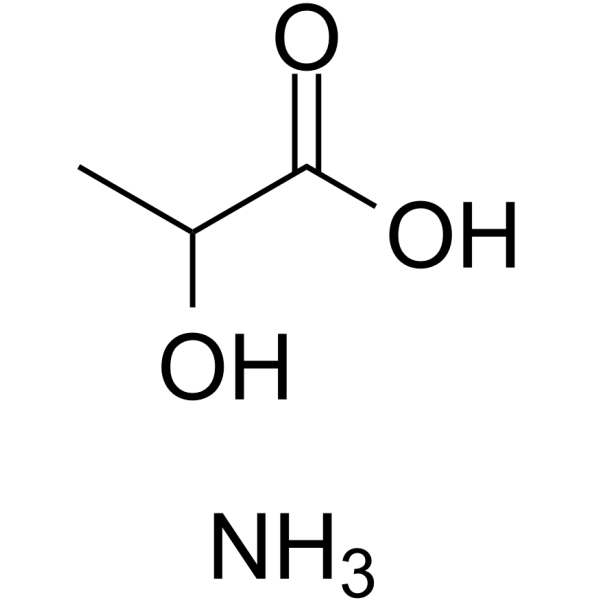
    (±)-Ammonium lactate

    Environmental Pollutants Bacterial Infection
    Ammonium lactate is the ammonium salt of lactic acid, with mild anti-bacterial properties. Ammonium lactate can be used for the research of xerosis .
    Ammonium lactate (60%w/w in water)
  • HY-125954A

    UDP-α-D-glucuronic acid Ammonium

    Endogenous Metabolite Metabolic Disease
    Uridine diphosphate glucuronic acid ammonium (UDP-α-D-glucuronic acid ammonium) is a glucuronic acid donor. Uridine diphosphate glucuronic acid ammonium transfers its glucuronic acid moiety to acceptor molecules, thereby forming "ether" glucuronides, while being converted into uridine 5'-pyrophosphate. Uridine diphosphate glucuronic acid ammonium serves as a substrate for Arabidopsis UDP-GlcA 4-epimerase 1, and undergoes reversible 4-epimerization to generate UDP-α-D-galacturonic acid .
    Uridine diphosphate glucuronic acid ammonium
  • HY-Y0080

    Environmental Pollutants Biochemical Assay Reagents Others
    Methyl trioctyl ammonium chloride is a quaternary ammonium salt commonly used as a surfactant, stabilizer and phase transfer catalyst in various chemical reactions, especially in organic synthesis. Methyl trioctyl ammonium chloride has unique chemical properties that facilitate the transfer of ions or molecules from one phase to another, making it an important ingredient in a variety of industrial processes.
    Methyl trioctyl ammonium chloride
  • HY-W105853

    Trifluoroacetic acid amine

    Biochemical Assay Reagents Others
    Ammonium trifluoroacetate is an additive for regulating and calibrating new liquid/mass spectrometry systems .
    Ammonium trifluoroacetate
  • HY-N7395A
    Cyclic ADP-​ribose ammonium
    1 Publications Verification

    cADPR Ammonium

    Calcium Channel TRP Channel Endogenous Metabolite Infection Cardiovascular Disease Neurological Disease Inflammation/Immunology Endocrinology
    Cyclic ADP-ribose ammonium (cADPR ammonium) is a potent second messenger for calcium mobilization that is synthesized from NAD + by an ADP-ribosyl cyclase. Cyclic ADP-ribose ammonium increases cytosolic calcium mainly by Ryanodine receptor-mediated release from endoplasmic reticulum and also by extracellular influx through the opening of TRPM2 channels .
    Cyclic ADP-​ribose ammonium
  • HY-W041831

    Ethanedioic acid Ammonium

    Environmental Pollutants Biochemical Assay Reagents Others
    Oxalic acid (ammonium) is a oxalic acid bound to ammonium. Oxalic acid has high acidity, reducibility, and chelation ability. Oxalic acid plays important roles in the regulation of plant growth and development, the response to both biotic and abiotic stresses such as plant defense and heavy metals detoxification, and food quality .
    Oxalic acid ammonium
  • HY-Y1269AS

    Isotope-Labeled Compounds Autophagy Cancer
    Ammonium chloride-d4 is the deuterium labeled Ammonium chloride. Ammonium chloride, as a heteropolar compound with pH value regulation, can cause intracellular alkalization and metabolic acidosis thus effecting enzymatic activity and influencing the process of biological system. Ammonium chloride is an autophagy inhibitor. Ammonium chloride is also a lysosome inhibitor .
    Ammonium chloride-d4
  • HY-124493
    Aluminon
    3 Publications Verification

    ATA; Ammonium aurintricarboxylate; Aurintricarboxylic acid Ammonium

    Biochemical Assay Reagents Others
    Aluminon (ATA; Ammonium aurintricarboxylate; Aurintricarboxylic acid ammonium) is a complexometric titration indicator and can also be used as a nuclease inhibitor affecting transfection. Aluminon is a kind of biological materials or organic compounds that are widely used in life science research .
    Aluminon
  • HY-101954A

    ORI-9020 Ammonium; SB-9000 Ammonium

    HBV Infection Inflammation/Immunology
    Inarigivir (ORI-9020) ammonium is a dinucleotide antiviral drug that can significantly reduce liver HBV DNA in transgenic mice expressing hepatitis B virus. Inarigivir (ORI-9020) ammonium acts as a RIG-I (Retinoic acid-inducible gene-I) agonist to activate cellular innate immune responses .
    Inarigivir ammonium
  • HY-W013076

    tetra(decyl)Ammonium bromide

    Biochemical Assay Reagents Others
    Tetrakis(decyl)ammonium bromide is a compound belonging to the class of quaternary ammonium compounds. It is a salt with cationic properties and is used in various industrial and biomedical applications. Tetrakis(decyl)ammonium bromide is commonly used as an emulsifier, solubilizer and antimicrobial agent in personal care products, cleansers and pharmaceutical formulations. It is also used as a phase transfer catalyst in organic synthesis reactions, facilitating the movement of reactants between immiscible phases.
    Tetrakis(decyl)ammonium bromide
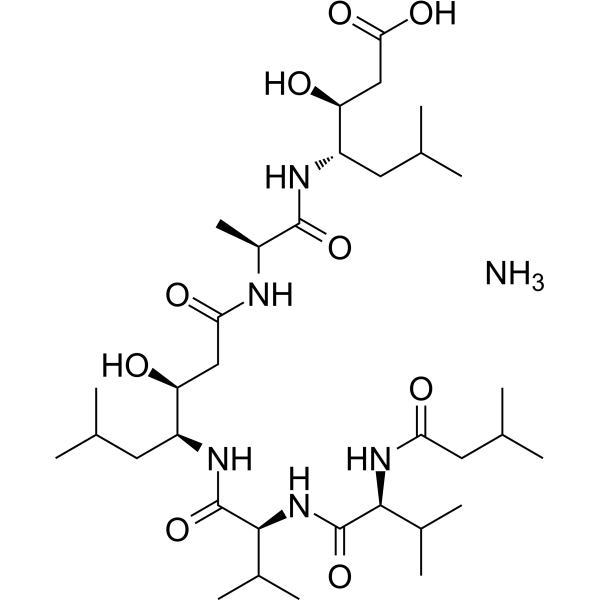
  • HY-P0018B
    Pepstatin Ammonium
    Maximum Cited Publications
    59 Publications Verification

    Pepstatin A Ammonium

    HIV Protease Autophagy Infection Inflammation/Immunology
    Pepstatin (Pepstatin A) Ammonium is a specific, orally active aspartic protease inhibitor produced by actinomycetes, with IC50s of 4.5 nM, 6.2 nM, 150 nM, 290 nM, 520 nM and 260 nM for hemoglobin-pepsin, hemoglobin-proctase, casein-pepsin, casein-proctase, casein-acid protease and hemoglobin-acid protease, respectively. Pepstatin Ammonium also inhibits HIV protease .
    Pepstatin Ammonium
  • HY-P1098B
    Ac2-26 ammonium
    5+ Cited Publications

    IKK Inflammation/Immunology
    Ac2-26 ammonium is the N-terminal peptide of annexin 1, and has anti-inflammatory activity. Ac2-26 ammonium induces a decrease in IKKβ protein in lysosomes by chaperone-mediated autophagy (CMA). Ac2-26 ammonium ameliorates lung ischemia-reperfusion injury. Ac2-26 ammonium also inhibits airway inflammation and hyperresponsiveness in an asthma rat model .
    Ac2-26 ammonium
  • HY-Y1269D

    Salmiac, for molecular biology

    TGF-beta/Smad Apoptosis Chloride Channel Neurological Disease Cancer
    Ammonium chloride (Salmiac), for molecular biology is an inhibitor of Slc26a4 and SMAD2. Ammonium chloride, for molecular biology reduces the protein expression level of Slc26a4 in lung tissue, and attenuates ozone-induced increases in proinflammatory cytokines, inflammatory cells, pulmonary resistance, goblet cell hyperplasia, peribronchial inflammation and thiocyanate levels in mouse tissues and bronchoalveolar lavage fluid. Ammonium chloride, for molecular biology decreases the level of phosphorylated SMAD2, inhibits autophagy by reducing autophagy-related proteins, and enhances Cisplatin (HY-17394)-induced cancer cell apoptosis and DNA double-strand breaks. Ammonium chloride, for molecular biology also inhibits the TCA cycle, reduces ATP production, increases glucose utilization, regulates the levels of lactic acid, glutamic acid and ATP, and induces morphological degeneration of neuroblastoma cells. Ammonium chloride, for molecular biology can be used in studies related to ozone-induced airway injury, hepatocellular carcinoma, human cervical cancer, hepatic encephalopathy, Reye syndrome, epilepsy and neurodegenerative diseases .
    Ammonium chloride, for molecular biology
  • HY-W105775

    Ammonium succinate

    Environmental Pollutants Biochemical Assay Reagents Others
    Diammonium succinate (Ammonium succinate) is a hydrophobic hydrocarbon compound that can be used to study its interaction with microbial cells, especially the mechanisms of degradation and bioavailability. Diammonium succinate is a biomaterial or organic compound that can be used as a biomaterial or organic compound related to life science research.
    Diammonium succinate
  • HY-W015761

    Benzoic acid, Ammonium

    Environmental Pollutants Biochemical Assay Reagents Others
    Ammonium benzoate is the ammonium salt of benzoic acid, which is used as a preservative in some adhesives and rubber emulsions, and is also a commonly used chemical synthesis intermediate.
    Ammonium benzoate
  • HY-N15895

    CDP-DAG Ammonium; Dihexadecanoyl Ammonium; Cytidine Diacylglycerol Ammonium

    Biochemical Assay Reagents Others
    16:0 CDP DG ammonium is a liponucleotide.
    16:0 CDP DG ammonium
  • HY-W019870R

    Herbicide Reference Standards Neurological Disease
    Glufosinate (ammonium) (Standard) is the analytical standard of Glufosinate (ammonium). This product is intended for research and analytical applications. Glufosinate ammonium, a phosphinic acid analogue of glutamic acid, is an herbicide which is converted by plant cells into PT (L-phosphinothricin). Glufosinate ammonium exerts neurotoxic activity .
    Glufosinate ammonium (Standard)
  • HY-136498A

    Drug Metabolite Infection
    T-705RMP (ammonium) is the ammonium form of T-705RMP. T-705RMP (ammonium)’s the inhibition of IMP dehydrogenase (IMPDH) activity is weak .
    T-705RMP ammonium
  • HY-P1016B

    Endothelin Receptor Cardiovascular Disease
    BQ-3020 ammonium is a selective endothelin receptor (ETB receptor) agonist. BQ-3020 ammonium inhibits [ 125I] ET-1 binding to ETB receptors, with an IC50 value of 0.2 nM. BQ-3020 ammonium elicits vasoconstriction in the rabbit pulmonary artery. BQ-3020 ammonium makes relaxation of the pig urinary bladder neck and can be used for cardiovascular disease research . .
    BQ-3020 ammonium
  • HY-117778B

    Enolase Bacterial Antibiotic ATP Synthase Infection Cancer
    SF2312 ammonium is a phosphonate Antibiotic and Enolase inhibitor, with an IC50 of 18.4 nM against E. coli enolase. SF2312 ammonium reduces intracellular ATP levels and inhibits glycolytic flux. SF2312 ammonium exhibits activity against both Gram-positive and Gram-negative bacteria, and exerts synergistic effects against E. coli when combined with Fosfomycin (HY-B1075A). SF2312 ammonium shows selective toxicity toward gliomas with ENO1 gene knockout. SF2312 ammonium can be used in research related to bacterial infections and gliomas .
    SF2312 ammonium

Inquiry Online

Your information is safe with us. * Required Fields.

Salutation


Country or Region *

Applicant Name *


Organization Name *

Department *


Email Address *


Product Name *

Cat. No.


Requested quantity *

Phone Number *


Remarks

Inquiry Online

Inquiry Information

Product Name:
Cat. No.:
Quantity:
MCE Japan Authorized Agent:

