1. Search Result
Search Result
Results for "

Anti-biofilm activity

" in MedChemExpress (MCE) Product Catalog:

67

Inhibitors & Agonists

2

Biochemical Assay Reagents

10

Peptides

11

Natural
Products

3

Isotope-Labeled Compounds

Cat. No. Product Name Target Research Areas Chemical Structure
  • HY-108547
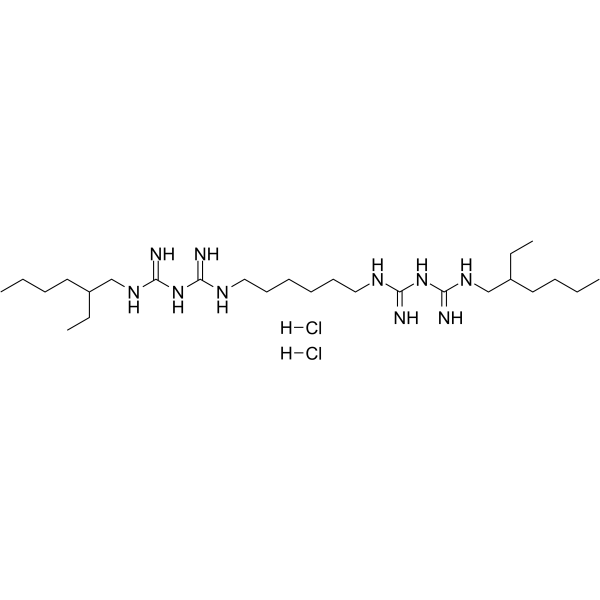
    Alexidine dihydrochloride
    5 Publications Verification

    Fungal Apoptosis Infection Cancer
    Alexidine dihydrochloride is an anticancer agent that targets a mitochondrial tyrosine phosphatase, PTPMT1, in mammalian cells and causes mitochondrial apoptosis. Alexidine dihydrochloride has antifungal and antibiofilm activity against a diverse range of fungal pathogens .
    Alexidine dihydrochloride
  • HY-17594
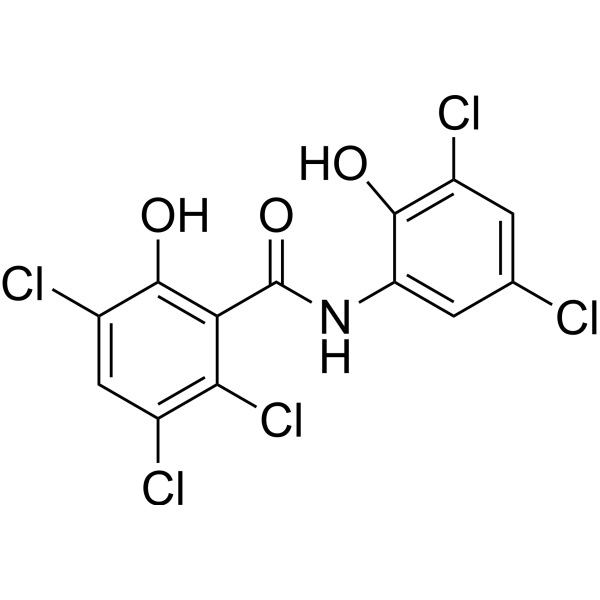
    Oxyclozanide
    4 Publications Verification

    Oxidative Phosphorylation Parasite Bacterial Fungal Infection
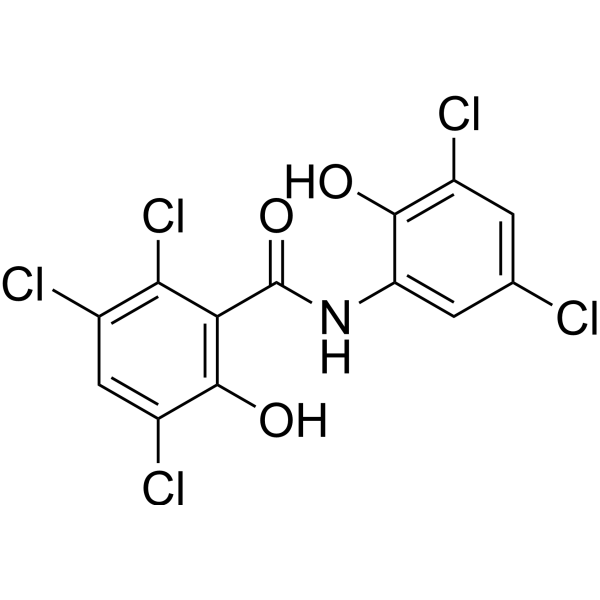
    Oxyclozanide is an orally active salicylanilide anthelmintic agent that mainly acts by uncoupling oxidative phosphorylation in flukes. Oxyclozanide shows good anti-adenovirus, anti-biofilm, antifungal, and antibacterial activity .
    Oxyclozanide
  • HY-W015551

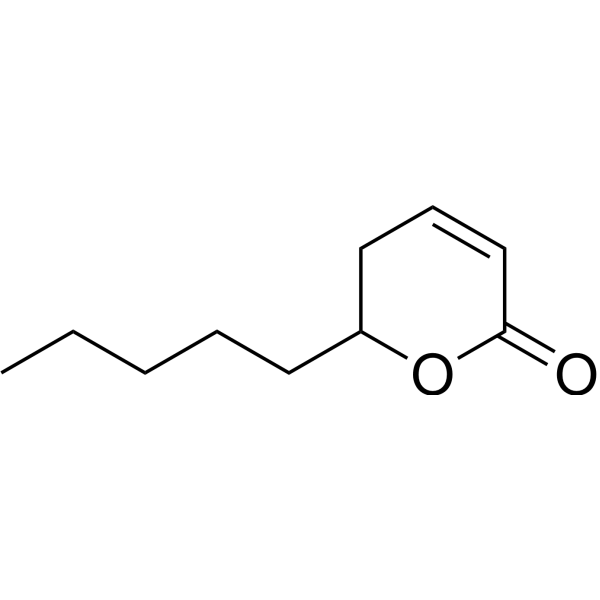
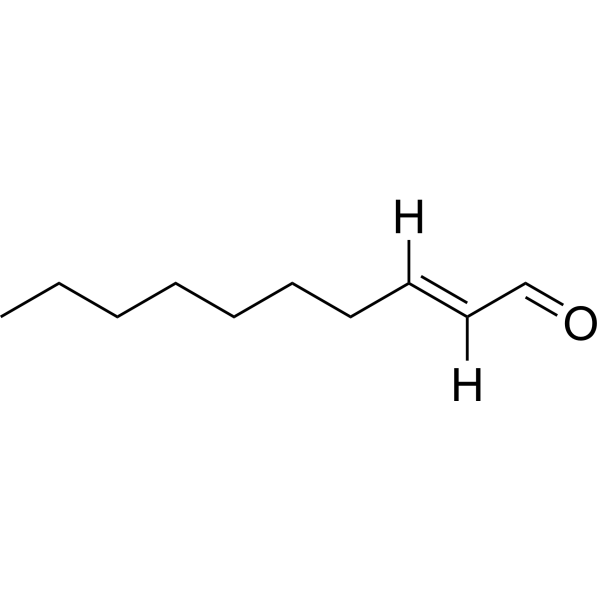
    (E)-Dec-2-enal

    Bacterial Reactive Oxygen Species (ROS) Infection
    trans-2-Decenal ((E)-Dec-2-enal) acts as a urease inhibitor and antibacterial agent against Helicobacter pylori, with an IC50 of 9.484 μg/mL against Helicobacter pylori urease. trans-2-Decenal reduces the urease activity of Helicobacter pylori, and possesses antibacterial, bactericidal, anti-biofilm and anti-migratory activities. It alters the morphology of Helicobacter pylori, induces bacterial rupture, inhibits biofilm formation, reduces the number of mature biofilms and impairs the migratory capacity of Helicobacter pylori. trans-2-Decenal disrupts the cell wall integrity of Phytophthora capsici, damages membrane integrity and permeability, triggers intracellular reactive oxygen species (ROS) accumulation, decreases glutathione levels and disrupts the mitochondrial membrane potential of Phytophthora capsici. trans-2-Decenal is applicable to studies related to Helicobacter pylori and plant diseases induced by and Phytophthora capsici .
    trans-2-Decenal
  • HY-125572

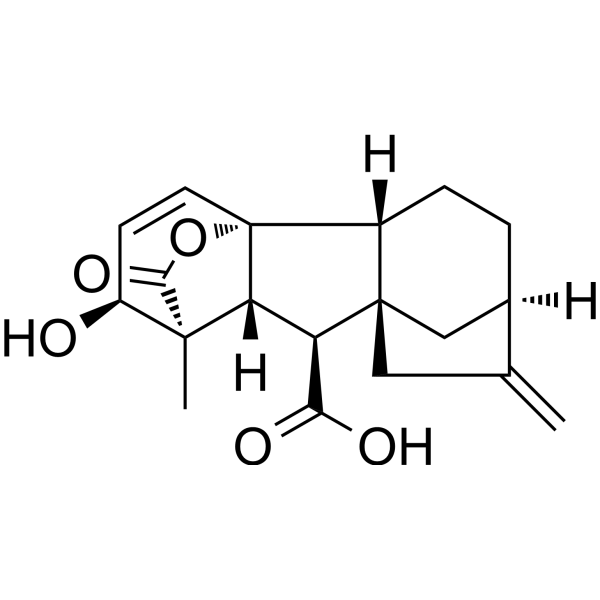
    GA7

    Endogenous Metabolite Reactive Oxygen Species (ROS) Fungal Infection
    Gibberellin A7 (GA7) is a terpenoid that serve as an important plant hormone. Gibberellin A7 acts as a growth and response modulator against injuries and parasitism. Gibberellin A7 presents antibiofilm properties at 940 mM concentration. Gibberellin A7 can inhibit flower bud formation in some plants. Gibberellin A7 shows antioxidant activity against peroxyl radicals. Gibberellin A7 exhibits anti-Candida activity against Candia albicans .
    Gibberellin A7
  • HY-W015490
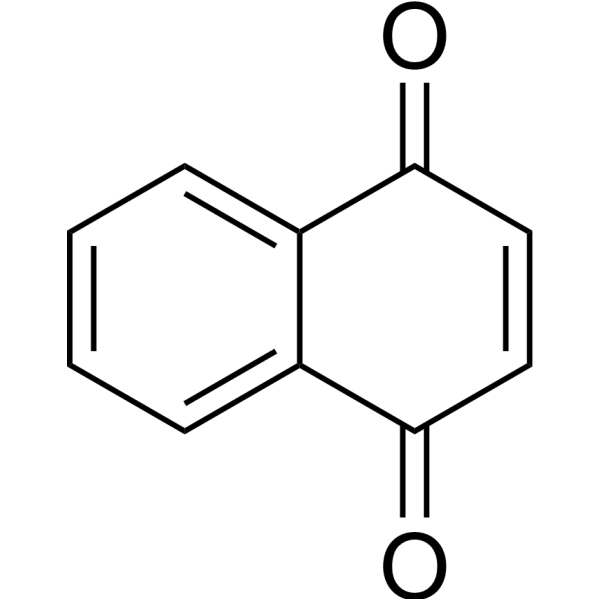
    1,4-Naphthoquinone
    3 Publications Verification

    Environmental Pollutants DNA/RNA Synthesis NF-κB Monoamine Oxidase TNF Receptor Bacterial Infection Inflammation/Immunology Cancer
    1,4-Naphthoquinone is an inhibitor with broad-spectrum inhibitory activity targeting DNA polymerase, NF-κB and monoamine oxidase (MAO-A/B), with antibacterial and anti-biofilm efficacy. 1,4-Naphthoquinone is a competitive inhibitor of MAO-B (Ki=1.4 μM) and a non-competitive inhibitor of MAO-A (Ki=7.7 μM). 1,4-Naphthoquinone inhibits DNA polymerase pol α, β, γ, δ, ε, λ with IC50 ranging from 5.57-128 μM. 1,4-Naphthoquinone inhibits tumor cell proliferation, induces apoptosis and necrosis, and has anti-angiogenic and anti-inflammatory activities by inducing oxidative stress, depleting glutathione (GSH), inhibiting DNA polymerase-mediated DNA synthesis and blocking NF-κB nuclear translocation. 1,4-Naphthoquinone can be used in anti-bacterial , anti-tumor and anti-inflammatory studies, including inhibition of melanoma and colon cancer cell growth and endothelial cell function, as well as LPS-induced inflammation models .
    1,4-Naphthoquinone
  • HY-W041080

    Fungal Reactive Oxygen Species (ROS) Bacterial Infection
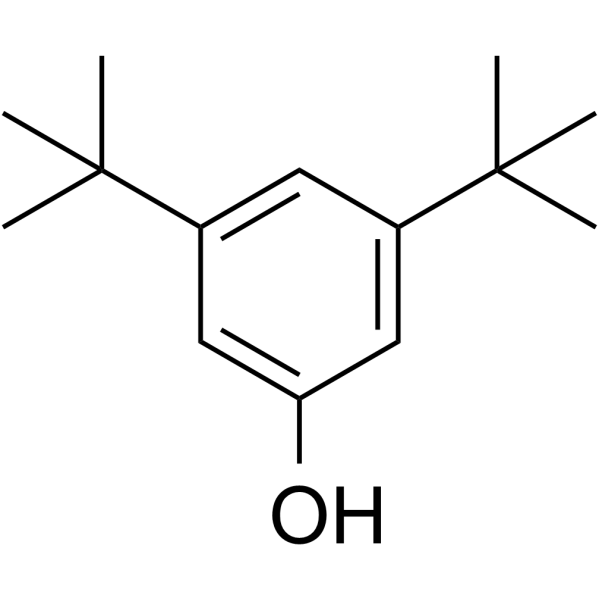
    3,5-Di-tert-butylphenol is an volatile organic compound with anti-biofilm and antifungal activities. 3,5-Di-tert-butylphenol induces accumulation of reactive oxygen species (ROS) in C. albicans cells. 3,5-Di-tert-butylphenol also has antibacterial activities .
    3,5-Di-tert-butylphenol
  • HY-W012572

    Mitochondrial Metabolism Bacterial Infection Metabolic Disease
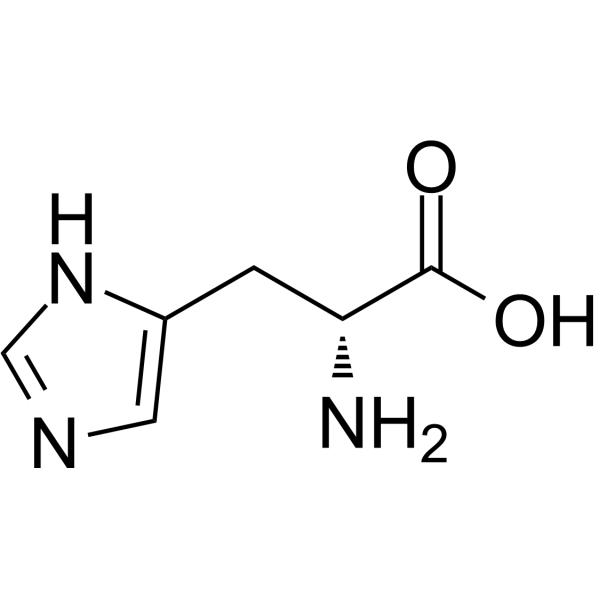
    D-Histidine is an anti-biofilm agent that targets bacterial quorum sensing systems (such as RhlI/RhlR pathway) and has antibacterial activity. D-Histidine works by non-covalently binding to bacterial regulatory factors or copper ion complexes, selectively inhibiting bacterial biofilm formation and motility. D-Histidine downregulates quorum sensing-related gene expression, reduces the synthesis of virulence factors (such as alginate and proteases), and interferes with bacterial membrane stability, inhibiting biofilm formation, promoting the disintegration of mature biofilms, and enhancing antibiotic sensitivity. D-Histidine is also an efficient catalyst for the salt-induced peptide formation (SIPF) reaction, which promotes the condensation of amino acids to form dipeptides (such as dialanine and dilysine) by forming a complex with copper ions (Cu 2+) .
    D-Histidine
  • HY-E70127

    Brasan; Dasen

    Ser/Thr Protease COX Bacterial Prostaglandin Receptor Interleukin Related Cardiovascular Disease Infection Neurological Disease Inflammation/Immunology Cancer
    Serratiopeptidase (Brasan; Dasen) is an orally active zinc-containing metalloprotease belonging to the serralysin family. Serratiopeptidase reduces the release of inflammatory mediators such as prostaglandins, thromboxanes and interleukins by inhibiting COX, thereby relieving pain, swelling and redness. Serratiopeptidase exhibits antibiofilm, mucolytic and wound-healing activities. As a serine protease, Serratiopeptidase has the ability to dissolve blood clots, fibrin and atherosclerotic plaques. Serratiopeptidase degrades amyloid fibrils and has potential anti-Alzheimer's effects. Serratiopeptidase shows cytotoxicity against colon cancer cells .
    Serratiopeptidase
  • HY-W015490S

    Isotope-Labeled Compounds DNA/RNA Synthesis NF-κB Monoamine Oxidase TNF Receptor Bacterial Infection Inflammation/Immunology Cancer
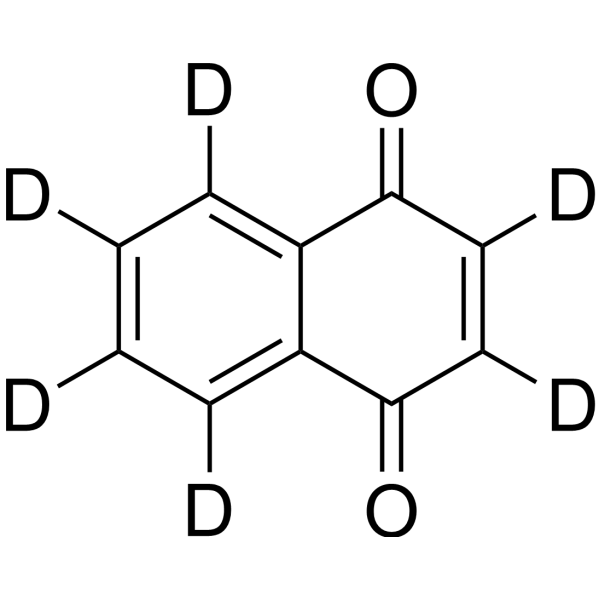
    1,4-Naphthoquinone-d6 is the deuterium labeled 1,4-Naphthoquinone. 1,4-Naphthoquinone is an inhibitor with broad-spectrum inhibitory activity targeting DNA polymerase, NF-κB and monoamine oxidase (MAO-A/B), with antibacterial and anti-biofilm efficacy. 1,4-Naphthoquinone is a competitive inhibitor of MAO-B (Ki=1.4 μM) and a non-competitive inhibitor of MAO-A (Ki=7.7 μM). 1,4-Naphthoquinone inhibits DNA polymerase pol α, β, γ, δ, ε, λ with IC50 ranging from 5.57-128 μM. 1,4-Naphthoquinone inhibits tumor cell proliferation, induces apoptosis and necrosis, and has anti-angiogenic and anti-inflammatory activities by inducing oxidative stress, depleting glutathione (GSH), inhibiting DNA polymerase-mediated DNA synthesis and blocking NF-κB nuclear translocation. 1,4-Naphthoquinone can be used in anti-bacterial , anti-tumor and anti-inflammatory studies, including inhibition of melanoma and colon cancer cell growth and endothelial cell function, as well as LPS-induced inflammation models .
    1,4-Naphthoquinone-d6
  • HY-122950

    Fungal Infection
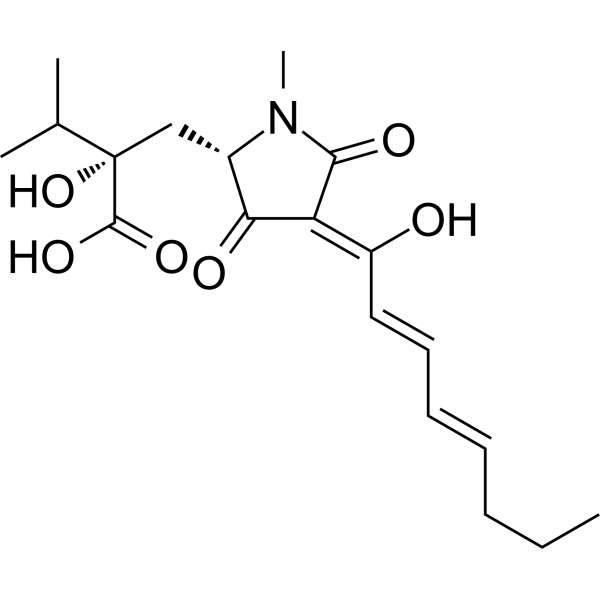
    Harzianic acid, a tetramic acid derivative, with activity of antimicrobial, antibiofilm formation and biofilm disaggregation. Harzianic acid interferes with biofilm formation by limiting bacterial iron availability. Harzianic acid is also a selective inhibitor of Acetohydroxyacid synthase (AHAS), the first enzyme in the branched-chain amino acid biosynthetic pathway. Harzianic acid can used for herbicide and fungicide .
    Harzianic acid
  • HY-P1884

    Bacterial Infection
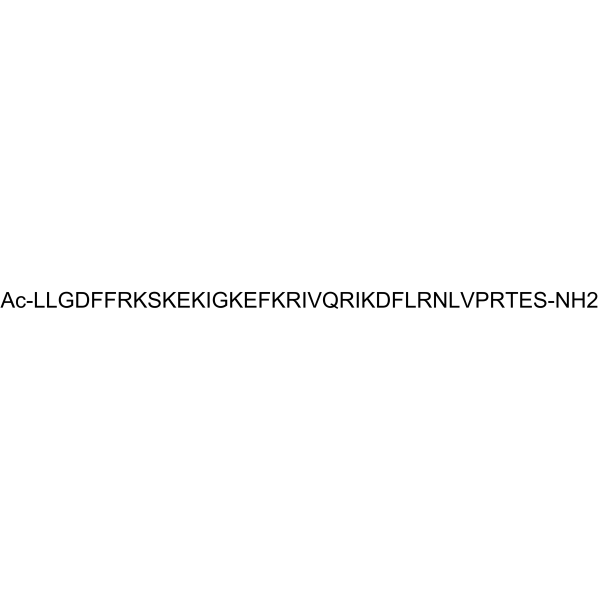
    LL-37, acetylated, amidated is a cathelicidin peptide LL-37 acetylated on the N-terminus and amidated on the C-terminus. The single human cathelicidin peptide LL-37 has antimicrobial and anti-biofilm activity against multiple Gram-positive and Gram-negative human pathogens, and has wound-healing effects on the host .
    LL-37, acetylated,amidated
  • HY-N11709

    Apoptosis VEGFR ATM/ATR PTEN Akt mTOR HIF/HIF Prolyl-Hydroxylase NF-κB Notch Cholinesterase (ChE) Amyloid-β γ-secretase Ferroptosis Fungal Infection Neurological Disease Metabolic Disease Cancer
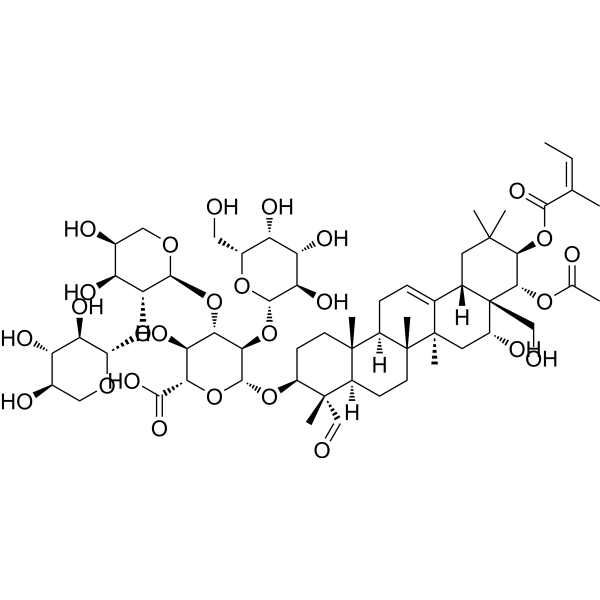
    Theasaponin E1 is an orally effective tea saponin. Theasaponin E1 inhibits the proliferation of cancer cells by activating apoptosis. Theasaponin E1 inhibits angiogenesis in ovarian cancer cells and HUVECs by reducing the expression of VEGF. Theasaponin E1 upregulates the phosphorylation level of ATM protein and the expression level of PTEN protein in cancer cells, decreases the phosphorylation levels of Akt, mTOR, p70S6K and 4E-BP1 proteins, downregulates the expression of HIF-1α and NF-κB, and reduces the protein expression of Notch ligands Dll4 and Jagged1. Theasaponin E1 exerts neuroprotective effects by inhibiting the activity of acetylcholinesterase, activating α-secretase and neprilysin, reducing the concentration of , and inhibiting the activities of β-secretase and γ-secretase. Theasaponin E1 exhibits toxic effects on cancer cells and quinone reductase-inducing activity, and inhibits tumor growth in vivo. Theasaponin E1 induces ferroptosis in Pomacea canaliculata by synergistically disrupting cholesterol homeostasis and sphingolipid metabolism. Theasaponin E1 possesses anti-biofilm activity against Candida albicans. Theasaponin E1 can be used in the research of ovarian cancer, obesity, Alzheimer's disease and fungal infections .
    Theasaponin E1
  • HY-W041080R

    Reference Standards Fungal Reactive Oxygen Species (ROS) Bacterial Infection
    3,5-Di-tert-butylphenol (Standard) is the analytical standard of 3,5-Di-tert-butylphenol (HY-W041080). This product is intended for research and analytical applications. 3,5-Di-tert-butylphenol is an volatile organic compound with anti-biofilm and antifungal activities. 3,5-Di-tert-butylphenol induces accumulation of reactive oxygen species (ROS) in C. albicans cells. 3,5-Di-tert-butylphenol also has antibacterial activities.
    3,5-Di-tert-butylphenol (Standard)
  • HY-161685

    Bacterial Reactive Oxygen Species (ROS) Endogenous Metabolite Infection
    Antibiofilm agent-8 (compound Ru2) enhances antimicrobial activity on visible-light exposure (400-700 nm, 10 J cm-2). Antibiofilm agent-8 generates of oxidative stress via NADH oxidation and ROS generation and compromises bacterial wall .
    Antibiofilm agent-8
  • HY-P11165

    Bacterial Infection
    DRGN-1 is an antimicrobial peptide. DRGN-1 exhibits potent antimicrobial and anti-biofilm activities, inhibiting both Gram-negative and Gram-positive bacteria, with an EC50 range of 0.50-4.62 μM. DRGN-1 exerts its antimicrobial effect by disrupting bacterial membrane permeability and slightly depolarizing the membrane potential. DRGN-1 inhibits the formation of biofilms of single bacterial species and mixed species of Pseudomonas aeruginosa and Staphylococcus aureus. DRGN-1 can significantly promote the healing of uninfected and mixed biofilm-infected mouse wounds. DRGN-1 can be used for the study of infections .
    DRGN-1
  • HY-W012572A

    Mitochondrial Metabolism Bacterial Infection Metabolic Disease
    D-Histidine hydrochloride hydrate is an anti-biofilm agent that targets bacterial quorum sensing systems (such as RhlI/RhlR pathway) and has antibacterial activity. D-Histidine hydrochloride hydrate works by non-covalently binding to bacterial regulatory factors or copper ion complexes, selectively inhibiting bacterial biofilm formation and motility. D-Histidine hydrochloride hydrate downregulates quorum sensing-related gene expression, reduces the synthesis of virulence factors (such as alginate and proteases), and interferes with bacterial membrane stability, inhibiting biofilm formation, promoting the disintegration of mature biofilms, and enhancing antibiotic sensitivity. D-Histidine hydrochloride hydrate is also an efficient catalyst for the salt-induced peptide formation (SIPF) reaction, which promotes the condensation of amino acids to form dipeptides (such as dialanine and dilysine) by forming a complex with copper ions (Cu 2+) .
    D-Histidine hydrochloride hydrate
  • HY-N6931

    Bacterial Infection
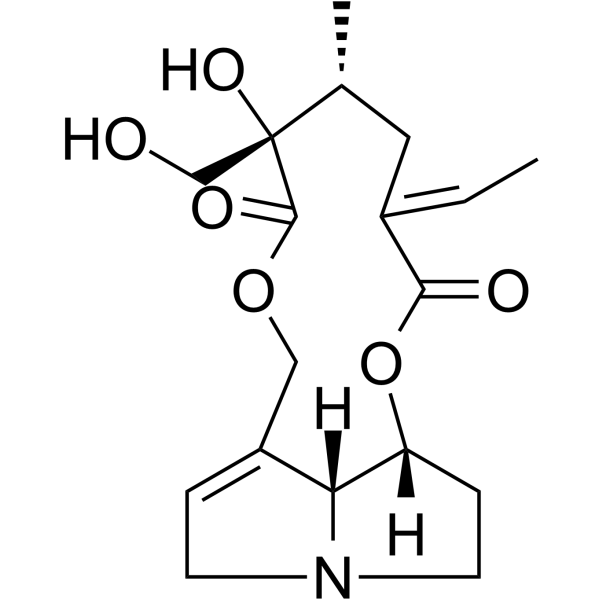
    Usaramine is a pyrrolizidine alkaloid that can be isolated from seeds of Crolatalaria pallida. Usaramine selective Usaramine demonstrates antibiofilm activity against Staphylococcus epidermidis. Usaramine can be used for the research of bacterial infections .
    Usaramine
  • HY-17594R

    Oxidative Phosphorylation Reference Standards Parasite Bacterial Fungal Infection
    Oxyclozanide (Standard) is the analytical standard of Oxyclozanide. This product is intended for research and analytical applications. Oxyclozanide is an orally active salicylanilide anthelmintic agent that mainly acts by uncoupling oxidative phosphorylation in flukes. Oxyclozanide shows good anti-adenovirus, anti-biofilm, antifungal, and antibacterial activity .
    Oxyclozanide (Standard)
  • HY-P5706

    Bacterial Infection Inflammation/Immunology
    HG2 is a fast-acting antimicrobial peptide. HG2 shows anti-biofilm and anti-inflammatory activities. HG2 is active against Gram-positive pathogens, especially against MRSA strains (MIC: 16-32 μg/mL). HG2 can bind to bacterial lipids and reduces ATP concentration in S. aureus MRSA USA300 cells .
    HG2
  • HY-177881

    Fungal Infection
    Savirin exhibits in vitro antibacterial and antibiofilm activity. Savirin can prevent skin infections induced by S. aureus in vivo. Savirin shows enhanced activity when combined with antibiotics .
    Savirin
  • HY-B1474

    Fungal Infection Cancer
    Alexidine, a bis-biguanide, exhibits antifungal and antibiofilm activity against a diverse range of fungal pathogens. Alexidine is an anticancer agent that targets a mitochondrial tyrosine phosphatase, PTPMT1, in mammalian cells and causes mitochondrial apoptosis .
    Alexidine
  • HY-W015490R

    Reference Standards DNA/RNA Synthesis NF-κB Monoamine Oxidase TNF Receptor Bacterial Infection Inflammation/Immunology Cancer
    1,4-Naphthoquinone is an inhibitor with broad-spectrum inhibitory activity targeting DNA polymerase, NF-κB and monoamine oxidase (MAO-A/B), with antibacterial and anti-biofilm efficacy. 1,4-Naphthoquinone is a competitive inhibitor of MAO-B (Ki=1.4 μM) and a non-competitive inhibitor of MAO-A (Ki=7.7 μM). 1,4-Naphthoquinone inhibits DNA polymerase pol α, β, γ, δ, ε, λ with IC50 ranging from 5.57-128 μM. 1,4-Naphthoquinone inhibits tumor cell proliferation, induces apoptosis and necrosis, and has anti-angiogenic and anti-inflammatory activities by inducing oxidative stress, depleting glutathione (GSH), inhibiting DNA polymerase-mediated DNA synthesis and blocking NF-κB nuclear translocation. 1,4-Naphthoquinone can be used in anti-bacterial , anti-tumor and anti-inflammatory studies, including inhibition of melanoma and colon cancer cell growth and endothelial cell function, as well as LPS-induced inflammation models .
    1,4-Naphthoquinone (Standard)
  • HY-N10755A

    Cytochrome P450 Bacterial Infection
    (±)-ε-Viniferin is a racemate of ε-Viniferin (HY-N3841). (±)-ε-Viniferin exhibits P450 inhibitory antioxidants, as well as hepato-protective and antimicrobial activities. (±)-ε-Viniferin has antibacterial and antibiofilm activity against Gram-positive bacteria Streptococcus pneumoniae with a MIC of 20 μM .
    (±)-ε-Viniferin
  • HY-147866

    Bacterial DNA/RNA Synthesis ROS Kinase Infection
    Antibacterial agent 110 (Compound 4e) is a potent antibacterial agent with a MIC value of 1 μg/mL against P. aeruginosa. Antibacterial agent 110 possesses favorable antibiofilm activity and can destroy cell membranes. Antibacterial agent 110 causes metabolic arrest and intracellular oxidative stress, and obstructs DNA replication .
    Antibacterial agent 110
  • HY-168063

    Bacterial Infection
    Antibiofilm agent-11 (compound C12) is a xanthone derivative with anti-biofilm activity .
    Antibiofilm agent-11
  • HY-P10968

    Bacterial Antibiotic Infection
    KT2 is a cationic amphipathic antibacterial peptide. KT2 can completely kill cells of E. coli O157:H7. KT2 has potent anti-biofilm activity and prevents biofilm formation of E. coli O157:H7. KT2 significantly binds to bacterial surface LPS and interacts with the lipids of liposomes with great penetration capability into bacterial cells, followed by bond to DNA and other cytoplasmic membrane .
    KT2
  • HY-169191

    Bacterial Infection
    Quorum sensing-IN-8 (compound 5e) has anti-biofilm activity. Quorum sensing-IN-8 can be used for the study of antimicrobial resistance .
    Quorum sensing-IN-8
  • HY-155546

    Bacterial Infection
    Antimicrobial agent-22 (THI 6c) is a multi-target broad-spectrum antibacterial agent. Antimicrobial agent-22 has low cytotoxicity, hemolytic property, rapid bactericidal ability and good anti-biofilm activity .
    Antimicrobial agent-22
  • HY-173594

    Bacterial Infection
    TarO-IN-1 (Compound 18a) is a TarO inhibitor and has antibacterial activity. TarO-IN-1 has β-lactam sensitizing and anti-biofilm activities against MRSA. TarO-IN-1 can be used for research of β-lactam resistance .
    TarO-IN-1
  • HY-161069

    Bacterial Infection
    Anti-infective agent 8 (compound 9d) is an antibacterial agent with an MIC of 0.5 μg/mL against Staphylococcus aureus and Mycobacterium tuberculosis H37Rv. Anti-infective agent 8 has anti-biofilm activity and significantly reduces Staphylococcus aureus biofilm formation .
    Anti-infective agent 8
  • HY-P5709

    Bacterial Infection Inflammation/Immunology
    HG4 is a fast-acting antimicrobial peptide. HG4 shows anti-biofilm and anti-inflammatory activities. HG4 is active against Gram-positive pathogens, especially against MRSA strains (MIC: 32-64 μg/mL). HG4 can bind to bacterial lipids and reduces ATP concentration in S. aureus MRSA USA300 cells .
    HG4
  • HY-118362

    Bacterial Infection
    Netzahualcoyonol is a quinone methyl triterpene isolated from the roots of Salacia multiflora (Lam.) DC. Netzahualcoyonol exhibits antibacterial and anti-biofilm activities. Netzahualcoyonol inhibits Gram-positive bacteria (MIC=3.26–52 μM). Additionally, Netzahualcoyonol demonstrates cytotoxicity against Hep G2 cells (IC50 = 1.95 μM) but exhibits low toxicity towards Vero cells .
    Netzahualcoyonol
  • HY-164123

    Bacterial Infection
    Antibiofilm agent-9 (Compound 4) is a pyrrolomycin derivative with antibacterial activity. Antibiofilm agent-9 inhibits Bacillus anthracis with MIC of 0.031 μg/mL. Antibiofilm agent-9 exhibits antibiofilm activity with 84% biofilm inhibition (24 h, 8.0 μg/mL). Antibiofilm agent-9 exhibits a good pharmacokinetic characters in mouse model .
    Antibiofilm agent-9
  • HY-168077

    Fungal Infection
    Antibiofilm agent-12 (Compound C13) is an antifungal agent that belongs to the class of carbazate derivatives. Antibiofilm agent-12 exhibits significant antifungal activity against Candida auris, with a MIC90 of 237.9 μM. By inhibiting the drug efflux pump activity of Candida auris and promoting ergosterol depletion, Antibiofilm agent-12 hinders biofilm formation and reduces the metabolic flexibility of Candida auris. Additionally, Antibiofilm agent-12 demonstrates antifungal activity in a Candida auris-infected C. elegans model .
    Antibiofilm agent-12
  • HY-161279

    Bacterial Lactate Dehydrogenase Reactive Oxygen Species (ROS) Infection
    Antibiofilm agent-5 (compound 6c) is a multitargeting antibacterial agent with potent antibiofilm activity. Antibiofilm agent-5 could induce metabolic dysfunction by deactivating lactate dehydrogenase and promote the accumulation of reactive oxygen species to decrease the reduced glutathione and ultimately cause oxidative damage in bacteria. Antibiofilm agent-5 can be used for the research of refractory biofilm-intensified bacterial infections .
    Antibiofilm agent-5
  • HY-168928

    Bacterial Infection
    Antibiofilm agent prodrug 1 (Compound 5c) exhibits antibacterial activity through inhibition of biofilm formation and iron uptake. Antibiofilm agent prodrug 1 inhibits P. aeruginosa PAO1 with a MIC of 1.07 μM. Antibiofilm agent prodrug 1 exhibits anti-infectious efficacy in C. elegans with improved survival rate .
    Antibiofilm agent prodrug 1
  • HY-158401

    Bacterial Infection
    Antibiofilm agent-7 (Compound 9) exhibits potent antibiofilm activity with IC50 of 60, 133.32, and 19.67 µg/mL against S. aureus, E. coli, and methicillin-resistant S. aureus (MRSA), respectively. Antibiofilm agent-7 has antibacterial activity for S. aureus, E. coli, C. albicans, and MRSA, with MIC values of 4.88, 78.13, 9.77 and 39.06 µg/mL, respectively .
    Antibiofilm agent-7
  • HY-P10361

    Bacterial Antibiotic Inflammation/Immunology
    Temporin-GHc has an antibacterial activity with MBIC50 value of 6 μM and antibiofilm activity with MBEC50 value of 25 μM at 24 h .
    Temporin-GHc
  • HY-168258

    Bacterial Infection
    Antibiofilm agent-13 (compound 14b) is a potent antibacterial agent that displays a broad-spectrum antimicrobial activity. Antibiofilm agent-13 could disintegrate the integrity of bacterial cell membranes by destroying transmembrane potential and enhancing membrane permeability, and causing the generation of intracellular ROS and the leakage of DNA and proteins, ultimately leading to bacterial death. Antibiofilm agent-13 inhibits both Gram-positive bacteria (MIC of 0.5-1 μg/mL) and Gram-negative bacteria (MIC of 1-32 μg/mL) .
    Antibiofilm agent-13
  • HY-W012572R

    Reference Standards Mitochondrial Metabolism Bacterial Infection Metabolic Disease
    D-Histidine (Standard) is the analytical standard of D-Histidine (HY-W012572). This product is intended for research and analytical applications. D-Histidine is an anti-biofilm agent that targets bacterial quorum sensing systems (such as RhlI/RhlR pathway) and has antibacterial activity. D-Histidine works by non-covalently binding to bacterial regulatory factors or copper ion complexes, selectively inhibiting bacterial biofilm formation and motility. D-Histidine downregulates quorum sensing-related gene expression, reduces the synthesis of virulence factors (such as alginate and proteases), and interferes with bacterial membrane stability, inhibiting biofilm formation, promoting the disintegration of mature biofilms, and enhancing antibiotic sensitivity. D-Histidine is also an efficient catalyst for the salt-induced peptide formation (SIPF) reaction, which promotes the condensation of amino acids to form dipeptides (such as dialanine and dilysine) by forming a complex with copper ions (Cu 2+) .
    D-Histidine (Standard)
  • HY-179104

    Bacterial Infection
    LasB-IN-2 (Compound 12) is a selective LasB inhibitor, with a Ki of 0.92 μM. LasB-IN-2 shows antibiofilm activity. LasB-IN-2 can be used in the research of bacterial infections, including Pseudomonas aeruginosa .
    LasB-IN-2
  • HY-146067

    Fungal Reactive Oxygen Species (ROS) Infection
    β-Nor-lapachone is a Candida glabrata antibiofilm agent. β-Nor-lapachone can stimulate ROS production, inhibits efflux activity, adhesion, biofilm formation and the metabolism of mature biofilms of Candida glabrata. β-Nor-lapachone has antifungal activity .
    β-Nor-lapachone
  • HY-157482

    Bacterial Infection
    EBP-59 is a bacterial inhibitor with antibiofilm activity against Gram-positive bacteria. EBP-59 is effective against Staphylococcus aureus and MRSA (methicillin–resistant staphylococcus aureus). EBP-59 can be used to study bacterial infections .
    EBP-59
  • HY-W015551R

    (E)-Dec-2-enal (Standard)

    Biochemical Assay Reagents Reference Standards Infection
    trans-2-Decenal ((E)-Dec-2-enal)) Standard is the analytical standard of trans-2-Decenal (HY-W015551). This product is intended for research and analytical applications. trans-2-Decenal ((E)-Dec-2-enal) acts as a urease inhibitor and antibacterial agent against Helicobacter pylori, with an IC50 of 9.484 μg/mL against Helicobacter pylori urease. trans-2-Decenal reduces the urease activity of Helicobacter pylori, and possesses antibacterial, bactericidal, anti-biofilm and anti-migratory activities. It alters the morphology of Helicobacter pylori, induces bacterial rupture, inhibits biofilm formation, reduces the number of mature biofilms and impairs the migratory capacity of Helicobacter pylori. trans-2-Decenal disrupts the cell wall integrity of Phytophthora capsici, damages membrane integrity and permeability, triggers intracellular reactive oxygen species (ROS) accumulation, decreases glutathione levels and disrupts the mitochondrial membrane potential of Phytophthora capsici. trans-2-Decenal is applicable to studies related to Helicobacter pylori and plant diseases induced by and Phytophthora capsici.
    trans-2-Decenal (Standard)
  • HY-W015551S

    (E)-Dec-2-enal-d2

    Biochemical Assay Reagents Isotope-Labeled Compounds Infection
    trans-2-Decenal-d2 ((E)-Dec-2-enal-d2) is deuterated labeled trans-2-Decenal (HY-W015551). trans-2-Decenal ((E)-Dec-2-enal) acts as a urease inhibitor and antibacterial agent against Helicobacter pylori, with an IC50 of 9.484 μg/mL against Helicobacter pylori urease. trans-2-Decenal reduces the urease activity of Helicobacter pylori, and possesses antibacterial, bactericidal, anti-biofilm and anti-migratory activities. It alters the morphology of Helicobacter pylori, induces bacterial rupture, inhibits biofilm formation, reduces the number of mature biofilms and impairs the migratory capacity of Helicobacter pylori. trans-2-Decenal disrupts the cell wall integrity of Phytophthora capsici, damages membrane integrity and permeability, triggers intracellular reactive oxygen species (ROS) accumulation, decreases glutathione levels and disrupts the mitochondrial membrane potential of Phytophthora capsici. trans-2-Decenal is applicable to studies related to Helicobacter pylori and plant diseases induced by and Phytophthora capsici .
    trans-2-Decenal-d2
  • HY-P5924A

    Bacterial Infection
    D-K6L9 shows antimicrobial and antibiofilm activities against P. aeruginosa from cystic fibrosis patients. D-K6L9 is stable and resistant to degradation by cystic fibrosis sputum proteases and will not induce bacterial resistance .
    D-K6L9
  • HY-P5924

    Bacterial Infection
    L-K6L9 shows antimicrobial and antibiofilm activities against P. aeruginosa from cystic fibrosis patients. L-K6L9 is stable and resistant to degradation by cystic fibrosis sputum proteases and will not induce bacterial resistance .
    L-K6L9
  • HY-108547R

    Fungal Apoptosis Infection Cancer
    Alexidine (dihydrochloride) (Standard) is the analytical standard of Alexidine (dihydrochloride). This product is intended for research and analytical applications. Alexidine dihydrochloride is an anticancer agent that targets a mitochondrial tyrosine phosphatase, PTPMT1, in mammalian cells and causes mitochondrial apoptosis. Alexidine dihydrochloride has antifungal and antibiofilm activity against a diverse range of fungal pathogens .
    Alexidine dihydrochloride (Standard)
  • HY-N6931R

    Reference Standards Bacterial Infection
    Usaramine (Standard) is the analytical standard of Usaramine. This product is intended for research and analytical applications. Usaramine is a pyrrolizidine alkaloid isolated from seeds of Crolatalaria pallida. Usaramine demonstrates a highlighted antibiofilm activity against Staphylococcus epidermidis by reducing more than 50% of biofilm formation without killing the bacteria .
    Usaramine (Standard)
  • HY-152175

    Bacterial Infection
    Antibacterial agent 130 is a 1,1-diarylthiogalactoside, used for targeting the Pseudomonas aeruginosa LecA. Antibacterial agent 130 shows high affinity toward LecA (Kd=1 μM). Antibacterial agent 130 has antibiofilm activity, but lacks bactericidal activity. LecA, a lectin and virulence factor from Pseudomonas aeruginosa involved in bacterial adhesion and biofilm formation .
    Antibacterial agent 130

Inquiry Online

Your information is safe with us. * Required Fields.

Salutation


Country or Region *

Applicant Name *


Organization Name *

Department *


Email Address *


Product Name *

Cat. No.


Requested quantity *

Phone Number *


Remarks

Inquiry Online

Inquiry Information

Product Name:
Cat. No.:
Quantity:
MCE Japan Authorized Agent:

