1. Search Result
Search Result
Results for "

Anti-leukemic

" in MedChemExpress (MCE) Product Catalog:

136

Inhibitors & Agonists

4

Inhibitory Antibodies

32

Natural
Products

15

Isotope-Labeled Compounds

3

Oligonucleotides

Cat. No. Product Name Target Research Areas Chemical Structure
  • HY-13677
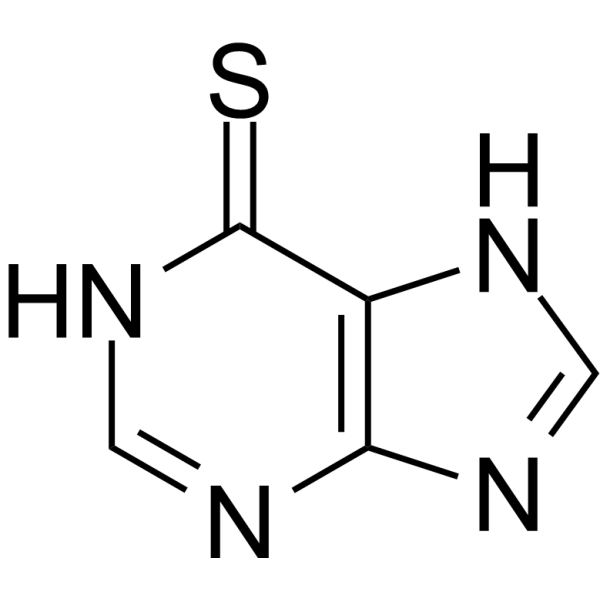
    6-Mercaptopurine
    Maximum Cited Publications
    17 Publications Verification

    Mercaptopurine; 6-MP

    Nucleoside Antimetabolite/Analog Autophagy Endogenous Metabolite Cancer
    6-Mercaptopurine is a purine analogue which acts as an antagonist of the endogenous purines and has been widely used as antileukemic agent and immunosuppressive drug.
    6-Mercaptopurine
  • HY-N0667
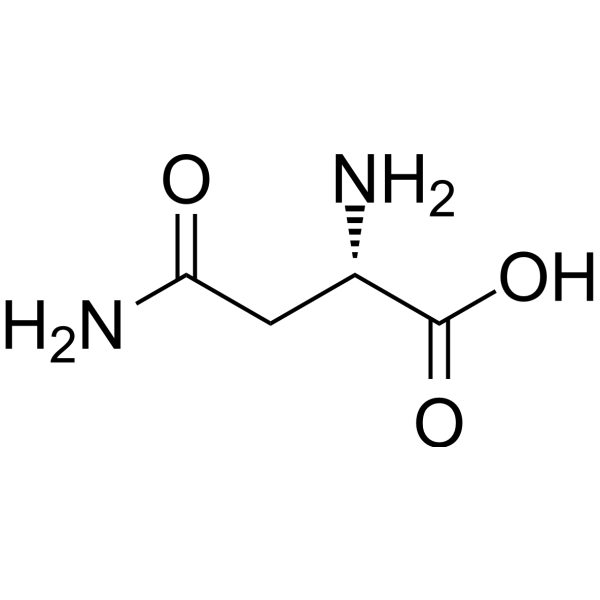
    L-Asparagine
    5 Publications Verification

    (-)-Asparagine; Asn; Asparamide

    Endogenous Metabolite Apoptosis DNA/RNA Synthesis Inflammation/Immunology
    L-Asparagine is an essential amino acid for leukemic cells and a substrate for L-Asparaginase. L-Asparaginase is a potent anti-leukemic enzyme that promotes asparagine (Asn) and glutamine (Gln) depletion and inhibits protein biosynthesis in lymphoblasts. Removal of L-asparagine from plasma by L-Asparaginase results in inhibition of RNA and DNA synthesis and subsequent apoptosis. L-Asparaginase has cell-killing ability in vitro and in vivo, and selectively inhibits the growth of cancer cells with low asparagine synthetase (AASNS) expression. L-Asparagine can be used as a biomarker and sensor for the study of childhood acute lymphoblastic leukemia .
    L-Asparagine
  • HY-17381
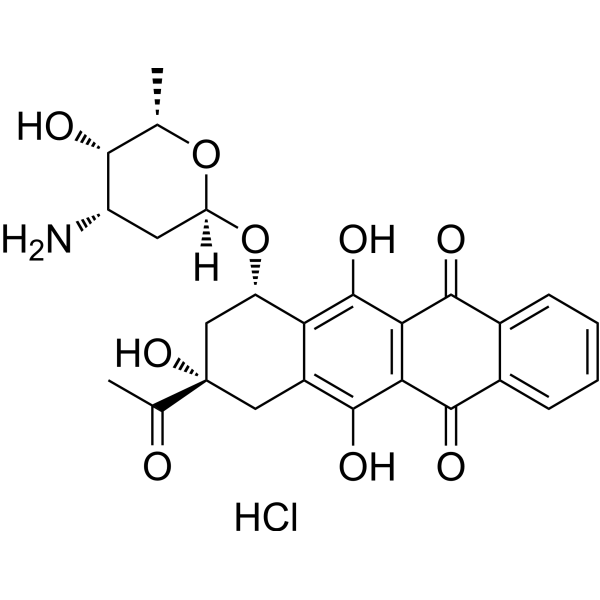
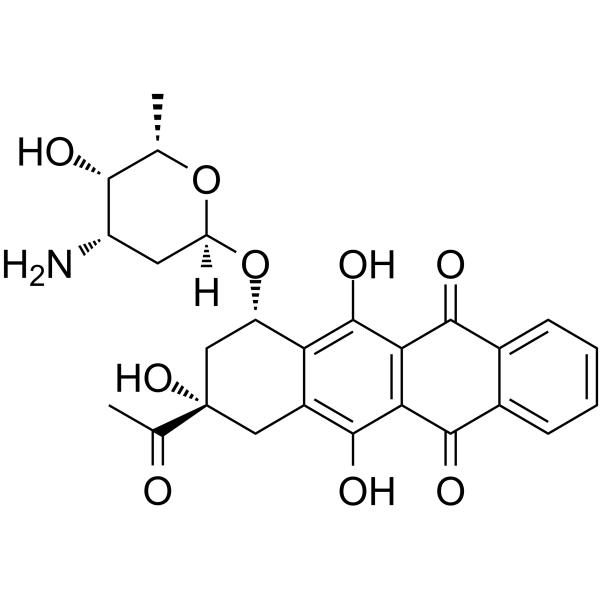
    Idarubicin hydrochloride
    Maximum Cited Publications
    17 Publications Verification

    4-Demethoxydaunorubicin hydrochloride

    Topoisomerase Bacterial Fungal Autophagy Antibiotic DNA/RNA Synthesis c-Myc Infection Cancer
    Idarubicin hydrochloride is an anthracycline antileukemic agent. It inhibits the topoisomerase II interfering with the replication of DNA and RNA transcription. Idarubicin hydrochloride inhibits the growth of bacteria and yeasts.
    Idarubicin hydrochloride
  • HY-153274
    CWI1-2
    4 Publications Verification

    Apoptosis Cancer
    CWI1-2 is an IGF2BP2 inhibitor that binds IGF2BP2 and inhibits its interaction with m6A-modified target transcripts, induces apoptosis and differentiation, and shows promising anti-leukemic effects .
    CWI1-2
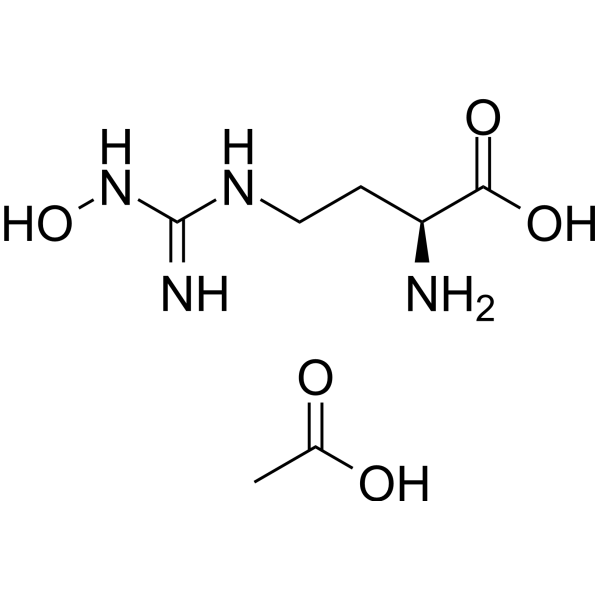
  • HY-112885B
    nor-NOHA monoacetate
    5 Publications Verification

    Nω-Hydroxy-nor-L-arginine monoacetate

    Arginase Apoptosis Cardiovascular Disease Infection Metabolic Disease Inflammation/Immunology Cancer
    nor-NOHA monoacetate is a selective and reversible arginase inhibitor. nor-NOHA monoacetate induces apoptosis in ARG2-expressing cells under hypoxia. nor-NOHA monoacetate has anti-leukemic activity. nor-NOHA monoacetate can used in study of endothelial dysfunction, immunosuppression and metabolism .
    nor-NOHA monoacetate
  • HY-P99412
    Lusvertikimab
    1 Publications Verification

    OSE-127

    Interleukin Related Cancer
    Lusvertikimab (OSE-127) is a humanized IL7R monoclonal antibody. Lusvertikimab is not internalized by target cells and prevents IL7R heterodimerization and subsequent downstream signaling. Lusvertikimab has anti-leukemic efficacy and has the potential for B cell precursor acute lymphoblastic leukemia (BCP-ALL) research .
    Lusvertikimab
  • HY-100423
    Eltanexor
    3 Publications Verification

    KPT-8602

    CRM1 Cancer
    Eltanexor (KPT-8602) is a second-generation, highly specific and orally active exportin-1 (XPO1) inhibitor with potent anti-leukemic activity. Eltanexor (KPT-8602) inhibits XPO1-dependent nuclear export (EC50=60.9 nM) by directly targeting XPO1. Eltanexor (KPT-8602) induces Caspase-dependent apoptosis in a panel of leukemic cell lines .
    Eltanexor
  • HY-B1516
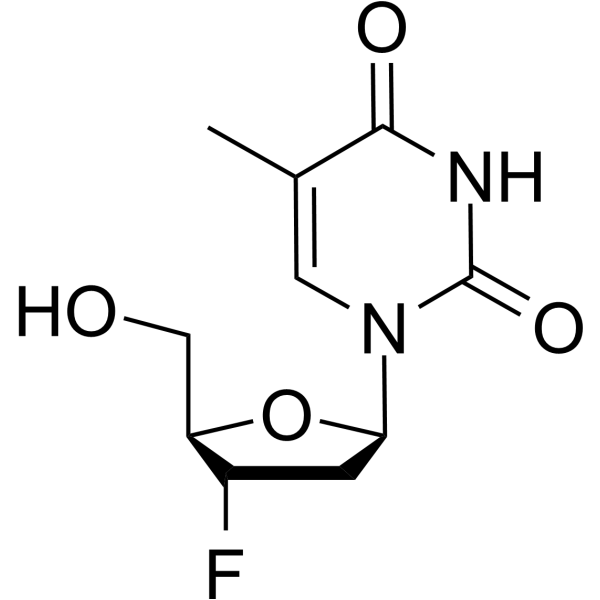
    Alovudine
    3 Publications Verification

    3'-Fluoro-3'-deoxythymidine; 3′-Deoxy-3′-fluorothymidine; FLT

    DNA/RNA Synthesis Orthopoxvirus Infection Cancer
    Alovudine (3'-Fluoro-3'-deoxythymidine) is a mtDNA synthesis inhibitor and a marker of DNA synthesis. Alovudine is less susceptible to inflammatory changes than 18F-Fluorodeoxyglucose (FDG) and thus is a better biomarker in pancreatic cancer. Alovudine shows anti-orthopoxvirus and anti-leukemic activity .
    Alovudine
  • HY-123954
    BTX-A51
    1 Publications Verification

    Casein Kinase inhibitor A51

    Casein Kinase CDK Apoptosis Cancer
    BTX-A51 (Casein Kinase inhibitor A51) is a potent and orally active casein kinase 1α (CK1α) inhibitor. BTX-A51 induces leukemia cell apoptosis, and has potent anti-leukemic activities .
    BTX-A51
  • HY-112885A
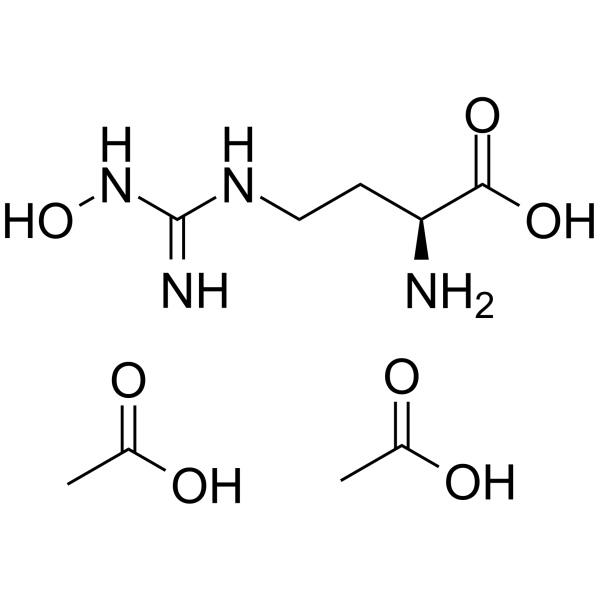
    nor-NOHA acetate
    5 Publications Verification

    Nω-Hydroxy-nor-L-arginine acetate

    Arginase Apoptosis Cardiovascular Disease Infection Metabolic Disease Inflammation/Immunology Cancer
    nor-NOHA acetate is a selective and reversible Arginase inhibitor. nor-NOHA acetate induces Apoptosis in ARG2-expressing cells under hypoxia. nor-NOHA acetate has anti-leukemic activity. nor-NOHA acetate improves liver ischemia-reperfusion injury. nor-NOHA acetate can used in study of tuberculosis, endothelial dysfunction, immunosuppression and metabolism .
    nor-NOHA acetate
  • HY-112885C
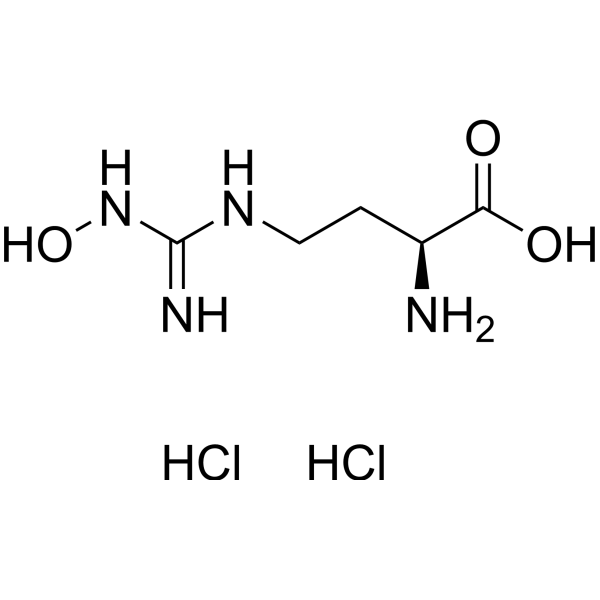
    nor-NOHA dihydrochloride
    5 Publications Verification

    Nω-Hydroxy-nor-L-arginine dihydrochloride

    Apoptosis Arginase Cardiovascular Disease Infection Metabolic Disease Inflammation/Immunology Cancer
    nor-NOHA dihydrochloride is a selective and reversible Arginase inhibitor. nor-NOHA dihydrochloride induces Apoptosis in ARG2-expressing cells under hypoxia. nor-NOHA dihydrochloride has anti-leukemic activity. nor-NOHA dihydrochloride improves liver ischemia-reperfusion injury. nor-NOHA dihydrochloride can used in study of tuberculosis, endothelial dysfunction, immunosuppression and metabolism .
    nor-NOHA dihydrochloride
  • HY-109117
    Iadademstat
    5+ Cited Publications

    ORY-1001

    Histone Demethylase Apoptosis Cancer
    Iadademstat (ORY-1001) is a highly potent, orally active and selective LSD1 (KDM1A) inhibitor with antileukemic activity. Iadademstat can be used for relapsed or refractory acute myeloid leukemia research .
    Iadademstat
  • HY-112041
    Unesbulin
    3 Publications Verification

    PTC596

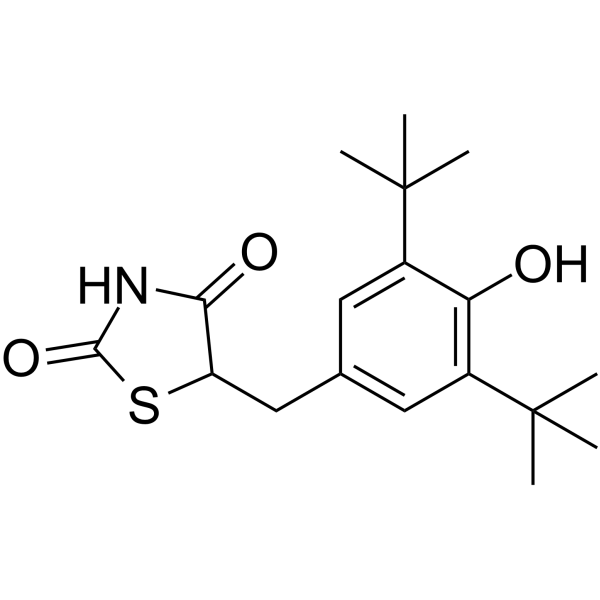
    BMI1 Apoptosis Cancer
    Unesbulin (PTC596) is an orally active and selective B-cell-specific Moloney murine leukemia virus integration site 1 (BMI-1) inhibitor. Unesbulin downregulates MCL-1 and induces p53-independent mitochondrial apoptosis in acute myeloid leukemia (AML) cells. Unesbulin has anti-leukemic activity .
    Unesbulin
  • HY-N0667S2
    L-Asparagine-15N2 monohydrate
    1 Publications Verification

    (-)-Asparagine-15N2 monohydrate; Asn-15N2 monohydrate; Asparamide-15N2 monohydrate

    Isotope-Labeled Compounds Endogenous Metabolite Apoptosis DNA/RNA Synthesis Inflammation/Immunology
    L-Asparagine- 15N2 monohydrate is the 15N-labeled L-Asparagine monohydrate (HY-W017443). L-Asparagine monohydrate is an essential amino acid for leukemic cells and a substrate for L-Asparaginase. L-Asparaginase is a potent anti-leukemic enzyme that promotes asparagine (Asn) and glutamine (Gln) depletion and inhibits protein biosynthesis in lymphoblasts. Removal of L-asparagine from plasma by L-Asparaginase results in inhibition of RNA and DNA synthesis and subsequent apoptosis. L-Asparaginase has cell-killing ability in vitro and in vivo, and selectively inhibits the growth of cancer cells with low asparagine synthetase (AASNS) expression. L-Asparagine monohydrate can be used as a biomarker and sensor for the study of childhood acute lymphoblastic leukemia .
    L-Asparagine-15N2 monohydrate
  • HY-13677A
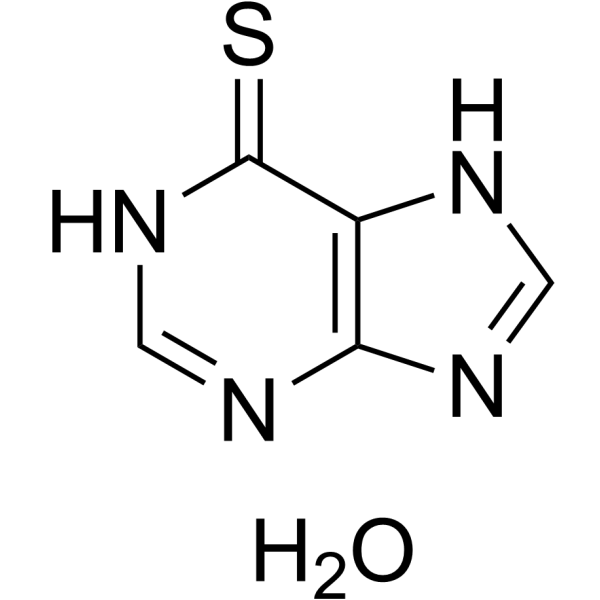
    6-Mercaptopurine hydrate
    Maximum Cited Publications
    17 Publications Verification

    Mercaptopurine hydrate; 6-MP hydrate

    Nucleoside Antimetabolite/Analog Cancer
    6-Mercaptopurine hydrate (Mercaptopurine hydrate; 6-MP hydrate) is a purine analogue which acts as an antagonist of the endogenous purines and has been widely used as antileukemic agent and immunosuppressive agent.
    6-Mercaptopurine hydrate
  • HY-W017443
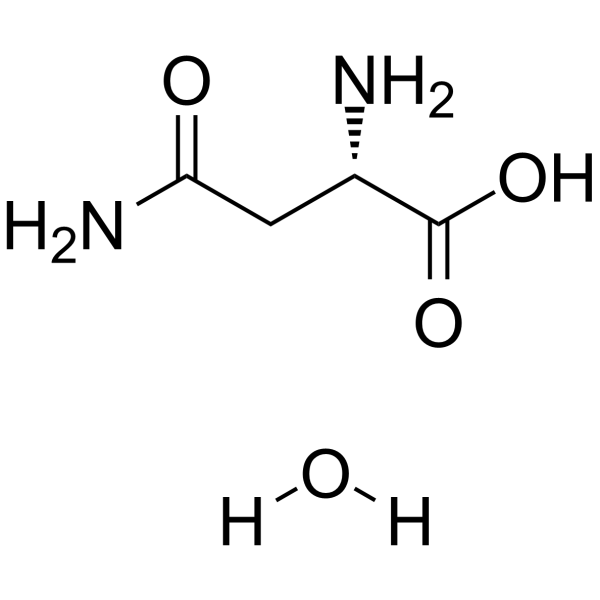
    L-Asparagine monohydrate
    5 Publications Verification

    Endogenous Metabolite Apoptosis DNA/RNA Synthesis Neurological Disease Metabolic Disease Inflammation/Immunology Cancer
    L-Asparagine monohydrate is an essential amino acid for leukemic cells and a substrate for L-Asparaginase. L-Asparaginase is a potent anti-leukemic enzyme that promotes asparagine (Asn) and glutamine (Gln) depletion and inhibits protein biosynthesis in lymphoblasts. Removal of L-asparagine from plasma by L-Asparaginase results in inhibition of RNA and DNA synthesis and subsequent apoptosis. L-Asparaginase has cell-killing ability in vitro and in vivo, and selectively inhibits the growth of cancer cells with low asparagine synthetase (AASNS) expression. L-Asparagine monohydrate can be used as a biomarker and sensor for the study of childhood acute lymphoblastic leukemia .
    L-Asparagine monohydrate
  • HY-153274A
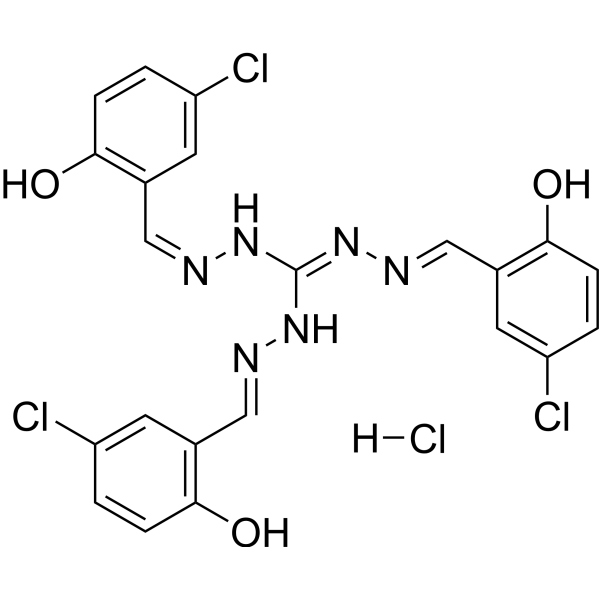
    CWI1-2 hydrochloride
    4 Publications Verification

    Apoptosis Cancer
    CWI1-2 hydrochloride is an IGF2BP2 inhibitor that binds IGF2BP2 and inhibits its interaction with m6A-modified target transcripts, induces apoptosis and differentiation, and shows promising anti-leukemic effects .
    CWI1-2 hydrochloride
  • HY-141429A
    AS-99 TFA
    2 Publications Verification

    Histone Methyltransferase Apoptosis Cancer
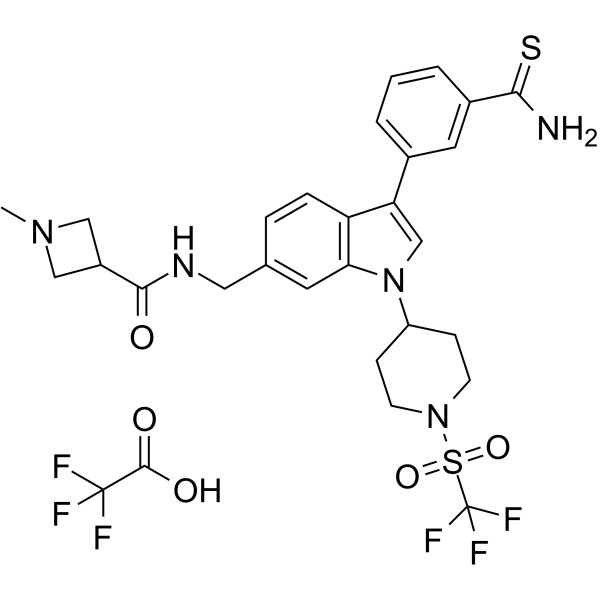
    AS-99 TFA is a first-in-class, potent and selective ASH1L histone methyltransferase inhibitor (IC50= 0.79 μM, Kd= 0.89 μM) with anti-leukemic activity. AS-99 TFA blocks cell proliferation, induces apoptosis and differentiation, downregulates MLL fusion target genes, and reduces the leukemia burden in vivo .
    AS-99 TFA
  • HY-B1336
    Furazolidone
    3 Publications Verification

    Environmental Pollutants Antibiotic Bacterial Apoptosis Parasite Infection Cancer
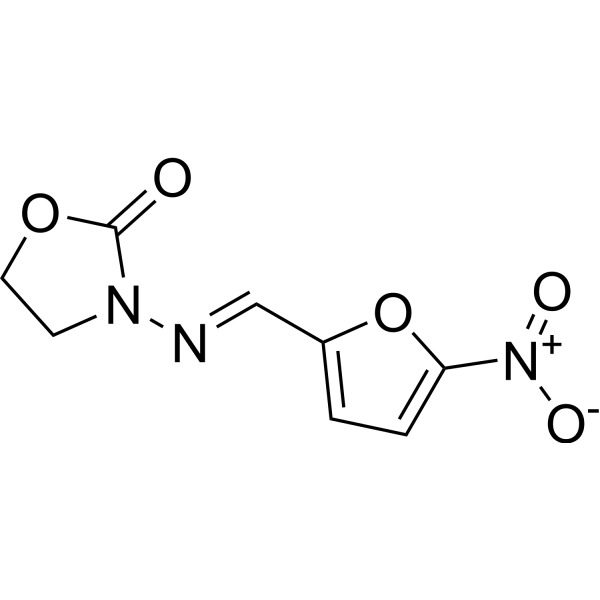
    Furazolidone is a monoamine oxidase (MAO) inhibitor with antiproliferative, apoptosis-inducing and differentiation-promoting activities. Furazolidone may inhibit leukemia fusion protein-mediated bone marrow transformation by upregulating the stability of the tumor suppressor protein p53. Furazolidone exhibits anti-leukemic activity in acute myeloid leukemia (AML) cell lines and can be used for anti-AML research [2].
    Furazolidone
  • HY-N0838
    Cephalotaxine
    1 Publications Verification

    (-)-Cephalotaxine; ZINC19795976

    Flavivirus Infection Cancer
    Cephalotaxlen ((-)-Cephalotaxine) is an alkaloid that can be isolated from Cephalotaxus fortunei, with antileukemic and antiviral activities. Cephalotaxlen has anti-ZIKV (Zika virus) activity .
    Cephalotaxine
  • HY-102048
    STAT5-IN-2
    2 Publications Verification

    STAT Apoptosis Cancer
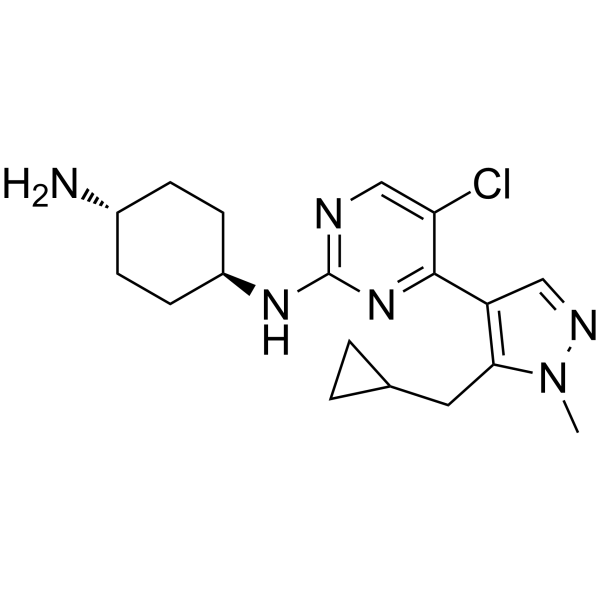
    STAT5-IN-2 is a STAT5 inhibitor, extracted from reference 1, example 17f. STAT5-IN-2 has potent antileukemic effect .
    STAT5-IN-2
  • HY-112885

    Nω-Hydroxy-nor-L-arginine

    Apoptosis Arginase Cardiovascular Disease Infection Metabolic Disease Inflammation/Immunology Cancer
    nor-NOHA is a selective and reversible arginase inhibitor. nor-NOHA induces apoptosis in ARG2-expressing cells under hypoxia. nor-NOHA has anti-leukemic activity. nor-NOHA can used in study of endothelial dysfunction, immunosuppression and metabolism .
    nor-NOHA
  • HY-151411

    RUNX Cancer
    RUNX1/ETO tetramerization-IN-1 is a small-molecule inhibitor of RUNX1/ETO tetramerization, exhibits anti-leukemic effect. RUNX1/ETO tetramerization-IN-1 specifically targets to NHR2 of RUNX1/ETO (EC50=0.25 μM), restores gene expression down-regulated by RUNX1/ETO. RUNX1/ETO tetramerization-IN-1 inhibits the proliferation of RUNX1/ETO-depending SKNO-1 cells, and reduces the RUNX1/ETO-related tumor growth in a mouse model .
    RUNX1/ETO tetramerization-IN-1
  • HY-169091

    DNA/RNA Synthesis Cancer
    TS-002266 is a small molecule TUT4/7 inhibitor with anti-leukemic effects. TS-002266 is promising for research of cancers .
    TS-002266
  • HY-123955

    Casein Kinase CDK Apoptosis Cancer
    Casein Kinase inhibitor A86 is a potent and orally active casein kinase 1α (CK1α) inhibitor. Casein Kinase inhibitor A86 also inhibits of CDK7 (TFIIH) and CDK9 (P-TEFb). Casein Kinase inhibitor A861 induces leukemia cell apoptosis, and has potent anti-leukemic activities .
    Casein Kinase inhibitor A86
  • HY-109179

    TP-0184

    JAK Anaplastic lymphoma kinase (ALK) FLT3 STAT PI3K Akt mTOR TGF-beta/Smad TGF-β Receptor Cancer
    Itacnosertib (TP-0184) is the inhibitor for FLT3, ACVR1 (ALK2, IC50=8 nM) and JAK2 (IC50=8540 nM). Itacnosertib exhibits anti-leukemic activity .
    Itacnosertib
  • HY-N0667S5
    L-Asparagine-d3 hydrate
    1 Publications Verification

    Isotope-Labeled Compounds Endogenous Metabolite Apoptosis DNA/RNA Synthesis Inflammation/Immunology
    L-Asparagine-d3 hydrate is the deuterium labeled L-Asparagine (HY-N0667). L-Asparagine is an essential amino acid for leukemic cells and a substrate for L-Asparaginase. L-Asparaginase is a potent anti-leukemic enzyme that promotes asparagine (Asn) and glutamine (Gln) depletion and inhibits protein biosynthesis in lymphoblasts. Removal of L-asparagine from plasma by L-Asparaginase results in inhibition of RNA and DNA synthesis and subsequent apoptosis. L-Asparaginase has cell-killing ability in vitro and in vivo, and selectively inhibits the growth of cancer cells with low asparagine synthetase (AASNS) expression. L-Asparagine can be used as a biomarker and sensor for the study of childhood acute lymphoblastic leukemia .
    L-Asparagine-d3 hydrate
  • HY-N8146

    STAT Bcl-2 Family Ser/Thr Kinase Survivin c-Myc Apoptosis Necroptosis CDK Infection Cancer
    Bruceantinol is a quassinoid that can be isolated from Brucea javanica, inhibits pepper mottle virus (PepMoV) in pepper. Bruceantinol is a STAT3 inhibitor demonstrating potent antitumor activity in in vitro and in vivo human colorectal cancer (CRC) models. Bruceantinol has potent anti-leukemic activity. Bruceantinol strongly inhibits STAT3 DNA-binding ability (IC50 = 2.4 pM), blocks the constitutive and IL-6-induced STAT3 activation, and suppresses transcription of MCL-1, PTTG1, survivin and c-Myc. Bruceantinol binds with CDK2/4/6 to facilitate protein degradation through proteasome pathway. Bruceantinol can dose- and time-dependently reduces the cell growth, impede cell proliferation, disrupts the cell cycle, and induces necrosis in MCF-7 cells and apoptosis in MDA-MB-231 cells .
    Bruceantinol
  • HY-117996

    CRM1 Apoptosis Cancer
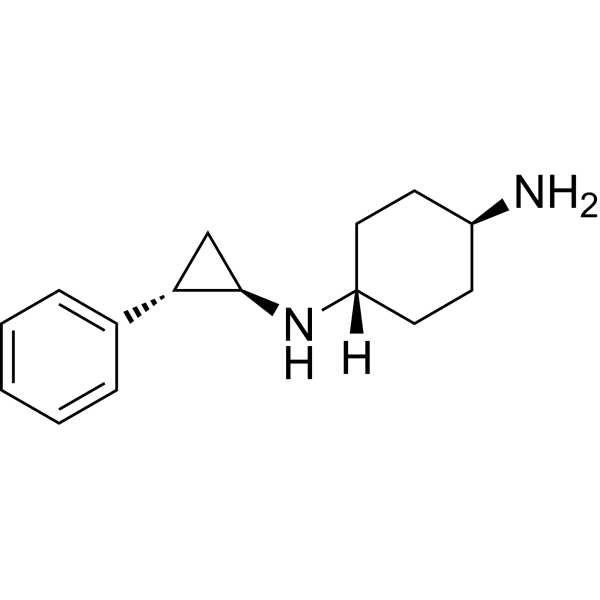
    KPT-251 is an orally active chromosome region maintenance 1 protein (CRM1) inhibitor. KPT-251 induces cancer cell apoptosis and shows antileukemic activity .
    KPT-251
  • HY-149334

    Fat Mass and Obesity-associated Protein (FTO) Metabolic Disease
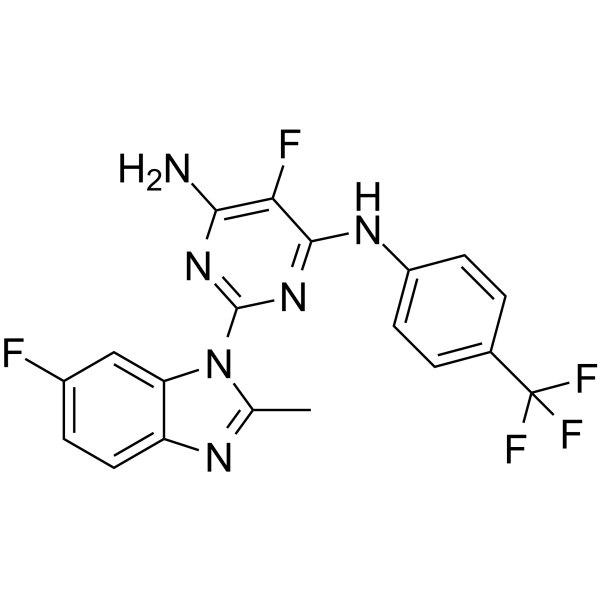
    ZLD115 (compound 44) is a FB23-derivated inhibitor of Fat Mass and Obesity-associated Protein (FTO). ZLD115 is an antileukemic agent, exhibiting antiproliferative activity against leukemic cell lines .
    ZLD115
  • HY-134333

    Apoptosis Cancer
    ICCB280 is a potent inducer of C/EBPα. ICCB280 exhibits anti-leukemic properties including terminal differentiation, proliferation arrest, and apoptosis through activation of C/EBPα and affecting its downstream targets (such as C/EBPε, G-CSFR and c-Myc) .
    ICCB280
  • HY-141430

    Histone Methyltransferase Cancer
    AS-85 is a potent ASH1L histone methyltransferase inhibitor (IC50=0.6 μM) with anti-leukemic activity. AS-85 strongly binds to the ASH1L SET domain, with the Kd value of 0.78 μM .
    AS-85
  • HY-178500

    Deubiquitinase Apoptosis STAT JAK Akt PI3K Cancer
    WCY-8-67 is an orally active and selective USP5 inhibitor, with an IC50 value of 1.33 μM. WCY-8-67 induces apoptosis and suppresses JAK/STAT3 and PI3K/AKT signaling pathways in vitro. WCY-8-67 inhibits proliferation of AE-positive AML cells, induces G1 phase arrest and differentiation of AML cells. WCY-8-67 demonstrates potent anti-leukemic efficacy in mice. WCY-8-67 can be used for the study of acute myeloid leukemia .
    WCY-8-67
  • HY-N0667R

    (-)-Asparagine (Standard); Asn (Standard); Asparamide (Standard)

    Reference Standards Endogenous Metabolite Apoptosis DNA/RNA Synthesis Inflammation/Immunology
    L-Asparagine (Standard) is the analytical standard of L-Asparagine (HY-N0667). This product is intended for research and analytical applications. L-Asparagine is an essential amino acid for leukemic cells and a substrate for L-Asparaginase. L-Asparaginase is a potent anti-leukemic enzyme that promotes asparagine (Asn) and glutamine (Gln) depletion and inhibits protein biosynthesis in lymphoblasts. Removal of L-asparagine from plasma by L-Asparaginase results in inhibition of RNA and DNA synthesis and subsequent apoptosis. L-Asparaginase has cell-killing ability in vitro and in vivo, and selectively inhibits the growth of cancer cells with low asparagine synthetase (AASNS) expression. L-Asparagine can be used as a biomarker and sensor for the study of childhood acute lymphoblastic leukemia .
    L-Asparagine (Standard)
  • HY-W017443S

    Isotope-Labeled Compounds Endogenous Metabolite Apoptosis DNA/RNA Synthesis Neurological Disease Metabolic Disease Inflammation/Immunology Cancer
    L-Asparagine- 13C4, 15N2 monohydrateis the 13C-labeled and 15N-labeled L-Asparagine monohydrate (HY-W017443). L-Asparagine monohydrate is an essential amino acid for leukemic cells and a substrate for L-Asparaginase. L-Asparaginase is a potent anti-leukemic enzyme that promotes asparagine (Asn) and glutamine (Gln) depletion and inhibits protein biosynthesis in lymphoblasts. Removal of L-asparagine from plasma by L-Asparaginase results in inhibition of RNA and DNA synthesis and subsequent apoptosis. L-Asparaginase has cell-killing ability in vitro and in vivo, and selectively inhibits the growth of cancer cells with low asparagine synthetase (AASNS) expression. L-Asparagine monohydrate can be used as a biomarker and sensor for the study of childhood acute lymphoblastic leukemia .
    L-Asparagine-13C4,15N2 monohydrate
  • HY-123523

    Nucleoside Antimetabolite/Analog DNA/RNA Synthesis CMV Infection Cancer
    Enocitabine is a nucleoside analog, and is a potent DNA replication inhibitor, and a DNA chain terminator. Enocitabine inhibits the replication of human cytomegalovirus. Enocitabine has antileukemic and antiviral activities .
    Enocitabine
  • HY-109179A

    TP-0184 hydrochloride

    JAK Anaplastic lymphoma kinase (ALK) FLT3 STAT PI3K Akt mTOR TGF-beta/Smad TGF-β Receptor Cancer
    Itacnosertib hydrochloride (TP-0184 hydrochloride) is the inhibitor for FLT3, ACVR1 (ALK2, IC50=8 nM) and JAK2 (IC50=8540 nM). Itacnosertib hydrochloride exhibits anti-leukemic activity .
    Itacnosertib hydrochloride
  • HY-141429
    AS-99 free base
    2 Publications Verification

    Histone Methyltransferase Apoptosis Cancer
    AS-99 is a first-in-class, potent and selective ASH1L histone methyltransferase inhibitor (IC50= 0.79 µM, Kd= 0.89 µM) with anti-leukemic activity. AS-99 blocks cell proliferation, induces apoptosis and differentiation, downregulates MLL fusion target genes, and reduces the leukemia burden in vivo .
    AS-99 free base
  • HY-120997

    Berbamine p-nitrobenzoate

    Calmodulin Myosin Phosphodiesterase (PDE) Cardiovascular Disease Cancer
    E6 Berbamine (Berbamine p-nitrobenzoate) is a potent calmodulin (CaM) antagonist. E6 Berbamine inhibits the activities of calmodulin-dependent myosin light chain kinase (MLCK) and phosphodiesterase (PDE). E6 Berbamine exhibits anti-leukemic activity. E6 Berbamine can be used in research related to cardiovascular abnormalities and chronic myeloid leukemia .
    E6 Berbamine
  • HY-150109A

    HDAC Cancer
    Purinostat is a selective inhibitor of HDAC I/IIb with anti-leukemic activity. Purinostat mesylate (HY-150109), the mesylate salt of Purinostat, inhibits the survival of Ph+ leukemic cells and CD34+ leukemic cells derived from CML patients. Purinostat mesylate targets HDAC I/IIb to inhibit several important factors for leukemic stem cell (LSC) survival, including c-Myc, β-Catenin, E2f, Ezh2, Alox5, and mTOR. Purinostat mesylate increases glutamate metabolism in LSC by increasing GLS1 .
    Purinostat
  • HY-174367

    RUNX Apoptosis Cancer
    RUNX1/ETO-IN-1 is a RUNX1-ETO oncogenic fusion protein inhibitor that specifically targets the NHR2 oligomerization domain. RUNX1/ETO-IN-1 directly interacts with the NHR2 (KD,app = 39 μM). RUNX1/ETO-IN-1 exhibits anti-leukemic activity by inducing apoptosis and promoting differentiation in RUNX1/ETO-translocated AML cells. RUNX1/ETO-IN-1 remains essentially uncharged at physiological pH, demonstrating superior membrane permeability.
    RUNX1/ETO-IN-1
  • HY-133900

    Others Cancer
    Deoxyharringtonine is an alkaloid isolated from Cephalotaxus genus with significant anti-leukemic activity .
    Deoxyharringtonine
  • HY-N0667S3

    (-)-Asparagine-13C4 monohydrate; Asn-13C4 monohydrate; Asparamide-13C4 monohydrate

    Isotope-Labeled Compounds Endogenous Metabolite Apoptosis DNA/RNA Synthesis Inflammation/Immunology
    L-Asparagine- 13C4 monohydrate is the 13C-labeled L-Asparagine monohydrate (HY-W017443). L-Asparagine monohydrate is an essential amino acid for leukemic cells and a substrate for L-Asparaginase. L-Asparaginase is a potent anti-leukemic enzyme that promotes asparagine (Asn) and glutamine (Gln) depletion and inhibits protein biosynthesis in lymphoblasts. Removal of L-asparagine from plasma by L-Asparaginase results in inhibition of RNA and DNA synthesis and subsequent apoptosis. L-Asparaginase has cell-killing ability in vitro and in vivo, and selectively inhibits the growth of cancer cells with low asparagine synthetase (AASNS) expression. L-Asparagine monohydrate can be used as a biomarker and sensor for the study of childhood acute lymphoblastic leukemia .
    L-Asparagine-13C4 monohydrate
  • HY-157327

    Bcr-Abl Cancer
    AKE-72 (compound 5) is a potent inhibitor of Pan-BCR-ABL. AKE-72 inhibits BCR-ABL WT, BCR-ABL T315, BCR-ABL E255K, BCR-ABL F3171, BCR-ABL H396P and BCR-ABL Q252H with IC50s of < 0.5, 9, 8.98, 3.12, < 1.0 and 3.88 nM, respectively. AKE-72 has anti-leukemic activity against K-562 cell line .
    AKE-72
  • HY-178500A

    Deubiquitinase Apoptosis STAT JAK Akt PI3K Cancer
    WCY-8-67 TFA is an orally active and selective USP5 inhibitor, with an IC50 value of 1.33 μM. WCY-8-67 TFA induces apoptosis and suppresses JAK/STAT3 and PI3K/AKT signaling pathways. WCY-8-67 TFA inhibits proliferation of AE-positive AML cells, induces G1 phase arrest and differentiation of AML cells. WCY-8-67 TFA demonstrates potent anti-leukemic efficacy in mice. WCY-8-67 TFA can be used for the study of acute myeloid leukemia .
    WCY-8-67 TFA
  • HY-U00095
    Hepsulfam
    2 Publications Verification

    NCI 329680; ZINC01574758

    DNA Alkylator/Crosslinker Cancer
    Hepsulfam (NCI 329680; ZINC01574758) is a anticancer agent that shows excellent antileukemic activity with an median IC50 of 0.91 μg/mL in a panel of different tumors.
    Hepsulfam
  • HY-111008A

    VF-233 hydrochloride

    DNA/RNA Synthesis Cancer
    Trimidox hydrochloride (VF-233) is a ribonucleotide reductase inhibitor with antileukemic activities. Trimidox hydrochloride inhibits the growth of human promyelocytic leukemia HL-60 cells with an IC50 of 35 μM .
    Trimidox hydrochloride
  • HY-13677S

    Mercaptopurine-d2; 6-MP-d2

    Isotope-Labeled Compounds Nucleoside Antimetabolite/Analog Autophagy Endogenous Metabolite Cancer
    6-Mercaptopurine-d2 is the deuterium labeled 6-Mercaptopurine. 6-Mercaptopurine is a purine analogue which acts as an antagonist of the endogenous purines and has been widely used as antileukemic agent and immunosuppressive agent .
    6-Mercaptopurine-d2
  • HY-163803

    HDAC DNA Methyltransferase Cancer
    CM-444 is inhibitor for HDAC (IC50 is 6 nM-0.6 μM) and DNA methyltransferases (DNMT, IC50 is 1.8-2.3 μM). CM-444 is an inducer for the differentiation of acute myeloid leukemia cells. CM-444 exhibits anti-leukemic activity and improves the survival rate in mouse models .
    CM-444
  • HY-N17612

    Apoptosis Caspase Bcl-2 Family Cancer
    Haplophytin-A is a quinoline alkaloid. Haplophytin-A is a potent apoptosis inducer that exerts robust anti-leukemic activity by activating the caspase-8-dependent apoptotic pathway. Haplophytin-A can be used for the research of promyelocytic leukemia .
    Haplophytin-A

Inquiry Online

Your information is safe with us. * Required Fields.

Salutation


Country or Region *

Applicant Name *


Organization Name *

Department *


Email Address *


Product Name *

Cat. No.


Requested quantity *

Phone Number *


Remarks

Inquiry Online

Inquiry Information

Product Name:
Cat. No.:
Quantity:
MCE Japan Authorized Agent:

