142 Results for "

Astrocyte

" in MedChemExpress (MCE) Product Catalog:
Products (142)

142 Results for "Astrocyte" in MCE Product Catalog:

126
126 Publications Verification
Art. -Nr.: HY-P1410
CAS. Nr.: 1209500-46-8
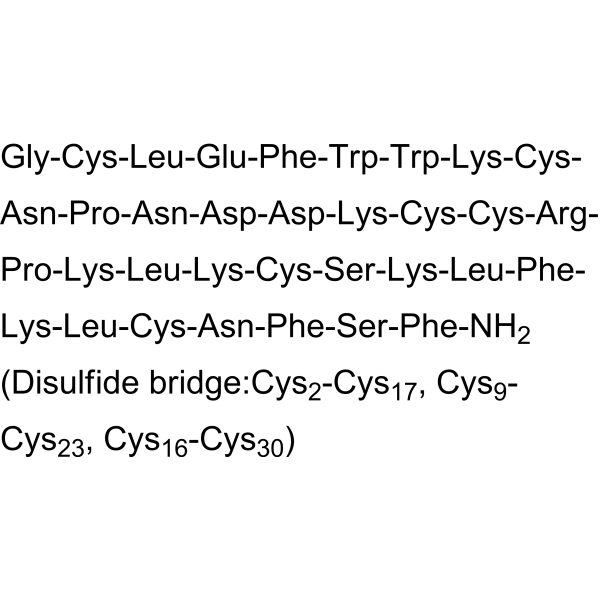
GsMTx4 is a spider venom peptide that selectively inhibits cationic-permeable mechanosensitive channels (MSCs) belonging to the Piezo and TRP channel families. GsMTx4 also blocks cation-selective stretch-activated channels (SACs) , attenuates lysophosphatidylcholine (LPC)-induced astrocyte toxicity and microglial reactivity. GsMTx4 is an important pharmacological tool for identifying the role of these excitatory MSCs in normal physiology and pathology .
loading...
    loading...
126
126 Publications Verification
Art. -Nr.: HY-P1410A
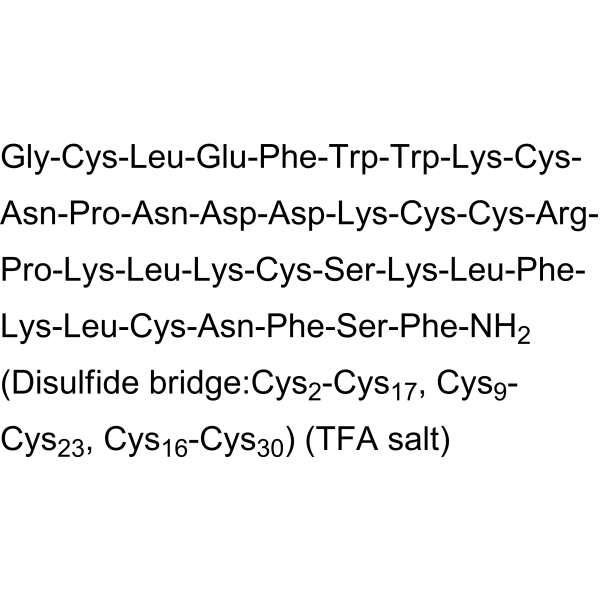
GsMTx4 TFA is a spider venom peptide that selectively inhibits cationic-permeable mechanosensitive channels (MSCs) belonging to the Piezo and TRP channel families. GsMTx4 TFA also blocks cation-selective stretch-activated channels (SACs) , attenuates lysophosphatidylcholine (LPC)-induced astrocyte toxicity and microglial reactivity. GsMTx4 TFA is an important pharmacological tool for identifying the role of these excitatory MSCs in normal physiology and pathology .
loading...
    loading...
20
20 Cited Publications
Art. -Nr.: HY-15515
CAS. Nr.: 223104-29-8
Reinheit:  99.95%
Target:  

Na+/Ca2+ Exchanger

Forschungsgebiete:  

Cardiovascular Disease

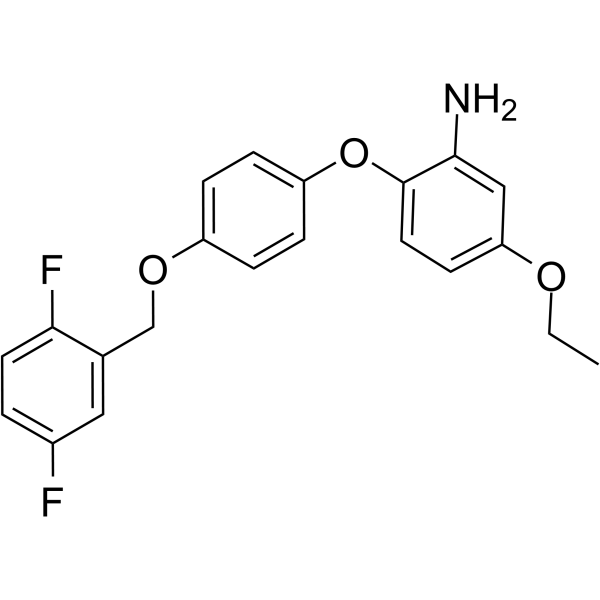
SEA0400 is a novel and selective inhibitor of the Na +-Ca 2+ exchanger (NCX), inhibiting Na +-dependent Ca 2+ uptake in cultured neurons, astrocytes, and microglia with IC50s of from 5 to 33 nM.
loading...
    loading...
19
19 Cited Publications
Art. -Nr.: HY-B0712
CAS. Nr.: 73384-59-5
Synonyms: Ro 13-9904 free acid
Ceftriaxone (Ro 13-9904 free acid) is a broad spectrum β-lactam third-generation cephalosporin antibiotic, which has good antibacterial activity against a variety of gram-negative and positive bacteria. Ceftriaxone is a covalent inhibitor of GSK3β with IC50 value of 0.78 μM. Ceftriaxone is an inhibitor of Aurora B. Ceftriaxone has anti-inflammatory, antitumor and antioxidant activities. Ceftriaxone can be used in the study of bacterial infections and meningitis .
loading...
    loading...
19
19 Cited Publications
Art. -Nr.: HY-B0712A
CAS. Nr.: 104376-79-6
Synonyms: Ro 13-9904 sodium hydrate
Forschungsgebiete:  

Infection Cancer

Ceftriaxone sodium hydrate (Ro 13-9904 sodium hydrate) is a broad spectrum β-lactam third-generation cephalosporin antibiotic, which has good antibacterial activity against a variety of gram-negative and positive bacteria. Ceftriaxone sodium hydrate is a covalent inhibitor of GSK3β with IC50 value of 0.78 μM. Ceftriaxone sodium hydrate is an inhibitor of Aurora B. Ceftriaxone sodium hydrate has anti-inflammatory, antitumor and antioxidant activities. Ceftriaxone sodium hydrate can be used in the study of bacterial infections and meningitis .
loading...
    loading...
19
19 Cited Publications
Art. -Nr.: HY-B0712B
CAS. Nr.: 74578-69-1
Synonyms: Ro 13-9904
Ceftriaxone sodium salt (Ro 13-9904) is a broad spectrum β-lactam third-generation cephalosporin antibiotic, which has good antibacterial activity against a variety of gram-negative and positive bacteria. Ceftriaxone sodium salt is a covalent inhibitor of GSK3β with IC50 value of 0.78 μM. Ceftriaxone sodium salt is an inhibitor of Aurora B. Ceftriaxone sodium salt has anti-inflammatory, antitumor and antioxidant activities. Ceftriaxone sodium salt can be used in the study of bacterial infections and meningitis .
loading...
    loading...
8
8 Cited Publications
Art. -Nr.: HY-101878
CAS. Nr.: 60311-02-6
Reinheit:  99.72%
Synonyms: Sulforhodamine 101; SR101
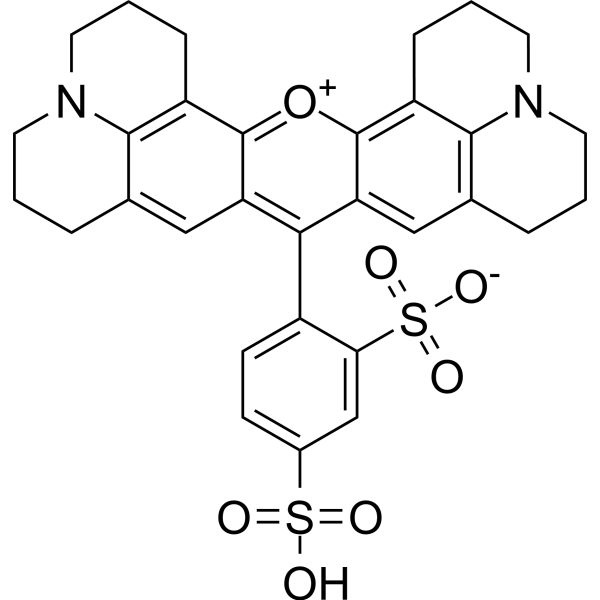
Texas Red (Sulforhodamine 101) is an amphoteric rhodamine red fluorescent dye (excitation/emission: 586/605 nm). Texas Red is used extensively for investigating neuronal morphology and acts as acell type-selective fluorescent marker of astrocytes bothin vivoand in slice preparations .
loading...
    loading...
6
6 Cited Publications
Art. -Nr.: HY-B1614
CAS. Nr.: 21898-19-1
Synonyms: NAB-365 hydrochloride
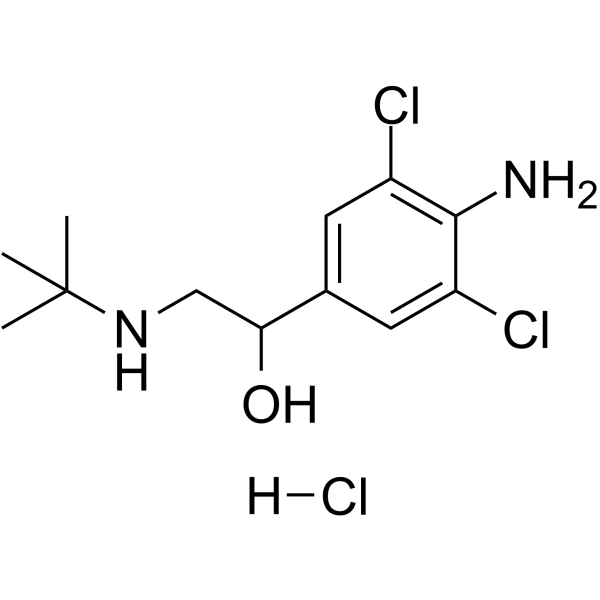
Clenbuterol (NAB-365) hydrochloride, a selective β2-adrenergic agonist, enhances skeletal muscle strength and hypertrophy. Clenbuterol hydrochloride induces growth factor mRNA, activates astrocytes, and protects rat brain tissue against ischemic damage .
loading...
    loading...
6
6 Cited Publications
Art. -Nr.: HY-100788C
CAS. Nr.: 373645-42-2
Synonyms: 2-(Phosphonomethyl)pentanedioic acid sodium
Target:  

Carboxypeptidase

Forschungsgebiete:  

Neurological Disease

2-PMPA (2-(Phosphonomethyl)pentanedioic acid) sodium is a glutamate carboxypeptidase II (GCPII) inhibitor with an IC50 of 0.0003 μM. 2-PMPA sodium shows low blood-brain barrier penetration. 2-PMPA sodium blocks the hydrolysis of NAAG, regulates glutamate levels in the brain and neurovascular coupling. 2-PMPA sodium is applicable to the research of neurological diseases .
loading...
    loading...
5
5 Cited Publications
Art. -Nr.: HY-14993
CAS. Nr.: 245520-69-8
Reinheit:  99.74%
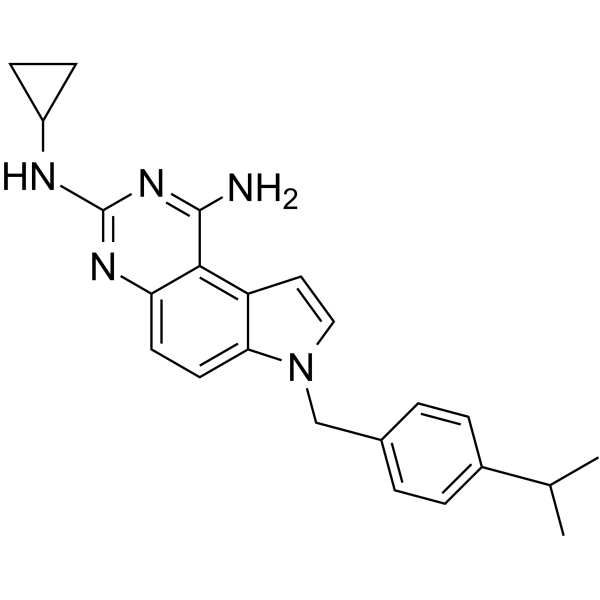
SCH79797 is a highly potent, selective nonpeptide protease activated receptor 1 (PAR1) antagonist. SCH79797 inhibits binding of a high-affinity thrombin receptor-activating peptide to PAR1 with an IC50 of 70 nM and a Ki of 35 nM. SCH79797 inhibits thrombin-induced platelet aggregation with an IC50 of 3 μM. SCH79797 has antiproliferative and pro-apoptotic effects, and limits myocardial ischemia/reperfusion injury in rat hearts. SCH79797 also potently prevents PAR1 activation in vascular smooth muscle cells, endothelial cells, and astrocytes .
loading...
    loading...
5
5 Cited Publications
Art. -Nr.: HY-14994
CAS. Nr.: 1216720-69-2
Reinheit:  99.91%
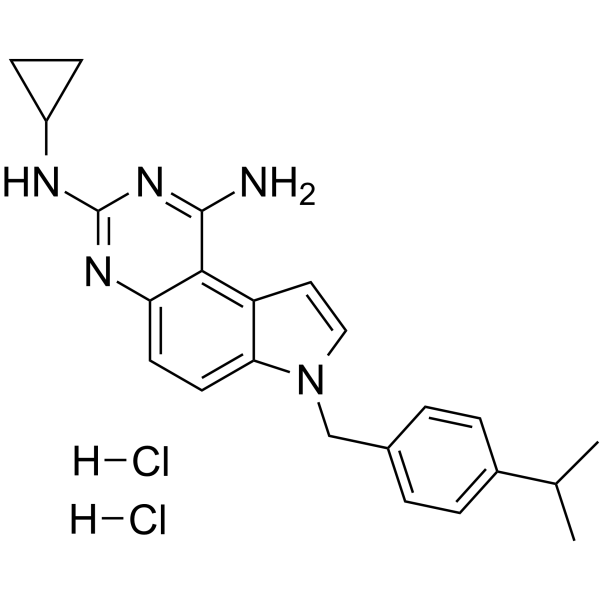
SCH79797 dihydrochloride is a highly potent, selective nonpeptide protease activated receptor 1 (PAR1) antagonist. SCH79797 dihydrochloride inhibits binding of a high-affinity thrombin receptor-activating peptide to PAR1 with an IC50 of 70 nM and a Ki of 35 nM. SCH79797 dihydrochloride inhibits thrombin-induced platelet aggregation with an IC50 of 3 μM. SCH79797 dihydrochloride has antiproliferative and pro-apoptotic effects, and limits myocardial ischemia/reperfusion injury in rat hearts. SCH79797 dihydrochloride also potently prevents PAR1 activation in vascular smooth muscle cells, endothelial cells, and astrocytes .
loading...
    loading...
4
4 Cited Publications
Art. -Nr.: HY-N0474
CAS. Nr.: 501-94-0
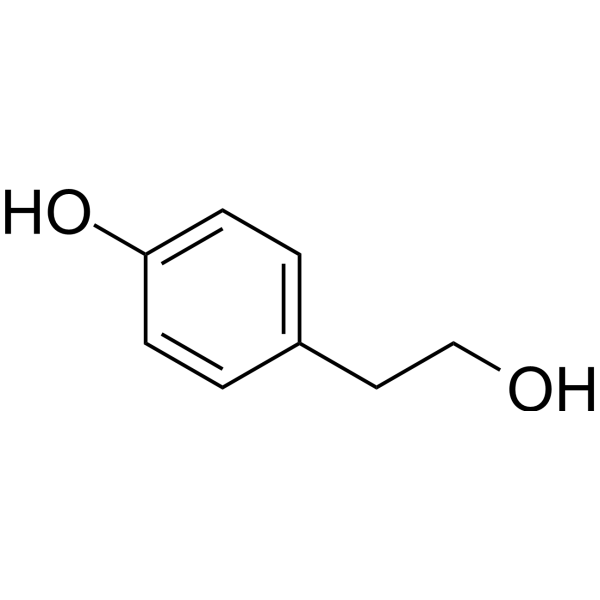
Tyrosol is a derivative of phenethyl alcohol. Tyrosol attenuates pro-inflammatory cytokines from cultured astrocytes and NF-κB activation. Anti-oxidative and anti-inflammatory effects .
loading...
    loading...
4
4 Cited Publications
Art. -Nr.: HY-N0061
CAS. Nr.: 4046-02-0
Ethyl ferulate, a naturally lipophilic derivative of ferulic acid originally derived from Rhizoma Chuanxiong, induces heme oxygenase-1 (HO-1) and protects rat neurons against oxidative stress . Ethyl ferulate also protects neurons against amyloid β peptide (1-42)-induced oxidative stress and neurotoxicity .
loading...
    loading...
3
3 Cited Publications
Art. -Nr.: HY-100803
CAS. Nr.: 300-84-5
Reinheit:  99.88%
Synonyms: 2-Aminoethanesulfinic acid
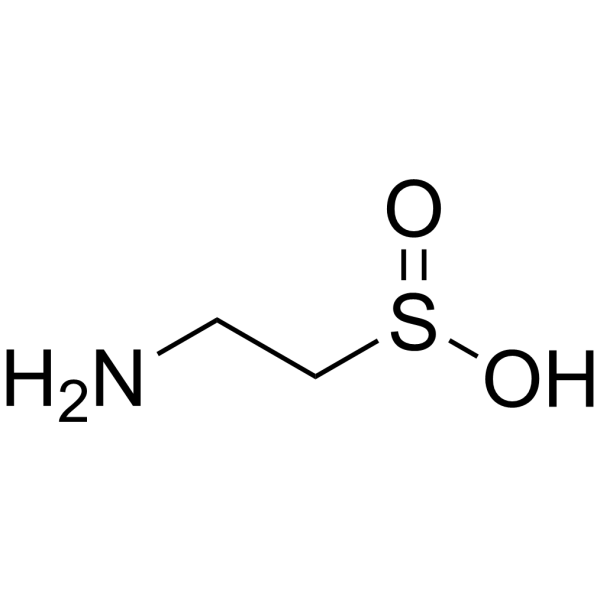
Hypotaurine (2-aminoethanesulfinic acid), an intermediate in taurine biosynthesis from cysteine in astrocytes, is an endogenous inhibitory amino acid of the glycine receptor. Antioxidant .
loading...
    loading...
3
3 Cited Publications
Art. -Nr.: HY-107521
CAS. Nr.: 480439-73-4
Reinheit:  99.28%
Synonyms: CF3-Bza-TBOA
Target:  

EAAT

Forschungsgebiete:  

Neurological Disease

TFB-TBOA (CF3-Bza-TBOA) is a potent glutamate transporter blocker that potently suppresses the activity of glial transporters. TFB-TBOA shows IC50 values of 22, 17, and 300 nM for glutamate transporters EAAT1, EAAT2, and EAAT3 respectively in an uptake assay using cells transiently expressing EAATs .
loading...
    loading...
3
3 Cited Publications
Art. -Nr.: HY-129079
CAS. Nr.: 1445700-01-5
Reinheit:  99.91%
TFMB-(R)-2-HG is a cell membrane-permeable (R)-2-HG and acute myeloid leukemia (AML) oncogenic factor. TFMB-(R)-2-HG competitively inhibits α-ketoglutarate-dependent dioxygenases such as KDM2B and FTO. TFMB-(R)-2-HG impairs cell differentiation in response to Estrogen withdrawal. TFMB-(R)-2-HG is used in acute myeloid leukemia and glioma research .
loading...
    loading...
3
3 Cited Publications
Art. -Nr.: HY-B0327
CAS. Nr.: 57381-26-7
Synonyms: Dicloguamine
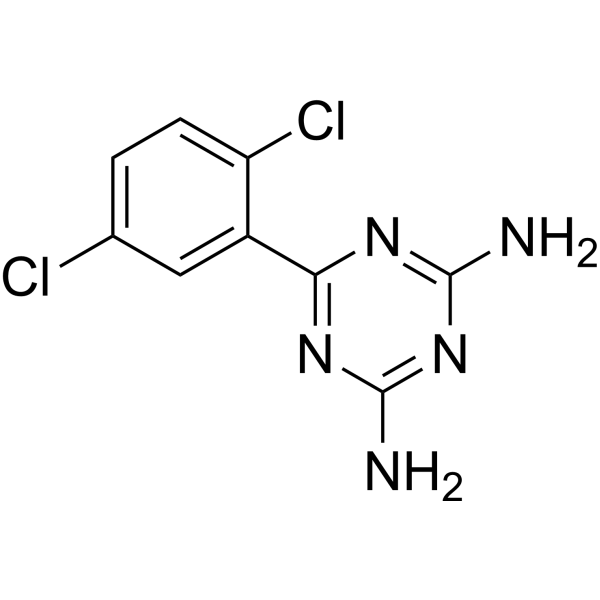
Irsogladine (Dicloguamine) is an orally active gastric mucosal protective agent. Irsogladine inhibits breast cancer recurrence and lung metastasis in nude mice . Irsogladine inhibits the transcriptional activities of NF-κB and AP-1, suppresses the activities of PDE and PDE4 to elevate intracellular cAMP levels, and activates TRPV1 and KATP channels. Irsogladine enhances iNOS expression, NO production, and the activation of cAMP-responsive elements. Irsogladine inhibits the development and progression of intestinal polyps in Apc-mutant mice. Irsogladine alleviates oxidative stress, increases gastric mucosal blood flow, and stimulates the production of endogenous prostaglandins. Irsogladine promotes insulin secretion in MIN6 cells. Irsogladine inhibits tumor angiogenesis, cancer cell proliferation, and the production of proinflammatory cytokines. Irsogladine exerts protective effects on astrocytes in ethanol/hydrochloric acid-induced gastric ulcers in mice. Irsogladine prevents colitis in IL-10 gene-deficient mice by reducing the production of IL-12 and IL-23. Irsogladine upregulates gap junction intercellular communication in pancreatic cancer cells via the PKA pathway. Irsogladine is applicable to research related to breast cancer, intestinal polyposis, gastric ulcer, spontaneous colitis, glioma, liver cancer, and pancreatic cancer [5][6] .
loading...
    loading...
2
2 Cited Publications
Art. -Nr.: HY-107661
CAS. Nr.: 185517-21-9
Reinheit:  ≥98.0%
Synonyms: ONO-2506; (R)-2-Propyloctanoic acid
Target:  

ERK Akt NF-κB EAAT

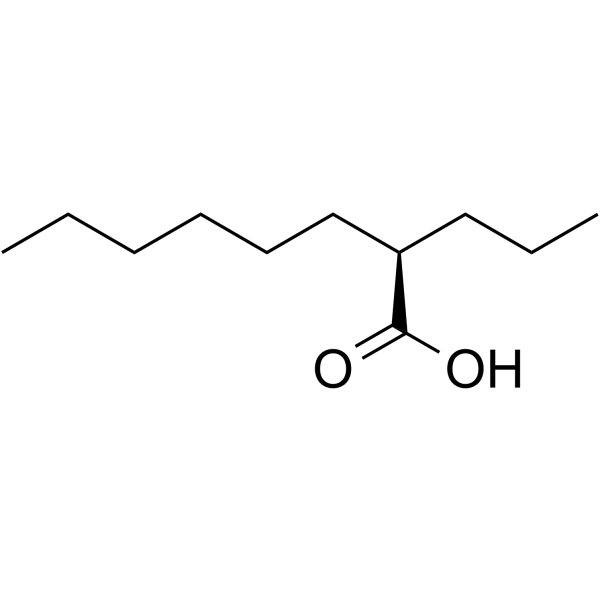
Arundic Acid is an orally effective astrocyte function modulator and neuroprotective agent. Arundic Acid increases the expression and function of the astrocytic glutamate transporter EAAT1 by activating the ERK, Akt and NF-κB pathways. Arundic Acid attenuates retinal ganglion cell death in a normal-tension glaucoma model. Arundic Acid exerts neuroprotective effects in a mouse model of Parkinson's disease. Arundic Acid is a S100β protein synthesis inhibitor that prevents neurological deficits and brain tissue damage after intracerebral hemorrhage in rats. Arundic Acid downregulates neuroinflammation and astrocytic dysfunction after status epilepticus in immature rats. Arundic Acid is applicable to research related to Parkinson's disease, cerebral ischemia, glaucoma, intracerebral hemorrhage and epilepsy .
loading...
    loading...
2
2 Cited Publications
Art. -Nr.: HY-N0493
CAS. Nr.: 520-12-7
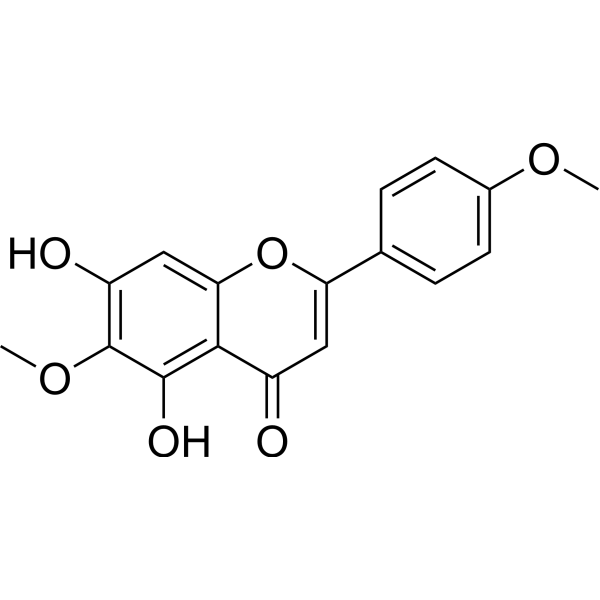
Pectolinarigenin is an orally active dual inhibitor of COX-2/5-LOX with anti-inflammatory, antioxidant, antitumor and neuroprotective activities. Pectolinarigenin exerts neuroprotective and anti-inflammatory effects on astrocyte inflammation via the NFκB and MAPK pathways. Pectolinarigenin inhibits LPS-induced phosphorylation of ERK1/2, N-FκB and p38MAPK, directly inhibits the enzymatic activity or binding of COX-2, 5-LOX and HIF-1α, and reduces the level of XIAP. Pectolinarigenin modifies Keap1 to promote nuclear accumulation of Nrf2, induces ARE-mediated antioxidant enzyme expression, and possesses direct free radical scavenging activity. Pectolinarigenin reduces the release of NO, proinflammatory mediators and leukotrienes, and increases the level of IL-10. Pectolinarigenin induces G2/M cell cycle arrest, apoptosis (Apoptosis) and autophagy (Autophagy) via the PI3K/AKT/mTOR signaling pathway. Pectolinarigenin reduces renal crystal deposition and inhibits melanin synthesis. Pectolinarigenin inhibits inflammation and alleviates allergy in mouse models of inflammation. Pectolinarigenin alleviates renal injury, inflammation and oxidative stress in mice by inhibiting HIF-1α activity. Pectolinarigenin can be used for the research of neurodegenerative diseases, inflammatory/allergic diseases, calcium oxalate nephrocalcinosis, gastric cancer, melasma, post-inflammatory diseases and chloasma .
loading...
    loading...
2
2 Cited Publications
Art. -Nr.: HY-145990
CAS. Nr.: 2988135-14-2
Reinheit:  99.86%
Synonyms: MF6
Target:  

FABP

Forschungsgebiete:  

Inflammation/Immunology

FABPs ligand 6 (MF6) is an FABP5 and FABP7 inhibitor with KD values of 874 nM and 20 nM, respectively. FABPs ligand 6 can be used for multiple sclerosis research .
loading...
    loading...

