1. Search Result
Search Result
Pathways Recommended: Stem Cell/Wnt Cell Cycle/DNA Damage
Results for "

C4 cells

" in MedChemExpress (MCE) Product Catalog:

66

Inhibitors & Agonists

3

Biochemical Assay Reagents

1

Peptides

1

Inhibitory Antibodies

4

Natural
Products

21

Isotope-Labeled Compounds

1

Oligonucleotides

Cat. No. Product Name Target Research Areas Chemical Structure
  • HY-10373
    Trimetrexate
    2 Publications Verification

    CI-898

    Dihydrofolate reductase (DHFR) Antibiotic Antifolate Parasite Bacterial DNA/RNA Synthesis Infection Cancer
    Trimetrexate (CI-898) is an antibiotic, also a potent and orally active dihydrofolate reductase (DHFR) inhibitor, reducing the production of DNA and RNA precursors and leading to cell death, with IC50 values of 4.74 nM and 1.35 nM for human DHFR and Toxoplasma gondii DHFR. Trimetrexate can also inhibit the growth of various cancer cells. Trimetrexate can be used for researching Pneumocystis carinii pneumonia (PCP) and cancer .
    Trimetrexate
  • HY-N2908

    Methyl atrarate

    Environmental Pollutants NF-κB Androgen Receptor p38 MAPK NO Synthase Inflammation/Immunology Cancer
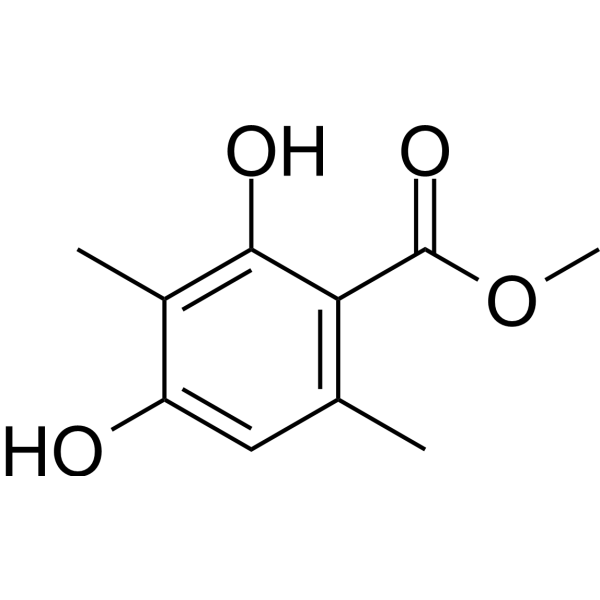
    Atraric acid (Methyl atrarate) is a specific androgen receptor (AR) antagonist with anti-inflammatory and anticancer effects. Atraric acid represses the expression of the endogenous prostate specific antigen gene in both LNCaP and C4-2 cells. Atraric acid can also inhibit the synthesis of NO and cytokine, and suppress the MAPK-NFκB signaling pathway. Atraric acid can be used to research prostate diseases and inflammatory diseases .
    Atraric acid
  • HY-N0682S3

    Pyridoxol-13C4 hydrochloride; Vitamin B6-13C4 hydrochloride

    Isotope-Labeled Compounds Endogenous Metabolite Keap1-Nrf2 Neurological Disease
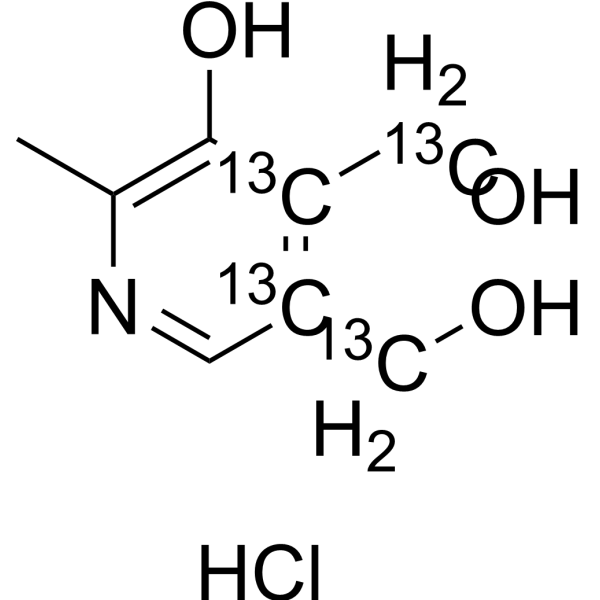
    Pyridoxine- 13C4 (hydrochloride) is the 13C-labeled Pyridoxine (hydrochloride). Pyridoxine hydrochloride (Pyridoxol; Vitamin B6) is a pyridine derivative. Pyridoxine (Pyridoxol; Vitamin B6) exerts antioxidant effects in cell model of Alzheimer's disease via the Nrf-2/HO-1 pathway.
    Pyridoxine-13C4 hydrochloride
  • HY-113446

    Endogenous Metabolite Cardiovascular Disease Inflammation/Immunology
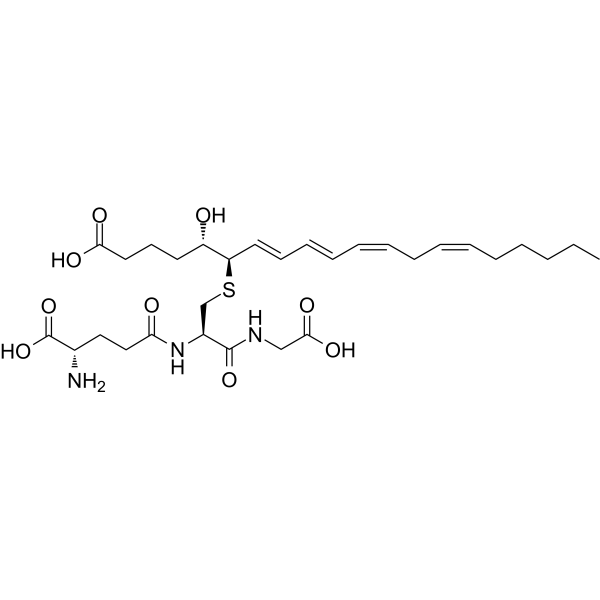
    Leukotriene C4 is a eicosanoid lipid mediator and produced by immune cells during type 2 inflammation. Leukotriene C4 can mediate inflammation,allergy, bronchoconstriction, and vascular leakage .
    Leukotriene C4
  • HY-135336A

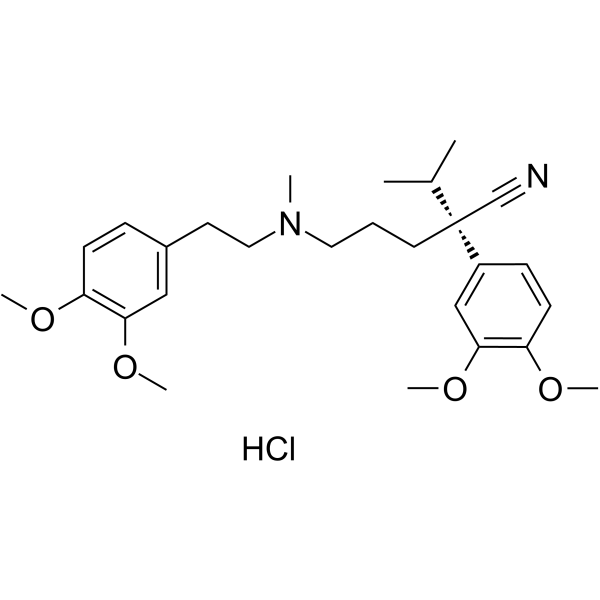
    (S)-(-)-Verapamil hydrochloride

    P-glycoprotein Leukotriene Receptor Calcium Channel Apoptosis Cancer
    (S)-Verapamil hydrochloride (S(-)-Verapamil hydrochloride) inhibits leukotriene C4 (LTC4) and calcein transport by MRP1. (S)-Verapamil hydrochloride leads to the death of potentially resistant tumor cells .
    (S)-Verapamil hydrochloride
  • HY-112914
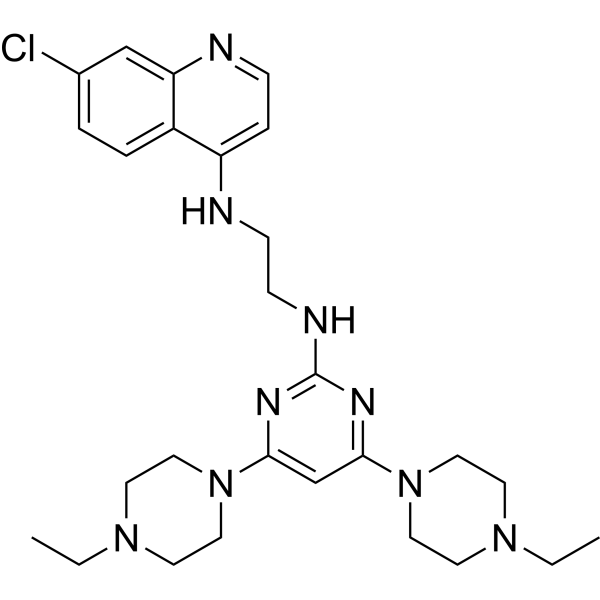
    mTOR inhibitor-1
    3 Publications Verification

    mTOR Autophagy Cancer
    mTOR inhibitor-1 (Compound C-4) is an ATP-Competitive mTOR inhibitor which can suppress cells proliferation and inducing autophagy .
    mTOR inhibitor-1
  • HY-B1776AS1
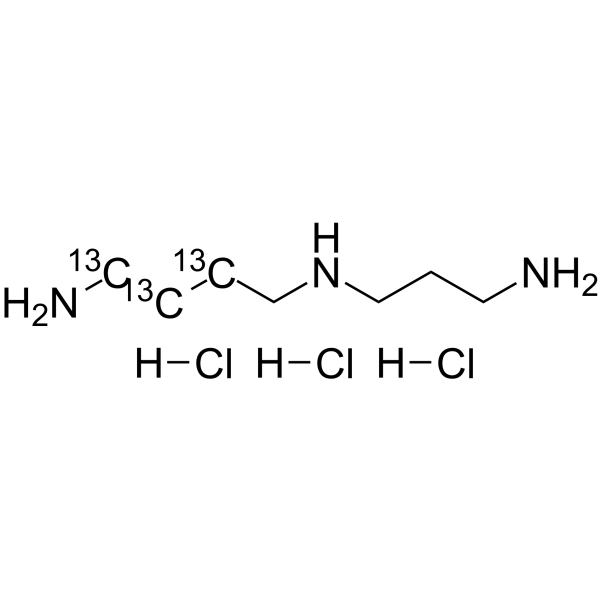
    Spermidine-13C4 hydrochloride
    1 Publications Verification

    Isotope-Labeled Compounds Endogenous Metabolite Metabolic Disease
    Spermidine- 13C4 (hydrochloride) is the 13C-labeled Spermidine trihydrochloride. Spermidine hydrochloride maintains cell membrane stability, increases antioxidant enzymes activities, improving photosystem II (PSII), and relevant gene expression. Spermidine hydrochloride significantly decreases the H2O2 and O2.- contents .
    Spermidine-13C4 hydrochloride
  • HY-107609

    Leukotriene Receptor Inflammation/Immunology Endocrinology
    BAY-u 9773 is a selective cysteinyl-leukotriene receptor antagonist. BAY-u 9773 competitively antagonizes cysteinyl-leukotriene-induced contractions at typical and atypical cysteinyl-leukotriene receptors with comparable activity. BAY-u 9773 can be used for the research of trichomoniasis .
    BAY-u 9773
  • HY-150644
    S07-2010
    1 Publications Verification

    Aldose Reductase Cancer
    S07-2010 is a potent pan-AKR1C (aldo-keto reductase family 1 member C) inhibitor, with IC50 values of 0.19, 0.36, 0.47, and 0.73 μM for AKR1C3, AKR1C4, AKR1C1 and AKR1C2, respectively. S07-2010 induces apoptosis in A549/DDP cells. S07-2010 strengthens the cytotoxicity of chemotherapeutic agents in drug-resistant cells. S07-2010 significantly inhibits the proliferation of drug-resistant cells .
    S07-2010
  • HY-W750796

    Butanoic acid-13C4 sodium

    Isotope-Labeled Compounds Endogenous Metabolite
    Butyric acid-13C4 sodium (Butanoic acid-13C4 sodium) is a stable isotope labeled compound with the activity of promoting cell proliferation and regulating gene expression. Butyric acid-13C4 sodium can be used in metabolic research and compound development to help scientists gain a deeper understanding of the role of short-chain fatty acids in organisms. Butyric acid-13C4 sodium also plays an important role in nutrition and intestinal health research, especially in the regulation of probiotic function and intestinal microbiota.
    Butyric acid-13C4 sodium
  • HY-D0844S
    Glutathione oxidized-13C4,15N2
    1 Publications Verification

    L-Glutathione oxidized-13C4,15N2; GSSG-13C4,15N2; Oxiglutatione-13C4,15N2

    Isotope-Labeled Compounds Reactive Oxygen Species (ROS) Endogenous Metabolite Metabolic Disease
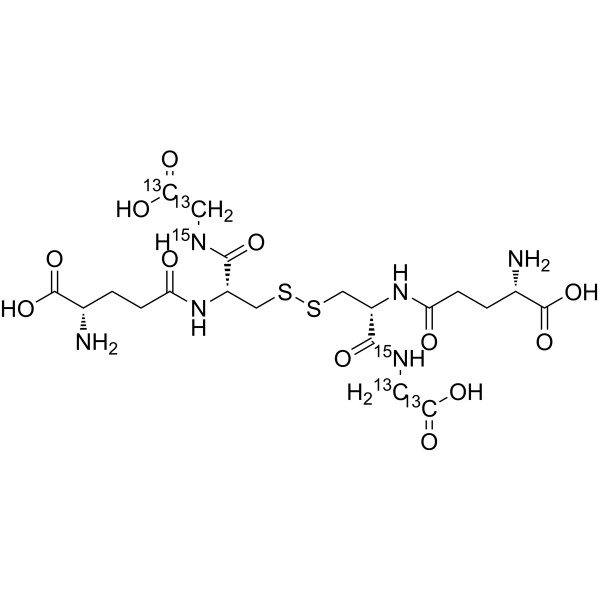
    Glutathione oxidized- 13C4, 15N2 is the 13C and 15N labeled Glutathione oxidized (HY-D0844). Glutathione oxidized is produced by the oxidation of glutathione. Detoxification of reactive oxygen species is accompanied by production of glutathione oxidized. Glutathione oxidized can be used for the research of sickle cells and erythrocytes .
    Glutathione oxidized-13C4,15N2
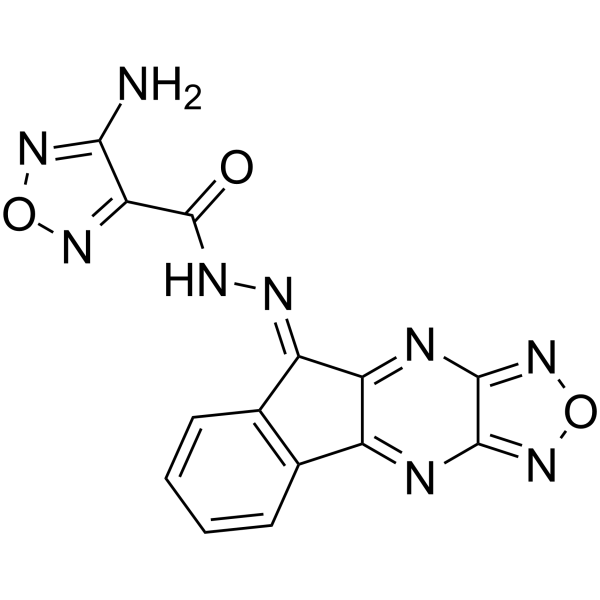
  • HY-122678

    Survivin Apoptosis Cancer
    LQZ-7F, a survivin dimerization inhibitor, induces spontaneous apoptosis and synergizes with Docetaxel in prostate cancer cells. LQZ-7F dose-dependently inhibits survival of both PC-3 and C4-2 cells with IC50s of 2.99 and 2.47 µM, respectively .
    LQZ-7F
  • HY-103606

    VH032-PEG6-C4-Cl; VHL Ligand-Linker Conjugates 10; E3 ligase Ligand-Linker Conjugates 9

    E3 Ligase Ligand-Linker Conjugates Cancer
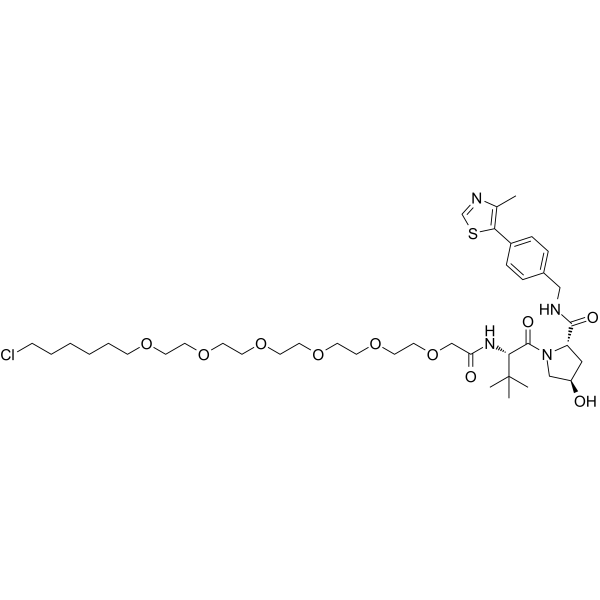
    (S,R,S)-AHPC-PEG6-C4-Cl is a conjugate of ligands for E3 and 25-atom-length linker. The connector of linker is Halogen group. (S,R,S)-AHPC-PEG6-C4-Cl incorporates the (S,R,S)-AHPC based VHL ligand and 6-unit PEG linker. (S,R,S)-AHPC-PEG6-C4-Cl is capable of inducing the degradation of GFP-HaloTag7 in cell-based assays .
    (S,R,S)-AHPC-PEG6-C4-Cl
  • HY-103605
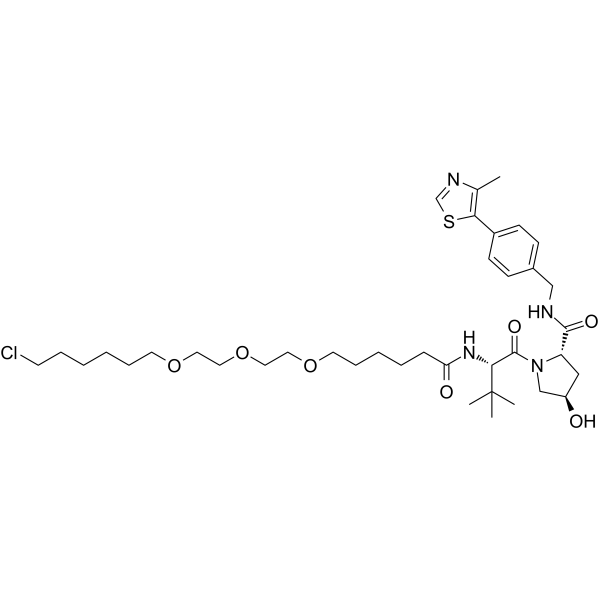
    (S,R,S)-AHPC-C6-PEG3-C4-Cl
    1 Publications Verification

    VH032-C6-PEG3-C4-Cl; VHL Ligand-Linker Conjugates 12; E3 ligase Ligand-Linker Conjugates 8

    E3 Ligase Ligand-Linker Conjugates Cancer
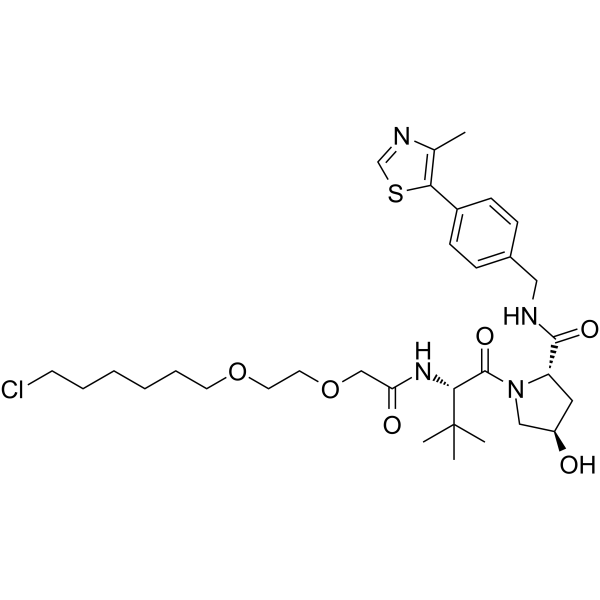
    (S,R,S)-AHPC-C6-PEG3-C4-Cl (VH032-C6-PEG3-C4-Cl) is a conjugate of ligands for E3 and 20-atom-length linker. The connector of linker is Halogen group. (S,R,S)-AHPC-C6-PEG3-C4-Cl incorporates the (S,R,S)-AHPC based VHL ligand and an alkyl/ether-based linker. (S,R,S)-AHPC-C6-PEG3-C4-Cl is capable of inducing the degradation of GFP-HaloTag7 in cell-based assays .
    (S,R,S)-AHPC-C6-PEG3-C4-Cl
  • HY-W016498S1

    Isotope-Labeled Compounds Endogenous Metabolite Neurological Disease
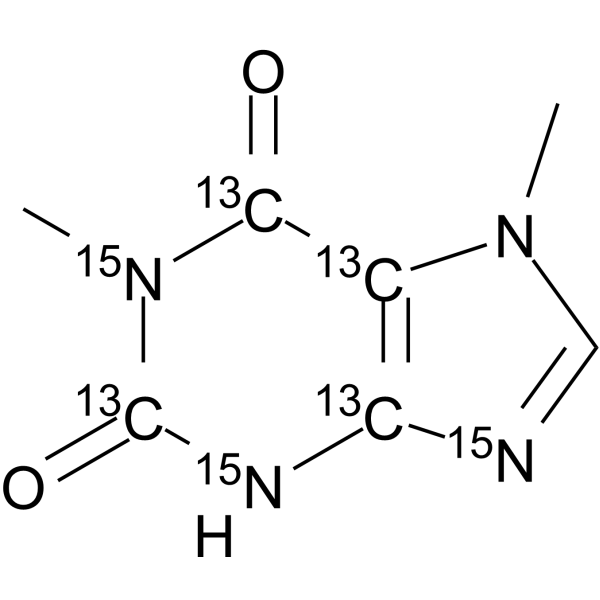
    Paraxanthine- 13C4, 15N3 is the 13C-labeled and 15N-labeled Paraxanthine. Paraxanthine, a caffeine metabolite, provides protection against Dopaminergic cell death via stimulation of Ryanodine Receptor Channels.
    Paraxanthine-13C4,15N3
  • HY-Y0836S

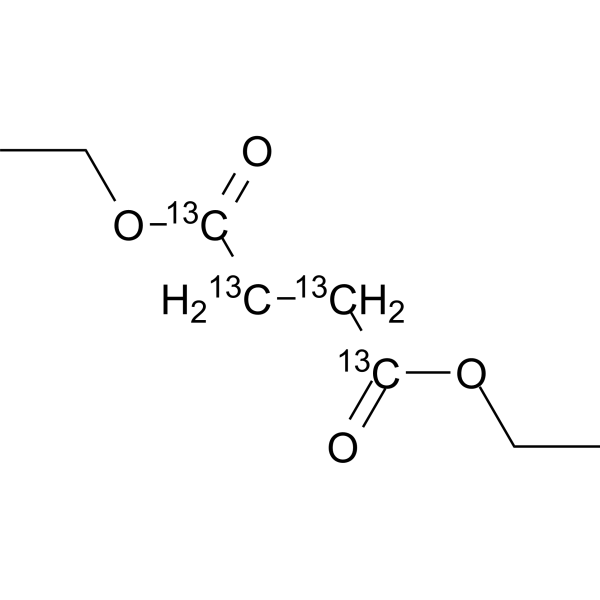
    1,4-Diethyl butanedioate-1,2,3,4-13C4

    Isotope-Labeled Compounds Metabolic Disease
    Diethyl succinate- 13C4 is the 13C labeled Diethyl succinate . Diethyl succinate (Diethyl Butanedioate) is used at physiological pH and crosses biological membranes, incorporates into cells in tissue culture and is metabolized by the TCA cycle. Diethyl succinate is known to be non-toxic and used in fragrances and flavoring .
    Diethyl succinate-13C4
  • HY-N0830S

    Isotope-Labeled Compounds HSP Cardiovascular Disease Neurological Disease Metabolic Disease Cancer
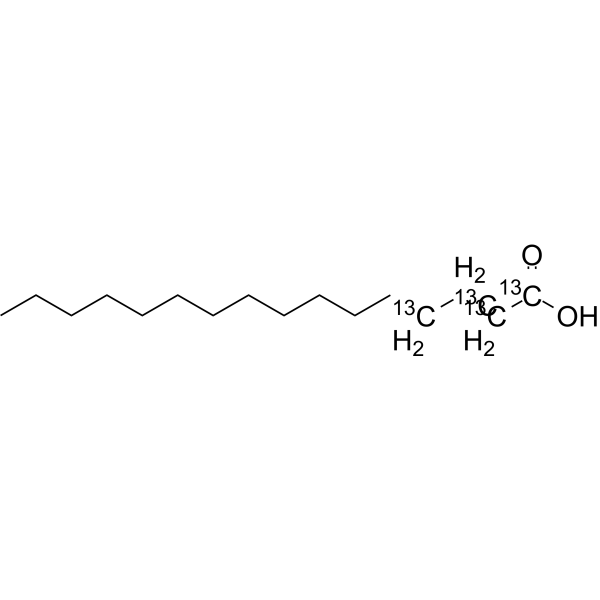
    Palmitic acid-1,2,3,4- 13C4 is the 13C-labeled Palmitic acid. Palmitic acid is a long-chain saturated fatty acid commonly found in both animals and plants. Palmitic acid can induce the expression of glucose-regulated protein 78 (GRP78) and CCAAT/enhancer binding protein homologous protein (CHOP) in in mouse granulosa cells .
    Palmitic acid-1,2,3,4-13C4
  • HY-168905

    Calmodulin Cancer
    SGC-CAMKK2-1, a chemical probe, is the selective, inhibitor for calcium/calmodulin-dependent protein kinase kinase 2 (CAMKK2) with an IC50 of 30 nM. SGC-CAMKK2-1 inhibits AMPK phosphorylation in cell C4-2 with an IC50 of 1.6 μM .
    SGC-CAMKK2-1
  • HY-P99719

    BAY 1129980; Anti-C4.4a antibody-drug conjugates

    Antibody-Drug Conjugates (ADCs) Cancer
    Lupartumab Amadotin (BAY 1129980) is an antibody–drug conjugate (ADC) consisting of a fully human C4.4A (LYPD3)-targeting mAb (BAY 1135626) (HY-147281) conjugated to a novel, highly potent derivative of the microtubule-disrupting cytotoxic drug auristatin via a noncleavable alkyl hydrazide linker. Lupartumab Amadotin can be used for the research of non-small cell lung cancer .
    Lupartumab Amadotin
  • HY-160852

    Liposome Inflammation/Immunology
    YSK 12C4 is an ionizable cationic lipid primarily used to enhance siRNA cellular delivery via multifunctional envelope-type nanodevices (MEND). YSK 12C4 promotes siRNA uptake and endosomal escape, effectively silencing genes in human immune cell lines .
    YSK 12C4
  • HY-115446A

    Cereblon ligand 1 hydrochloride; E3 ligase Ligand-Linker Conjugates 32 hydrochloride

    E3 Ligase Ligand-Linker Conjugates Cancer
    Lenalidomide-C4-NH2 hydrochloride is the Lenalidomide-based Cereblon ligand used in the recruitment of CRBN protein. Lenalidomide-C4-NH2 hydrochloride can be connected to the ligand for protein by a linker to form PROTAC (Compound 24), which has IC50s of 0.98 nM and 13.7 nM in inhibition of RS4;11 and MOLM-13 acute leukemia cell lines growth, respectively .
    Lenalidomide-C4-NH2 hydrochloride
  • HY-W017443S

    Isotope-Labeled Compounds Endogenous Metabolite Apoptosis DNA/RNA Synthesis Neurological Disease Metabolic Disease Inflammation/Immunology Cancer
    L-Asparagine- 13C4, 15N2 monohydrateis the 13C-labeled and 15N-labeled L-Asparagine monohydrate (HY-W017443). L-Asparagine monohydrate is an essential amino acid for leukemic cells and a substrate for L-Asparaginase. L-Asparaginase is a potent anti-leukemic enzyme that promotes asparagine (Asn) and glutamine (Gln) depletion and inhibits protein biosynthesis in lymphoblasts. Removal of L-asparagine from plasma by L-Asparaginase results in inhibition of RNA and DNA synthesis and subsequent apoptosis. L-Asparaginase has cell-killing ability in vitro and in vivo, and selectively inhibits the growth of cancer cells with low asparagine synthetase (AASNS) expression. L-Asparagine monohydrate can be used as a biomarker and sensor for the study of childhood acute lymphoblastic leukemia .
    L-Asparagine-13C4,15N2 monohydrate
  • HY-147281

    Drug-Linker Conjugates for ADC Cancer
    BAY 1135626 is used to synthesize BAY 1129980, and use to anti-tumor research. BAY 1129980 is a Auristatin-based anti-C4.4A (LYPD3) antibody–agent conjugate (ADC), is used to non–small cell lung cancer (NSCLC) research .
    BAY 1135626
  • HY-132991
    ML 2-14
    1 Publications Verification

    PROTACs Epigenetic Reader Domain Cancer
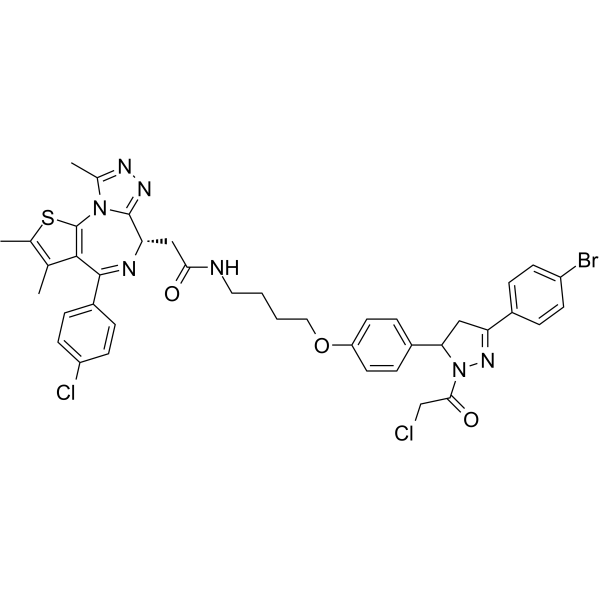
    ML 2-14 is a PROTAC targeting BRD4 with a C4 alkyl linker. ML 2-14 consists of the E3 ligase ligand EN219 (HY-115715) (bule part), the target protein ligand JQ-1 (HY-13030) (red part), and the PROTAC linker (balck part). ML 2-14 can effectively degrade BRD4 in 231MFP breast cancer cells, and this effect can be reversed by the proteasome inhibitor Bortezomib (HY-10227) and the E1 activase inhibitor TAK-243 (HY-100487) .
    ML 2-14
  • HY-103607
    (S,R,S)-AHPC-PEG2-C4-Cl
    1 Publications Verification

    VH032-PEG2-C4-Cl; VHL Ligand-Linker Conjugates 7; E3 ligase Ligand-Linker Conjugates 10

    E3 Ligase Ligand-Linker Conjugates Cancer
    (S,R,S)-AHPC-PEG2-C4-Cl (VH032-PEG2-C4-Cl) is a conjugate of ligands for E3 and 13-atom-length linker. The connector of linker is Halogen group. (S,R,S)-AHPC-PEG2-C4-Cl incorporates the (S,R,S)-AHPC based VHL ligand and an alkyl/ether-based linker. (S,R,S)-AHPC-PEG2-C4-Cl is capable of inducing the degradation of GFP-HaloTag7 in cell-based assays .
    (S,R,S)-AHPC-PEG2-C4-Cl
  • HY-N0667S3

    (-)-Asparagine-13C4 monohydrate; Asn-13C4 monohydrate; Asparamide-13C4 monohydrate

    Isotope-Labeled Compounds Endogenous Metabolite Apoptosis DNA/RNA Synthesis Inflammation/Immunology
    L-Asparagine- 13C4 monohydrate is the 13C-labeled L-Asparagine monohydrate (HY-W017443). L-Asparagine monohydrate is an essential amino acid for leukemic cells and a substrate for L-Asparaginase. L-Asparaginase is a potent anti-leukemic enzyme that promotes asparagine (Asn) and glutamine (Gln) depletion and inhibits protein biosynthesis in lymphoblasts. Removal of L-asparagine from plasma by L-Asparaginase results in inhibition of RNA and DNA synthesis and subsequent apoptosis. L-Asparaginase has cell-killing ability in vitro and in vivo, and selectively inhibits the growth of cancer cells with low asparagine synthetase (AASNS) expression. L-Asparagine monohydrate can be used as a biomarker and sensor for the study of childhood acute lymphoblastic leukemia .
    L-Asparagine-13C4 monohydrate
  • HY-W127393

    Biochemical Assay Reagents Others
    Quorum sensing is a regulatory system used by bacteria to control gene expression in response to increased cell density. This regulatory process manifests itself in a variety of phenotypes, including biofilm formation and virulence factor production. Coordinated gene expression is achieved through the production, release and detection of small diffusible signaling molecules called autoinducers. N-acylated homoserine lactones (AHLs) comprise a class of such autoinducers, each of which generally consists of a fatty acid coupled to a homoserine lactone (HSL). Modulation of bacterial quorum-sensing signaling systems to suppress pathogenesis represents a new approach to antimicrobial research for infectious diseases. AHLs differ in acyl length (C4-C18), C3 substitution (hydrogen, hydroxyl, or oxo group), and the presence or absence of one or more carbon-carbon double bonds in the fatty acid chain. These differences confer signaling specificity through the affinity of the LuxR family of transcriptional regulators. C9-HSL is a rare odd-numbered acyl carbon chain produced by wild-type Erwinia carotovora strain SCC 3193 grown in nutrient-rich Luria-Bertani broth (LB) medium.
    N-Nonanoyl-L-homoserine lactone
  • HY-P991229

    AGS-1C4D4; AGS-PSCA

    Complement System Cancer
    AGS-1C4D4 is a fully human IgG1κ monoclonal antibody targeting PSCA, with a Ka value of 0.2 nM. AGS-1C4D4 mediates antibody-dependent cellular cytotoxicity (ADCC) and complement-dependent cytotoxicity (CDC) against PSCA-expressing cells. AGS-1C4D4 can be used for the research of pancreatic cancer .
    MK-4721
  • HY-15306S
    Eltrombopag-13C4
    1 Publications Verification

    SB-497115-13C4

    Thrombopoietin Receptor Bacterial Apoptosis Infection Cardiovascular Disease Cancer
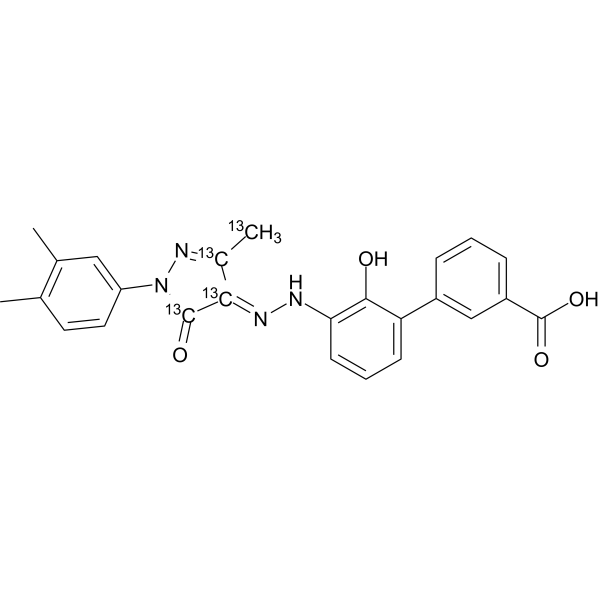
    Eltrombopag- 13C4 (SB-497115- 13C4) is 13 sup>C-labeled Z-Eltrombopag. Z-Eltrombopag is an orally active thrombopoietin-receptor non-peptide agonist with platelet-stimulating activity for the study of chronic immune thrombocytopenia. Eltrombopag also has strong inhibitory effects on multidrug-resistant Staphylococcus aureus (Staphylococcus aureus) and can induce apoptosis (apoptosis) in liver cancer cells .
    Eltrombopag-13C4
  • HY-124585

    Epigenetic Reader Domain Cancer
    Y08060 is a selective BET inhibitor. Y08060 inhibits the viability of C4-2B and LNCaP cell lines with IC50 values of 3.23 and 4.41 μM. Y08060 can suppress colony formation as well as AR expression in prostate cancer cell line. Y08060 can be studied in prostate cancer research .
    Y08060
  • HY-175017

    Survivin Cancer
    Survivin-IN-2 is a survivin inhibitor. Survivin-IN-2 shows cytotoxicity in cells with IC50s of 0.53 μM (C4-2 cells) and 1.06 μM (PC-3 cells). Survivin-IN-2 effectively suppresses xenograft tumor growth without apparent toxicity and eliminates survivin in the tumors. Survivin-IN-2 can be used for the study of prostate cancer .
    Survivin-IN-2
  • HY-130429

    Eoxin C4

    Endogenous Metabolite Inflammation/Immunology
    14,15-Leukotriene C4 (Eoxin C4) is a Leukotriene compound produced by the enzymatic reaction of arachidonic acid. 14,15-Leukotriene C4 has the activity of promoting inflammatory response. 14,15-Leukotriene C4 can increase the permeability of blood vessels, causing fluid and white blood cells to leak out of the blood vessels, which increases the number of inflammatory cells in the tissue. 14,15-Leukotriene C4 can be used in studies of asthma and other inflammatory diseases .
    14,15-Leukotriene C4
  • HY-10373A

    CI-898 trihydrochloride

    Dihydrofolate reductase (DHFR) Antibiotic Antifolate Parasite Bacterial DNA/RNA Synthesis Infection Cancer
    Trimetrexate (CI-898) trihydrochloride is an antibiotic, also a potent and orally active dihydrofolate reductase (DHFR) inhibitor, reducing the production of DNA and RNA precursors and leading to cell death, with IC50 values of 4.74 nM and 1.35 nM for human DHFR and Toxoplasma gondii DHFR. Trimetrexate trihydrochloride can also inhibit the growth of various cancer cells. Trimetrexate trihydrochloride can be used for researching Pneumocystis carinii pneumonia (PCP) and cancer .
    Trimetrexate trihydrochloride
  • HY-N0667S7

    (-)-Asparagine-13C4,15N2; Asn-13C4,15N2; Asparamide-13C4,15N2

    Isotope-Labeled Compounds Endogenous Metabolite Apoptosis DNA/RNA Synthesis Inflammation/Immunology
    L-Asparagine- 13C4, 15N2 ((-)-Asparagine- 13C4, 15N2) is the 13C and 15N-labeled L-Asparagine (HY-N0667). L-Asparagine is an essential amino acid for leukemic cells and a substrate for L-Asparaginase. L-Asparaginase is a potent anti-leukemic enzyme that promotes asparagine (Asn) and glutamine (Gln) depletion and inhibits protein biosynthesis in lymphoblasts. Removal of L-asparagine from plasma by L-Asparaginase results in inhibition of RNA and DNA synthesis and subsequent apoptosis. L-Asparaginase has cell-killing ability in vitro and in vivo, and selectively inhibits the growth of cancer cells with low asparagine synthetase (AASNS) expression. L-Asparagine can be used as a biomarker and sensor for the study of childhood acute lymphoblastic leukemia .
    L-Asparagine-13C4,15N2
  • HY-135336AS

    (S)-(-)-Verapamil D7 hydrochloride

    Isotope-Labeled Compounds Leukotriene Receptor Calcium Channel Apoptosis Cancer
    (S)-Verapamil-d7 (hydrochloride) is a deuterium labeled (S)-Verapamil hydrochloride. (S)-Verapamil hydrochloride (S(-)-Verapamil hydrochloride) inhibits leukotriene C4 (LTC4) and calcein transport by MRP1. (S)-Verapamil hydrochloride leads to the death of potentially resistant tumor cells .
    (S)-Verapamil-d7 hydrochloride
  • HY-142772

    Epigenetic Reader Domain Cancer
    Y08284 is a potent, selective, oral active CBP bromodomain inhibitor with an IC50 of 4.21 nM. Y08284 suppresses the proliferation of prostate cancer cell lines LNCaP, C4-2B, and 22Rv1. Antitumor activity .
    Y08284
  • HY-P2969

    Endogenous Metabolite Metabolic Disease
    Complement factor I is a serine protease that downregulates complement activity in the fluid phase and/or on cell surfaces in conjunction with one of its cofactors, factor H (FH), complement receptor 1 (CR1/CD35), C4 binding protein (C4BP) or membrane cofactor protein (MCP/CD46) .
    Complement factor I
  • HY-121588

    Adrenergic Receptor Cancer
    IMTPPE is an inhibitor of the androgen receptor (AR) in C4-2 prostate cancer cells, inhibiting its transcriptional activity and protein levels. IMTPPE inhibited the proliferation of AR-positive prostate cancer cells but had no effect on AR-negative prostate cancer cells. IMTPPE also inhibited the growth of enzalutamide-resistant 22Rv1 xenograft tumors .
    IMTPPE
  • HY-135336AS1

    (S)-(-)-Verapamil hydrochloride-d6

    Isotope-Labeled Compounds Apoptosis Leukotriene Receptor Calcium Channel Cancer
    (S)-Verapamil-d6 ((S)-(-)-Verapamil-d6) hydrochloride is the deuterium labeled (S)-Verapamil hydrochloride. (S)-Verapamil hydrochloride (S(-)-Verapamil hydrochloride) inhibits leukotriene C4 (LTC4) and calcein transport by MRP1. (S)-Verapamil hydrochloride leads to the death of potentially resistant tumor cells .
    (S)-Verapamil hydrochloride-d6
  • HY-163369

    HDAC Cancer
    HDAC6-IN-35 (compound C4 (ZINC000077541942)) is a potent and BBB-penetrated HDAC6 inhibitor with the IC50 of 4.7 μM. HDAC6-IN-35 shows cell toxicity against MDA-MB-231 with EC50 of 40.6 μM .
    HDAC6-IN-35
  • HY-169264

    PROTACs Pregnane X Receptor (PXR) Cancer
    SJYHJ-026 (compound 37) is a pregnane X receptor (PXR) PROTAC degrader with the DC50 of 86.6 nM and maximal degradation of 66.4%. SJYHJ-026 shows cell cytotoxic aganist SNU-C4 HiBiT-PXR KI cells with the IC50 values of 97.4 μM (24 h) and 99.5 μM (72 h) (Blue: VHL ligand HY-125845,Black: linker HY-43048;Pink: PXR inhibitor HY-169277) .
    SJYHJ-026
  • HY-N2908R

    Methyl atrarate (Standard)

    Reference Standards Androgen Receptor NO Synthase p38 MAPK NF-κB Inflammation/Immunology Cancer
    Atraric acid (Standard) is the analytical standard of Atraric acid. This product is intended for research and analytical applications. Atraric acid (Methyl atrarate) is a specific androgen receptor (AR) antagonist with anti-inflammatory and anticancer effects. Atraric acid represses the expression of the endogenous prostate specific antigen gene in both LNCaP and C4-2 cells. Atraric acid can also inhibit the synthesis of NO and cytokine, and suppress the MAPK-NFκB signaling pathway. Atraric acid can be used to research prostate diseases and inflammatory diseases[1][2].
    Atraric acid (Standard)
  • HY-175016

    Endogenous Metabolite Infection Metabolic Disease
    NADH-IN-3 (Compound C4-1) is a NADH inhibitor with a MIC of 4 μg/mL (13.042 μM) for type II NADH dehydrogenase of Mycobacterium tuberculosis (Mtb). NADH-IN-3 significantly interrupts ATP synthesis, shows potent inhibitory effects against mono (Rifampicin (HY-B0272) and Isoniazid (HY-B0329)) and multi drug-resistant (Mtb) strains and an anti-bactericidal activity against HepG2 cells with low cytotoxicity (SI: 16.52) .
    NADH-IN-3
  • HY-124456

    Bacterial Infection
    Unguinol is a depsidone originally isolated from A. unguis. It is an inhibitor of pyruvate phosphate dikinase (PPDK; IC50=42.3 μM). It inhibits the growth of plants utilizing C4, but not C3, carbon fixation. Unguinol also inhibits the growth of the bacteria S. aureus and V. harveyi (GI50s=8.7 and 69.5 μM, respectively) and H460, MCF-7, and SF-268 cancer cells (GI50s=28.2, 50.8, and 44.3 μM, respectively).
    Unguinol
  • HY-169349

    Androgen Receptor Cancer
    Androgen receptor antagonist 12 (Compound EF2) is an orally active Androgen receptor (AR) antagonist (IC50: 0.30 μM). Androgen receptor antagonist 12 inhibits transcriptional activity of variant AR mutants and and the proliferation of AR-positive PCa cell lines. Androgen receptor antagonist 12 blocks AR nuclear translocation. Androgen receptor antagonist 12 inhibits tumor growth in a C4-2B xenograft mouse model. Androgen receptor antagonist 12 can be used for prostate cancer (PCa) research .
    Androgen receptor antagonist 12
  • HY-114773

    Biochemical Assay Reagents Others
    Quorum sensing is a regulatory system used by bacteria to control gene expression in response to increased cell density. This regulatory process manifests itself in a variety of phenotypes, including biofilm formation and virulence factor production. Coordinated gene expression is achieved through the production, release and detection of small diffusible signaling molecules called autoinducers. N-acylated homoserine lactones (AHLs) comprise a class of such autoinducers, each of which generally consists of a fatty acid coupled to a homoserine lactone (HSL). Modulation of bacterial quorum-sensing signaling systems to suppress pathogenesis represents a new approach to antimicrobial research for infectious diseases. AHLs differ in acyl length (C4-C18), C3 substitution (hydrogen, hydroxyl, or oxo group), and the presence or absence of one or more carbon-carbon double bonds in the fatty acid chain. These differences confer signaling specificity through the affinity of the LuxR family of transcriptional regulators. C11-HSL has a rare odd-numbered acyl carbon chain and may be a minor quorum-sensing signaling molecule in Pseudomonas aeruginosa strains.
    N-Undecanoyl-L-homoserine lactone
  • HY-W127487

    Biochemical Assay Reagents Others
    Quorum sensing is a regulatory system used by bacteria to control gene expression in response to increased cell density. This regulatory process manifests itself in a variety of phenotypes, including biofilm formation and virulence factor production. Coordinated gene expression is achieved through the production, release and detection of small diffusible signaling molecules called autoinducers. N-acylated homoserine lactones (AHLs) comprise a class of such autoinducers, each of which generally consists of a fatty acid coupled to a homoserine lactone (HSL). Modulation of bacterial quorum-sensing signaling systems to suppress pathogenesis represents a new approach to antimicrobial research for infectious diseases. AHLs differ in acyl length (C4-C18), C3 substitution (hydrogen, hydroxyl, or oxo group), and the presence or absence of one or more carbon-carbon double bonds in the fatty acid chain. These differences confer signaling specificity through the affinity of the LuxR family of transcriptional regulators. C18-HSL, one of four lipophilic long acyl side chain AHLs produced by the LuxI AHL synthase homolog SinI, is involved in quorum-sensing signaling in strains of Rhizobium meliloti (a nitrogen-fixing bacterial symbiont of the legume M. sativa) . C18-HSL and other hydrophobic AHLs tend to localize in the relatively lipophilic environment of bacterial cells and cannot diffuse freely across the cell membrane. Long-chain N-acyl homoserine lactones can be exported from cells by efflux pumps, or can be transported between communicating cells by extracellular outer membrane vesicles.
    N-Octadecanoyl-L-homoserine lactone
  • HY-103607R

    VH032-PEG2-C4-Cl (Standard); VHL Ligand-Linker Conjugates 7 (Standard); E3 ligase Ligand-Linker Conjugates 10 (Standard)

    Reference Standards E3 Ligase Ligand-Linker Conjugates Cancer
    (S,R,S)-AHPC-PEG2-C4-Cl (Standard) is the analytical standard of (S,R,S)-AHPC-PEG2-C4-Cl (HY-103607). This product is intended for research and analytical applications. (S,R,S)-AHPC-PEG2-C4-Cl (VH032-PEG2-C4-Cl) is a conjugate of ligands for E3 and 13-atom-length linker. The connector of linker is Halogen group. (S,R,S)-AHPC-PEG2-C4-Cl incorporates the (S,R,S)-AHPC based VHL ligand and an alkyl/ether-based linker. (S,R,S)-AHPC-PEG2-C4-Cl is capable of inducing the degradation of GFP-HaloTag7 in cell-based assays .
    (S,R,S)-AHPC-PEG2-C4-Cl (Standard)
  • HY-103606R

    VH032-PEG6-C4-Cl (Standard); VHL Ligand-Linker Conjugates 10 (Standard); E3 ligase Ligand-Linker Conjugates 9 (Standard)

    Reference Standards E3 Ligase Ligand-Linker Conjugates Cancer
    (S,R,S)-AHPC-PEG6-C4-Cl (Standard) is the analytical standard of (S,R,S)-AHPC-PEG6-C4-Cl (HY-103606). This product is intended for research and analytical applications. (S,R,S)-AHPC-PEG6-C4-Cl is a conjugate of ligands for E3 and 25-atom-length linker. The connector of linker is Halogen group. (S,R,S)-AHPC-PEG6-C4-Cl incorporates the (S,R,S)-AHPC based VHL ligand and 6-unit PEG linker. (S,R,S)-AHPC-PEG6-C4-Cl is capable of inducing the degradation of GFP-HaloTag7 in cell-based assays .
    (S,R,S)-AHPC-PEG6-C4-Cl (Standard)
  • HY-182044

    Ras Apoptosis PARP Caspase CDK Cancer
    MRTX849-amide-C4-(o)-carborane is a KRAS G12C inhibitor with mutation selectivity for cells expressing KRAS G12C. MRTX849-amide-C4-(o)-carborane shows low intrinsic cytotoxicity in cancer cells. MRTX849-amide-C4-(o)-carborane covalently binds to Cys12 of KRAS G12C, recruits Hsp70, promotes ubiquitination, and induces proteasome-dependent degradation of the target protein. MRTX849-amide-C4-(o)-carborane inhibits the activity of the downstream ERK signaling pathway and induces apoptosis signaling in cancer cells. MRTX849-amide-C4-(o)-carborane is applicable for the research of KRAS G12C-positive cancers .
    MRTX849-amide-C4-(o)-carborane

Inquiry Online

Your information is safe with us. * Required Fields.

Salutation


Country or Region *

Applicant Name *


Organization Name *

Department *


Email Address *


Product Name *

Cat. No.


Requested quantity *

Phone Number *


Remarks

Inquiry Online

Inquiry Information

Product Name:
Cat. No.:
Quantity:
MCE Japan Authorized Agent:

