1. Search Result
Search Result
Results for "

CCl4

" in MedChemExpress (MCE) Product Catalog:

52

Inhibitors & Agonists

1

Peptides

26

Natural
Products

6

Recombinant Proteins

1

Isotope-Labeled Compounds

1

Antibodies

6

Oligonucleotides

Cat. No. Product Name Target Research Areas Chemical Structure
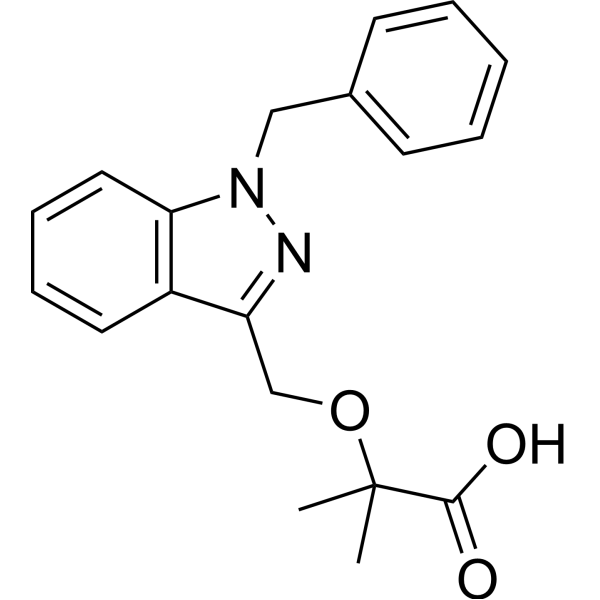
  • HY-B0498
    Bindarit
    Maximum Cited Publications
    29 Publications Verification

    AF2838

    CCR Neurological Disease Inflammation/Immunology Endocrinology Cancer
    Bindarit (AF2838) is a selective inhibitor of the monocyte chemotactic proteins MCP-1/CCL2, MCP-3/CCL7, and MCP-2/CCL8, and no effect on other CC and CXC chemokines such as MIP-1α/CCL3, MIP-1β/CCL4, MIP-3/CCL23. Bindarit also has anti-inflammatory activity .
    Bindarit
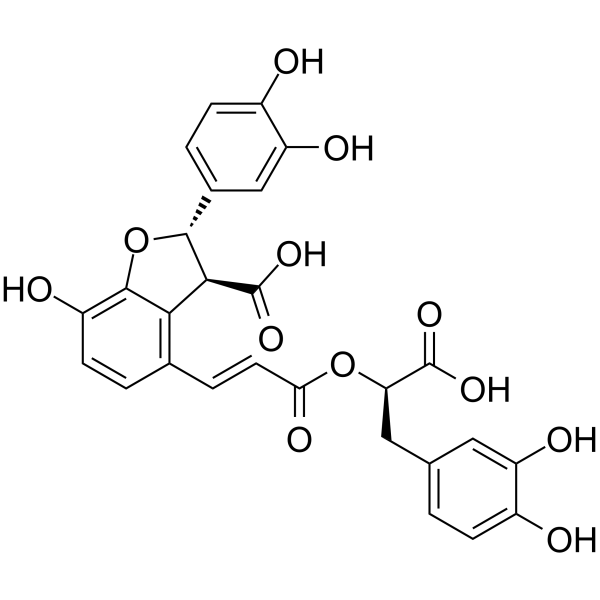
  • HY-N0823
    Lithospermic acid
    5+ Cited Publications

    (+)-Lithospermic acid

    NO Synthase AMPK Keap1-Nrf2 Xanthine Oxidase Apoptosis Cardiovascular Disease Inflammation/Immunology
    Lithospermic acid ((+)-Lithospermic acid) is a plant-derived polycyclic phenolic carboxylic acid isolated from Salvia miltiorrhiza, and has the anti-oxidative and hepatoprotective activity on carbon tetrachloride (CCl4)-induced acute liver damage in vitro and in vivo .
    Lithospermic acid
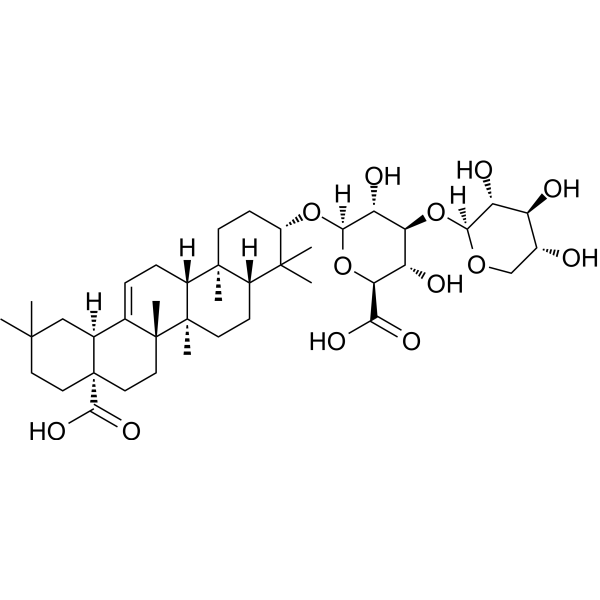
  • HY-N0330
    Momordin Ic
    5 Publications Verification

    Apoptosis Autophagy PI3K c-Myc Metabolic Disease Inflammation/Immunology Cancer
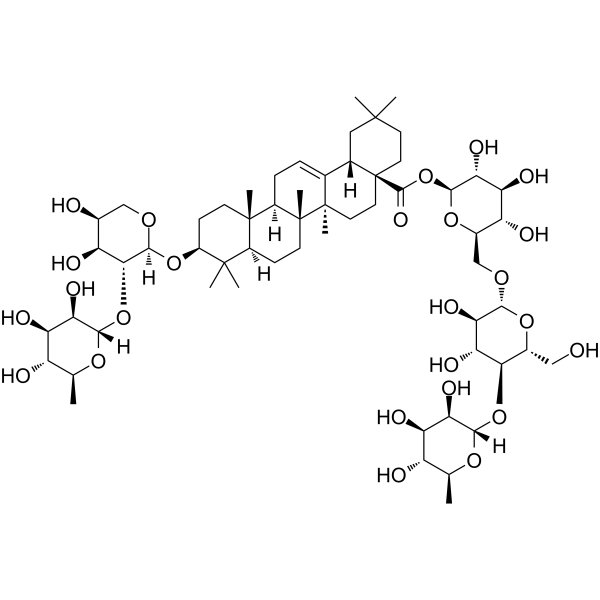
    Momordin Ic is an orally active triterpenoid saponin that can be isolated from Kochia scoparia. It is also a SUMO specific protease 1 (SENP1) inhibitor, SENP1/c-MYC signaling pathway inhibitor, and apoptosis inducer. Momordin Ic induces autophagy and apoptosis in liver cancer cells through the PI3K/Akt and MAPK signaling pathways mediated by reactive oxygen species. Momordin Ic has the ability to control glucose induced blood glucose elevation, inhibit gastric emptying, resist rheumatoid arthritis, reduce CCl4 (HY-Y0298) induced hepatotoxicity and anti-tumor activity .
    Momordin Ic
  • HY-N0373
    Licochalcone B
    10+ Cited Publications

    Amyloid-β Apoptosis NOD-like Receptor (NLR) Neurological Disease
    Licochalcone B is an extract from the root of Glycyrrhiza uralensis. Licochalcone B inhibits amyloid β (42) self-aggregation (IC50=2.16 μM) and disaggregate pre-formed Aβ42 fibrils, reduce metal-induced Aβ42 aggregation through chelating metal ionsLicochalcone B inhibits phosphorylation of NF-κB p65 in LPS signaling pathway. Licochalcone B inhibits growth and induces apoptosis of NSCLC cells. Licochalcone B specifically inhibits the NLRP3 inflammasome by disrupting NEK7‐NLRP3 interaction [4].
    Licochalcone B
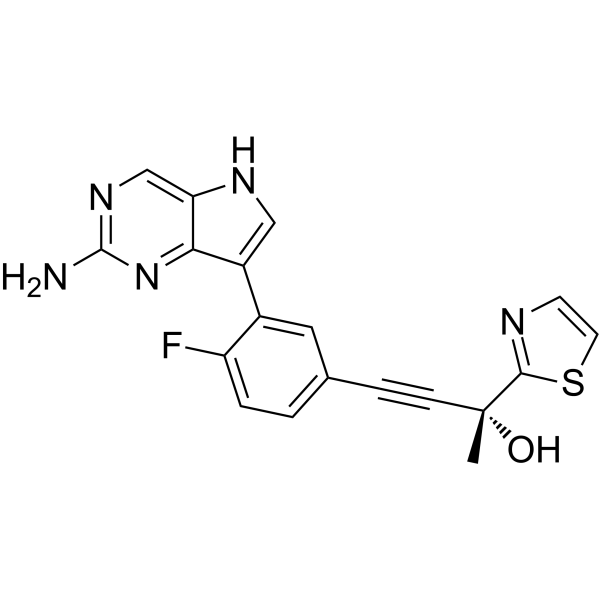
  • HY-163897

    PROTACs Ferroptosis Reactive Oxygen Species (ROS) Inflammation/Immunology
    PROTAC NCOA4 degrader-1 is a VHL-based PROTAC NCOA4 degrader. PROTAC NCOA4 degrader-1 is a ferroptosis inhibitor. PROTAC NCOA4 degrader-1 reduces Fe 2+ elevation, ROS production, MDA content and PTGS2 mRNA expression. PROTAC NCOA4 degrader-1 ameliorates liver damage in a CCl4-induced acute liver injury model. PROTAC NCOA4 degrader-1 can be used for the researches of inflammation and immunology. (Pink: NCOA4 ligand (HY-149457). Black: linker (HY-163903). Blue: VHL ligand (HY-138678B)) .
    PROTAC NCOA4 degrader-1
  • HY-152293

    VEGFR ERK Cancer
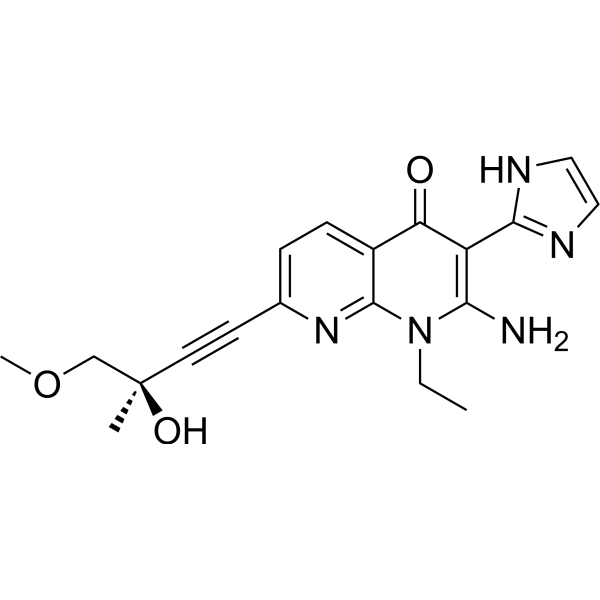
    EVT801 is an orally active and selective inhibitor of VEGFR-3 (IC50=11 nM), which has antitumor effects. EVT801 inhibits not only VEGF-C-induced human endothelial cell proliferation, but also tumor (lymphatic) angiogenesis in tumor mouse models. EVT801 can reduce tumor hypoxia, immunosuppressive cytokines (CCL4, CCL5) and myeloid derived suppressor cells (MDSC) production. EVT801 has synergistic effect with immune checkpoint therapy (ICT), which improves ICT response rate and has better inhibitory effect on cancer mouse models . EVT801 is a click chemistry reagent, it contains an Alkyne group and can undergo copper-catalyzed azide-alkyne cycloaddition (CuAAc) with molecules containing Azide groups.
    EVT801
  • HY-N5092

    Reactive Oxygen Species (ROS) Cytochrome P450 Metabolic Disease
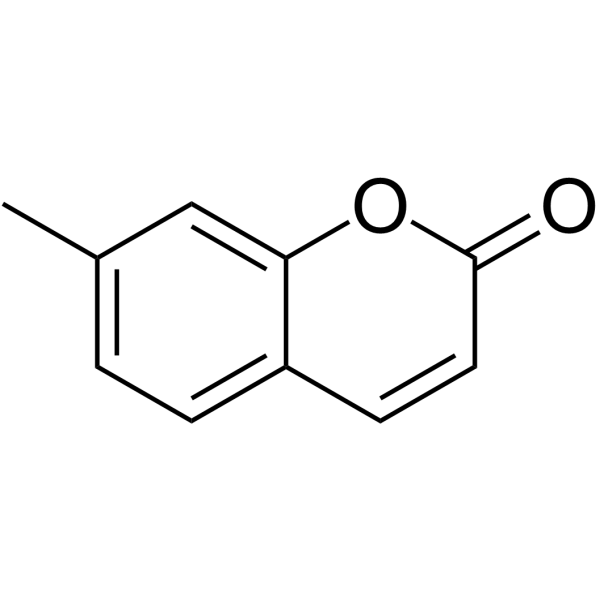
    7-Methylcoumarin is a coumarin derivative with potent hepatoprotective and antioxidant properties. 7-Methylcoumarin is a mechanism-based inhibitor for CYP2A6. 7-Methylcoumarin significantly decreases alanine aminotransferase (ALT), aspartate aminotransferase (AST), and serum bilirubin (TB) in rats with CCl4-induced liver damage, whilst restoring total protein (TP) and albumin (TA) levels in serum as well as preventing oxidative stress. 7-Methylcoumarin can decline mitotic activity of A. sativum promeristem .
    7-Methylcoumarin
  • HY-152846

    GDC-8264

    RIP kinase Interleukin Related Cardiovascular Disease Inflammation/Immunology Endocrinology
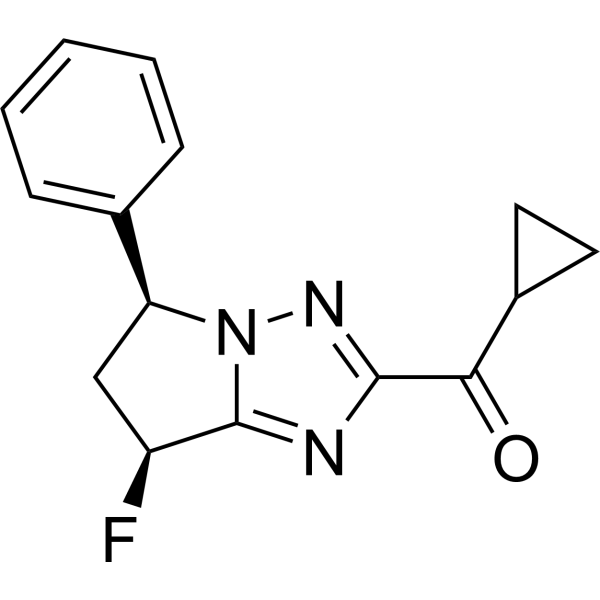
    Flizasertib (GDC-8264) is an orally active, reversible and selective RIP1 inhibitor with Ki app values of 0.00071 μM and 0.0013 μM for human and cynomolgus monkey RIP1 kinase, respectively. Flizasertib blocks RIP1 autophosphorylation but does not affect RIP1 protein stability. Flizasertib inhibits pro-inflammatory cytokines (CCL3, CCL4, and IL-1β) production. Flizasertib results in inhibition of colitis and ileitis. Flizasertib can be used in the research of cardiac surgery-associated acute kidney injury .
    Flizasertib
  • HY-121944

    Casein Kinase Wnt Others
    Ricinine exhibits hepatoprotection in CCl4-induced liver damage. Ricinine is also a CK1α inhibitor, and may activate Wnt pathway .
    Ricinine
  • HY-N7697B

    Others Others
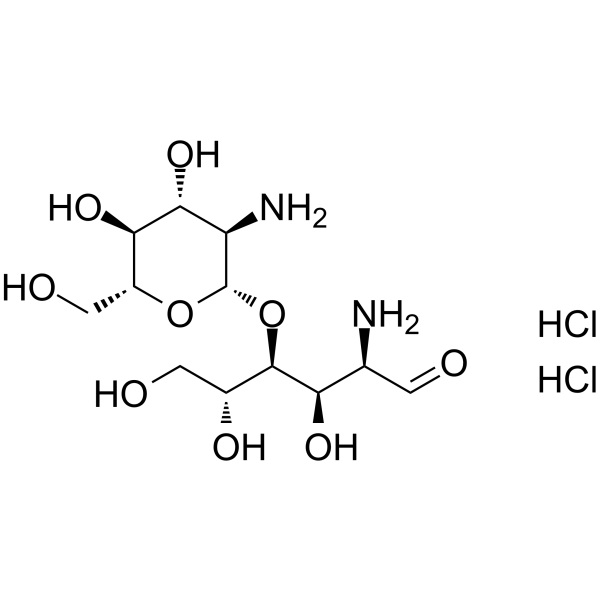
    Chitobiose dihydrochloride is an orally active chitosan oligosaccharide (degree of polymerization 2). Chitobiose dihydrochloride shows hepatoprotective activity and counteracts CCl4-induced elevation of plasma aspartate transaminase and alanine transaminase activities in rats. Chitobiose dihydrochloride can be used for the research of carbon tetrachloride-induced acute hepatotoxicity .
    Chitobiose dihydrochloride
  • HY-145801
    XT2
    2 Publications Verification

    NF-κB Inflammation/Immunology
    XT2 is a potent, orally active, and selective inhibitor of NF-κB-inducing kinase (NIK) with an IC50 of 9.1 nM. XT2 suppresses CCl4-induced upregulation of ALT, a key biomarker of acute liver injury. XT2 also decreases immune cell infiltration into the injured liver tissue. XT2 has the potential for the research of liver inflammatory diseases . XT2 is a click chemistry reagent, it contains an Alkyne group and can undergo copper-catalyzed azide-alkyne cycloaddition (CuAAc) with molecules containing Azide groups.
    XT2
  • HY-N7327

    Phospholipase Inflammation/Immunology
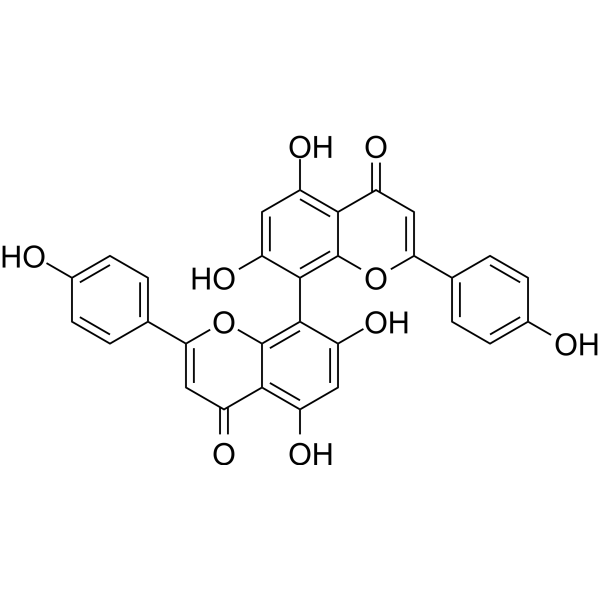
    Ochnaflavone is an inhibitor of IIA-type secretory phospholipase A2 (sPLA2-IIA) with an IC50 of 3.45 µM. Ochnaflavone exhibits significant anti-inflammatory and liver-protective effects, capable of inhibiting the degradation of phosphatidylethanolamine (PE) and lipid peroxidation induced by carbon tetrachloride (CCl4) in rat liver, with an IC50 of 7.16 µM for lipid peroxidation. Ochnaflavone can be used in research on liver damage and inflammatory diseases .
    Ochnaflavone
  • HY-N9173
    Cupressuflavone
    1 Publications Verification

    Others Inflammation/Immunology
    Cupressuflavone is a natural product that can be found in Cupressus macrocarpa. Cupressuflavone exhibits anti-inflammatory and antiulcerogenic activities. Cupressuflavone also show protective effects against CCl4-induced hepato- and nephrotoxicity in mice .
    Cupressuflavone
  • HY-N2358

    Others Inflammation/Immunology
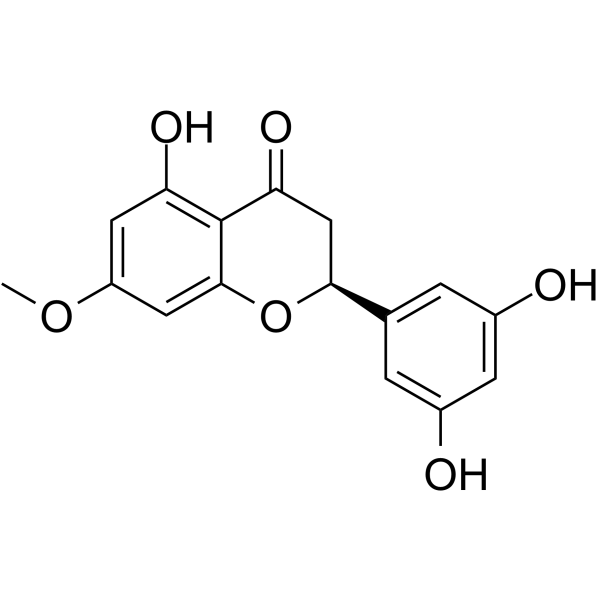
    Blumeatin, isolated from Blumea balsamifera DC, could protect liver against injury induced by CCl4 and thioacetamide (TAA) .
    Blumeatin
  • HY-N7697F

    Others Metabolic Disease
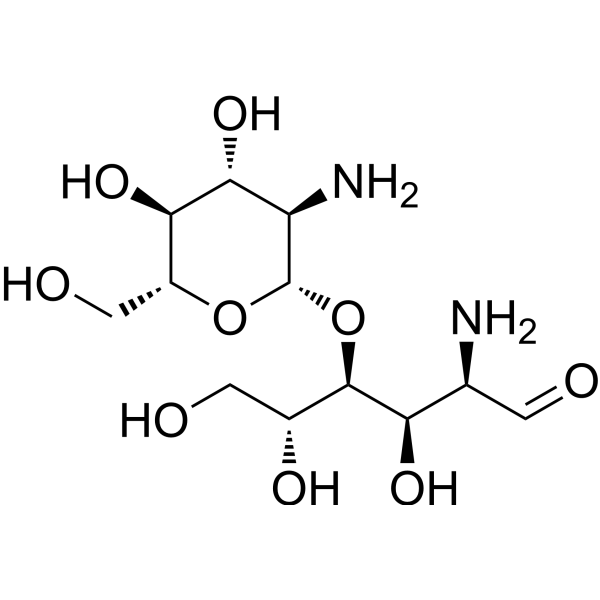
    Chitobiose is an orally active chitosan oligosaccharide (degree of polymerization 2). Chitobiose shows hepatoprotective activity and counteracts CCl4-induced elevation of plasma aspartate transaminase and alanine transaminase activities in rats. Chitobiose can be used for the research of carbon tetrachloride-induced acute hepatotoxicity .
    Chitobiose
  • HY-N2082
    Isorhamnetin 3-O-galactoside
    1 Publications Verification

    Cacticin

    Thrombin COX ERK JNK Factor Xa Cardiovascular Disease Inflammation/Immunology
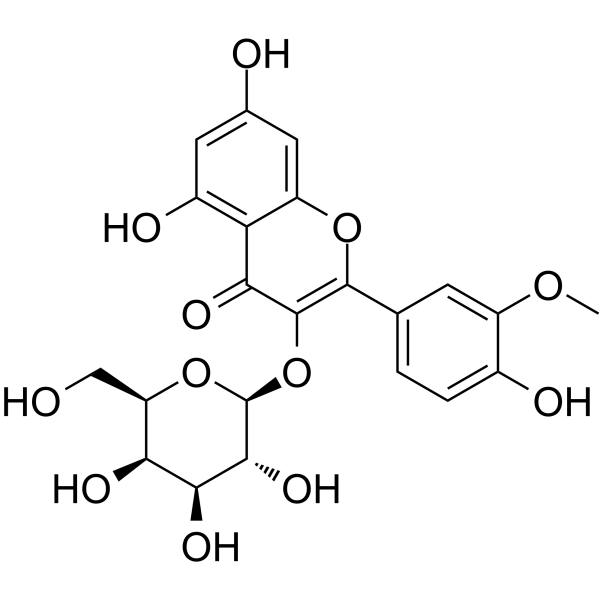
    Isorhamnetin 3-O-galactoside (Cacticin) is a flavonoid glycoside that can be isolated from Oenanthe javanica, with antithrombotic and profibrinolytic activities. Isorhamnetin 3-O-galactoside inhibits the activities of thrombin and factor Xa (FXa) and reduces thrombin-catalyzed fibrin polymerization maximum rate. Isorhamnetin 3-O-galactoside suppresses TNF-α-induced PAI-1 secretion, decreases the PAI-1/tissue-type plasminogen activator (t-PA) ratio, and inhibits FXa production and FVa/FXa-mediated thrombin generation. Isorhamnetin 3-O-galactoside exerts protective effects against Carbon tetrachloride (CCl4) (HY-Y0298)-induced hepatic injury in mice. Isorhamnetin 3-O-galactoside can be used for the study of liver injury-related diseases and thrombotic vascular diseases .
    Isorhamnetin 3-O-galactoside
  • HY-122951
    Eburicoic acid
    1 Publications Verification

    Reactive Oxygen Species (ROS) Cardiovascular Disease
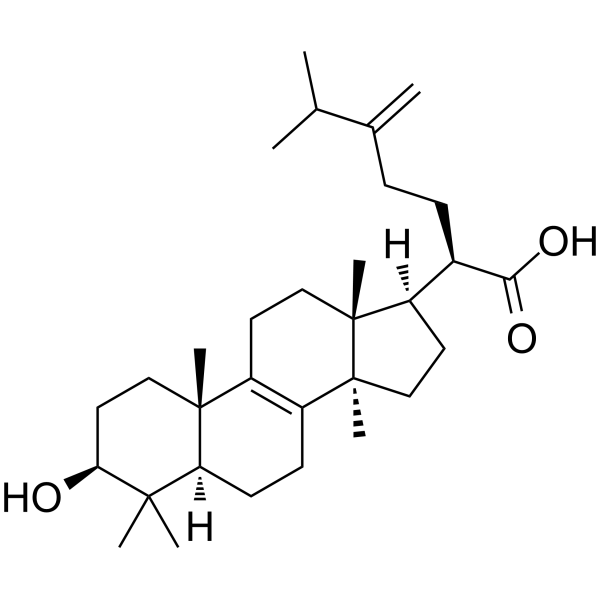
    Eburicoic acid protects the liver from CCl4-induced hepatic damage via antioxidant and anti-inflammatory mechanisms . And Eburicoic acid has antidiabetic and antihyperlipidemic effects .
    Eburicoic acid
  • HY-N8389

    Bacterial Fungal PAK Akt STAT PD-1/PD-L1 Apoptosis CCR Infection Cancer
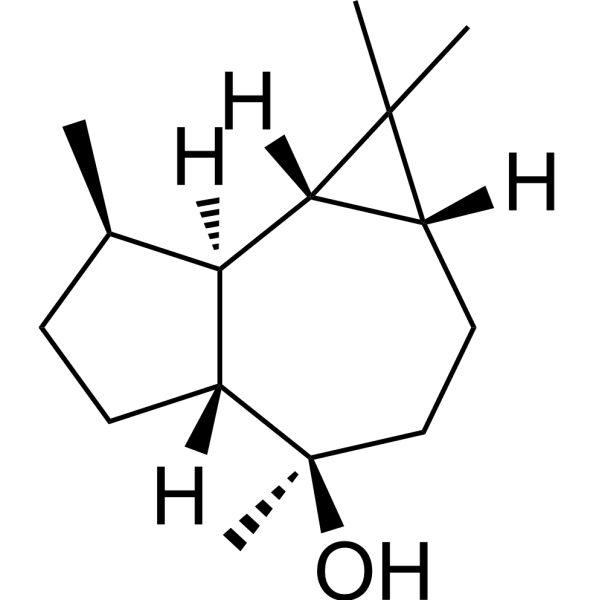
    Globulol is a terpenoid metabolite and Antimicrobial agent. Globulol can be isolated from Alpinia oxyphylla Miq. Globulol binds to PAK4, reduces the expression level of PAK4 in cancer cells, decreases the phosphorylation of AKT, and downregulates the expressions of STAT3, phosphorylated STAT3, and PD-L1. Globulol promotes the secretion of CCL4 by cancer cells. Globulol reduces the viability and proliferation ability of cancer cells, induces G0/G1 cell cycle arrest and Apoptosis in cancer cells, and inhibits cancer cell migration and the integrity of 3D tumor spheres. Globulol enhances the relevant effects of anti-PD-1 agents in the cancer cell microenvironment. Globulol exhibits anticancer activity against liver cancer. Globulol inhibits the mycelial growth of phytopathogenic fungi and the growth of phytopathogenic bacteria. Globulol can be used in studies related to hepatocellular carcinoma .
    Globulol
  • HY-149202

    PGE synthase Neurological Disease Inflammation/Immunology
    UT-11 is a potent and blood-brain barrier-permeable microsomal prostaglandin E synthase-1 (mPGES-1) inhibitor with IC50s of 0.10 μM and 2.00 μM for inhibiting PGE2 production in human (SK-N-AS) and murine (BV2) cells, respectively .
    UT-11
  • HY-RS02102

    Small Interfering RNA (siRNA) Others

    CCL4 Human Pre-designed siRNA Set A contains three designed siRNAs for CCL4 gene (Human), as well as a negative control, a positive control, and a FAM-labeled negative control.

    CCL4 Human Pre-designed siRNA Set A
    CCL4 Human Pre-designed siRNA Set A
  • HY-N2998

    β-glucuronidase Metabolic Disease
    Ganoderenic acid A is a lanostane-type triterpene. Ganoderenic acid A is a potent inhibitor of β-glucuronidase. Ganoderenic acid A has a potent hepatoprotective effect against CCl4-induced liver injury .
    Ganoderenic acid A
  • HY-133019

    Phosphodiesterase (PDE) Inflammation/Immunology
    ATX inhibitor 5 is a potent and orally active autotaxin (ATX) inhibitor, with an IC50 of 15.3 nM. ATX inhibitor 5 shows anti-hepatofibrosis effects and reduces CCl4-induced hepatic fibrosis level prominently .
    ATX inhibitor 5
  • HY-178015

    Thyroid Hormone Receptor Metabolic Disease Inflammation/Immunology
    THR-β agonist 11 is an orally active and selective thyroid hormone receptor (THR-β) agonist. THR-β agonist 11 shows potent cholesterol-lowering activity in cholesterol-fed rats. THR-β agonist 11 significantly reduces serum total TG, LDL-cholesterol, liver total TC and TG levels, and alleviates hepatic steatosis, inflammation and fibrosis in HFD-CCl4-induced Metabolic dysfunction-associated steatohepatitis (MASH) model mice. THR-β agonist 11 can be used for the study of metabolic dysfunction-associated steatohepatitis (MASH) and other fibrotic diseases .
    THR-β agonist 11
  • HY-RS23028

    Small Interfering RNA (siRNA) Others

    Ccl4 Rat Pre-designed siRNA Set A contains three designed siRNAs for Ccl4 gene (Rat), as well as a negative control, a positive control, and a FAM-labeled negative control.

    Ccl4 Rat Pre-designed siRNA Set A
    Ccl4 Rat Pre-designed siRNA Set A
  • HY-RS16594

    Small Interfering RNA (siRNA) Others

    Ccl4 Mouse Pre-designed siRNA Set A contains three designed siRNAs for Ccl4 gene (Mouse), as well as a negative control, a positive control, and a FAM-labeled negative control.

    Ccl4 Mouse Pre-designed siRNA Set A
    Ccl4 Mouse Pre-designed siRNA Set A
  • HY-121271

    Others Inflammation/Immunology
    Kadsurin, a natural compound from the stems of Kadsura heteroclita (Schizandraceae), results in significant decreases of CCL4- induced lipid-peroxidation products, such as thiobarbituric acid reactive substances (TBA-RS), conjugated dienes and fluorescent products in the liver of mice .
    Kadsurin
  • HY-120406

    Btk Akt mTOR p38 MAPK ERK CCR Apoptosis Cancer
    LPS-123 is a covalently irreversible BTK inhibitor with an IC50 of < 5 nM. LPS-123 simultaneously inhibits the catalytic activity of BTK at Tyr551 and its self-activation at Tyr223. LPS-123 inhibits phosphorylation of the AKT/mTOR and MAPK signaling pathways, activation of PLCγ2, ERK1/2, p38, AKT, and mTOR, and blocks the production of CCL3 and CCL4 chemokines. LPS-123 exhibits significant anti-proliferative activity against various B-cell lymphoma cell lines and effectively induces apoptosis via a caspase-dependent pathway. LPS-123 also demonstrates significant antitumor activity in the OCI-Ly7 xenograft model. LPS-123 can be used for lymphoma research .
    PLS-123
  • HY-121944S

    Isotope-Labeled Compounds Others
    Ricinine-d3 is the deuterium labeled Ricinine. Ricinine exhibits hepatoprotection in CCl4 -induced liver damage .
    Ricinine-d3
  • HY-N3315

    Others Inflammation/Immunology
    Massonianoside B is an antioxidant, which can be isolated from Cedrus deodara pine needle. Massonianoside B exhibits radicals scavenging capacities, and restores CCL4-impaired activity of antioxidant enzymes .
    Massonianoside B
  • HY-121944R

    Reference Standards Others Others
    Ricinine (Standard) is the analytical standard of Ricinine. This product is intended for research and analytical applications. Ricinine exhibits hepatoprotection in CCl4 -induced liver damage .
    Ricinine (Standard)
  • HY-W017140R

    SBMP (Standard)

    Endogenous Metabolite Reference Standards Others
    Ricinine (Standard) is the analytical standard of Ricinine. This product is intended for research and analytical applications. Ricinine exhibits hepatoprotection in CCl4 -induced liver damage .
    2-Sec-butyl-3-methoxypyrazine (Standard)
  • HY-N0823R

    (+)-Lithospermic acid (Standard)

    Reference Standards NO Synthase AMPK Keap1-Nrf2 Xanthine Oxidase Apoptosis Cardiovascular Disease Inflammation/Immunology
    Lithospermic acid (Standard) is the analytical standard of Lithospermic acid. This product is intended for research and analytical applications. Lithospermic acid ((+)-Lithospermic acid) is a plant-derived polycyclic phenolic carboxylic acid isolated from Salvia miltiorrhiza, and has the anti-oxidative and hepatoprotective activity on carbon tetrachloride (CCl4)-induced acute liver damage in vitro and in vivo .
    Lithospermic acid (Standard)
  • HY-168629

    FXR Metabolic Disease
    FXR agonist 9 (compound 26) is an oral active and selectivity FXR partial agonist with the EC50 of 0.09 µM (75.13 % maximum efficacy). FXR agonist 9 ameliorates pathological features in HFD and CCl4(HY-Y0298)-induced metabolic dysfunction-associated steatohepatitis mice .
    FXR agonist 9
  • HY-172087

    VD/VDR Inflammation/Immunology
    VDR agonist 3 (Compound E15) is a potent vitamin D receptor (VDR) agonist. VDR agonist 3 can effectively inhibit HSC activation through VDR. VDR agonist 3 significantly reduces liver fibrosis without causing hypercalcemia in a CCl4-induced mouse liver fibrosis model .
    VDR agonist 3
  • HY-N12016

    Others Metabolic Disease
    Fulvotomentoside B is a saponin isolated from Lactobacillus flavus. Fulvotomentoside compounds can significantly reduce serum glutamate pyruvate transaminase (SGPT) and triacylglycerol (GT) levels in mice poisoned by CCl4, d-galactosamine (d-gal) and acetaminophen, and significantly alleviate liver pathology. damage .
    Fulvotomentoside B
  • HY-N2109R

    Reference Standards Others Metabolic Disease
    Macranthoidin A (Standard) is the analytical standard of Macranthoidin A. This product is intended for research and analytical applications. Macranthoidin A is an orally active saponin from Flos Lonicerae. Macranthoidin A possess protection effects on hepatic injury caused by Acetaminophen, Cd, and CCl4, and conspicuous depressant effects on swelling of ear croton oil .
    Macranthoidin A (Standard)
  • HY-106417

    SA 3443

    Phosphatase Aminotransferases (Transaminases) Metabolic Disease
    Limazocic (SA 3443) is an orally active hepatoprotective agent. Limazocic can inhibit increases in serum transaminase, alkaline phosphatase activity and hepatic lipids, hydroxyproline content induced by CCl4. Limazocic can decrease the degree of hepatic necrosis, fibrosis and steatosis. Limazocic can be used for the research of chronic liver injuries .
    Limazocic
  • HY-N15155

    Vitexin 7-glucoside

    Others Metabolic Disease
    Vitexin 7-O-β-D-glucopyranoside (Vitexin 7-glucoside) is a flavone glycoside found in Beta vulgaris var. cicla. Vitexin 7-O-β-D-glucopyranoside shows a hepatoprotective activity in primary cultured rat hepatocytes with Carbon tetrachloride (CCl4) (HY-Y0298)-induced cell toxicity .
    Vitexin 7-O-β-D-glucopyranoside
  • HY-168713

    FXR Metabolic Disease
    LZ-007 is an agonist for farnesoid X receptor (FXR) with an EC50 of 51 nM measuring by TR-FRET assay, or an EC50 of 76 nM in HepG2 cell. LZ-007 exhibits good pharmacokinetic characheristics in SD rats. LZ-007 ameliorates western diet and CCl4 (HY-Y0298)-induced mice metabolic dysfunction-associated steatohepatitis
    LZ-007
  • HY-178328

    VD/VDR Collagen TGF-beta/Smad MMP JAK Metabolic Disease Inflammation/Immunology Endocrinology
    VDR agonist 4 is an orally active potent VDR agonist. VDR agonist 4 exerts VDR-dependent antifibrotic activity by regulating multiple fibrosis-related genes to suppress α-SMA and collagen I production, thereby inhibiting hepatic stellate cell (HSC) activation. VDR agonist 4 improves CCl4 (HY-RS16594)-induced hepatic fibrosis in mice. VDR agonist 4 can be used for liver fibrosis research .
    VDR agonist 4
  • HY-N5092R

    Reference Standards Reactive Oxygen Species (ROS) Cytochrome P450 Metabolic Disease
    7-Methylcoumarin (Standard) is the analytical standard of 7-Methylcoumarin. This product is intended for research and analytical applications. 7-Methylcoumarin is a coumarin derivative with potent hepatoprotective and antioxidant properties. 7-Methylcoumarin is a mechanism-based inhibitor for CYP2A6. 7-Methylcoumarin significantly decreases alanine aminotransferase (ALT), aspartate aminotransferase (AST), and serum bilirubin (TB) in rats with CCl4-induced liver damage, whilst restoring total protein (TP) and albumin (TA) levels in serum as well as preventing oxidative stress. 7-Methylcoumarin can decline mitotic activity of A. sativum promeristem .
    7-Methylcoumarin (Standard)
  • HY-172258

    5-HT Receptor Cancer
    5-HT2B antagonist-2 (Compound 19c) is a 5HT2B receptor antagonist with an IC50 of 1.09 nM. 5-HT2B antagonist-2 can downregulate the expression of fibrosis-related genes α-SMA, Timp1, Col1a1, and Col3a1, and significantly reduce the deposition of fibrosis, thereby reducing the fibrotic area and inhibiting the fibrotic process in CCl4-induced liver fibrosis mouse models. 5-HT2B antagonist-2 can be used in the study of immune inflammatory-related diseases, particularly in the research of pulmonary fibrosis diseases .
    5-HT2B antagonist-2
  • HY-P11264

    GPR55 Collagen Reactive Oxygen Species (ROS) Apoptosis Metabolic Disease Inflammation/Immunology
    Cyclic peptide P1-1 is a high-potent GPR55 antagonist. Cyclic peptide P1-1 antagonizes GPR55 and suppresses collagen secretion. Cyclic peptide P1-1 reduces ROS production, attenuates ER stress, and inhibits mitochondria-associated Apoptosis. Cyclic peptide P1-1 inhibits the expression of α-SMA and COL1α. Cyclic peptide P1-1 ameliorates CCl4 (HY-Y0298)-induce and MCD-diet-induce acute liver inflammation and fibrosis .
    Cyclic peptide P1-1
  • HY-174752

    mRNA Inflammation/Immunology
    Human CCL4L1 mRNA encodes the human C-C motif chemokine ligand 4 like 1 (CCL4L1) protein, a chemokine that can induce chemotaxis of cells expressing CCR5 or CCR1.
    Human CCL4L1 mRNA
  • HY-N0330R

    Reference Standards Apoptosis Autophagy PI3K c-Myc Metabolic Disease Inflammation/Immunology Cancer
    Momordin Ic (Standard) is the analytical standard of Momordin Ic. This product is intended for research and analytical applications. Momordin Ic is an orally active triterpenoid saponin that can be isolated from Kochia scoparia. It is also a SUMO specific protease 1 (SENP1) inhibitor, SENP1/c-MYC signaling pathway inhibitor, and apoptosis inducer. Momordin Ic induces autophagy and apoptosis in liver cancer cells through the PI3K/Akt and MAPK signaling pathways mediated by reactive oxygen species. Momordin Ic has the ability to control glucose induced blood glucose elevation, inhibit gastric emptying, resist rheumatoid arthritis, reduce CCl4 (HY-Y0298) induced hepatotoxicity and anti-tumor activity .
    Momordin Ic (Standard)
  • HY-RS02103

    Small Interfering RNA (siRNA) Others

    CCL4L1 Human Pre-designed siRNA Set A contains three designed siRNAs for CCL4L1 gene (Human), as well as a negative control, a positive control, and a FAM-labeled negative control.

    CCL4L1 Human Pre-designed siRNA Set A
    CCL4L1 Human Pre-designed siRNA Set A
  • HY-RS02104

    Small Interfering RNA (siRNA) Others

    CCL4L2 Human Pre-designed siRNA Set A contains three designed siRNAs for CCL4L2 gene (Human), as well as a negative control, a positive control, and a FAM-labeled negative control.

    CCL4L2 Human Pre-designed siRNA Set A
    CCL4L2 Human Pre-designed siRNA Set A
  • HY-170846

    FGFR VEGFR Bcr-Abl FLT3 Cytochrome P450 Inflammation/Immunology
    FGFRs-IN-1 (Compound A16) is the orally active inhibitor for FGFR, that inhibits FGFR1/2/3/4 with IC50s of 2.3, 7, 11, and 163 nM, respectively. FGFRs-IN-1 also inhibits VEGFR1/2/3, Abl, and Flt3 with IC50s of 61, 176, 112, 26, and 353 nM, respectively. FGFRs-IN-1 exhibits weak inhibitory efficacy against CYP enzymes. FGFRs-IN-1 reduces the expression of α-SMA and collagen I, and inhibits epithelial-mesenchymal transition (EMT) in TGF-β1 stimulated A549 cell. FGFRs-IN-1 exhibits anti-inflammatory activity in Bleomycin (HY-17565)-induced mouse pulmonary fibrosis model and CCl4 (HY-Y0298)-induced mouse liver fibrosis model .
    FGFRs-IN-1
  • HY-N0373R

    Reference Standards Amyloid-β Apoptosis NOD-like Receptor (NLR) Neurological Disease
    Licochalcone B (Standard) is the analytical standard of Licochalcone B. This product is intended for research and analytical applications. Licochalcone B is an extract from the root of Glycyrrhiza uralensis. Licochalcone B inhibits amyloid β (42) self-aggregation (IC50=2.16 μM) and disaggregate pre-formed Aβ42 fibrils, reduce metal-induced Aβ42 aggregation through chelating metal ionsLicochalcone B inhibits phosphorylation of NF-κB p65 in LPS signaling pathway. Licochalcone B inhibits growth and induces apoptosis of NSCLC cells. Licochalcone B specifically inhibits the NLRP3 inflammasome by disrupting NEK7‐NLRP3 interaction [4].
    Licochalcone B (Standard)
  • HY-179613

    Drug Intermediate Reactive Oxygen Species (ROS) Apoptosis Keap1-Nrf2 Heme Oxygenase (HO) Bcl-2 Family Caspase Metabolic Disease
    D-Leucine amide-CDDO-Me-HMP is a prodrug composed of CDDO-Me (HY-13324) and ligustrazine (HY-N0264). D-Leucine amide-CDDO-Me-HMP can protect against CCl4-induced liver injury. D-Leucine amide-CDDO-Me-HMP can inhibit ROS production, alleviates mitochondrial damage and inhibits cell apoptosis. D-Leucine amide-CDDO-Me-HMP can be used for the research of liver injury .
    D-Leucine amide-CDDO-Me-HMP

Inquiry Online

Your information is safe with us. * Required Fields.

Salutation


Country or Region *

Applicant Name *


Organization Name *

Department *


Email Address *


Product Name *

Cat. No.


Requested quantity *

Phone Number *


Remarks

Inquiry Online

Inquiry Information

Product Name:
Cat. No.:
Quantity:
MCE Japan Authorized Agent:

