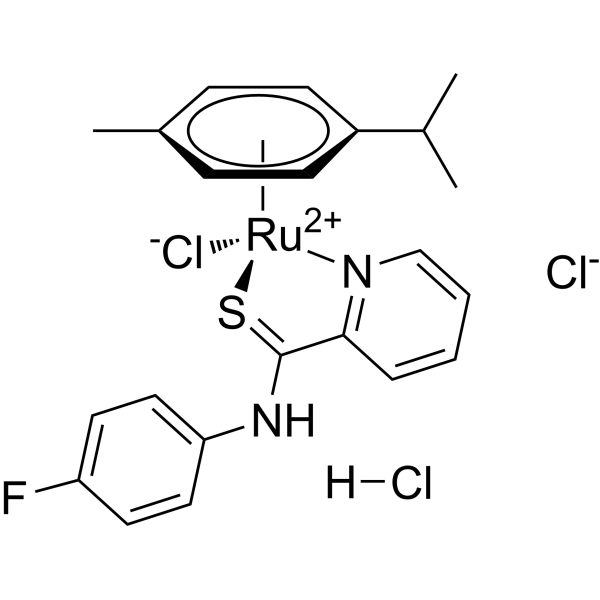
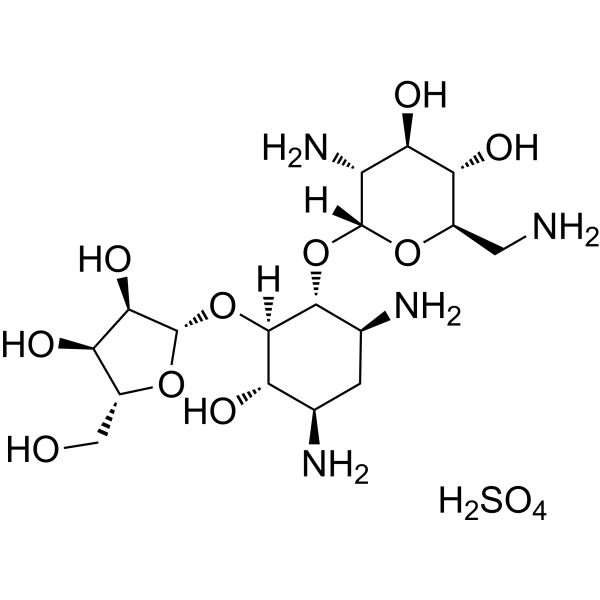
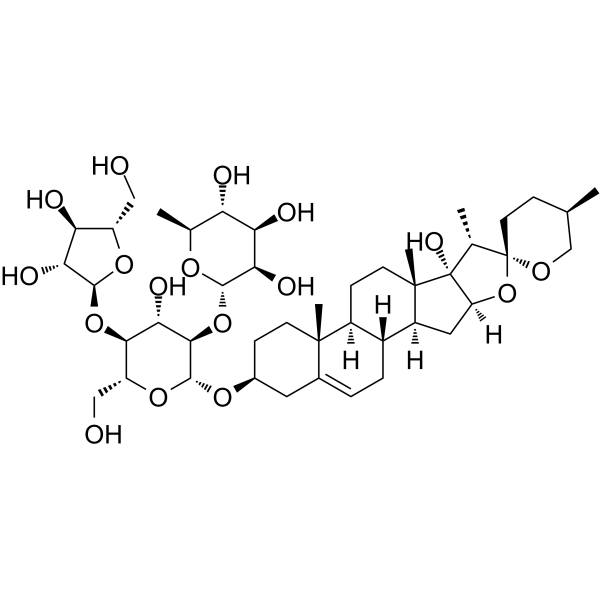
1. Search Result
Search Result
Results for "

Cell membrane disruptor

" in MedChemExpress (MCE) Product Catalog:

195

Inhibitors & Agonists

1

Screening Libraries

2

Fluorescent Dyes

7

Biochemical Assay Reagents

44

Peptides

2

MCE Kits

3

Inhibitory Antibodies

28

Natural
Products

7

Isotope-Labeled Compounds

2

Oligonucleotides

Cat. No. Product Name Target Research Areas Chemical Structure
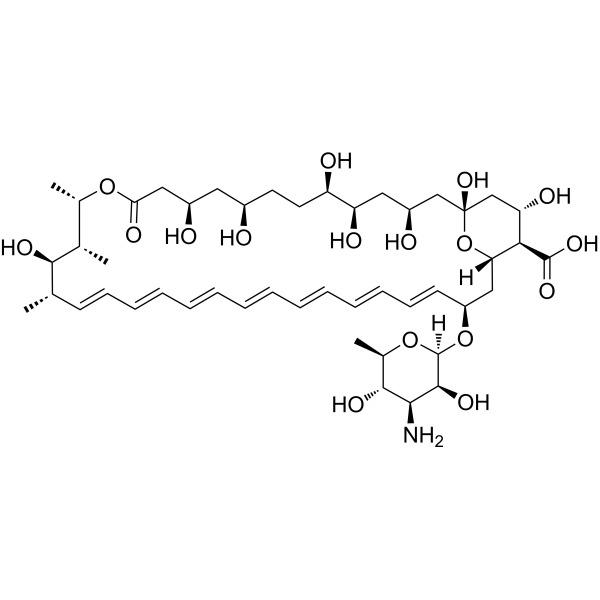
  • HY-B0221
    Amphotericin B
    Maximum Cited Publications
    26 Publications Verification

    Fungal Antibiotic Bacterial Parasite Infection Cancer
    Amphotericin B is a polyene antifungal agent against a wide variety of fungal pathogens. It binds irreversibly to ergosterol, resulting in disruption of membrane integrity and ultimately cell death.
    Amphotericin B
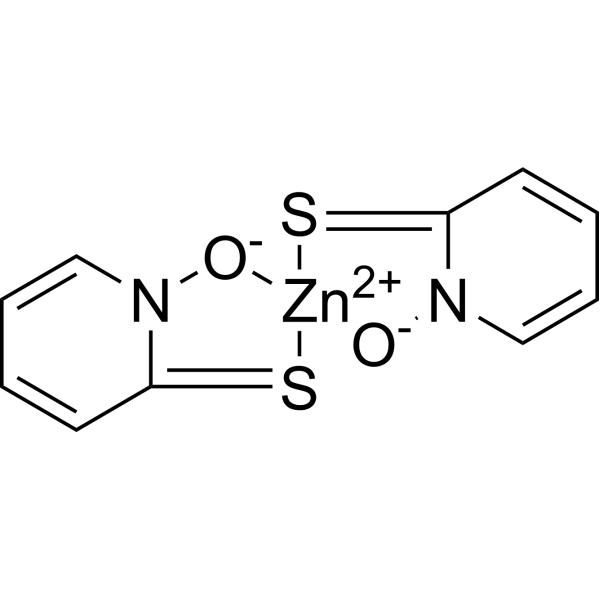
  • HY-B0572
    Zinc Pyrithione
    10+ Cited Publications

    Environmental Pollutants Bacterial Cuproptosis Proton Pump Fungal Infection Metabolic Disease
    Zinc Pyrithione is an antifungal and antibacterial agent disrupting membrane transport by blocking the proton pump . Zinc Pyrithione is also a copper ionophore that delivers copper into cells and is a useful tool for studying cuproptosis .
    Zinc Pyrithione
  • HY-170430

    Molecular Glues E1/E2/E3 Enzyme Cancer
    HGC652 is a molecular glue degrader targeting TRIM21 with a TRIM21-dependent nuclear membrane disruption effect. HGC652 binds to the PRY-SPRY domain of TRIM21 with high affinity (Ka=0.061 μM), mediates the interaction between TRIM21 and NUP98, and redirects E3 ligase activity. By triggering the polyubiquitination and proteasomal degradation of nucleoporins (such as NUP155 and GLE1), HGC652 disrupts nuclear membrane integrity, alters nuclear morphology, induces genomic instability, and thereby induces cancer cell death .
    HGC652
  • HY-N8015
    Octanal
    1 Publications Verification

    Environmental Pollutants Endogenous Metabolite Fungal Bacterial Infection Cancer
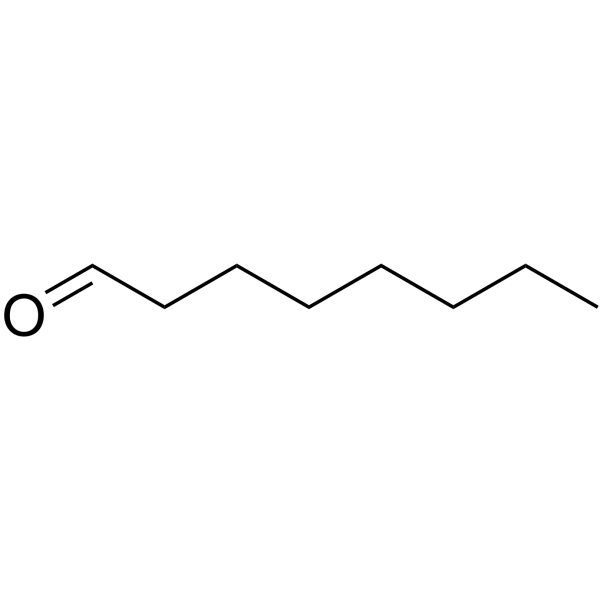
    Octanal is a fragrant aldehyde with antioxidant and antibacterial activity. Its antifungal effect against G. citri-aurantii may be related to the disruption of cell membrane integrity and the leakage of cellular components. Additionally, Octanal exhibits cytotoxicity towards HeLa cells, with an IC50 value of 3.5 μg/mL .
    Octanal
  • HY-137371

    Bacterial Apoptosis Antibiotic Infection Cancer
    Lactonic sophorolipid is an apoptosis inducer and antimicrobial surfactant with antitumor activity. Lactonic sophorolipid regulates Bax/Bcl-gene expression through caspase-3/9 and induces apoptosis in tumor cells. Lactonic sophorolipid can disrupt cell membrane permeability and exert antibacterial effects (MIC for oral pathogens is 100-400 μg/mL). Lactonic sophorolipid promotes mitochondrial membrane potential depolarization, activates the intrinsic apoptotic pathway, and can synergize with antibiotics to enhance the antibacterial effect. Lactonic sophorolipid can be used in liver cancer research and the development of oral hygiene antibacterial agents[1][2][3].
    Lactonic sophorolipid
  • HY-B1597

    Benzyldimethylhexadecylammonium chloride

    Bacterial Infection Inflammation/Immunology
    Cetalkonium chloride is an ammonium antiseptic agent used in many topical agents for infections of mouth, throat and eye. Cetalkonium chloride acts as anti-inflammatory amphiphilic agent. Cetalkonium chloride is a cationic surfactant, that improves the precorneal residence time and bioavailability of drugs. Cetalkonium chloride interacts with the negative charges on the bacterial cell membrane, disrupts the integrity of the cell membrane, causes leakage of cell contents and ultimately leading to bacterial death .
    Cetalkonium chloride
  • HY-105088

    MSI 78 free base

    Bacterial Infection Cancer
    Pexiganan (MSI 78) is an orally active antimicrobial peptide with broad-spectrum bactericidal. Pexiganan disrupts bacterial cell membranes, induces peptidoglycan damage and cell lysis. Pexiganan TFA can be used for the research of bacterial infection .
    Pexiganan
  • HY-P5712
    Gramicidin S
    1 Publications Verification

    Gramicidin soviet

    Antibiotic Bacterial Na+/K+ ATPase Infection
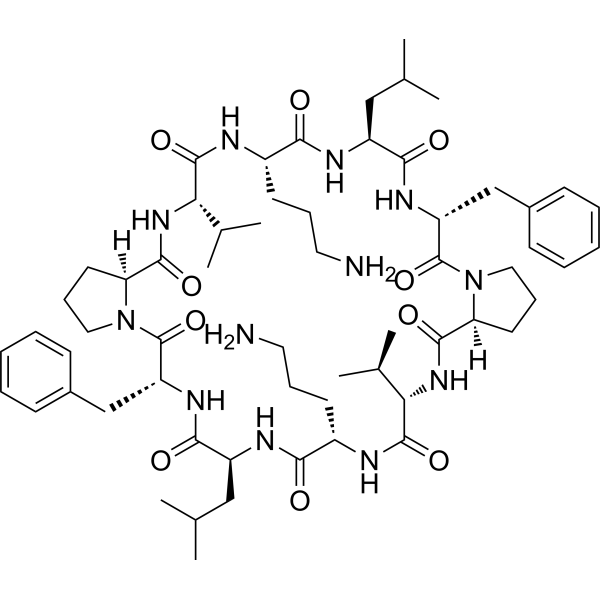
    Gramicidin S (Gramicidin soviet) is a cationic cyclic peptide antibiotic that selectively targets bacterial cell membranes and has anticancer activity. Gramicidin S also exerts antibacterial activity by destroying membrane integrity and interfering with membrane protein function. Gramicidin S inserts into the phospholipid bilayer through hydrophobic amino acid residues, specifically binds to negatively charged membrane lipids and disrupts membrane structure, thereby inhibiting cell division and cell wall synthesis, and ultimately causing bacterial death. Gramicidin S also inhibits ion channels, with IC50s of 41 μM, 24 μM, and 3 μM for Na +/K +-ATPase, tobacco leaf plasma membrane Mg 2+/K +-ATPase, and rat heart plasma membrane Ca 2+-ATPase, respectively .
    Gramicidin S
  • HY-W590549

    DODAC

    Liposome Cancer
    Dioleyldimethylammonium chloride (DODAC) is a positively charged lipid promoter with membrane-disrupting activity, which is often formulated into cationic liposomes with dioleoylphosphatidylethanolamine. Dioleyldimethylammonium chloride is used in gene transfection research; through electrostatic interactions, it effectively promotes the binding of programmable fusion vesicles to cells and induces membrane disruption. Dioleyldimethylammonium chloride is also applied in studies on L1210 leukemia and LS180 human colon cancer .
    Dioleyldimethylammonium chloride
  • HY-W035091
    Tetrachloroauric acid
    1 Publications Verification

    Biochemical Assay Reagents Cardiovascular Disease Neurological Disease
    Tetrachloroauric acid is an Au (III) compound and bilayer disruptor that can be used to damage red blood cells. Tetrachloroauric acid specifically disrupts the bilayer structure of representative phospholipids (dimyristoylphosphatidylcholine and dimyristoylphosphatidylethanolamine) in human red blood cell membranes, and induces morphological changes in intact human red blood cells. Tetrachloroauric acid causes downregulation of MT I-II and GFAP expression in the mouse brain following chronic treatment. Tetrachloroauric acid is being used in studies related to neurotoxicity and hematotoxicity, including analyses of human red blood cells and molecular models of red blood cell membranes, as well as immunohistochemical evaluation of the mouse brain .
    Tetrachloroauric acid
  • HY-126222A

    Apoptosis Mitochondrial Metabolism Cancer
    MitoTam iodide, hydriodide is a Tamoxifen derivative , an electron transport chain (ETC) inhibitor, spreduces mitochondrial membrane potential in senescent cells and affects mitochondrial morphology . MitoTam iodide, hydriodide is an effective anticancer agent, suppresses respiratory complexes (CI-respiration) and disrupts respiratory supercomplexes (SCs) formation in breast cancer cells . MitoTam iodide, hydriodide causes apoptosis .
    MitoTam iodide, hydriodide
  • HY-112959

    TD-6424

    Antibiotic Bacterial Infection
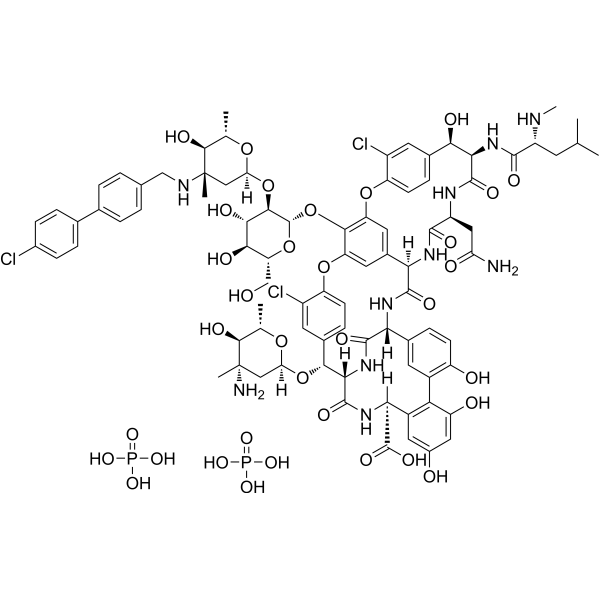
    Telavancin (TD-6424) is a semisynthetic lipoglycopeptide vancomycin-derivative, is a novel antimicrobial agent developed by Theravance for overcoming resistant Gram-positive bacterial infections, specifically methicillin-resistant Staphylococcus aureus (MRSA). Telavancin disrupts cell membrane integrity, can be used for research of complicated skin and skin structure infections (cSSSIs) caused by Gram-positive bacteria .
    Telavancin
  • HY-A0248B

    Antibiotic Bacterial Infection
    Polymyxin B2 is a polypeptide antibiotic that has antibacterial activity, particularly against gram-negative bacteria. Polymyxin B2 kills the bacteria by binding to lipopolysaccharide molecules on the bacterial cell membrane, disrupting the integrity of the cell membrane and causing the cell contents to leak. Polymyxin B2 can be used in antibiotic development and treatment of drug-resistant strains .
    Polymyxin B2
  • HY-16485
    Telavancin hydrochloride
    1 Publications Verification

    TD-6424 hydrochloride

    Antibiotic Bacterial Infection
    Telavancin hydrochloride is the hydrochloride form of Telavancin (HY-112959). Telavancin hydrochloride is a semisynthetic derivative of vancomycin, and exhibits antibacterial efficacy through inhibition of cell wall synthesis and disruption of cell membrane barrier function. Telavancin hydrochloride is efficient against antibiotic resistant S. aureus strains MRSA, VISA, and hVISA. Telavancin hydrochloride attenuates gram positive bacteria induced complicated skin and skin structure infections (cSSSI) .
    Telavancin hydrochloride
  • HY-Y1832

    3-Methoxysalicylaldehyde

    Fungal Infection Cancer
    o-Vanillin (2-Vanillin) is a nature product, could be extracted from Vanilla planifolia, Pinus koraiensis fruit. o-Vanillin is a potent antifungal agent. o-Vanillin inhibits the growth of mycelia by disrupting the integrity of cell walls and cell membranes. o-Vanillin inhibits Doxorubicin (HY-15142A)- and 4-hydroperoxycyclophosphamide-induced NF-κB activation .
    o-Vanillin
  • HY-110082
    Quinine (hydrochloride)
    5+ Cited Publications

    Flavivirus Dengue Virus Parasite Potassium Channel Cardiovascular Disease Infection Cancer
    Quinine hydrochloride is an alkaloid extracted from cinchona bark and exhibits oral activity, acting as a potassium channel inhibitor. Quinine hydrochloride modulates the tolerance of red blood cells and presents dose-dependent toxicity and embryonic effects. Quinine hydrochloride is a typical hemolysin that directly lyses red blood cells, with cellular components of red blood cell membranes as its action targets. Quinine hydrochloride disrupts red blood cell membranes and induces hemolysis at high concentrations, while merely weakening the anti-hemolytic capacity of red blood cells at low concentrations. Quinine hydrochloride continuously reduces red blood cell tolerance after in vivo administration, and high doses can also alter blood cell counts. Quinine hydrochloride can be applied to researches related to red blood cell hemolysis, cancer and malaria .
    Quinine (hydrochloride)
  • HY-138540
    1-Dodecylimidazole
    3 Publications Verification

    N-Dodecylimidazole

    Fungal Cancer
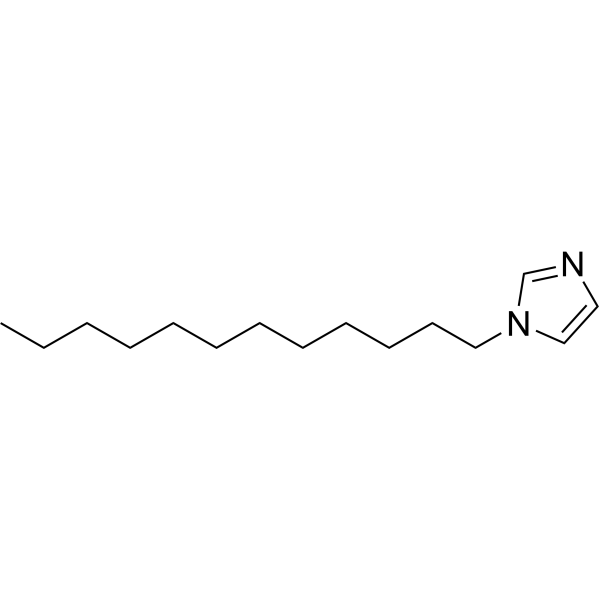
    1-Dodecylimidazole (N-Dodecylimidazole) is a lysosomotropic detergent and a cytotoxic agent. 1-Dodecylimidazole causes cell death by its acid-dependent accumulation in lysosomes, disruption of the lysosomal membrane, and releaseof cysteine proteases into the cytoplasm. 1-Dodecylimidazole has hypocholesterolaemic activity and broad-spectrum antifungal activity .
    1-Dodecylimidazole
  • HY-P5345

    Apoptosis Antibiotic Caspase Mitochondrial Metabolism Cardiovascular Disease Infection Neurological Disease Metabolic Disease
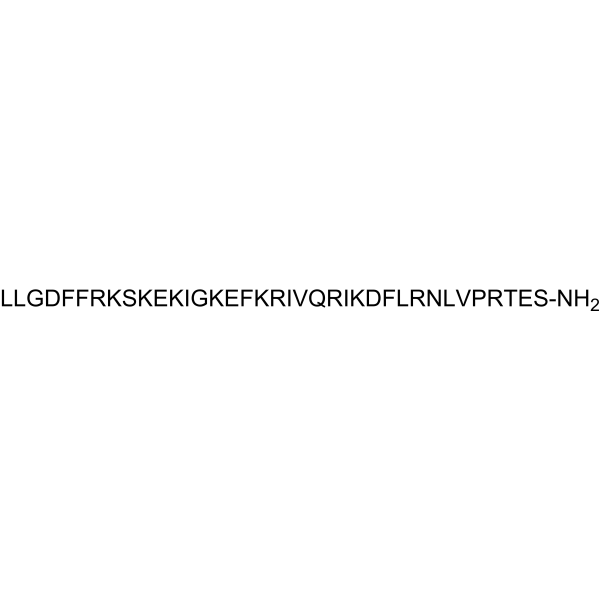
    KLA peptide is a naturally occurring Antibiotic peptide that is nontoxic outside of cells but is toxic when it enters into the interior of targeted cells. KLA peptide can induce cell Apoptosis by disrupting mitochondrial membranes and activating Caspase. MG1-KLA, formed by the coupling of KLA peptide with MG1, can selectively induce apoptosis in pro-inflammatory microglia. KLA peptide can be used for the research of liver fibrosis. KLA peptide can be used for the research of neonatal hypoxic-ischemic encephalopathy.
    KLA peptide
  • HY-W392026

    PHMGH

    Antibiotic Bacterial Fungal Infection
    Polyhexamethyleneguanidine (PHMGH) hydrochloride is a positively charged polymer with broad-spectrum antimicrobial activity. It exerts its antibacterial effects by binding to the cell membranes of bacteria and fungi, disrupting membrane integrity. Polyhexamethyleneguanidine hydrochloride can be applied in studies related to disinfection, water treatment, pesticides, and other fields [2]
    Polyhexamethyleneguanidine hydrochloride
  • HY-163462

    Fungal Infection
    Poacic Acid is a plant-derived stilbenoid with an antifungal activity. Poacic Acid localizes to the yeast cell wall and disrupts the production and assembly of β-1,3-glucan in the fungal cell walls. Poacic Acid exhibits fungicidal activity to Saccharomyces cerevisiae and plasma membrane-compromised Candida albicans mutants .
    Poacic acid
  • HY-126222

    Apoptosis Mitochondrial Metabolism Cancer
    MitoTam bromide, hydrobromide, a Tamoxifen derivative , is an electron transport chain (ETC) inhibitor. MitoTam bromide, hydrobromide reduces mitochondrial membrane potential in senescent cells and affects mitochondrial morphology . MitoTam bromide, hydrobromide is an effective anticancer agent, suppresses respiratory complexes (CI-respiration) and disrupts respiratory supercomplexes (SCs) formation in breast cancer cells .
    MitoTam bromide, hydrobromide
  • HY-103658

    Miramistin

    Bacterial Infection
    Myramistin (Miramistin) is an antibacterial agent targeting bacterial cell membrane. Myramistin can bind to the negatively charged surface of bacteria through its cationic properties, disrupt the integrity of the bacterial cell membrane, inhibit bacterial metabolism and growth, and induce cell death, thus exerting antibacterial activity .
    Myramistin
  • HY-P5640

    Bacterial Parasite Infection
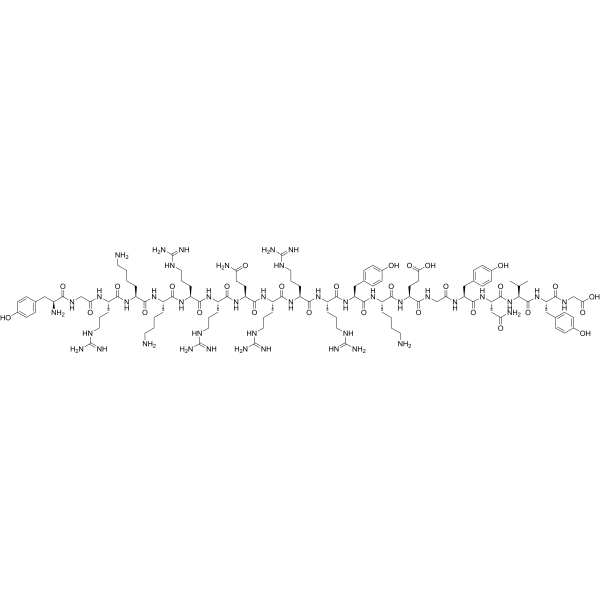
    Tritrpticin is a porcine-derived antimicrobial peptide with properties such as membrane disruption and hemolysis. Tritrpticin disrupts the cell membranes of bacteria, fungi and Jurkat T cell leukemia cells and induces their death. Tritrpticin also enhances the efficacy of Metronidazole (HY-B0318) against *Trichomonas vaginalis*, reduces plasma endotoxin and inflammatory cytokine levels, restricts bacterial growth in blood and visceral tissues, decreases the mortality rate of septic shock in rats and enhances the therapeutic effect of ertapenem. Tritrpticin exhibits selective cytotoxicity against Jurkat T cell leukemia cells, while showing low toxicity to normal peripheral blood mononuclear cells and red blood cells, and can serve as a template for antimicrobial peptide design. Tritrpticin can be applied to research related to bacterial infections, fungal infections, trichomoniasis, septic shock and leukemia .
    Tritrpticin
  • HY-N8015S

    Isotope-Labeled Compounds Bacterial Endogenous Metabolite Fungal Infection Cancer
    Octanal-d16 is the deuterium labeled Octanal. Octanal is a fragrant aldehyde with antioxidant and antibacterial activity. Its antifungal effect against G. citri-aurantii may be related to the disruption of cell membrane integrity and the leakage of cellular components. Additionally, Octanal exhibits cytotoxicity towards HeLa cells, with an IC50 value of 3.5 μg/mL .
    Octanal-d16
  • HY-129197

    Environmental Pollutants Bacterial Infection
    Stearyldiethanolamine is a typical amine-based surfactant used in development for antibacterial freshness-keeping film or antibacterial nonwoven fabric. Stearyldiethanolamine can be used as a collector towards the surfaces of quartz and malachite, to recover efficiently malachite from quartz. Stearyldiethanolamine can disrupt bacterial cell membrane with the alkyl chain, leading to irreversible damage and cell death .
    Stearyldiethanolamine
  • HY-P10696

    Bacterial Infection
    C16G2 is a specific targeted antimicrobial peptide (STAMP) that targets the cariogenic oral pathogen Streptococcus mutans. C16G2 specifically recognizes and disrupts the bacterial cell membrane, causing small molecule leakage and loss of membrane potential, leading to bacterial killing. C16G2 exhibits higher selectivity and efficacy against Streptococcus mutans, unlike broad-spectrum antimicrobial peptides .
    C16G2
  • HY-135745

    Environmental Pollutants Herbicide Others
    Sulfentrazone is a phenyl triazolinone herbicide used for control of certain broadleaf and grass weed species. Sulfentrazone inhibits protoporphyrinogen oxidase, resulting in the disruption of lipid cell membranes .
    Sulfentrazone
  • HY-N16375

    Drug Metabolite Fungal ATP Synthase Infection
    (3R,6S)-Bassiatin (Compound 5) is an enantiomer of the fungal metabolite Bassiatin (HY-165143). Bassianin is a compound isolated from fungi that has the activity of inhibiting erythrocyte membrane ATPase and causing cell lysis. Its inhibitory effect on ATPase may be due to membrane disruption .
    (3R,6S)-Bassiatin
  • HY-P10519

    Bacterial Reactive Oxygen Species (ROS) Infection
    Brevicidine is an antimicrobial peptide with selective bactericidal activity against Gram-negative pathogens. Brevicidine disrupts bacterial morphology by binding to lipopolysaccharide (LPS) on the bacterial cell membrane to form pores. Brevicidine causes dissipation of intracellular proton motive force, outer membrane damage, inhibition of ATP biosynthesis and reactive oxygen species accumulation in bacterial cells. As a sensitizer, Brevicidine exerts synergistic activity when combined with a variety of conventional antibiotics .
    Brevicidine
  • HY-P3350

    Bacterial Infection
    LS-BF1 is a stable and low toxic cationic antimicrobial peptide. LS-BF1 displays broad spectrum of antibacterial activity, including the challenging ESKAPE pathogens, by cell membrane disruptive mechanism. LS-BF1 shows good in vivo efficacy for elimination of bacteria in a mouse infection model[1].
    LS-BF1
  • HY-P5286

    Bacterial Infection Cancer
    BMAP-27 is an antimicrobial peptide capable of disrupting the membrane integrity of microorganisms. Due to its membrane permeability, MAP-27 has inhibitory activity against both bacteria and cancer cells .
    BMAP-27
  • HY-171796

    Fungal Infection
    Bromomonilicin is a selective fungal cell membrane inhibitor. Bromomonilicin exerts antifungal activity by disrupting fungal cell membrane integrity. Bromomonilicin is promising for research of plant pathogenic fungal infections (e.g., Monilinia fructicola-induced brown rot) and superficial mycoses (e.g., dermatophyte infections) .
    Bromomonilicin
  • HY-105088A

    MSI 78

    Bacterial Infection
    Pexiganan (MSI 78) acetate is an orally active antimicrobial peptide with broad-spectrum bactericidal. Pexiganan TFA disrupts bacterial cell membranes, induces peptidoglycan damage and cell lysis. Pexiganan acetate can be used for the research of bacterial infection .
    Pexiganan acetate
  • HY-B0221R

    Reference Standards Fungal Antibiotic Bacterial Parasite Infection Cancer
    Amphotericin B (Standard) is the analytical standard of Amphotericin B. This product is intended for research and analytical applications. Amphotericin B is a polyene antifungal agent against a wide variety of fungal pathogens. It binds irreversibly to ergosterol, resulting in disruption of membrane integrity and ultimately cell death.
    Amphotericin B (Standard)
  • HY-B0572R

    Reference Standards Cuproptosis Proton Pump Bacterial Fungal Infection Metabolic Disease
    Zinc Pyrithione (Standard) is the analytical standard of Zinc Pyrithione. This product is intended for research and analytical applications. Zinc Pyrithione is an antifungal and antibacterial agent disrupting membrane transport by blocking the proton pump . Zinc Pyrithione is also a copper ionophore that delivers copper into cells and is a useful tool for studying cuproptosis .
    Zinc Pyrithione (Standard)
  • HY-P10696A

    Bacterial Infection
    C16G2 TFA is a specific targeted antimicrobial peptide (STAMP) that targets the cariogenic oral pathogen Streptococcus mutans. C16G2 TFA specifically recognizes and disrupts the bacterial cell membrane, causing small molecule leakage and loss of membrane potential, leading to bacterial killing. C16G2 TFA exhibits higher selectivity and efficacy against Streptococcus mutans, unlike broad-spectrum antimicrobial peptides .
    C16G2 TFA
  • HY-171184

    PARP Bcr-Abl Apoptosis Mitosis Cancer
    EAPB0503 is a quinoline compound with anti-tumor activity, showing strong cytotoxicity against melanoma cells in vitro (IC50=200 nM). EAPB0503 can induce specific cell cycle arrest in mitosis of CML cells and directly activate apoptosis, leading to an increase in the G0 cell population, disruption of mitochondrial membrane potential, PARP cleavage, and DNA fragmentation. EAPB0503 also reduces the levels of BCR-ABL protein .
    EAPB0503
  • HY-177849

    Amphotericin B liposome

    Liposome Fungal Antibiotic Infection
    Liposomal Amphotericin B is a liposome-encapsulated form of Amphotericin B (HY-B0221). Amphotericin B is a polyene antifungal agent against a wide variety of fungal pathogens. Amphotericin B binds irreversibly to ergosterol, resulting in disruption of membrane integrity and ultimately cell death. Liposomal Amphotericin B can significantly reduce the toxicity of Amphotericin B.
    Liposomal Amphotericin B
  • HY-P10556

    Bacterial Infection
    (KFF)3K is a cell penetrating peptide that can promote the absorption of other antibiotics by disrupting the outer membrane of bacteria. (KFF)3K can be introduced into a hydrocarbon scaffold to induce its antibacterial properties, making it an effective antimicrobial peptide. (KFF)3K can be used in the development of new antimicrobial agents .
    (KFF)3K
  • HY-162488

    Fungal Infection
    Laccase-IN-3 (Compound 2b) is a laccase inhibitor (IC50 = 1.02= μM) with significant antifungal activity. Laccase-IN-3 shows superior inhibitory effect on Botryosphaeria dothidea (EC50 = 0.17 mg/L). Laccase-IN-3 effectively blocks the catalytic function of laccase by binding to its active center. Laccase-IN-3 also disrupts pathogen cell membrane integrity and increases ROS .
    Laccase-IN-3
  • HY-165143

    Fungal Others
    Bassianin is a compound isolated from fungi that has the activity of inhibiting erythrocyte membrane ATPase and causing cell lysis. Its inhibitory effect on ATPase may be due to membrane disruption.
    Bassianin
  • HY-162687

    Fungal Infection
    Antibacterial agent 232 (compound Y41) is a potent antibacterial agent. Antibacterial agent 232 disrupts the cell membrane integrity by inducing cell peroxidation .
    Antibacterial agent 232
  • HY-P991273

    Antibiotic Bacterial Infection
    MP196 is a cationic hexapeptide antibiotic targeting the bacterial cytoplasmic membrane, which exerts rapid bactericidal activity by disrupting membrane integrity, inhibiting cell respiration and cell wall synthesis. MP196 is promising for research of drug-resistant bacterial infections .
    MP196
  • HY-169202

    Fungal Infection
    Antifungal agent 118 (compund C22) inhibits the hyphal growth of V. mali by inducing oxidative damage and disrupting the integrity of the cell membrane .
    Antifungal agent 118
  • HY-135254

    CP-46665-1

    PKC Cancer
    CP-46665 dihydrochloride is an anticancer agent that inhibits the incorporation of tritiated thymidine into leukemia cells and human solid tumor cells in vitro. It can lead to the loss of surface characteristics in tumor cells and disrupt cell membranes, inhibiting cell proliferation .
    CP-46665 dihydrochloride
  • HY-A0248C

    Antibiotic Bacterial Infection
    Polymyxin B2 Sulfate is a polypeptide antibiotic that has antibacterial activity, particularly against gram-negative bacteria. Polymyxin B2 Sulfate kills the bacteria by binding to lipopolysaccharide molecules on the bacterial cell membrane, disrupting the integrity of the cell membrane and causing the cell contents to leak. Polymyxin B2 Sulfate can be used in antibiotic development and treatment of drug-resistant strains .
    Polymyxin B2 Sulfate
  • HY-151284

    Bacterial Fungal Infection
    Antifungal agent 38 is a geterocyclic disulfide, an antifungal and antibacterial agent. Antifungal agent 38 induces the shrinkage of hyphae, disrupts the integrity of the plasma membrane, and causes the damage and leakage of cell contents .
    Antifungal agent 38
  • HY-149353

    Bacterial Infection
    Antibacterial agent 145 (compound 1b) is an antibacterial agent depending on bacterial iron uptake pathway. Antibacterial agent 145 disrupts cytoplasmic membrane integrity and inhibits cell metabolism but exhibits low cytotoxic effects to normal cells .
    Antibacterial agent 145
  • HY-173238

    Bacterial Reactive Oxygen Species (ROS) Infection
    Antibacterial Agent 273 (Compound 15e) is a membrane-targeting antimicrobial agent that disrupts bacterial cell membranes, exhibiting a MIC of 4 μg/mL against Staphylococcus aureus. By compromising membrane integrity, it induces leakage of intracellular nucleic acids and proteins, suppresses bacterial metabolic activity, and triggers the accumulation of reactive oxygen species (ROS). Antibacterial Agent 273 is suitable for research on infections caused by Staphylococcus aureus .
    Antibacterial agent 273
  • HY-155279

    Fungal Infection
    Antifungal agent 73 (compound A32) is an antifungal agent for azole-resistant candidiasis. Antifungal agent 73 disrupts the fungal cell wall and cell membrane. Antifungal agent 73 shows potent in vivo antifungal activity against pathogenic fungi and fluconazole-resistant strains .
    Antifungal agent 73

Inquiry Online

Your information is safe with us. * Required Fields.

Salutation


Country or Region *

Applicant Name *


Organization Name *

Department *


Email Address *


Product Name *

Cat. No.


Requested quantity *

Phone Number *


Remarks

Inquiry Online

Inquiry Information

Product Name:
Cat. No.:
Quantity:
MCE Japan Authorized Agent:

