109 Results for "

Cryptococcus neoformans (CGMCC2.3161)

" in MedChemExpress (MCE) Product Catalog:
Products (109)

109 Results for "Cryptococcus neoformans (CGMCC2.3161)" in MCE Product Catalog:

6
6 Publications Verification
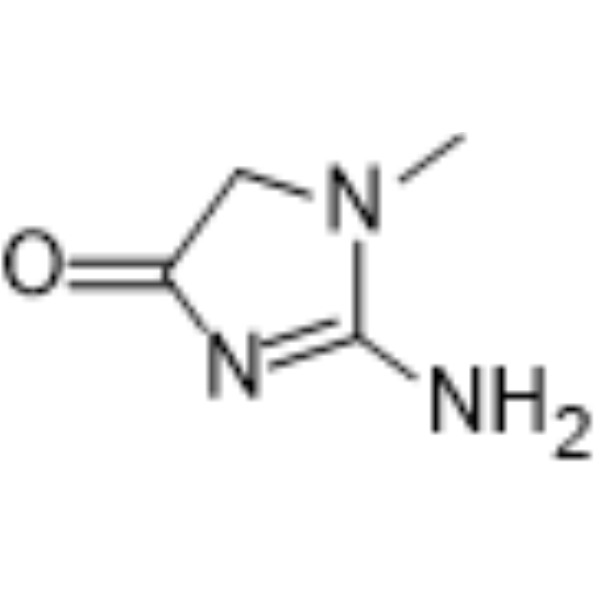
Cat. No.: HY-B0504
CAS No.: 60-27-5
Synonyms: NSC13123
Creatinine (NSC13123) is an orally active, blood-brain barrier-permeable modulator of GABAA and NMDA receptors, with activities of antioxidation and metabolic regulation. Creatinine is generated via non-enzymatic conversion of creatine and phosphocreatine in muscle. Creatinine serum levels correlate with muscle mass, glomerular filtration rate, and extrarenal clearance, serving as an evaluation biomarker for renal function, muscle mass, and clinical outcomes, and used for perioperative renal risk assessment. In addition, Creatinine can induce specific Cryptococcus species to produce creatinine deiminase and act as their nitrogen source, while it can be secreted via renal tubules. Creatinine is widely used in research related to various diseases such as neurodegenerative diseases, psychiatric disorders, acute kidney injury, chronic kidney disease, and renal failure .
loading...
    loading...
5
5 Cited Publications
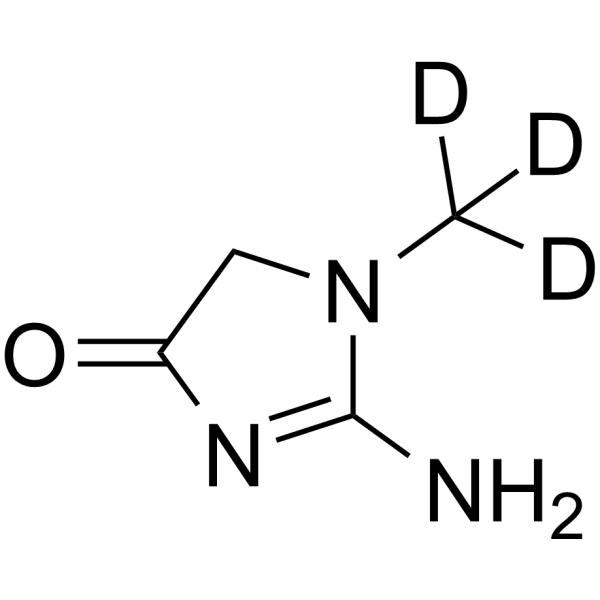
Cat. No.: HY-B0504S
CAS No.: 143827-20-7
Synonyms: NSC13123-d3
Creatinine-d3 is a deuterium labeled Creatinine. Creatinine (NSC13123) is an orally active, blood-brain barrier-permeable modulator of GABAA and NMDA receptors, with activities of antioxidation and metabolic regulation. Creatinine is generated via non-enzymatic conversion of creatine and phosphocreatine in muscle. Creatinine serum levels correlate with muscle mass, glomerular filtration rate, and extrarenal clearance, serving as an evaluation biomarker for renal function, muscle mass, and clinical outcomes, and used for perioperative renal risk assessment. In addition, Creatinine can induce specific Cryptococcus species to produce creatinine deiminase and act as their nitrogen source, while it can be secreted via renal tubules. Creatinine is widely used in research related to various diseases such as neurodegenerative diseases, psychiatric disorders, acute kidney injury, chronic kidney disease, and renal failure .
loading...
    loading...
2
2 Cited Publications
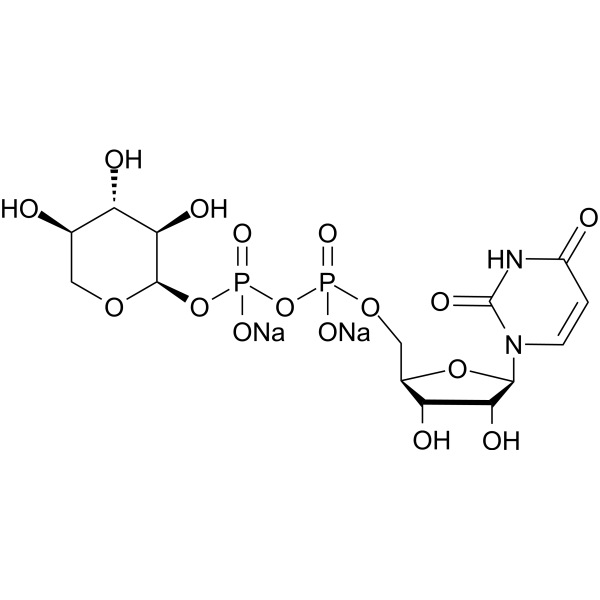
Cat. No.: HY-N11287A
CAS No.: 108320-89-4
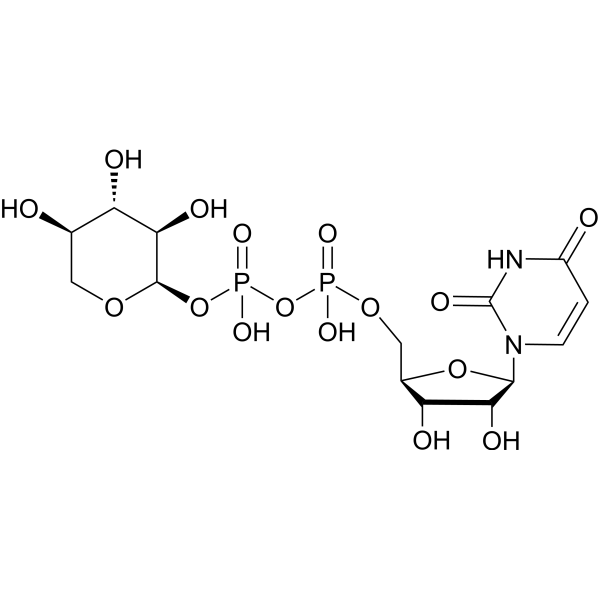
UDP-xylose disodium is an endogenous sugar nucleotide and a catalytic substrate of UDP-xylose disodium synthase (UXS). UDP-xylose disodium is a sugar donor for the synthesis of glycoproteins, polysaccharides, various metabolites and oligosaccharides in plants, vertebrates and fungi, and participates in the synthesis of proteoglycans as a glycosyl donor. UDP-xylose disodium participates in the regulation of the synthesis of extracellular matrix components and can be used to study the mechanism of proteoglycan biosynthesis in glycobiology and related diseases (such as connective tissue diseases)[1][2].
loading...
    loading...
2
2 Cited Publications
Cat. No.: HY-P990228
Anti-Mouse IL-10R/CD210 Antibody (1B1.3A) is a rat-derived IgG1 κ type antibody inhibitor, targeting to mouse IL-10R/CD210. Anti-Mouse IL-10R/CD210 Antibody (1B1.3A) blocks IL-10R signaling. Anti-Mouse IL-10R/CD210 Antibody (1B1.3A) can be used for the researches of cancer, infection and metabolic disease, such as diabetes and malaria .
loading...
    loading...
1
1 Cited Publications
Cat. No.: HY-N8537
CAS No.: 260979-95-1
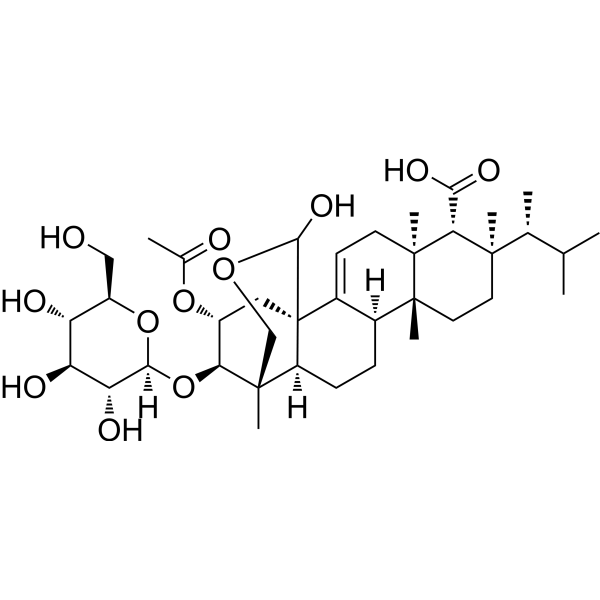
Enfumafungin, a triterpene glycoside, is isolated from extracts derived from fungus Hormonema carpetanum. Enfumafungin is an antifungal compound that is acting on the fungal cell wall, as the (1,3)-beta-D-glucan synthase inhibitor. Enfumafungin is specific for yeasts and fungi (excluding Cryptococcus) and does not inhibit the growth of Bacillus subtilis .
loading...
    loading...
Cat. No.: HY-113205
CAS No.: 26441-05-4
Purity:  ≥99.0%
Synonyms: 15-keto-PGE2
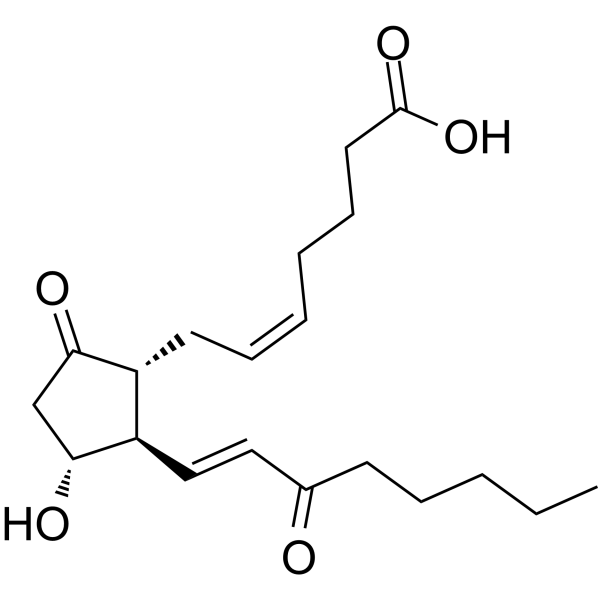
15-keto-Prostaglandin E2 (15-keto-PGE2) is an endogenous PGE2 metabolite. 15-keto-Prostaglandin E2 inhibits STAT3 activation by binding to the Cys259 residue of STAT3. 15-keto-Prostaglandin E2 binds to and stabilizes EP2 and EP4 receptors. 15-keto-Prostaglandin E2 inhibits the growth and progression of breast cancer cells. 15-keto-Prostaglandin E2 activates PPAR-γ and promotes fungal growth. 15-keto-Prostaglandin E2 disrupts glomerular vascularization during zebrafish development and reduces the surface area of the glomerular filtration barrier .
loading...
    loading...
Cat. No.: HY-114220
CAS No.: 873546-31-7
Purity:  98.41%
Research Areas:  

Infection

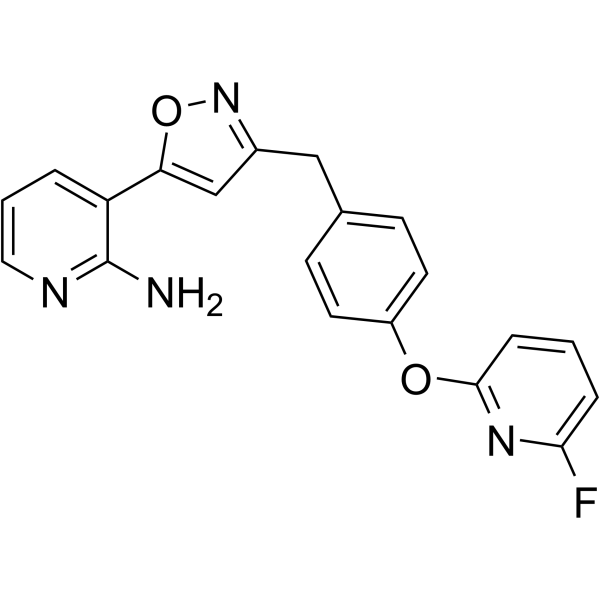
T-2307 is an antifungal agent with blood-brain barrier penetration. T-2307 exhibits broad-spectrum antifungal activity against Candida species, including echinocandin-resistant strains, Cryptococcus neoformans, Cryptococcus gattii, and some Aspergillus species. T-2307 selectively targets fungal mitochondrial respiratory chain complexes III and IV, causing collapse of the fungal mitochondrial membrane potential and exerting fungicidal or fungistatic effects. T-2307 can be used in research related to fungal infections such as invasive candidiasis, cryptococcosis, and aspergillosis .
loading...
    loading...
Cat. No.: HY-147110
CAS No.: 2342606-49-7
Purity:  98.12%
Target:  

Fungal

Research Areas:  

Infection Inflammation/Immunology

APX2039 is a brain-penetrant and orally active Gwt1 protein inhibitor. APX2039 inhibits an early step in fungal glycosylphosphatidylinositol anchor biosynthesis. APX2039 can be used for the research of cryptococcal meningitis and invasive mycosis caused by Talaromyces marneffei .
loading...
    loading...
Cat. No.: HY-N11287
CAS No.: 3616-06-6
UDP-xylose is an endogenous sugar nucleotide and a catalytic substrate of UDP-xylose synthase (UXS). UDP-xylose is a sugar donor for the synthesis of glycoproteins, polysaccharides, various metabolites and oligosaccharides in plants, vertebrates and fungi, and participates in the synthesis of proteoglycans as a glycosyl donor. UDP-xylose participates in the regulation of the synthesis of extracellular matrix components and can be used to study the mechanism of proteoglycan biosynthesis in glycobiology and related diseases (such as connective tissue diseases)[1][2].
loading...
    loading...
Cat. No.: HY-126396
CAS No.: 463356-00-5
Purity:  ≥99.0%
Target:  

Antibiotic CaMK Fungal

Research Areas:  

Infection

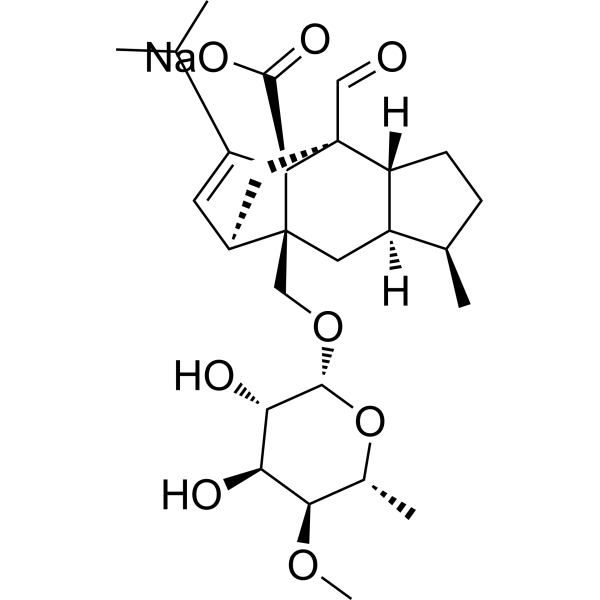
Sordarin sodium is an eEF2 inhibitor and antibiotic. Sordarin sodium's function is dependent on the diphthamide modification on eEF2. Sordarin sodium inhibits protein synthesis by preventing the binding of eEF2 to the ribosome complex. Sordarin sodium has antifungal activity .
loading...
    loading...
Cat. No.: HY-109040
CAS No.: 1340593-70-5
Purity:  98.98%
Synonyms: VT-1129
Target:  

Fungal Cytochrome P450

Research Areas:  

Infection Inflammation/Immunology

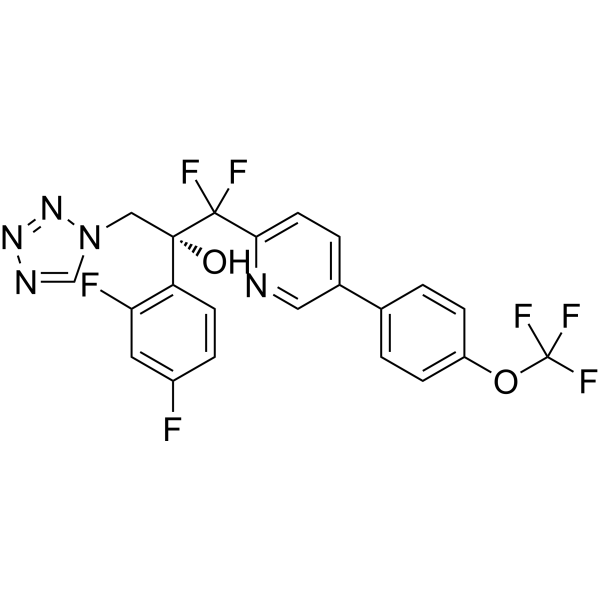
Quilseconazole (VT-1129) is an orally active, highly selective fungal cytochrome P450 enzyme Cyp51 inhibitor that can cross the blood-brain barrier. Quilseconazole prevents the synthesis of ergosterol, an important component of the fungal cell membrane, by inhibiting Cyp51. Quilseconazole has minimal effects on human CYP enzymes. Quilseconazole has antifungal activity and can be used in the study of cryptococcal meningitis and other diseases .
loading...
    loading...
Cat. No.: HY-133157
CAS No.: 13018-54-7
Purity:  85.00%
Synonyms: 5-Formamidoimidazole-4-carboxamide ribotide
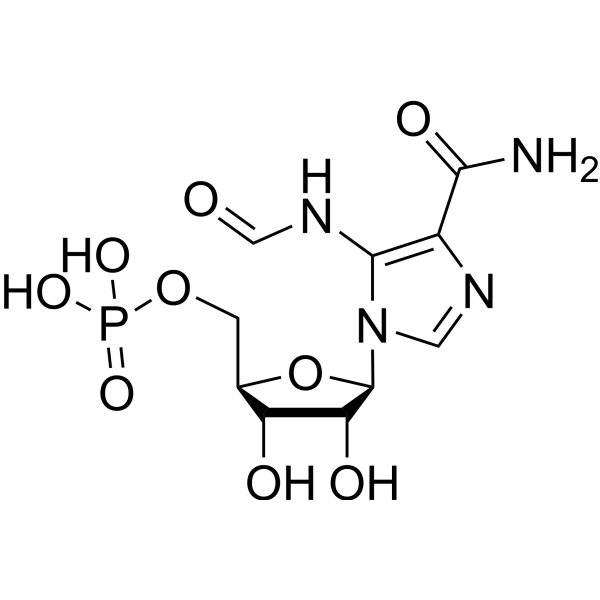
FAICAR (5-Formamidoimidazole-4-carboxamide ribotide) is a purine nucleotide and the IMP cyclohydrolase substrate of Cryptococcus neoformans ATIC. It is a key intermediate in the de novo purine synthesis pathway. FAICAR can be used in studies related to Cryptococcus neoformans infection .
loading...
    loading...
Cat. No.: HY-N2198
CAS No.: 22136-74-9
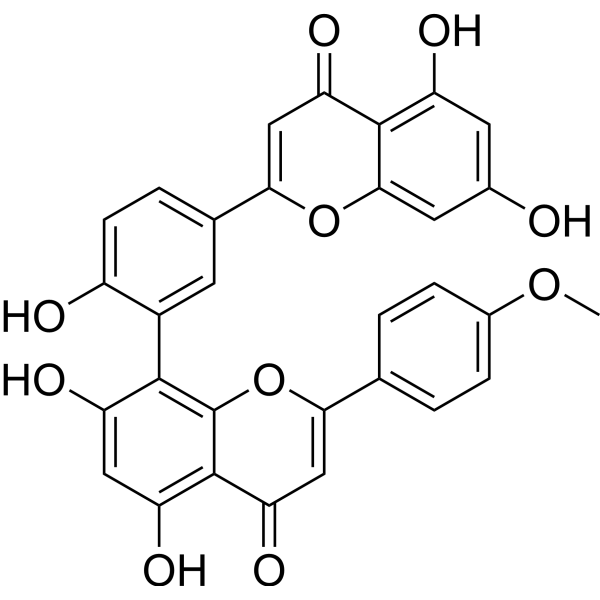
Podocarpusflavone A is a biflavonoid present in the leaves of Podocarpus henkelii, with anti-tumor, topoisomerase I inhibitory, antibacterial and antifungal activities. Podocarpusflavone A exhibits antibacterial activity against Enterococcus faecalis and Pseudomonas aeruginosa. Podocarpusflavone A shows weak activity against fungal pathogens. Podocarpusflavone A targets topoisomerase I and induces cell cycle arrest and apoptosis in MCF-7 cells. Podocarpusflavone A can be used for studies on cancer, bacterial and fungal infections .
loading...
    loading...
Cat. No.: HY-N7626
CAS No.: 480-00-2
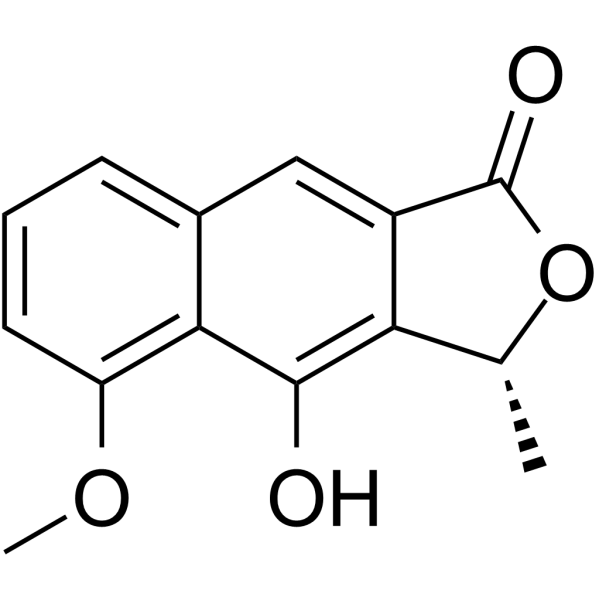
Eleutherol is a naphthalene isolated from E. americana with antifungal activities . Eleutherol is against yeasts Candida albicans, C. tropicalis, Saccharomyces cerevisiae and Cryptococcus neoformans with MIC values between 7.8 µg/mL and 250 µg/mL . Eleutherol inhibits α-glucosidase function with an IC50>1.00 mM .
loading...
    loading...
Cat. No.: HY-N1433
CAS No.: 1802-12-6
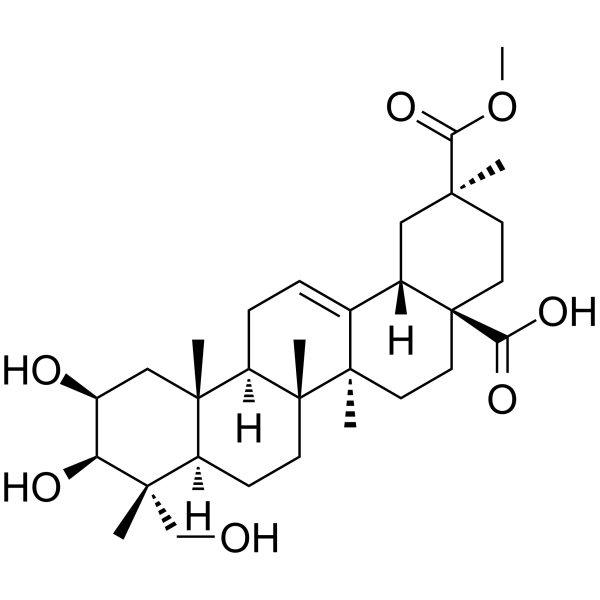
Phytolaccagenin is a triterpenoid saponin aglycone, Antifungal agent, vasodilator, antihypertensive agent, and anti-inflammatory agent. Phytolaccagenin activates vascular and cardiac Muscarinic receptors, blocks cardiac β-adrenergic receptors, and inhibits voltage-dependent calcium channels in blood vessels. Phytolaccagenin inhibits the growth of Candida albicans and Cryptococcus neoformans. Phytolaccagenin induces vasodilation, produces negative inotropic and negative chronotropic effects, reduces mean arterial pressure, and inhibits LPS-induced inflammation. Phytolaccagenin exhibits enhanced antihypertensive effects in high salt-induced hypertensive rats. Phytolaccagenin can be used in the research of candidiasis, cryptococcosis, hypertension, and inflammation-related diseases .
loading...
    loading...
Cat. No.: HY-N8540
CAS No.: 12689-26-8
Ilicicolin H is a selective and non-ATP-competitive phosphoglycerate kinase 1 (PGK1) (IC50 = 9.02 μM) and mitochondrial cytochrome bc1 reductase (IC50 = 2-3 ng/mL) inhibitor. Ilicicolin H directly binds to PGK1 with KD of 60 μM .Ilicicolin H can inhibit cell proliferation and induce apoptosis. Ilicicolin H can inhibit the lactate production and glucose uptake of hepatocellular carcinoma (HCC) cells. Ilicicolin H has a broad antifungal spectrum including C. albicans, Cryptococcus and A. fumigatus. Ilicicolin H can be used for the researches of cancer and infection, such as hepatocellular carcinoma (HCC) and C. albicans infection .
loading...
    loading...
Cat. No.: HY-136153
CAS No.: 136135-57-4
Target:  

Fungal

Research Areas:  

Infection

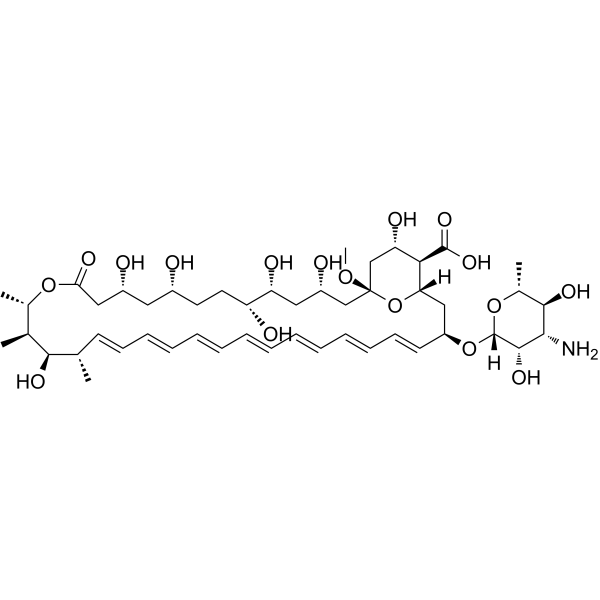
Amphotericin X1 is an 13-O-methyl derivative of Amphotericin B with good antifungal activity. Amphotericin X1 inhibits Candida albicans 33/079, C.parapsilosis 937A, Cryptococcus neoformans 451, Aspergillus niger 57A and A.fumigatus with MIC values of 1 μg/mL, 8 μg/mL, 1 μg/mL, 2 μg/mL and 2 μg/mL, respectively .
loading...
    loading...
Cat. No.: HY-170616
CAS No.: 3062848-75-0
JH-FK-08 is an inhibitor for the serine/threonine-specific phosphatase calcineurin. JH-FK-08 exhibits antifungal activity that inhibits C. neoformans with MIC80 of 0.8 µg/mL. JH-FK-08 exhibits immunosuppressive activity and inhibits the IL-2 expression with an IC50 of 42.6 nM. JH-FK-08 exhibits anti-infectious activity in mouse models .
loading...
    loading...
Cat. No.: HY-153410
CAS No.: 1414861-21-4
Target:  

Fungal

Research Areas:  

Infection

Antifungal agent 49 (Example 112) is an antifungal agent. Antifungal agent 49 is active against Cryptococcus neoformans with a MIC value of 49 μM .
loading...
    loading...
Cat. No.: HY-P2450
CAS No.: 76600-38-9
Synonyms: Antibiotic P168
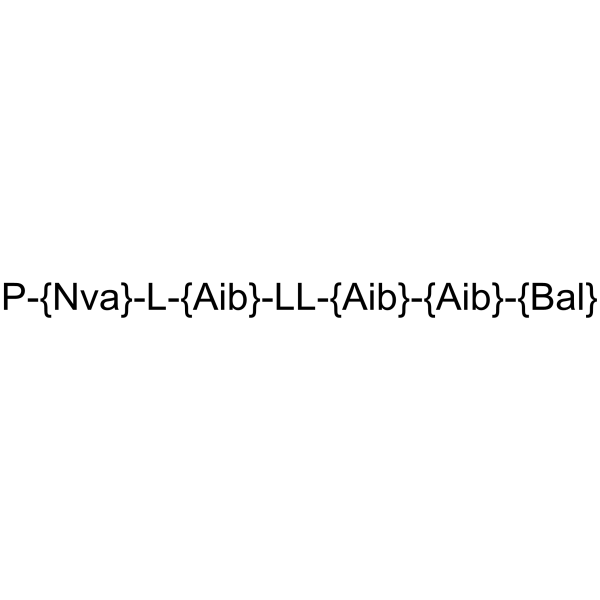
Leucinostatin A (Antibiotic P168) is a nonapeptide exerting a remarkable activity especially against Candida albicans and Cryptococcus neoformans. Leucinostatin A is a hydrophobic nonapeptide antibiotic. Leucinostatin A inhibits prostate cancer growth through reduction of insulin-like growth factor-I expression in prostate stromal cells. Antiprotozoal activies .
loading...
    loading...

