Search Result
Results for "
DOX
" in MedChemExpress (MCE) Product Catalog:
1
Biochemical Assay Reagents
2
Isotope-Labeled Compounds
| Cat. No. |
Product Name |
Target |
Research Areas |
Chemical Structure |
-
- HY-100489
-
TBHQ
Maximum Cited Publications
122 Publications Verification
tert-Butylhydroquinone
|
Environmental Pollutants
Keap1-Nrf2
ERK
Autophagy
Apoptosis
Ferroptosis
|
Cancer
|
|
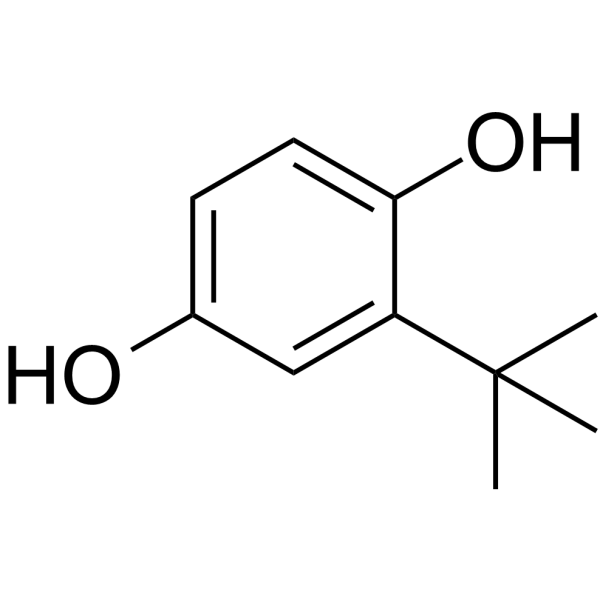
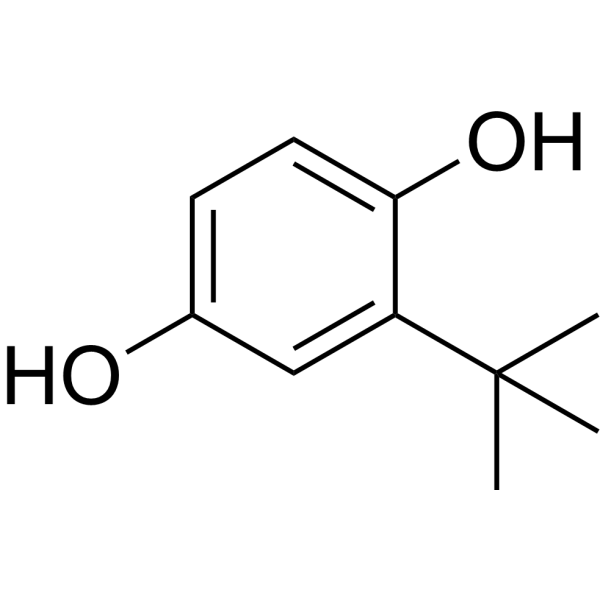
TBHQ (tert-Butylhydroquinone) is a widely used Nrf2 activator, protects against Doxorubicin (DOX)-induced cardiotoxicity through activation of Nrf2 . TBHQ (tert-Butylhydroquinone) is also an ERK activator; rescues Dehydrocorydaline (DHC)-induced cell proliferation inhibitionin melanoma .
|
-
-
- HY-B0006B
-
|
(S)-BM 14190
|
Adrenergic Receptor
|
Cardiovascular Disease
|
|
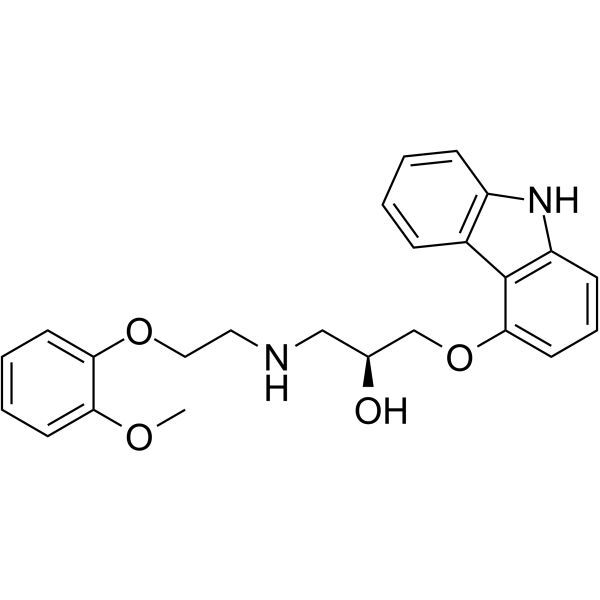
(S)-Carvedilol, the S-enantiomer of Carvedilol, is a non-selective β/α-1 blocker. (S)-Carvedilol exerts protection against the vascular or cardiac toxicity of Doxorubicin (DOX) .
|
-
-
- HY-N6635
-
|
|
Fungal
|
Infection
Cancer
|
|
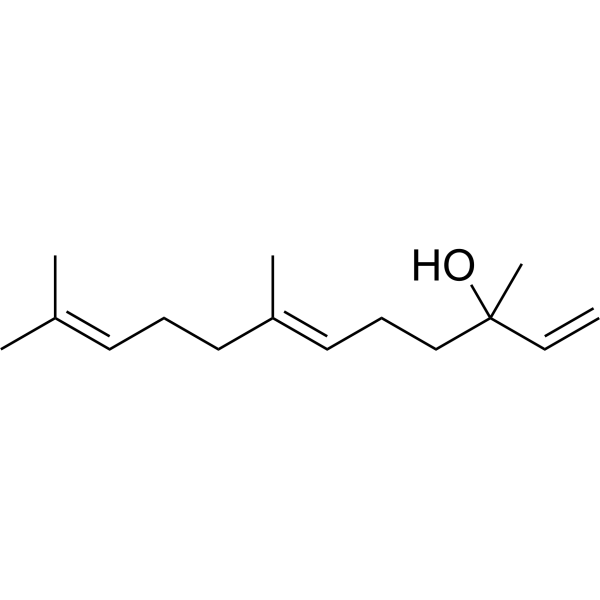
trans-Nerolidol improves the anti-proliferative effect of Doxorubicin (DOX) (HY-15142A) against intestinal cancer and breast cancer cells in vitro. trans-Nerolidol increases accumulation of DOX inside cells in vitro. trans-Nerolidol activates apoptosis in vivo .
|
-
-
- HY-N2591
-
|
|
Endogenous Metabolite
|
Cancer
|
|
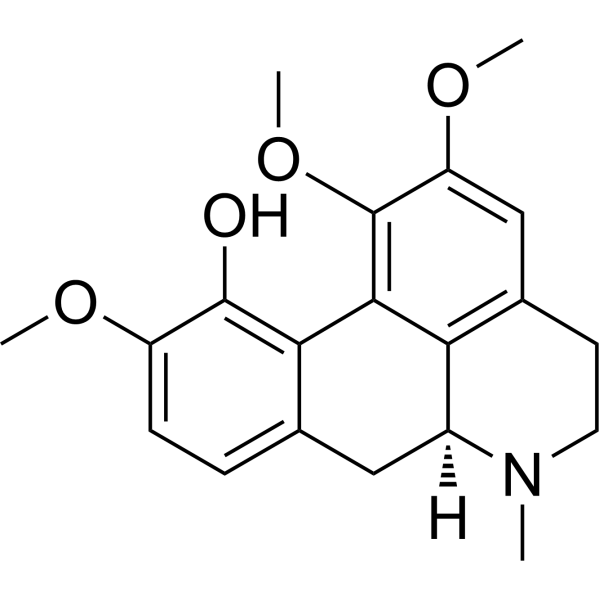
Isocorydine is isolated from Dicranostigma leptopodum (Maxim.) Fedde (DLF). Isocorydine combines with Doxorubicin (DOX) has a promising potential to eradicate hepatocellular carcinoma (HCC) .
|
-
-
- HY-150644
-
|
|
Aldose Reductase
|
Cancer
|
|
S07-2010 is a potent pan-AKR1C (aldo-keto reductase family 1 member C) inhibitor, with IC50 values of 0.19, 0.36, 0.47, and 0.73 μM for AKR1C3, AKR1C4, AKR1C1 and AKR1C2, respectively. S07-2010 induces apoptosis in A549/DDP cells. S07-2010 strengthens the cytotoxicity of chemotherapeutic agents in drug-resistant cells. S07-2010 significantly inhibits the proliferation of drug-resistant cells .
|
-
-
- HY-134599
-
|
|
Biochemical Assay Reagents
|
Cancer
|
|
(2E)-TCO-PNB ester is an active reaction substrate with the properties of trans-cyclooctene derivatives. The core chemical property of (2E)-TCO-PNB ester is its ability to undergo efficient inverse electron-demand Diels-Alder (IEDDA) cycloaddition with tetrazine groups. (2E)-TCO-PNB ester can be used in ligation reactions to verify the integrity of tetrazine groups, and also serves as a key synthetic raw material for the preparation of the prodrug TCO-DOX. (2E)-TCO-PNB ester is applied in research related to drug synthesis and bioorthogonal chemistry .
|
-
-
- HY-122182
-
|
|
Histone Methyltransferase
Apoptosis
|
Cancer
|
|
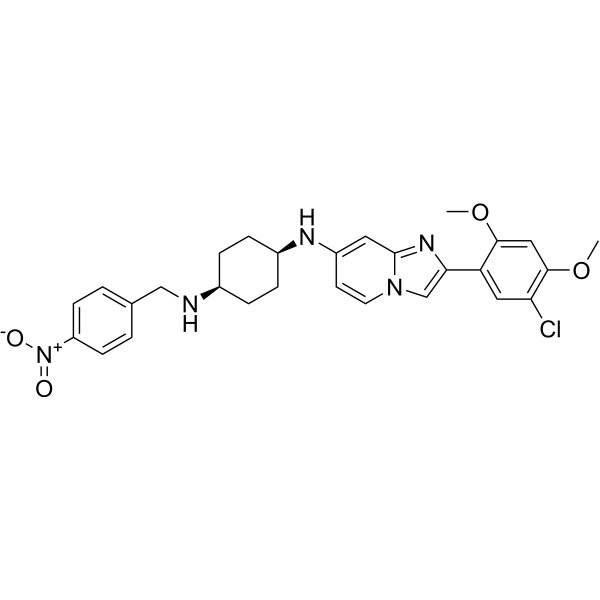
OTS193320, a imidazo[1,2-a]pyridine compound, is a SUV39H2 methyltransferase activity inhibitor. OTS193320 decreases global histone H3 lysine 9 tri-methylation levels in breast cancer cells and triggers apoptotic cell death. Combination of OTS193320 with Doxorubicin (HY-15142A) results in reduction of γ-H2AX levels as well as cancer cell viability compared to a single agent OTS193320 or DOX .
|
-
-
- HY-B0006C
-
|
(R)-BM 14190
|
Adrenergic Receptor
Calcium Channel
|
Cardiovascular Disease
Cancer
|
|
(R)-Carvedilol ((R)-BM 14190) is the orally active R-isomer of Carvedilol (HY-B0006). (R)-Carvedilol has α-receptor blocking activity but no β-receptor blocking activity. (R)-Carvedilol inhibits spontaneous Ca 2+ waves. (R)-Carvedilol inhibits stress-induced ventricular tachycardia and delays the development of UV-induced skin tumors and reduces their malignancy .
|
-
-
- HY-N6022
-
|
|
Others
|
Metabolic Disease
|
|
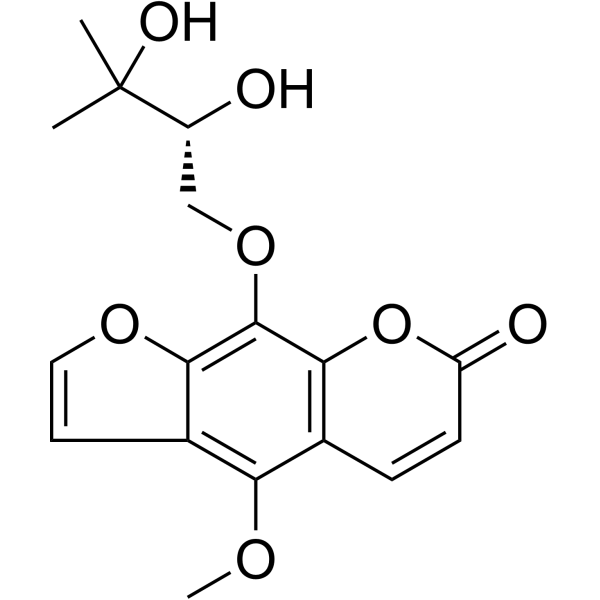
Byakangelicin, one of the active compounds found in the roots of Angelica gigas, can serve as a modulator to improve brain accumulation of diverse active compounds (Umb, Cur, and Dox) and enhance therapeutic effects . Byakangelicin is likely to increase the expression of all PXR target genes (such as MDR1) and induce a wide range of agent-agent interactions. Byakangelicin can inhibit the effects of sex hormones, it may increase the catabolism of endogenous hormones .
|
-
-
- HY-153797
-
-
-
- HY-160062
-
|
|
Mucin
|
Cancer
|
|
S2.2 aptamer sodium is a nucleic acid-based MUC1-binding aptamer with high affinity and low toxicity. Upon binding to its target, S2.2 aptamer sodium undergoes a conformational switch and restores fluorescence signal, serving as a targeted imaging agent for MUC1-positive cancer cells. S2.2 aptamer sodium enables targeted delivery to breast cancer cells with overexpressed MUC1. When formulated as the S2.2-PEG-MZF molecular probe, S2.2 aptamer sodium possesses the functions of T2 signal inhibition, magnetic field-induced hyperthermia and targeted magnetic resonance molecular imaging. In the S2.2-PEG-MZF/DOX nanoliposome, S2.2 aptamer sodium supports targeted thermochemotherapy, effectively inhibiting cancer cell proliferation and invasion as well as inducing apoptosis, and is widely used in studies related to breast cancer .
|
-
-
- HY-160774
-
|
|
Drug-Linker Conjugates for ADC
Topoisomerase
|
Cancer
|
|
Val-Cit-PABC-DOX (compound 10109), an epsilon-poly-L-lysine-based drug conjugate, is an agent-linker conjugate for ADC by using a DNA topoisomerase I and topoisomerase II inhibitor, Doxorubicin (HY-15142), linked via the linker, Val-Cit-PABC .
|
-
-
- HY-100489R
-
|
tert-Butylhydroquinone (Standard)
|
Reference Standards
Keap1-Nrf2
ERK
Autophagy
Apoptosis
Ferroptosis
|
Cancer
|
|
TBHQ (Standard) is the analytical standard of TBHQ. This product is intended for research and analytical applications. TBHQ (tert-Butylhydroquinone) is a widely used Nrf2 activator, protects against Doxorubicin (DOX)-induced cardiotoxicity through activation of Nrf2 . TBHQ (tert-Butylhydroquinone) is also an ERK activator; rescues Dehydrocorydaline (DHC)-induced cell proliferation inhibitionin melanoma .
|
-
-
- HY-110122
-
|
|
mGluR
|
Neurological Disease
|
|
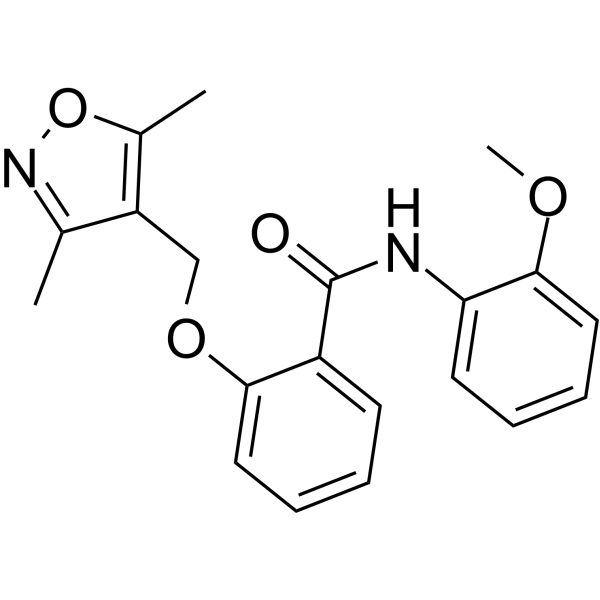
AZ 12216052 is a mGluR8 positive allosteric modulator, and helps mGluR8 modulate signaling inputing to retinal ganglion cells. AZ 12216052 exhibits antianxiety effect .
|
-
-
- HY-176869
-
|
|
Drug Derivative
|
Cancer
|
|
EMC-AANL-DOX is a legumain-activated prodrug conjugate of Doxorubicin (DOX) (HY-15142A). EMC-AANL-DOX shows antitumor activity in mouse models of neuroblastoma (NB), breast cancer (4T1), fibrosarcoma (HT1080), and colorectal cancer liver metastases (CT26). EMC-AANL-DOX can be used for cancer research .
|
-
-
- HY-158329
-
-
-
- HY-152188
-
|
|
Aldose Reductase
|
Cancer
|
|
AKR1C3-IN-9 is a selective inhibitor of Aldo-keto Reductase 1C3 (AKR1C3) with an IC50 value of 8.92 nM. AKR1C3-IN-9 significantly reverses the Doxorubicin (HY-15142A) (DOX) resistance in a resistant breast cancer cell line .
|
-
-
- HY-P11455A
-
|
|
Liposome
|
Others
|
|
Lipopeptide CPE4 TFA is a PEG-modified peptide E4 [(EIAALEK) 4]. Lipopeptide CPE4 TFA is capable of coiled-coil formation when attached to liposomes. Lipopeptide CPE4 TFA triggers membrane fusion between liposomes and living cells with concomitant efficient cytosolic delivery of a variety of compounds such as fluorescent dyes Propidium Iodide (PI) (HY-D0815) and TO-PRO-3 iodide (HY-117070), and Doxorubicin (DOX) (HY-15142A). Lipopeptide CPE4 TFA can be used for drug delivery research .
|
-
-
- HY-D2437
-
|
|
Fluorescent Dye
Antibiotic
|
Cardiovascular Disease
Cancer
|
|
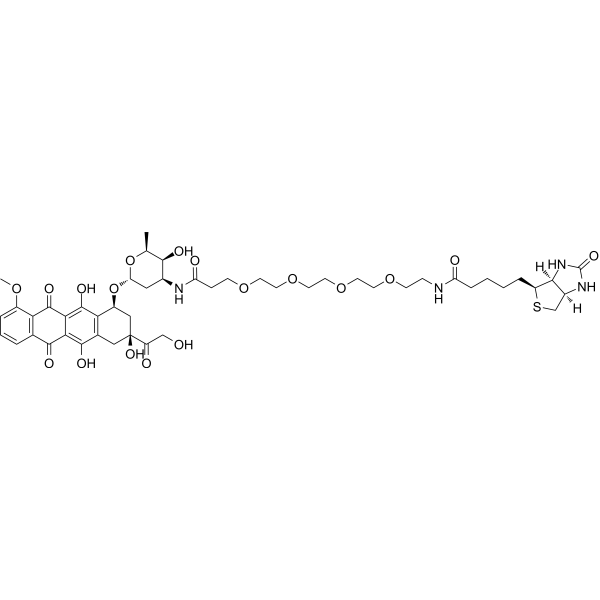
DOX-PEG-Cy3 (Doxorubicin-PEG-Cy3) is a Cy3 (HY-D0822) labeled DOX-PEG conjugate. The Cy3 fluorophore is commonly used in applications such as immunolabeling, nucleic acid labeling, fluorescence microscopy, and flow cytometry. Cy3 has an emission maximum around 562-570 nm. DOX is a broad-spectrum anthracycline antibiotic with cytotoxic properties .
|
-
-
- HY-P10760
-
|
|
Peptide-Drug Conjugates (PDCs)
|
Cancer
|
PhAc-ALGP-Dox, a peptide-drug conjugate, is a novel anticancer prodrug, with IC50 values ranged from 311 nM to 34.25 μM for TNBC (E0771), normal murine epithelium (HC-11), human TNBC (MDA-MB-231 and MDA-MB-468), human CrC (LS 174T), normal human epithelium (HME-1) cells .
|
-
-
- HY-155391
-
|
|
Carbonic Anhydrase
P-glycoprotein
Wnt
β-catenin
|
Cancer
|
|
hCA/Wnt/β-catenin-IN-1 (Compd 15) is an inhibitor of hCA (Ki: 33.6, 24.1, 6.8 nM for hCA II, hCA IX, hCA XII). hCA/Wnt/β-catenin-IN-1 reduces P-gp activity. hCA/Wnt/β-catenin-IN-1 also inhibits Wnt/β-catenin signaling pathway. hCA/Wnt/β-catenin-IN-1 inhibits cancer cell viability, including the NCI/ADR-RES DOX-resistant cell line .
|
-
-
- HY-125907
-
|
PROTAC Linker 34
|
PROTAC Linkers
|
Cancer
|
|
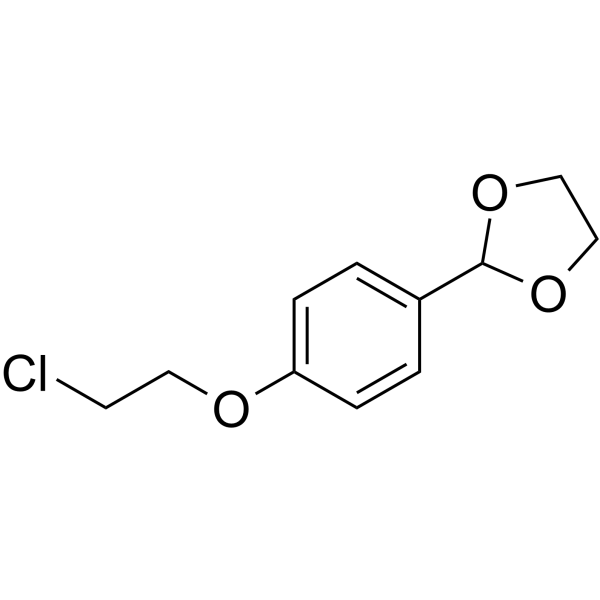
Dox-Ph-PEG1-Cl (PROTAC Linker 34) is a PEG-based PROTAC linker can be used in the synthesis of PROTACs .
|
-
-
- HY-N11638
-
|
|
Apoptosis
|
Cancer
|
|
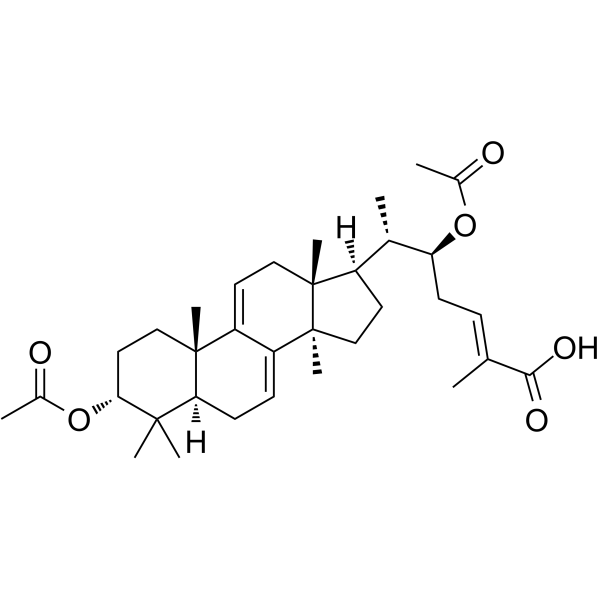
Ganoderic acid R is a potent anticancer agent. Ganoderic acid R inhibits the growth by inducing apoptosis on tumor cell line. Ganoderic acid R possesses significant cytotoxicity on a multidrug resistance (MDR) tumor cell line (KB-A-1/Dox) and a sensitive tumor cell line (KB-A-1) .
|
-
-
- HY-179247
-
|
|
Bcr-Abl
|
Cancer
|
|
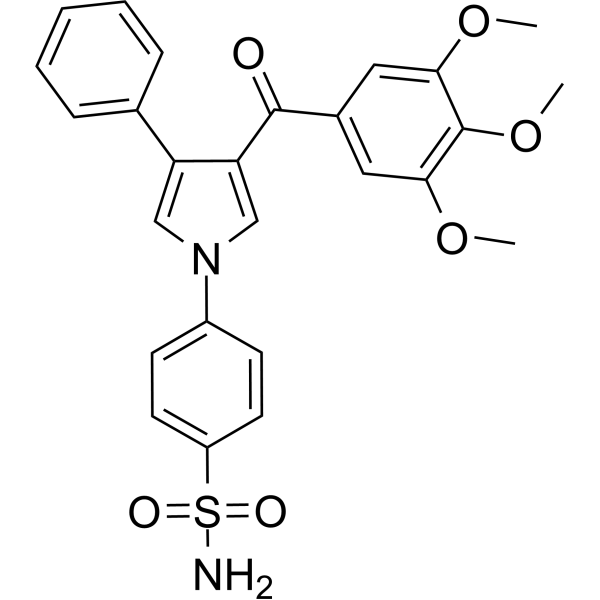
BCR-ABL1-IN-2 (compound 8) is a potent BCR-ABL1 tyrosine kinase inhibitor. BCR-ABL1-IN-2 exhibits activity in Imatinib (HY-15463) resistant K562/DOX cells with LC50 of 5.29 μM. BCR-ABL1-IN-2 shows no significant toxicity in nontumor cells. BCR-ABL1-IN-2 can be used for chronic myeloid leukemia research .
|
-
-
- HY-125807
-
|
|
G Protein-coupled Receptor Kinase (GRK)
Apoptosis
Reactive Oxygen Species (ROS)
Akt
p38 MAPK
|
Cardiovascular Disease
Cancer
|
|
IS20 is a Prokineticin receptor 1 (PKR1) agonist. IS20 diminishes Doxorubicin (HY-15142A) mediated apoptosis and ROS production by activating Akt or MAPK pathways. IS20 protects the heart against Doxorubicin-induced cardiovascular toxicity and improves the survival rate and cardiac function in mouse models. IS20 does not alter the cytotoxicity and antitumor activity of acute DOX treatment in breast cancer cells and MDA-MB-231 xenograft mouse models. IS20 can be used for cancers research .
|
-
-
- HY-P11456A
-
|
|
Liposome
|
Others
|
|
Lipopeptide CPK4 TFA is a Cholesterol (HY-N0322)-modified peptide K4 [(KIAALKE) 3]. Lipopeptide CPK4 TFA is capable of coiled-coil formation when attached to liposomes. Lipopeptide CPK4 TFA triggers membrane fusion between liposomes and living cells with concomitant efficient cytosolic delivery of a variety of compounds such as fluorescent dyes Propidium Iodide (PI) (HY-D0815) and TO-PRO-3 iodide (HY-117070), and Doxorubicin (DOX) (HY-15142A). Lipopeptide CPK4 TFA can be used for drug delivery research .
|
-
-
- HY-P10770
-
|
|
Peptide-Drug Conjugates (PDCs)
E-Selectin
|
Cardiovascular Disease
Cancer
|
|
P-ESBP-DOX is a HPMA copolymer-drug conjugate, which is consistituted of the E-selectin binding peptide and the Doxorubicin (HY-15142). P-ESBP-DOX exhibits cytotoxicity against TNFα-activated human vascular endothelial cells IVECs with an IC50 of 0.28 μM. P-ESBP-DOX can be used in research about tumor vasculature .
|
-
-
- HY-163078
-
|
|
Drug Derivative
|
Cancer
|
|
C2-Gal-Dox is a galactose conjugate with high cytotoxicity. C2-Gal-Dox inhibits the growth of a variety of cancer cells .
|
-
-
- HY-172191
-
-
-
- HY-144825
-
|
|
Apoptosis
Reactive Oxygen Species (ROS)
|
Cancer
|
|
Chol-CTPP is a ligand with dual targeting effect on blood-brain barrier (BBB) and glioma cells. Lip-CTPP can be gained by Chol-CTPP and another mitochondria targeting ligand (Chol-TPP). Lip-CTPP is a promising potential carrier to exert the anti-glioma effect of doxorubicin (DOX) and lonidamine (LND) collaboratively. Lip-CTPP elevates the inhibition rate of tumor cell proliferation, migration and invasion, promote apoptosis and necrosis, and interfere with mitochondrial function .
|
-
-
- HY-N10642
-
|
|
Others
|
Others
|
|
Pedaliin 6''-acetate (compound 10) is a natural product that can be isolated from Dracocephalum tanguticum. Pedaliin 6''-acetate shows antioxidative activity and cytoprotective effect on doxorubicin (DOX)-induced toxicity in H9c2 cardiomyocytes with an EC50 value of 19.1 μM .
|
-
-
- HY-144769
-
|
|
Topoisomerase
|
Cancer
|
|
SDOX is the Doxorubicin (DOX) proagent. The loaded DOX proagents (SDOX) which can release the parent agents DOX triggered by excessive GSH in tumor cells, minimize the unexpected side effects on normal tissues without compromising the potency .
|
-
-
- HY-157484
-
|
|
P-glycoprotein
|
Cancer
|
|
P-gp inhibitor 19 (Compound 6i) is a P-gp inhibitor. P-gp inhibitor 19 can inhibit the efflux of rhodamine 123 (HY-D0816) in P-gp-overexpressing leukemia cells K562/Dox and also restore the sensitivity of DOX-resistant cells .
|
-
-
- HY-155035
-
|
|
17β-HSD
|
Cancer
|
|
S07-1066 is an aldo-keto reductase 1C3 (AKR1C3) inhibitor, synergizing doxorubicin (DOX) cytotoxicity. S07-1066 selectively blocks AKR1C3-mediated reduction of DOX, and reverses the DOX resistance in overexpressing AKR1C3 cells .
|
-
-
- HY-157483
-
|
|
P-glycoprotein
|
Cancer
|
|
P-gp inhibitor 18 (compound 6G) is a potent inhibitor of P-gp. P-gp inhibitor 18 inhibits rhodamine 123 efflux in the P-gp overexpressed leukemia cells, K562/Dox .
|
-
-
- HY-N6635R
-
|
|
Reference Standards
Fungal
|
Infection
Cancer
|
|
trans-Nerolidol (Standard) is the analytical standard of trans-Nerolidol. This product is intended for research and analytical applications. trans-Nerolidol improves the anti-proliferative effect of Doxorubicin (DOX) (HY-15142A) against intestinal cancer and breast cancer cells in vitro. trans-Nerolidol increases accumulation of DOX inside cells in vitro. trans-Nerolidol activates apoptosis in vivo .
|
-
-
- HY-N2591A
-
|
|
Endogenous Metabolite
|
Cancer
|
|
Isocorydine hydrochloride is isolated from Dicranostigma leptopodum (Maxim.) Fedde (DLF). Isocorydine hydrochloride combines with Doxorubicin (DOX) has a promising potential to eradicate hepatocellular carcinoma (HCC) .
|
-
-
- HY-N2591R
-
|
|
Reference Standards
Endogenous Metabolite
|
Cancer
|
|
Isocorydine is isolated from Dicranostigma leptopodum (Maxim.) Fedde (DLF). Isocorydine combines with Doxorubicin (DOX) has a promising potential to eradicate hepatocellular carcinoma (HCC) .
|
-
-
- HY-P2004
-
|
|
MMP
|
Cancer
|
|
FFAGLDD is MMP9 selective cleavage peptides, which used for cytosolic delivery of Doxorubi-cin (DOX) and achieve temporally and spatially controlled slow drug delivery and release .
|
-
-
- HY-N13157
-
|
|
P-glycoprotein
|
Cancer
|
|
11α-O-Benzoyl-12β-O-acetyltenacigenin B is a P-glycoprotein (Pgp) inhibitor derived from Marsdenia tenacissima and belongs to the Tenacigenin B (HY-N1168) derivatives. 11α-O-Benzoyl-12β-O-acetyltenacigenin B can inhibit multidrug resistance (MDR) caused by P-glycoprotein (Pgp) overexpression in HepG2/Dox cells and holds potential for research in the field of cancer .
|
-
-
- HY-P2004A
-
|
|
MMP
|
Cancer
|
|
FFAGLDD TFA is MMP9 selective cleavage peptides, which used for cytosolic delivery of Doxorubi-cin (DOX) and achieve temporally and spatially controlled slow drug delivery and release .
|
-
-
- HY-B0006BR
-
-
-
- HY-B0006BS
-
-
-
- HY-163363
-
|
|
Adrenergic Receptor
|
Cancer
|
|
β-AR antagonist 2 (compound 43) is an antagonist of β-AR (IC50: 0.17 μM). β-AR-IN-1 inhibits the growth of mouse A549 xenograft tumors and shows cardioprotective efficacy against DOX-induced HF in C57 mice .
|
-
-
- HY-177869
-
|
|
Drug Derivative
Apoptosis
Caspase
PARP
|
Cancer
|
|
CHNQD-00824 is a Terphenyllin (HY-119821) derivative with potent anticancer effect. CHNQD-00824 inhibits the proliferation and migration of cancer cells via DNA damage. CHNQD-00824 triggers apoptosis and inhibits Doxycin Hydrochloride (DOX)-induced liver-specific enlargement in zebrafish embryos. CHNQD-00824 can be used for cancer research, such as liver and breast cancer .
|
-
-
- HY-150648
-
|
|
Aldose Reductase
|
Cancer
|
|
S07-2008 is a selective aldo-keto reductase family 1 member C3 (AKR1C3) inhibitor with an IC50 of 0.16 μM. S07-2008 shows anticancer activities .
|
-
-
- HY-173132
-
|
|
Aldose Reductase
|
Cancer
|
|
AKR1Cs-IN-1 (Compound 29) is a potent and broad-spectrum inhibitor targeting members of the Aldo-Keto Reductase 1C family (AKR1C1-1C4). By simultaneously occupying the SP2 and SP3 pockets, it effectively inhibits multiple isoforms and disrupts metabolic pathways associated with drug resistance. In enzymatic activity assays, AKR1Cs-IN-1 exhibited significant inhibitory potency, with IC50 values of 0.09, 0.28, 0.05, and 0.51 µM against AKR1C1, AKR1C2, AKR1C3, and AKR1C4, respectively. In the doxorubicin (DOX)-resistant breast cancer cell line MCF-7/ADR, AKR1Cs-IN-1 showed remarkable resensitization effects and significantly enhanced the cytotoxicity of DOX. AKR1Cs-IN-1 holds promise for research on overcoming drug resistance in breast cancer .
|
-
-
- HY-181546
-
|
|
Btk
PERK
Syk
HMG Family
|
Cancer
|
|
Ibt-DOX is a BTK inhibitor with an IC50 of 2.89 nM. Ibt-DOX is also a targeted covalent activated chemotherapeutic agent composed of the targeting ligand Ibrutinib (HY-10997), Doxorubicin (DOX) (HY-15142A), α-MAA (HY-W017180), and a linker (HY-Y0892). Ibt-DOX specifically binds to BTK and releases DOX, synergistically achieving BTK inhibition and chemotherapeutic killing, significantly enhancing toxicity against B-cell lymphoma cells and greatly reducing the toxic side effects of DOX on BTK-negative cells. Ibt-DOX can be used in lymphoma-related research .
|
-
-
- HY-P11455
-
|
|
Liposome
|
Others
|
|
Lipopeptide CPE4 is a PEG-modified peptide E4 [(EIAALEK) 4]. Lipopeptide CPE4 is capable of coiled-coil formation when attached to liposomes. Lipopeptide CPE4 triggers membrane fusion between liposomes and living cells with concomitant efficient cytosolic delivery of a variety of compounds such as fluorescent dyes Propidium Iodide (PI) (HY-D0815) and TO-PRO-3 iodide (HY-117070), and Doxorubicin (DOX) (HY-15142A). Lipopeptide CPE4 can be used for drug delivery research .
|
-
-
- HY-122224
-
|
|
Sigma Receptor
|
Cancer
|
|
SW43 is a Sigma-2 selective ligand and agonist. SW43 is an ideal molecule for the development of cancer-targeted drug compounds. SW43 conjugated with DOX-L-NETA ( 89Y) exhibits antitumor activity in a VX2 cancer liver tumor allograft rabbit model. SW 43 conjugated with SW IV-52s to form SW III-123 activates the NF-κB pathway, has potent cytotoxicity against ovarian cancer cell lines, and induces apoptosis .
|
-
- HY-P11456
-
|
|
Liposome
|
Others
|
|
Lipopeptide CPK4 is a Cholesterol (HY-N0322)-modified peptide K4 [(KIAALKE) 3]. Lipopeptide CPK4 is capable of coiled-coil formation when attached to liposomes. Lipopeptide CPK4 triggers membrane fusion between liposomes and living cells with concomitant efficient cytosolic delivery of a variety of compounds such as fluorescent dyes Propidium Iodide (PI) (HY-D0815) and TO-PRO-3 iodide (HY-117070), and Doxorubicin (DOX) (HY-15142A). Lipopeptide CPK4 can be used for drug delivery research .
|
-
- HY-176719
-
|
|
Aldose Reductase
STAT
Amino acid Transporter
Apoptosis
|
Cancer
|
|
AKR1B1/STAT3/SLC7A11-regulator-1 (5a) is an AKR1B1/STAT3/SLC7A11 regulator that reverses DOX resistance in MCF-7/ADR cells by enhancing ferroptosis activity. AKR1B1/STAT3/SLC7A11-regulator-1 can be used in breast cancer research .
|
-
- HY-D3190
-
|
|
Fluorescent Dye
Apoptosis
|
Inflammation/Immunology
|
|
BODIPY-DOX is a conjugate composed of BODIPY and Doxorubicin (HY-15142A), as well as a pH-activated fluorescent probe for M1 macrophages and an apoptosis inducer. BODIPY-DOX undergoes pH-induced hydrazone bond cleavage in acidic M1 macrophage phagosomes, thereby releasing cytotoxic Doxorubicin (Dox) and inhibiting the function of pro-inflammatory M1 macrophages. BODIPY-DOX highly selectively inhibits the production of relevant pro-inflammatory cytokines by mouse and human monocyte-derived M1 macrophages, while exerting minimal effects on M2 or unactivated macrophages. Therefore, BODIPY-DOX enables simultaneous fluorescent tracing, differentiation and elimination of specific macrophage subsets, and exhibits the potential to regulate tissue regeneration in zebrafish models .
|
-
- HY-169775
-
|
|
Drug Intermediate
|
Cancer
|
|
Doxorubicin-Boc (Dox-Boc) is a drug intermediate that can be used for the synthesis of Adamantane (HY-N2427)-Doxorubicin (HY-15142A) produrg .
|
-
- HY-W806606
-
|
|
Biochemical Assay Reagents
|
Cancer
|
|
Pent-4-ynehydrazide is an intermediate in organic synthesis. Pent-4-ynehydrazide can be used to synthesize Hydrazone-DOX-Alkyne. Pent-4-yne hydrazide can be used in the research of cancer .
|
-
- HY-153212
-
|
|
Drug Intermediate
|
Cancer
|
|
MC-Phe-Lys(MMT)-PABOH is a linker. MC-Phe-Lys(MMT)-PABOH can be used to synthesize the immunoconjugate BR96-Phe-Lys-PABC-DOX. MC-Phe-Lys(MMT)-PABOH can be used in the research of colorectal cancer and ovarian cancer .
|
-
- HY-182988
-
|
|
Liposome
|
Cancer
|
|
L-Arg-DSPE is an arginine-functionalized DSPE lipid containing free guanidine groups. L-Arg-DSPE serves as a component of NO-responsive degradable drug-loaded liposomal nanomotors (L-Arg@Lip-DOX), promoting drug deep tumor tissue penetration and cellular internalization. L-Arg-DSPE can be used for the research of drug delivery .
|
-
- HY-100489S
-
|
tert-Butylhydroquinone-d12
|
Isotope-Labeled Compounds
Apoptosis
ERK
Autophagy
Keap1-Nrf2
Ferroptosis
|
Cancer
|
|
TBHQ-d12 (tert-Butylhydroquinone-d12) is the deuterium labeled TBHQ (HY-100489). TBHQ (tert-Butylhydroquinone) is a widely used Nrf2 activator, protects against Doxorubicin (DOX)-induced cardiotoxicity through activation of Nrf2 . TBHQ (tert-Butylhydroquinone) is also an ERK activator; rescues Dehydrocorydaline (DHC)-induced cell proliferation inhibitionin melanoma[2].
|
-
| Cat. No. |
Product Name |
Type |
-
- HY-D2437
-
|
|
Fluorescent Dye
|
|
DOX-PEG-Cy3 (Doxorubicin-PEG-Cy3) is a Cy3 (HY-D0822) labeled DOX-PEG conjugate. The Cy3 fluorophore is commonly used in applications such as immunolabeling, nucleic acid labeling, fluorescence microscopy, and flow cytometry. Cy3 has an emission maximum around 562-570 nm. DOX is a broad-spectrum anthracycline antibiotic with cytotoxic properties .
|
-
- HY-D3190
-
|
|
Fluorescent Dye
|
|
BODIPY-DOX is a conjugate composed of BODIPY and Doxorubicin (HY-15142A), as well as a pH-activated fluorescent probe for M1 macrophages and an apoptosis inducer. BODIPY-DOX undergoes pH-induced hydrazone bond cleavage in acidic M1 macrophage phagosomes, thereby releasing cytotoxic Doxorubicin (Dox) and inhibiting the function of pro-inflammatory M1 macrophages. BODIPY-DOX highly selectively inhibits the production of relevant pro-inflammatory cytokines by mouse and human monocyte-derived M1 macrophages, while exerting minimal effects on M2 or unactivated macrophages. Therefore, BODIPY-DOX enables simultaneous fluorescent tracing, differentiation and elimination of specific macrophage subsets, and exhibits the potential to regulate tissue regeneration in zebrafish models .
|
| Cat. No. |
Product Name |
Type |
| Cat. No. |
Product Name |
Target |
Research Area |
-
- HY-P11455A
-
|
|
Liposome
|
Others
|
|
Lipopeptide CPE4 TFA is a PEG-modified peptide E4 [(EIAALEK) 4]. Lipopeptide CPE4 TFA is capable of coiled-coil formation when attached to liposomes. Lipopeptide CPE4 TFA triggers membrane fusion between liposomes and living cells with concomitant efficient cytosolic delivery of a variety of compounds such as fluorescent dyes Propidium Iodide (PI) (HY-D0815) and TO-PRO-3 iodide (HY-117070), and Doxorubicin (DOX) (HY-15142A). Lipopeptide CPE4 TFA can be used for drug delivery research .
|
-
- HY-P10760
-
|
|
Peptide-Drug Conjugates (PDCs)
|
Cancer
|
PhAc-ALGP-Dox, a peptide-drug conjugate, is a novel anticancer prodrug, with IC50 values ranged from 311 nM to 34.25 μM for TNBC (E0771), normal murine epithelium (HC-11), human TNBC (MDA-MB-231 and MDA-MB-468), human CrC (LS 174T), normal human epithelium (HME-1) cells .
|
-
- HY-P11456A
-
|
|
Liposome
|
Others
|
|
Lipopeptide CPK4 TFA is a Cholesterol (HY-N0322)-modified peptide K4 [(KIAALKE) 3]. Lipopeptide CPK4 TFA is capable of coiled-coil formation when attached to liposomes. Lipopeptide CPK4 TFA triggers membrane fusion between liposomes and living cells with concomitant efficient cytosolic delivery of a variety of compounds such as fluorescent dyes Propidium Iodide (PI) (HY-D0815) and TO-PRO-3 iodide (HY-117070), and Doxorubicin (DOX) (HY-15142A). Lipopeptide CPK4 TFA can be used for drug delivery research .
|
-
- HY-P10770
-
|
|
Peptide-Drug Conjugates (PDCs)
E-Selectin
|
Cardiovascular Disease
Cancer
|
|
P-ESBP-DOX is a HPMA copolymer-drug conjugate, which is consistituted of the E-selectin binding peptide and the Doxorubicin (HY-15142). P-ESBP-DOX exhibits cytotoxicity against TNFα-activated human vascular endothelial cells IVECs with an IC50 of 0.28 μM. P-ESBP-DOX can be used in research about tumor vasculature .
|
-
- HY-P11113
-
|
|
Peptides
|
Cancer
|
|
PFVYLI is a hydrophobic penetrating peptide that can be used to modify doxorubicin-loaded stealth persistent liposomes (PFV-ssls-dox) for breast cancer research .
|
-
- HY-P2004
-
|
|
MMP
|
Cancer
|
|
FFAGLDD is MMP9 selective cleavage peptides, which used for cytosolic delivery of Doxorubi-cin (DOX) and achieve temporally and spatially controlled slow drug delivery and release .
|
-
- HY-P2004A
-
|
|
MMP
|
Cancer
|
|
FFAGLDD TFA is MMP9 selective cleavage peptides, which used for cytosolic delivery of Doxorubi-cin (DOX) and achieve temporally and spatially controlled slow drug delivery and release .
|
-
- HY-P11455
-
|
|
Liposome
|
Others
|
|
Lipopeptide CPE4 is a PEG-modified peptide E4 [(EIAALEK) 4]. Lipopeptide CPE4 is capable of coiled-coil formation when attached to liposomes. Lipopeptide CPE4 triggers membrane fusion between liposomes and living cells with concomitant efficient cytosolic delivery of a variety of compounds such as fluorescent dyes Propidium Iodide (PI) (HY-D0815) and TO-PRO-3 iodide (HY-117070), and Doxorubicin (DOX) (HY-15142A). Lipopeptide CPE4 can be used for drug delivery research .
|
-
- HY-P11456
-
|
|
Liposome
|
Others
|
|
Lipopeptide CPK4 is a Cholesterol (HY-N0322)-modified peptide K4 [(KIAALKE) 3]. Lipopeptide CPK4 is capable of coiled-coil formation when attached to liposomes. Lipopeptide CPK4 triggers membrane fusion between liposomes and living cells with concomitant efficient cytosolic delivery of a variety of compounds such as fluorescent dyes Propidium Iodide (PI) (HY-D0815) and TO-PRO-3 iodide (HY-117070), and Doxorubicin (DOX) (HY-15142A). Lipopeptide CPK4 can be used for drug delivery research .
|
| Cat. No. |
Product Name |
Category |
Target |
Chemical Structure |
| Cat. No. |
Product Name |
Chemical Structure |
-
- HY-B0006BS
-
|
|
|
(S)-Carvedilol-d4 is deuterium labeled (S)-Carvedilol. (S)-Carvedilol, the S-enantiomer of Carvedilol, is a non-selective β/α-1 blocker. (S)-Carvedilol exerts protection against the vascular or cardiac toxicity of Doxorubicin (DOX) .
|
-
-
- HY-100489S
-
|
|
|
TBHQ-d12 (tert-Butylhydroquinone-d12) is the deuterium labeled TBHQ (HY-100489). TBHQ (tert-Butylhydroquinone) is a widely used Nrf2 activator, protects against Doxorubicin (DOX)-induced cardiotoxicity through activation of Nrf2 . TBHQ (tert-Butylhydroquinone) is also an ERK activator; rescues Dehydrocorydaline (DHC)-induced cell proliferation inhibitionin melanoma[2].
|
-
| Cat. No. |
Product Name |
|
Classification |
-
- HY-W806606
-
|
|
|
Alkynes
|
|
Pent-4-ynehydrazide is an intermediate in organic synthesis. Pent-4-ynehydrazide can be used to synthesize Hydrazone-DOX-Alkyne. Pent-4-yne hydrazide can be used in the research of cancer .
|
| Cat. No. |
Product Name |
|
Classification |
-
- HY-160062
-
|
|
|
Aptamers
|
|
S2.2 aptamer sodium is a nucleic acid-based MUC1-binding aptamer with high affinity and low toxicity. Upon binding to its target, S2.2 aptamer sodium undergoes a conformational switch and restores fluorescence signal, serving as a targeted imaging agent for MUC1-positive cancer cells. S2.2 aptamer sodium enables targeted delivery to breast cancer cells with overexpressed MUC1. When formulated as the S2.2-PEG-MZF molecular probe, S2.2 aptamer sodium possesses the functions of T2 signal inhibition, magnetic field-induced hyperthermia and targeted magnetic resonance molecular imaging. In the S2.2-PEG-MZF/DOX nanoliposome, S2.2 aptamer sodium supports targeted thermochemotherapy, effectively inhibiting cancer cell proliferation and invasion as well as inducing apoptosis, and is widely used in studies related to breast cancer .
|
Your information is safe with us. * Required Fields.
Inquiry Information
- Product Name:
- Cat. No.:
- Quantity:
- MCE Japan Authorized Agent:

