
1. Search Result
Search Result
Pathways Recommended: Antibody-drug Conjugate/ADC Related
Results for "

Drug interaction

" in MedChemExpress (MCE) Product Catalog:

66

Inhibitors & Agonists

31

Screening Libraries

6

Fluorescent Dye

13

Biochemical Assay Reagents

3

Peptides

1

Inhibitory Antibodies

6

Natural
Products

1

Isotope-Labeled Compounds

10

Oligonucleotides

Cat. No. Product Name Target Research Areas Chemical Structure
  • HY-W020780

    mPEG5000-Maleimide

    Biochemical Assay Reagents Cancer
    mPEG5000-Mal (mPEG5000-Maleimide) is a PEG-derived selective covalent binding agent for sulfhydryl groups (RSGs), which can form irreversible thioether bonds with sulfhydryl groups under near-neutral conditions via the maleimide group. The mechanism of action of mPEG5000-Mal can be divided into two categories: firstly, as an enzyme modifier, it binds to target proteins through hydrophobic interactions, hydrogen bonds, and van der Waals forces, altering the protein's secondary structure; secondly, as a nanoparticle surface modifier, it covalently binds to sulfhydryl groups on the surface of red blood cells, changing the surface properties and morphology of the red blood cells, leading to their phagocytosis by macrophages of the reticuloendothelial system. mPEG5000-Mal can react with free cysteine in proteins, increasing the apparent molecular weight of the modified protein by 10-15 kDa for detection purposes. mPEG5000-Mal can enhance the thermal stability and catalytic activity of enzymes, and improve the macrophage targeting of nanoparticles, enabling targeted drug delivery. mPEG5000-Mal can be applied in enzyme engineering research in the food industry and in oncology, assisting radiotherapy by inhibiting tumor-associated macrophage infiltration and enhancing anti-tumor immune responses .
    mPEG5000-Mal
  • HY-A0103

    Environmental Pollutants Biochemical Assay Reagents Inflammation/Immunology
    Xanthan gum interacts with gelatin (HY-Y1365) via hydrogen bonds, thereby increasing the viscosity and stability of the hydrogel while promoting cell growth and creating a microenvironment conducive to cell differentiation [1][2]. Xanthan gum induces pro-inflammatory responses by increasing the levels of TNF-α, IL-6, and IL-10. Xanthan gum can be used for inflammation and immunology research .
    Xanthan gum
  • HY-B0244
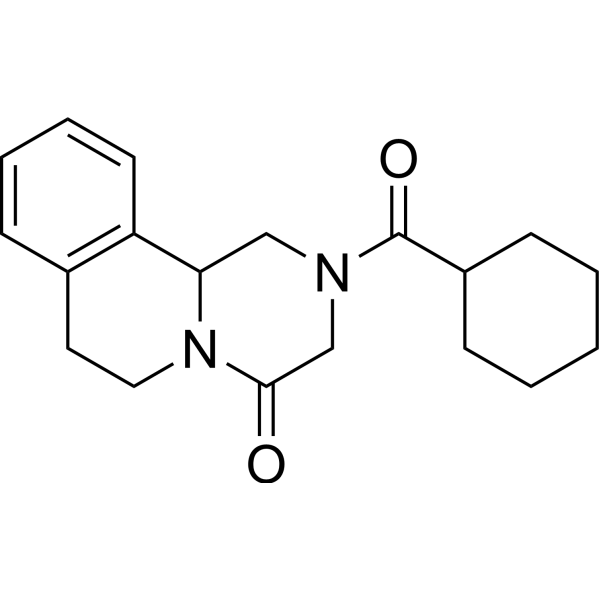
    Praziquantel
    2 Publications Verification

    Parasite Antibiotic Infection
    Praziquantel is a broadly effective trematocide and cestocide, the initial effect of praziquantel on the schistosome may be an interaction of the drug with lipid constituents of the tegumental membrane. Praziquantel is used for the research of schistosomiasis .
    Praziquantel
  • HY-W068119A

    2-Maleimidoethylamine hydrochloride

    Biochemical Assay Reagents Cancer
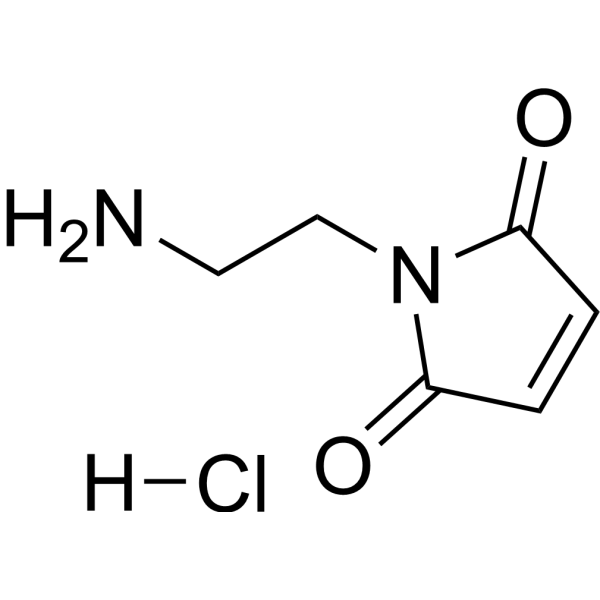
    N-(2-Aminoethyl)maleimide (2-Maleimidoethylamine) hydrochloride is a selective covalent binding agent for thiol groups (RSGs), covalently binding to thiols via an irreversible thioether bond to prepare MMP-2-sensitive nanosystems. Under near-neutral conditions, the maleimide group in N-(2-Aminoethyl)maleimide hydrochloride binds to thiol groups via a nucleophilic addition reaction, and can be used to modify polymers or biological interfaces, enhancing mucosal adhesion and regulating the surface charge of biological interfaces. N-(2-Aminoethyl)maleimide hydrochloride can optimize the adhesion performance of drug delivery carriers and cell interactions with biological interfaces, and is applied in transmucosal drug delivery systems (such as drug carriers for oral and bladder sites) and biomaterial surface engineering research, providing support for tissue implantation, regeneration, and related drug delivery .
    N-(2-Aminoethyl)maleimide hydrochloride
  • HY-111126
    K67
    1 Publications Verification

    p62 Keap1-Nrf2 Cancer
    K67 is a selective the interaction between Keap1 and S349 phosphorylated p62 inhibitor, with an IC50 of 1.5 μM. K67 has a weaker inhibitory effect on the interaction between Keap1 and Nrf2 (IC50 is 6.2 μM). K67 competitively binds to the binding site of Keap1 with p-p62, blocking the abnormal activation of the p62-dependent Nrf2 pathway. K67 inhibits tumor cell proliferation and enhances the sensitivity of hepatocellular carcinoma (HCC) to chemotherapeutic drugs by restoring Keap1-mediated ubiquitination and degradation of Nrf2 .
    K67
  • HY-P10761

    Radionuclide-Drug Conjugates (RDCs) Carbonic Anhydrase Cancer
    DPI-4452 is a CAIX-targeting cyclic peptide with a DOTA cage, and can be chelated with radionuclide for CAIX-expressing tumor PET-CT imaging and study. DPI-4452 specifically and selectively binds CAIX without interaction with an in vitro off-target receptor panel of 55 targets (IC50 for recombinant hCAIX: 130 nM). Radiolabeled DPI-4452 inhibits tumor growth in HT-29 and SK-RC-52 xenograft mouse models . DPI-4452 can be used for the synthesis/research of Radionuclide-Drug Conjugates (RDCs).
    DPI-4452
  • HY-W440896

    Liposome Others
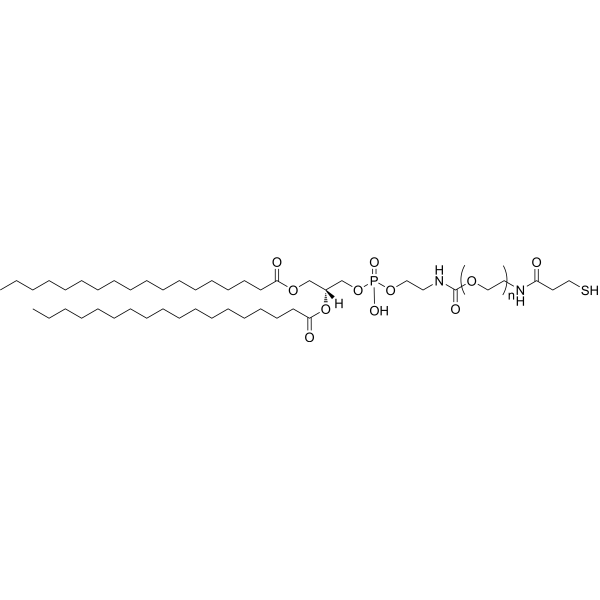
    DSPE-PEG2000-SH is an amphiphilic thiol-functionalized DSPE-PEG molecule. DSPE-PEG2000-SH inserts into extracellular vesicle (EV) bilayer membranes via hydrophobic interactions, displaying surface thiol groups to form EV-SH crosslinkers.DSPE-PEG2000-SH enables crosslinking of EV-SH with 8-arm PEG-norbornene via thiol-ene photochemistry to construct hydrogels, with hydrogel mechanical properties tunable via PEG segment molecular weight variation.DSPE-PEG2000-SH can be used to encapsulate agents for drug delivery system, such as mRNA vaccine .
    DSPE-PEG2000-SH
  • HY-W087904

    α-D-Lactose hydrate

    Endogenous Metabolite Biochemical Assay Reagents Others
    α-Lactose hydrate (α-D-Lactose (hydrate)) is the primary carbohydrate in the milk of most mammals. α-Lactose hydrate consists of glucose and galactose and exists in two isomeric forms, α and β. α-Lactose hydrate has numerous applications in the food and pharmaceutical industries, such as serving as a bulking or agglomerating agent, and a diluent for pigments, flavors or enzymes .
    α-Lactose hydrate
  • HY-D0932

    Solvent Red 24; C.I. 26105

    Environmental Pollutants Biochemical Assay Reagents Cytochrome P450 Aryl Hydrocarbon Receptor Metabolic Disease
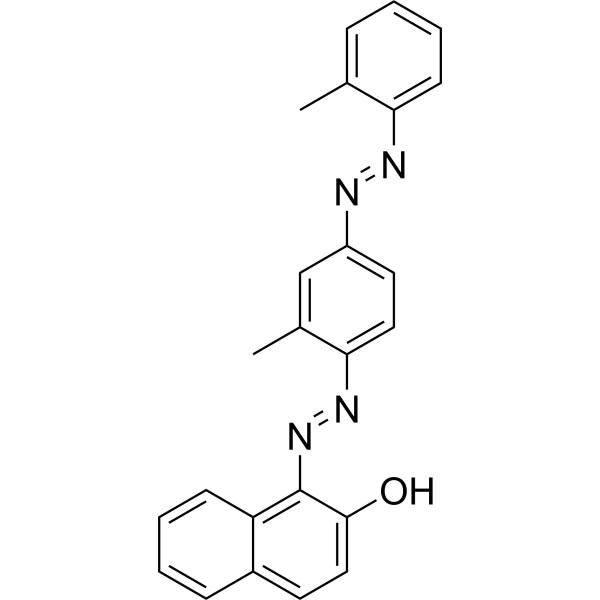
    Sudan IV is an agonist of the aryl hydrocarbon receptor (AhR) that activates downstream signaling pathways and induces CYP1A1 expression. Sudan IV promotes CYP1A1 gene transcription by activating AhR-ARNT heterodimers and binding to exogenous response elements (XREs) on DNA, thereby enhancing drug metabolizing enzyme activity. Sudan IV can be used to study the toxicity mechanisms of industrial dyes and the effects of interactions with serum proteins (such as bovine serum albumin (BSA)) on their distribution in vivo. Sudan IV is a fat-soluble diazo dye that can be used to stain lipids, triglycerides, and lipoproteins on frozen sections .
    Sudan IV
  • HY-168046

    Thyroid Hormone Receptor Metabolic Disease
    ALG-055009 is a selective and orally active Thyroid Hormone Receptor Beta (THR-β) agonist with an EC50 of 0.063 μM. ALG-055009 binds to the T3 hormone pocket of human THR-β, forming polar interactions with protein residues. ALG-055009 can lower total cholesterol levels in rats on a high-fat diet. ALG-055009 exhibits high metabolic stability, good permeability, a long in vivo half-life, and limited drug-drug interaction liability. ALG-055009 can be used in studies related to metabolic dysfunction-associated fatty liver disease .
    ALG-055009
  • HY-W035137

    5,15-DPP

    STAT Cancer
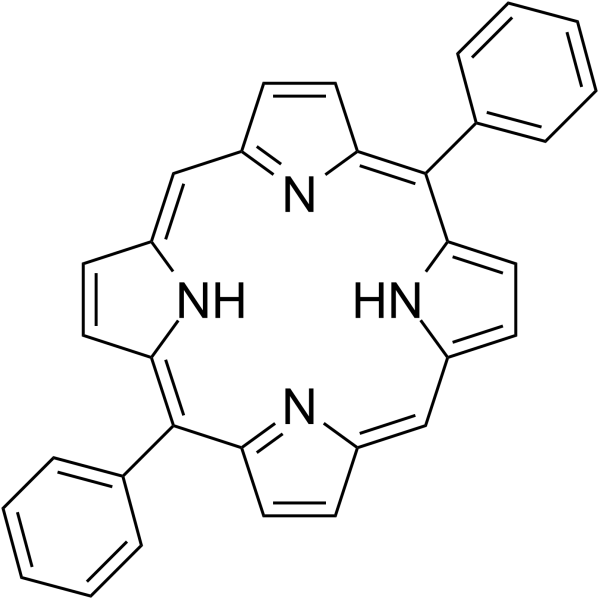
    5,15-Diphenylporphyrin (5,15-DPP) is an inhibitor of the oncogenic transcription factor STAT3. 5,15-Diphenylporphyrin specifically binds to the SH2 domain of STAT3, blocking the pTyr-SH2 interaction, thereby inhibiting the dimerization, nuclear translocation and DNA binding activity of STAT3, and ultimately inhibiting the expression of cancer cell-related genes. 5,15-Diphenylporphyrin can be used in research fields related to the development of anticancer drugs[1][2].
    5,15-Diphenylporphyrin
  • HY-W1048558A

    mPEG2000-COOH

    Biochemical Assay Reagents Others
    mPEG2000-CM (mPEG2000-COOH) is a carboxyl-terminated monomethoxy polyethylene glycol. mPEG2000-CM bears a reactive carboxyl group (-COOH) at its structural terminal site, which can form stable amide bonds with amino groups and ester bonds with hydroxyl groups. mPEG2000-CM binds to PCA-g-PCL copolymers via electrostatic interaction to form polyion complex micelles with a hydrophilic PEG surface, which enhances the stability of micelles in aqueous media. mPEG2000-CM can be used for drug delivery .
    mPEG2000-CM
  • HY-113138
    3-Methyluridine
    1 Publications Verification

    N3-Methyluridine

    Endogenous Metabolite Metabolic Disease
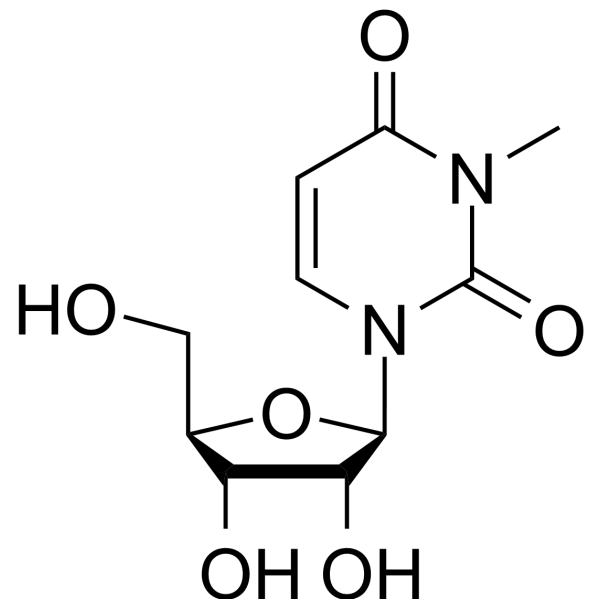
    3-Methyluridine (m 3U; N3-Methyluridine) is a methylated nucleotide present in ribosomal RNA (rRNA), mainly targeting specific base sites of RNA molecules such as 23S rRNA. 3-Methyluridine can introduce a methyl group at the N3 position of uracil, affecting the secondary structure stability and base pairing ability of RNA, and regulating ribosome function. For example, it affects ribosomal subunit binding and tRNA interaction. 3-Methyluridine is often used as a key raw material for the synthesis of modified nucleotides, and is used to construct RNA oligonucleotides containing methylation modifications to study the effects of RNA methylation on gene expression and drug resistance .
    3-Methyluridine
  • HY-N4194
    Glabrone
    1 Publications Verification

    PPAR Influenza Virus Infection Metabolic Disease
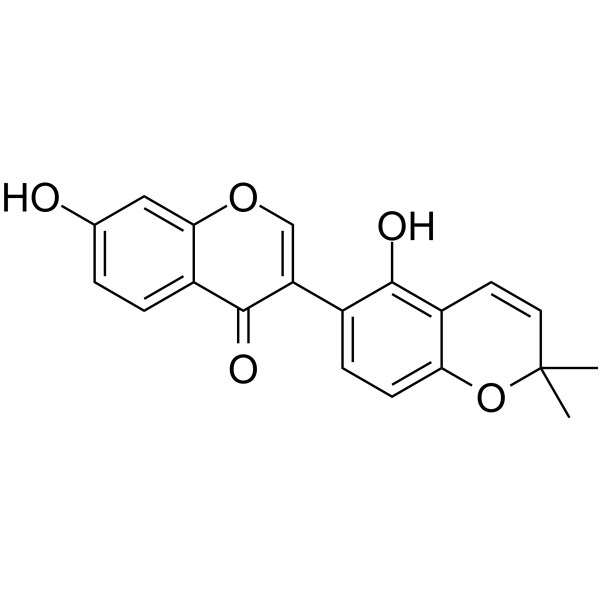
    Glabrone is an isoflavone found in Glycyrrhiza glabra roots. Glabrone exhibits significant PPAR-γ ligand binding activity. Glabrone is a specific UGT1A9 probe substrate, and its metabolites can block influenza virus release by inhibiting neuraminidase (NA). Glabrone can be used to screen for herb-drug interactions and for anti-influenza virus activity .
    Glabrone
  • HY-142980

    Dioleoylphosphatidylglycerol

    Liposome Inflammation/Immunology
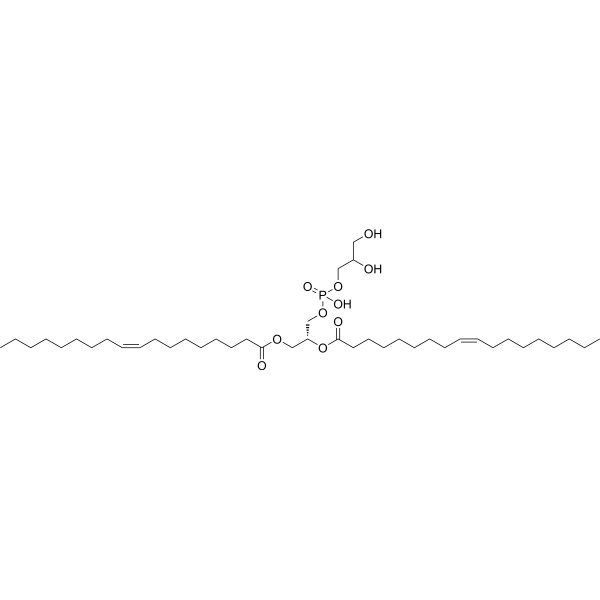
    DOPG (Dioleoylphosphatidylglycerol) is a negatively charged phosphatidylglycerol phospholipid. DOPG is abundant in prokaryotic cell membranes and mitochondria, and has a low phase transition temperature and a tendency to form stable vesicles. DOPG inhibits the production of inflammatory mediators in macrophages in response to heat shock protein B4 (HSPB4)-activated toll-like receptor 2 (TLR2). DOPG is applicable to studies of membrane biology, drug-membrane interactions (especially in systems targeting negatively charged membranes), construction of drug delivery carriers, as well as research on sterile corneal inflammation and wound healing promotion .
    DOPG
  • HY-78985

    Trimesic acid

    MOFs Others
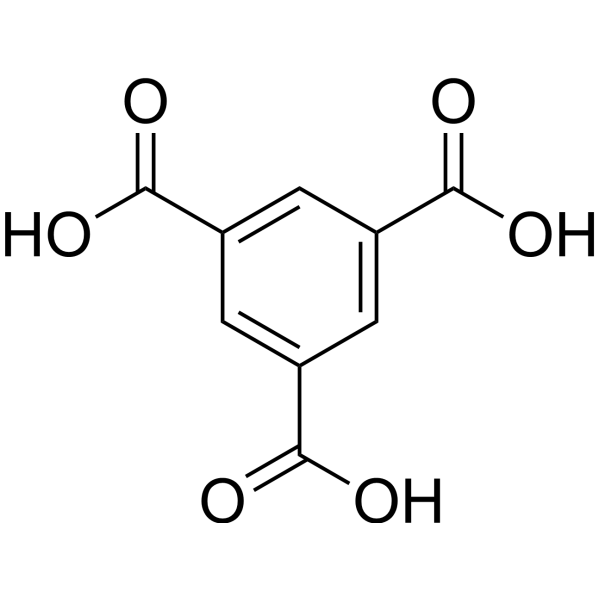
    Benzene-1,3,5-tricarboxylic acid (Trimesic acid) is a rigid planar small-molecule scaffold and crosslinker. Benzene-1,3,5-tricarboxylic acid induces bicyclic peptides to adopt a planar conformation, so as to maximize surface area and bind to the flat protein surfaces involved in protein-protein interactions. Benzene-1,3,5-tricarboxylic acid forms ionic crosslinks, hydrogen bonds and π-π bonds with chitosan, thereby constructing a hydrogel network. Benzene-1,3,5-tricarboxylic acid endows chitosan hydrogel systems with specific mechanical properties, enabling sustained release of cancer therapeutic drugs including 5-fluorouracil (HY-90006) .
    Benzene-1,3,5-tricarboxylic acid
  • HY-133825

    IKF-916

    Environmental Pollutants OAT Oct3/4 Infection
    Cyazofamid exerts its bactericidal effect by impairing ATP production. Cyazofamid inhibits organic cation transporter 3 (OCT3) and OAT1, with IC50 values ​​of 1.54 and 17.3 μM, respectively .
    Cyazofamid
  • HY-176515

    Ciprofol Glucuronide

    Drug Metabolite Neurological Disease
    Cipepofol glucuronide (Ciprofol Glucuronide) (M4) is a glucuronide metabolite of Ciprofol (HY-116152). Cipepofol glucuronide has no significant inhibitory activity toward P450s and UDP-glucuronosyltransferases (UGTs), and it has a lower risk of acting as a perpetrator for drug-drug interactions (DDIs). Cipepofol glucuronide can be used for anesthesia research .
    Cipepofol glucuronide
  • HY-D0932R

    Solvent Red 24 (Standard); C.I. 26105 (Standard)

    Biochemical Assay Reagents Aryl Hydrocarbon Receptor Cytochrome P450 Reference Standards Metabolic Disease
    Sudan IV (Standard) (Solvent Red 24 (Standard)) is the analytical standard of Sudan IV (HY-D0932). This product is intended for research and analytical applications. Sudan IV is an agonist of the aryl hydrocarbon receptor (AhR) that activates downstream signaling pathways and induces CYP1A1 expression. Sudan IV promotes CYP1A1 gene transcription by activating AhR-ARNT heterodimers and binding to exogenous response elements (XREs) on DNA, thereby enhancing drug metabolizing enzyme activity. Sudan IV can be used to study the toxicity mechanisms of industrial dyes and the effects of interactions with serum proteins (such as bovine serum albumin (BSA)) on their distribution in vivo. Sudan IV is a fat-soluble diazo dye that can be used to stain lipids, triglycerides, and lipoproteins on frozen sections.
    Sudan IV (Standard)
  • HY-116229

    SB-265805; LB20304

    Antibiotic Bacterial Infection
    Gemifloxacin, a fluoroquinolone, is a potent and orally active antipneumococcal agent. Gemifloxacin shows bactericidal activity against highly quinolone-resistant pneumococci.Gemifloxacin can be used for the research of respiratory infections, such as community-acquired pneumonia (CAP) and acute exacerbation of chronic bronchitis (AECB) .
    Gemifloxacin
  • HY-149651

    GPR139 Neurological Disease
    GPR139 agonist-2 (compound 20a) is a potent GPR139 agonist with an EC50 of 24.7 nM. GPR139 agonist-2 rescues the social interaction deficits and alleviates cognitive deficits in murine schizophrenia models. GPR139 agonist-2 has the potential for antischizophrenia drug research .
    GPR139 agonist-2
  • HY-W064918

    Bacterial Infection
    NITD-304 is an orally active anti-tuberculosis agent. NITD-304 exerts inhibitory and bactericidal activities gainst Mycobacterium tuberculosis and multidrug-resistant Mycobacterium tuberculosis. NITD-304 inhibits mycobacterial cell wall biosynthesis and demonstrates synergistic or additive growth inhibitory activity with select antibacterial agents. NITD-304 shows low risk of cardiotoxicity and drug-drug interactions, with no inhibition of major cytochrome P-450 enzymes or hERG channel. NITD-304 can be used for the research of tuberculosis and multidrug-resistant tuberculosis .
    NITD-304
  • HY-144497

    PD-1/PD-L1 Toll-like Receptor (TLR) Drug-Linker Conjugates for ADC Infection Cancer
    HE-S2 is an antibody-drug conjugate triggering a potent antitumor immune response. HE-S2 acts by blocking the PD-1/PD-L1 interaction and activating the Toll-like receptor 7/8 (TLR7/8) signaling pathway. HE-S2 has remarkable antitumor activity .
    HE-S2
  • HY-179395

    YAP Cancer
    TEAD-IN-23 (Compound 22) is an efficient pan-TEAD inhibitor with an IC50 of 10 nM. TEAD-IN-23 exhibits potent anti-proliferative activity in both NCI-H226 and MSTO-211H. TEAD-IN-23 causes complete tumor regression in the MSTO-211H xenograft tumor model. TEAD-IN-23 can be used for the study of mesothelioma and hepatocellular carcinoma .
    TEAD-IN-23
  • HY-124952

    Fungal Infection
    iKIX1 is an antifungal agent and resensitizes drug-resistant C. glabrata to azole antifungals in vitro. iKIX1 inhibits the interaction between the KIX domain of the mediator subunit CgGal11A and the activation domain of CgPdr1, the IC50 and Ki values are 190.2 μM and 18 μM, respectively. iKIX1 is used for the study of multidrug resistance and C. glabrata infection .
    iKIX1
  • HY-168616

    RSV IGF-1R Infection
    CL-A3-7 is a virus-cell fusion inhibitor targeting the RSV F protein. It exerts its effect by blocking the interaction between the virus and the host IGF1R, effectively inhibiting infections of both wild-type RSV and the K394R variant. It is applicable to anti-RSV drug development and resistance-related research .
    CL-A3-7
  • HY-W043170

    Phosphatase Cancer
    PRL3-CNNM4 PPI IN 1 (Compound C28d52) is an inhibitor of the PRL3-CNNM4 interaction and also inhibits PRL-mediated suppression of CNNM. PRL3-CNNM4 PPI IN 1 is capable of penetrating epithelial cell layers, exhibits metabolic stability, possesses favorable pharmacokinetic and pharmacodynamic properties, and holds potential for drug development based on this compound .
    PRL3-CNNM4 PPI-IN-1
  • HY-119879

    CP-73049

    Antibiotic Bacterial Infection
    Binfloxacin (CP-73049) is a fluoroquinolone antibiotic. Binfloxacin does not inhibit the metabolism of theophylline, so it is safer to be used in combination with theophylline and other drugs metabolized by P450 1A2. Binfloxacin can be used in studies of bacterial infections .
    Binfloxacin
  • HY-16741

    OBE001

    Oxytocin Receptor Endocrinology
    Erlosiban (OBE001) is an orally active non-peptide type oxytocin receptor antagonist. Erlosiban inhibits the increase of intracellular calcium concentration, thereby reducing uterine smooth muscle contraction. Erlosiban can be used for research on premature birth and to improve embryo implantation and pregnancy rate in assisted reproductive technology (AR).
    Erlosiban
  • HY-147036

    Orthopoxvirus Infection
    TTP-6171 is a non-covalent inhibitor of Monkeypox virus I7L protease, and it can be used for research on poxvirus infections .
    TTP-6171
  • HY-169320

    Pregnane X Receptor (PXR) Cytochrome P450 Cancer
    SJPYT-328 is a PXR agonsit. PXR plays a major role in drug metabolism and drug-drug interactions .
    SJPYT-328
  • HY-N9248

    Others Others
    6-Hydroxywogonin (compound 26) is a flavonoid compound .
    6-Hydroxywogonin
  • HY-124317

    Fluorescent Dye Others
    PF-06649283 is a drug with potential intracellular activity. The effects of PF-06649283 may be affected by factors such as cellular metabolism, protein-protein interactions, post-translational modifications, and asymmetric intracellular localization. The potency of PF-06649283 at the cellular level may show different activity compared to the recombinant enzyme, and this difference needs to be considered in the drug discovery process. Increased intracellular potency of PF-06649283 may be critical for the development of this drug as a probe or drug .
    PF-06649283
  • HY-W013059A

    L-DA-CE phosphoramidite

    Phosphoramidites DNA/RNA Synthesis Others
    DMT-L-dA(bz) Phosphoramidite (L-DA-CE phosphoramidite; compound 20c) is typically used in the synthesis of DNA. DMT-L-dA(bz) Phosphoramidite can be used in studying DNA-drug interactions .
    DMT-L-dA(bz) Phosphoramidite
  • HY-172808

    Cannabinoid Receptor Cytochrome P450 Metabolic Disease
    BNS808 is an orally active and selective cannabinoid-1 receptor (CB1R) antagonist (IC50 = 0.8 nM) with notable CB2R selectivity and minimal brain penetration. BNS808 is studied in research on obesity and its associated metabolic complications, such as metabolic dysfunctional-associated steatotic liver disease (MASLD). BNS808 has reduced free drug availability for CNS entry, enhancing safety and minimizing drug-drug interactions through high plasma binding .
    BNS808
  • HY-B0244R

    Reference Standards Parasite Antibiotic Infection
    Praziquantel (Standard) is the analytical standard of Praziquantel. This product is intended for research and analytical applications. Praziquantel is a broadly effective trematocide and cestocide, the initial effect of praziquantel on the schistosome may be an interaction of the drug with lipid constituents of the tegumental membrane. Praziquantel is used for the research of schistosomiasis .
    Praziquantel (Standard)
  • HY-130671A

    (R)-1,2-Dipalmitoyl-sn-glycero-3-phosphoglycerol sodium

    Liposome Others
    L-DPPG ((R)-1,2-Dipalmitoyl-sn-glycero-3-phosphoglycerol sodium) is a phospholipid targeting biological membranes. L-DPPG interacts with lipid bilayers through hydrophobic and electrostatic interactions. L-DPPG is used in research on drug delivery systems .
    L-DPPG
  • HY-P10844

    Amino Acid Derivatives Cancer
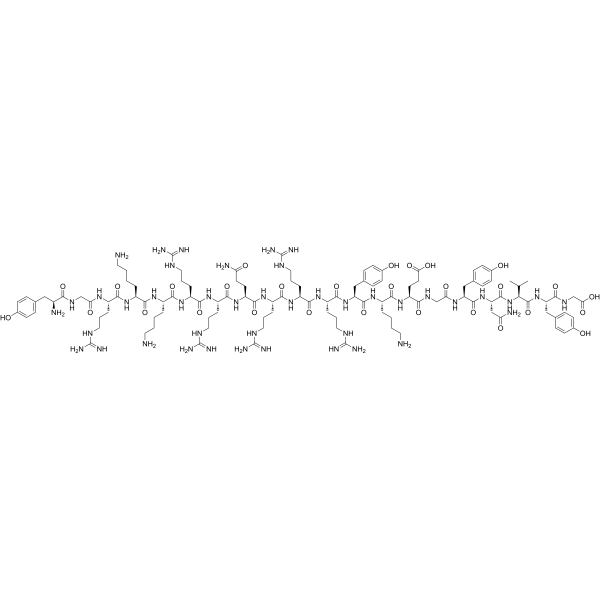
    ANK peptide is a novel peptide designed based on the conserved residues of single ankyrin motif. ANK peptide is a synuclein-γ (SNCG) inhibitor that binds to SNCG and competes with SNCG-BubR1 interaction to enhance the sensitivity of breast cancer cells to antimicrotubule drugs such as nocodazole and paclitaxel. ANK peptide can be used in the study of cancer .
    ANK peptide
  • HY-130671B

    (S,S)-1,2-Dipalmitoyl-sn-glycero-3-phosphoglycerol sodium

    Liposome Others
    (S,S)-DPPG is an enantiomeric isomer of L-DPPG. L-DPPG ((R)-1,2-Dipalmitoyl-sn-glycero-3-phosphoglycerol (sodium)) is a phospholipid targeting biological membranes. L-DPPG interacts with lipid bilayers through hydrophobic and electrostatic interactions. L-DPPG is used in research on drug delivery systems .
    (S,S)-DPPG
  • HY-172489

    Liposome Cancer
    DSPE-PEG5000-K237 is a PEG compound which composed of DSPE and a KDR targeting peptide (K237). K237 can functionally disrupt the interaction between VEGF and the KDR receptor and cause potent biological effects that include the inhibition of angiogenesis and tumor growth. DSPE-PEG5000-K237 can be used for drug delivery .
    DSPE-PEG5000-K237
  • HY-172488

    Liposome Cancer
    DSPE-PEG2000-K237 is a PEG compound which composed of DSPE and a KDR targeting peptide (K237). K237 can functionally disrupt the interaction between VEGF and the KDR receptor and cause potent biological effects that include the inhibition of angiogenesis and tumor growth. DSPE-PEG2000-K237 can be used for drug delivery .
    DSPE-PEG2000-K237
  • HY-172487

    Liposome Cancer
    DSPE-PEG1000-K237 is a PEG compound which composed of DSPE and a KDR targeting peptide (K237). K237 can functionally disrupt the interaction between VEGF and the KDR receptor and cause potent biological effects that include the inhibition of angiogenesis and tumor growth. DSPE-PEG1000-K237 can be used for drug delivery .
    DSPE-PEG1000-K237
  • HY-136926

    FR-008I

    Fungal Infection
    Candicidin A3 (FR-008I) is an antifungal antibiotic with significant biological activity. Candicidin A3 can effectively inhibit the growth of fungi through its unique three-dimensional structure and seven-membered ring geometry. The absolute configuration of Candicidin A3 is a specific arrangement of multiple chiral centers, which may affect its biological activity and interaction with targets. Candicidin A3 can be used as a potential drug to inhibit fungal infections .
    Candicidin A3
  • HY-121057

    3-OH FNTZ

    Drug Metabolite Cytochrome P450 Metabolic Disease
    3-Hydroxyflunitrazepam (3-OH FNTZ) is the major metabolite of Flunitrazepam (FNTZ), generated via 3-hydroxylation by CYP3A4 (Km = 286 μM), and represents the dominant metabolic pathway (>80%) in liver microsomes. Its formation is significantly inhibited by CYP3A4 inhibitors such as Ketoconazole (HY-B0105) (IC50 = 0.11 μM) and Ritonavir (HY-90001) (IC50 = 0.041 μM), indicating a strong dependence on CYP3A4 activity and potential drug interactions .
    3-Hydroxyflunitrazepam
  • HY-W250179

    Polyoxyethylene (6) cetyl ether

    Biochemical Assay Reagents Others
    Hexaethylene glycol monohexadecyl ether, is a nonionic surfactant belonging to the polyethylene glycol (PEG) ether family. It has a hydrophilic head and a lipophilic tail, which makes it suitable for a wide range of applications. Specifically, Hexaethylene glycol monohexadecyl ether is commonly used in membrane protein research, for solubilization and stabilization of proteins, and for structural analysis techniques such as X-ray crystallography and electron microscopy. Additionally, Hexaethylene glycol monohexadecyl ether is used in a variety of other industrial and research applications, including drug delivery systems, nanotechnology, and diagnostic analysis. Its unique properties make it ideal for facilitating interactions between molecules with different physicochemical properties.
    Hexaethylene glycol monohexadecyl ether
  • HY-125858B

    Drug-Linker Conjugates for ADC MDM-2/p53 Others
    (S,R,S)-MI-1061 is the isomer of MI-1061(HY-125858). (S,R,S)-MI-1061 can used to synthesize Antibody-Drug Conjugates (ADCs). MI-1061 is a potent, orally bioavailable, and chemically stable MDM2 (MDM2-p53 interaction) inhibitor (IC50=4.4 nM; Ki=0.16 nM). MI-1061 potently activates p53 and induces apoptosis in the SJSA-1 xenograft tumor tissue in mice. Anti-tumor activity .
    (S,R,S)-MI-1061
  • HY-172960

    SARS-CoV Virus Protease Infection Inflammation/Immunology
    SARS-CoV-2 Mpro-IN-44 (Compound 25) is a broad-spectrum coronavirus main protease (Mpro) inhibitor. SARS-CoV-2 Mpro-IN-44 has inhibitory activity against a variety of high-risk coronaviruses (including SARS-CoV-2 and PEDV, etc.) (IC50: < 0.6 μM). SARS-CoV-2 Mpro-IN-44 achieves broad-spectrum inhibition of coronaviruses by enhancing the interaction with the conserved sites of Mpro. SARS-CoV-2 Mpro-IN-44 can be used for anti-coronavirus drug development .
    SARS-CoV-2 Mpro-IN-44
  • HY-D0932S

    Solvent Red 24-d6; C.I. 26105-d6

    Isotope-Labeled Compounds Biochemical Assay Reagents Aryl Hydrocarbon Receptor Cytochrome P450 Metabolic Disease
    Sudan IV-d6 (Solvent Red 24-d6) is the deuterium labeled Sudan IV(HY-D0932). Sudan IV is an agonist of the aryl hydrocarbon receptor (AhR) that activates downstream signaling pathways and induces CYP1A1 expression. Sudan IV promotes CYP1A1 gene transcription by activating AhR-ARNT heterodimers and binding to exogenous response elements (XREs) on DNA, thereby enhancing drug metabolizing enzyme activity. Sudan IV can be used to study the toxicity mechanisms of industrial dyes and the effects of interactions with serum proteins (such as bovine serum albumin (BSA)) on their distribution in vivo. Sudan IV is a fat-soluble diazo dye that can be used to stain lipids, triglycerides, and lipoproteins on frozen sections .
    Sudan IV-d6
  • HY-179637

    Bacterial DNA/RNA Synthesis Infection
    RNAP-σ interaction-IN-4 (Compound 3a) is an inhibitor of the RNA polymerase-sigma factor interaction (RNAP-σ) with MIC values against S. pneumoniae and S. aureus of 1 μg/mL and 2 μg/mL, respectively. RNAP-σ interaction-IN-4 exhibits strong bactericidal properties by interfering with the interaction of β′CH−σ and disrupting the transcription of bacteria. RNAP-IN-2 shows significant efficacy in sepsis models. RNAP-σ interaction-IN-4 can be used to study Gram-positive bacterial infections caused by multi-drug resistant strains .
    RNAP-σ interaction-IN-4
  • HY-N9826

    Bcl-2 Family Cancer
    Icterogenin is a selective inhibitor targeting the Bcl-XL/Bak BH3 domain peptide interaction and exhibits anti-leukemic activity. Icterogenin regulates protein interactions and affects tumor cell survival. Icterogenin is an oleanane-type triterpenoid compound that can be isolated from Lantana camara and is useful in the field of anti-tumor drug development .
    Icterogenin

Inquiry Online

Your information is safe with us. * Required Fields.

Salutation


Country or Region *

Applicant Name *


Organization Name *

Department *


Email Address *


Product Name *

Cat. No.


Requested quantity *

Phone Number *


Remarks

Inquiry Online

Inquiry Information

Product Name:
Cat. No.:
Quantity:
MCE Japan Authorized Agent:

