Search Result
| Isoforms Recommended: |
HDAC4
|
Results for "
HDAC4
" in MedChemExpress (MCE) Product Catalog:
1
Biochemical Assay Reagents
2
Isotope-Labeled Compounds
| Cat. No. |
Product Name |
Target |
Research Areas |
Chemical Structure |
-
- HY-109015
-
|
Chidamide; HBI-8000; CS 055
|
HDAC
|
Cancer
|
|
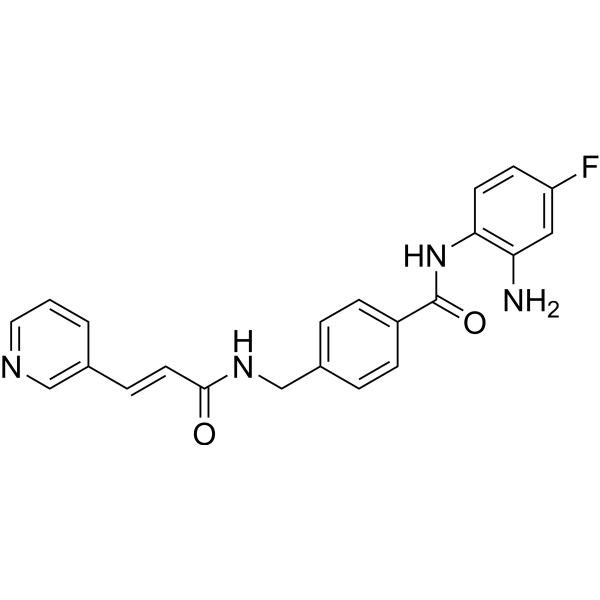
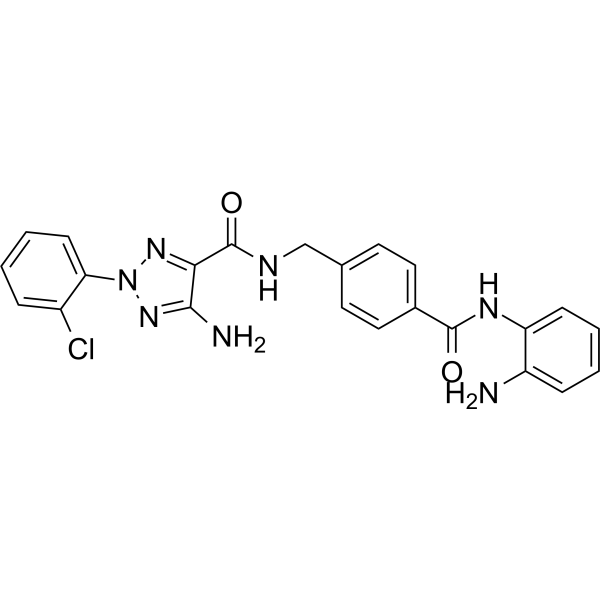
Tucidinostat (Chidamide) is a potent and orally bioavailable HDAC enzymes class I (HDAC1/2/3) and class IIb (HDAC10) inhibitor, with IC50s of 95, 160, 67 and 78 nM, less active on HDAC8 and HDAC11 (IC50s, 733 nM, 432 nM, respectively), and shows no effect on HDAC4/5/6/7/9 .
|
-
-
- HY-15149
-
Romidepsin
Maximum Cited Publications
70 Publications Verification
FK 228; FR 901228; NSC 630176
|
HDAC
Apoptosis
|
Cancer
|
|
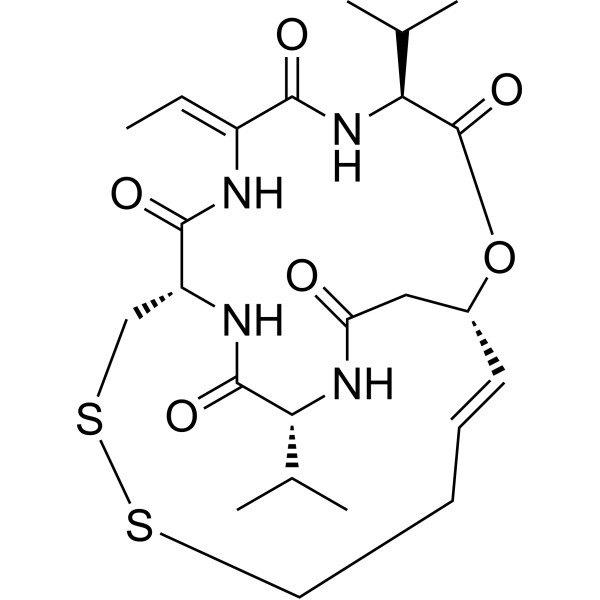
Romidepsin (FK 228) is a Histone deacetylase (HDAC) inhibitor with anti-tumor activities. Romidepsin (FK 228) inhibits HDAC1, HDAC2, HDAC4, and HDAC6 with IC50s of 36 nM, 47 nM, 510 nM and 1.4 μM, respectively . Romidepsin (FK 228) is produced by Chromobacterium violaceum, induces cell G2/M phase arrest and apoptosis .
|
-
-
- HY-10528
-
|
ABR-215050
|
HDAC
|
Cancer
|
|
Tasquinimod is an oral antiangiogenic agent, which has the potential for castration-resistant prostate cancer treatment. Tasquinimod binds to the regulatory Zn 2+ binding domain of HDAC4 with Kd of 10-30 nM. Tasquinimod also is a S100A9 inhibitor .
|
-
-
- HY-15433
-
|
JNJ-26481585
|
HDAC
Autophagy
|
Inflammation/Immunology
Cancer
|
|
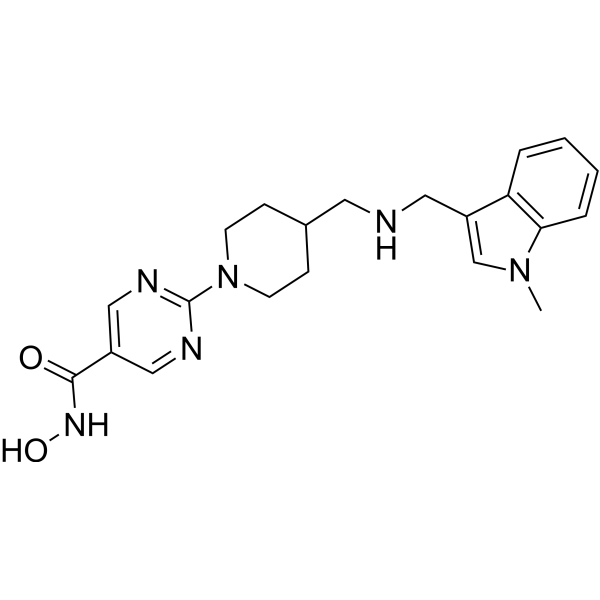
Quisinostat (JNJ-26481585) is a potent and orally active pan-HDAC inhibitor (HDACi), with IC50 values ranging from 0.11 nM to 0.64 nM for HDAC1, HDAC2, HDAC4, HDAC10 and HDAC11. Quisinostat has a broad spectrum antitumoral activity . Quisinostat can induce autophagy in neuroblastoma cells .
|
-
-
- HY-12164
-
|
MGCD0103
|
HDAC
Autophagy
Apoptosis
|
Cancer
|
|
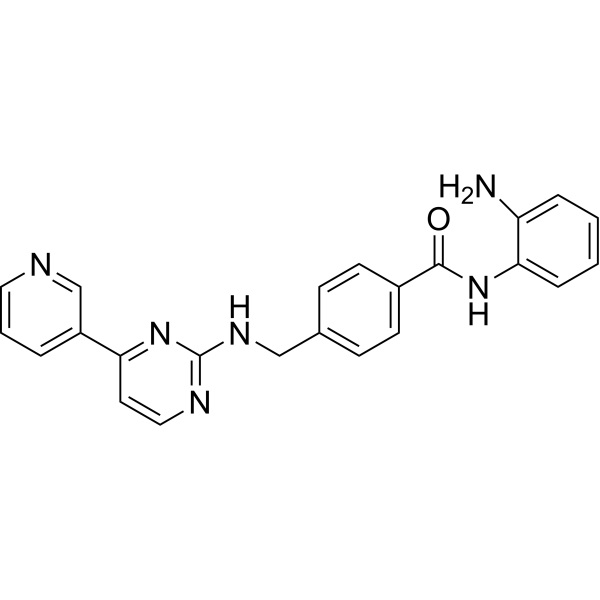
Mocetinostat (MGCD0103) is a potent, orally active and isotype-selective HDAC (Class I/IV) inhibitor with IC50s of 0.15, 0.29, 1.66 and 0.59 μM for HDAC1, HDAC2, HDAC3 and HDAC11, respectively. Mocetinostat shows no inhibition on HDAC4, HDAC5, HDAC6, HDAC7, or HDAC8.
|
-
-
- HY-18998
-
|
|
HDAC
|
Cancer
|
|
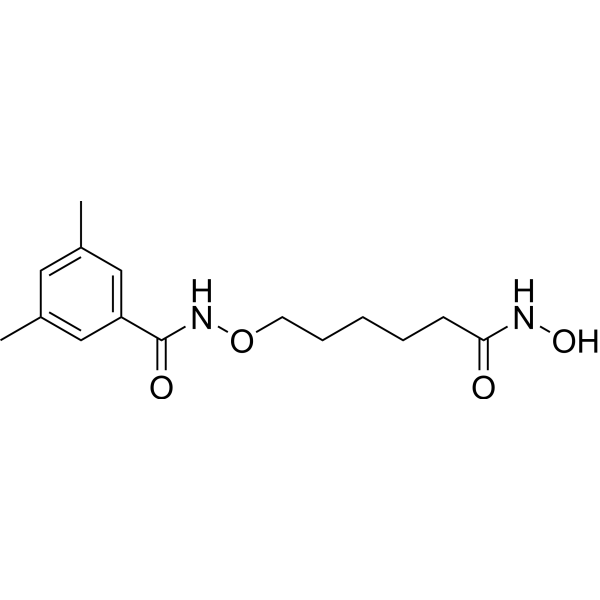
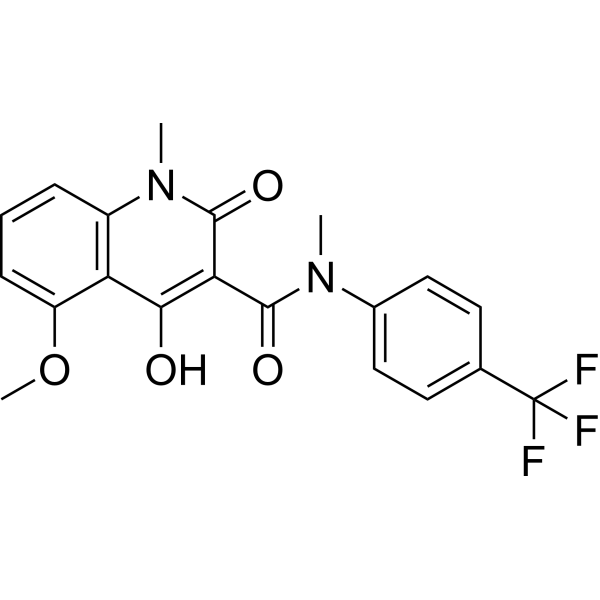
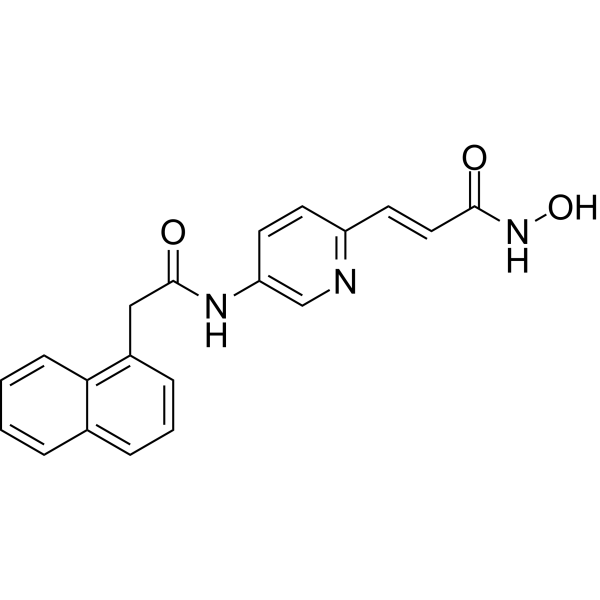
LMK-235 is a potent and selective HDAC4/5 inhibitor, inhibits HDAC5, HDAC4, HDAC6, HDAC1, HDAC2, HDAC11 and HDAC8, with IC50s of 4.22 nM, 11.9 nM, 55.7 nM, 320 nM, 881 nM, 852 nM and 1278 nM, respectively, and is used in cancer research.
|
-
-
- HY-18361
-
|
|
HDAC
|
Cancer
|
|
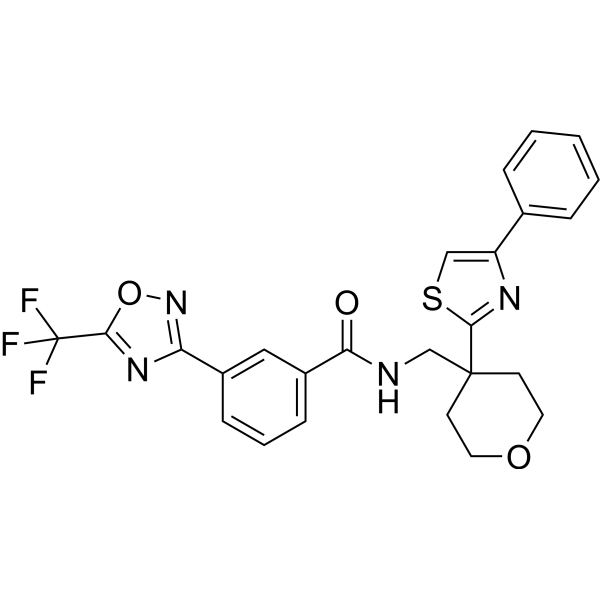
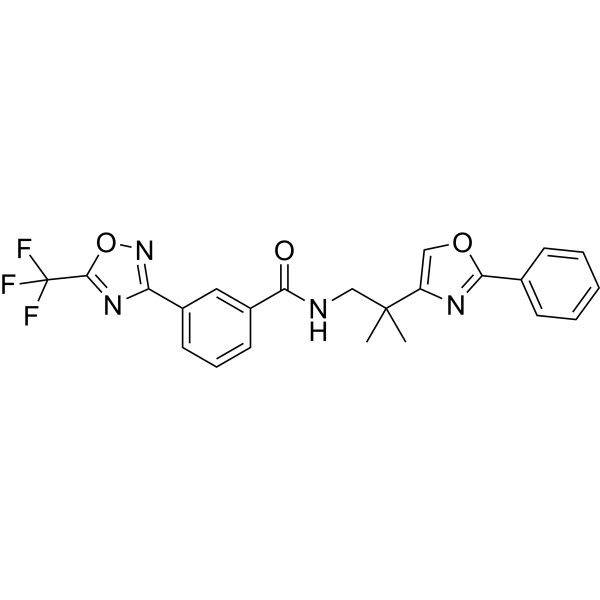
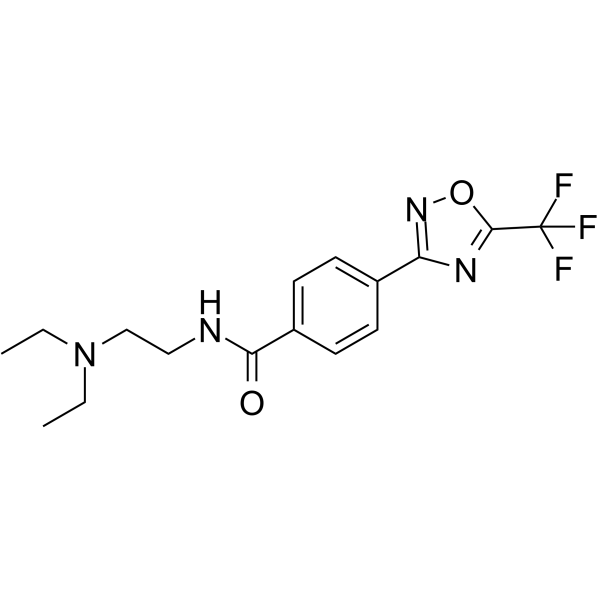
TMP195 is a selective class IIa histone deacetylase (HDAC) inhibitor with Kis of 59, 60, 26, 15 nM for HDAC4, HDAC5, HDAC7 and HDAC9, respectively.
|
-
-
- HY-18360
-
|
|
HDAC
|
Cancer
|
|
TMP269 is a novel and selective class IIa histone deacetylase (HDAC) inhibitor with IC50s of 157 nM, 97 nM, 43 nM and 23 nM for HDAC4, HDAC5, HDAC7 and HDAC9, respectively.
|
-
-
- HY-104008
-
ACY-957
2 Publications Verification
|
HDAC
|
Others
|
|
ACY-957 is an orally active and selective inhibitor of HDAC1 and HDAC2, with IC50s of 7 nM, 18 nM, and 1300 nM against HDAC1/2/3, respectively, and shows no inhibition on HDAC4/5/6/7/8/9 .
|
-
-
- HY-15433A
-
|
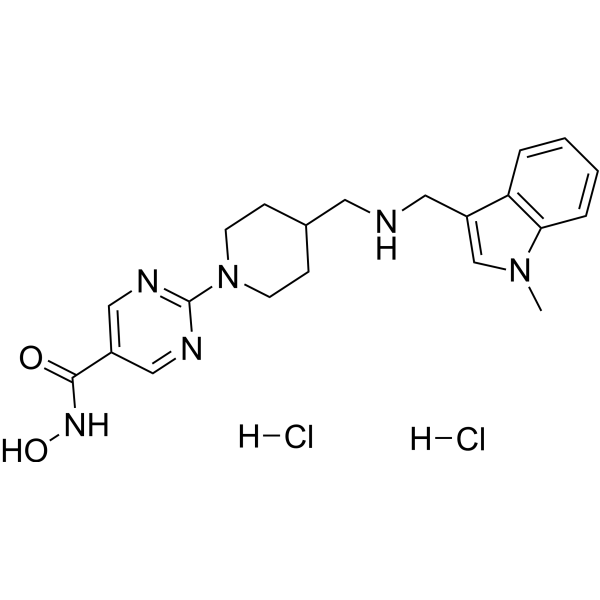
JNJ-26481585 dihydrochloride
|
HDAC
Autophagy
|
Inflammation/Immunology
Cancer
|
|
Quisinostat dihydrochloride (JNJ-26481585 dihydrochloride) is an orally active, potent pan-HDAC inhibitor with IC50s of 0.11 nM, 0.33 nM, 0.64 nM, 0.46 nM, and 0.37 nM for HDAC1, HDAC2, HDAC4, HDAC10 and HDAC11, respectively. Quisinostat dihydrochloride has a broad spectrum antitumoral activity. Quisinostat dihydrochloride can induce autophagy in neuroblastoma cells .
|
-
-
- HY-19350
-
BML-210
2 Publications Verification
|
HDAC
Apoptosis
|
Cancer
|
|
BML-210 is a potent HDAC inhibitor. BML-210 can inhibit the HDAC4-VP16-driven reporter signal with an apparent IC50 of ∼5 µM. BML-210 has a specific disruptive effect on the HDAC4:MEF2 interaction. BML-210 causes an increase in the G0/G1 phase. BML-210 induces apoptosis and displays antitumour activities in orthotopic mammary tumours in mice .
|
-
-
- HY-124295
-
|
ABT-301; MPT0E028; TMU-C-0012
|
HDAC
Akt
Apoptosis
|
Inflammation/Immunology
Cancer
|
|
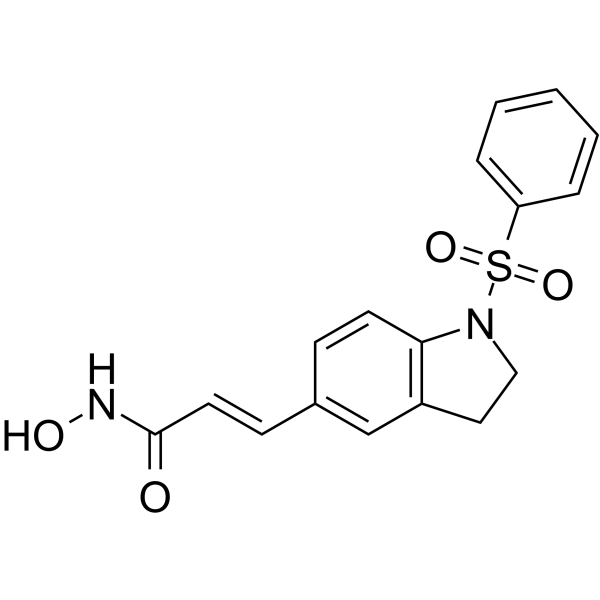
Imofinostat (ABT-301; MPT0E028) is an orally active and selective HDAC inhibitor with IC50s of 53.0 nM, 106.2 nM, 29.5 nM for HDAC1, HDAC2 and HDAC6, respectively. Imofinostat has a weak inhibitory effect on HDAC8 (IC50 of 2.5 μM), but no inhibitory effect on HDAC4 (IC50>10 μM). Imofinostat reduces the viability of B-cell lymphomas by inducing apoptosis and possesses potent direct Akt targeting ability and reduces Akt phosphorylation in B-cell lymphoma. Imofinostat has a broad-spectrum antitumor activity, including colorectal cancer, B-cell lymphoma, non-small cell lung carcinoma (NSCLC), and pancreatic cancer, while also showing therapeutic potential in non-tumor diseases like emphysema and pulmonary fibrosis .
|
-
-
- HY-12954
-
|
NCH-51
|
HDAC
HIV
|
Infection
Cancer
|
|
PTACH (NCH-51) is a potent HDAC inhibitor with IC50s of 48 nM, 32 nM, and 41 nM for HDAC1, HDAC4, and HDAC6, respectively. PTACH exerts potent growth inhibition against various cancer cells (EC50s of 1.1-9.1 μM) .
|
-
-
- HY-119939
-
|
CHDI00390576
|
HDAC
|
Cancer
|
|
CHDI-390576, a potent, cell permeable and CNS penetrant class IIa histone deacetylase (HDAC) inhibitor with IC50s of 54 nM, 60 nM, 31 nM, 50 nM for class IIa HDAC4, HDAC5, HDAC7, HDAC9, respectively, shows >500-fold selectivity over class I HDACs (1, 2, 3) and ~150-fold selectivity over HDAC8 and the class IIb HDAC6 isoform .
|
-
-
- HY-169259
-
|
|
HDAC
DNA/RNA Synthesis
Reactive Oxygen Species (ROS)
Apoptosis
Caspase
p38 MAPK
|
Cancer
|
|
HDAC9-IN-1 is a selective class IIa HDAC inhibitor that binds to HDAC9 with an IC50 of 40 nM. HDAC9-IN-1 potently inhibits HDACs 4 and 7 while showing weak activity against HDAC6 (IC50 values: 180 nM (HDAC4), 190 nM (HDAC7), 970 nM (HDAC6)). HDAC9-IN-1 significantly inhibits several human cancer cells, induces apoptosis and DNA damage in human cancer cells, and modulates caspase-related proteins and p38 in human cancer cells. HDAC9-IN-1 can be used for the research of oral cancer, breast cancer, gastric cancer .
|
-
-
- HY-149208
-
|
|
HDAC
Apoptosis
|
Cancer
|
HDAC-IN-53 is an orally active, and selective HDAC1-3 inhibitor with IC50 values of 47 nM, 125 nM, and 450 nM, respectively. HDAC-IN-53 does not inhibit class II HDACs (HDAC4, 5, 6, 7, 9; IC50>10 μM). HDAC-IN-53 induces caspase-dependent apoptosis. HDAC-IN-53 significantly inhibits the growth of human tumor xenografts in nude mice and murine tumor growth in immune-competent mice bearing MC38 colon cancer .
|
-
-
- HY-149721
-
|
|
Apoptosis
HDAC
|
Cancer
|
|
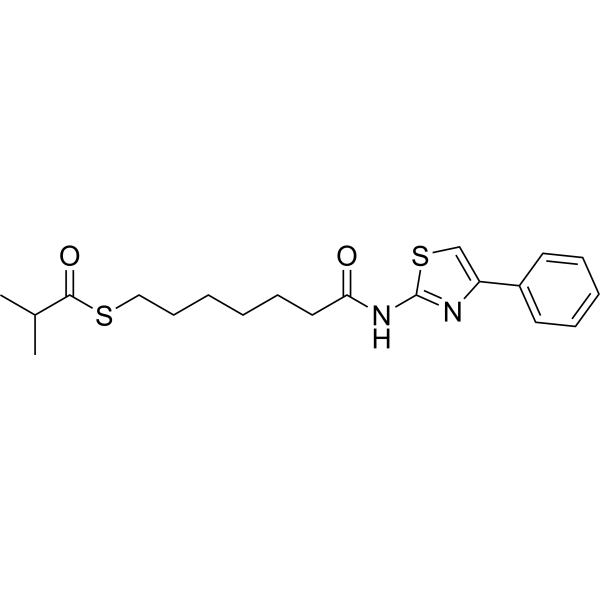
HDAC4-IN-1 (compound 1a) is a class IIa HDACI inhibitor (IC50=0.077 μM). HDAC4-IN-1 can enhance Caspase-induced Apoptosis. HDAC4-IN-1 has anticancer activity. HDAC4-IN-1 can be used in the research of drug combination against cancer .
|
-
-
- HY-148624
-
|
|
HDAC
|
Neurological Disease
|
|
CHDI-00484077 (Compound 12) is a CNS-penetrant class IIa HDAC inhibitor, with IC50s of 0.01 μM (HDAC4), 0.02 μM(HDAC5), 0.02 μM (HDAC7), 0.03 μM (HDAC9) respectively. CHDI-00484077 can be used for research of huntington’s disease .
|
-
-
- HY-152226
-
|
|
HDAC
Apoptosis
|
Cancer
|
|
MC2590 is a potent pyridine-containing histone deacetylase (HDAC) inhibitor. MC2590 is a inhibitor of HDAC1-3, -6, -8, and -10 (class I/IIb-selective inhibitor) with IC50s of 0.015 μM-0.156 μM. MC2590 also inhibits HDAC isoforms HDAC4, HDAC5, HDAC7, HDAC9, HDAC11 with IC50s of 1.35 μM-3.98 μM. MC2625 induces G2/M cell cycle arrest and modulates pro- and anti-apoptotic microRNAs towards apoptosis induction .
|
-
-
- HY-RS06073
-
|
|
Small Interfering RNA (siRNA)
HDAC
|
Others
|
|
HDAC4 Human Pre-designed siRNA Set A contains three designed siRNAs for HDAC4 gene (Human), as well as a negative control, a positive control, and a FAM-labeled negative control.
|
-
HDAC4 Human Pre-designed siRNA Set A
-
- HY-RS06075
-
|
|
Small Interfering RNA (siRNA)
HDAC
|
Others
|
|
Hdac4 Rat Pre-designed siRNA Set A contains three designed siRNAs for Hdac4 gene (Rat), as well as a negative control, a positive control, and a FAM-labeled negative control.
|
-
Hdac4 Rat Pre-designed siRNA Set A
-
- HY-RS06074
-
|
|
Small Interfering RNA (siRNA)
HDAC
|
Others
|
|
Hdac4 Mouse Pre-designed siRNA Set A contains three designed siRNAs for Hdac4 gene (Mouse), as well as a negative control, a positive control, and a FAM-labeled negative control.
|
-
Hdac4 Mouse Pre-designed siRNA Set A
-
- HY-15433B
-
|
JNJ26481585 hydrochloride
|
HDAC
Autophagy
|
Cancer
|
|
Quisinostat (JNJ-26481585) hydrochloride is a potent and orally active pan-HDAC inhibitor (HDACi), with IC50 values ranging from 0.11 nM to 0.64 nM for HDAC1, HDAC2, HDAC4, HDAC10 and HDAC11. Quisinostat hydrochloride has a broad spectrum antitumoral activity. Quisinostat hydrochloride can induce autophagy in neuroblastoma cells .
|
-
-
- HY-173053
-
|
|
HDAC
Fungal
|
Infection
|
|
HDAC-IN-87 (Compound XII6) is a nonselective HDAC inhibitor, with pIC50 of 6.9 (HDAC4) and 5.8 (HDAC6) respectively. HDAC-IN-87 has fungicidal activity against P. sorghi and P. pachyrhizi. HDAC-IN-87 shows an acute oral LD50 of greater than 500 mg/kg in male and female rats .
|
-
-
- HY-114548
-
|
|
Guanylate Cyclase
|
Infection
|
|
Ebselen oxide, the selenone analogue of Ebselen, covalently modifies diguanylate cyclase (DGC) to inhibit c-di-GMP-receptor interactions and reduces DGC activity. Ebselen oxide also inhibits alginate production (IC50=14 μM) by Pseudomonas aeruginosa. Ebselen oxide inhibits HDAC1, HDAC3, HDAC4, HDAC5, HDAC6, HDAC7, HDAC8, and HDAC9 (IC50 ranging from 0.2 to 4.7 μM) .
|
-
-
- HY-15149S2
-
|
FK 228-d7; FR 901228-d7; NSC 630176-d7
|
Isotope-Labeled Compounds
HDAC
Apoptosis
|
Cancer
|
|
Romidepsin-d7 (FK 228-d7) is deuterium labeled Romidepsin. Romidepsin (FK 228) is a Histone deacetylase (HDAC) inhibitor with anti-tumor activities. Romidepsin (FK 228) inhibits HDAC1, HDAC2, HDAC4, and HDAC6 with IC50s of 36 nM, 47 nM, 510 nM and 1.4 μM, respectively . Romidepsin (FK 228) is produced by Chromobacterium violaceum, induces cell G2/M phase arrest and apoptosis .
|
-
-
- HY-15149G
-
|
FK 228; FR 901228; NSC 630176
|
HDAC
Apoptosis
|
Cancer
|
|
Romidepsin (GMP) (FK 228 (GMP)) is Romidepsin (HY-15149) produced by using GMP guidelines. GMP small molecules works appropriately as an auxiliary reagent for cell therapy manufacture. Romidepsin (FK 228) is a Histone deacetylase (HDAC) inhibitor with anti-tumor activities. Romidepsin (FK 228) inhibits HDAC1, HDAC2, HDAC4, and HDAC6 with IC50s of 36 nM, 47 nM, 510 nM and 1.4 μM, respectively . Romidepsin (FK 228) is produced by Chromobacterium violaceum, induces cell G2/M phase arrest and apoptosis .
|
-
-
- HY-179321
-
|
|
PROTACs
HDAC
|
Cancer
|
|
PROTAC HDAC4 Degrader-1 (compound SCT-1) is a potent and selective PROTAC HDAC4 degrader. PROTAC HDAC4 Degrader-1 reduces HDAC4 protein level, induces S phase cell cycle arrest, and inhibits cell colony formation, thereby inhibiting proliferation of the tumor cells. PROTAC HDAC4 Degrader-1 exhibits efficacy in a H460 mouse model. PROTAC HDAC4 Degrader-1 can be used for cancer research, such as lung cancer .
|
-
-
- HY-149372
-
|
|
HDAC
|
Cancer
|
|
HDAC6-IN-17 (compound 5b) is a potent HDAC6 inhibitor with IC50 values of 150 nM, 1400 nM, and 2300 nM for HDAC6, HDAC8, and HDAC4, respectively. HDAC6-IN-17 has cytotoxic activity on human cancer cell lines. HDAC6-IN-17 can be used in research of cancer .
|
-
-
- HY-101149
-
|
|
Salt-inducible Kinase (SIK)
HDAC
RANKL/RANK
|
Inflammation/Immunology
|
|
YKL-05-093 is a salt-induced kinase (SIK) inhibitor (SIK2: Kd = 7.1 nM). YKL-05-093 reduces the phosphorylation level of HDAC4/5/CRTC2, inhibits SOST expression, and stimulates RANKL expression in vitro and in vivo. YKL-05-093 can be used in research on bone diseases .
|
-
-
- HY-10528S
-
|
ABR-215050-d3
|
HDAC
Isotope-Labeled Compounds
|
Cancer
|
|
Tasquinimod-d3 (ABR-215050-d3) is the deuterium labeled Tasquinimod (HY-10528). Tasquinimod is an oral antiangiogenic agent, which plays an important role in castration-resistant prostate cancer. Tasquinimod binds to the regulatory Zn 2+ binding domain of HDAC4 with Kd of 10-30 nM. Tasquinimod also is a S100A9 inhibitor .
|
-
-
- HY-174221
-
|
|
IMPDH
HDAC
|
Cancer
|
|
IMPDH II/HDAC1-IN-1 (Compound C12) is an orally active, selective dual IMPDH II/HDAC1 inhibitor, with an IC50 of 84.69 nM against hIMPDH II and an IC50 of 81.75 nM against HDAC1. IMPDH II/HDAC1-IN-1 inhibits the proliferation of chronic myeloid leukemia cells. IMPDH II/HDAC1-IN-1 can be used for the research of chronic myeloid leukemia .
|
-
-
- HY-174803
-
|
|
p38 MAPK
HDAC
AMPK
MDM-2/p53
Microtubule/Tubulin
Pim
Survivin
Apoptosis
|
Cancer
|
|
WMJ-J-09 is an HDAC inhibitor with IC50 values of 7.5 nM (HDAC1), 21.3 nM (HDAC2), 18.4 nM (HDAC3), 90.9 nM (HDAC8), 3.9 nM (HDAC6) and 8715.7 nM (HDAC4). WMJ-J-09 blocks the cell cycle and induces apoptosis in cancer cells. WMJ-J-09 induces cancer cell death through the LKB1-AMPK-p38MAPK-p63-survivin signaling cascade.WMJ-J-09 inhibits HDAC enzyme activity, leading to acetylation of key proteins and thereby regulating cancer cell death. WMJ-J-09 can be used in HCT116 cells and FaDu cells research[1][2].
|
-
-
- HY-172159
-
|
|
HDAC
Apoptosis
|
Cancer
|
|
FF2039 (compound 1j) is a specific HDAC1, HDAC6, and HDAC isoforms of class I, IIa and IIb PROTAC degrader. FF2039 demonstrates s significant antiproliferative activity against both hematological and solid cancer cell lines, driven by cell cycle arrest and Apoptosis induction. FF2039 inhibits HDAC isoform of HDAC1, HDAC2, HDAC4 and HDAC6 with IC50s of 1.03, 2.15, 12.4 and 0.053 μM, respectively. FF2039 shows antiproliferative activity against different tumor entities of MM.1S, MDA-MB-231 and U-87MG with EC50s of 2.8, 28 and 30 μM, respectively. (Pink: PRMT5 ligand (HY-168864); Blue: E3 ligase ligand HY-W957284); Black: linker (HY-W881439); E3+linker (HY-172185 )) .
|
-
-
- HY-151896
-
|
|
HDAC
|
Cancer
|
|
HDAC6-IN-14 is a highly selective HDAC6 (HDAC) inhibitor with an IC50 of 42 nM. HDAC6-IN-14 displays >100-fold selectivity over HDAC1/HDAC2/HDAC3/HDAC4 .
|
-
-
- HY-151897
-
|
|
HDAC
|
Cancer
|
|
HDAC-IN-49 is a potent unselective HDAC (HDAC) inhibitor with IC50s of 13 nM, 14 nM, 21 nM, 1880 nM, and 10 nM for HDAC1, HDAC2, HDAC3, HDAC4, and HDAC6. HDAC-IN-49 demonstrates prominent antileukemic activity with low cytotoxic activity toward healthy cells .
|
-
-
- HY-10528R
-
|
ABR-215050 (Standard)
|
Reference Standards
HDAC
|
Cancer
|
|
Tasquinimod (Standard) is the analytical standard of Tasquinimod. This product is intended for research and analytical applications. Tasquinimod is an oral antiangiogenic agent, which has the potential for castration-resistant prostate cancer treatment. Tasquinimod binds to the regulatory Zn2+ binding domain of HDAC4 with Kd of 10-30 nM. Tasquinimod also is a S100A9 inhibitor .
|
-
-
- HY-156003
-
|
|
HDAC
|
Cancer
|
|
HDAC-IN-64 (Compound 13) is a HDAC inhibitor. HDAC-IN-64 inhibits HDAC4/5/6/7/9 with IC50s of 24, 45, 85, 31, 37 nM. HDAC-IN-64 has anti-proliferative activity and anti-migration properties on prostate cancer (PCA) cells. HDAC-IN-64 inhibits LNCaP and RWPE-1 cell growth with GI50 of 0.32 and 1.1 μM respectively .
|
-
-
- HY-109015R
-
|
Chidamide (Standard); HBI-8000 (Standard); CS 055 (Standard)
|
HDAC
Reference Standards
|
Cancer
|
|
Tucidinostat (Standard) is the analytical standard of Tucidinostat. This product is intended for research and analytical applications. Tucidinostat (Chidamide) is a potent and orally bioavailable HDAC enzymes class I (HDAC1/2/3) and class IIb (HDAC10) inhibitor, with IC50s of 95, 160, 67 and 78 nM, less active on HDAC8 and HDAC11 (IC50s, 733 nM, 432 nM, respectively), and shows no effect on HDAC4/5/6/7/9 .
|
-
-
- HY-12164R
-
|
MGCD0103 (Standard)
|
HDAC
Autophagy
Apoptosis
Reference Standards
|
Cancer
|
|
Mocetinostat (Standard) is the analytical standard of Mocetinostat. This product is intended for research and analytical applications. Mocetinostat (MGCD0103) is a potent, orally active and isotype-selective HDAC (Class I/IV) inhibitor with IC50s of 0.15, 0.29, 1.66 and 0.59 μM for HDAC1, HDAC2, HDAC3 and HDAC11, respectively. Mocetinostat shows no inhibition on HDAC4, HDAC5, HDAC6, HDAC7, or HDAC8.
|
-
-
- HY-159936
-
|
|
HDAC
PPAR
Apoptosis
|
Cancer
|
|
CS4 is a selective HDAC inhibitor with the IC50 values of 38 nM, 12 nM, 5.8 μM, 19 μM and 61 μM against of HDAC1, HDAC6, HDAC8, HDAC4 and HDAC11, respectively. CS4 promotes α-tubulin and histone 3 acetylation. CS4 activates PPARγ and blocks glycolysis. CS4 induces cell cycle arrest at G2 phase and apoptosis, and shows anticancer effect both in vivo and in vitro .
|
-
-
- HY-154855
-
|
|
HDAC
|
Cancer
|
|
HDAC-IN-56 ((S)-17b) is an orally active class I histone deacetylase (HDAC) inhibitor with IC50 values of 56.0 ± 6.0, 90.0 ± 5.9, 422.2 ± 105.1, >10000 nM for HDAC1, HDAC2, HDAC3, and HDAC4-11, respectively. HDAC-IN-56 has potent inhibitory activity while strongly increasing intracellular levels of acetylhistone H3 and P21 and effectively inducing G1 cell cycle arrest and apoptosis.HDAC-IN-56 has antitumor activity .
|
-
-
- HY-P2044
-
|
|
HDAC
|
Cancer
|
|
Azumamide E is a HDAC inhibitor, with an IC50 of 0.064 μM against HDAC, 1.22 μM against HDAC1, and 2.28 μM against HDAC4. Azumamide E inhibits HDAC activity in nuclear extracts of leukemia cells and cervical adenocarcinoma cells. Azumamide E suppresses angiogenesis. Azumamide E is applicable for research on leukemia, cervical adenocarcinoma, and anti-angiogenesis .
|
-
-
- HY-RS06077
-
|
|
Small Interfering RNA (siRNA)
|
Others
|
|
Hdac5 Mouse Pre-designed siRNA Set A contains three designed siRNAs for Hdac5 gene (Mouse), as well as a negative control, a positive control, and a FAM-labeled negative control.
|
-
Hdac5 Mouse Pre-designed siRNA Set A
-
- HY-115585
-
|
|
HDAC
|
Others
|
|
HDAC-IN-2 (Compound 6) is an inhibitor of histone deacetylase 4 (HDAC4). HDAC-IN-2 has affinity for Class IIa enzymes. HDAC-IN-2 is a useful research tool for high-throughput screening and follow-up chemistry .
|
-
-
- HY-182747
-
|
|
HDAC
Autophagy
Apoptosis
|
Cancer
|
|
HDAC6-IN-79 is a HDAC6 inhibitor with an IC50 of 98.40 nM, and it also exhibits inhibitory activity against other HDAC subtypes (HDAC1: 639.0 nM, HDAC2: 798.9 nM, HDAC8: 865.7 nM, HDAC4: 1187 nM). HDAC6-IN-79 induces acetylation of α-tubulin and histone H3, reduces the viability of cancer cells, activates the autophagy pathway and induces apoptosis. HDAC6-IN-79 can be used for research related to urothelial carcinoma (bladder cancer) .
|
-
-
- HY-170379
-
|
|
HDAC
Apoptosis
|
Cancer
|
|
HDAC-IN-84 (compound 4d) is a potent HDAC inhibitor, with IC50 values of 0.0045, 0.015, 0.013, 0.038, 5.8 and 26 μM for HDAC1, HDAC2, HDAC3, HDAC6, HDAC8 and HDAC11, respectively. HDAC-IN-84 effectively inhibits the proliferation of leukemia cells without causing toxicity .
|
-
-
- HY-104008R
-
|
|
Reference Standards
HDAC
|
Others
|
|
ACY-957 (Standard) is the analytical standard of ACY-957 (HY-104008). This product is intended for research and analytical applications. ACY-957 is an orally active and selective inhibitor of HDAC1 and HDAC2, with IC50s of 7 nM, 18 nM, and 1300 nM against HDAC1/2/3, respectively, and shows no inhibition on HDAC4/5/6/7/8/9 .
|
-
-
- HY-151263
-
|
|
HDAC
G-quadruplex
|
Cancer
|
|
G4/HDAC-IN-1 (compound a6) is a G4/HDAC dual-targeting compound. G4/HDAC-IN-1 inhibits intracellular HDAC activity with an IC50 value of 1.1 μM, and induces G4 formation. G4/HDAC-IN-1 inhibits TNBC proliferation and tumor growth in TNBC xenograft model. G4/HDAC-IN-1 can be used for the research of cancer .
|
-
-
- HY-152225
-
|
|
HDAC
Apoptosis
|
Cancer
|
|
MC2625 is a potent pyridine-containing histone deacetylase (HDAC) inhibitor. MC2625 show selective HDAC3 and HDAC6 inhibition with IC50s of 80 nM and 11 nM. MC2625 increases acetyl-H3 and acetyl-tubulin levels and inhibits cancer stem cells (CSCs) growth by apoptosis induction .
|
-
- HY-181086
-
|
|
FLT3
HDAC
Apoptosis
Reactive Oxygen Species (ROS)
|
Cancer
|
|
FLT3/HDAC-IN-3 is a dual inhibitor of FLT3 and HDAC. FLT3/HDAC-IN-3 potently inhibits FLT3 (IC50 = 14 nM), HDAC1 (IC50 = 27 nM), HDAC6 (IC50 = 20 nM), and FLT3 D853Y (IC50 = 55 nM), exhibits weak activity against HDAC8, and shows no activity against HDAC4. FLT3/HDAC-IN-3 possesses kinase selectivity, plasma stability, and stability in human liver microsomes. FLT3/HDAC-IN-3 demonstrates anti-proliferative effects in a variety of hematological malignancy cell lines. FLT3/HDAC-IN-3 shows efficacy in the Jeko-1 xenograft model without observed significant toxicity. FLT3/HDAC-IN-3 can be used in the study of hematological malignancies .
|
-
- HY-183150
-
|
|
HDAC
Apoptosis
Caspase
|
Cancer
|
|
HDAC1-IN-13 is an orally active HDAC1 inhibitor with IC50 values of 91, 185, 170, and 280 nM against HDAC1, HDAC2, HDAC3, and HDAC10, respectively, and shows no activity against HDAC4, HDAC5, HDAC6, HDAC7, and HDAC9. HDAC1-IN-13 induces extrinsic apoptosis by activating the caspase-8 pathway and triggers G0/G1 cell cycle arrest. HDAC1-IN-13 can be used for the research of leukemia .
|
-
- HY-185554
-
|
|
HDAC
|
Cancer
|
|
HDAC-IN-102 (Compound 21) is a histone deacetylase (HDAC) inhibitor with an IC50 of 58 μM. HDAC-IN-102 inhibits total HDAC activity and exhibits partial subtype selectivity, with the R-isomer targeting HDAC2 and the S-isomer targeting HDAC8. HDAC-IN-102 exerts antioxidant effects by scavenging DPPH free radicals. HDAC-IN-102 can be used in cancer-related research .
|
-
| Cat. No. |
Product Name |
Type |
-
- HY-15149G
-
|
FK 228; FR 901228; NSC 630176
|
Fluorescent Dye
|
|
Romidepsin (GMP) (FK 228 (GMP)) is Romidepsin (HY-15149) produced by using GMP guidelines. GMP small molecules works appropriately as an auxiliary reagent for cell therapy manufacture. Romidepsin (FK 228) is a Histone deacetylase (HDAC) inhibitor with anti-tumor activities. Romidepsin (FK 228) inhibits HDAC1, HDAC2, HDAC4, and HDAC6 with IC50s of 36 nM, 47 nM, 510 nM and 1.4 μM, respectively . Romidepsin (FK 228) is produced by Chromobacterium violaceum, induces cell G2/M phase arrest and apoptosis .
|
| Cat. No. |
Product Name |
Type |
-
- HY-15149G
-
|
FK 228; FR 901228; NSC 630176
|
Biochemical Assay Reagents
|
|
Romidepsin (GMP) (FK 228 (GMP)) is Romidepsin (HY-15149) produced by using GMP guidelines. GMP small molecules works appropriately as an auxiliary reagent for cell therapy manufacture. Romidepsin (FK 228) is a Histone deacetylase (HDAC) inhibitor with anti-tumor activities. Romidepsin (FK 228) inhibits HDAC1, HDAC2, HDAC4, and HDAC6 with IC50s of 36 nM, 47 nM, 510 nM and 1.4 μM, respectively . Romidepsin (FK 228) is produced by Chromobacterium violaceum, induces cell G2/M phase arrest and apoptosis .
|
| Cat. No. |
Product Name |
Target |
Research Area |
-
- HY-P2044
-
|
|
HDAC
|
Cancer
|
|
Azumamide E is a HDAC inhibitor, with an IC50 of 0.064 μM against HDAC, 1.22 μM against HDAC1, and 2.28 μM against HDAC4. Azumamide E inhibits HDAC activity in nuclear extracts of leukemia cells and cervical adenocarcinoma cells. Azumamide E suppresses angiogenesis. Azumamide E is applicable for research on leukemia, cervical adenocarcinoma, and anti-angiogenesis .
|
| Cat. No. |
Product Name |
Category |
Target |
Chemical Structure |
| Cat. No. |
Product Name |
Chemical Structure |
-
- HY-15149S2
-
|
|
|
Romidepsin-d7 (FK 228-d7) is deuterium labeled Romidepsin. Romidepsin (FK 228) is a Histone deacetylase (HDAC) inhibitor with anti-tumor activities. Romidepsin (FK 228) inhibits HDAC1, HDAC2, HDAC4, and HDAC6 with IC50s of 36 nM, 47 nM, 510 nM and 1.4 μM, respectively . Romidepsin (FK 228) is produced by Chromobacterium violaceum, induces cell G2/M phase arrest and apoptosis .
|
-
-
- HY-10528S
-
|
|
|
Tasquinimod-d3 (ABR-215050-d3) is the deuterium labeled Tasquinimod (HY-10528). Tasquinimod is an oral antiangiogenic agent, which plays an important role in castration-resistant prostate cancer. Tasquinimod binds to the regulatory Zn 2+ binding domain of HDAC4 with Kd of 10-30 nM. Tasquinimod also is a S100A9 inhibitor .
|
-
| Cat. No. |
Product Name |
|
Classification |
-
- HY-RS06073
-
|
|
|
siRNAs
Human Pre-designed siRNA Sets
|
|
HDAC4 Human Pre-designed siRNA Set A contains three designed siRNAs for HDAC4 gene (Human), as well as a negative control, a positive control, and a FAM-labeled negative control.
|
-
- HY-RS06075
-
|
|
|
siRNAs
Rat Pre-designed siRNA Sets
|
|
Hdac4 Rat Pre-designed siRNA Set A contains three designed siRNAs for Hdac4 gene (Rat), as well as a negative control, a positive control, and a FAM-labeled negative control.
|
-
- HY-RS06074
-
|
|
|
siRNAs
Mouse Pre-designed siRNA Sets
|
|
Hdac4 Mouse Pre-designed siRNA Set A contains three designed siRNAs for Hdac4 gene (Mouse), as well as a negative control, a positive control, and a FAM-labeled negative control.
|
-
- HY-RS06077
-
|
|
|
siRNAs
Mouse Pre-designed siRNA Sets
|
|
Hdac5 Mouse Pre-designed siRNA Set A contains three designed siRNAs for Hdac5 gene (Mouse), as well as a negative control, a positive control, and a FAM-labeled negative control.
|
| Cat. No. |
Product Name |
Target |
Research Areas |
Chemical Structure |
-
- HY-15149G
-
|
FK 228; FR 901228; NSC 630176
|
HDAC
Apoptosis
|
Cancer
|
|
Romidepsin (GMP) (FK 228 (GMP)) is Romidepsin (HY-15149) produced by using GMP guidelines. GMP small molecules works appropriately as an auxiliary reagent for cell therapy manufacture. Romidepsin (FK 228) is a Histone deacetylase (HDAC) inhibitor with anti-tumor activities. Romidepsin (FK 228) inhibits HDAC1, HDAC2, HDAC4, and HDAC6 with IC50s of 36 nM, 47 nM, 510 nM and 1.4 μM, respectively . Romidepsin (FK 228) is produced by Chromobacterium violaceum, induces cell G2/M phase arrest and apoptosis .
|
-
Your information is safe with us. * Required Fields.
Inquiry Information
- Product Name:
- Cat. No.:
- Quantity:
- MCE Japan Authorized Agent:

