





1. Search Result
Search Result
Results for "

Hemolytic

" in MedChemExpress (MCE) Product Catalog:

122

Inhibitors & Agonists

3

Biochemical Assay Reagents

42

Peptides

8

Inhibitory Antibodies

21

Natural
Products

5

Recombinant Proteins

1

Isotope-Labeled Compounds

2

Oligonucleotides

Cat. No. Product Name Target Research Areas Chemical Structure
  • HY-W016562
    Hippuric acid
    1 Publications Verification

    Benzoylglycine

    Endogenous Metabolite Keap1-Nrf2 MMP Reactive Oxygen Species (ROS) TGF-beta/Smad Cardiovascular Disease Metabolic Disease Inflammation/Immunology
    Hippuric Acid is an orally active metabolite. Hippuric Acid can be produced by intestinal microorganisms from the metabolism of polyphenols, benzoic acid. Hippuric Acid decreases NRF2, MMP9 and leads to ROS accumulation. Hippuric Acid activates TGFβ/SMAD signaling. Hippuric Acid improves hyperuricemia and colitis. Hippuric Acid can also be used in cardiovascular disease research . .
    Hippuric acid
  • HY-P99037
    Nipocalimab
    3 Publications Verification

    M281

    Fc Receptor (FcR) Inflammation/Immunology
    Nipocalimab (M281) is a fully humanized, recombinant, and non-glycosylated IgG1 monoclonal antibody. Nipocalimab can bind to the IgG-binding site of FcRn with high affinity and inhibit the transplacental transfer of IgG. Nipocalimab can be used in the research of fetal and neonatal hemolytic disease, myasthenia gravis, and various IgG-mediated autoimmune diseases .
    Nipocalimab
  • HY-129555
    Surfactin
    5+ Cited Publications

    Bacterial HSV Antibiotic Infection
    Surfactin is a potent cyclic lipopeptide biosurfactants consists of four isomers (Surfactin A, B, C and D), which mediates flux of mono-and divalent cations, such as calcium, across lipid bilayer membranes. Surfactin can act as an antimicrobial adjuvant with anti-bacterial, anti-fungal, antimycoplasma and hemolytic effects . Surfactin also has antiviral activity against a variety of enveloped viruses .
    Surfactin
  • HY-117930
    Danicopan
    4 Publications Verification

    ACH-4471

    Complement System Inflammation/Immunology
    Danicopan (ACH-4471), a selective and orally active small-molecule factor D inhibitor, shows high binding affinity to human Factor D with Kd value of 0.54 nM. Danicopan (ACH-4471) inhibits alternative pathway of complement (APC) activity, has potential to block the alternative pathway of complement in paroxysmal nocturnal hemoglobinuria (PNH) and atypical hemolytic uremic syndrome (aHUS) .
    Danicopan
  • HY-P990706

    ALPN-303

    TNF Receptor Inflammation/Immunology
    Povetacicept (ALPN-303) is an engineered Fc fusion protein containing the TACI domain, and acts as a dual APRIL/BAFF antagonist. The Kd value of Povetacicept for human BAFF is 59.3 pM, while its Kd value for human APRIL is 1.00 pM. Povetacicept reduces the activation, proliferation, differentiation and survival of B cells, and inhibits the production of immunoglobulins and autoantibodies. Povetacicept can be used in research related to autoimmune hemolytic anemia, immune thrombocytopenia, systemic lupus erythematosus, lupus nephritis and myasthenia gravis .
    Povetacicept
  • HY-W010155
    Tryptophol
    2 Publications Verification

    Indole-3-ethanol

    Endogenous Metabolite Apoptosis Caspase Bacterial Infection Cardiovascular Disease Neurological Disease Metabolic Disease Inflammation/Immunology
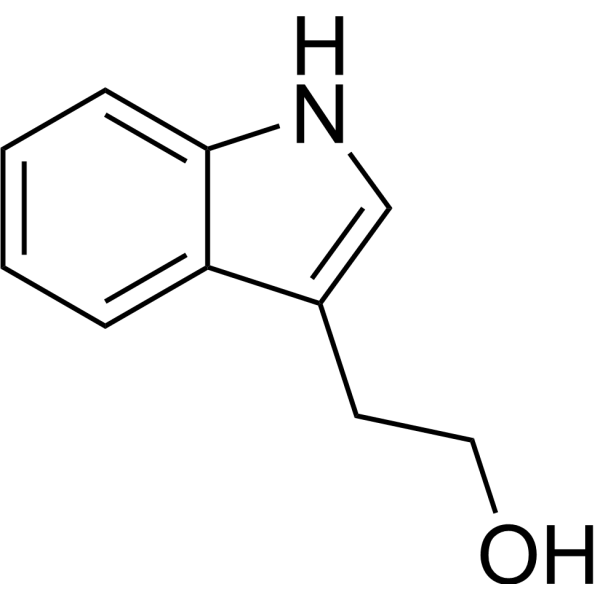
    Tryptophol is an aromatic alcohol and secondary metabolite produced by microorganisms. Tryptophol induces apoptosis and cleavage of caspase-8. Tryptophol inhibits Cunninghamella blakesleeana biofilm. Tryptophol has anti-phage infection, biofilm formation regulation, anti-inflammatory, hemolytic, sleep induction, temperature change, seizure susceptibility and immune regulation activities. Tryptophol is used in the research of African trypanosomiasis, sleep disorders, epilepsy .
    Tryptophol
  • HY-P2824

    Bacterial Cardiovascular Disease
    Streptokinase, β-hemolytic streptococcus (Lancefield Group C) is a bacteria-derived protein and a plasminogen activator. Streptokinase is widely used for the research of the blood-clotting disorders. Streptokinase improves reperfusion blood flow after coronary artery occlusion .
    Streptokinase, β-hemolytic streptococcus (Lancefield Group C)
  • HY-P99365

    ALXN1210

    Complement System Metabolic Disease
    Ravulizumab (ALXN1210) is a humanized monoclonal antibody that specifically binds with high affinity to the human complement protein C5. Ravulizumab can be used for the research of paroxysmal nocturnal hemoglobinuria, atypical hemolytic uremic syndrome, and myasthenia gravis .
    Ravulizumab
  • HY-P99050

    BIVV009; IPN-009; TNT009

    Complement System Cardiovascular Disease Inflammation/Immunology
    Sutimlimab is a humanized monoclonal IgG4 antibody. Sutimlimab inhibits complement protein component 1, s subcomponent (C1s). Sutimlimab blocks C3 and C4 activation. Sutimlimab can be used for the research of cold agglutinin disease and complement-mediated hemolytic uremic syndrome .
    Sutimlimab
  • HY-P990025

    ARGX-117

    Complement System Inflammation/Immunology
    Empasiprubar (ARGX-117) is a humanized inhibitory monoclonal antibody targeting complement C2. Empasiprubar binds to the Sushi-2 domain of C2, preventing the formation of C3 pre convertase and inhibiting the activation of classical and lectin pathways upstream of C3 activation. Empasiprubar can prevent complement mediated autoimmune hemolytic anemia and antibody mediated organ transplant rejection. Empasiprubar can prevent neuroglial lymphoconjunctival injury in GM1 antibody mediated mouse models .
    Empasiprubart
  • HY-135884

    AG-946; PKR activator 2

    Pyruvate Kinase Cardiovascular Disease
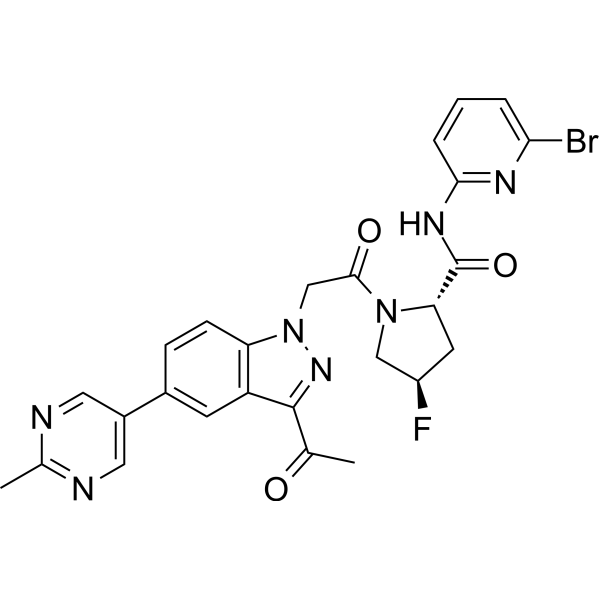
    Tebapivat (PKR activator 2) is a potent pyruvate kinase-R (PKR) activator extracted from patent WO2019035863A1, compound 385 .
    Tebapivat
  • HY-N1446A
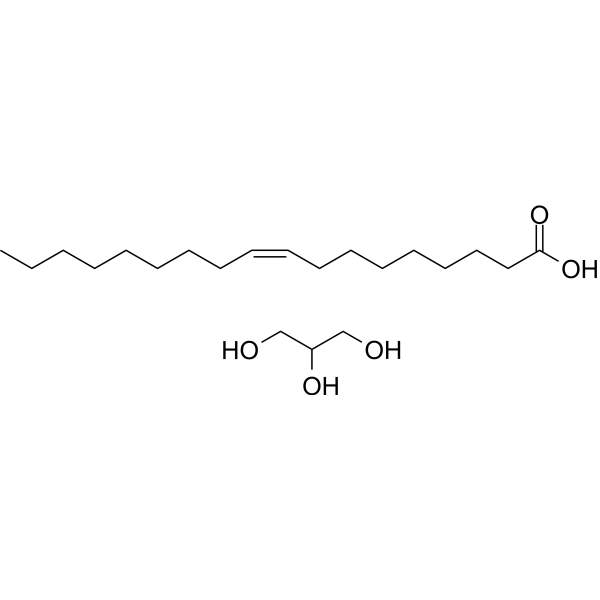
    Glycerol Monoleate
    Maximum Cited Publications
    60 Publications Verification

    Endogenous Metabolite Others
    Glycerol Monoleate is a non-toxic, biodegradable, biocompatible, lipophilic glycerol fatty acid ester. Glycerol Monoleate exhibits hemolytic properties. Glycerol Monoleate is combined with bile salts for use as an emulsifier and absorption enhancer. Glycerol Monoleate can be applied in drug delivery systems and in vitro siRNA delivery .
    Glycerol Monoleate
  • HY-147087

    Liposome Cancer
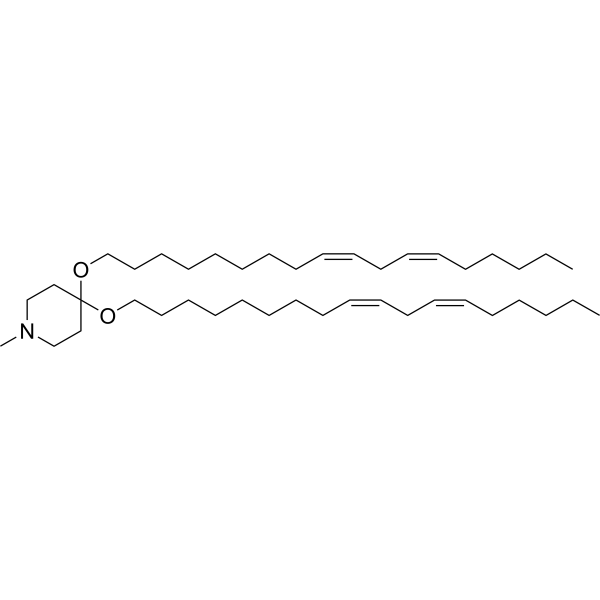
    YSK 05 is a pH-sensitive cationic lipid. YSK 05 improves the intracellular trafficking of non-viral vectors. YSK 05-MEND shows significantly good gene silencing activity and hemolytic activity. YSK 05 overcomes the suppression of endosomal escape by PEGylation. YSK 05 effectively enhances siRNA delivery both in vitro and in vivo .
    YSK 05
  • HY-N11630

    Influenza Virus Biochemical Assay Reagents Infection
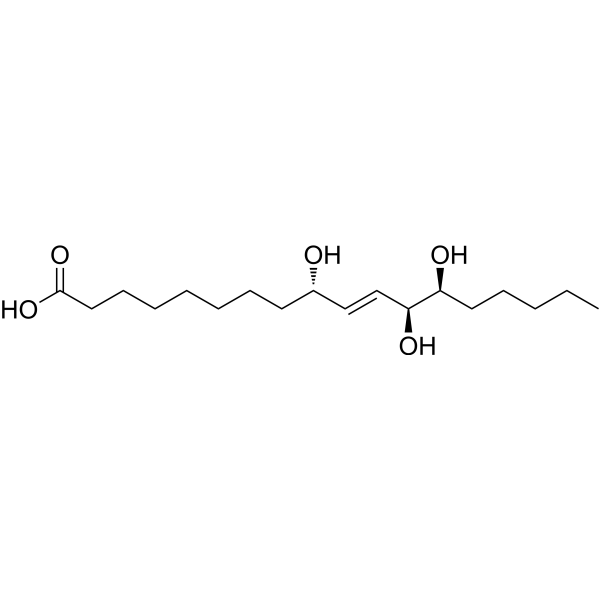
    Pinellic acid is an orally active adjuvant for intranasal influenza vaccines. Pinellic acid can be extracted from the tubers of Pinellia ternata Breitenbach. When administered intranasally in combination with influenza HA vaccine, Pinellic acid slightly increases the titers of antiviral IgG antibodies in bronchoalveolar lavage fluid and serum. Pinellic acid shows no hemolytic activity. Pinellic acid can be used in studies related to influenza virus infection .
    Pinellic acid
  • HY-P5492

    Delta-lysin

    Bacterial Others
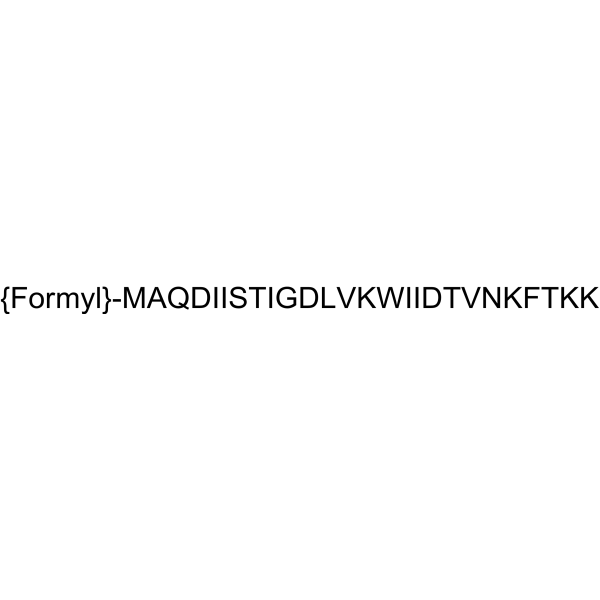
    Delta-hemolysin (Delta-lysin), a 26 amino acid peptide, is a hemolytic peptide produced by Staphylococcus. Delta-hemolysin may slightly perturb a membrane or lead to cell lysis. Delta-hemolysin is a model in the study of peptides interacting with membranes. Delta-hemolysin is poorly active against bacteria .
    Delta-hemolysin
  • HY-114524
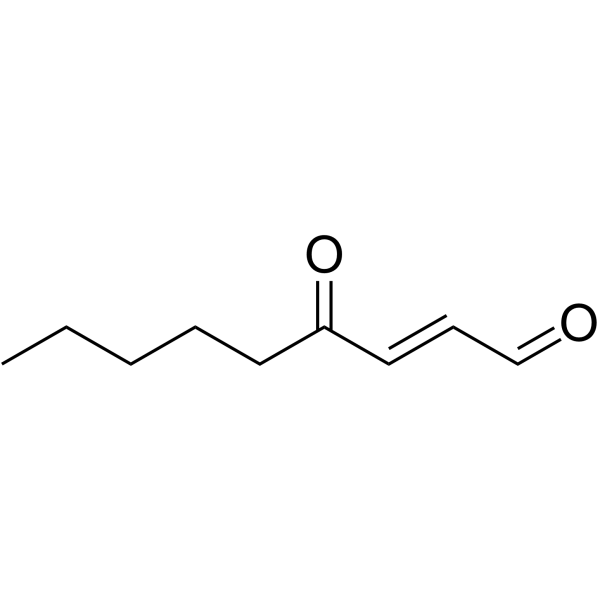
    (E)-4-Oxo-2-nonenal
    1 Publications Verification

    4-ONE

    TRP Channel Cardiovascular Disease
    (E)-4-Oxo-2-nonenal (4-ONE) is one of the major hemolytic decomposition products of lipid hydroperoxides. (E)-4-Oxo-2-nonenal is a major product of the FeII-mediated breakdown of lipid hydroperoxides. (E)-4-Oxo-2-nonenal is a potent transient receptor potential ankyrin 1 (TRPA1) agonist .
    (E)-4-Oxo-2-nonenal
  • HY-P3914

    Oct-CA(1-7)M(2-9)

    Bacterial Infection
    Cecropin A (1-7)-Melittin A (2-9) is an antimicrobial peptide with antimicrobial activity against a broad spectrum of Gram-positive and Gram-negative aerobic bacteria, as well as antimalarial activity, without the adverse hemolytic properties of bee venom peptides .
    Cecropin A (1-7)-Melittin A (2-9)
  • HY-10545A

    HBV HCV Infection
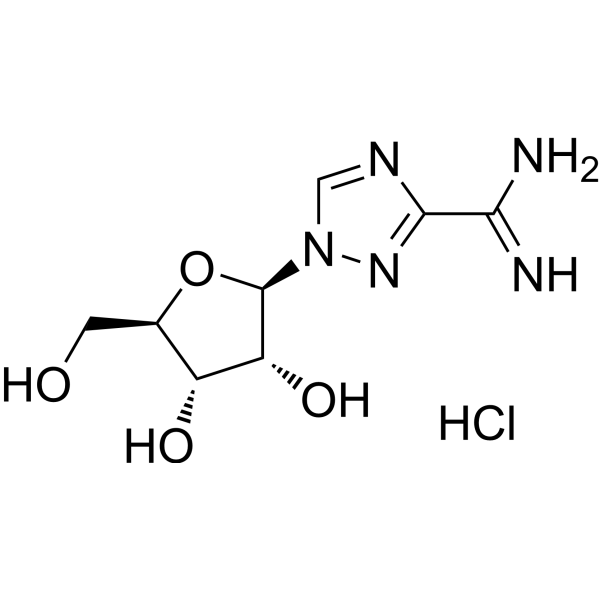
    Taribavirin hydrochloride is an orally active inosine monophosphate dehydrogenase inhibitor, has activity against a wide range of viruses, especially the hepatitis C virus and influenza virus. Taribavirin hydrochloride is a Ribavirin proagent, is designed to concentrate within the liver to target HCV-infected hepatocytes while minimizing distribution within red blood cells (RBCs) and the development of hemolytic anemia .
    Taribavirin hydrochloride
  • HY-W014841
    Sodium hippurate, 98%
    1 Publications Verification

    N-Benzoylglycine sodium, 98%

    Keap1-Nrf2 Reactive Oxygen Species (ROS) MMP TGF-beta/Smad Endogenous Metabolite Cardiovascular Disease Metabolic Disease Inflammation/Immunology
    Sodium hippurate, 98% is an orally active metabolite. Sodium hippurate, 98% can be produced by intestinal microorganisms from the metabolism of polyphenols, benzoic acid. Sodium hippurate, 98% decreases NRF2, MMP9 and leads to ROS accumulation. Sodium hippurate, 98% activates TGFβ/SMAD signaling. Sodium hippurate, 98% improves hyperuricemia and colitis. Sodium hippurate, 98% can also be used in cardiovascular disease research . .
    Sodium hippurate, 98%
  • HY-N2297

    Antibiotic Infection
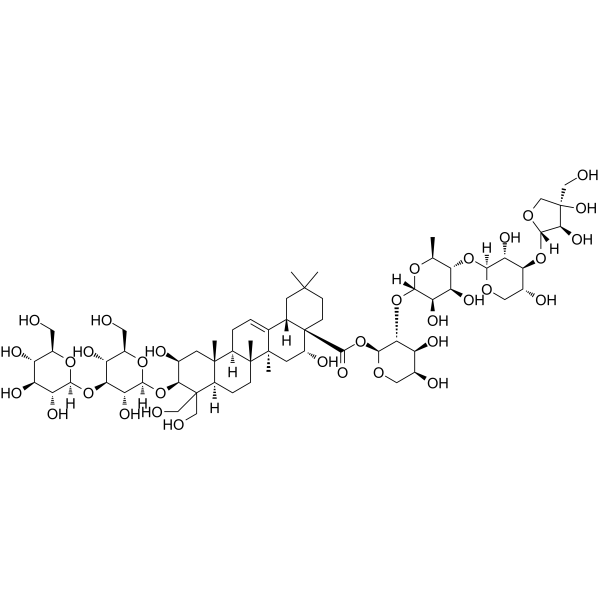
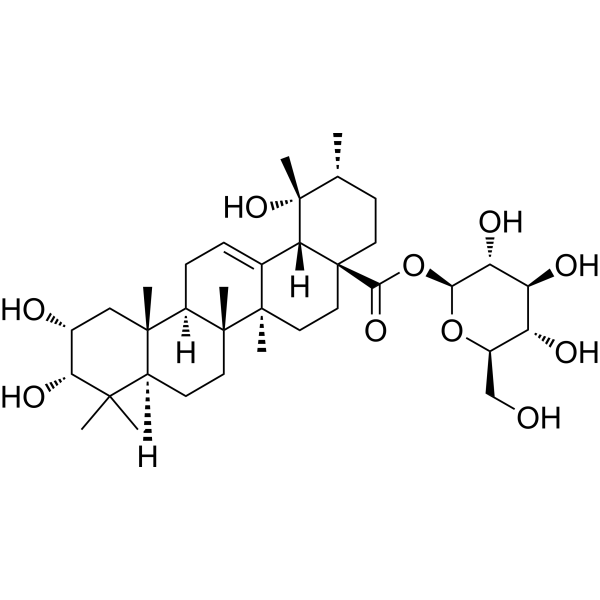
    Kaji-ichigoside F1 is isolated from S. cuneata with hemolytic and in vitro antiviral activity.
    Kaji-ichigoside F1
  • HY-P4211

    Bacterial Infection
    PSM-β is a active peptide , which can be isolated from Staphylococcus epidermidis. PSM-β is an analog of staphylococcal toxins, as well as a termed phenol-soluble modulin. PSM-β has bacteriostatic and poorly hemolytic properties .
    PSM-β
  • HY-E70075

    GDH-TIM; GDH-TPI

    Transketolase Metabolic Disease
    α-Glycerophosphate Dehydrogenase-Triosephosphate (GDH-TIM) is an enzyme mixture composed of glycerol phosphate dehydrogenase (GDH) and triphosphate isomerase (TIM). α-Glycerophosphate Dehydrogenase-Triosephosphate can be used to determine the activity of transketolase (TK) in hemolytic substances of red blood cells to evaluate vitamin B deficiency .
    α-Glycerophosphate Dehydrogenase-Triosephosphate
  • HY-W010155R

    Indole-3-ethanol (Standard)

    Reference Standards Endogenous Metabolite Apoptosis Caspase Bacterial Infection Cardiovascular Disease Neurological Disease Metabolic Disease Inflammation/Immunology
    Tryptophol (Standard) (Indole-3-ethanol (Standard)) is an analytical standard of Tryptophol (HY-W010155). This product is intended for use in research and analytical applications.Tryptophol is an aromatic alcohol and secondary metabolite produced by microorganisms. Tryptophol induces Apoptosis and cleavage of caspase-8. Tryptophol inhibits Cunninghamella blakesleeana biofilm. Tryptophol has anti-phage infection, biofilm formation regulation, anti-inflammatory, hemolytic, sleep induction, temperature change, seizure susceptibility and immune regulation activities. Tryptophol is used in the research of African trypanosomiasis, sleep disorders, epilepsy.
    Tryptophol (Standard)
  • HY-W750342

    Indole-3-ethanol-d4

    Isotope-Labeled Compounds Endogenous Metabolite Apoptosis Caspase Bacterial Infection Cardiovascular Disease Neurological Disease Metabolic Disease Inflammation/Immunology
    Tryptophol-d4 (Indole-3-ethanol-d4) is the deuterium labeled Tryptophol (HY-W010155). Tryptophol is an aromatic alcohol and secondary metabolite produced by microorganisms. Tryptophol induces apoptosis and cleavage of caspase-8. Tryptophol inhibits Cunninghamella blakesleeana biofilm. Tryptophol has anti-phage infection, biofilm formation regulation, anti-inflammatory, hemolytic, sleep induction, temperature change, seizure susceptibility and immune regulation activities. Tryptophol is used in the research of African trypanosomiasis, sleep disorders, epilepsy .
    Tryptophol-d4
  • HY-N7666

    Others Metabolic Disease Cancer
    Prosaikogenin F is a monoglycoside with anticancer and hemolytic properties .
    Prosaikogenin F
  • HY-P5016A

    Antibiotic Fungal Bacterial Infection Cancer
    CRAMP-18 (mouse) acetate is an antibiotic peptide without hemolytic activity. CRAMP-18 (mouse) acetate has good inhibitory activity against Gram-negative bacteria, such as S. typhimurium and P. aeruginosa. CRAMP-18 (mouse) acetate has the potential to study antifungal, antibacterial and antitumor .
    CRAMP-18 (mouse) acetate
  • HY-P4836A

    Parasite Infection
    LL-37 FK-13 TFA is the TFA salt form of LL-37 FK-13 (HY-P4836). LL-37 FK-13 TFA is an antimicrobial agent, that inhibits Trichomonas vaginalis. LL-37 FK-13 TFA exhibits minimal hemolytic effects on human erythrocytes and low cytotoxicity to human fibroblasts .
    LL-37 FK-13 TFA
  • HY-Y0641
    3-Phenoxybenzaldehyde
    1 Publications Verification

    m-Phenoxybenzaldehyde

    Complement System Inflammation/Immunology
    3-Phenoxybenzaldehyde has weak complement classical pathway inhibition and hemolytic activity .
    3-Phenoxybenzaldehyde
  • HY-10545

    HBV HCV Infection
    Taribavirin is an orally active inosine monophosphate dehydrogenase inhibitor, has activity against a wide range of viruses, especially the hepatitis C virus and influenza virus. Taribavirin, is a ribavirin proagent, is designed to concentrate within the liver to target HCV-infected hepatocytes while minimizing distribution within red blood cells (RBCs) and the development of hemolytic anemia .
    Taribavirin
  • HY-P10536

    Bacterial Infection
    Temporin SHF is a broad-spectrum antimicrobial peptide that is active against Gram-positive and Gram-negative bacteria and yeasts, but does not have hemolytic activity. Temporin SHF disrupts the acyl chain stacking of anionic lipid bilayers, leading to cracks and disintegration of microbial membranes. Temporin SHF can be used in the development of antimicrobial drugs .
    Temporin SHF
  • HY-P10508

    Bacterial Apoptosis Infection Cancer
    Pantinin-1 is an antimicrobial peptide found in the venom of the Pandinus imperator scorpion. Pantinin-1 has potent antimicrobial activity against Gram-positive bacteria and fungi, weak antimicrobial activity against Gram-negative bacteria, and very low hemolytic activity against human erythrocytes. Pantinin-1 also has anticancer activity and can induce apoptosis in tumor cells .
    Pantinin-1
  • HY-P1768

    Uru-TK I

    Bacterial Infection
    Urechistachykinin I (Uru-TK I), an invertebrate tachykinin-related peptides (TRPs) isolated from echiuroid worms, shows antimicrobial activities without a hemolytic effect .
    Urechistachykinin I
  • HY-P4836

    Parasite Infection
    LL-37 FK-13 is an antimicrobial agent, that inhibits Trichomonas vaginalis. LL-37 FK-13 exhibits slight hemolytic effects on human erythrocytes and low cytotoxicity to human fibroblasts .
    LL-37 FK-13
  • HY-P11193

    Bacterial Fungal Infection
    Scolopin-2 is an antimicrobial peptide that can be isolated from centipede venoms. Scolopin-2 shows strong antimicrobial activities against a panel of Gram-positive/negative bacteria and fungi (MIC ≤ 7.5 μg/mL) . Scolopin-2 shows moderate hemolytic activity against both human and rabbit red cells. Scolopin-2 can be used for antimicrobial research .
    Scolopin-2
  • HY-131300

    Parasite Infection
    Colchicoside is a bioactive tropolone alkaloid with anti-leishmanial and anti-leishmanial?activities .
    Colchicoside
  • HY-178111

    Bacterial Infection
    AcrB-IN-6 is an effective AcrB inhibitor. AcrB-IN-6 The compound inhibits the function of bacterial multidrug efflux pumps, thereby significantly enhancing the antibacterial activity of various antibiotics. AcrB-IN-6 achieves 32-fold MIC reductions in wild-type E. coli BW25113. AcrB-IN-6 exhibits excellent synergistic antibacterial effects, low cytotoxicity and hemolytic properties. AcrB-IN-6 can be used for researching anti-resistant bacteria .
    AcrB-IN-6
  • HY-178504

    Bacterial Infection
    Lug-15 is a rapid bactericidal agent. Lug-15 exhibits strong antibacterial activity against both Gram-positive and Gram-negative bacteria, including drug-resistant strains. Lug-15 rapidly kills bacteria primarily through membrane disruption and had a very low propensity to induce bacterial resistance. Lug-15 demonstrates low hemolytic toxicity and significant therapeutic potential in various infection models. Lug-15 can be used for research on combating infections caused by multi-drug resistant bacteria .
    Lug-15
  • HY-172264

    Antibiotic Bacterial DNA/RNA Synthesis Infection
    XT17 is an anthrone compound with broad-spectrum antibacterial activity. It exerts its antibacterial effect by disrupting the cell wall and inhibiting DNA synthesis. XT17 exhibits weak hemolytic activity, low cytotoxicity against mammalian cell lines, and a low frequency of drug resistance. Meanwhile, XT17 shows in vivo efficacy in a mouse corneal infection model induced by Staphylococcus aureus or Pseudomonas aeruginosa. Further docking studies have confirmed that XT17 can form a stable complex with bacterial gyrase. XT17 can be used in the research of the anti - infection field .
    XT17
  • HY-P5446

    Bacterial Others
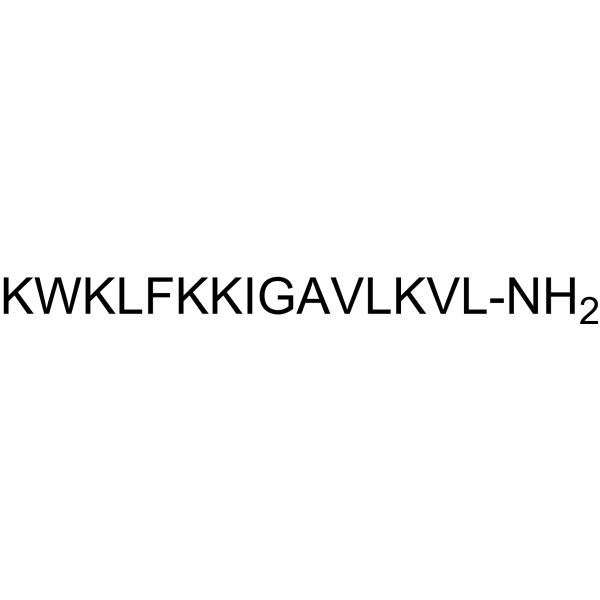
    BMAP-18 is a biological active peptide. (BMAP-18 is a truncated form of the antimicrobial peptide BMAP-27. Bovine myeloid antimicrobial peptide-27 (BMAP-27) belongs to the Cathelicidin family of peptides which displays rapid bactericidal activity against Staphylococcus aureus, Streptococcus uberis, and Escherichia coli. BMAP-27 is cytotoxic to human erythrocytes and neutrophils, although at higher than microbicidal concentrations. BMAP-18 displays much higher cell selectivity as compared to parental BMAP-27 because of its decreased hemolytic activity and retained antimicrobial activity.)
    BMAP-18
  • HY-P5682

    Bacterial Infection
    Maximin 41 is an antimicrobial peptide. Maximin 41 has antibacterial activity against S. aureus (MIC: 75 μg/mL). Maximin 41 has hemolytic activities against human red cells .
    Maximin 41
  • HY-P5685

    Bacterial Infection
    Maximin 49 is an antimicrobial peptide. Maximin 49 has antibacterial activity against S. aureus (MIC: 18.8 μg/mL). Maximin 49 has hemolytic activities against human and rabbit red cells .
    Maximin 49
  • HY-P5683

    Bacterial Infection
    Maximin 45 is an antimicrobial peptide. Maximin 41 has antibacterial activity against S. aureus, E. coli, B. subtilis (MIC: 4.7, 9.4, 75 μg/mL). Maximin 45 has hemolytic activities against human and rabbit red cells .
    Maximin 45
  • HY-P5686

    Bacterial Infection
    Maximin 78 is an antimicrobial peptide. Maximin 78 has antibacterial activity against C. albicans, S. aureus, B. subtilis (MIC: 37.5, 4.7, 37.5 μg/mL). Maximin 78 has hemolytic activities against human and rabbit red cells .
    Maximin 78
  • HY-P5684

    Bacterial Infection
    Maximin H39 is an antimicrobial peptide. MaximinH39 has antibacterial activity against C. albicans, S. aureus, B. subtilis (MIC: 9.4, 9.4, 18.8 μg/mL). Maximin H39 has hemolytic activities against human and rabbit red cells .
    Maximin H39
  • HY-P5492A

    Delta-lysin TFA

    Bacterial Others
    Delta-hemolysin (Delta-lysin) TFA, a 26 amino acid peptide, is a hemolytic peptide produced by Staphylococcus. Delta-hemolysin TFA may slightly perturb a membrane or lead to cell lysis. Delta-hemolysin TFA is a model in the study of peptides interacting with membranes. Delta-hemolysin TFA is poorly active against bacteria .
    Delta-hemolysin TFA
  • HY-P10547

    MAC-1 peptide

    Bacterial Infection
    Macropin (MAC-1 peptide) is an antimicrobial peptide found in the venom of the solitary bee Macropis fulvipes. Macropin has antibacterial activity against both Gram-positive and Gram-negative bacteria, and also exhibits inhibitory activity against fungi and moderate hemolytic activity against human erythrocytes. Macropin can be used in research on anti-infective therapy .
    Macropin
  • HY-P5713

    Bacterial Infection
    Des(8-14)brevinin-1PMa is a host-defense peptide that exhibits antimicrobial activity against Staphylococcus aureus and Echerichia coli. Des(8-14)brevinin-1PMa also shows hemolytic activity .
    Des(8-14)brevinin-1PMa
  • HY-146595

    Bacterial Infection
    FtsZ-IN-1 is a potent FtsZ inhibitor with quinolinium ring. FtsZ-IN-1 has stronger antibacterial activity against Gram-positive bacteria with MICs of 0.5-8 μg/mL. FtsZ-IN-1 significantly causes cell elongation of B. subtilis by enhancing FtsZ polymerization. FtsZ-IN-1 exhibits low hemolytic toxicity and low tendency to induce agent resistance. FtsZ-IN-1 has against drug-resistant bacteria activity .
    FtsZ-IN-1
  • HY-124112

    Parasite Infection
    PAM 1392 is active orally against Plasmodium berghei in mice, P. cynofologi and P. knowlesi in monkeys and Trypanosoma cruzi in tissue cultures of mice, and hemolytic streptococci in vitro. PAM 1392 has antimalarial and antitrypanosomal activities, which is proming for rasearch of drug-resistant malaria .
    PAM 1392
  • HY-149223

    Bacterial Infection
    FtsZ-IN-5 is a potent FtsZ inhibitor, to promote FtsZ polymerization and inhibit GTPase activity of FtsZ. Thus, FtsZ-IN-5 inhibits bacterial division to lead to death of bacterial cells. FtsZ-IN-5 shows bactericidal activity with no significant tendency to trigger bacterial resistance as well as rapid bactericidal properties. And FtsZ-IN-5 shows low hemolytic activity and cytotoxicity to mammalian cells .
    FtsZ-IN-5

Inquiry Online

Your information is safe with us. * Required Fields.

Salutation


Country or Region *

Applicant Name *


Organization Name *

Department *


Email Address *


Product Name *

Cat. No.


Requested quantity *

Phone Number *


Remarks

Inquiry Online

Inquiry Information

Product Name:
Cat. No.:
Quantity:
MCE Japan Authorized Agent:

