Search Result
Results for "
HepG2 liver cells
" in MedChemExpress (MCE) Product Catalog:
2
Biochemical Assay Reagents
1
Isotope-Labeled Compounds
| Cat. No. |
Nombre del producto |
Target |
Áreas de investigación |
Chemical Structure |
-
- HY-N0401A
-
|
|
Bacterial
Estrogen Receptor/ERR
FATP
|
Infection
Metabolic Disease
Cancer
|
|
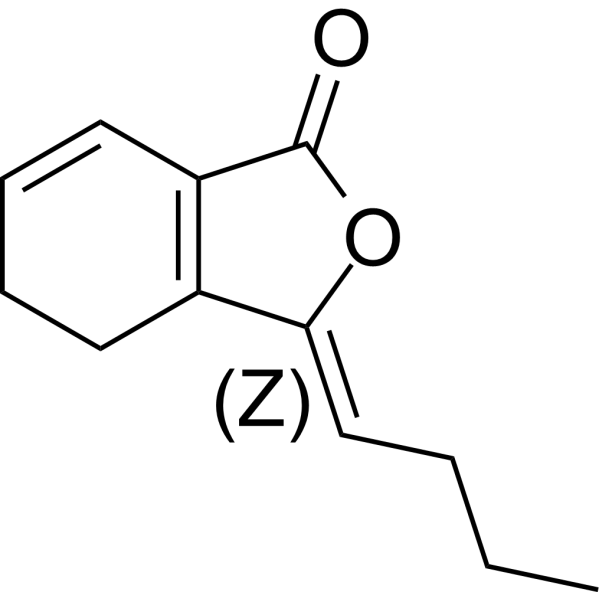
(Z)-Ligustilide is extracted from Ligusticum chuanxiong Hort, has antimicrobial and antifungal activity, exhibits an average antifungal score of 5.6 . (Z)-Ligustilide is orally active, it inhibits the expression of FATP5 and DGAT, inhibits fatty acid uptake and esterification in mice and has potential as therapeutics for nonalcoholic fatty liver disease (NAFLD) . (Z)-Ligustilide is also able to reactivate ERα, has epigenetic regulation, and is used in the study of tamoxifen-resistant breast cancer .
|
-
-
- HY-119976
-
|
|
Environmental Pollutants
Apoptosis
Fungal
Mitochondrial Metabolism
Succinate Dehydrogenase
|
Infection
|
|
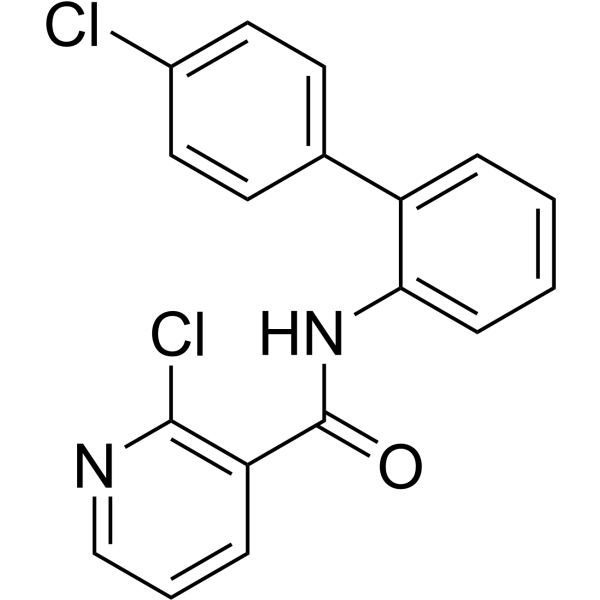
Boscalid is a succinate dehydrogenase (SDHI) inhibitor with antifungal activity. Boscalid binds to the ubiquinone-binding site of fungal mitochondrial complex II, blocks ATP production and aerobic respiration, exhibits good control efficacy against a variety of plant fungal diseases including gray mold, sclerotinia rot and powdery mildew, and is widely used for disease control in agriculture. Boscalid induces apoptosis, altered lipid metabolism, mitochondrial dysfunction, respiratory impairment, oxidative stress, ROS accumulation and neurodevelopmental disorders in zebrafish. Boscalid reduces foraging ability, shortens median death time and causes chronic toxicity in exposed honeybees. Boscalid also possesses genotoxicity, cytotoxicity, elevated mitochondrial superoxide levels and early-stage apoptosis .
|
-
-
- HY-103697
-
|
|
Toll-like Receptor (TLR)
|
Cancer
|
|
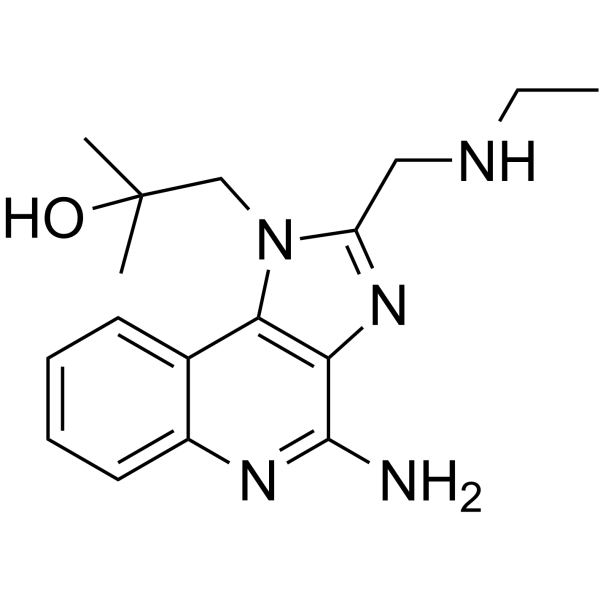
Gardiquimod is an imidazoline TLR7/8 agonist. Gardiquimod inhibits HIV-1 infection of macrophages and activated peripheral blood mononuclear cells (PBMCs). Gardiquimod specifically activates TLR7 at concentrations below 10 μM.
|
-
-
- HY-N0316
-
|
|
JAK
NF-κB
Reactive Oxygen Species (ROS)
Apoptosis
VEGFR
c-Myc
|
Cancer
|
|
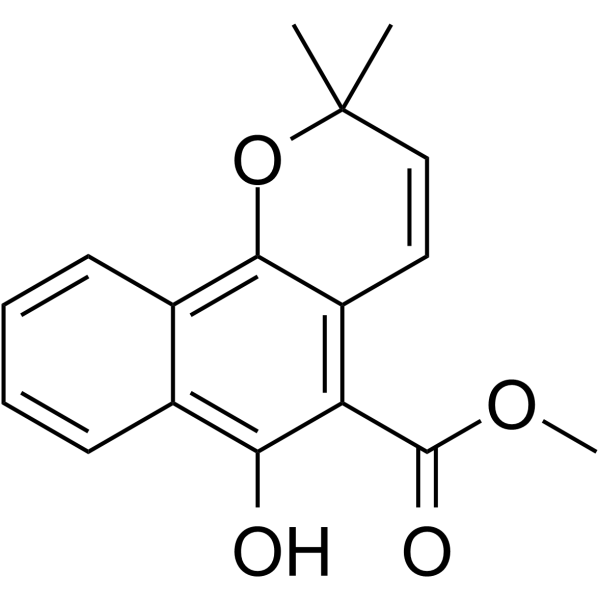
Mollugin is an orally active and potent NF-κB inhibitor. Mollugin induces S-phase arrest of HepG2 cells, and increased intracellular reactive oxygen species (ROS) levels. Mollugin induces DNA damage in HepG2 cells, as well as an increase in the expression of p-H2AX. Mollugin shows anti-cancer effect by inhibiting TNF-α-induced NF-κB activation. Mollugin enhances the osteogenic action of BMP-2 (bone morphogenetic protein 2) via the p38-Smad signaling pathway .
|
-
-
- HY-N4067
-
|
isoCDCA
|
FXR
Endogenous Metabolite
|
Metabolic Disease
|
|
Isochenodeoxycholic acid (isoCDCA) is a FXR agonist. Isochenodeoxycholic acid activates the activity of FXR and induces the mRNA expression of FXR target genes (Ostβ and Kng1). Isochenodeoxycholic acid serves as a substrate for the liver class I ADH γγ isozyme-mediated 3β-dehydrogenation reaction .
|
-
-
- HY-N6712
-
|
Acetopyrrothin
|
Antibiotic
Bacterial
Deubiquitinase
NOD-like Receptor (NLR)
DNA/RNA Synthesis
Pyroptosis
HMG-CoA Reductase (HMGCR)
|
Infection
Cardiovascular Disease
Cancer
|
|
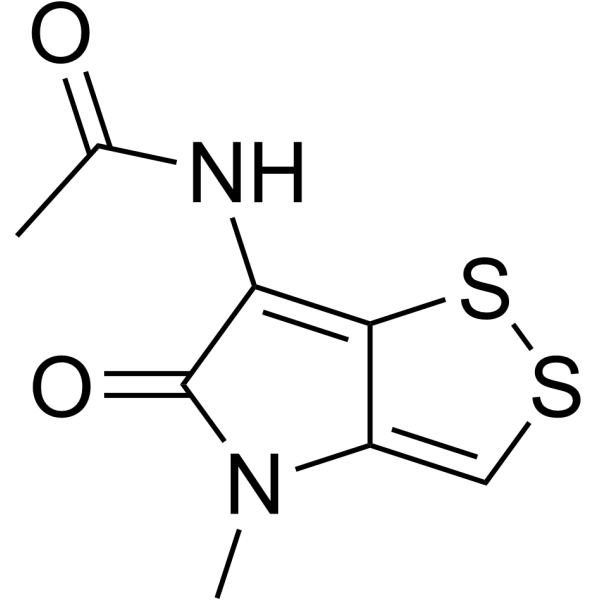
Thiolutin (Acetopyrrothin) is a sulfur-containing antibiotic, which is a potent inhibitor of bacterial and yeast RNA polymerases. Thiolutin can be produced by Streptomyces. Thiolutin inhibits AMSH (IC50 = 4 μM) and Rpn11 (IC50 = 0.53 μM). Thiolutin is a dual inhibitor of BRCC36 and the NLRP3 inflammasome, exhibiting anti-inflammatory effects. Thiolutin effectively suppresses the interaction between BRCC36 and HMGCR, leading to the inhibition of HCC growth. Thiolutin attenuates pyroptosis and NLRP3 inflammasome activation. Thiolutin markedly alleviates renal injury and inflammatory process in IgAN. Thiolutin is an anti-angiogenic compound which can ease Doxorubicin-induced cardiotoxicity (DOXIC) [1][2][3][4][5].
|
-
-
- HY-113162
-
|
|
Keap1-Nrf2
Ferroptosis
Reactive Oxygen Species (ROS)
SOD
|
Metabolic Disease
Cancer
|
|
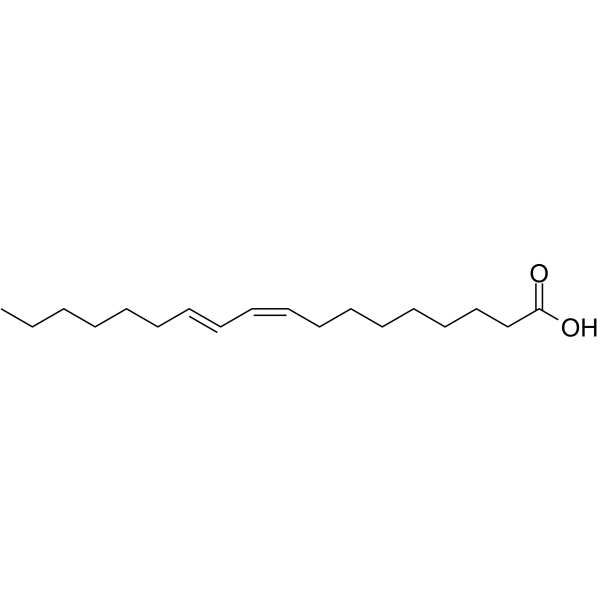
Bovinic acid is an orally active anti-inflammatory agent. Bovinic acid inhibits oxidative stress and ferroptosis by regulating the Keap1-Nrf2 signaling pathway. Bovinic acid exerts hepatoprotective effects against alcohol-associated liver disease. Bovinic acid can be used for the research of alcohol-associated liver disease .
|
-
-
- HY-W440911
-
|
|
Liposome
Fluorescent Dye
|
Cancer
|
|
DSPE-PEG2000-Cy5 is a Cy5 (HY-D0821) fluorophore-labeled conjugate of distearoylphosphatidylethanolamine and polyethylene glycol, as well as a liposome component. The Cy5 fluorophore is commonly used for labeling proteins and nucleic acids in imaging, flow cytometry and genomic applications. DSPE-PEG2000-Cy5 supports cell membrane modification, in vivo tumor targeting research and long-term in vivo circulation of its liposomal formulations (Ex/Em=633/670 nm) .
|
-
-
- HY-N2078
-
|
Neodiosgenin
|
LXR
Reactive Oxygen Species (ROS)
Apoptosis
Fatty Acid Synthase (FASN)
|
Metabolic Disease
|
|
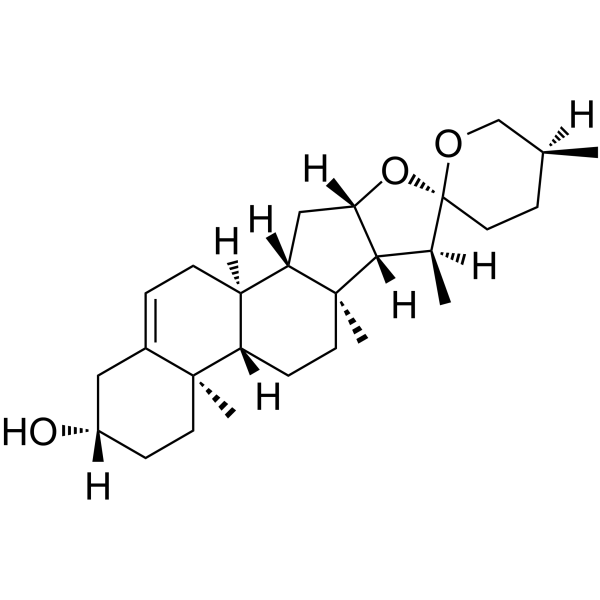
Yamogenin (Neodiosgenin) is a diastereomer of diosgenin. Yamogenin antagonizes the activation of the liver X receptor (LXR) in luciferase ligand assay. Yamogenin inhibits triacylglyceride (TG) accumulation through the suppression of gene expression of fatty acid synthesis in HepG2 hepatocytes. Yamogenin is a steroidal saponin that can be obtained from plant species with in vitro cytotoxicity, antioxidant, and antimicrobial properties. Yamogenin induces cell death via the extrinsic and intrinsic way of apoptosis. Yamogenin inhibits protein denaturation with an IC50 of 1421.92 μg/mL. Yamogenin can be studied in research on gastric cancer .
|
-
-
- HY-W018161
-
|
Thapsic acid
|
IRE1
Ferroptosis
Keap1-Nrf2
Glutathione Peroxidase
|
Metabolic Disease
|
|
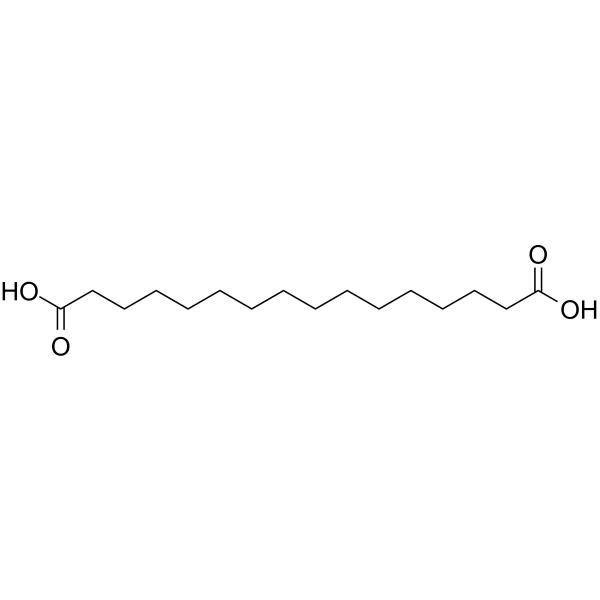
Hexadecanedioic acid (Thapsic acid) is an orally active metabolite produced by B. uniformis. Hexadecanedioic acid inhibits IRE1α-XBP1s-mediated flipogenesis and ferroptosis. Hexadecanedioic acid downregulates XBP1 and Hrd1 expression, activates the Nrf2/SLC7A11/GPX4 pathway. Hexadecanedioic acid can be used for the research of metabolic-associated fatty liver disease .
|
-
-
- HY-113000
-
|
|
Endogenous Metabolite
|
Cardiovascular Disease
|
|
Cetoleic acid is a long-chain monounsaturated fatty acid found in deep-sea fish. Cetoleic acid can promote the synthesis of ALA in human HepG2 cells and EPA in vitro in salmon liver cells, affecting cholesterol levels in rodents. Cetoleic acid has potential applications in cardiovascular disease research .
|
-
-
- HY-N7905
-
|
|
Others
|
Inflammation/Immunology
|
|
Myricetin 3'-glucoside is a glycoside derivative of quercetin. Myricetin 3'-glucoside significantly prevents ethanol-induced hepatotoxicity by reducing hepatic transaminase activity and inflammatory response in HepG2 cells. Myricetin 3'-glucoside has a certain protective effect on alcohol-induced liver injury .
|
-
-
- HY-175035
-
|
|
Hexokinase
|
Inflammation/Immunology
Cancer
|
|
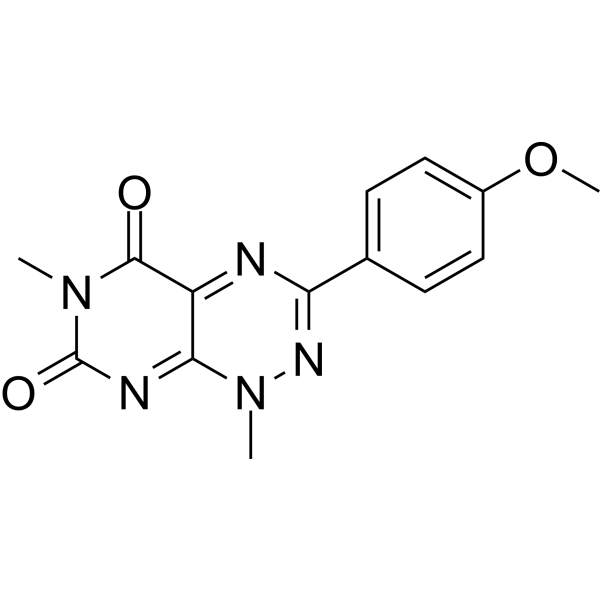
HK-2-IN-1 is a Hexokinase 2 (HK-2) inhibitor. HK-2-IN-1 exhibits a non-activating effect on human recombinant HK-2 enzyme. HK-2-IN-1 has anti-tumor activity, affecting immune cells in the tumor microenvironment. HK-2-IN-1 has immunomodulatory effects and is potentially useful in the study of cancers such as colon cancer, liver cancer, and breast cancer .
|
-
-
- HY-N4314
-
|
4',5,6,7-Tetramethoxyflavone
|
Bacterial
COX
NO Synthase
NF-κB
|
Infection
Inflammation/Immunology
Cancer
|
|
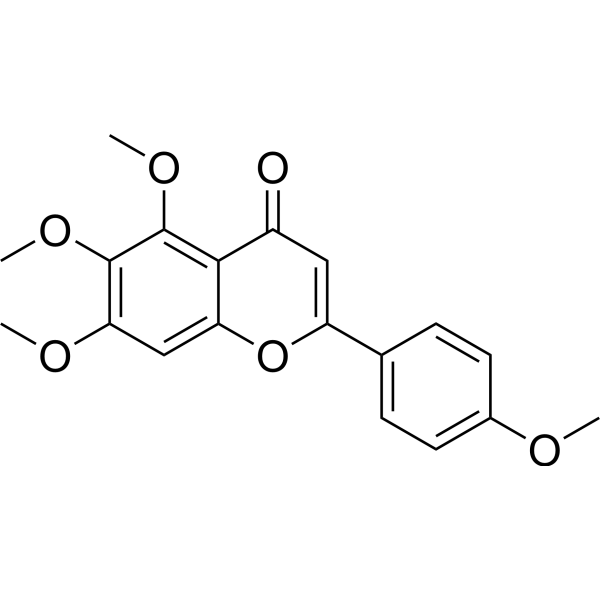
Scutellarein tetramethyl ether (4',5,6,7-Tetramethoxyflavone) is a bioactive compound extracted from Eupatorium odoratum. Scutellarein tetramethyl ether exhibits anti-inflammatory, antibacterial, pro-coagulant, and anti-tumor activities. Scutellarein tetramethyl ether exerts its anti-inflammatory effects by modulating the NF-κB pathway and regulates bacterial resistance through the inhibition of efflux pumps. Additionally, Scutellarein tetramethyl ether accelerates coagulation time via the endogenous coagulation pathway. Studies have shown that Scutellarein tetramethyl ether can effectively inhibit the growth of the liver cancer cell line HepG2 (IC50= 20.08 μg/mL) .
|
-
-
- HY-B0854
-
-
-
- HY-170035
-
|
C18 Glucosyl(β) ceramide (d18:1/18:0); D-glucosyl-β-1,1' N-stearoyl-D-erythro-sphingosine
|
Fungal
Wnt
β-catenin
|
Infection
Neurological Disease
Cancer
|
|
GlcCer (d18:1/18:0) (C18 Glucosyl(β) ceramide (d18:1/18:0)) is a glycosphingolipids that activates the Wnt/β-catenin pathway by targeting LRP6. GlcCer (d18:1/18:0) drives EMT, migration, invasion and GBA1-mediated liver cancer metastasis. GlcCer (d18:1/18:0) accumulates to impair lysosomal function and induce toxic α-synuclein aggregation. GlcCer (d18:1/18:0) supports growth, sporulation, germination and virulence in Penicillium digitatum. GlcCer (d18:1/18:0) is reduced in demyelinated mouse corpus callosum. GlcCer (d18:1/18:0) can be used for the research of liver cancer, synucleinopathies, fungal, Parkinson’s disease and Gaucher disease .
|
-
-
- HY-48917
-
|
|
Phospholipase
Apoptosis
|
Inflammation/Immunology
|
|
C10 Bisphosphonate is an acid sphingomyelinase (aSMase) inhibitor with an IC50 of 0.02 μM in rats. C10 Bisphosphonate inhibits Dexamethasone (HY-14648)-induced cell apoptosis (apoptosis) and alleviates platelet-activating factor (PAF)-induced pulmonary edema. C10 Bisphosphonate can be used for the research of pulmonary edema .
|
-
-
- HY-151257
-
|
|
Hippo (MST)
|
Metabolic Disease
|
|
IHMT-MST1-58 is a potent, selective mammalian and orally active STE20-like protein 1 kinase (MST1) inhibitor with IC50 value of 23 nM. IHMT-MST1-58 can be used for the research of Type 1/2 diabetes .
|
-
-
- HY-160250
-
|
|
Fluorescent Dye
UGT
|
Metabolic Disease
|
|
UGT1A1-IN-1 is a UGT1A1 inhibitor and fluorescent probe (Ex=370 nm, Em=520 nm), with an IC50 of 1.33 μM and a Ki of 5.02 μM. UGT1A1-IN-1 is selectively glucuronidated by UGT1A1 at the bilirubin homologous binding site, and its PET effect is blocked along with this reaction, triggering fluorescence changes. UGT1A1-IN-1 can serve as a substitute for bilirubin to detect UGT1A1 activity and perform high-throughput screening of UGT1A1 modulators .
|
-
-
- HY-21191
-
|
PFBS
|
Biochemical Assay Reagents
PPAR
Reactive Oxygen Species (ROS)
|
Metabolic Disease
|
|
Perfluorobutanesulfonic acid (PFBS) is a short-chain perfluoroalkyl substance and the main replacement for perfluorooctanesulfonic acid. Perfluorobutanesulfonic acid induces fat accumulation in human HepG2 hepatoma cells. Perfluorobutanesulfonic acid promotes lipid accumulation by activating PPARγ pathway and triggering oxidative stress, endoplasmic reticulum stress and calcium dyshomeostasis. Perfluorobutanesulfonic acid impairs reproduction and causes developmental disorders in offspring of Caenorhabditis elegans. Perfluorobutanesulfonic acid disrupts pancreatic organogenesis and lipid homeostasis in zebrafish embryos. Perfluorobutanesulfonic acid can be used in environmental toxicology, lipid metabolism and developmental toxicity studies .
|
-
-
- HY-151574
-
|
|
Ser/Thr Kinase
Parasite
GSK-3
|
Infection
|
|
PfGSK3/PfPK6-IN-1 is a dual Plasmodium serine/threonine kinase inhibitor, with an IC50 of 97 nM against PfGSK3 and 8 nM against PfPK6 of Plasmodium falciparum. PfGSK3/PfPK6-IN-1 inhibits the proliferation of blood-stage parasites of Plasmodium falciparum 3D7. PfGSK3/PfPK6-IN-1 shows low cytotoxicity to hepatocytes at a concentration of 200 nM, and reduces cell viability at a concentration of 2 μM. PfGSK3/PfPK6-IN-1 is applicable to malaria-related research .
|
-
-
- HY-103697A
-
|
|
Toll-like Receptor (TLR)
|
Cancer
|
|
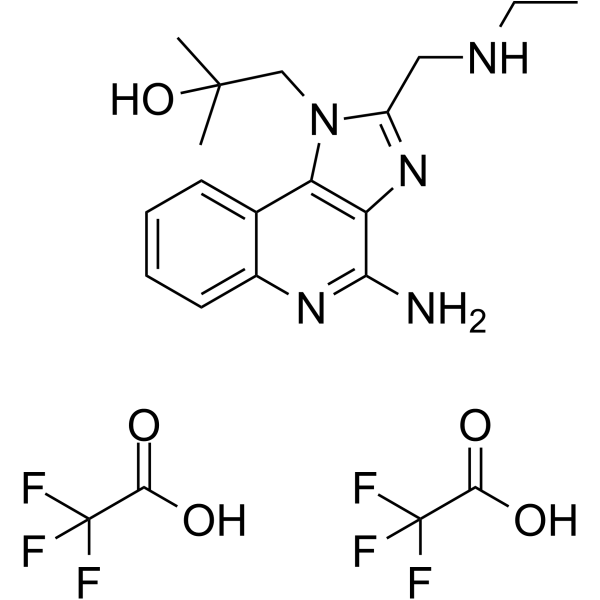
Gardiquimod diTFA is an imidazoline TLR7/8 agonist. Gardiquimod diTFA inhibits HIV-1 infection of macrophages and activated peripheral blood mononuclear cells (PBMCs). Gardiquimod diTFA specifically activates TLR7 at concentrations below 10 μM.
|
-
-
- HY-175208
-
|
|
Hippo (MST)
Caspase
Bcl-2 Family
Apoptosis
|
Cancer
|
|
MST3-IN-1 is a selective and orally active MST3 inhibitor, with an IC50 of 122.4 nM. MST3-IN-1 shows antiproliferative activity against HepG2 cell. MST3-IN-1 effectively induces apoptosis in HepG2 cells, and halts the cell cycle at the G2/M transition. MST3-IN-1 significantly suppressed tumor growth in HepG2 xenograft mice. MST3-IN-1 can be used for the study of liver cancer .
|
-
-
- HY-172157
-
|
|
HDAC
AMPK
|
Metabolic Disease
|
|
HDAC11-IN-2 (compound B6) is a high selective Histone Deacetylase 11 (HDAC11) inhibitor. HDAC11-IN-2 inhibits HDAC11 and HDAC8 with IC50s of 51.1 ×10 -3 μM and 5 μM, respectively. HDAC11-IN-2 inhibits denovolipogenesis (DNL) and promotes fatty acid oxidation, thus mitigating hepaticlipid accumulation and pathological symptoms in MASLD mice. HDAC11-IN-2 enhances the phosphorylation of AMPKα1 at Thr172 through the inhibition of HDAC11, consequently modulating DNL and fatty acid oxidation in the liver .
|
-
-
- HY-118224
-
|
|
Parasite
|
Infection
|
|
BPH-715 is a bisphosphonate, inhibits Plasmodium liver-stage growth, with an IC50 of 10 μM for Plasmodium exoerythrocytic forms in HepG2 cells .
|
-
-
- HY-142101
-
|
|
Others
|
Inflammation/Immunology
|
|
3,4-Didehydroglabridin is a natural product that can be found in licorice. 3,4-Didehydroglabridin exhibits protective activities against carbon tetrachloride-induced HepG2 cells injury. 3,4-Didehydroglabridin has the potential for the research of liver injury .
|
-
-
- HY-164799
-
|
|
FXR
|
Inflammation/Immunology
|
|
FXR agonist 12 (Compound C7) is the orally active agonist for FXR. FXR agonist 12 down-regulates bile acid synthesis-related genes, and up-regulates bile acid transport-related genes in HepG2 cells. FXR agonist 12 improves ANIT-induced cholestasis, ameliorates the liver damage and fibrosis in mouse NASH models .
|
-
-
- HY-113510
-
-
-
- HY-172086
-
|
|
TrxR
Apoptosis
Reactive Oxygen Species (ROS)
|
Cancer
|
|
TrxR-IN-7 is a thioredoxin reductase (TrxR) inhibitor with an IC50 of 3.5 μM. TrxR-IN-7 induces reactive oxygen species (ROS) generation and apoptosis in tumor cells. TrxR-IN-7 can be used for the research of liver cancer and breast cancer .
|
-
-
- HY-146350
-
|
|
TrxR
Reactive Oxygen Species (ROS)
Apoptosis
|
Cancer
|
|
TrxR-IN-4 is a thioredoxin reductase (TrxR) inhibitor with a rat IC50 of 0.37 μM. TrxR-IN-4 inhibits TrxR activity, elevates reactive oxygen species (ROS) and induces apoptosis. TrxR-IN-4 mediates endoplasmic reticulum stress and induces mitochondrial dysfunction. TrxR-IN-4 can be used for the research of hepatocellular carcinoma .
|
-
-
- HY-159595
-
|
|
LDLR
PCSK9
|
Metabolic Disease
Inflammation/Immunology
|
PCSK9-IN-29 is a lipid-lowering agent. PCSK9-IN-29 can increase low-density lipoprotein receptor (LDLR) protein expression and decrease PCSK9 protein expression in hepG2 cells. PCSK9-IN-29 can reduce the levels of serum LDL-C, TC, and liver enzyme ALT in crab eating macaques fed a high-fat diet, lower body weight and fat, and increase bone mineral content. PCSK9-IN-29 can be used for research on non-alcoholic fatty liver disease and obesity .
|
-
-
- HY-175208A
-
|
|
Hippo (MST)
Caspase
Bcl-2 Family
Apoptosis
|
Cancer
|
|
MST3-IN-1 TFA (Compound LD-1) is a selective and orally active MST3 inhibitor, with an IC50 of 122.4 nM. MST3-IN-1 TFA shows antiproliferative activity against HepG2 cell. MST3-IN-1 TFA effectively induces Apoptosis in HepG2 cells, and halts the cell cycle at the G2/M transition. MST3-IN-1 TFA significantly suppressed tumor growth in HepG2 xenograft mice. MST3-IN-1 TFA can be used for the study of liver cancer .
|
-
-
- HY-176166
-
|
|
mTOR
PROTACs
Autophagy
|
Cancer
|
|
PD-M6 is a mTOR PROTAC degrader (DC50: 4.8 μM). PD-M6 promotes ubiquitination and degradation of mTOR. PD-M6 downregulates MAPKAP1 and CASTOR1, and induces Autophagy. PD-M6 inhibits the proliferation of cervical cancer, breast cancer and liver cancer cell lines. PD-M6 can be used for the research of cervical cancer, breast cancer and liver cancer .
|
-
-
- HY-174424
-
|
|
PD-1/PD-L1
Apoptosis
|
Cancer
|
|
NPH16 is an orally active PD-1/PD-L1 inhibitor with an IC50 of 24.4 nM. NPH16 can promote HepG2 cell apoptosis. NPH16 shows excellent in vivo antitumor efficacy and favorable pharmacokinetic properties. NPH16 can be used for the study of liver cancer .
|
-
-
- HY-175176
-
|
|
HDAC
Apoptosis
Pyroptosis
Reactive Oxygen Species (ROS)
Caspase
|
Cancer
|
|
HDAC1/6-IN-3 is a potent HDAC inhibitor. HDAC1/6-IN-3 shows excellent inhibitory activities against HDAC1 (IC50 = 1.1 nM) and HDAC6 (IC50 = 2.7 nM). HDAC1/6-IN-3 significantly arrests HepG2 cells at the G0/G1 phase and induces apoptosis and pyroptosis. HDAC1/6-IN-3 exhibits significant antitumor activity in the HepG2 xenograft mode. HDAC1/6-IN-3 can be used for the study of cancers such as liver cancer, lung cancer, colon cancer and breast cancer .
|
-
-
- HY-N9778
-
|
|
Apoptosis
Bcl-2 Family
Caspase
Drug Derivative
|
Cancer
|
|
Phoyunbene B is a similar substance to Resveratrol (HY-16561). Phoyunbene B exhibits stronger growth inhibitory activity against human liver cancer cells HepG2 compared to Resveratrol. Phoyunbene B induces G2/M phase cell cycle arrest and apoptosis. Phoyunbene B increases Bax/Bcl-2 and activates Caspase-3. Phoyunbene B inhibits the invasion and migration of cancer cells. Phoyunbene B can be used for research on liver cancer .
|
-
-
- HY-N10359
-
|
|
NOD-like Receptor (NLR)
Caspase
Akt
GSK-3
β-catenin
|
Metabolic Disease
Inflammation/Immunology
Cancer
|
|
Isoandrographolide is an orally active NLRP3 inflammasome inhibitor and AKT/GSK-3β/β-catenin pathway inhibitor. Isoandrographolide inhibits the expression of NLRP3, ASC, and caspase-1, and reduces the levels of phosphorylated AKT, phosphorylated GSK-3β, and β-catenin. Isoandrographolide alleviates inflammatory responses, reduces collagen deposition, suppresses epithelial-mesenchymal transition (EMT), induces differentiation of leukemia cells, inhibits the growth of leukemia cells, protects lung and kidney tissues, regulates cytokine levels, and also exhibits hepatoprotective effects. Isoandrographolide can be used in studies related to silicosis, murine myeloid leukemia, renal tubulointerstitial fibrosis, and non-alcoholic fatty liver disease .
|
-
-
- HY-129247
-
|
|
MDM-2/p53
Aryl Hydrocarbon Receptor
Cytochrome P450
|
Cancer
|
|
Versicolorin A is a biosynthetic precursor of Aflatoxin B1 (HY-N6615). Versicolorin A induces phosphorylation of p53. Versicolorin A activates the aryl hydrocarbon receptor AhR and significantly induces the expression of CYP1A1. Versicolorin A exerts genotoxic and cytotoxic effects. Versicolorin A enhances the genotoxicity of aflatoxin B1 in cells by promoting CYP450-mediated bioactivation of aflatoxin B1. Versicolorin A can be used in research related to colorectal cancer and hepatocellular carcinoma .
|
-
-
- HY-P3016B
-
|
EC 2.6.1.1, Human liver; GOT, Human liver; AST, Human liver
|
Aminotransferases (Transaminases)
|
Cardiovascular Disease
|
|
Aspartate aminotransferase (EC 2.6.1.1), Human liver is a metabolic regulator with the highest activity in the heart, liver and skeletal muscle. Aspartate aminotransferase, Human liver comprises two isozymes: the cytoplasmic form (AST1) and the mitochondrial form (AST2). By catalyzing reversible transamination reactions between oxaloacetate, L-glutamate and other substances, it is deeply involved in key physiological processes such as amino acid metabolism, the tricarboxylic acid cycle and neurotransmitter synthesis. Aspartate aminotransferase, Human liver also provides substrate support for the synthesis of urea and purines/pyrimidines. Aspartate aminotransferase, Human liver is a serum marker reflecting cardiac and hepatic injury, and its abnormal levels are also closely associated with myocardial infarction, cardiovascular diseases and various cancers .
|
-
-
- HY-N15577
-
|
|
Drug Derivative
|
Cancer
|
|
Antiproliferative agent-69 (Compound 1) is a prenylated kaempferol derivative found in the fresh bud’s fur of Platanus acerifolia. Antiproliferative agent-69 shows significant antiproliferative effects against human breast cancer cells (MCF-7) and human hepatocellular carcinoma cells (Hep-G2) with IC50 values of 38.2 μM and 39.5 μM, respectively. Antiproliferative agent-69 is promising for research of breast cancer and liver cancer .
|
-
-
- HY-157404
-
|
|
Pim
|
Cancer
|
|
Pim-1/2 kinase inhibitor 2 (compound 5b) is a competitive PIM-1 and PIM-2 kinase inhibitor with IC50s of 1.31 μM and 0.67 μM, respectively. Pim-1/2 kinase inhibitor 2 shows in-vitro low cytotoxicity against normal human lung fibroblast Wi-38 cell line and potent in-vitro anticancer activity against myeloid leukaemia (NFS-60), liver (HepG-2), prostate (PC-3), and colon (Caco-2) cancer cell lines .
|
-
-
- HY-D3000
-
|
|
Fluorescent Dye
|
Metabolic Disease
|
|
NIR-RED ROS-H2O2 Probe is a near-infrared fluorescent probe used for detecting hydrogen peroxide (H₂O₂) and featuring dual-modal fluorescence/photoacoustic imaging capabilities. NIR-RED ROS-H2O2 Probe successfully detects the upregulated fluorescence signal of H₂O₂ in HepG2 cells and a mouse liver injury model. NIR-RED ROS-H2O2 Probe can be used as a biomarker detection tool for drug-induced liver injury (DILI) .
|
-
-
- HY-178133
-
|
|
Pim
Apoptosis
Caspase
|
Cancer
|
|
Pim-1 kinase-IN-14 is a PIM-1 kinase inhibitor with an IC50 value of 94 nM. Pim-1 kinase-IN-14 shows broad-spectrum and high-efficiency anticancer activity against multiple human cancer cell lines, including liver cancer (HepG-2), colon cancer (Caco-2), myeloid leukemia (NFS-60), and prostate cancer (PC-3) cells. Pim-1 kinase-IN-14exerts its anticancer effects by inducing apoptosis and activating caspase 3/7. Pim-1 kinase-IN-14 can be used for the study of cancers associated with PIM-1 kinase overexpression .
|
-
-
- HY-178960
-
|
|
Microtubule/Tubulin
Apoptosis
|
Cancer
|
|
Tubulin-IN-59 (Compound 8g) is an orally active Tubulin inhibitor. Tubulin-IN-59 exhibits potent anti-proliferative activity against HCT116 colorectal cancer, HeLa cervical cancer, and HepG2 liver cancer cell lines, with its IC₅₀ value ranging from 16 to 35 nM. Tubulin-IN-59 arrests HeLa cells in the G2/M phase and induces cell apoptosis. Tubulin-IN-59 demonstrates significant anti-tumor activity in the HT29 human colon cancer mouse xenograft model. Tubulin-IN-59 can be used for the study of colorectal cancer and cervical cancer .
|
-
-
- HY-169941
-
|
|
Estrogen Receptor/ERR
|
Metabolic Disease
Cancer
|
|
ERα/ERβ antagonist-1 (Compound 10) is partial antagonists of ERα and ERβ. ERα/ERβ antagonist-1 reduces ERα and ERβ activity in a dose-dependent manner in HepG2 liver cells .
|
-
-
- HY-178371
-
|
|
PI3K
|
Metabolic Disease
|
|
PI3KC2γ-IN-1 (Compound 23) is an orally active and selective PI3KC2γ inhibitor (IC50 = 4 nM). PI3KC2γ-IN-1 downregulats the Akt2-glycogen synthase (GS) signaling pathway, ultimately inhibiting the conversion of glucose to glycogen and reduces excessive glycogen accumulation in the liver. PI3KC2γ-IN-1 can significantly inhibit insulin-induced PI(3,4)P2 accumulation in both primary hepatocytes and HepG2 liver cancer cells. PI3KC2γ-IN-1 can be used for the study of glycogen storage diseases (GSDs) .
|
-
-
- HY-139140
-
|
|
Phosphorylase
|
Metabolic Disease
|
|
BAY R3401 is an orally active glycogen phosphorylase inhibitor that can achieve irreversible and non-selective inhibition of hepatic glycogenolysis. BAY R3401 inhibits glycogenolysis in liver cells, with IC50 values of 27.06 and 52.83 μM in HL-7702 and HepG2 cells, respectively. BAY R3401 can be used for the research of type 2 diabetes .
|
-
-
- HY-160059
-
|
|
Fluorescent Dye
|
Cancer
|
|
JHIT2e aptamer sodium is a molecular probe based on the aptamer JHIT2 of human liver cancer cell line HepG2 cells. JHIT2e aptamer sodiu retains the ability to specifically bind HepG2 and can deliver fluorescent materials or radionuclides to tumors .
|
-
-
- HY-N10207
-
|
|
Endogenous Metabolite
|
Infection
Cancer
|
|
Penicitide A is a marine secondary metabolite. Penicitide A shows moderate cytotoxicity against pathogen A. brassicae and the human hepatocellular liver carcinoma (HepG2) cell line .
|
-
-
- HY-172225
-
|
|
Apoptosis
Autophagy
Ferroptosis
|
Cancer
|
|
[Ru(phen)2(HMPIP)](PF6)2 (Compound 6A) is an anti-tumor agent. [Ru(phen)2(HMPIP)](PF6)2 can inhibit the proliferation and migration of HepG2 liver cancer cells, and induce apoptosis, autophagy, cell cycle arrest and ferroptosis of HepG2 liver cancer cells. [Ru(phen)2(HMPIP)](PF6)2 exerts its anti-tumor activity by stimulating immune response to increase CD8+ T cells .
|
-
- HY-175174
-
|
|
Glutaminase
|
Cancer
|
|
Antiproliferative agent-73 (Compound 7) is an antiproliferative agent. Antiproliferative agent-73 significantly inhibits proliferation of human cancer cells with excellent cytotoxicity. Antiproliferative agent-73 has potent anticancer activity with IC50s of 15.20, 18.18, 20.20 and 13.23 μM for HepG2, MCF-7, HCT-116 and WI38 cells, respectively. Antiproliferative agent-73 can be used for cancers research, such as breast, colorectal and liver cancer .
|
-
- HY-120607
-
|
|
Parasite
|
Infection
Cancer
|
|
Chevalone C, a meroterpenoid fungal metabolite, shows antimalarial activity with IC50 value of 25.00 μg/mL. Chevalone C has anti-proliferative activity on colon HCT116, liver HepG2 and melanoma A375 cancer cell lines .
|
-
- HY-N15535
-
|
|
Others
|
Cancer
|
|
Cuneataside E is a phenylpropanoid glycoside compound found in Lespedeza cuneata. Cuneataside E exhibits hepatoprotective activity against the toxicity induced by N-acetyl-p-aminophenol (APAP) in the human hepatocellular carcinoma cell line HepG2. Cuneataside E is promising for research of liver diseases .
|
-
- HY-174887
-
|
|
Thyroid Hormone Receptor
AMPK
Acetyl-CoA Carboxylase
Mitochondrial Metabolism
|
Metabolic Disease
|
|
THR-β agonist 9 is a potent, selective, and His435 mutation-sensitive THR-β (EC50: 3.2 nM) agonist. THR-β agonist 9 has moderate selectivity (approximately 10-fold) and good activation capacity (EC50: 134.2 nM to 515.5 nM) for multiple His435 mutants (H435A, H435Y, and H435R). THR-β agonist 9 has the potential to be used in the study of dyslipidemia, metabolic dysfunction-associated steatohepatitis (MASH), or resistance to thyroid hormone (RTH) .
|
-
- HY-146288
-
|
|
LXR
|
Metabolic Disease
|
|
LXR agonist 2 (compound 18rr) is a potent LXR (liver X receptor) agonist. LXR agonist 2 can stabilize NCOA1 (co-activator), leading to LXR agonism .
|
-
- HY-162580
-
|
|
SphK
|
Cancer
|
|
SphK2-IN-3 (compound 12q) is a selective active sphingosine kinase-2 inhibitor. SphK2-IN-3 has anti-proliferative activity against various cancer cells, inducing G2 phase arrest and apoptosis in liver cancer cells HepG2 .
|
-
- HY-128135
-
|
|
PPAR
|
Inflammation/Immunology
|
|
MHY 553 is a PPARα agonist that is effective when taken orally. MHY 553 helps alleviate liver fat accumulation by increasing fatty acid oxidation and reducing inflammation during the aging process. MHY 553 inhibits the accumulation of triglycerides induced by liver X receptor agonists in HepG2 cells. MHY 553 significantly suppresses the expression of inflammatory mRNA in aging rats .
|
-
- HY-153547
-
|
|
Parasite
|
Infection
Inflammation/Immunology
|
|
HSP90-IN-21 (5e) is an antiplasmodial agent, with IC50 values of 0.04, 0.17 and 2.91 μM against erythrocytic stage of P. falciparum (Pf3D7 and PfDd2 strains), cytotoxicity of human liver hepatocellular carcinoma cell line (HepG2), respectively .
|
-
- HY-172169
-
|
|
PPAR
|
Inflammation/Immunology
|
|
PPARγ-IN-5 (Compound A3) is the inhibitor for PPARγ. PPARγ-IN-5 inhibits lipid accumulation in hepatocytes without significant cytotoxicity in HepG2 cell (400 µM). PPARγ-IN-5 can be used in research of non-alcoholic fatty liver disease .
|
-
- HY-N0316R
-
|
|
JAK
Reference Standards
NF-κB
Reactive Oxygen Species (ROS)
Apoptosis
VEGFR
c-Myc
|
Cancer
|
|
Mollugin (Standard) is the analytical standard of Mollugin. This product is intended for research and analytical applications. Mollugin is an orally active and potent NF-κB inhibitor. Mollugin induces S-phase arrest of HepG2 cells, and increased intracellular reactive oxygen species (ROS) levels. Mollugin induces DNA damage in HepG2 cells, as well as an increase in the expression of p-H2AX. Mollugin shows anti-cancer effect by inhibiting TNF-α-induced NF-κB activation. Mollugin enhances the osteogenic action of BMP-2 (bone morphogenetic protein 2) via the p38-Smad signaling pathway .
|
-
- HY-N7521
-
|
Procyanidine C2
|
Acetyl-CoA Carboxylase
Fatty Acid Synthase (FASN)
Stearoyl-CoA Desaturase (SCD)
PPAR
AMPK
mTOR
JNK
|
Inflammation/Immunology
|
|
Procyanidin C2 (Procyanidine C2) is a lipid metabolism regulator and antioxidant with free radical scavenging activity. Procyanidin C2 down-regulates ACC, SREBP-1c, FAS, SCD-1 and PPARγ. Procyanidin C2 increases the level of phosphorylated AMPKα and inhibits the level of phosphorylated mTOR. Procyanidin C2 reduces lipid accumulation, alleviates oxidative stress, enhances fatty acid oxidation and improves mitochondrial function. Procyanidin C2 can be used in the research of non-alcoholic fatty liver disease .
|
-
- HY-N3626
-
|
|
Others
|
Cancer
|
|
Coronalolide is a natural triterpene with anticancer effects. Coronalolide exhibits a broad cytotoxic activity for human breast (BT474), gastric (KATO-3), lung (CHAGO), colon (SW-620), and liver (Hep-G2) cancer cell lines, with IC50 values of 6.59 µg/mL, 5.85 µg/mL, 5.42 µg/mL, 4.98 µg/mL, and 6.41 µg/mL, respectively .
|
-
- HY-147552
-
|
|
HIV
|
Infection
|
|
HIV-1 inhibitor-35 (compound 74) is a potent HIV-1 inhibitor with EC50s of 80 nM and 70 nM for LTR and CMV in HEK293 cells, respectively. HIV-1 inhibitor-35 has inhibitory activity against liver cancer cell HepG2 with a CC50 of 40 nM. HIV-1 inhibitor-35 can be used as HIV-1 latency reversing agent .
|
-
- HY-146398
-
|
|
AMPK
|
Metabolic Disease
|
|
AMPK activator 6 (Compound GC) reduces lipid content and activates the AMPK pathway in HepG2 and 3T3-L1 cells. AMPK activator 6 significantly suppresses the increase in triglyceride (TG) , total cholesterol (TC), low-density lipoprotein-C (LDL-C), and other biochemical indices in blood serum. AMPK activator 6 can be used for the research of non-alcoholic fatty liver disease (NAFLD) and metabolic syndrome .
|
-
- HY-169431
-
|
|
VEGFR
Akt
Caspase
Bcl-2 Family
Apoptosis
|
Cancer
|
|
VEGFR-2/AKT-IN-2 (Compound 5) is a VEGFR-2/AKT inhibitor (IC50: 0.061 μM for VEGFRin HepG2 cell). VEGFR-2/AKT-IN-2 reduces total and phosphorylated AKT as well as up-regulates BAX and Caspase-3 and down-regulates Bcl-2 in cells, thereby promoting Apoptosis. VEGFR-2/AKT-IN-2 causes cell cycle arrest in S phase. VEGFR-2/AKT-IN-2 inhibits the growth of human liver tumor cells .
|
-
- HY-149523
-
|
|
Apoptosis
NO Synthase
Caspase
|
Inflammation/Immunology
Cancer
|
|
Anticancer agent 157 (compound 15) is a NO inhibitor (IC50=0.62 μg/mL) with anti-inflammatory and anticancer activities. Anticancer agent 157 can bind to iNOS (inducible NO synthase) and caspase 8, causing nuclear fragmentation and chromatin condensation, inducing apoptosis. Anticancer agent 157 inhibits HT29 colon cancer cells (IC50=2.45 μg/mL), Hep-G2 liver cancer cells (IC50=3.25 μg/mL), and B16-F10 murine melanoma cells (IC50=3.84 μg/mL) .
|
-
- HY-168337
-
|
|
JNK
Pyruvate Kinase
|
|
|
SET-171 is a JNK (c-Jun N-terminal kinase) inhibitor that exhibits significant anticancer activity and lipid metabolism regulation by inhibiting liver pyruvate kinase (PKL) expression. In anticancer studies, SET-171 shows IC50 values of 8.82 μM and 2.97 μM against HepG2 and Huh7 cell lines, respectively, indicating high cytotoxicity. Additionally, in non-alcoholic fatty liver disease (NAFLD)-related studies, SET-171 significantly reduces triacylglycerol (TAG) levels and inhibits the expression of steatosis-related proteins. SET-171 holds promise for research on hepatocellular carcinoma (HCC) and NAFLD .
|
-
- HY-N2078R
-
|
Neodiosgenin (Standard)
|
Reference Standards
LXR
Apoptosis
Fatty Acid Synthase (FASN)
Reactive Oxygen Species (ROS)
|
Metabolic Disease
|
|
Yamogenin (Standard) is the analytical standard of Yamogenin. This product is intended for research and analytical applications. Yamogenin (Neodiosgenin) is a diastereomer of diosgenin. Yamogenin antagonizes the activation of the liver X receptor (LXR) in luciferase ligand assay. Yamogenin inhibits triacylglyceride (TG) accumulation through the suppression of gene expression of fatty acid synthesis in HepG2 hepatocytes. Yamogenin is a steroidal saponin that can be obtained from plant species with in vitro cytotoxicity, antioxidant, and antimicrobial properties. Yamogenin induces cell death via the extrinsic and intrinsic way of apoptosis. Yamogenin inhibits protein denaturation with an IC50 of 1421.92 μg/mL. Yamogenin can be studied in research on gastric cancer .
|
-
- HY-N4314R
-
|
4',5,6,7-Tetramethoxyflavone (Standard)
|
Reference Standards
Bacterial
COX
NO Synthase
NF-κB
|
Infection
Inflammation/Immunology
Cancer
|
|
Scutellarein tetramethyl ether (Standard) is the analytical standard of Scutellarein tetramethyl ether. This product is intended for research and analytical applications. Scutellarein tetramethyl ether (4',5,6,7-Tetramethoxyflavone) is a bioactive compound extracted from Eupatorium odoratum. Scutellarein tetramethyl ether exhibits anti-inflammatory, antibacterial, pro-coagulant, and anti-tumor activities. Scutellarein tetramethyl ether exerts its anti-inflammatory effects by modulating the NF-κB pathway and regulates bacterial resistance through the inhibition of efflux pumps. Additionally, Scutellarein tetramethyl ether accelerates coagulation time via the endogenous coagulation pathway. Studies have shown that Scutellarein tetramethyl ether can effectively inhibit the growth of the liver cancer cell line HepG2 (IC50= 20.08 μg/mL) .
|
-
- HY-P11618
-
|
|
Glycoprotein VI
|
Cancer
|
|
10P3Me is a Glypican-3 (GPC3)-targeting probe with a Ka of 93.8 nM for the human target. 10P3Me exhibits high binding affinity to GPC3, targets GPC3-positive cells, and serves as an agent for PET imaging. 10P3Me selectively accumulates in GPC3-positive tumor tissues, including subcutaneous xenograft models and orthotopic HepG2-LUC liver cancer models, to achieve precise localization of lesions .
|
-
- HY-103697AR
-
|
|
Toll-like Receptor (TLR)
Reference Standards
|
Cancer
|
|
Gardiquimod (diTFA) (Standard) is the analytical standard of Gardiquimod (diTFA). This product is intended for research and analytical applications. Gardiquimod diTFA is an imidazoline TLR7/8 agonist. Gardiquimod diTFA inhibits HIV-1 infection of macrophages and activated peripheral blood mononuclear cells (PBMCs). Gardiquimod diTFA specifically activates TLR7 at concentrations below 10 μM.
|
-
- HY-103697R
-
|
|
Toll-like Receptor (TLR)
Reference Standards
|
Cancer
|
|
Gardiquimod (Standard) is the analytical standard of Gardiquimod. This product is intended for research and analytical applications. Gardiquimod is an imidazoline TLR7/8 agonist. Gardiquimod inhibits HIV-1 infection of macrophages and activated peripheral blood mononuclear cells (PBMCs). Gardiquimod specifically activates TLR7 at concentrations below 10 μM.
|
-
- HY-103697B
-
|
|
HIV
Toll-like Receptor (TLR)
|
Infection
Cancer
|
|
Gardiquimod (hydrochloride) is an imidazoline TLR7/8 agonist. Gardiquimod (hydrochloride) inhibits HIV-1 infection of macrophages and activates peripheral blood mononuclear cells (PBMCs). Gardiquimod (hydrochloride) specifically activates TLR7 at concentrations below 10 μM .
|
-
- HY-N6712R
-
|
Acetopyrrothin (Standard)
|
Reference Standards
Antibiotic
Bacterial
Deubiquitinase
NOD-like Receptor (NLR)
DNA/RNA Synthesis
Pyroptosis
HMG-CoA Reductase (HMGCR)
|
Cardiovascular Disease
Inflammation/Immunology
Cancer
|
|
Thromycin (Standard) is the analytical standard of thromycin (Acetopyrrothin) (HY-N6712). Thiolutin is a sulfur-containing antibiotic, which is a potent inhibitor of bacterial and yeast RNA polymerases. Thiolutin can be produced by Streptomyces. Thiolutin inhibits AMSH (IC50 = 4 μM) and Rpn11 (IC50 = 0.53 μM). Thiolutin is a dual inhibitor of BRCC36 and the NLRP3 inflammasome, exhibiting anti-inflammatory effects. Thiolutin effectively suppresses the interaction between BRCC36 and HMGCR, leading to the inhibition of HCC growth. Thiolutin attenuates pyroptosis and NLRP3 inflammasome activation. Thiolutin markedly alleviates renal injury and inflammatory process in IgAN. Thiolutin is an anti-angiogenic compound which can ease Doxorubicin (HY-15142A)-induced cardiotoxicity (DOXIC) [1][2][3][4][5].
|
-
- HY-144725
-
|
|
HDAC
Apoptosis
|
Cancer
|
|
HDAC1/6-IN-1 (compound D7) is a potent multitarget inhibitor of GLP, HDAC6 and HDAC1, with IC50 values of 1.3, 13, and 89 nM, respectively. HDAC1/6-IN-1 can inhibit the methylation and deacetylation of H3K9 on protein level. HDAC1/6-IN-1 induces cancer cell apoptosis, G0/G1 cell cycle arrest, and blocks migration and invasion .
|
-
- HY-180823
-
|
|
Topoisomerase
EGFR
Apoptosis
Caspase
Bcl-2 Family
|
Cancer
|
|
Topoisomerase II/EGFR-IN-2 (Compound 3) is an inhibitor of Topoisomerase IIα (IC50 = 0.122 μM) and EGFR-TK WT (IC50 = 16.8 μM). Topoisomerase II/EGFR-IN-2 inhibits the proliferation of HeLa and HepG2 cells, inducing cell cycle arrest and apoptosis. Topoisomerase II/EGFR-IN-2 upregulates caspase-3 and Bax, and downregulates Bcl-2. Topoisomerase II/EGFR-IN-2 can be used to study liver cancer and cervical cancer .
|
-
- HY-180117
-
|
|
MMP
STAT
Apoptosis
|
Cancer
|
|
MMP-2/9-IN-2 (Compound 6k) is a MMP-2 and MMP-9 inhibitor, with IC50 values of 29.27 and 24.87 μM respectively. MMP-2/9-IN-2 exhibits good selective toxicity against multiple human hepatoma cell lines. MMP-2/9-IN-2 induces cell cycle arrest and apoptosis, significantly inhibits cell migration and invasion. MMP-2/9-IN-2 inhibits the phosphorylation of the STAT3 signaling pathway. MMP-2/9-IN-2 shows strong anti-tumor activity in a nude mouse xenograft model of HepG2 liver cancer cells .
|
-
- HY-N18023
-
|
|
Others
|
Others
|
|
Kaempferol-3-O-β-D-Glucose-7-O-β-D-Gentianoside is a kaempferol glycoside found in the seeds of Lepidium apetalum Willd. Kaempferol-3-O-β-D-Glucose-7-O-β-D-Gentianoside shows no obvious inhibitory effect on Sodium oleate (HY-N1446B)-induced triglyceride overloading in liver cells .
|
-
- HY-P11624
-
|
|
Apoptosis
|
Cancer
|
|
PP-60 is an apoptosis inducer. PP-60 inhibits the proliferation of cancer cells and induces cancer cell apoptosis. PP-60 exerts anti-tumor effects in nude mouse liver tumor models. PP-60 is applicable to research related to cancers such as liver cancer, lung cancer, and prostate cancer .
|
-
- HY-N17467
-
|
|
Drug Derivative
|
Metabolic Disease
|
|
Forsydoitriside A is an iridoid glycoside trimer found in the fruits of Forsythia suspensa. Forsydoitriside A shows no significant hepatoprotective activity against Acetaminophen (HY-66005)-induced damage in liver cells at 10 μM .
|
-
- HY-181723
-
|
|
PARP
Bcl-2 Family
Apoptosis
|
Cancer
|
|
Anticancer agent 304 is an anticancer agent. Anticancer agent 304 binds to CDC45 with a Kd value of 83.0 μM. Anticancer agent 304 arrests the cell cycle of liver cancer cells at the G2/M phase, induces Apoptosis by upregulating C-PARP-1 and downregulating PARP-1 and BCL-2, and inhibits the migration, invasion and proliferation of liver cancer cells. Anticancer agent 304 suppresses tumor growth in animal models of hepatocellular carcinoma. Anticancer agent 304 is applicable to research related to liver cancer .
|
-
- HY-D3191
-
|
|
Fluorescent Dye
Aminopeptidase
Monoamine Oxidase
|
Infection
Metabolic Disease
|
|
L&M-D-MR is a highly specific fluorescent "AND" logic probe with response moieties for leucine aminopeptidase (LAP) and monoamine oxidase (MAO). The coexistence of both LAP and MAO is required for L&M-D-MR to trigger intramolecular cyclization, release fluorophores and activate fluorescence. In the presence of only a single enzyme, L&M-D-MR generates only an extremely weak signal. L&M-D-MR enables bioimaging in living cells and mouse models, and can effectively distinguish different subtypes of liver diseases via blood samples or test strips. L&M-D-MR is widely used in studies related to liver cirrhosis, hepatitis B and drug-induced liver injury .
|
-
- HY-183108
-
|
|
Thymidylate Synthase
|
Cancer
|
|
Anticancer agent 315 is an antitumor agent. Anticancer agent 315 binds to the active pocket of thymidylate synthase via forming strong hydrogen bonds with Lys487 and Ala498, stabilizing the arrangement of the ligand within the pocket. Anticancer agent 315 inhibits the proliferation of tumor cells. Anticancer agent 315 can be used for the research of liver cancer and breast cancer .
|
-
- HY-181792
-
|
|
STAT
|
Inflammation/Immunology
|
|
ZDZ-553 is an orally active STAT1 inhibitor with an IC50 value of 0.87 μM. ZDZ-553 modulates STAT1 signaling to affect downstream lipid metabolism and inflammatory pathways. ZDZ-553 attenuates hepatic steatosis in NASH mouse models. ZDZ-553 reduces inflammatory responses in NASH mouse models. ZDZ-553 can be used for the research of nonalcoholic steatohepatitis .
|
-
- HY-W001520
-
|
|
EGFR
|
|
|
1-Methyl-1H-pyrrolopyridine is a 7-azaindole derivative that binds to the EGFR kinase domain. It inhibits the growth of breast cancer cells but shows no activity against lung cancer and liver cancer cells. 1-Methyl-1H-pyrrolopyridine can be used in breast cancer research .
|
-
- HY-155825
-
|
|
|
Cancer
|
|
LPE-1 is a lysine-specific demethylase 1 (LSD1) inhibitor with an IC50 of 0.65 μM. LPE-1 inhibits the proliferation of gastric cancer, liver cancer and prostate cancer cells, and shows no activity against a subset of gastric cancer cells. LPE-1 is applicable for the research of gastric cancer, liver cancer and prostate cancer .
|
-
- HY-N16857
-
-
- HY-182350
-
|
|
DUBTACs
Deubiquitinase
|
Metabolic Disease
|
|
FXR DUBTAC modulator-1 is a deubiquitinase-targeting chimeric molecule (DUBTAC) that targets FXR, with a Ka value of 2.12e-5 M for FXR. FXR DUBTAC modulator-1 recruits the deubiquitinase OTUB1, binds to OTUB1 and forms a ternary complex with FXR, reduces the polyubiquitination level of FXR, prevents FXR degradation via the ubiquitin-proteasome pathway, and elevates the protein level of FXR. FXR DUBTAC modulator-1 can be used in the research of cholestatic liver injury .
|
-
- HY-183542
-
|
|
Bacterial
|
Infection
|
|
DprE1-IN-15 is a covalent Mycobacterium tuberculosis essential cell wall enzyme DprE1 inhibitor with an IC50 of 0.073 μM. DprE1-IN-15 forms an irreversible covalent adduct with its target enzyme. DprE1-IN-15 shows inhibitory effects against multiple Mycobacterium tuberculosis .
|
-
- HY-181945
-
|
|
FLT3
Apoptosis
Reactive Oxygen Species (ROS)
|
Cancer
|
|
FLT3-IN-39 (Compound W4) is a selective FLT3 inhibitor, with an IC50 value of 16.0 nM against FLT3-ITD and an IC50 value of 20.4 nM against FLT3-D835Y. FLT3-IN-39 inhibits FLT3-ITD and FLT3-D835Y mutant kinases. FLT3-IN-39 induces G0/G1 cell cycle arrest and Apoptosis in cancer cells, and reduces intracellular ROS levels. FLT3-IN-39 exhibits anti-tumor activity against acute myeloid leukemia .
|
-
- HY-D3234
-
|
|
Fluorescent Dye
|
Others
|
|
Cy-AP is a hypoxia-sensitive near-infrared Fluorescent probe (emission wavelength: 725 nm). Cy-AP exhibits no fluorescence under normoxic microenvironments, while under hypoxic microenvironments, its azo group is reduced, releasing strong near-infrared fluorescence with an emission at 725 nm. Cy-AP enables visualization of intracellular hypoxic status through multiple imaging modalities .
|
-
- HY-W727102
-
|
|
Others
|
Others
|
|
(Z)-8-β-D-Glucopyranosyloxycinnamic acid is a phenolic glycoside present in the roots of Codonopsis javanica. (Z)-8-β-D-Glucopyranosyloxycinnamic acid exhibits no toxicity against lung cancer, liver cancer and breast cancer cell lines .
|
-
- HY-18314B
-
|
|
Orphan Nuclear Receptor
Ferroptosis
|
Cardiovascular Disease
|
|
(Z)-GW 441756 is a hepatocyte nuclear factor 4α (HNF4α) activator, with an EC50 of 9.2 μM and a Ka of 4.6 μM in human systems. (Z)-GW 441756 directly interacts with the ligand-binding domain of HNF4α via persistent hydrogen bonds and hydrophobic interactions within the binding pocket. (Z)-GW 441756 reduces the accumulation of triglycerides and total cholesterol. (Z)-GW 441756 inhibits ferroptosis through a non-antioxidant mechanism. (Z)-GW 441756 decreases plasma triglyceride and total cholesterol levels in animal models of hyperlipidemia. (Z)-GW 441756 can be used in studies related to hyperlipidemia .
|
-
- HY-D3216
-
|
|
Fluorescent Dye
|
Others
|
|
ER-Cu (II) is an endoplasmic reticulum-selective fluorescent Cu 2+ probe. ER-Cu (II) localizes specifically to the endoplasmic reticulum of hepatocytes .
|
-
- HY-182014
-
|
|
LXR
|
Cardiovascular Disease
Metabolic Disease
|
|
TLC-2716 is an orally available, gut- and liver-restricted inhibitor against LXRα and LXRβ, with EC50 values of 7 nM and 15 nM, respectively. TLC-2716 represses LXRα/β transcriptional activity, downregulates genes involved in lipogenesis, lipid absorption and lipoprotein metabolism, and preserves peripheral reverse cholesterol transport. TLC-2716 reduces lipid accumulation, suppresses inflammation and fibrotic gene expression, enhances triglyceride-rich lipoprotein clearance, and improves glucose homeostasis and insulin sensitivity. TLC-2716 lowers serum and hepatic triglycerides, plasma cholesterol and other atherogenic lipid profiles in experimental models and humanized liver mice. TLC-2716 can be used for the research of dyslipidemia and related cardiometabolic disorders .
|
-
- HY-183069
-
|
|
GLUT
PI3K
Akt
Apoptosis
Bcl-2 Family
|
Cancer
|
|
FKL-137 is a GLUT1 and PI3K/AKT signaling pathway inhibitor. FKL-137 binds to GLUT1, reduces glucose uptake and lactate secretion, downregulates glucose metabolism-related proteins, and inhibits erythroleukemia cell proliferation. FKL-137 downregulates PI3K, p-PI3K, AKT, p-AKT levels, disrupts the PI3K/AKT-GLUT1 positive feedback loop, and suppresses erythroleukemia cell proliferation. FKL-137 induces apoptosis via upregulated Bax, Cleaved-PARP and downregulated Bcl-2, PARP. FKL-137 can be used for the research of erythroleukemia .
|
-
- HY-182008
-
|
|
Molecular Glues
E1/E2/E3 Enzyme
Apoptosis
Notch
PARP
Caspase
Bcl-2 Family
Ligands for E3 Ligase
|
Cancer
|
|
NEURL1B-IN-1 is a molecular glue-like NEURL1B degrader with a Kd value of 46.2 nM. NEURL1B-IN-1 binds to Arg422 within the NHR2 domain of NEURL1B, triggers its autoubiquitination and proteasomal degradation, disrupts its interaction with DLL1, and attenuates the Notch signaling pathway. NEURL1B-IN-1 induces cell cycle arrest and apoptosis, and inhibits migration of hepatocellular carcinoma cells. NEURL1B-IN-1 is applicable to research related to hepatocellular carcinoma .
|
-
- HY-183309
-
|
|
FXR
17β-HSD
|
Inflammation/Immunology
|
|
FXR/HSD17B13-modulator-2 is a dual FXR activator and HSD17B13 inhibitor with human FXR EC50 of 128 nM, human HSD17B13 IC50 of 0.18 μM, high selectivity over related nuclear receptors and HSD17B isoforms, and oral effectiveness.FXR/HSD17B13-modulator-2 alleviates fatty liver, regulates lipid metabolism, reduces inflammation, and attenuates hepatic fibrosis.FXR/HSD17B13-modulator-2 is the first non-carboxylic acid dual FXR/HSD17B13 modulator.FXR/HSD17B13-modulator-2 can be used for the research of metabolic dysfunction-associated steatohepatitis .
|
-
- HY-181599
-
|
|
Mitochondrial Metabolism
DNA/RNA Synthesis
Reactive Oxygen Species (ROS)
Apoptosis
Autophagy
Caspase
Bcl-2 Family
Atg8/LC3
|
Cancer
|
|
XAN-5 is a mitochondrial DNA G-quadruplex (mtG4) ligand with a Kd of 3.8 μM. XAN-5 selectively binds and stabilizes mtG4 structures, disrupting mitochondrial gene transcription and DNA replication. XAN-5 triggers mitochondrial dysfunction, ROS overproduction, G0 phase arrest and caspase-dependent apoptosis. XAN-5 inhibits autophagy and induces immunogenic cell death. XAN-5 inhibits tumor growth in a mouse liver cancer model while enhancing tumor-infiltrating CD4 + and CD8 + T cells. XAN-5 targets two cancer resistance mechanisms simultaneously. XAN-5 can be used for the research of liver cancer .
|
-
- HY-182751
-
|
|
ATP Citrate Lyase
|
Inflammation/Immunology
|
|
ACLY-IN-4 is an ATP-citrate lyase (ACLY) inhibitor with an IC50 of 0.022 μM and a Kd of 0.19 μM. ACLY-IN-4 binds to the allosteric binding site of ACLY. ACLY-IN-4 exhibits hypolipidemic, anti-steatotic, insulin sensitivity-improving, anti-oxidative stress, anti-inflammatory and anti-fibrotic activities. ACLY-IN-4 alleviates hepatic steatosis, systemic insulin resistance, oxidative stress, hepatic inflammation and fibrosis. ACLY-IN-4 can be used for the research of metabolic dysfunction-associated steatohepatitis .
|
-
- HY-183865
-
|
|
Drug Derivative
Bacterial
|
Infection
|
|
F1414-1444 is a DBPI skeleton derivative and a potent inhibitor of IspQ (Rv0338c)-targeting Mycobacterium tuberculosis. F1414-1444 binds to the membrane-bound iron-sulfur oxidoreductase IspQ, induces oxidative stress and thiol stress in bacterial cells, upregulates the expression of stress-related genes such as the SigK regulon, thereby inhibiting bacterial proliferation and exerting bactericidal activity. F1414-1444 only inhibits the Mycobacterium tuberculosis complex and Mycobacterium marinum. F1414-1444 can be used in studies related to Mycobacterium tuberculosis .
|
-
- HY-131453
-
|
|
Mitochondrial Metabolism
|
Cardiovascular Disease
Inflammation/Immunology
|
|
Mitochondrial respiration-IN-1 is a mitochondrial respiratory inhibitor. Mitochondrial respiration-IN-1 reduces platelet aggregation, adhesion, and platelet-induced coagulation responses. Mitochondrial respiration-IN-1 induces adaptive glycolysis, decreases mitochondrial membrane potential, selectively reduces ATP production derived from oxidative phosphorylation, and exerts bidirectional regulatory effects on cell proliferation. Mitochondrial respiration-IN-1 activates UPRmt and upregulates the expression of SDHA-1 and MT-CO1. Mitochondrial respiration-IN-1 restores metabolic homeostasis in type 2 diabetic mice. Mitochondrial respiration-IN-1 can be used to investigate diseases mediated by inappropriate platelet activation/aggregation and type 2 diabetes .
|
-
- HY-181529
-
|
|
VDAC
PERK
|
Cancer
|
|
NCATS-SM0225 is an endoplasmic reticulum-associated degradation (ERAD) inhibitor and a direct binder of VDAC1, VDAC2 and VDAC3. NCATS-SM0225 exhibits an IC50of 1.02 μM for ERAD and a Kd of 3.13 μM for human VDAC1 binding. NCATS-SM0225 disrupts cellular calcium homeostasis, enhances VDAC1-IP3R coupling and activating PERK. NCATS-SM0225 selectively kills cancer cells, exhibits tumor growth inhibitory effects in melanoma xenograft models. NCATS-SM0225 can be used for research on multiple cancers including melanoma, as well as the molecular mechanisms of ERAD and calcium homeostasis regulation .
|
-
- HY-W653905
-
|
1-Adamantanamine hydrochloride-d15
|
Isotope-Labeled Compounds
|
Infection
Neurological Disease
Cancer
|
|
Amantadine-d15 hydrochloride is deuterated labeled Amantadine. Amantadine (1-Adamantanamine) is an orally avtive and potent antiviral agent with activity against influenza A viruses. Amantadine inhibits several ion channels such as NMDA and M2, and also inhibits Coronavirus ion channels. Amantadine also has anti-orthopoxvirus and anticancer activity. Amantadine can be used for Parkinson's disease, postoperative cognitive dysfunction (POCD) and COVID-19 research .
|
-
- HY-B0402A
-
|
1-Adamantanamine hydrochloride; 1-Adamantylamine hydrochloride; 1-Aminoadamantane hydrochloride
|
Influenza Virus
Orthopoxvirus
SARS-CoV
Apoptosis
Bcl-2 Family
CDK
|
Infection
Neurological Disease
Cancer
|
|
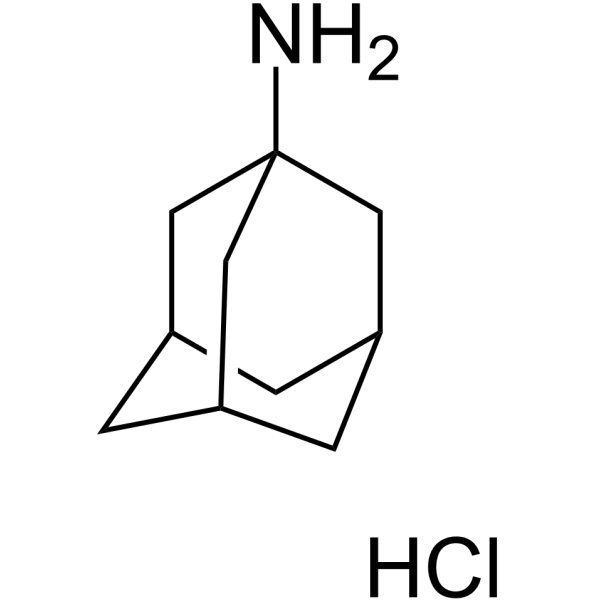
Amantadine (1-Adamantanamine) hydrochloride is an orally avtive and potent antiviral agent with activity against influenza A viruses. Amantadine hydrochloride inhibits several ion channels such as NMDA and M2, and also inhibits Coronavirus ion channels. Amantadine hydrochloride also has anti-orthopoxvirus and anticancer activity. Amantadine hydrochloride can be used for Parkinson's disease, postoperative cognitive dysfunction (POCD) and COVID-19 research .
|
-
- HY-B0402AR
-
|
1-Adamantanamine hydrochloride (Standard); 1-Adamantylamine hydrochloride (Standard); 1-Aminoadamantane hydrochloride (Standard)
|
Reference Standards
Influenza Virus
Orthopoxvirus
SARS-CoV
Apoptosis
Bcl-2 Family
CDK
|
Infection
Neurological Disease
Cancer
|
|
Amantadine (hydrochloride) (Standard) is the analytical standard of Amantadine (hydrochloride). This product is intended for research and analytical applications. Amantadine (1-Adamantanamine) hydrochloride is an orally avtive and potent antiviral agent with activity against influenza A viruses. Amantadine hydrochloride inhibits several ion channels such as NMDA and M2, and also inhibits Coronavirus ion channels. Amantadine hydrochloride also has anti-orthopoxvirus and anticancer activity. Amantadine hydrochloride can be used for Parkinson's disease, postoperative cognitive dysfunction (POCD) and COVID-19 research .
|
-
- HY-B0402R
-
|
1-Adamantanamine (Standard); 1-Aminoadamantane (Standard)
|
Reference Standards
Influenza Virus
Orthopoxvirus
SARS-CoV
Apoptosis
CDK
Bcl-2 Family
|
Infection
Neurological Disease
Cancer
|
|
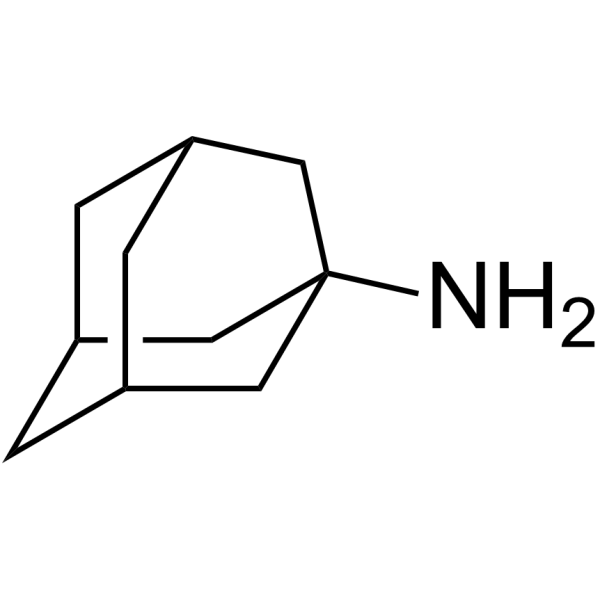
Amantadine (Standard) is the analytical standard of Amantadine. This product is intended for research and analytical applications. Amantadine (1-Adamantanamine) is an orally avtive and potent antiviral agent with activity against influenza A viruses. Amantadine inhibits several ion channels such as NMDA and M2, and also inhibits Coronavirus ion channels. Amantadine also has anti-orthopoxvirus and anticancer activity. Amantadine can be used for Parkinson's disease, postoperative cognitive dysfunction (POCD) and COVID-19 research [4] .
|
-
- HY-B0402R1
-
|
1-Adamantanamine in Methanol (Standard); 1-Aminoadamantane in Methanol (Standard)
|
Reference Standards
Influenza Virus
Orthopoxvirus
SARS-CoV
Apoptosis
CDK
Bcl-2 Family
|
Infection
Neurological Disease
Cancer
|
|
Amantadine in Methanol (Standard) is the solution of Amantadine (Standard). This product is intended for research and analytical applications. Amantadine (1-Adamantanamine) is an orally avtive and potent antiviral agent with activity against influenza A viruses. Amantadine inhibits several ion channels such as NMDA and M2, and also inhibits Coronavirus ion channels. Amantadine also has anti-orthopoxvirus and anticancer activity. Amantadine can be used for Parkinson's disease, postoperative cognitive dysfunction (POCD) and COVID-19 research [4] .
|
-
- HY-B0402
-
Amantadine
Maximum Cited Publications
10 Publications Verification
1-Adamantanamine; 1-Aminoadamantane
|
Influenza Virus
Orthopoxvirus
SARS-CoV
Apoptosis
CDK
Bcl-2 Family
|
Infection
Neurological Disease
Cancer
|
|
Amantadine (1-Adamantanamine) is an orally avtive and potent antiviral agent with activity against influenza A viruses. Amantadine inhibits several ion channels such as NMDA and M2, and also inhibits Coronavirus ion channels. Amantadine also has anti-orthopoxvirus and anticancer activity. Amantadine can be used for Parkinson's disease, postoperative cognitive dysfunction (POCD) and COVID-19 research .
|
-
- HY-B0402B
-
|
1-Adamantanamine sulfate; 1-Aminoadamantane sulfate
|
Influenza Virus
Orthopoxvirus
SARS-CoV
Apoptosis
CDK
Bcl-2 Family
|
Infection
Neurological Disease
Cancer
|
|
Amantadine (1-Adamantanamine) sulfate is an orally avtive and potent antiviral agent with activity against influenza A viruses. Amantadine sulfate inhibits several ion channels such as NMDA and M2, and also inhibits Coronavirus ion channels. Amantadine sulfate also has anti-orthopoxvirus and anticancer activity. Amantadine sulfate can be used for Parkinson's disease, postoperative cognitive dysfunction (POCD) and COVID-19 research .
|
-
| Cat. No. |
Nombre del producto |
Type |
-
- HY-D3000
-
|
|
Fluorescent Dyes
|
|
NIR-RED ROS-H2O2 Probe is a near-infrared fluorescent probe used for detecting hydrogen peroxide (H₂O₂) and featuring dual-modal fluorescence/photoacoustic imaging capabilities. NIR-RED ROS-H2O2 Probe successfully detects the upregulated fluorescence signal of H₂O₂ in HepG2 cells and a mouse liver injury model. NIR-RED ROS-H2O2 Probe can be used as a biomarker detection tool for drug-induced liver injury (DILI) .
|
-
- HY-D3191
-
|
|
Fluorescent Dyes
|
|
L&M-D-MR is a highly specific fluorescent "AND" logic probe with response moieties for leucine aminopeptidase (LAP) and monoamine oxidase (MAO). The coexistence of both LAP and MAO is required for L&M-D-MR to trigger intramolecular cyclization, release fluorophores and activate fluorescence. In the presence of only a single enzyme, L&M-D-MR generates only an extremely weak signal. L&M-D-MR enables bioimaging in living cells and mouse models, and can effectively distinguish different subtypes of liver diseases via blood samples or test strips. L&M-D-MR is widely used in studies related to liver cirrhosis, hepatitis B and drug-induced liver injury .
|
-
- HY-D3234
-
|
|
Fluorescent Dyes
|
|
Cy-AP is a hypoxia-sensitive near-infrared Fluorescent probe (emission wavelength: 725 nm). Cy-AP exhibits no fluorescence under normoxic microenvironments, while under hypoxic microenvironments, its azo group is reduced, releasing strong near-infrared fluorescence with an emission at 725 nm. Cy-AP enables visualization of intracellular hypoxic status through multiple imaging modalities .
|
-
- HY-D3216
-
|
|
Fluorescent Dyes
|
|
ER-Cu (II) is an endoplasmic reticulum-selective fluorescent Cu 2+ probe. ER-Cu (II) localizes specifically to the endoplasmic reticulum of hepatocytes .
|
| Cat. No. |
Nombre del producto |
Type |
-
- HY-119976
-
|
|
Biochemical Assay Reagents
|
|
Boscalid is a succinate dehydrogenase (SDHI) inhibitor with antifungal activity. Boscalid binds to the ubiquinone-binding site of fungal mitochondrial complex II, blocks ATP production and aerobic respiration, exhibits good control efficacy against a variety of plant fungal diseases including gray mold, sclerotinia rot and powdery mildew, and is widely used for disease control in agriculture. Boscalid induces apoptosis, altered lipid metabolism, mitochondrial dysfunction, respiratory impairment, oxidative stress, ROS accumulation and neurodevelopmental disorders in zebrafish. Boscalid reduces foraging ability, shortens median death time and causes chronic toxicity in exposed honeybees. Boscalid also possesses genotoxicity, cytotoxicity, elevated mitochondrial superoxide levels and early-stage apoptosis .
|
-
- HY-W440911
-
|
|
Biochemical Assay Reagents
|
|
DSPE-PEG2000-Cy5 is a Cy5 (HY-D0821) fluorophore-labeled conjugate of distearoylphosphatidylethanolamine and polyethylene glycol, as well as a liposome component. The Cy5 fluorophore is commonly used for labeling proteins and nucleic acids in imaging, flow cytometry and genomic applications. DSPE-PEG2000-Cy5 supports cell membrane modification, in vivo tumor targeting research and long-term in vivo circulation of its liposomal formulations (Ex/Em=633/670 nm) .
|
| Cat. No. |
Nombre del producto |
Target |
Research Area |
-
- HY-P11618
-
|
|
Glycoprotein VI
|
Cancer
|
|
10P3Me is a Glypican-3 (GPC3)-targeting probe with a Ka of 93.8 nM for the human target. 10P3Me exhibits high binding affinity to GPC3, targets GPC3-positive cells, and serves as an agent for PET imaging. 10P3Me selectively accumulates in GPC3-positive tumor tissues, including subcutaneous xenograft models and orthotopic HepG2-LUC liver cancer models, to achieve precise localization of lesions .
|
-
- HY-P11624
-
|
|
Apoptosis
|
Cancer
|
|
PP-60 is an apoptosis inducer. PP-60 inhibits the proliferation of cancer cells and induces cancer cell apoptosis. PP-60 exerts anti-tumor effects in nude mouse liver tumor models. PP-60 is applicable to research related to cancers such as liver cancer, lung cancer, and prostate cancer .
|
| Cat. No. |
Nombre del producto |
Category |
Target |
Chemical Structure |
-
- HY-N0401A
-
-
-
- HY-N0316
-
-
-
- HY-N4067
-
|
isoCDCA
|
Source Classification
|
FXR
Endogenous Metabolite
|
|
Isochenodeoxycholic acid (isoCDCA) is a FXR agonist. Isochenodeoxycholic acid activates the activity of FXR and induces the mRNA expression of FXR target genes (Ostβ and Kng1). Isochenodeoxycholic acid serves as a substrate for the liver class I ADH γγ isozyme-mediated 3β-dehydrogenation reaction .
|
-
-
- HY-N6712
-
-
-
- HY-113162
-
-
-
- HY-N2078
-
-
-
- HY-W018161
-
-
-
- HY-N7905
-
-
-
- HY-N4314
-
|
4',5,6,7-Tetramethoxyflavone
|
Infection
Flavonoids
Classification of Application Fields
Flavones
Plants
Compositae
Genista maderensis (Webb & Berthel.) Lowe
Inflammation/Immunology
Disease Research Fields
|
Bacterial
COX
NO Synthase
NF-κB
|
|
Scutellarein tetramethyl ether (4',5,6,7-Tetramethoxyflavone) is a bioactive compound extracted from Eupatorium odoratum. Scutellarein tetramethyl ether exhibits anti-inflammatory, antibacterial, pro-coagulant, and anti-tumor activities. Scutellarein tetramethyl ether exerts its anti-inflammatory effects by modulating the NF-κB pathway and regulates bacterial resistance through the inhibition of efflux pumps. Additionally, Scutellarein tetramethyl ether accelerates coagulation time via the endogenous coagulation pathway. Studies have shown that Scutellarein tetramethyl ether can effectively inhibit the growth of the liver cancer cell line HepG2 (IC50= 20.08 μg/mL) .
|
-
-
- HY-142101
-
-
-
- HY-113510
-
-
-
- HY-N9778
-
-
-
- HY-N10359
-
|
|
Acanthaceae
Classification of Application Fields
Simsia foetida (Cav.) S.F.Blake
Terpenoids
Diterpenoids
Plants
Inflammation/Immunology
Disease Research Fields
Source Classification
|
NOD-like Receptor (NLR)
Caspase
Akt
GSK-3
β-catenin
|
|
Isoandrographolide is an orally active NLRP3 inflammasome inhibitor and AKT/GSK-3β/β-catenin pathway inhibitor. Isoandrographolide inhibits the expression of NLRP3, ASC, and caspase-1, and reduces the levels of phosphorylated AKT, phosphorylated GSK-3β, and β-catenin. Isoandrographolide alleviates inflammatory responses, reduces collagen deposition, suppresses epithelial-mesenchymal transition (EMT), induces differentiation of leukemia cells, inhibits the growth of leukemia cells, protects lung and kidney tissues, regulates cytokine levels, and also exhibits hepatoprotective effects. Isoandrographolide can be used in studies related to silicosis, murine myeloid leukemia, renal tubulointerstitial fibrosis, and non-alcoholic fatty liver disease .
|
-
-
- HY-129247
-
-
-
- HY-N15577
-
|
|
Flavonols
Platanus acerifolia Aiton) Willd.
Flavonoids
Platanaceae
Plants
Source Classification
|
Drug Derivative
|
|
Antiproliferative agent-69 (Compound 1) is a prenylated kaempferol derivative found in the fresh bud’s fur of Platanus acerifolia. Antiproliferative agent-69 shows significant antiproliferative effects against human breast cancer cells (MCF-7) and human hepatocellular carcinoma cells (Hep-G2) with IC50 values of 38.2 μM and 39.5 μM, respectively. Antiproliferative agent-69 is promising for research of breast cancer and liver cancer .
|
-
-
- HY-N10207
-
-
-
- HY-120607
-
-
-
- HY-N15535
-
-
-
- HY-N0316R
-
-
-
- HY-N7521
-
-
-
- HY-N3626
-
|
|
Triterpenes
Terpenoids
Rubiaceae
Gardenia sootepensis hutchins.
Plants
Source Classification
|
Others
|
|
Coronalolide is a natural triterpene with anticancer effects. Coronalolide exhibits a broad cytotoxic activity for human breast (BT474), gastric (KATO-3), lung (CHAGO), colon (SW-620), and liver (Hep-G2) cancer cell lines, with IC50 values of 6.59 µg/mL, 5.85 µg/mL, 5.42 µg/mL, 4.98 µg/mL, and 6.41 µg/mL, respectively .
|
-
-
- HY-N2078R
-
|
Neodiosgenin (Standard)
|
Structural Classification
other families
Plants
Steroids
Source Classification
|
Reference Standards
LXR
Apoptosis
Fatty Acid Synthase (FASN)
Reactive Oxygen Species (ROS)
|
|
Yamogenin (Standard) is the analytical standard of Yamogenin. This product is intended for research and analytical applications. Yamogenin (Neodiosgenin) is a diastereomer of diosgenin. Yamogenin antagonizes the activation of the liver X receptor (LXR) in luciferase ligand assay. Yamogenin inhibits triacylglyceride (TG) accumulation through the suppression of gene expression of fatty acid synthesis in HepG2 hepatocytes. Yamogenin is a steroidal saponin that can be obtained from plant species with in vitro cytotoxicity, antioxidant, and antimicrobial properties. Yamogenin induces cell death via the extrinsic and intrinsic way of apoptosis. Yamogenin inhibits protein denaturation with an IC50 of 1421.92 μg/mL. Yamogenin can be studied in research on gastric cancer .
|
-
-
- HY-N4314R
-
|
4',5,6,7-Tetramethoxyflavone (Standard)
|
Structural Classification
Flavonoids
Flavones
Plants
Compositae
Genista maderensis (Webb & Berthel.) Lowe
|
Reference Standards
Bacterial
COX
NO Synthase
NF-κB
|
|
Scutellarein tetramethyl ether (Standard) is the analytical standard of Scutellarein tetramethyl ether. This product is intended for research and analytical applications. Scutellarein tetramethyl ether (4',5,6,7-Tetramethoxyflavone) is a bioactive compound extracted from Eupatorium odoratum. Scutellarein tetramethyl ether exhibits anti-inflammatory, antibacterial, pro-coagulant, and anti-tumor activities. Scutellarein tetramethyl ether exerts its anti-inflammatory effects by modulating the NF-κB pathway and regulates bacterial resistance through the inhibition of efflux pumps. Additionally, Scutellarein tetramethyl ether accelerates coagulation time via the endogenous coagulation pathway. Studies have shown that Scutellarein tetramethyl ether can effectively inhibit the growth of the liver cancer cell line HepG2 (IC50= 20.08 μg/mL) .
|
-
-
- HY-N6712R
-
-
-
- HY-N18023
-
-
-
- HY-N17467
-
-
-
- HY-N16857
-
-
-
- HY-W727102
-
-
| Cat. No. |
Nombre del producto |
Chemical Structure |
-
- HY-W653905
-
|
|
|
Amantadine-d15 hydrochloride is deuterated labeled Amantadine. Amantadine (1-Adamantanamine) is an orally avtive and potent antiviral agent with activity against influenza A viruses. Amantadine inhibits several ion channels such as NMDA and M2, and also inhibits Coronavirus ion channels. Amantadine also has anti-orthopoxvirus and anticancer activity. Amantadine can be used for Parkinson's disease, postoperative cognitive dysfunction (POCD) and COVID-19 research .
|
-
| Cat. No. |
Nombre del producto |
|
Classification |
-
- HY-D3216
-
|
|
|
Azide
|
|
ER-Cu (II) is an endoplasmic reticulum-selective fluorescent Cu 2+ probe. ER-Cu (II) localizes specifically to the endoplasmic reticulum of hepatocytes .
|
| Cat. No. |
Nombre del producto |
|
Classification |
-
- HY-W440911
-
|
|
|
Pegylated Lipids
Fluorescent Lipids
|
|
DSPE-PEG2000-Cy5 is a Cy5 (HY-D0821) fluorophore-labeled conjugate of distearoylphosphatidylethanolamine and polyethylene glycol, as well as a liposome component. The Cy5 fluorophore is commonly used for labeling proteins and nucleic acids in imaging, flow cytometry and genomic applications. DSPE-PEG2000-Cy5 supports cell membrane modification, in vivo tumor targeting research and long-term in vivo circulation of its liposomal formulations (Ex/Em=633/670 nm) .
|
-
- HY-160059
-
|
|
|
Aptamers
|
|
JHIT2e aptamer sodium is a molecular probe based on the aptamer JHIT2 of human liver cancer cell line HepG2 cells. JHIT2e aptamer sodiu retains the ability to specifically bind HepG2 and can deliver fluorescent materials or radionuclides to tumors .
|
Your information is safe with us. * Required Fields.
Inquiry Information
- Nombre del producto:
- Cat. No.:
- Cantidad:
- MCE Japan Authorized Agent:

