
102 Results for "

Human keratinocytes

" in MedChemExpress (MCE) Product Catalog:
Products (102)

102 Results for "Human keratinocytes" in MCE Product Catalog:

7
7 Publications Verification
Cat. No.: HY-102023
CAS No.: 1227634-69-6
Purity:  99.87%
Research Areas:  

Others

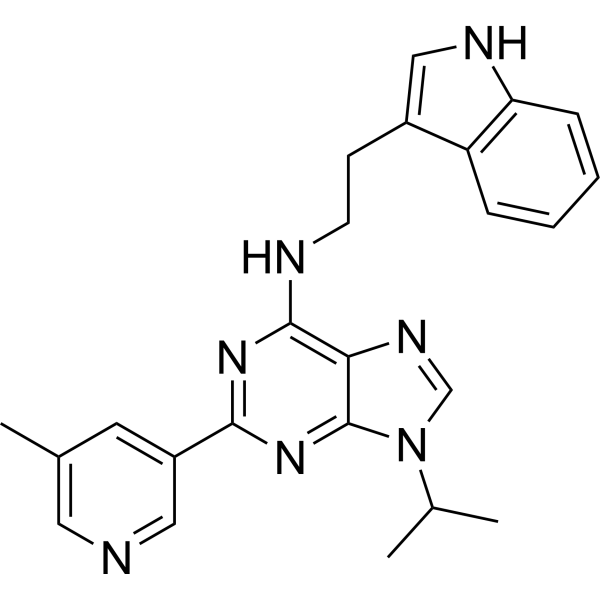
GNF351 is a full aryl hydrocarbon receptor (AHR) antagonist. GNF351 competes with a photoaffinity AHR ligand for binding to the AHR with an IC50 of 62 nM. GNF351 is minimal toxicity in mouse or human keratinocytes .
loading...
    loading...
3
3 Cited Publications
Cat. No.: HY-101913
CAS No.: 2205034-18-8
Purity:  99.74%
Target:  

Interleukin Related

Research Areas:  

Inflammation/Immunology Cancer

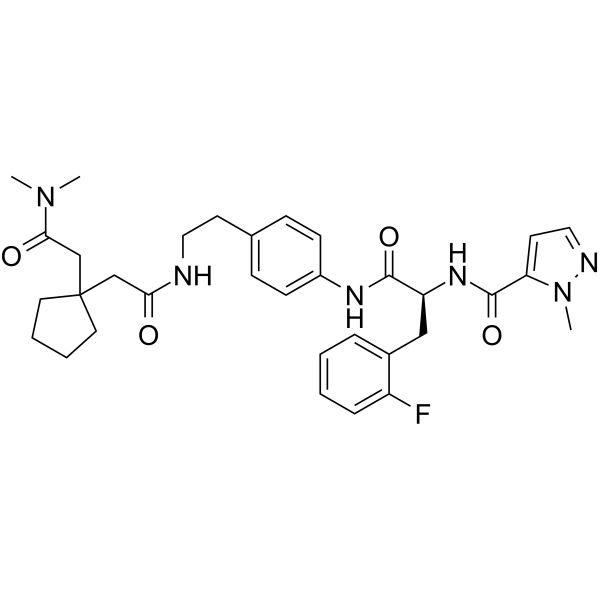
IL-17A antagonist 1 is an interleukin-17A (IL-17A) antagonist with an IC50 of 1.14 μM and a Kd of 0.66 μM. IL-17A antagonist 1 binds specifically and exclusively to the IL-17A homodimer at its central dimer interface pocket, induces a large conformational change that widens the pocket, and disrupts the IL-17A/IL-17RA interaction. IL-17A antagonist 1 does not bind to IL-17F or IL-17RA .
loading...
    loading...
3
3 Cited Publications
Cat. No.: HY-163731
CAS No.: 3077196-25-6
EGR-1-IN-1 is a EGR-1 inhibitor with an IC50 of 1.86 μM. EGR-1-IN-1 binds to the zinc finger DNA-binding domain of EGR-1 and promotes the dissociation of the EGR-1-DNA complex. EGR-1-IN-1 reduces the mRNA expression levels of EGR-1-regulated inflammatory genes induced by TNFα. EGR-1-IN-1 alleviates atopic dermatitis-like lesions in the ear skin of mice. EGR-1-IN-1 serves as a lead compound for the development of targeted compounds for inflammatory skin diseases. EGR-1-IN-1 can be used in studies related to atopic dermatitis .
loading...
    loading...
3
3 Cited Publications
Cat. No.: HY-32337
CAS No.: 57333-96-7
Synonyms: 1,24(R)-Dihydroxyvitamin D3; 1.alpha.,24R-Dihydroxyvitamin D3
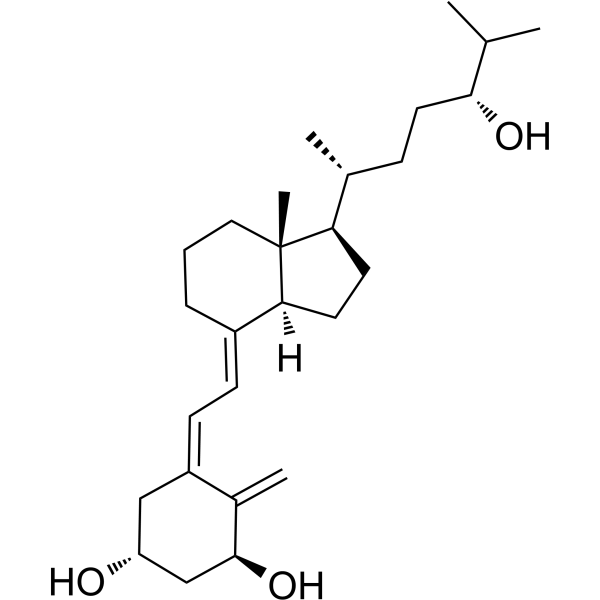
Tacalcitol (1,24(R)-Dihydroxyvitamin D3; 1.alpha.,24R-Dihydroxyvitamin D3) can promote normal bone growth by regulating calcium ions. Tacalcitol inhibits cancer cell proliferation and migration. Tacalcitol can be used in the research of inflammation, cancer, and skin diseases .
loading...
    loading...
3
3 Cited Publications
Cat. No.: HY-N2322
CAS No.: 32449-98-2
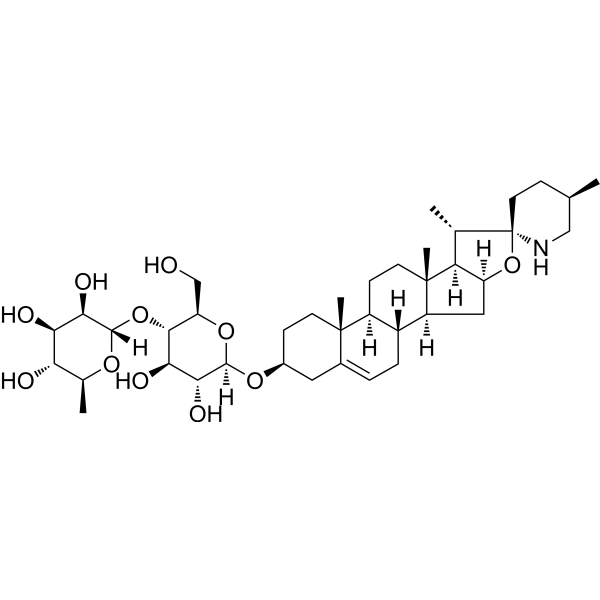
Khasianine is a steroidal glycoalkaloid . Khasianine alleviates psoriasis-like skin inflammation by inhibiting the TNF-α/NF-κB axis. Khasianine can downregulate the RhoA pathway and exhibits potential antimetastatic activity. Khasianine upregulates the expression of TNFR I and TNFR II without inducing apoptotic effects . Khasianine can be used in studies related to psoriasis, pancreatic ductal adenocarcinoma, and liver cancer .
loading...
    loading...
2
2 Cited Publications
Cat. No.: HY-W050154
CAS No.: 501-30-4
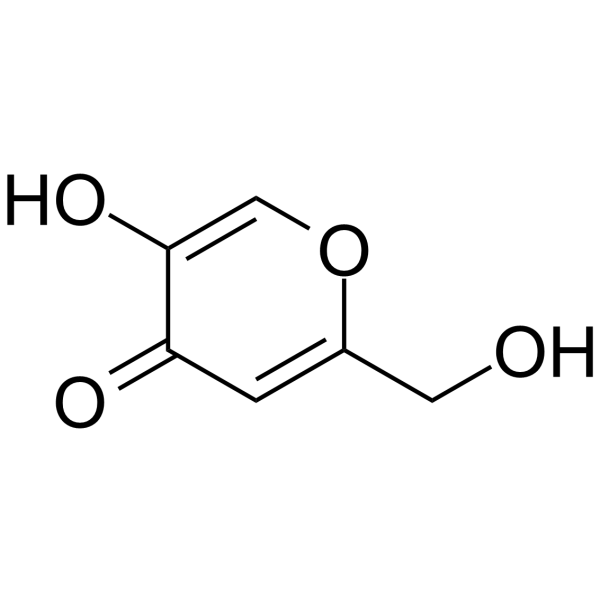
Kojic acid is a substance produced by Aspergillus oryzae that is orally effective and can also be absorbed transdermally. Kojic acid exhibits various biological activities, including anti-aging, anti-nematode, antimicrobial, antioxidant, and anti-inflammatory effects. Kojic acid is a Tyrosinase inhibitor with an Mushroom Tyrosinase IC50 of 182.7 μM. Kojic acid prevents melanin production by capturing copper ions that bind to the tyrosinase active site, thus inhibiting its activation. Kojic acid also suppresses the NF-κB and p21 signaling pathways in human keratinocytes. Kojic acid derivatives have anticancer activity .
loading...
    loading...
2
2 Cited Publications
Cat. No.: HY-P10004
CAS No.: 183284-21-1
Synonyms: Z-AAD-CMK
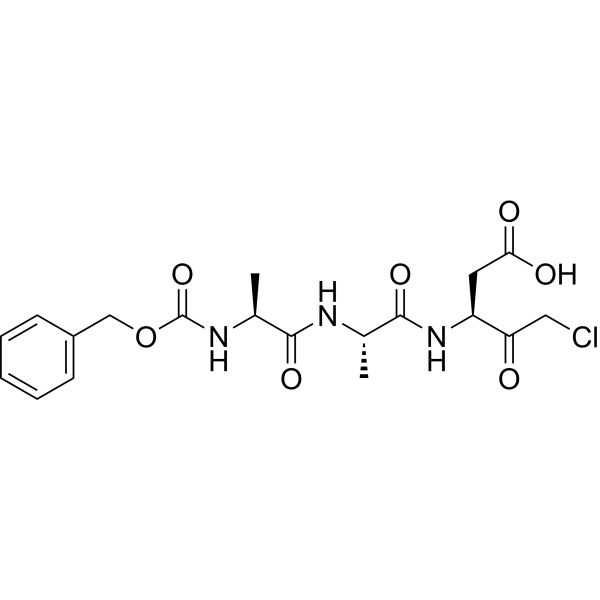
Z-Ala-Ala-Asp-CMK (Z-AAD-CMK) is a selective granzyme B inhibitor. By binding to the active site of granzyme B, Z-Ala-Ala-Asp-CMK blocks its proteolytic function. Z-Ala-Ala-Asp-CMK has anti-inflammatory activity and can be used in the research of inflammatory diseases and cancer .
loading...
    loading...
2
2 Cited Publications
Cat. No.: HY-N0363
CAS No.: 3804-70-4
Synonyms: (S)-Columbianetin
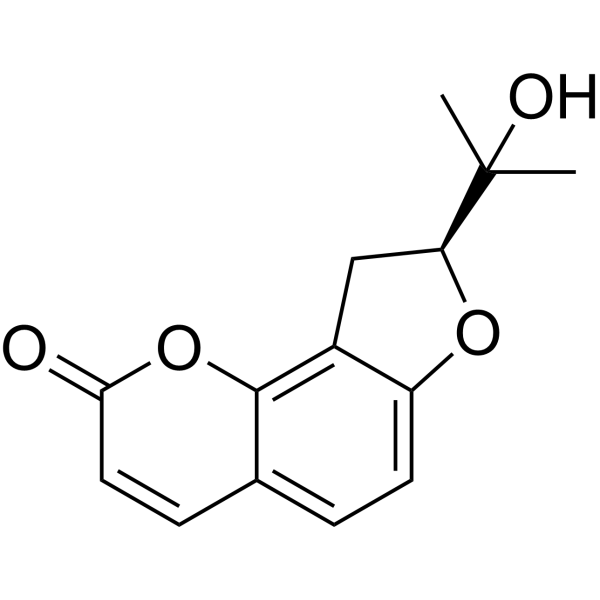
(+)-Columbianetin ((S)-Columbianetin) acts as an inhibitor of JNK/ERK. (+)-Columbianetin inhibits UVA-induced phosphorylation of JNK and ERK, reduces the production of MMP-1, reverses UVA-induced Collagen (HY-NP003) degradation, and alleviates UVA-mediated inhibition of Smad2/3 phosphorylation and translocation. (+)-Columbianetin regulates the AP-1 and ASK1-MAPK signaling pathways, inhibits the production of ROS and blocks sub-G1 cell cycle arrest. (+)-Columbianetin is applicable to research related to skin aging .
loading...
    loading...
2
2 Cited Publications
Cat. No.: HY-N0363A
CAS No.: 23180-65-6
Synonyms: (S)-Columbianetin acetate
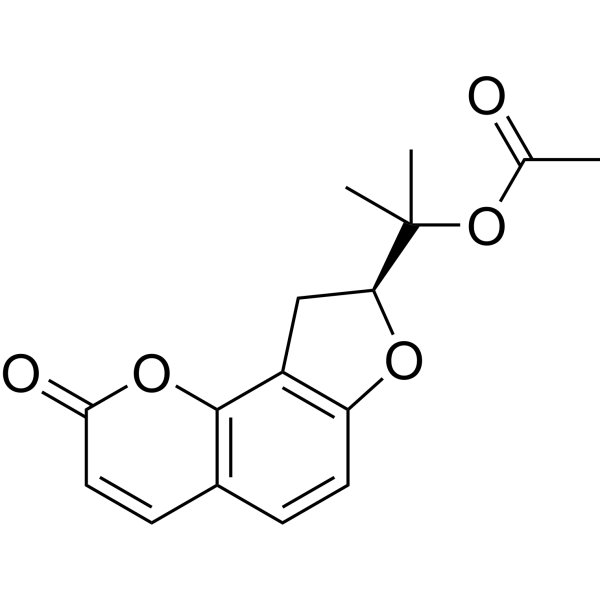
(+)-Columbianetin ((S)-Columbianetin) acetate acts as an inhibitor of JNK/ERK. (+)-Columbianetin acetate inhibits UVA-induced phosphorylation of JNK and ERK, reduces the production of MMP-1, reverses UVA-induced Collagen (HY-NP003) degradation, and alleviates UVA-mediated inhibition of Smad2/3 phosphorylation and translocation. (+)-Columbianetin acetate regulates the AP-1 and ASK1-MAPK signaling pathways, inhibits the production of ROS and blocks sub-G1 cell cycle arrest. (+)-Columbianetin acetate is applicable to research related to skin aging .
loading...
    loading...
1
1 Cited Publications
Cat. No.: HY-113509
CAS No.: 89663-86-5
Purity:  98.0%
Synonyms: LXA4
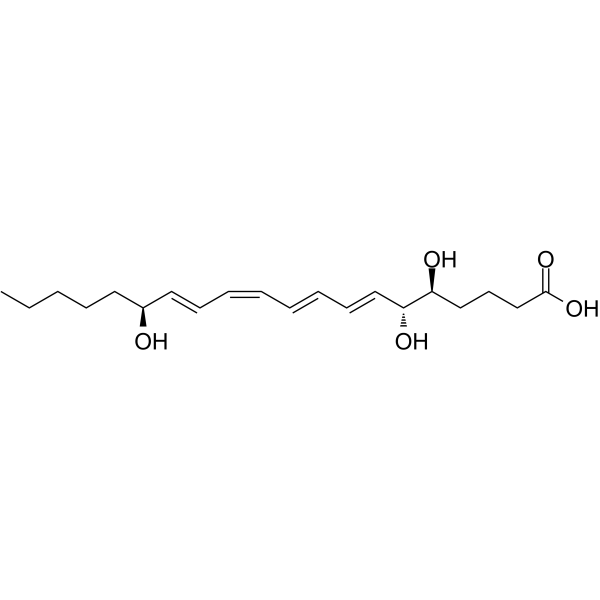
Lipoxin A4 (LXA4), an endogenous lipoxygenase-derived eicosanoid mediator, has potent dual pro-resolving and anti-inflammatory properties . Lipoxin A4 inhibits proliferation and inflammatory cytokine/chemokine production of human epidermal keratinocytes (NHEKs) associated with the ERK1/2 and NF-kB pathways . Lipoxin A4 inhibits serum amyloid A (SAA)-mediated IL-8 release with an IC50 value of 25.74 nM .
loading...
    loading...
1
1 Cited Publications
Cat. No.: HY-NP199
Bovine pituitary extract is a bovine pituitary extract that can be used as a mitogenic supplement in serum-free growth media. Bovine pituitary extract is rich in growth factors. Bovine pituitary extract not only promotes the proliferation of corneal keratinocytes and maintains their phenotype, but also exerts significant antioxidant stress protective effects on human prostate epithelial cells .
loading...
    loading...
1
1 Cited Publications
Cat. No.: HY-B1239
CAS No.: 548-66-3
Synonyms: Hexahydroadiphenine hydrochloride
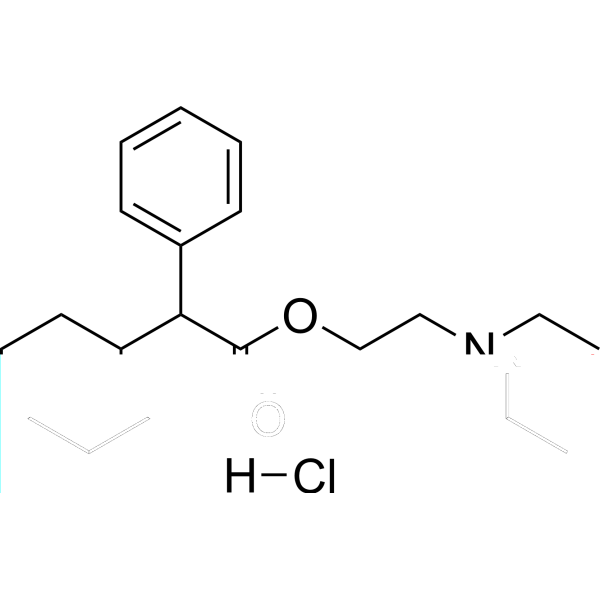
Drofenine (Cycloadiphene; Hexahydroadiphenine) hydrochloride is an brain-penetrant antispasmodic agent. Drofenine hydrochloride is a Kv2.1 channel inhibitor with human IC50 of 9.53 μM. Drofenine hydrochloride is a butyrylcholinesterase (BChE) inhibitor with Ki of 0.003 mM, and is a TRPV3 activator. Drofenine hydrochloride blocks Kv2.1-dependent potassium efflux, inhibits Kv2.1/JNK/NF-κB and IkBa/NF-kB signaling, suppresses Kv2.1 mRNA/protein expression. Drofenine suppresses oligomeric -induced microglial NLRP3 inflammasome activation and neuronal Tau hyperphosphorylation, improves cognitive impairment, promotes neurite outgrowth. Drofenine hydrochloride induces calcium influx in keratinocytes and exert cytotoxicity against keratinocytes. Drofenine hydrochloride ameliorates diabetic peripheral neuropathy -like pathology. Drofenine hydrochloride can be used for the researches of Alzheimer's disease, diabetic peripheral neuropathy and smooth muscle spasm .
loading...
    loading...
1
1 Cited Publications
Cat. No.: HY-N6829
CAS No.: 1245-15-4
Synonyms: Quercetin-​3,​3',​4',​7-​tetramethylether
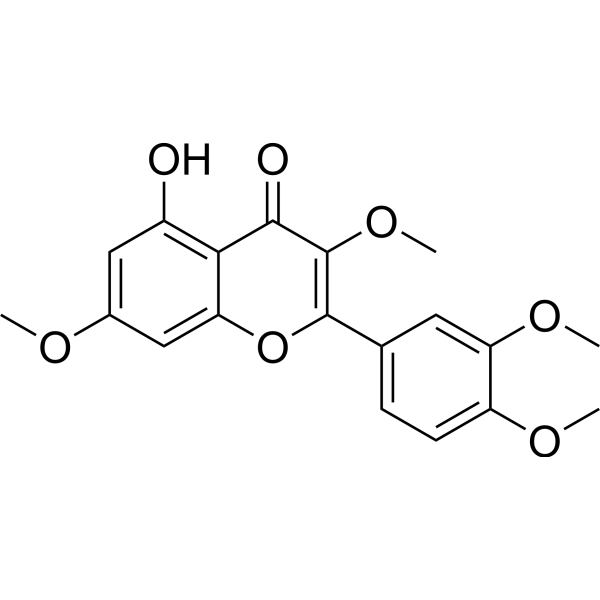
Retusin (Quercetin-3,3',4',7-tetramethylether) is a tyrosinase inhibitor, with IC50 values of 50.9 μM and 51.8 μM against mushroom and intracellular tyrosinase, respectively. Retusin also acts as a free radical scavenger, melanogenesis inhibitor, anti-apoptosis agent, neuroprotective agent, antiemetic, antifungal agent, and antiviral agent. Retusin scavenges ABTS• + and DPPH• free radicals. Retusin can be used in studies related to hyperpigmentation, vomiting, Aspergillus niger infection, and COVID-19 infection .
loading...
    loading...
1
1 Cited Publications
Cat. No.: HY-N4280
CAS No.: 2445-80-9
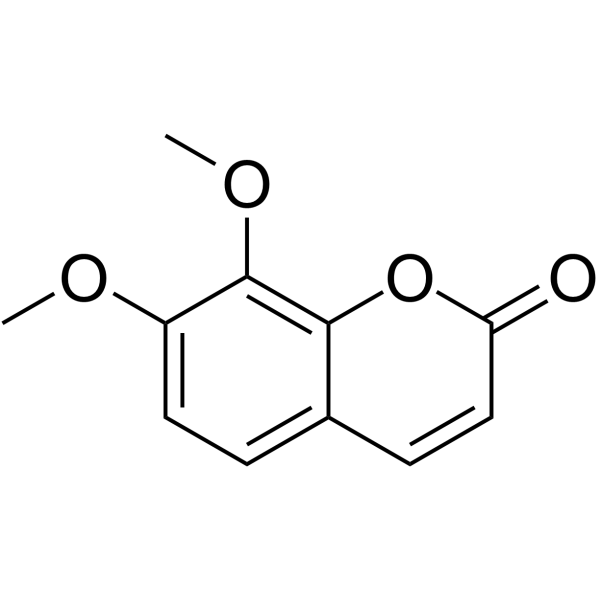
7,8-Dimethoxycoumarin is a coumarin compound derived from Artemisia caruifolia with oral activity. 7,8-Dimethoxycoumarin inhibits mitochondrial permeability transition pore and H +/K +-ATPase, and exhibits antioxidant, anti-inflammatory, renoprotective, neuroprotective and gastroprotective effects. 7,8-Dimethoxycoumarin reduces lipid peroxidation (TBARS), increases GSH levels, inhibits myeloperoxidase (MPO) activity, and regulates the expression of inflammatory factors by inhibiting the NF‑κB and MAPK pathways. 7,8-Dimethoxycoumarin ameliorates gastric mucosal injury, alleviates renal tissue lesions and relieves neuropathic pain. 7,8-Dimethoxycoumarin can be used in studies related to acute renal failure, trigeminal neuralgia and gastritis .
loading...
    loading...
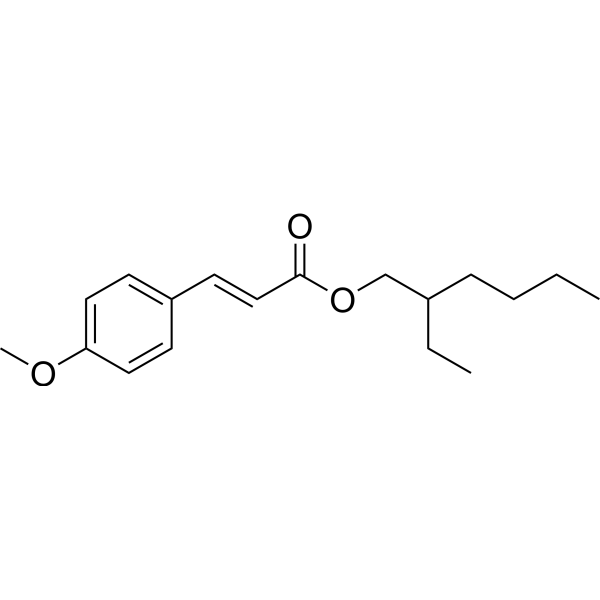
Cat. No.: HY-B1234
CAS No.: 5466-77-3
Synonyms: Octyl methoxycinnamate
Octinoxate (Octyl methoxycinnamate) is a thyroid hormone receptor agonist, reducing the levels of triiodothyronine (T3) and thyroxine (T4) and transcription levels of genes related to type II deiodinase (deio2) in Japanese Medaka. Octinoxate is commonly used as a safe ultraviolet (UV) filter used in the aquatic environment. Octinoxate inhibits CYP1A1 and CYP1B1 to regulate hyaluronan (HA) (HY-B0633A) metabolism in a PI3K pathway-dependent manner in human keratinocytes. Octinoxate also exhibits an anti-estrogenic and anti-androgenic effect in vitro and in vivo .
loading...
    loading...
Cat. No.: HY-W018158
CAS No.: 4790-08-3
Synonyms: 5,6-Dihydroxyindole-2-carboxylic acid
DHICA (5,6-Dihydroxyindole-2-carboxylic acid) is an eumelanin building block, GPR35 agonist and melanin synthesis intermediate. DHICA activates GPR35, triggering dynamic mass redistribution and β-arrestin translocation. DHICA interacts with DNA and interferes with Fpg activity . DHICA promotes the generation of single-strand breaks in plasmid DNA. DHICA increases the activity and expression levels of SOD and Catalase. DHICA is applicable to research related to skin cancer and colon cancer .
loading...
    loading...
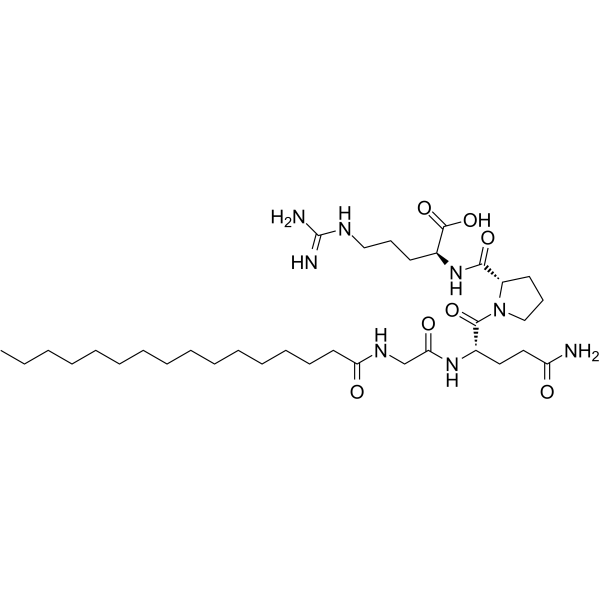
Cat. No.: HY-P0064
CAS No.: 221227-05-0
Synonyms: Palmitoyl Tetrapeptide-7
Target:  

Interleukin Related

Research Areas:  

Inflammation/Immunology

Palmitoyl Tetrapeptide-3 (Palmitoyl Tetrapeptide-7) is a synthetic peptide corresponding to amino acids 341-344 of the human immunoglobulin heavy chain, with the ability to stimulate phagocytosis. Palmitoyl tetrapeptide-3 reduces interleukin-6 (IL-6) secretion in keratinocytes and inhibits the UVB radiation-exposure inflammatory response of skin. Palmitoyl tetrapeptide-3 It also has anti-inflammatory and anti-aging effects, reducing skin wrinkles by promoting the production of elastic fibers in the papillary dermis .
loading...
    loading...
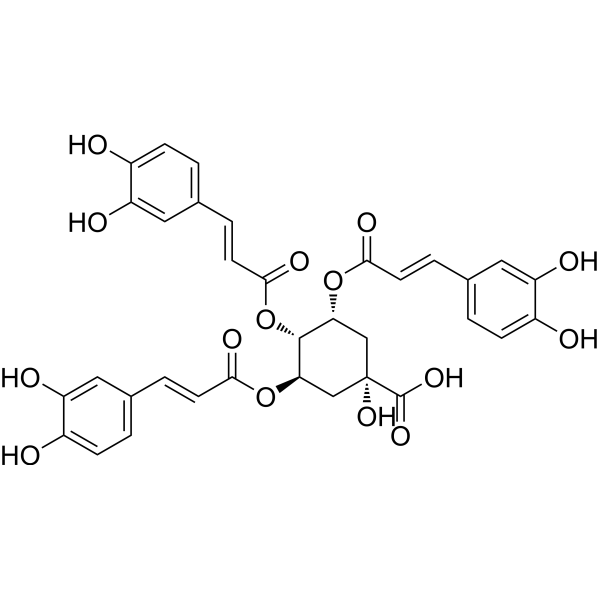
Cat. No.: HY-N6588
CAS No.: 86632-03-3
Synonyms: 3,4,5-triCQA
3,4,5-Tricaffeoylquinic acid (3,4,5-triCQA) inhibits tumor necrosis factor-α-stimulated production of inflammatory mediators in keratinocytes via suppression of Akt- and NF-κB-pathways. 3,4,5-Tricaffeoylquinic acid induces cell cycle arrest at G0/G1, actin cytoskeleton organization, chromatin remodeling, neuronal differentiation, and bone morphogenetic protein signaling in human neural stem cells. 3,4,5-Tricaffeoylquinic acid has the potential for the research of aging-associated diseases .
loading...
    loading...
Cat. No.: HY-W145516
CAS No.: 9000-30-0
Guar gum is an orally active nonionic galactomannan polysaccharide. It is present in the endosperm of Cyamopsis tetragonolobus seeds. Guar gum reduces cholesterol levels, regulates body weight, and acts as a thickener and viscosity modifier by forming hydrogen-bonded aqueous solutions. It serves as a rate-controlling excipient in compound delivery systems, and finds applications in the food, tissue engineering, nanosensing and industrial fields .
loading...
    loading...
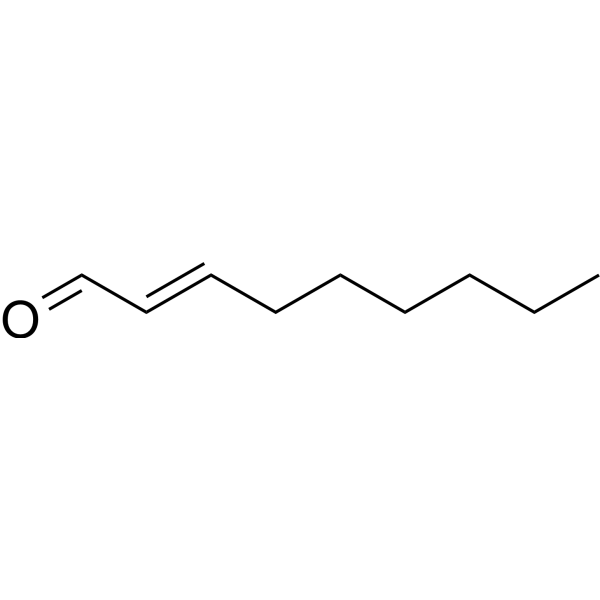
Cat. No.: HY-W089800
CAS No.: 18829-56-6
Synonyms: trans-2-Nonen-1-al
Category:  

Natural Products

Target:  

COX Lipoxygenase Apoptosis

trans-2-Nonenal (trans-2-Nonen-1-al) is an endogenous peroxidation product of polyunsaturated fatty acids, acting as an inhibitor of COX and 12-LOX, as well as an inducer of apoptosis. trans-2-Nonenal is also a malodorous compound secreted by the human body, and its content gradually increases with aging. trans-2-Nonenal inhibits the activities of multiple enzymes such as platelet membrane-bound PTPase, preferentially covalently modifies proteins at lysine residues to form immunogenic adducts, and regulates platelet Arachidonic acid (HY-109590) metabolism. trans-2-Nonenal also exhibits significant cytotoxicity, reduces the viability of keratinocytes, promotes their apoptosis, and effectively decreases the thickness of epidermal models and the number of proliferating cells. trans-2-Nonenal is commonly used in studies of thrombotic, atherosclerotic diseases, renal adenocarcinoma, etc. .
loading...
    loading...

