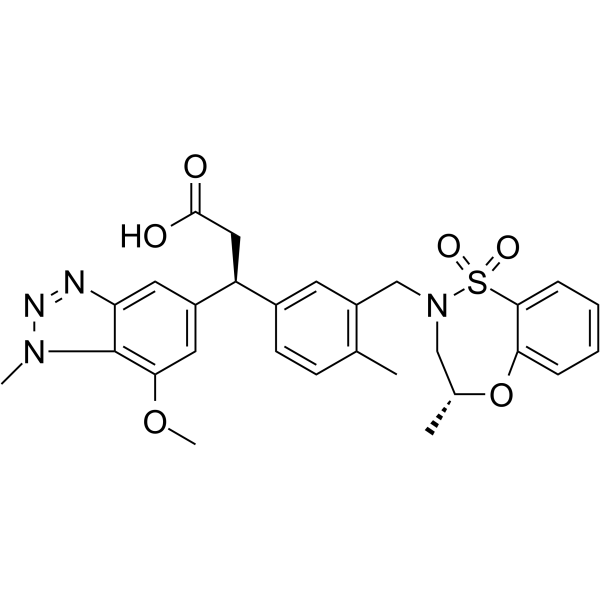
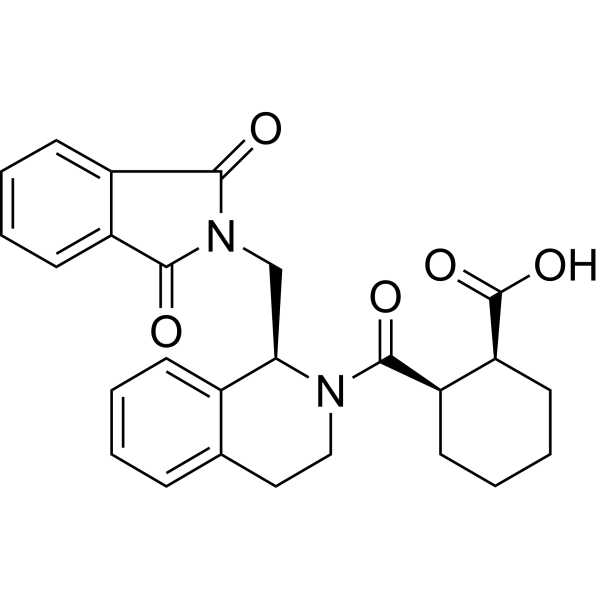
165 Results for "

Keap1

" in MedChemExpress (MCE) Product Catalog:
Products (165)

165 Results for "Keap1" in MCE Product Catalog:

551
551 Publications Verification
Cat. No.: HY-100218A
CAS No.: 1219810-16-8
Purity:  99.90%
Synonyms: (1S,3R)-RSL3
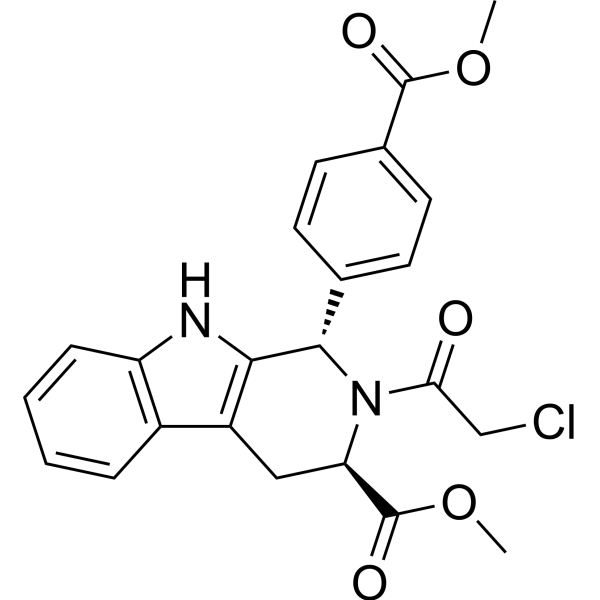
RSL3 ((1S,3R)-RSL3) is an inhibitor of glutathione peroxidase 4 (GPX4) (ferroptosis activator), reduces the expression of GPX4 protein, and induces ferroptotic death of head and neck cancer cell. RSL3 increases the expression of p62 and Nrf2 and inactivates Keap1 in HN3-rslR cells [1].
loading...
    loading...
135
135 Cited Publications
Cat. No.: HY-N0005
CAS No.: 458-37-7
Synonyms: Diferuloylmethane; Natural Yellow 3; Turmeric yellow
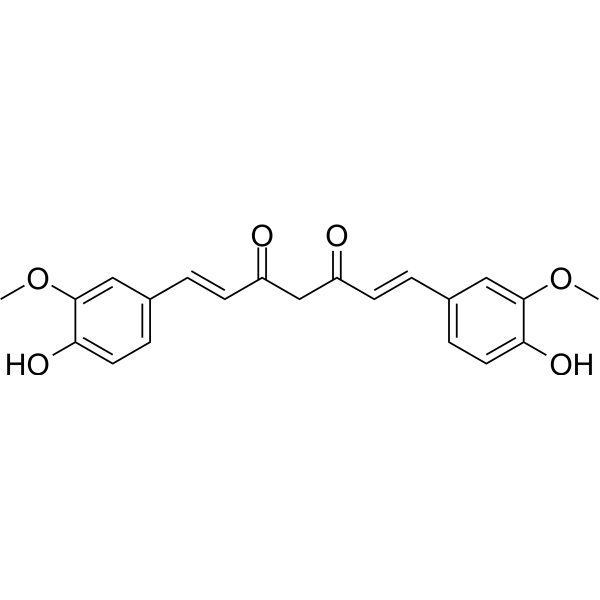
Curcumin (Diferuloylmethane), a natural phenolic compound, is a p300/CREB-binding protein-specific inhibitor of acetyltransferase, represses the acetylation of histone/nonhistone proteins and histone acetyltransferase-dependent chromatin transcription. Curcumin is a photosensitizer against microorganisms. Curcumin shows inhibitory effects on NF-κB and MAPKs, and has diverse pharmacologic effects including anti-inflammatory, antioxidant, antiproliferative and antiangiogenic activities. Curcumin induces stabilization of Nrf2 protein through Keap1 cysteine modification.
loading...
    loading...
94
94 Cited Publications
Cat. No.: HY-112675
CAS No.: 3133-16-2
Purity:  99.92%
Synonyms: 4-OI
Target:  

Keap1-Nrf2

Research Areas:  

Inflammation/Immunology

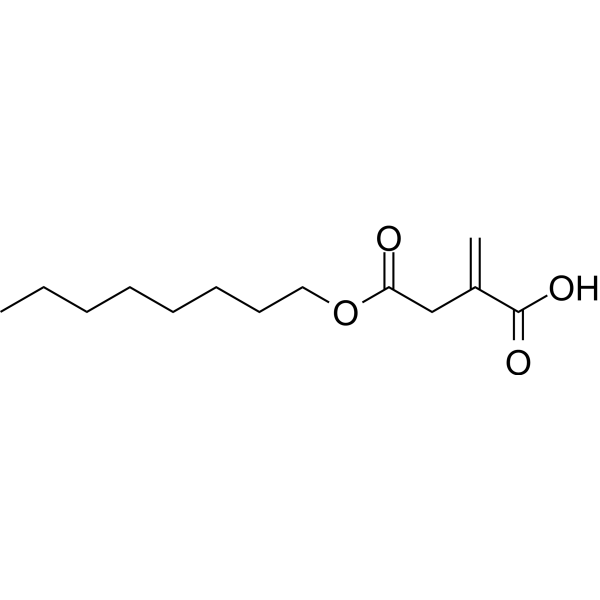
4-Octyl Itaconate is a cell-permeable Itaconate derivative. Itaconate is an anti-inflammatory metabolite that activates Nrf2 via alkylation of KEAP1 [1].
loading...
    loading...
77
77 Cited Publications
Cat. No.: HY-13755
CAS No.: 4478-93-7
Purity:  98.87%
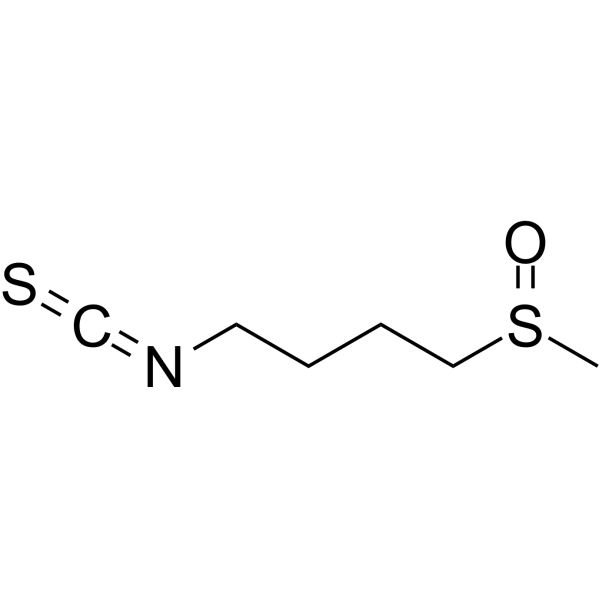
Sulforaphane is an orally active inducer of the Keap1/Nrf2/ARE pathway. Sulforaphane promotes the transcription of tumor-suppressing proteins and effectively inhibits the activity of HDACs. Through the activation of the Keap1/Nrf2/ARE pathway and further induction of HO-1 expression, Sulforaphane protects the heart. Sulforaphane suppresses high glucose-induced pancreatic cancer through AMPK-dependent signal transmission. Sulforaphane exhibits both anticancer and anti-inflammatory properties [1] .
loading...
    loading...
45
45 Cited Publications
Cat. No.: HY-19543
CAS No.: 14907-98-3
Synonyms: NSC 172924
Brusatol (NSC 172924) is a unique inhibitor of the Nrf2 pathway that sensitizes a broad spectrum of cancer cells to Cisplatin and other chemotherapeutic agents. Brusatol enhances the efficacy of chemotherapy by inhibiting the Nrf2-mediated defense mechanism. Brusatol can be developed into an adjuvant chemotherapeutic agent [1]. Brusatol increases cellular apoptosis .
loading...
    loading...
23
23 Cited Publications
Cat. No.: HY-101140
CAS No.: 1799974-70-1
Purity:  98.67%
Research Areas:  

Inflammation/Immunology

KI696 is a selective KEAP1/NRF2 protein-protein interaction inhibitor with a human Kd value of 1.3 nM. KI696 acts by competitively occupying the NRF2-binding pocket of the KEAP1 Kelch domain. KI696 blocks KEAP1-mediated ubiquitination and degradation of NRF2, promotes the translocation of NRF2 to the nucleus, activates the expression of downstream antioxidant genes, increases intracellular glutathione levels, and alleviates oxidative stress-induced cell damage and inflammatory cell infiltration in the lungs. KI696 reduces ozone-induced pulmonary oxidative damage and inflammatory cell accumulation in rats, and upregulates pulmonary antioxidant genes. KI696 can be used in research related to chronic obstructive pulmonary disease, oxidative stress and inflammation [1].
loading...
    loading...
12
12 Cited Publications
Cat. No.: HY-110258
CAS No.: 1432500-66-7
Purity:  ≥99.0%
Synonyms: LH601A
Research Areas:  

Cancer

ML334 is a potent, cell permeable activator of NRF2 by inhibition of Keap1-NRF2 protein-protein interaction. ML334 binds to Keap1 Kelch domain with a Kd of 1 μM. ML334 stimulates NRF2 expression and nuclear translocation and induces antioxidant response elements (ARE) activity [1] .
loading...
    loading...
8
8 Cited Publications
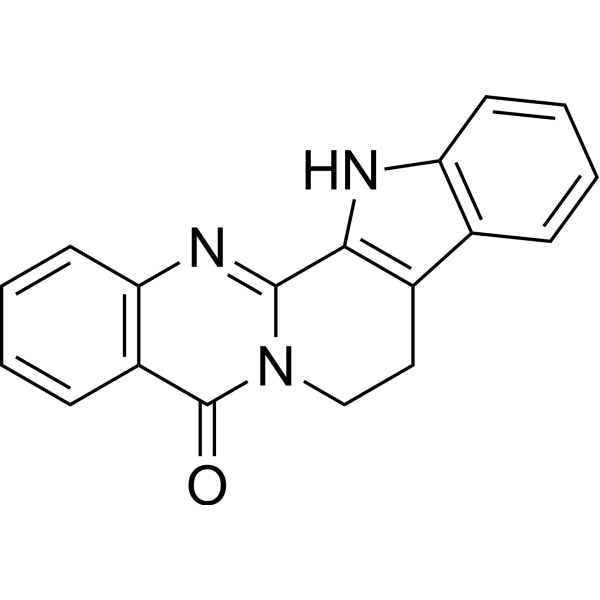
Cat. No.: HY-N0147
CAS No.: 84-26-4
Synonyms: Rutecarpine
Rutaecarpine, an alkaloid of Evodia rutaecarpa, is an inhibitor of COX-2 with an IC50 value of 0.28 μM. Rutaecarpine can target and activate the NRF2/HO-1 pathway to reduce craniofacial injury. Rutaecarpine sttenuates oxidative stress-induced traumatic brain injury (TBI) and reduces secondary injury via the PGK1/KEAP1/NRF2 signaling pathway. Rutaecarpine can cross the blood-brain barrier (BBB).
loading...
    loading...
6
6 Cited Publications
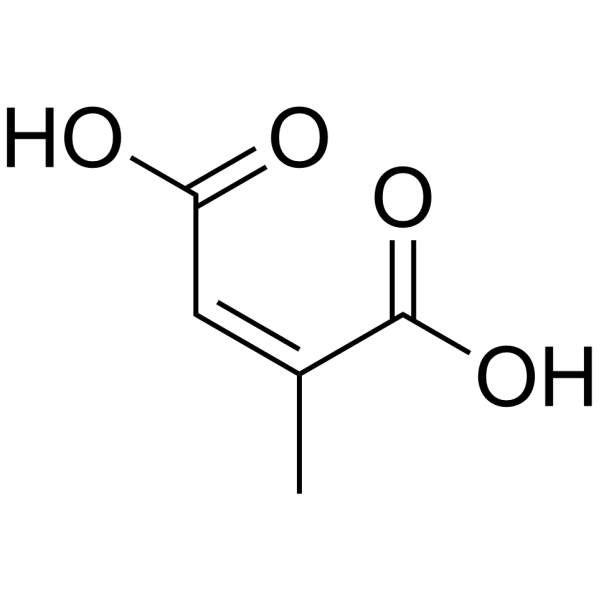
Cat. No.: HY-113298
CAS No.: 498-23-7
Purity:  98.73%
Synonyms: Methylmaleic acid
Citraconic acid (Methylmaleic acid) is an orally active inhibitor targeting the NLRP3 inflammasome and Keap1-Nrf2 pathway. Citraconic acid reduces reactive oxygen species (ROS) generation by inhibiting succinate dehydrogenase (SDH) activity. Citraconic acid also modifies the conformation of Keap1 protein, relieves its inhibition of Nrf2, promotes antioxidant gene expression, and inhibits NLRP3 activation and the release of pro-inflammatory factors such as IL-1β and IL-18. Citraconic acid has anti-inflammatory and antioxidant activities, can reduce oxidative stress and cell pyroptosis, improve tissue damage, and can be used for the research of inflammation-related diseases such as acute renal ischemia-reperfusion injury. Citraconic acid is an isomer of Itaconic acid (HY-Y052) [1] .
loading...
    loading...
6
6 Cited Publications
Cat. No.: HY-N0260
CAS No.: 110642-44-9
Synonyms: Epimedin-C; Baohuoside-VI
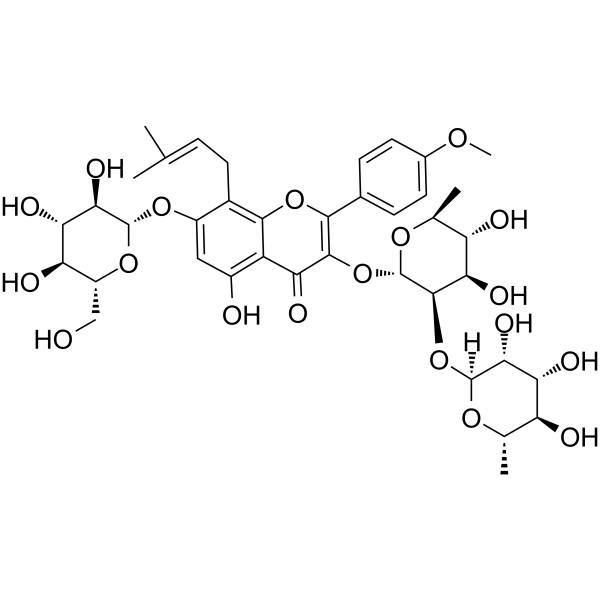
Epmedin C (Epimedin-C; Baohuoside-VI) is an orally active anti-inflammatory agent and immunomodulator that binds to multiple key proteins including UCP1, Caspase-1, CDK2 and Keap1. Epmedin C inhibits epithelial cell proliferation by disrupting the complex function of CDK2/Cyclin E. Epmedin C also upregulates Nrf2 expression, reduces ROS levels and inhibits pro-inflammatory cytokine secretion, thereby effectively restoring antibody production and alleviating tissue damage. Epmedin C has good safety with no hepatotoxicity or skin sensitization, and it has been used in studies on diseases such as obesity, Deoxynivalenol (HY-N6684)-induced immunotoxicity and mammary hyperplasia [1] .
loading...
    loading...
4
4 Cited Publications
Cat. No.: HY-N0806
CAS No.: 14215-86-2
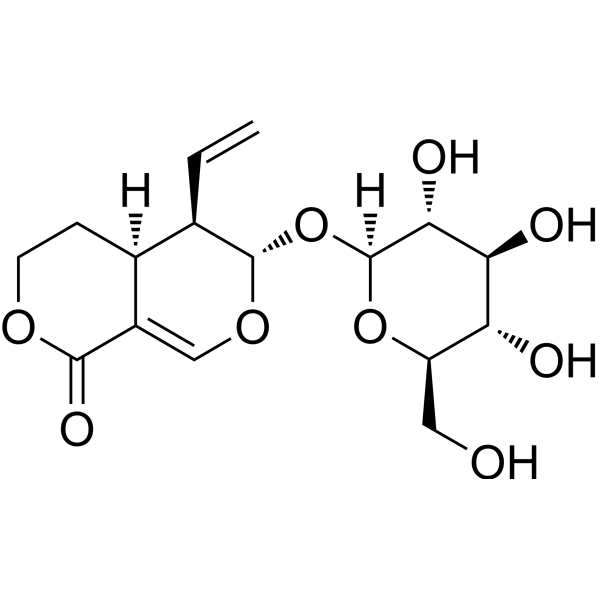
Sweroside is an iridoid glycoside that targets multiple targets, including the Keap1/Nrf2 axis, NLRP3 inflammasome, SIRT1, NF-κB, AMPK/mTOR pathway, and caspase family. Sweroside promotes Nrf2 nuclear translocation by competitively binding to Keap1. Sweroside also inhibits oxidative stress and NLRP3-mediated pyroptosis by activating Nrf2, inhibits NF-κB inflammatory pathway by activating SIRT1, and promotes autophagy and induces caspase-dependent apoptosis via the AMPK/mTOR pathway. Sweroside has antioxidant, anti-inflammatory, anti-apoptotic, and lipid metabolism regulating activities, and can be used in the research of myocardial ischemia-reperfusion injury, leukemia, acute lung injury, non-alcoholic fatty liver disease, and other fields [1] .
loading...
    loading...
4
4 Cited Publications
Cat. No.: HY-P75897
Purity:  ≥ 85%, as determined by reducing SDS-PAGE.
Synonyms: Kelch-like ECH-associated protein 1; Cytosolic inhibitor of Nrf2; Keap1; Keap1
Species:  
Source:  
loading...
    loading...
4
4 Cited Publications
Cat. No.: HY-P80732
Synonyms: INrf2; KLHL19

Host:  

Rabbit

Application:  

WB, IHC-P

Reactivity:  

Human, Mouse

loading...
    loading...
3
3 Cited Publications
Cat. No.: HY-134205A
CAS No.: 2416095-06-0
Purity:  98.02%
Target:  

Keap1-Nrf2

CBR-470-1 is an inhibitor of the glycolytic enzyme phosphoglycerate kinase 1 (PGK1). CBR-470-1 is also a non-covalent Nrf2 activator. CBR-470-1 protects SH-SY5Y neuronal cells against MPP +-induced cytotoxicity through activation of the Keap1-Nrf2 cascade [1] .
loading...
    loading...
3
3 Cited Publications
Cat. No.: HY-100218C
CAS No.: 1219810-15-7
Purity:  99.52%
Target:  

Drug Isomer Ferroptosis

Research Areas:  

Cancer

(1R,3R)-RSL3 is an isomer of RSL3 (HY-100218A). RSL3 ((1S,3R)-RSL3) is an inhibitor of glutathione peroxidase 4 (GPX4) (ferroptosis activator), reduces the expression of GPX4 protein, and induces ferroptotic death of head and neck cancer cell. RSL3 increases the expression of p62 and Nrf2 and inactivates Keap1 in HN3-rslR cells [1].
loading...
    loading...
2
2 Cited Publications
Cat. No.: HY-145879
CAS No.: 2770448-53-6
Purity:  99.20%
Target:  

Keap1-Nrf2

Research Areas:  

Cancer

Nrf2 activator-2 is an Nrf2 activator with binding affinity for Keap1, with an EC50 of 2.9 μM. Nrf2 activator-2 binds to Keap1, stabilizes the protein, inhibits the Keap1-Nrf2 interaction, and reduces the ubiquitination level of Nrf2. Nrf2 activator-2 can be used in cancer-related research [1].
loading...
    loading...
2
2 Cited Publications
Cat. No.: HY-103435
CAS No.: 858134-23-3
Purity:  99.90%
Synonyms: Terrestrin A
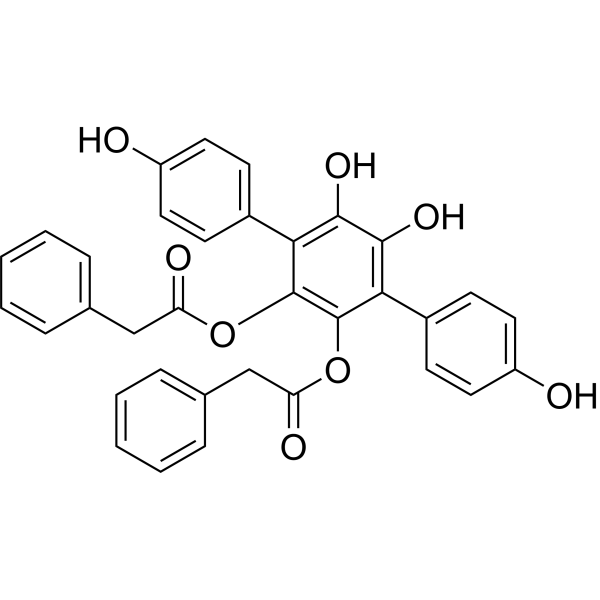
Vialinin A (Terrestrin A) is a p-terphenyl compound that can be derived from a Chinese edible mushroom. Vialinin A is an inhibitor of ubiquitin-specific peptidase 4 (USP4) and has anti-inflammatory and antioxidant properties. Vialinin A can alleviate cerebral ischaemia-reperfusion injury-induced neurological deficits and neuronal apoptosis. Vialinin A promotes activation of Keap1-Nrf2-ARE signaling pathway and increases the protein degradation of Keap1. Vialinin A possesses various pharmacological activities in cancer, Kawasaki disease, asthma, and pathological scarring. Vialinin A is a potent inhibitor of TNF-α, USP4, USP5, and sentrin/SUMO-specific protease 1 (SENP1). Vialinin A can be studied in reseach for autoimmune diseases, cancer and ischaemic stroke [1] .
loading...
    loading...
2
2 Cited Publications
Cat. No.: HY-P702829
Purity:  ≥ 90%, as determined by reducing SDS-PAGE.
Synonyms: Kelch-like ECH-associated protein 1; Cytosolic inhibitor of Nrf2; Keap1; Keap1
Species:  
Source:  
loading...
    loading...
2
2 Cited Publications
Cat. No.: HY-N11849
CAS No.: 135248-05-4
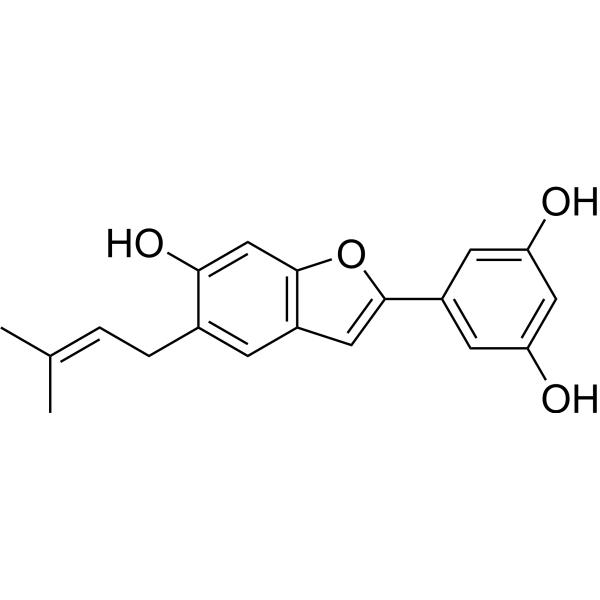
Moracin N is a benzofuran compound. At low concentrations, Moracin N activates the Keap1/Nrf2 pathway, downregulates the expression of FTH1 and ACSL4, enhances glutathione synthesis, and inhibits neuronal ferroptosis. At high concentrations, Moracin N induces ROS accumulation, activates mitochondrial apoptosis, and triggers autophagy-mediated cell death by inhibiting the AKT/mTOR pathway. Moracin N can be used in research related to non-small cell lung cancer, hepatocellular carcinoma and ischemic brain injury [1] .
loading...
    loading...
2
2 Cited Publications
Cat. No.: HY-13755A
CAS No.: 142825-10-3
Purity:  99.48%
Synonyms: L-Sulforaphane
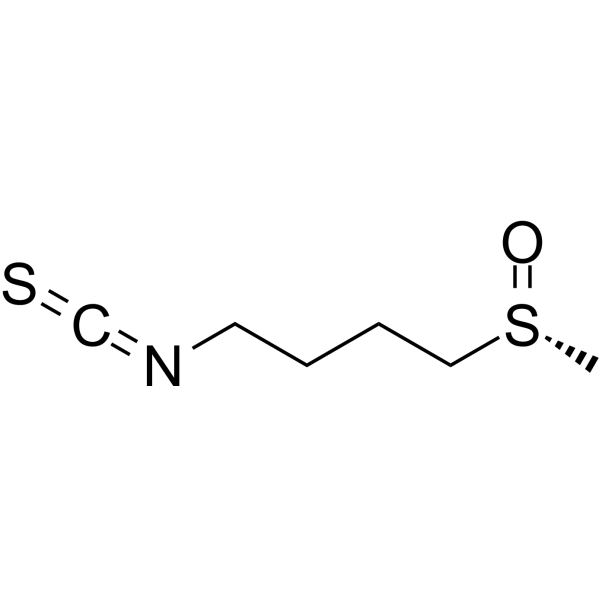
(R)-Sulforaphane (L-Sulforaphane) is a orally active, potent inducer of the Keap1/Nrf2/ARE pathway, exhibiting antioxidant and anticancer activities. (R)-Sulforaphane primarily functions by upregulating phase II detoxifying enzymes in cells, aiding in the removal of carcinogens and combating oxidative stress. (R)-Sulforaphane is capable of modulating gene expression, influencing various signaling pathways, including Nrf2, NF-κB, and AP-1. (R)-Sulforaphane can be used in studies of tumor biology, antioxidant defense mechanisms, as well as inflammation and immune responses [1] .
loading...
    loading...

