19 Results for "

LOX pathways

" in MedChemExpress (MCE) Product Catalog:
Products (19)

19 Results for "LOX pathways" in MCE Product Catalog:

258
258 Publications Verification
Cat. No.: HY-13948
CAS No.: 4474-91-3
Purity:  99.98%
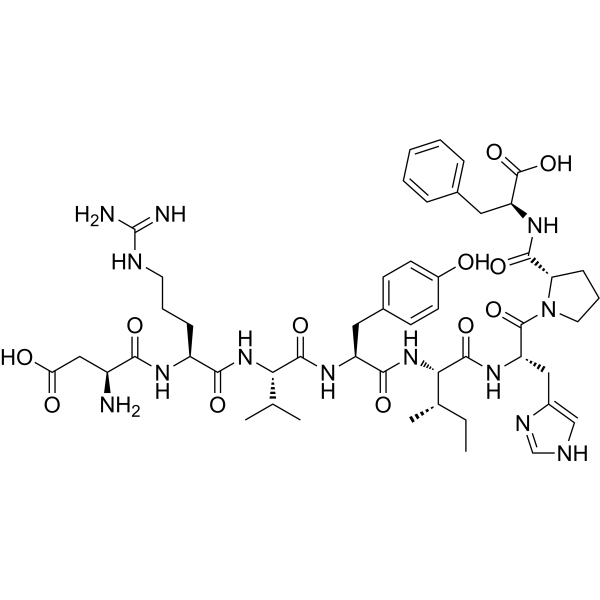
Synonyms: Angiotensin II; Ang II; DRVYIHPF
Angiotensin II (Angiotensin II) is a vasoconstrictor and a major bioactive peptide of the renin/angiotensin system. Angiotensin II human plays a central role in regulating human blood pressure, which is mainly mediated by interactions between Angiotensin II and the G-protein-coupled receptors (GPCRs) Angiotensin II type 1 receptor (AT1R) and Angiotensin II type 2 receptor (AT2R). Angiotensin II human stimulates sympathetic nervous stimulation, increases aldosterone biosynthesis and renal actions. Angiotensin II human induces growth of vascular smooth muscle cells, increases collagen type I and III synthesis in fibroblasts, leading to thickening of the vascular wall and myocardium, and fibrosis. Angiotensin II human also induces apoptosis. Angiotensin II induces capillary formation from endothelial cells via the LOX-1 dependent redox-sensitive pathway .
loading...
    loading...
258
258 Publications Verification
Cat. No.: HY-13948A
CAS No.: 68521-88-0
Purity:  99.62%
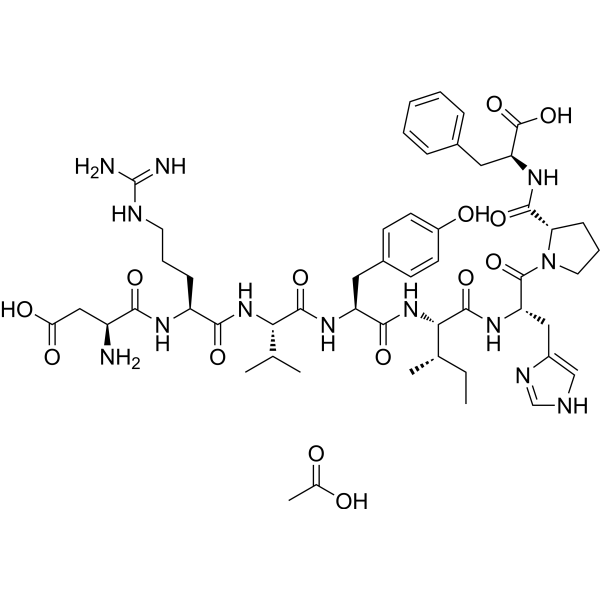
Synonyms: Angiotensin II acetate; Ang II acetate; DRVYIHPF acetate
Angiotensin II human (Angiotensin II) acetate is a vasoconstrictor and a major bioactive peptide of the renin/angiotensin system. Angiotensin II human acetate plays a central role in regulating human blood pressure, which is mainly mediated by interactions between Angiotensin II and the G-protein-coupled receptors (GPCRs) Angiotensin II type 1 receptor (AT1R) and Angiotensin II type 2 receptor (AT2R). Angiotensin II human acetate stimulates sympathetic nervous stimulation, increases aldosterone biosynthesis and renal actions. Angiotensin II human acetate induces growth of vascular smooth muscle cells, increases collagen type I and III synthesis in fibroblasts, leading to thickening of the vascular wall and myocardium, and fibrosis. Angiotensin II human acetate also induces apoptosis. Angiotensin II human acetate induces capillary formation from endothelial cells via the LOX-1 dependent redox-sensitive pathway .
loading...
    loading...
258
258 Publications Verification
Cat. No.: HY-13948B
CAS No.: 2761969-44-0
Purity:  98.84%
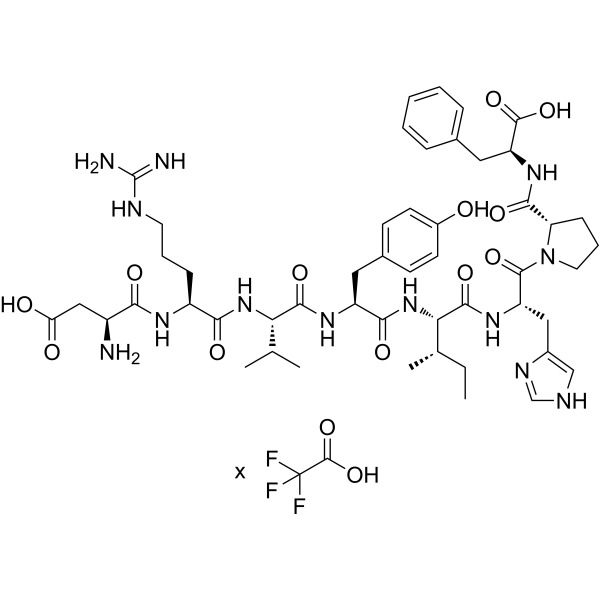
Synonyms: Angiotensin II TFA; Ang II TFA; DRVYIHPF TFA
Angiotensin II human (Angiotensin II) TFA is a vasoconstrictor and a major bioactive peptide of the renin/angiotensin system. Angiotensin II human TFA plays a central role in regulating human blood pressure, which is mainly mediated by interactions between Angiotensin II and the G-protein-coupled receptors (GPCRs) Angiotensin II type 1 receptor (AT1R) and Angiotensin II type 2 receptor (AT2R). Angiotensin II human TFA stimulates sympathetic nervous stimulation, increases aldosterone biosynthesis and renal actions. Angiotensin II human TFA induces growth of vascular smooth muscle cells, increases collagen type I and III synthesis in fibroblasts, leading to thickening of the vascular wall and myocardium, and fibrosis. Angiotensin II human TFA also induces apoptosis. Angiotensin II human TFA induces capillary formation from endothelial cells via the LOX-1 dependent redox-sensitive pathway .
loading...
    loading...
8
8 Cited Publications
Cat. No.: HY-12341
CAS No.: 1532593-30-8
Purity:  98.11%
Synonyms: ML355
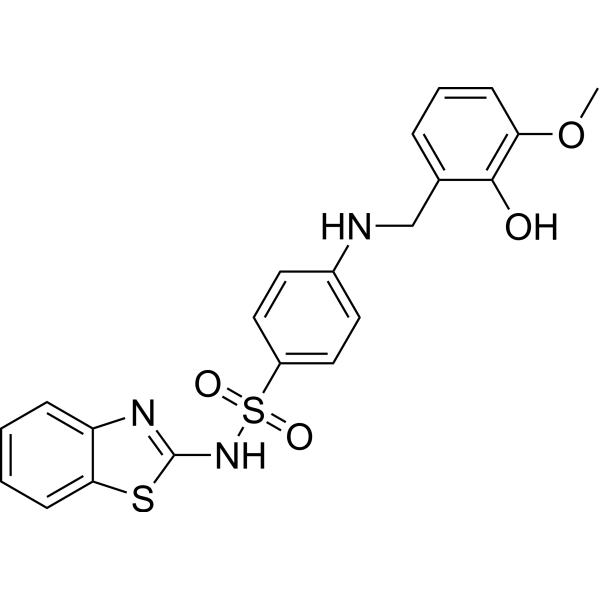
Onvoloxastat (ML355) is an orally active selective 12-LOX inhibitor with an IC50 of 0.34 μM. Onvoloxastat inhibits platelet activation by blocking thrombin- or thromboxane A2-induced phosphorylation of Akt, PI3K and Erk1/2. At low doses (1-20 μM), it mainly acts by reducing ROS levels, while at high doses (50 μM), it functions via activating the cAMP pathway. Onvoloxastat can be used in research related to thrombosis and diabetes .
loading...
    loading...
2
2 Cited Publications
Cat. No.: HY-N0493
CAS No.: 520-12-7
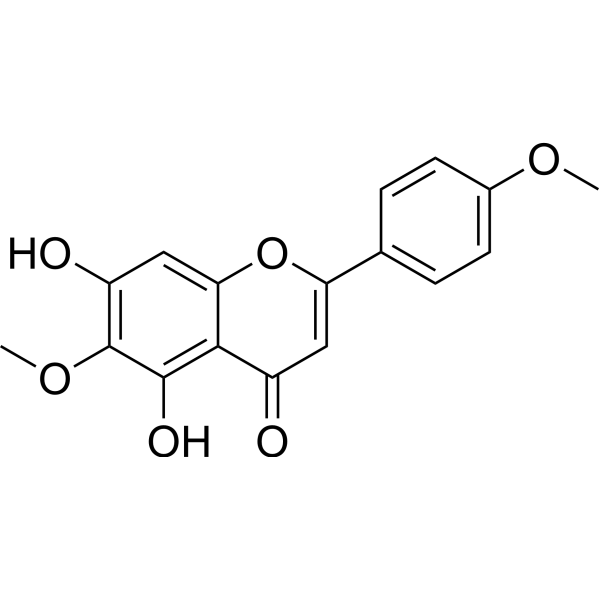
Pectolinarigenin is an orally active dual inhibitor of COX-2/5-LOX with anti-inflammatory, antioxidant, antitumor and neuroprotective activities. Pectolinarigenin exerts neuroprotective and anti-inflammatory effects on astrocyte inflammation via the NFκB and MAPK pathways. Pectolinarigenin inhibits LPS-induced phosphorylation of ERK1/2, N-FκB and p38MAPK, directly inhibits the enzymatic activity or binding of COX-2, 5-LOX and HIF-1α, and reduces the level of XIAP. Pectolinarigenin modifies Keap1 to promote nuclear accumulation of Nrf2, induces ARE-mediated antioxidant enzyme expression, and possesses direct free radical scavenging activity. Pectolinarigenin reduces the release of NO, proinflammatory mediators and leukotrienes, and increases the level of IL-10. Pectolinarigenin induces G2/M cell cycle arrest, apoptosis (Apoptosis) and autophagy (Autophagy) via the PI3K/AKT/mTOR signaling pathway. Pectolinarigenin reduces renal crystal deposition and inhibits melanin synthesis. Pectolinarigenin inhibits inflammation and alleviates allergy in mouse models of inflammation. Pectolinarigenin alleviates renal injury, inflammation and oxidative stress in mice by inhibiting HIF-1α activity. Pectolinarigenin can be used for the research of neurodegenerative diseases, inflammatory/allergic diseases, calcium oxalate nephrocalcinosis, gastric cancer, melasma, post-inflammatory diseases and chloasma .
loading...
    loading...
2
2 Cited Publications
Cat. No.: HY-113439
CAS No.: 71030-37-0
Purity:  95.70%
Target:  

Apoptosis

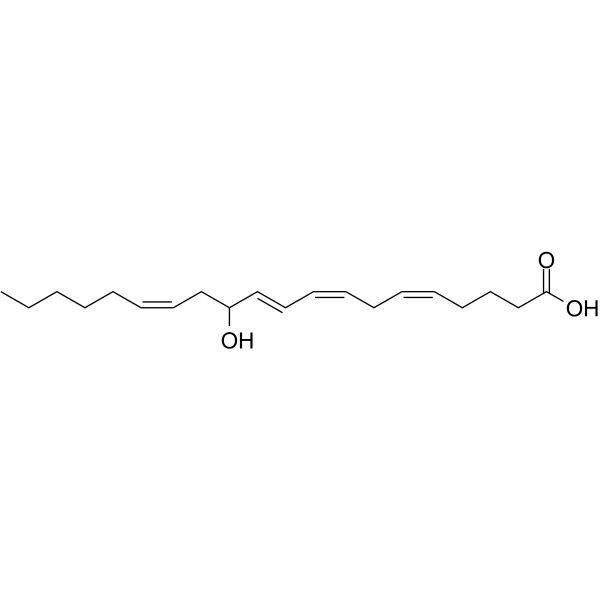
12-HETE, a major metabolic product of arachidonic acid using 12-LOX catalysis, inhibits cell apoptosis in a dose-dependent manner. 12-HETE promotes the activation and nuclear translocation of NF-κB through the integrin-linked kinase (ILK) pathway .12-HETE has both anti-thrombotic and pro-thrombotic effects . 12-HETE is a neuromodulator .
loading...
    loading...
2
2 Cited Publications
Cat. No.: HY-113439S
CAS No.: 2525175-25-9
Purity:  ≥98.0%
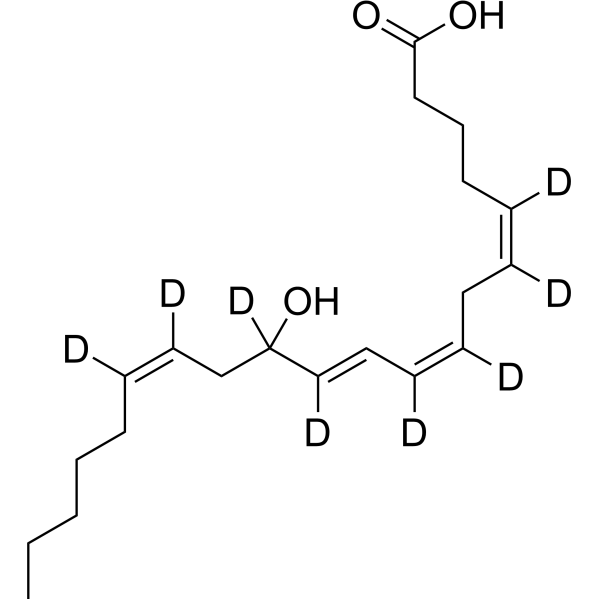
12-HETE-d8 is the deuterium labeled 12-HETE. 12-HETE, a major metabolic product of arachidonic acid using 12-LOX catalysis, inhibits cell apoptosis in a dose-dependent manner. 12-HETE promotes the activation and nuclear translocation of NF-κB through the integrin-linked kinase (ILK) pathway .12-HETE has both anti-thrombotic and pro-thrombotic effects . 12-HETE is a neuromodulator .
loading...
    loading...
2
2 Cited Publications
Cat. No.: HY-N10549
CAS No.: 83088-28-2
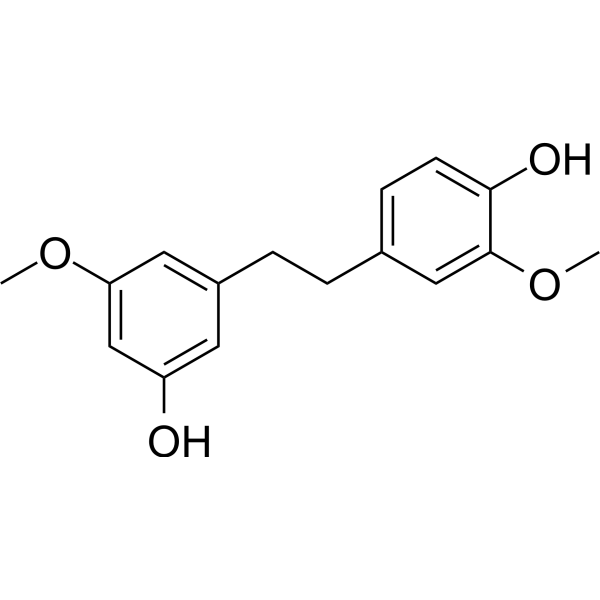
Gigantol is an orally active bibenzyl compound. Gigantol targets MYC to promote its ubiquitin-proteasomal degradation and inhibit the growth of lung cancer cells. Gigantol exerts anti-lung cancer activity by inducing ferroptosis (Ferroptosis) via the SLC7A11-GPX4 axis. Gigantol restores the sensitivity of mcr-harboring multidrug-resistant bacteria to colistin. Gigantol ameliorates carbon tetrachloride-induced liver injury by inhibiting the activation of the JNK/cPLA2/12-LOX inflammatory pathway. Gigantol promotes cholesterol metabolism and progesterone biosynthesis in Leydig cells. Gigantol can be used in studies related to diseases such as lung cancer, multidrug-resistant Gram-negative bacterial infections, and acute liver injury .
loading...
    loading...
1
1 Cited Publications
Cat. No.: HY-N7108
CAS No.: 6665-86-7
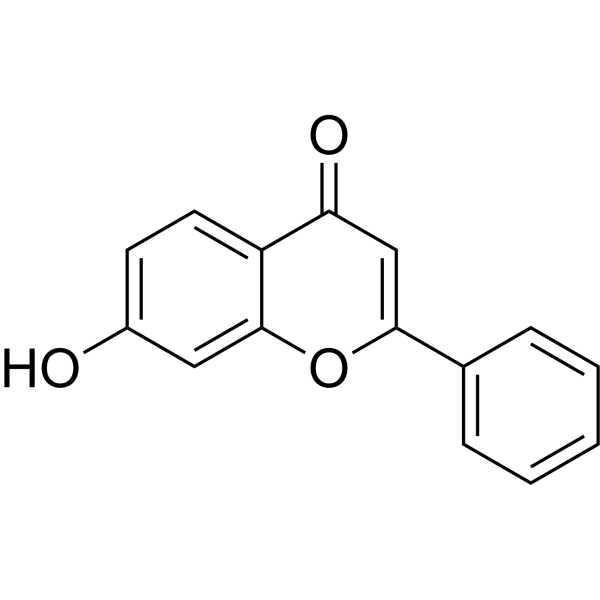
7-Hydroxyflavone is a flavonoid isolated from Clerodendrum phlomidis, with anti-inflammatory activity. 7-Hydroxyflavone protects renal cells from nicotine (NIC)-associated cytotoxicity via the ERK/Nrf2/HO-1 pathway. 7-Hydroxyflavone inhibits PKM2 with an IC50 of 2.12 μM. 7-Hydroxyflavone inhibits COX-2 and 5-LOX with IC50 of 27 µg/mL and 33 µg/mL. 7-Hydroxyflavone is orally active .
loading...
    loading...
Cat. No.: HY-124108
CAS No.: 1191-85-1
Purity:  ≥99.0%
Synonyms: ETYA
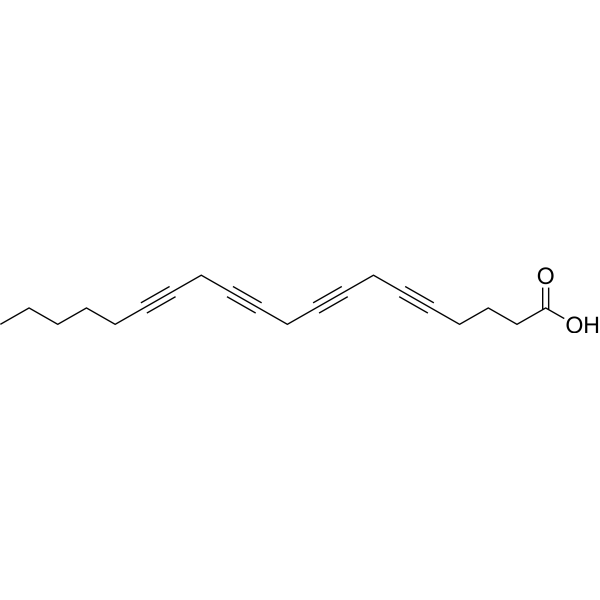
Eicosatetraynoic acid (ETYA) is a non-metabolizable analog of Arachidonic acid (HY-109590) and also an inhibitor of the lipoxygenase (LOX)/cyclooxygenase (COX) pathway (ID50 = 8 μM and 4 μM). Eicosatetraynoic acid acts as a suicide substrate to inhibit the production of inflammatory mediators such as leukotrienes and prostaglandins. Eicosatetraynoic acid acts directly on cell membranes and membrane proteins to exert a wide range of effects, including blocking potassium channels, increasing cell membrane fluidity, elevating intracellular calcium levels, inhibiting DNA synthesis in tumor cells, inducing differentiation of certain cells, and specifically inhibiting the assembly and replication of orthopoxviruses. Eicosatetraynoic acid alleviates acute lung injury induced by chemicals such as phosgene .
loading...
    loading...
Cat. No.: HY-108448
CAS No.: 105955-11-1
Purity:  99.47%
Synonyms: OLDA
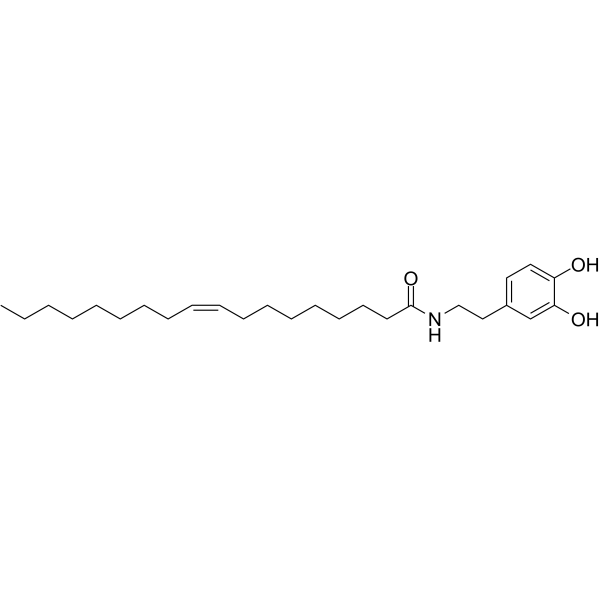
N-Oleoyldopamine (OLDA) is an orally active TRPV1 activator and 5-LOX inhibitor with blood-brain barrier permeability. N-Oleoyldopamine excites histaminergic neurons in the tuberomammillary nucleus via a dopamine receptor mechanism, a process independent of TRPV1 and cannabinoid receptors. On one hand, N-Oleoyldopamine promotes the release of insulin and glucose-dependent insulinotropic polypeptide through a GPR119-dependent pathway to improve glucose tolerance; on the other hand, N-Oleoyldopamine improves left ventricular function and reduces myocardial infarction size by triggering the release of substance P and calcitonin gene-related peptide. N-Oleoyldopamine is used in studies related to glycemic abnormalities and myocardial ischemia-reperfusion injury .
loading...
    loading...
Cat. No.: HY-116763
CAS No.: 443919-96-8
Target:  

COX LOX-1

COX-2/5-LOX-IN-4 (Compound 1) is a dual inhibitor that acts on both COX-2 and 5-LOX, with IC50 values of 0.05 μM for COX-2 and 0.003 μM for 5-LOX. By inhibiting the arachidonic acid metabolism pathway, COX-2/5-LOX-IN-4 reduces the production of prostaglandins and leukotrienes, alleviating inflammatory responses. In a rat ear edema model, intravenous administration (0.01 and 0.1 mg/kg) reduced edema by 41% and 44%, respectively, demonstrating significant anti-inflammatory effects. COX-2/5-LOX-IN-4 shows promise for studying the mechanisms of inflammatory diseases .
loading...
    loading...
Cat. No.: HY-113445
CAS No.: 71953-80-5
Purity:  ≥95.0%
Target:  

Endogenous Metabolite

Research Areas:  

Metabolic Disease Cancer

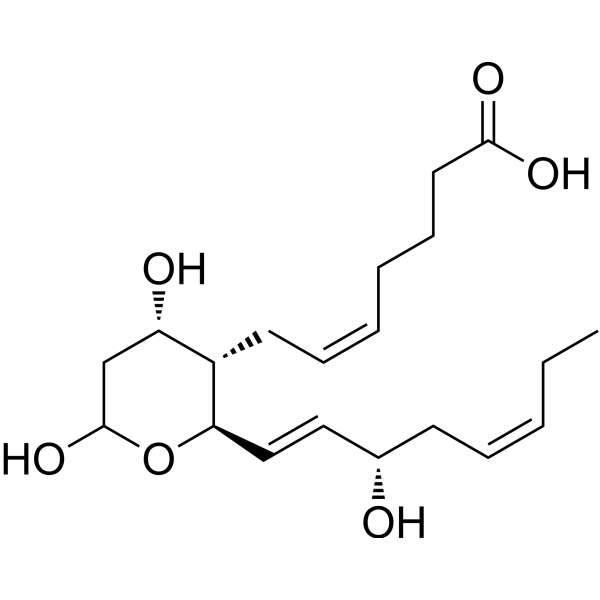
Thromboxane B3 is an eicosanoid and the stable hydrolysis product of thromboxane A3, which is synthesized from eicosapentaenoic acid by cyclooxygenase (COX) and thromboxane synthase. Thromboxane B3 participates in inflammatory cell regulation, tumorigenesis and cell proliferation processes. Elevated levels of Thromboxane B3 correlate with high-risk regions of esophageal cancer. Thromboxane B3 can be used in studies related to bladder cancer, renal cell carcinoma and esophageal squamous cell carcinoma .
loading...
    loading...
Cat. No.: HY-151173
CAS No.: 2831329-35-0
XO/COX/LOX-IN-1 is a XO/COX/LOX inhibitor with an IC50 of 3.2 μM against rat XO, 10.83 μM against 5-LOX, 12.67 μM against COX-1, and 8.31 μM against COX-2. XO/COX/LOX-IN-1 binds to the active sites of XO, 5-LOX, COX-1 and COX-2, thereby blocking enzyme activities associated with uric acid, leukotriene, prostaglandin synthesis and inflammatory pathways. XO/COX/LOX-IN-1 can be used in the research of hyperuricemia and inflammation .
loading...
    loading...
Cat. No.: HY-N7108R
CAS No.: 6665-86-7
7-Hydroxyflavone (Standard) is the analytical standard of 7-Hydroxyflavone. This product is intended for research and analytical applications. 7-Hydroxyflavone is a flavonoid isolated from Clerodendrum phlomidis, with anti-inflammatory activity. 7-Hydroxyflavone protects renal cells from nicotine (NIC)-associated cytotoxicity via the ERK/Nrf2/HO-1 pathway. 7-Hydroxyflavone inhibits PKM2 with an IC50 of 2.12 μM. 7-Hydroxyflavone inhibits COX-2 and 5-LOX with IC50 of 27 µg/mL and 33 µg/mL. 7-Hydroxyflavone is orally active .
loading...
    loading...
Cat. No.: HY-N0493R
CAS No.: 520-12-7
Pectolinarigenin (Standard) is the analytical standard of Pectolinarigenin. This product is intended for research and analytical applications. Pectolinarigenin is an orally active dual inhibitor of COX-2/5-LOX with anti-inflammatory, antioxidant, antitumor and neuroprotective activities. Pectolinarigenin exerts neuroprotective and anti-inflammatory effects on astrocyte inflammation via the NFκB and MAPK pathways. Pectolinarigenin inhibits LPS-induced phosphorylation of ERK1/2, N-FκB and p38MAPK, directly inhibits the enzymatic activity or binding of COX-2, 5-LOX and HIF-1α, and reduces the level of XIAP. Pectolinarigenin modifies Keap1 to promote nuclear accumulation of Nrf2, induces ARE-mediated antioxidant enzyme expression, and possesses direct free radical scavenging activity. Pectolinarigenin reduces the release of NO, proinflammatory mediators and leukotrienes, and increases the level of IL-10. Pectolinarigenin induces G2/M cell cycle arrest, apoptosis (Apoptosis) and autophagy (Autophagy) via the PI3K/AKT/mTOR signaling pathway. Pectolinarigenin reduces renal crystal deposition and inhibits melanin synthesis. Pectolinarigenin inhibits inflammation and alleviates allergy in mouse models of inflammation. Pectolinarigenin alleviates renal injury, inflammation and oxidative stress in mice by inhibiting HIF-1α activity. Pectolinarigenin can be used for the research of neurodegenerative diseases, inflammatory/allergic diseases, calcium oxalate nephrocalcinosis, gastric cancer, melasma, post-inflammatory diseases and chloasma.
loading...
    loading...
Cat. No.: HY-172877
Research Areas:  

Cancer

EGFR/BRAFV600E-IN-5 (Compound 7I) is a dual BRAFV600E/EGFR inhibitor with IC50 of 0.048 μM and 0.037 μM, respectively. EGFR/BRAFV600E-IN-5 has significant anti-melanoma activity with IC50 of 3.16 μM and 2.50 μM against MALME-3M and LOX-IMVI cell lines, respectively. EGFR/BRAFV600E-IN-5 exerts anti-tumor effects by inducing G1 arrest, inhibiting DNA synthesis, and activating the mitochondrial apoptosis pathway. EGFR/BRAFV600E-IN-5 can be used for melanoma research, especially for combined inhibition of BRAFV600E mutation and EGFR signaling pathway .
loading...
    loading...
Cat. No.: HY-187671
CAS No.: 59756-39-7
Enolicam sodium is a dual inhibitor of cyclooxygenase (COX) and lipoxygenase (LOX), with a COX IC50 of 1.5 μM and a 5-LOX IC50 of 3.5 μM. Enolicam sodium inhibits arachidonic acid metabolism via the COX and 5-LOX pathways. Enolicam sodium inhibits the production of reactive oxygen species (ROS), superoxide anions, hydrogen peroxide, and the release of polymorphonuclear leukocytes. Enolicam sodium is applicable to research related to acute oxidative lung injury and ocular inflammation .
loading...
    loading...
Cat. No.: HY-N19724
CAS No.: 62346-20-7
Buddledin A is a 5-LOX inhibitor (IC50 = 50.4 μM) and a COX inhibitor (IC50 = 13.7 μM). Buddedin A inhibits arachidonic acid metabolism via the 5-LOX and COX pathways, suppresses fungal growth, and exerts toxic effects on fish. Buddedin A may play an ecological role in protecting plant roots and stem barks from fungal infection. Buddedin A can be used in studies related to fungal infections .
loading...
    loading...
  • 1

