
1. Search Result
Search Result
Results for "

MCF-7 (breast)

" in MedChemExpress (MCE) Product Catalog:

205

Inhibitors & Agonists

3

Biochemical Assay Reagents

5

Peptides

34

Natural
Products

1

Isotope-Labeled Compounds

1

Click Chemistry

2

Oligonucleotides

Targets Recommended:
Cat. No. Product Name Target Research Areas Chemical Structure
  • HY-119358
    Traumatic Acid
    3 Publications Verification

    Reactive Oxygen Species (ROS) Apoptosis Cardiovascular Disease Inflammation/Immunology
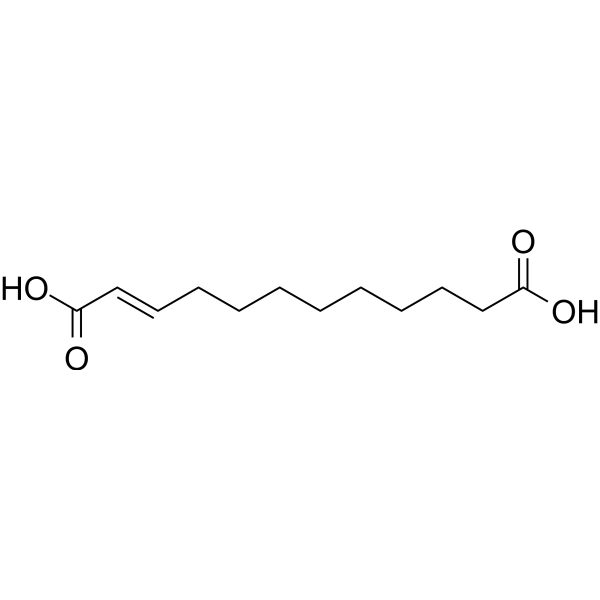
    Traumatic Acid is a wound healing agent and a cytokinin (phytohormone). Traumatic Acid enhances the biosynthesis of collagen in cultured human skin fibroblasts. Traumatic Acid inhibits MCF-7 breast cancer cells viability and enhances apoptosis and oxidative stress. Traumatic Acid can be used in studies of cancer, circulatory disorders (including arterial hypertension), and skin diseases associated with oxidative stress and impaired collagen biosynthesis .
    Traumatic Acid
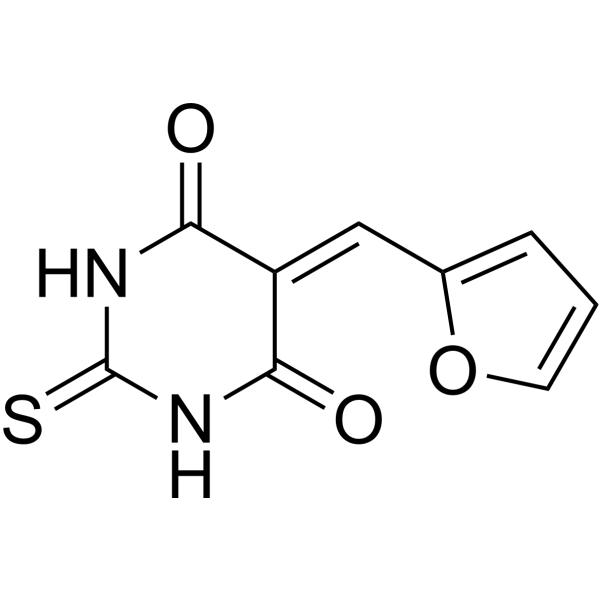
  • HY-112721
    FDI-6
    5+ Cited Publications

    DNA/RNA Synthesis Cancer
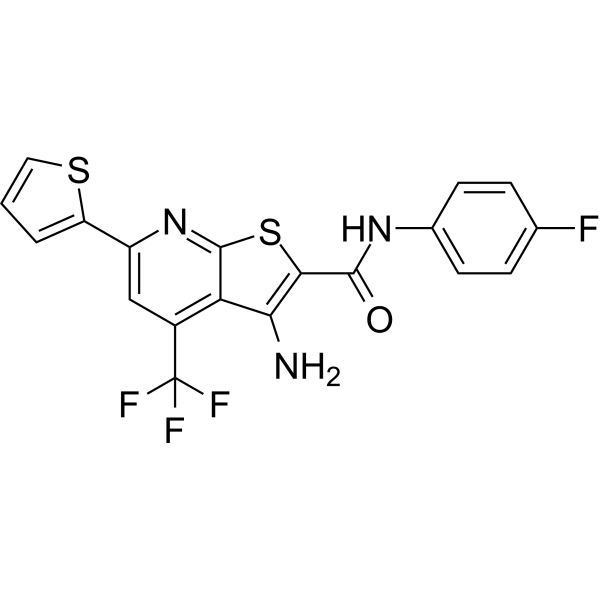
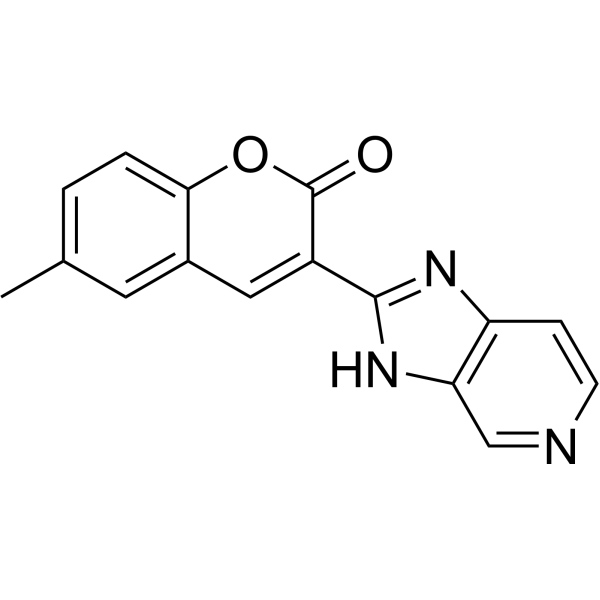
    FDI-6 is an inhibitor of FOXM1. FDI-6 binds directly to FOXM1 protein, to displace FOXM1 from genomic targets in MCF-7 breast cancer cells, and induce concomitant transcriptional down-regulation.
    FDI-6
  • HY-W016887

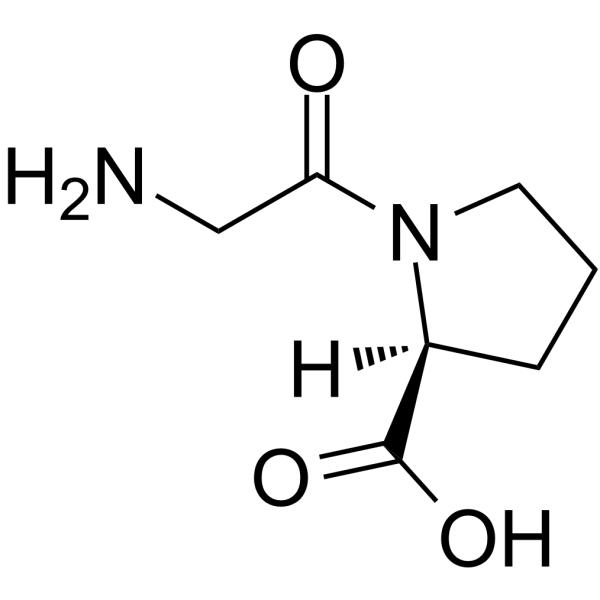
    H-Gly-Pro-OH; Gly-Pro

    Endogenous Metabolite Apoptosis Metabolic Disease Cancer
    Glycyl-L-proline (H-Gly-Pro-OH) is a dipeptide. Glycyl-L-proline can induce MCF-7 cells apoptosis. Glycyl-L-proline can enhance the inhibitory effect of the PRODH/POX knockout on collagen and DNA biosynthesis. Glycyl-L-proline can inhibit Gly-Sar and L-proline transport. Glycyl-L-proline can be used for the researches of cancer and metabolic disease, such as breast cancer .
    Glycyl-L-proline
  • HY-B0812
    5-Sulfosalicylic acid dihydrate
    2 Publications Verification

    SSA dihydrate

    Biochemical Assay Reagents Cancer
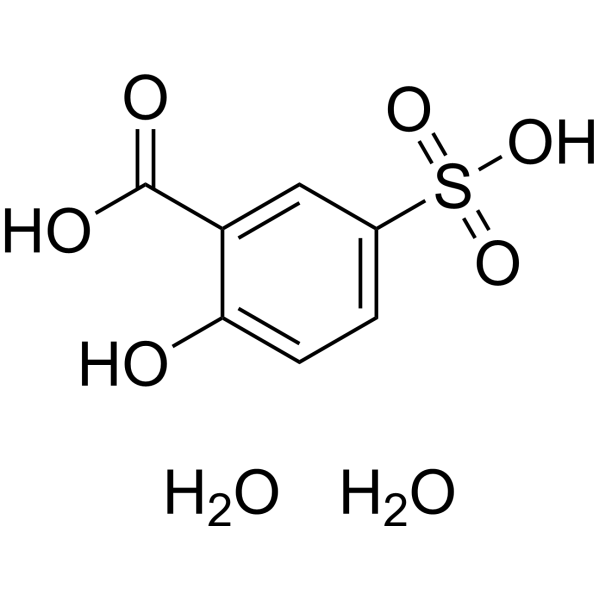
    5-Sulfosalicylic acid dihydrate is a sulfonated salicylic acid derivative. 5-Sulfosalicylic acid dihydrate is effective against the breast cancer cell line, MCF-7, with less toxicity . 5-Sulfosalicylic acid dihydrate has antioxidant activities .
    5-Sulfosalicylic acid dihydrate
  • HY-N1366

    Methylumbelliferone

    Apoptosis Bacterial Infection Cancer
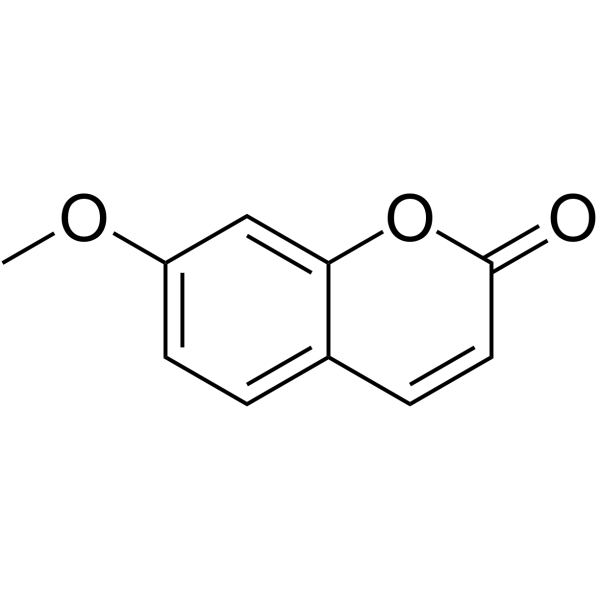
    Herniarin is a natural coumarin occurs in some flowering plants with anticancer effects. Herniarin results in a significant decrease in cell viability by inducing apoptosis in MCF-7 cells. Herniarin also has anti-dermatophytic activity. Herniarin can be used for the study of bladder cancer and breast cancer .
    Herniarin
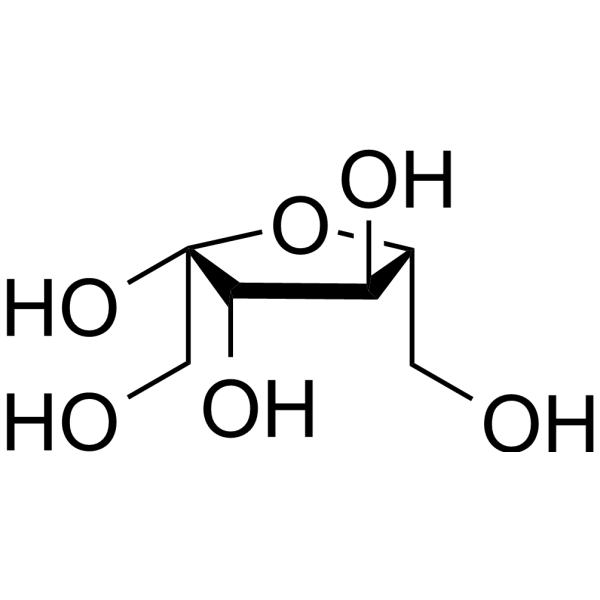
  • HY-113319

    Drug Intermediate Cancer
    β-D-Fructose is a monosaccharide. Derivatives synthesized using β-D-Fructose as the sugar backbone exhibit potent and selective antiproliferative activity against breast cancer MCF-7 cells .
    β-D-Fructose
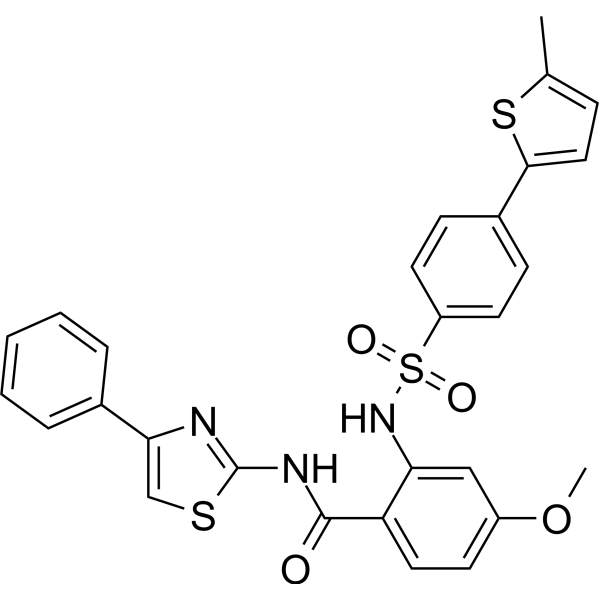
  • HY-13686
    PQ401
    2 Publications Verification

    IGF-1R Apoptosis Cancer
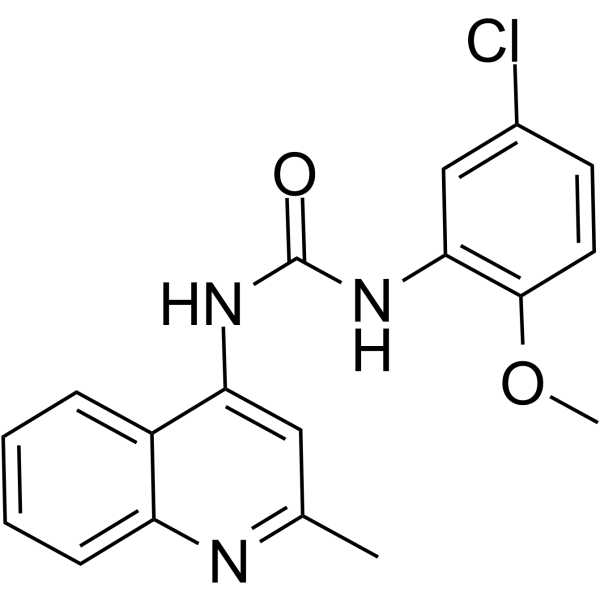
    PQ401 is a potent inhibitor of IGF-IR signaling. PQ401 inhibits IGF-I-stimulated IGF-IR autophosphorylation with an IC50 of 12.0 μM in a series of studies in MCF-7 cells. PQ401 is effective at inhibiting IGF-I-stimulated growth of MCF-7 cells (IC50, 6 μM). PQ401 is a potential agent for breast and other IGF-I-sensitive cancers. PQ401 induces caspase-mediated apoptosis .
    PQ401
  • HY-162312

    Deubiquitinase Apoptosis Cancer
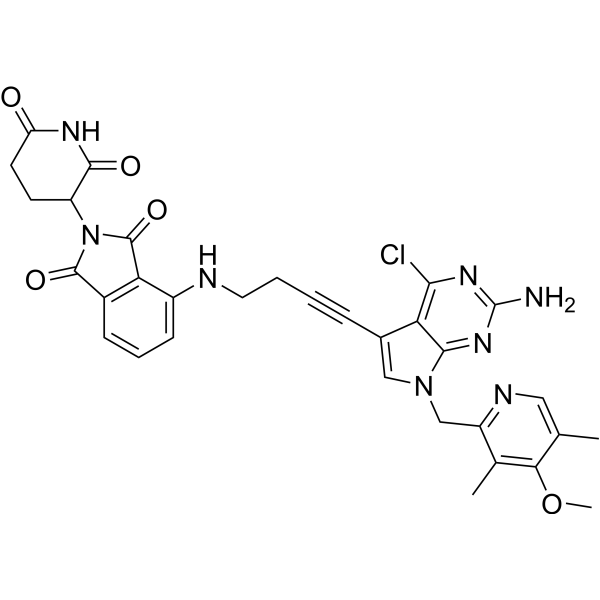
    LLK203 is a potent USP2/USP8 dual-target inhibitor with IC50s of 0.89 μM and 0.52 μM, respectively. LLK203 leads a degradation of ERα and induces apoptosis of breast cancer MCF-7 cells. LLK203 demonstrates antitumor activities against the 4T1 tumor mice model .
    LLK203
  • HY-W177546

    Phosphodiesterase (PDE) Apoptosis Caspase DNA/RNA Synthesis Cancer
    CD00509 is a tyrosyl-DNA phosphodiesterase (PDE) Tdp1 inhibitor with an IC50 of 0.71 μM. CD00509 increases DNA damage and promotes apoptosis of MCF-7 cells. CD00509 can sensitize breast cancer cells and wild-type murine embryonic fibroblasts (MEFs) to Camptothecin (CPT) (HY-16560). CD00509 can be used for the study of cancers such as breast cancer .
    CD00509
  • HY-149480

    PROTACs Estrogen Receptor/ERR Cancer
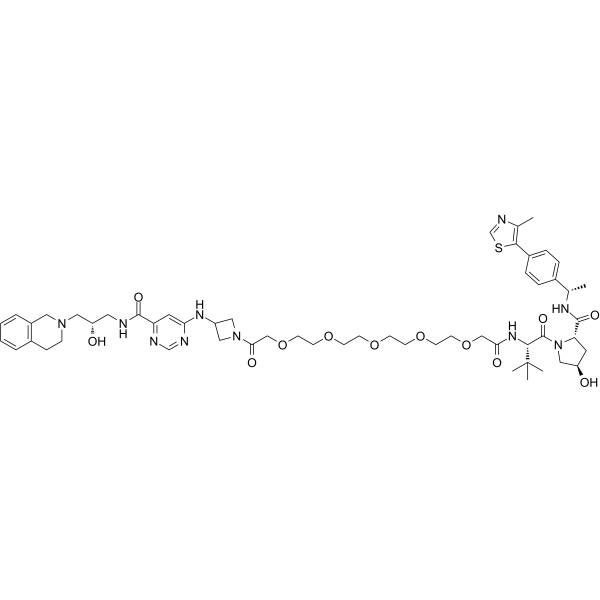
    ERD-3111 (Compound 44) is an orally active PROTAC ERα degrader (DC50: 0.5 nM). ERD-3111 inhibits tumor growth in the parental MCF-7 xenograft model with wild-type ER and two clinically relevant ESR1 mutated mice model. ERD-3111 can be used in the research of ER+ breast cancer .
    ERD-3111
  • HY-N0435

    DNA/RNA Synthesis Cancer
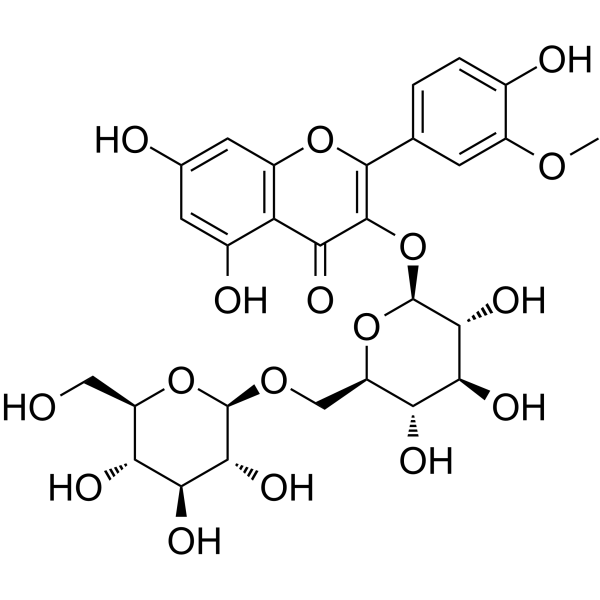
    Isorhamnetin 3-gentiobioside is a flavonoid with activity of promoting cancer cell proliferation. Isorhamnetin 3-gentiobioside is an activator of DNA synthesis in MCF-7 human breast cancer cells with an EC50 of 3.1 μg/mL. Isorhamnetin 3-gentiobioside exhibits ABTS radical scavenging activity with an IC50 of 33.43 μg/mL. The compound can be used to study the bidirectional regulatory mechanism of cancer .
    Isorhamnetin 3-gentiobioside
  • HY-N6990

    Others Cancer
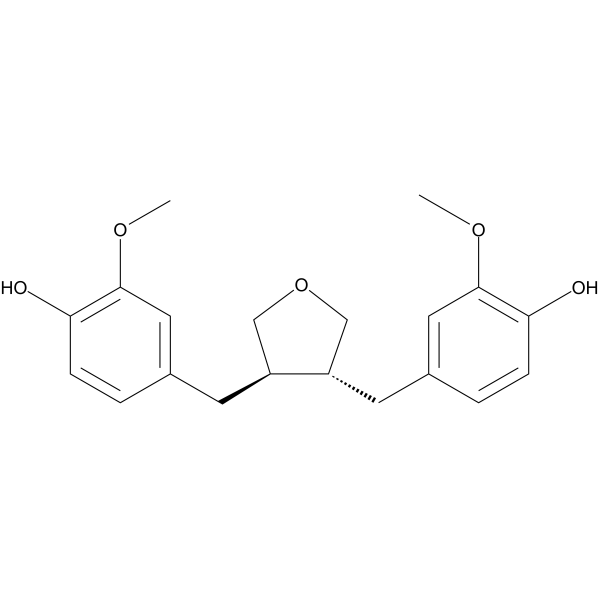
    Anhydrosecoisolariciresinol is from the flower of Wedelia biflora, has anti-tumor activities . Anhydrosecoisolariciresinol decreases the growth of human breast cancer MCF-7 and MDA-MB-231 cell lines .
    Anhydrosecoisolariciresinol
  • HY-153588

    HSP Cancer
    HSP90-IN-22 (Compound 35) is an Hsp90 inhibitor with antiproliferative properties on cells with IC50 values of 3.65 μM for MCF7 breast cancer cells and 2.71 μM for SKBr3 breast cancer cells, respectively.
    HSP90-IN-22
  • HY-120275

    Bcl-2 Family Apoptosis Cancer
    CYD-2-11 is a selective Bax agonist with a Ki value of 34.1 nM. CYD-2-11 induces cell apoptosis and shows antiproliferative activity to breast cancer MDA-MB-231 and MCF-7 cell lines with IC50 values of 3.22 and 3.81 μM, respectively. CYD-2-11 suppresses tumor growth in MDA-MB-231 tumor models. CYD-2-11 can be used for the research of breast and lung cancer .
    CYD-2-11
  • HY-N4010

    Others Cancer
    Iriflophenone, isolated from Aquilaria sinensis, stimulates MCF-7 and T-47D human breast cancer cells proliferation .
    Iriflophenone
  • HY-W587738

    Apoptosis Cancer
    Viridiflorol is an active natural molecule with anti-cancer effect. Viridiflorol induces anti-neoplastic effects on breast (MCF-7, IC50 = 10 µM), lung (A549, IC50 = 30 µM), and brain (Daoy, IC50 = 0.1 µM) cancer cells through apoptosis. Viridiflorol can be used for breast, lung, and brain cancer research .
    Viridiflorol
  • HY-148368

    Bcl-2 Family Apoptosis Cancer
    CYD-4-61 is a novel Bax activator used for breast cancer research. CYD-4-61 inhibits triple-negative breast cancer MDA-MB-231 and ER-positive breast cancer MCF-7 cell lines proliferation. CYD-4-61 activates Bax protein to induce cytochrome c release and regulate apoptotic biomarkers, leading to cancer cell apoptosis .
    CYD-4-61
  • HY-N1366S

    7-Methoxycoumarin-d3; Methyl umbelliferyl ether-d3

    Isotope-Labeled Compounds Apoptosis Bacterial Infection Cancer
    Herniarin-d3 is the deuterium labeled Herniarin (HY-N1366). Herniarin is a natural coumarin occurs in some flowering plants with anticancer effects. Herniarin results in a significant decrease in cell viability by inducing apoptosis in MCF-7 cells. Herniarin also has anti-dermatophytic activity. Herniarin can be used for the study of bladder cancer and breast cancer .
    Herniarin-d3
  • HY-103452

    Estrogen Receptor/ERR Endocrinology
    RU58668 is a steroidal antiestrogen that can be used as a potent antiproliferative agent on MCF-7 cells. RU58668 has the potential for the breast cancer research .
    RU58668
  • HY-148453

    Drug Derivative Cancer
    Antiproliferative agent-16 is an indolyl hydrazide-hydrazone compound with anticancer activity. Antiproliferative agent-16 exhibits specificity toward breast cancer cells (IC50 of 6.94 μM for MCF-7 cells) .
    Antiproliferative agent-16
  • HY-107550

    HDAC Cancer
    NCT-14b is a HDAC6-selective inhibitor. NCT-14b blocks the growth of estrogen receptor α-positive breast cancer MCF-7 cells .
    NCT-14b
  • HY-175260

    Estrogen Receptor/ERR Cancer
    ZN-c5 is a selective and orally active estrogen receptor degrader. ZN-c5 exhibits high potency in the cellular assay (MCF-7, IC50 = 0.3 nM) and binds with high affinity to ERα and ERβ (IC50 = 0.4 nM and 0.8 nM, respectively). ZN-c5 inhibits tumor growth in MCF-7 mouse xenograft model and WHIM20 xenograft model. ZN-c5 can be used for the study of breast cancer .
    ZN-c5
  • HY-W288480

    Apoptosis Cancer
    Trihexyl phosphate is an organophosphate flame retardant. Trihexyl phosphate causes mitochondrial impairment and induces cell apoptosis in CHO cells. Trihexyl phosphate promotes the proliferation of human breast cancer cells (MCF-7) in a dose-dependent manner and exerts estrogenicity via ERα-independent pathways .
    Trihexyl phosphate
  • HY-118474

    NSC 721648

    Aryl Hydrocarbon Receptor Cytochrome P450 Cancer
    GW 610 (NSC 721648), an antitumor agent, is a potent AhR ligand with a Ki of 6.8 nM. GW 610 induces CYP1A1 expression in MCF-7 cells. GW 610 shows potent and selective anticancer activity against lung, colon, and breast cancer cell lines .
    GW 610
  • HY-N10777

    Others Cancer
    1-Ketoaethiopinone is an abietane-diterpenoid. 1-Ketoaethiopinone has an α, β-unsaturated carbonyl function. 1-Ketoaethiopinone shows cytotoxic activity against human cancer cell lines MOLT-4 (human lymphoblastic leukemia) and MCF-7 (human breast adenocarcinoma) .
    1-Ketoaethiopinone
  • HY-178099

    Apoptosis Caspase PARP Bcl-2 Family Cancer
    Apoptosis inducer 45 is an apoptosis inducer. Apoptosis inducer 45 is cytotoxically active against the MCF-7 cell line. Apoptosis inducer 45 elicits MCF-7 cell apoptosis via the mitochondrial pathway (increases the Bax/Bcl-2 ratio) by activating cleavage of caspase-9, thereby inducing the fragmentation of DNA repair protein PARP. Apoptosis inducer 45 also can induce caspase-8 cleavage, subsequently initiating cleavage of caspase-3 and its downstream protein PARP to culminate in the extrinsic apoptosis. Apoptosis inducer 45 can be used in the research of breast cancer .
    Apoptosis inducer 45
  • HY-N1833

    Others Cancer
    3'-Geranyl-3-prenyl-2',4',5,7-tetrahydroxyflavone displays cytotoxicity of 1.32, 3.92 and 5.22 μm against the human cervical carcinoma HeLa, human breast carcinoma MCF-7, and human hepatocarcinoma Hep3B cells .
    3'-Geranyl-3-prenyl-2',4',5,7-tetrahydroxyflavone
  • HY-171777

    ErPC3; Erucylphosphohomocholine

    PI3K Akt Ras Raf p38 MAPK Cancer
    Erufosine is an inhibitor of PI3K/Akt and Ras/Raf/MAPK signaling pathways. Erufosine inhibits the activity of breast cancer cell lines MCF-7 and MDA-MB 231 (IC50: 40.95/40.8 μM). Erufosine reduces the phosphorylation of PI3K (p85), Akt (PKB), and cRaf. Erufosine can be used in the study of breast cancer and myeloid leukemia .
    Erufosine
  • HY-176955

    Estrogen Receptor/ERR Cancer
    ER degrader 12 (Example 1) is an estrogen receptor (ER) degrader with IC50 values for ERα and ERβ of 2.3 and 80.2 nM respectively (TR-FRET experiment). ER degrader 12 inhibits the proliferation of MCF-7 cells, with an IC50 of 1.53 nM. ER degrader 12 can be used for research on breast cancer .
    ER degrader 12
  • HY-157151

    Histone Methyltransferase Cancer
    iPRMT1 is a potent and selective PRMT1 inhibitor for breast cancer research. iPRMT1 inhibits breast cancer cell growth in vitro and in vivo with EC50 values of 90, 70, and 9 nM in MCF7, T47D, and MDA-MB-231 cells, respectively .
    iPRMT1
  • HY-174336

    Survivin Apoptosis Cancer
    Survivin-IN-1 (Compound II₃) is a potent Survivin (a member of the Inhibitor of Apoptosis Protein family) inhibitor with an IC50 value of 8.1 μM against human lung cancer A549 cells and 9.0 μM against breast cancer MCF-7 cells. Survivin-IN-1 reduces Survivin protein levels and induces tumor cell apoptosis. Survivin-IN-1 is promising for research of malignant tumors such as lung cancer and breast cancer .
    Survivin-IN-1
  • HY-N15577

    Drug Derivative Cancer
    Antiproliferative agent-69 (Compound 1) is a prenylated kaempferol derivative found in the fresh bud’s fur of Platanus acerifolia. Antiproliferative agent-69 shows significant antiproliferative effects against human breast cancer cells (MCF-7) and human hepatocellular carcinoma cells (Hep-G2) with IC50 values of 38.2 μM and 39.5 μM, respectively. Antiproliferative agent-69 is promising for research of breast cancer and liver cancer .
    Antiproliferative agent-69
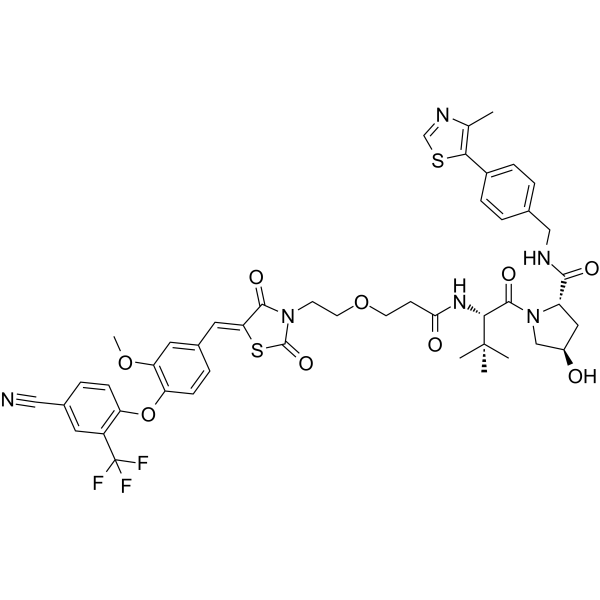
  • HY-174870

    PROTACs Estrogen Receptor/ERR Apoptosis Fluorescent Dye Cancer
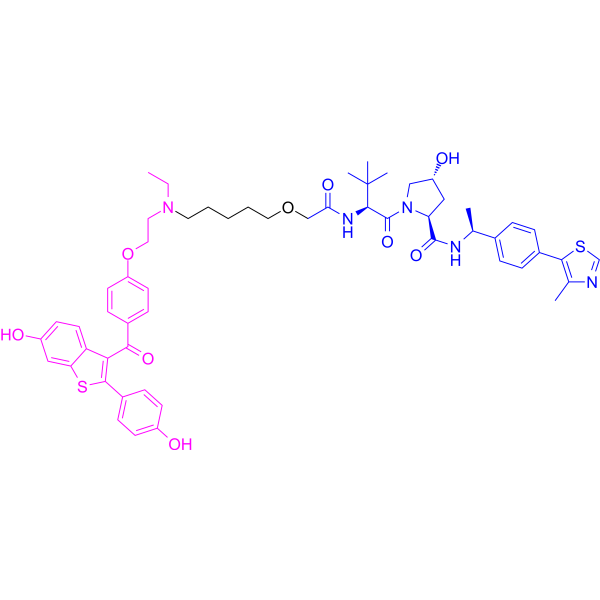
    PROTAC ERα Degrader-11 is a selective and intrinsically fluorescent (Ex: 366 nm, Em: 440 nm) ERα PROTAC degrader. PROTAC ERα Degrader-11 shows good antiproliferative activity, selective ERα degradation and imaging capabilities in MCF-7 breast cancer cell lines. PROTAC ERα Degrader-11 induces G2/M phase arrest and induces apoptosis in MCF-7 cells. PROTAC ERα Degrader-11 is well-tolerated up to a dose of 500 mg/ kg with no acute toxicity in athymic nude mice. PROTAC ERα Degrader-11 can be used for the study of breast cancer.(Pink: ERα ligand (HY-167701), Blue: CRBN Ligand (HY-150831), Black: Linker, E3 ligase ligand-linker conjugate (HY-174880)) .
    PROTAC ERα Degrader-11
  • HY-106159

    Reactive Oxygen Species (ROS) p38 MAPK JNK PERK Ferroptosis Cancer
    SB-T-101141 is a novel taxane. SB-T-101141 effectively induces a noncanonical ferroptosis to overcome Paclitaxel (HY-B0015) resistance of breast cancer. SB-T-101141 facilitates the production of iron and ferrous ions and ROS. SB-T-101141 stably binds to KHSRP to inhibit the iron-dependent expression of CISD1 related to iron homeostasis. SB-T-101141 synergistically enhances the iron-dependent activation of JNK and PERK pathways via KHSRP. SB-T-101141 suppresses breast tumor growth in MCF-7(PR)/MDA-MB-231(PR) or KHSRP knock-down MCF-7 xenograft mice model .
    SB-T-101141
  • HY-169122

    Drug Derivative Cancer
    LLC1 is an Amiloride (HY-B0285) derivative with cytotoxicity against breast cancer cells, particularly those resistant to treatment. The IC50 values of LLC1 for MCF7, MCF7 MX-100, MCF7 TS, MCF7 TR-1, and MCF7 TR-5 are 13, 12, 25, 26, and 19 mM, respectively. LLC1 shows potential for research in the field of cancer therapy .
    LLC1
  • HY-N4010R

    Reference Standards Others Cancer
    Iriflophenone, isolated from Aquilaria sinensis, stimulates MCF-7 and T-47D human breast cancer cells proliferation .
    Iriflophenone (Standard)
  • HY-144306

    Estrogen Receptor/ERR Apoptosis Cancer
    ERα degrader 4 is an excellent and selective estrogen receptor α (ERα) degrader (IC50 of 0.31, 0.41 and 0.48 μM in MDA-MB-231, MCF-7 and MCF-7/ADR cells, respectively). ERα degrader 4 has potent inhibitory activity against MCF-7 cell lines. ERα degrader 4 is a potential SERDs candidate for the research of breast cancer .
    ERα degrader 4
  • HY-N10305

    Autophagy Cancer
    Clionamine B is an autophagy stimulating aminosteroid isolated from the sponge Cliona celata. Clionamine B strongly stimulates autophagy in human breast cancer MCF-7 cells .
    Clionamine B
  • HY-144637

    Apoptosis Autophagy Cancer
    Autophagy inducer 2 (Compound 11i) is a potent autophagy inducer. Autophagy inducer 2 exhibits apparent antiproliferative activity against the MCF-7 cell line with an IC50 value of 1.31 μM and remarkably inhibits the colony formation of the MCF-7 cells. Autophagy inducer 2 arrests the MCF-7 cells in the G2/M phase by regulating the cell-cycle-related proteins Cdk-1 and Cyclin B1. Autophagy inducer 2 has the potential for the research of breast cancer .
    Autophagy inducer 2
  • HY-155841

    Microtubule/Tubulin Mitosis Cancer
    Tubulin polymerization-IN-46 (compound 9q) is a microtubule/Tubulin inhibitor that inhibits tubulin polymerization and induces apoptosis. Tubulin polymerization-IN-46 inhibits mitosis and arrests MCF-7 cells in the G2/M phase. Tubulin polymerization-IN-46 has anti-proliferative activity against MCF-7 breast cancer cells with an IC50 of 10 nM .
    Tubulin polymerization-IN-46
  • HY-163126

    Cholinesterase (ChE) Cancer
    AChE-IN-52 (compound A6) is an acetylcholinesterase (AChE) inhibitor. AChE-IN-52 shows antitumor efficacy, especially against breast cancer MCF-7 cells. AChE-IN-52 significantly disrupts the amino acid metabolism and inhibits migration of MCF-7. AChE-IN-52 plays anticancer role by regulating Best1 and HIST1H2BJ .
    AChE-IN-52
  • HY-118129

    Ganwuweizic acid

    PARP Apoptosis Cancer
    Schisandronic acid is a triterpenoid antioxidant and anticancer agent extracted from Schisandra chinensis, which has potent cytotoxicity against human breast cancer cells, especially MCF-7. Schisandronic acid induces apoptosis and reduces cell viability in a time-dependent manner (MCF-7, IC50=8.06 μM). Schisandronic acid can upregulate active caspase-3 expression and cleave PARP, reduce the generation of reactive oxygen species and exhibit antioxidant effects .
    Schisandronic acid
  • HY-175567

    Apoptosis Reactive Oxygen Species (ROS) Cancer
    Apoptosis inducer 41 is an apoptosis inducer that induces apoptosis through the mitochondrial pathway. Apoptosis inducer 41 exhibits remarkable inhibitory effects against MCF-7 cells (IC50 = 6.2 μM). Apoptosis inducer 41 significantly arrests MCF-7 cells in the G2/M phase, increases ROS accumulation, induces mitochondrial membrane potential depolarization. Apoptosis inducer 41 can used for the study of breast cancer .
    Apoptosis inducer 41
  • HY-173040

    Apoptosis Cancer
    Anticancer agent 266 (Compound 3B) is an anticancer agent that can inhibit the proliferation of tumor cells. Anticancer agent 266 has an IC50 of 0.13 μM for MCF-7 breast cancer cell line .
    Anticancer agent 266
  • HY-163812

    Molecular Glues Estrogen Receptor/ERR Cancer
    ER degrader 9 (compound 1), a bifunctional molecular glue, is a potent estrogen receptor (ER) degrader with a DC50 of ≤10 nM in MCF-7 cells. ER degrader 9 can be used for the research of breast cancer .
    ER degrader 9
  • HY-163308

    Bcl-2 Family Cancer
    Bcl-2-IN-18 (Compound 23) is a breast cancer Bcl-2 inhibitor with a IC50 value of 4.7 μM for MCF-7. Bcl-2-IN-18 has antitumor activity .
    Bcl-2-IN-18
  • HY-N11438

    Estrogen Receptor/ERR Cancer
    3'-Hydroxymirificin (compound 3) is a naural compound that can be isolated from Pueraria lobata roots. 3'-Hydroxymirificin (compound 3) possesses estrogenic activity and anti-proliferation of MCF-7 human breast carcinoma cells .
    3'-Hydroxymirificin
  • HY-N3261

    AP-1 ERK STAT Inflammation/Immunology Cancer
    Methyllinderone is an inhibitor of AP-1/STAT/ERK. Methyllinderone has anti-inflammatory effect. Methyllinderone reduce the invasion and migration rate of TPA-stimulated MCF-7 cells. Methyllinderone can be used in study breast cancer metastasis .
    Methyllinderone
  • HY-N4227

    Endogenous Metabolite Cancer
    Conicasterol is a 4-mercaptosteroid with significant cytotoxic activity. Conicasterol showed an IC50 value of 6.23 μg/mL in a test on a human breast adenocarcinoma cell line (MCF-7). Conicasterol's antitumor activity makes it a potential bioactive lead molecule .
    Conicasterol
  • HY-175638

    Carbonic Anhydrase Apoptosis Bcl-2 Family CDK Cancer
    Carbonic anhydrase-IN-35 is a selective carbonic anhydrase (CA) inhibitor. Carbonic anhydrase-IN-35 potently inhibits tumor-associated hCA IX (Ki = 0.6 nM) and hCA XII (Ki = 2.2 nM). Carbonic anhydrase-IN-35 induces apoptosis in MCF-7 cells by elevating Bax, reducing Bcl-2, and downregulating CDK4/6. Carbonic anhydrase-IN-35 exhibits potent cytotoxicity against MCF-7 (IC50 = 0.3975 μM normoxic/0.6575 μM hypoxic), MCF-7-ADR (IC50> = 0.3975 μM normoxic/4.488 μM hypoxic), MDA-MB-231, and 4T1 breast cancer cells. Carbonic anhydrase-IN-35 can be used for the study of breast cancer .
    Carbonic anhydrase-IN-35

Inquiry Online

Your information is safe with us. * Required Fields.

Salutation


Country or Region *

Applicant Name *


Organization Name *

Department *


Email Address *


Product Name *

Cat. No.


Requested quantity *

Phone Number *


Remarks

Inquiry Online

Inquiry Information

Product Name:
Cat. No.:
Quantity:
MCE Japan Authorized Agent:

