From 11:00 pm to 12:00 pm EST ( 8:00 pm to 9:00 pm PST ) on January 6th, the website will be under maintenance. We are sorry for the inconvenience. Please arrange your schedule properly.
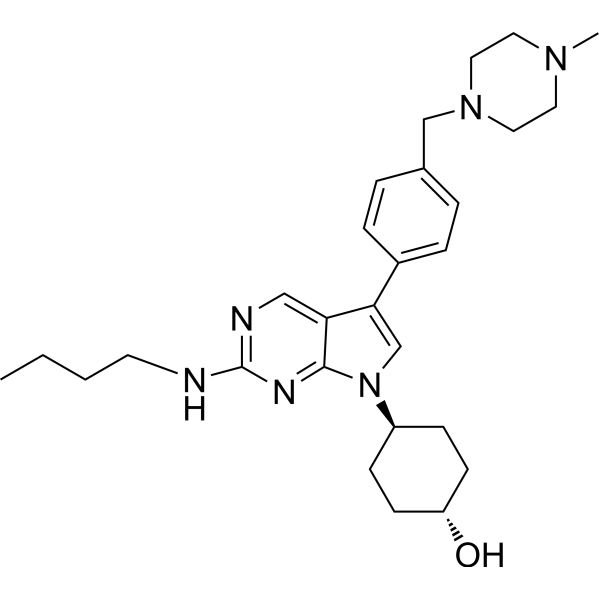
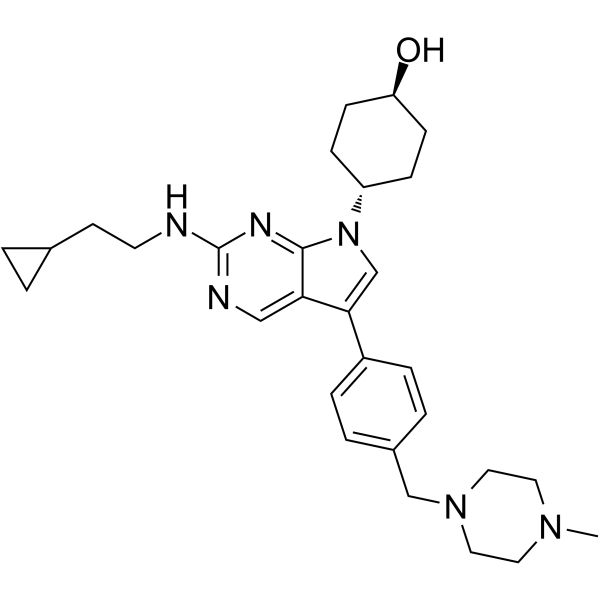
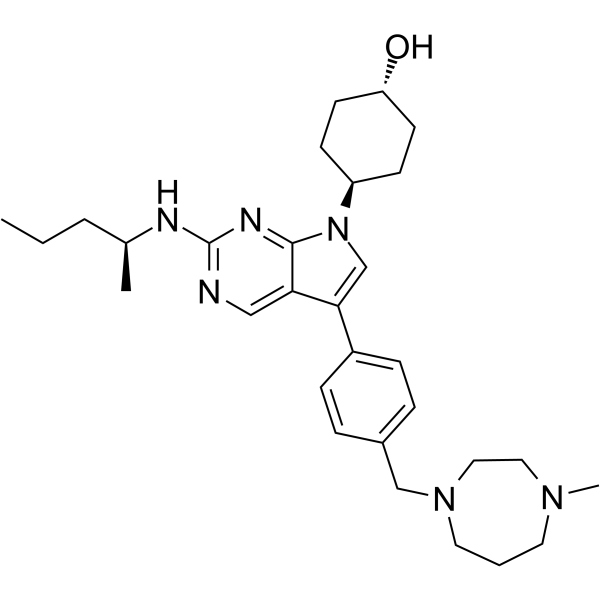
UNC2025 is a potent, ATP-competitive, highly orally active and BBB-permeable Mer/Flt3 inhibitor with IC50 values of 0.74 nM and 0.8 nM, respectively. UNC2025 is >45-fold selectivity for MERTK relative to Axl (IC50= 122 nM; Ki = 13.3 nM). UNC2025 exhibits an excellent PK properties, and can be used for the investigation of acute leukemia .
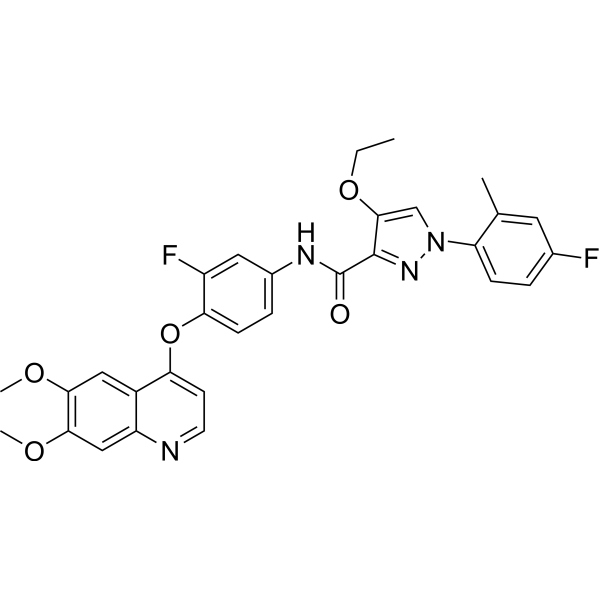
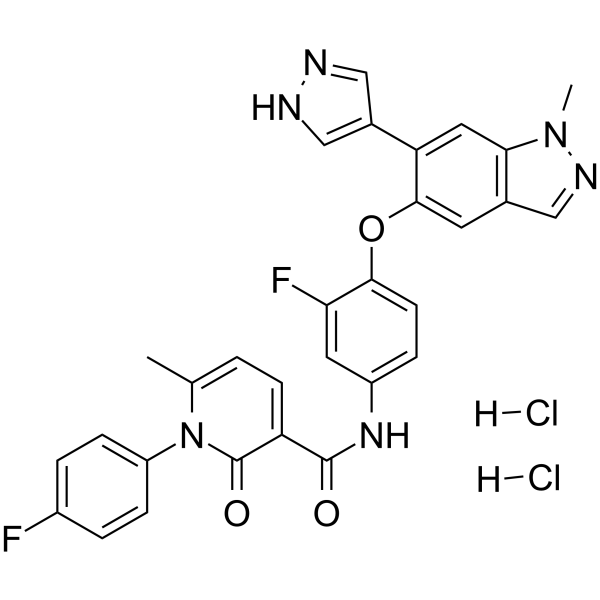
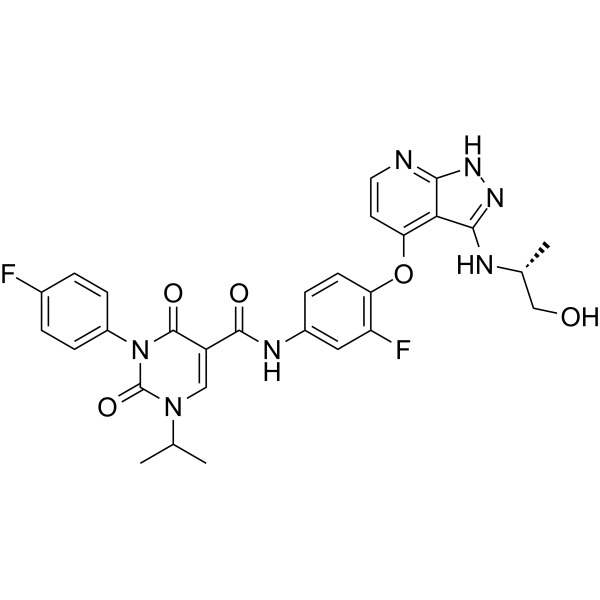
Merestinib (LY2801653) is a potent, orally bioavailable c-Met inhibitor (Ki=2 nM) with anti-tumor activities. Merestinib (LY2801653) also has potent activity against MST1R (IC50=11 nM), FLT3 (IC50=7 nM), AXL (IC50=2 nM), MERTK (IC50=10 nM), TEK (IC50=63 nM), ROS1, DDR1/2 (IC50=0.1/7 nM) and MKNK1/2 (IC50=7 nM) .
MRX-2843 (UNC2371) is an orally active, ATP-competitive dual MERTK and FLT3 tyrosine kinases inhibitor (TKI) with enzymatic IC50s of 1.3 nM for MERTK and 0.64 nM for FLT3, respectively .
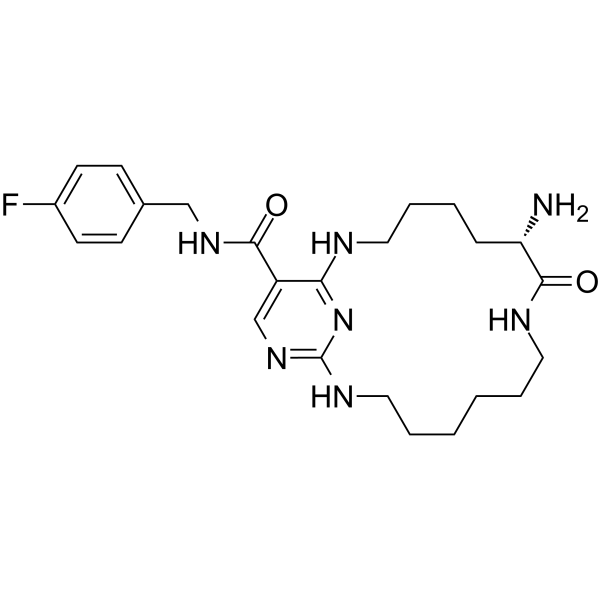
UNC5293 is a MERTK-selective and potent inhibitor (Ki=190 pM). UNC5293 inhibits MERTK (IC50=0.9 nM) and is more selective over Axl, Tyro3 and Flt3. UNC5293 exhibits excellent mouse PK properties and is used for bone marrow leukemia research .
UNC2541 is a potent and Mer tyrosine kinase (MerTK)-specific inhibitor, binds in the MerTK ATP pocket, with an IC50 of 4.4 nM, more selective over Axl, Tyro3 and Flt3. UNC2541 inhibits phosphorylated MerTK (pMerTK; EC50, 510 nM). UNC2541 abolishes the analgesic and anti-inflammatory effects of ozone in vivo and in vitro .
UNC9426 is a potent and selective TYRO3 inhibitor (IC50 = 2.1 nM), demonstrating 276-fold and 90-fold selectivity over MERTK and AXL, respectively. UNC9426 reduces platelet aggregation without increasing bleeding time and blocks TYRO3-dependent functions in tumor cells and macrophages. UNC9426 demonstrates a favorable safety profile with no significant increase in bleeding risk in vivo. UNC9426 can be used for functional studies of TYRO3-dependent phenotypes such as non-small cell lung cancer (NSCLC) .
UNC1062 is a highly selective tyrosine kinase (MERTK) inhibitor with an IC50 of 1.1 nM (Morrison Ki = 0.33 nM). UNC1062 exhibits good selectivity for the TAM family (TYRO3 IC50 = 60 nM, AXL IC50 = 85 nM). UNC1062 exhibits significant anti-proliferative effects and induces apoptosis in various cancer models (such as melanoma, gastric cancer, and acute myeloid leukemia). UNC1062 inhibits multiple pathways, including MAPK/ERK, PI3K/AKT and JAK/STAT and affects the motility of head and neck squamous cell carcinoma (HNSCC) cells through the RhoA signaling pathway. UNC1062 inhibits macrophage efferocytosis, and it suitable for research on atherosclerosis .
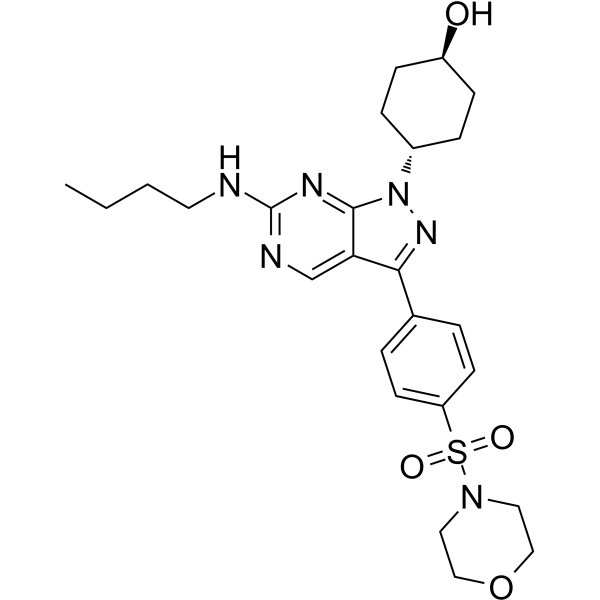
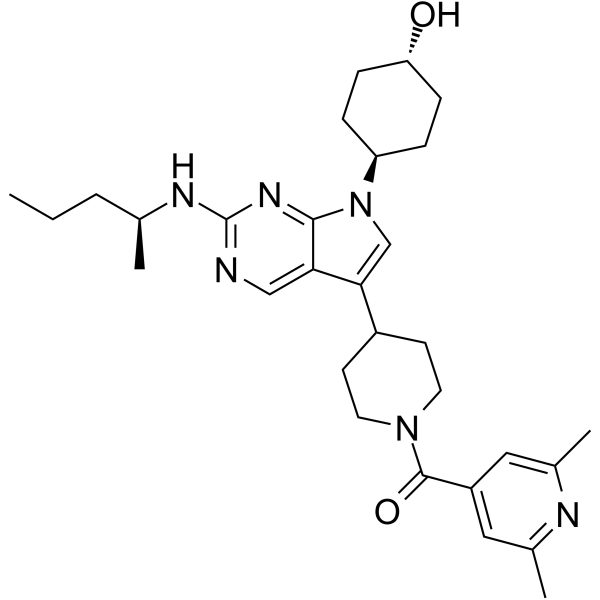
UNC3133 is an orally active, limitedly selective MerTK inhibitor with an IC50 of 3.0 nM. UNC3133 inhibits Axl, Tyro3 and Flt3 kinases, with IC50 values of 17 nM, 31 nM and 6.8 nM, respectively. UNC3133 is applicable to the research of inflammatory diseases and cancers .
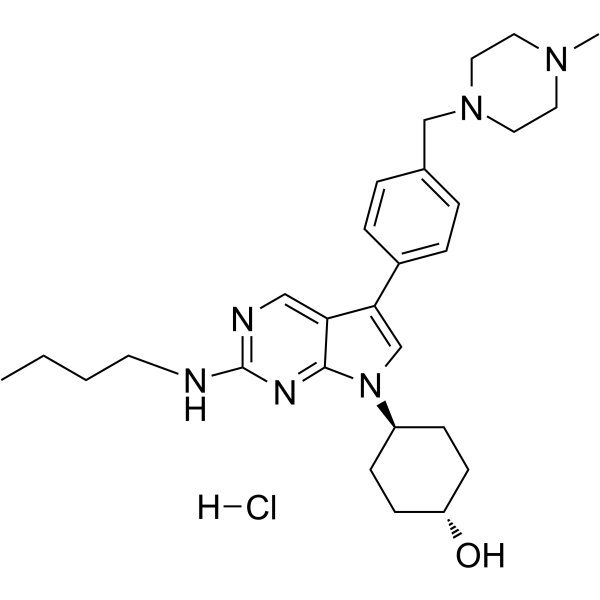
UNC2025 hydrochloride is a potent, ATP-competitive, highly orally active and BBB-permeable Mer/Flt3 inhibitor with IC50 values of 0.74 nM and 0.8 nM, respectively. UNC2025 hydrochloride is >45-fold selectivity for MERTK relative to Axl (IC50= 122 nM; Ki = 13.3 nM). UNC2025 hydrochloride exhibits an excellent PK properties, and can be used for the investigation of acute leukemia .
UNC4203 is a potent, orally available and highly selective MERTK inhibitor, with IC50s of 1.2 nM, 140 nM, 42 nM and 90 nM for MERTK, AXL, TYRO3 and FLT3, respectively .
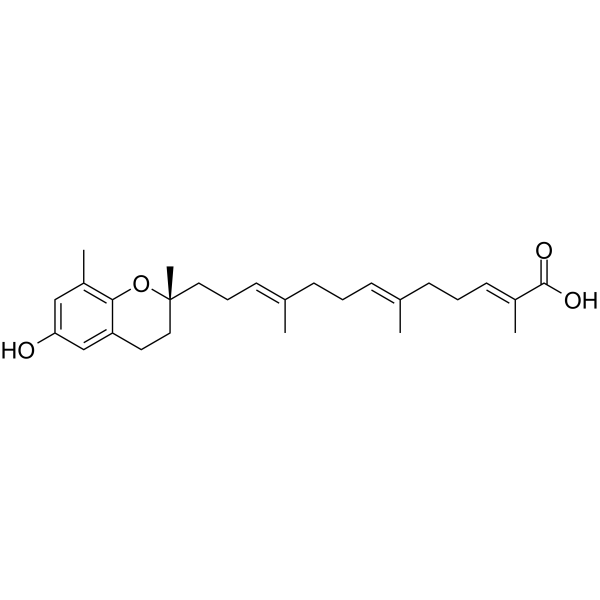
Garcinoic acid is an orally active anti-inflammatory agent that crosses the blood-brain barrier. Garcinoic acid also enhances efferocytosis and enzyme/receptor regulation, and selectively inhibits human COX-2, porcine α-amylase, Saccharomyces cerevisiae α-glucosidase and human DNA polymerase β (IC50=11 μM), as well as activates human PXR. Garcinoic acid enhances macrophage efferocytosis via receptors such as MerTK and LRP-1, and promotes the production of pro-resolving lipid mediators. Garcinoic acid inhibits NF-κB activation and pro-inflammatory cytokine secretion, interferes with Aβ aggregation, downregulates NLRP3 inflammasome activity, and binds to targets including CD44 and EGFR to inhibit leukemia cell proliferation. The pharmacological activities of Garcinoic acid, such as antioxidant, anti-inflammatory and lipid metabolism-regulating effects, are widely used in studies related to various diseases including atherosclerosis, Alzheimer's disease, type 2 diabetes, inflammatory bowel disease and viral pneumonia .
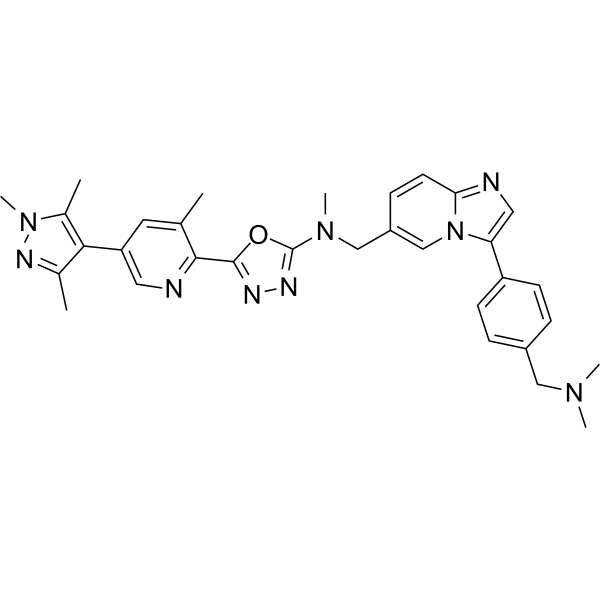
UNC8212 is a TAM kinase inhibitor. UNC8212 has potent inhibitory activity against MERTK and AXL (IC50: 1.5 nM and 1.3 nM, respectively), and also inhibits TYRO3 (IC50: 6.7 nM). UNC8212 mediates polypharmacological properties by targeting the structurally diverse "back pocket" region of the TAM kinase family. UNC8212 binds tightly to TAM kinases and potently inhibits MERTK and AXL phosphorylation. UNC8212 has anti-tumor effects and can be used in cancer immunotherapy and tumor cell targeting research .
MerTK-IN-2 (compound 15f) is an orally active MerTK inhibitor with an IC50 of 37.5 nM. MerTK-IN-2 can induce apoptosis. MerTK-IN-2 has antitumor activity with IC50 values of 1.79, 18.32, and 2.18 μM for human ovarian cancer cells A2780, breast cancer cells MDA-MB-231, and colon cancer cells HCT116, respectively .
UNC9435 (compound 44) is a dual inhibitor of TYRO3/MERTK with IC50 values of 3.7 nM and 1.1 nM, respectively. UNC9435 reduces colony formation in non-small cell lung cancer cultures
MerTK-IN-3 (compound 11) is an orally active and selectivity MerTK inhibitor with IC50 values of 21.5 nM and 991.3 nM for MerTK and Tyro3, respectively. MerTK-IN-3 can be used for study of colon cancer .
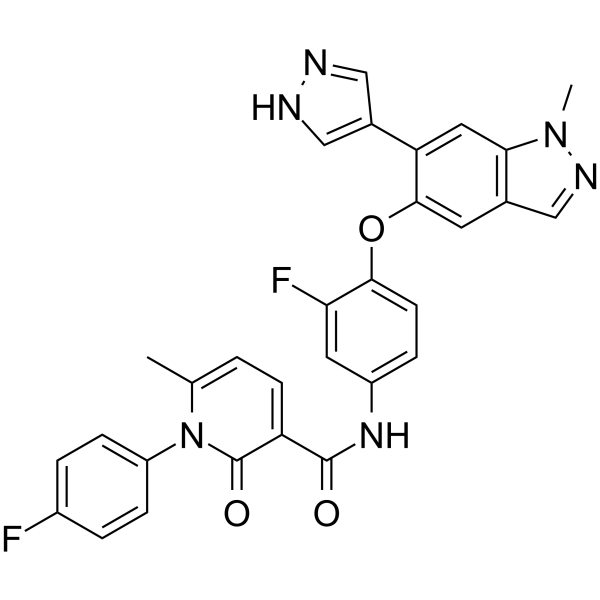
MerTK/Axl-IN-1 (Compound A-910) is a potent and selective dual MerTK/Axl inhibitor, with IC50s of 4.2 and 8.8 nM in Ba/F3, and 0.2 and 0.9 nM in HTRF. MerTK/Axl-IN-1 results in pMerTK inhibition in vivo. MerTK/Axl-IN-1 has long half-life, high oral exposure and bioavailability .
Mertk Mouse Pre-designed siRNA Set A contains three designed siRNAs for Mertk gene (Mouse), as well as a negative control, a positive control, and a FAM-labeled negative control.
MERTK Human Pre-designed siRNA Set A contains three designed siRNAs for MERTK gene (Human), as well as a negative control, a positive control, and a FAM-labeled negative control.
UNC8969 (compound 43) is a MERTK/AXL dual inhibitor with IC50s of 1.1±0.8 nM for MERTK and 5.3 ± 2.7 nM for AXL. UNC8969 also exerts a T1/2 of 7.3 h with 5 mg/kg i.v. in mice .
CJ-2360 is a potent and orally active ALK inhibitor with IC50s of 2.2, 4.0, 8.8, 6.3, and 8.9 nM against wild-type ALK and F1197M, G1269A, L1196M, and S1206Y ALK mutants, respectively. CJ-2360 displays potent inhibitory activity against two clinically reported ALK mutants (C1156Y and L1196M) and a few other kinases (LTK, MERTK, CLK1, DAPK1, and DAPK2) among the 468 kinases evaluated .
Mertk Rat Pre-designed siRNA Set A contains three designed siRNAs for Mertk gene (Rat), as well as a negative control, a positive control, and a FAM-labeled negative control.
MRX-2843 hydrochloride is an orally active, ATP-competitive dual MERTK and FLT3 tyrosine kinases inhibitor (TKI) with enzymatic IC50s of 1.3 nM for MERTK and 0.64 nM for FLT3, respectively .
MRX-2843 (Standard) is the analytical standard of MRX-2843 (HY-101549). This product is intended for research and analytical applications. MRX-2843 (UNC2371) is an orally active, ATP-competitive dual MERTK and FLT3 tyrosine kinases inhibitor (TKI) with enzymatic IC50s of 1.3 nM for MERTK and 0.64 nM for FLT3, respectively .
RGX-019 is a humanized antibody expressed in CHO cells, targeting MER/MERTK. RGX-019 has a huIgG1 heavy chain and a huκ light chain, with a predicted molecular weight (MW) of 150 kDa. The isotype control for RGX-019 can refer to Human IgG1 kappa, Isotype Control (HY-P99001).
Garcinoic acid is an orally active anti-inflammatory agent that crosses the blood-brain barrier. Garcinoic acid also enhances efferocytosis and enzyme/receptor regulation, and selectively inhibits human COX-2, porcine α-amylase, Saccharomyces cerevisiae α-glucosidase and human DNA polymerase β (IC50=11 μM), as well as activates human PXR. Garcinoic acid enhances macrophage efferocytosis via receptors such as MerTK and LRP-1, and promotes the production of pro-resolving lipid mediators. Garcinoic acid inhibits NF-κB activation and pro-inflammatory cytokine secretion, interferes with Aβ aggregation, downregulates NLRP3 inflammasome activity, and binds to targets including CD44 and EGFR to inhibit leukemia cell proliferation. The pharmacological activities of Garcinoic acid, such as antioxidant, anti-inflammatory and lipid metabolism-regulating effects, are widely used in studies related to various diseases including atherosclerosis, Alzheimer's disease, type 2 diabetes, inflammatory bowel disease and viral pneumonia .
Mer protein is a receptor tyrosine kinase that transduces signals by binding to ligands such as LGALS3, TUB, TULP1, or GAS6, regulating cell survival, migration, differentiation, and apoptotic cell phagocytosis (endocytosis). Ligand binding induces autophosphorylation of MERTK, creating a docking site for downstream molecules. Mer Protein, Cynomolgus (HEK293, Fc) is the recombinant cynomolgus-derived Mer protein, expressed by HEK293 , with C-hFc labeled tag.
Mer protein is a receptor tyrosine kinase that transduces signals by binding to ligands such as LGALS3, TUB, TULP1 or GAS6.Mer is critical in processes such as cell survival, migration, differentiation, and phagocytosis of apoptotic cells, and autophosphorylation occurs upon ligand binding.MERTK Protein, Mouse (HEK293, His) is the recombinant mouse-derived MERTK protein, expressed by HEK293 , with C-10*His labeled tag.
MERTK protein is a receptor tyrosine kinase that transmits signals by binding to ligands such as LGALS3, TUB, TULP1 or GAS6. MERTK autophosphorylates upon ligand binding and controls cell survival, migration, differentiation, and endocytosis. MERTK Protein, Rat (HEK293, His) is the recombinant rat-derived MERTK protein, expressed by HEK293 , with N-6*His labeled tag.
Mer protein is a receptor tyrosine kinase that transduces signals by binding to ligands such as LGALS3, TUB, TULP1, or GAS6, regulating cell survival, migration, differentiation, and apoptotic cell phagocytosis (endocytosis). Ligand binding induces autophosphorylation of MERTK, creating a docking site for downstream molecules. MERTK Protein, Human (Biotinylated, sf9, Flag, Avi) is the recombinant human-derived MERTK, expressed by Sf9 insect cells, with Avi, Flag labeled tag.
Mer protein is a receptor tyrosine kinase that transduces signals by binding to ligands such as LGALS3, TUB, TULP1, or GAS6, regulating cell survival, migration, differentiation, and apoptotic cell phagocytosis (endocytosis). Ligand binding induces autophosphorylation of MERTK, creating a docking site for downstream molecules. MERTK Protein, Human (HEK293, His) is the recombinant human-derived MERTK protein, expressed by HEK293 , with C-10*His labeled tag.
Mer protein is a receptor tyrosine kinase that transduces signals by binding to ligands such as LGALS3, TUB, TULP1, or GAS6, regulating cell survival, migration, differentiation, and apoptotic cell phagocytosis (endocytosis). Ligand binding induces autophosphorylation of MERTK, creating a docking site for downstream molecules. Mer Protein, Human (HEK293) is the recombinant human-derived Mer protein, expressed by HEK293 , with tag free.
Mer protein is a receptor tyrosine kinase that transduces signals by binding to ligands such as LGALS3, TUB, TULP1, or GAS6, regulating cell survival, migration, differentiation, and apoptotic cell phagocytosis (endocytosis). Ligand binding induces autophosphorylation of MERTK, creating a docking site for downstream molecules. Mer Protein, Human (sf9) is the recombinant human-derived Mer protein, expressed by Sf9 insect cells , with tag free.
Mer protein is a receptor tyrosine kinase that transduces signals by binding to ligands such as LGALS3, TUB, TULP1, or GAS6, regulating cell survival, migration, differentiation, and apoptotic cell phagocytosis (endocytosis). Ligand binding induces autophosphorylation of MERTK, creating a docking site for downstream molecules. Mer Protein, Human (HEK293, mFc) is the recombinant human-derived Mer protein, expressed by HEK293 , with C-mFc labeled tag.
Mer protein is a receptor tyrosine kinase that transduces signals by binding to ligands such as LGALS3, TUB, TULP1 or GAS6.Mer is critical in processes such as cell survival, migration, differentiation, and phagocytosis of apoptotic cells, and autophosphorylation occurs upon ligand binding.Mer Protein, Mouse (HEK293, Fc) is the recombinant mouse-derived Mer protein, expressed by HEK293 , with C-hFc labeled tag.
Mer protein is a receptor tyrosine kinase that transduces signals by binding to ligands such as LGALS3, TUB, TULP1, or GAS6, regulating cell survival, migration, differentiation, and apoptotic cell phagocytosis (endocytosis). Ligand binding induces autophosphorylation of MERTK, creating a docking site for downstream molecules. Mer Protein, Human (sf9, His-GST) is the recombinant human-derived Mer protein, expressed by Sf9 insect cells , with N-His, N-GST labeled tag.
Mer protein is a receptor tyrosine kinase that transduces signals by binding to ligands such as LGALS3, TUB, TULP1, or GAS6, regulating cell survival, migration, differentiation, and apoptotic cell phagocytosis (endocytosis). Ligand binding induces autophosphorylation of MERTK, creating a docking site for downstream molecules. Mer Protein, Human (HEK293, His-Fc) is the recombinant human-derived Mer protein, expressed by HEK293 , with C-hFc, C-His labeled tag.
Mer protein is a receptor tyrosine kinase that transduces signals by binding to ligands such as LGALS3, TUB, TULP1 or GAS6.Mer is critical in processes such as cell survival, migration, differentiation, and phagocytosis of apoptotic cells, and autophosphorylation occurs upon ligand binding.Mer Protein, Mouse (sf9, His-GST) is the recombinant mouse-derived Mer protein, expressed by Sf9 insect cells , with N-His, N-GST labeled tag.
Mer protein is a receptor tyrosine kinase that transduces signals by binding to ligands such as LGALS3, TUB, TULP1, or GAS6, regulating cell survival, migration, differentiation, and apoptotic cell phagocytosis (endocytosis). Ligand binding induces autophosphorylation of MERTK, creating a docking site for downstream molecules. Mer Protein, Human (HEK293, Fc) is the recombinant human-derived MERTK protein, expressed by HEK293, with C-hFc labeled tag.
MER tyrosine kinase (MERTK) is a transmembrane protein with transmembrane receptor protein tyrosine kinase activity. MERTK has oncogenic properties and is often overexpressed or activated in various malignancies, activating several downstream signaling pathways including MAPK/ERK, PI3K/AKT, and JAK/STAT. MERTK is involved in animal organ development, synapse elimination, neutrophil clearance and protein kinase B signaling. Mer Protein, Human (HEK293, His) is the recombinant human-derived Mer protein, expressed by HEK293 , with C-6*His labeled tag.
Mertk Mouse Pre-designed siRNA Set A contains three designed siRNAs for Mertk gene (Mouse), as well as a negative control, a positive control, and a FAM-labeled negative control.
MERTK Human Pre-designed siRNA Set A contains three designed siRNAs for MERTK gene (Human), as well as a negative control, a positive control, and a FAM-labeled negative control.
Mertk Rat Pre-designed siRNA Set A contains three designed siRNAs for Mertk gene (Rat), as well as a negative control, a positive control, and a FAM-labeled negative control.
Inquiry Online
Your information is safe with us. * Required Fields.
Western blot analysis of extracts from THP-1(lane 2(20μg), Jurkat (lane 3(20μg) and NIH3T3(lane 4(20μg) using FOXO1A (HY-P80132) Rabbit mAb. Proteins were transferred
to a PVDF membrane and blocked with 5% non-fat milk in TBST for 2 hour at room temperature. The primary antibody (1/1000) and Loading control antibody (Beta Actin, HY-P80438, 1/10000) was
used in 5% non-fat milk in TBST at 4°C overnight. Goat Anti-Mouse/Rabbit IgG-HRP Secondary Antibody (1/10000) was used for 1 hour at room temperature.
Western blot analysis of extracts from THP-1(lane 2(20μg), Jurkat (lane 3(20μg) and NIH3T3(lane 4(20μg) using FOXO1A (HY-P80132) Rabbit mAb. Proteins were transferred
to a PVDF membrane and blocked with 5% non-fat milk in TBST for 2 hour at room temperature. The primary antibody (1/1000) and Loading control antibody (Beta Actin, HY-P80438, 1/10000) was
used in 5% non-fat milk in TBST at 4°C overnight. Goat Anti-Mouse/Rabbit IgG-HRP Secondary Antibody (1/10000) was used for 1 hour at room temperature.
Western blot analysis of extracts from THP-1(lane 2(20μg), Jurkat (lane 3(20μg) and NIH3T3(lane 4(20μg) using FOXO1A (HY-P80132) Rabbit mAb. Proteins were transferred
to a PVDF membrane and blocked with 5% non-fat milk in TBST for 2 hour at room temperature. The primary antibody (1/1000) and Loading control antibody (Beta Actin, HY-P80438, 1/10000) was
used in 5% non-fat milk in TBST at 4°C overnight. Goat Anti-Mouse/Rabbit IgG-HRP Secondary Antibody (1/10000) was used for 1 hour at room temperature.
Western blot analysis of extracts from THP-1(lane 2(20μg), Jurkat (lane 3(20μg) and NIH3T3(lane 4(20μg) using FOXO1A (HY-P80132) Rabbit mAb. Proteins were transferred
to a PVDF membrane and blocked with 5% non-fat milk in TBST for 2 hour at room temperature. The primary antibody (1/1000) and Loading control antibody (Beta Actin, HY-P80438, 1/10000) was
MedchemExpress Validation 03
Western blot analysis of extracts from THP-1(lane 2(20μg), Jurkat (lane 3(20μg) and NIH3T3(lane 4(20μg) using FOXO1A (HY-P80132) Rabbit mAb. Proteins were transferred
MedchemExpress Validation 04
Western blot analysis of extracts from THP-1(lane 2(20μg), Jurkat (lane 3(20μg) and NIH3T3(lane 4(20μg) using FOXO1A (HY-P80132) Rabbit mAb. Proteins were transferred
to a PVDF membrane and blocked with 5% non-fat milk in TBST for 2 hour at room temperature. The primary antibody (1/1000) and Loading control antibody (Beta Actin, HY-P80438, 1/10000) was
used in 5% non-fat milk in TBST at 4°C overnight. Goat Anti-Mouse/Rabbit IgG-HRP Secondary Antibody (1/10000) was used for 1 hour at room temperature.
MedchemExpress Validation
Western blot analysis of extracts from THP-1(lane 2(20μg), Jurkat (lane 3(20μg) and NIH3T3(lane 4(20μg) using FOXO1A (HY-P80132) Rabbit mAb. Proteins were transferred
to a PVDF membrane and blocked with 5% non-fat milk in TBST for 2 hour at room temperature. The primary antibody (1/1000) and Loading control antibody (Beta Actin, HY-P80438, 1/10000) was
used in 5% non-fat milk in TBST at 4°C overnight. Goat Anti-Mouse/Rabbit IgG-HRP Secondary Antibody (1/10000) was used for 1 hour at room temperature.
Western blot analysis of extracts from THP-1(lane 2(20μg), Jurkat (lane 3(20μg) and NIH3T3(lane 4(20μg) using FOXO1A (HY-P80132) Rabbit mAb. Proteins were transferred
to a PVDF membrane and blocked with 5% non-fat milk in TBST for 2 hour at room temperature. The primary antibody (1/1000) and Loading control antibody (Beta Actin, HY-P80438, 1/10000) was
used in 5% non-fat milk in TBST at 4°C overnight. Goat Anti-Mouse/Rabbit IgG-HRP Secondary Antibody (1/10000) was used for 1 hour at room temperature.
MedchemExpress Validation
Western blot analysis of extracts from THP-1(lane 2(20μg), Jurkat (lane 3(20μg) and NIH3T3(lane 4(20μg) using FOXO1A (HY-P80132) Rabbit mAb. Proteins were transferred
to a PVDF membrane and blocked with 5% non-fat milk in TBST for 2 hour at room temperature. The primary antibody (1/1000) and Loading control antibody (Beta Actin, HY-P80438, 1/10000) was
used in 5% non-fat milk in TBST at 4°C overnight. Goat Anti-Mouse/Rabbit IgG-HRP Secondary Antibody (1/10000) was used for 1 hour at room temperature.
MedchemExpress Validation
Western blot analysis of extracts from THP-1(lane 2(20μg), Jurkat (lane 3(20μg) and NIH3T3(lane 4(20μg) using FOXO1A (HY-P80132) Rabbit mAb. Proteins were transferred
to a PVDF membrane and blocked with 5% non-fat milk in TBST for 2 hour at room temperature. The primary antibody (1/1000) and Loading control antibody (Beta Actin, HY-P80438, 1/10000) was
used in 5% non-fat milk in TBST at 4°C overnight. Goat Anti-Mouse/Rabbit IgG-HRP Secondary Antibody (1/10000) was used for 1 hour at room temperature.
MedchemExpress Validation
Western blot analysis of extracts from THP-1(lane 2(20μg), Jurkat (lane 3(20μg) and NIH3T3(lane 4(20μg) using FOXO1A (HY-P80132) Rabbit mAb. Proteins were transferred
to a PVDF membrane and blocked with 5% non-fat milk in TBST for 2 hour at room temperature. The primary antibody (1/1000) and Loading control antibody (Beta Actin, HY-P80438, 1/10000) was
used in 5% non-fat milk in TBST at 4°C overnight. Goat Anti-Mouse/Rabbit IgG-HRP Secondary Antibody (1/10000) was used for 1 hour at room temperature.
MedchemExpress Validation
Western blot analysis of extracts from THP-1(lane 2(20μg), Jurkat (lane 3(20μg) and NIH3T3(lane 4(20μg) using FOXO1A (HY-P80132) Rabbit mAb. Proteins were transferred
to a PVDF membrane and blocked with 5% non-fat milk in TBST for 2 hour at room temperature. The primary antibody (1/1000) and Loading control antibody (Beta Actin, HY-P80438, 1/10000) was
used in 5% non-fat milk in TBST at 4°C overnight. Goat Anti-Mouse/Rabbit IgG-HRP Secondary Antibody (1/10000) was used for 1 hour at room temperature.
MedchemExpress Validation
Western blot analysis of extracts from THP-1(lane 2(20μg), Jurkat (lane 3(20μg) and NIH3T3(lane 4(20μg) using FOXO1A (HY-P80132) Rabbit mAb. Proteins were transferred
to a PVDF membrane and blocked with 5% non-fat milk in TBST for 2 hour at room temperature. The primary antibody (1/1000) and Loading control antibody (Beta Actin, HY-P80438, 1/10000) was
used in 5% non-fat milk in TBST at 4°C overnight. Goat Anti-Mouse/Rabbit IgG-HRP Secondary Antibody (1/10000) was used for 1 hour at room temperature.
MedchemExpress Validation
Western blot analysis of extracts from THP-1(lane 2(20μg), Jurkat (lane 3(20μg) and NIH3T3(lane 4(20μg) using FOXO1A (HY-P80132) Rabbit mAb. Proteins were transferred
to a PVDF membrane and blocked with 5% non-fat milk in TBST for 2 hour at room temperature. The primary antibody (1/1000) and Loading control antibody (Beta Actin, HY-P80438, 1/10000) was
used in 5% non-fat milk in TBST at 4°C overnight. Goat Anti-Mouse/Rabbit IgG-HRP Secondary Antibody (1/10000) was used for 1 hour at room temperature.
MedChemExpress values your privacy and your trust is important to us. We use cookies to enhance your website experience. Some cookies are necessary to run the website.
Privacy and Cookie Policy

