
1641 Results for "

Migration

" in MedChemExpress (MCE) Product Catalog:
Products (1641)

1641 Results for "Migration" in MCE Product Catalog:

120
120 Publications Verification
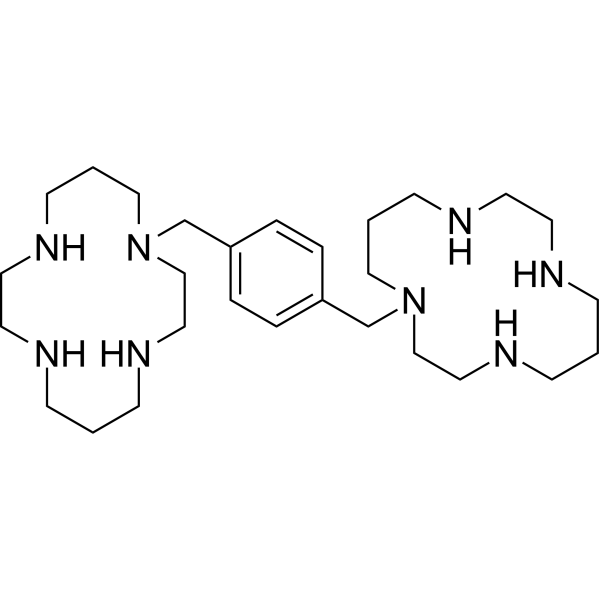
Cat. No.: HY-10046
CAS No.: 110078-46-1
Purity:  99.90%
Synonyms: AMD 3100; JM3100; SID791
Plerixafor (AMD 3100; JM3100; SID791) is a CXCR4 antagonist and a CXCR7 allosteric agonist; Plerixafor disrupts stem cell retention in the bone marrow by blocking the SDF-1α/CXCL12‑CXCR4 signaling pathway and inhibiting chemokine-mediated receptor internalization, mobilizing peripheral blood leukocytes, neutrophils, endothelial progenitor cells, and B cells; Plerixafor alleviates Silicon dioxide (HY-W019831)-induced pulmonary inflammation and fibrosis, inhibits corneal neovascularization and CXCL12-induced cell migration, and simultaneously suppresses ischemia-induced inflammatory responses, reduces blood-brain barrier permeability, attenuates cerebral edema, and reduces infarct volume. Plerixafor can be used in research related to liver fibrosis, silicosis, colorectal cancer, and ischemic stroke .
loading...
    loading...
120
120 Publications Verification
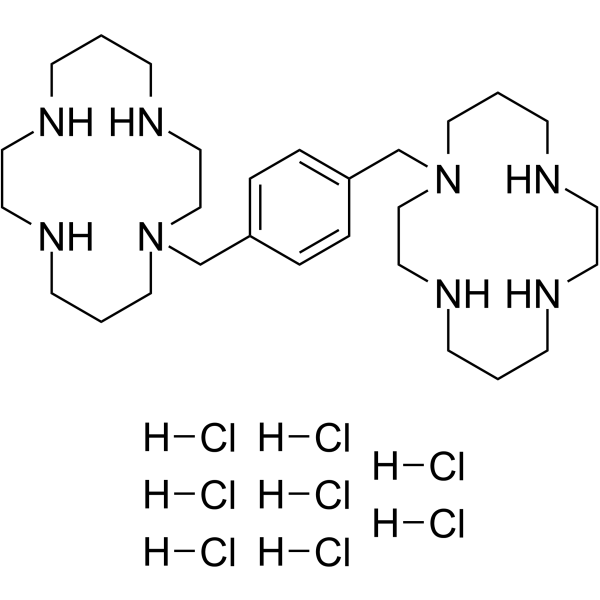
Cat. No.: HY-50912
CAS No.: 155148-31-5
Synonyms: AMD3100 octahydrochloride; JM3100 octahydrochloride; SID791 octahydrochloride
Plerixafor (AMD 3100; JM3100; SID791) octahydrochloride is a CXCR4 antagonist and a CXCR7 allosteric agonist; Plerixafor octahydrochloride disrupts stem cell retention in the bone marrow by blocking the SDF-1α/CXCL12‑CXCR4 signaling pathway and inhibiting chemokine-mediated receptor internalization, mobilizing peripheral blood leukocytes, neutrophils, endothelial progenitor cells, and B cells; Plerixafor octahydrochloride alleviates Silicon dioxide (HY-W019831)-induced pulmonary inflammation and fibrosis, inhibits corneal neovascularization and CXCL12-induced cell migration, and simultaneously suppresses ischemia-induced inflammatory responses, reduces blood-brain barrier permeability, attenuates cerebral edema, and reduces infarct volume. Plerixafor octahydrochloride can be used in research related to liver fibrosis, silicosis, colorectal cancer, and ischemic stroke .
loading...
    loading...
112
112 Cited Publications
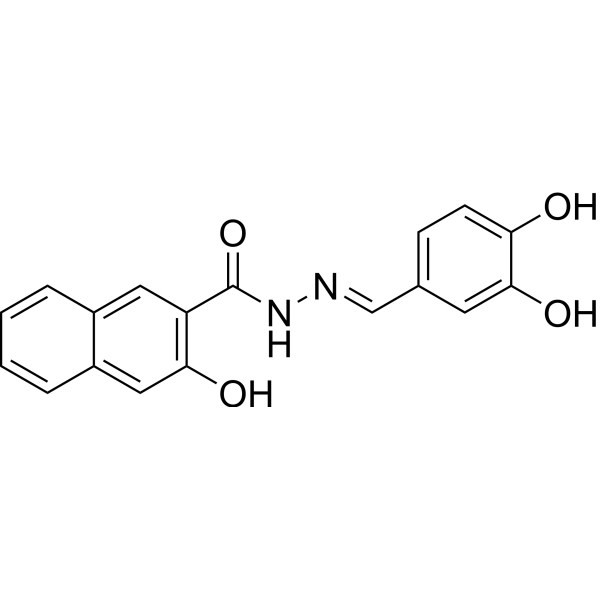
Cat. No.: HY-15304
CAS No.: 304448-55-3
Purity:  99.66%
Research Areas:  

Metabolic Disease

Dynasore is a cell-permeable dynamin inhibitor with an IC50 of 15 μM. Dynasore blocks cell migration.
loading...
    loading...
72
72 Cited Publications
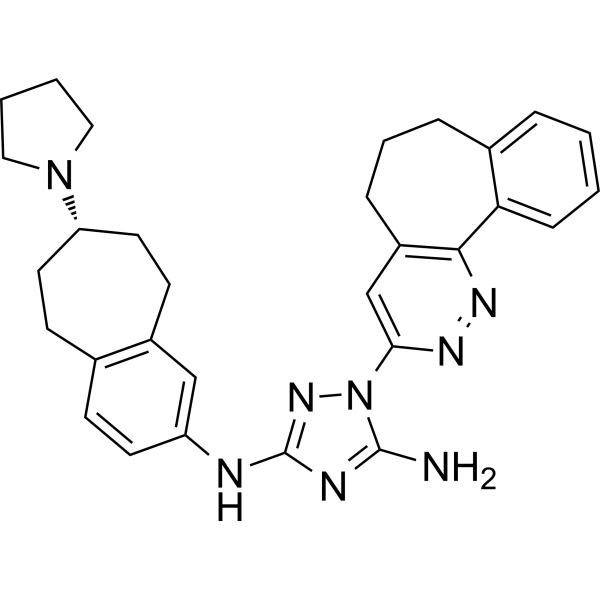
Cat. No.: HY-15150
CAS No.: 1037624-75-1
Purity:  99.92%
Synonyms: R428; BGB324
Target:  

TAM Receptor

Research Areas:  

Cancer

Bemcentinib (R428) is a selective and orally active Axl inhibitor with an IC50 of 14 nM. Bemcentinib retards cancer cell migration and invasion. Bemcentinib exhibits >100-fold selectivity for Axl versus Abl and 50- and >100-fold selectivity over TAM family kinases Mer and Tyro3, respectively, in cells. Bemcentinib blocks tumor spread and prolongs survival in models of metastatic breast cancer .
loading...
    loading...
52
52 Cited Publications
Cat. No.: HY-13813
CAS No.: 674289-55-5
Purity:  98.89%
Target:  

Myosin

Research Areas:  

Others

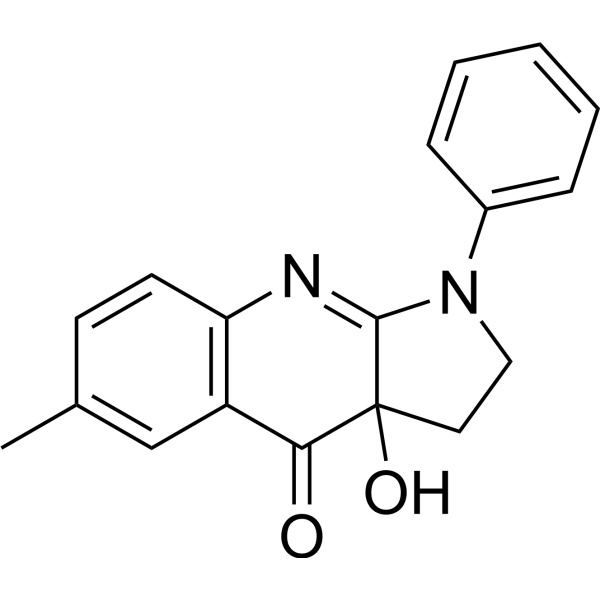
Blebbistatin is a selective non-muscle myosin II (NMII) inhibitor, promotes directional migration of corneal endothelial cells (CECs) and accelerates wound healing, and better preserves cell junctional integrity and barrier function. Blebbistatin blocks cell migration .
loading...
    loading...
52
52 Cited Publications
Cat. No.: HY-B0568
CAS No.: 30652-11-0
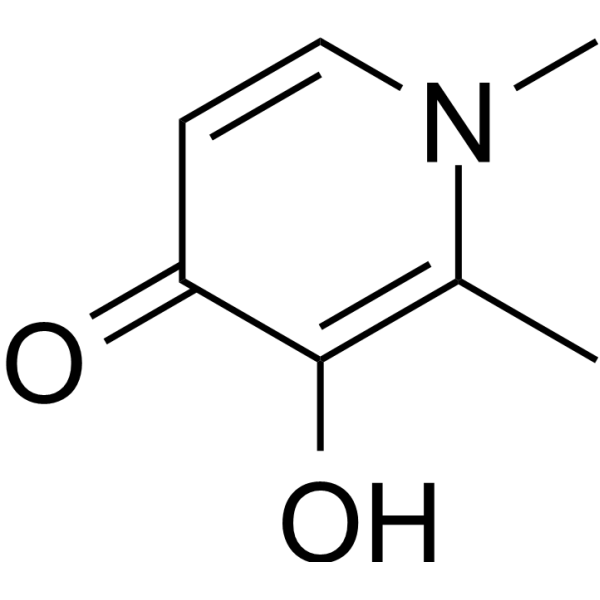
Deferiprone is a potent, orally active, brain-penetrant, cell-penetrant, skin-permeable, free iron chelating agent. Deferiprone inhibits the proliferation and migration, and stimulates apoptosis in tumor cell. Deferiprone can inhibit KDM. Deferiprone has antianemic, neuroprotective, anti-inflammatory, antioxidant, and antidotal activity. Deferiprone can be used in cancer, cardiovascular disease, infection, inflammation, and neurological disease study .
loading...
    loading...
51
51 Cited Publications
Cat. No.: HY-16928
CAS No.: 14930-96-2
Synonyms: Phomin
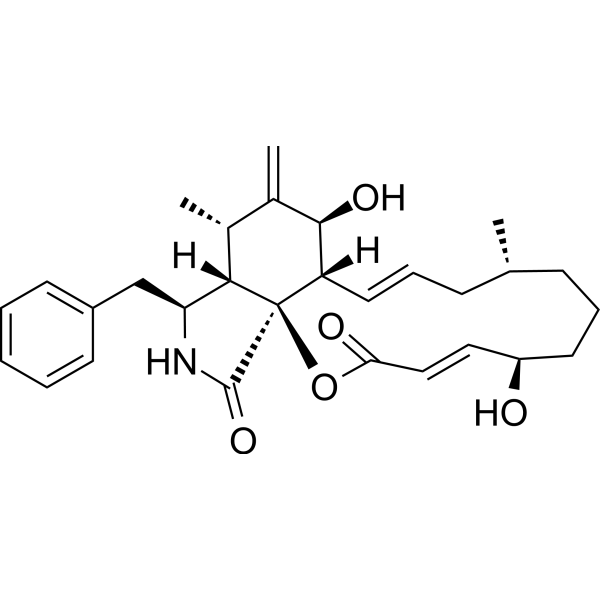
Cytochalasin B is a cell-permeable mycotoxin binding to the barbed end of actin filaments, disrupting the formation of actin polymers, with Kd value of 1.4-2.2 nM for F-actin. Cytochalasin B blocks cell migration.
loading...
    loading...
37
37 Cited Publications
Cat. No.: HY-16954
CAS No.: 1818885-28-7
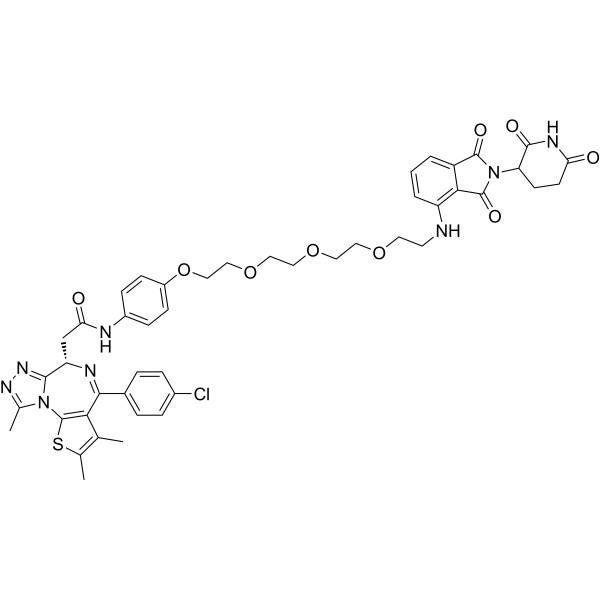
ARV-825 is a BET protein PROTAC degrader that recruits cereblon, and it targets BRD2, BRD3, and BRD4 for degradation via the ubiquitin-proteasome pathway. ARV-825 downregulates c-MYC, PLK1, MYCN, CDK4/6, JAK2, pSTAT3/5, PIM1, and Bcl-xL, upregulates p21 and p27, and modulates H3K27Ac-mediated transcription, the G2/M checkpoint, the Wnt/β-catenin pathway, and amino acid transport pathways. ARV-825 induces G1 phase cell cycle arrest, caspase 3/PARP-mediated apoptosis, DNA damage, and reactive oxygen species (ROS) production, reduces mitochondrial respiration, and simultaneously inhibits cell proliferation, clonogenic growth, and cell migration. ARV-825 is used in research on gastric cancer, leukemia, neuroblastoma, and cholangiocarcinoma .
loading...
    loading...
34
34 Cited Publications
Cat. No.: HY-B0094
CAS No.: 63968-64-9
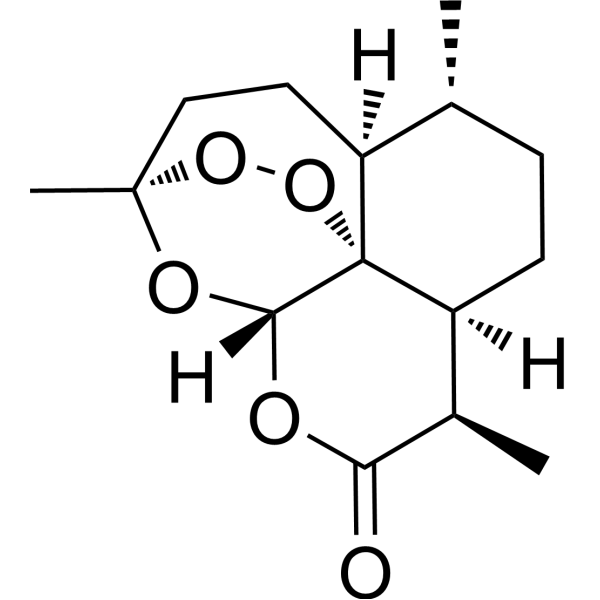
Synonyms: Qinghaosu; NSC 369397
Artemisinin (Qinghaosu), a sesquiterpene lactone, is an anti-malarial agent isolated from the aerial parts of Artemisia annua L. plants . Artemisinin inhibits AKT signaling pathway by decreasing pAKT in a dose-dependent manner. Artemisinin reduces cancer cell proliferation, migration, invasion, tumorigenesis and metastasis and has neuroprotective effects .
loading...
    loading...
31
31 Cited Publications
Cat. No.: HY-13404
CAS No.: 1029712-80-8
Purity:  99.75%
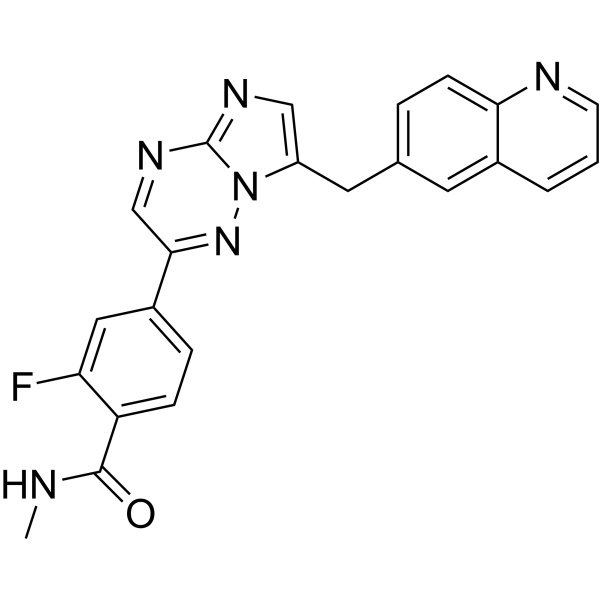
Synonyms: INC280; INCB28060
Target:  

c-Met/HGFR Apoptosis

Research Areas:  

Cancer

Capmatinib (INC280; INCB28060) is a potent, orally active, selective, and ATP competitive c-Met kinase inhibitor (IC50=0.13 nM). Capmatinib can inhibit phosphorylation of c-MET as well as c-MET pathway downstream effectors such as ERK1/2, AKT, FAK, GAB1, and STAT3/5. Capmatinib potently inhibits c-MET-dependent tumor cell proliferation and migration and effectively induces apoptosis. Antitumor activity. Capmatinib is largely metabolized by CYP3A4 and aldehyde oxidase .
loading...
    loading...
31
31 Cited Publications
Cat. No.: HY-13404A
CAS No.: 1197376-85-4
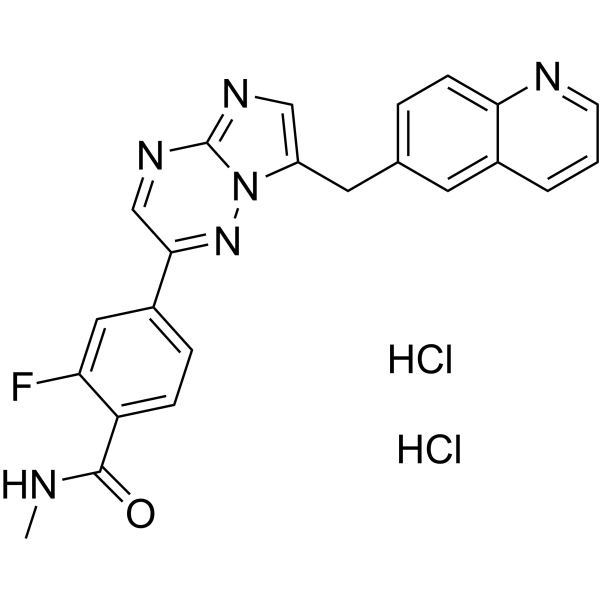
Synonyms: INC280 dihydrochloride; INCB28060 dihydrochloride
Target:  

c-Met/HGFR Apoptosis

Research Areas:  

Cancer

Capmatinib (INC280; INCB28060) dihydrochloride is a potent, orally active, selective, and ATP competitive c-Met kinase inhibitor (IC50=0.13 nM). Capmatinib dihydrochloride can inhibit phosphorylation of c-MET as well as c-MET pathway downstream effectors such as ERK1/2, AKT, FAK, GAB1, and STAT3/5. Capmatinib dihydrochloride potently inhibits c-MET-dependent tumor cell proliferation and migration and effectively induces apoptosis. Antitumor activity. Capmatinib dihydrochloride is largely metabolized by CYP3A4 and aldehyde oxidase .
loading...
    loading...
31
31 Cited Publications
Cat. No.: HY-13404B
CAS No.: 1029714-89-3
Purity:  99.60%
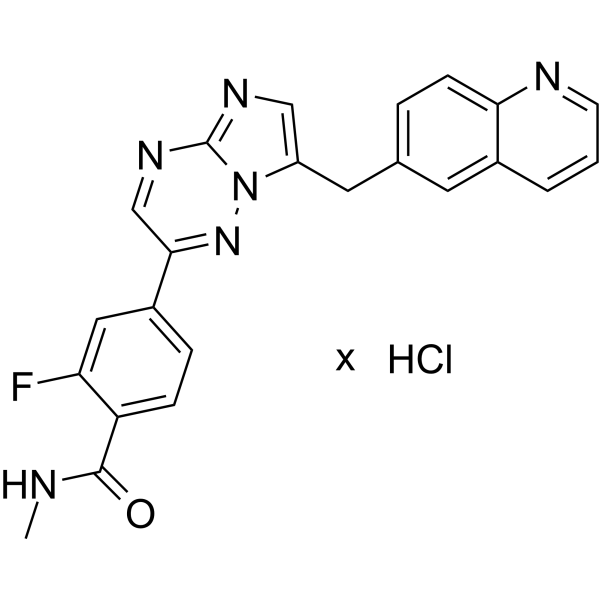
Synonyms: INC280 hydrochloride; INCB-28060 hydrochloride
Target:  

c-Met/HGFR Apoptosis

Research Areas:  

Cancer

Capmatinib (INC280; INCB28060) hydrochloride is a potent, orally active, selective, and ATP competitive c-Met kinase inhibitor (IC50=0.13 nM). Capmatinib hydrochloride can inhibit phosphorylation of c-MET as well as c-MET pathway downstream effectors such as ERK1/2, AKT, FAK, GAB1, and STAT3/5. Capmatinib hydrochloride potently inhibits c-MET-dependent tumor cell proliferation and migration and effectively induces apoptosis. Antitumor activity. Capmatinib hydrochloride is largely metabolized by CYP3A4 and aldehyde oxidase .
loading...
    loading...
31
31 Cited Publications
Cat. No.: HY-13404C
CAS No.: 1865733-40-9
Purity:  99.78%
Synonyms: INC280 dihydrochloride hydrate; INCB-28060 dihydrochloride hydrate
Target:  

c-Met/HGFR Apoptosis

Research Areas:  

Cancer

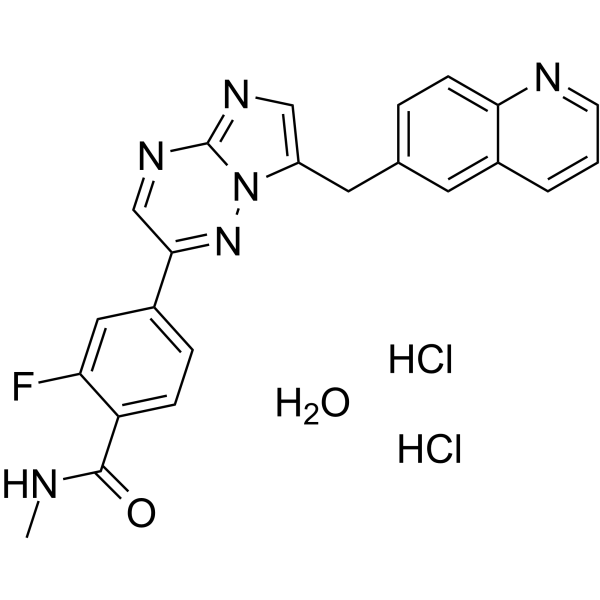
Capmatinib (INC280; INCB28060) dihydrochloride hydrate is a potent, orally active, selective, and ATP competitive c-Met kinase inhibitor (IC50=0.13 nM). Capmatinib dihydrochloride hydrate can inhibit phosphorylation of c-MET as well as c-MET pathway downstream effectors such as ERK1/2, AKT, FAK, GAB1, and STAT3/5. Capmatinib dihydrochloride hydrate potently inhibits c-MET-dependent tumor cell proliferation and migration and effectively induces apoptosis. Antitumor activity. Capmatinib dihydrochloride hydrate is largely metabolized by CYP3A4 and aldehyde oxidase .
loading...
    loading...
31
31 Cited Publications
Cat. No.: HY-118263
CAS No.: 1042385-75-0
Purity:  99.03%
Synonyms: PF-00299804 hydrate; PF-299804 hydrate
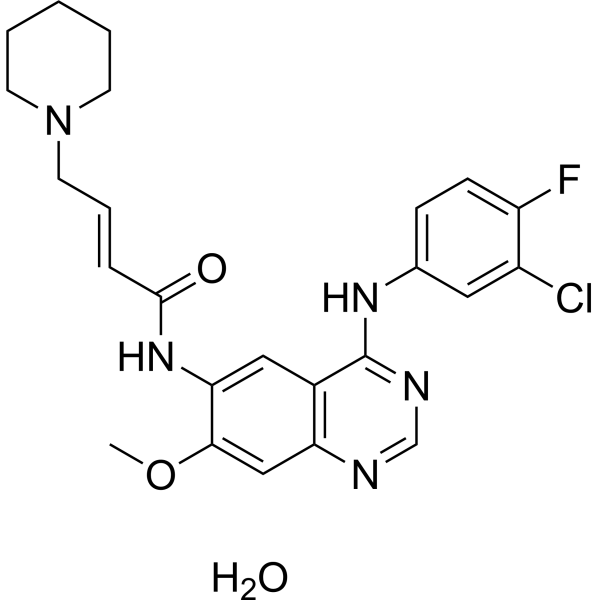
Dacomitinib hydrate (PF-00299804 hydrate; PF-299804 hydrate) is an orally active irreversible pan-ERBB receptor tyrosine kinase inhibitor with inhibitory activity against HER1/EGFR, HER2, and HER4 . Dacomitinib hydrate exerts antitumor effects in various tumor cells, inhibiting tumor cell proliferation, migration, and invasion, inducing cell cycle arrest and apoptosis, regulating the expression of molecules related to the cell cycle, apoptosis, and epithelial-mesenchymal transition, and it can also reverse partial drug resistance, producing synergistic effects when combined with chemotherapy. Dacomitinib hydrate inhibits key signaling pathways such as PI3K‑AKT‑mTOR and PLK1‑FOXM1. Dacomitinib hydrate ameliorates pathological changes associated with pulmonary arterial hypertension in rats. Dacomitinib hydrate can be used in research on breast cancer, bladder cancer, epithelial ovarian cancer, and pulmonary arterial hypertension .
loading...
    loading...
31
31 Cited Publications
Cat. No.: HY-13272
CAS No.: 1110813-31-4
Purity:  99.74%
Synonyms: PF-00299804; PF-299804
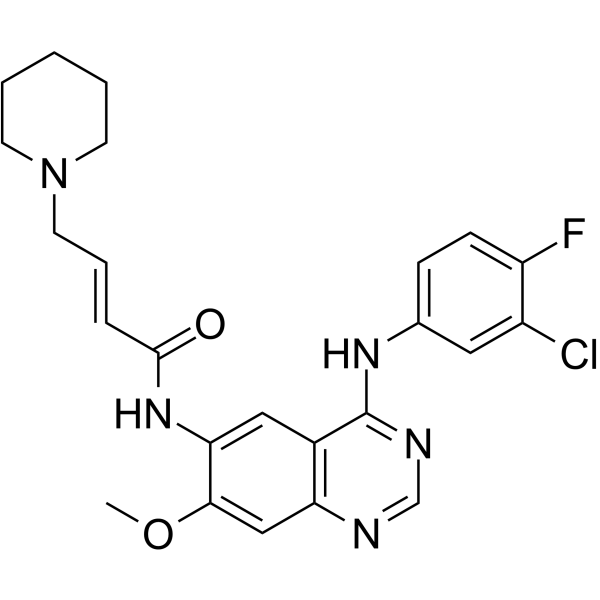
Dacomitinib (PF-00299804; PF-299804) is an orally active irreversible pan-ERBB receptor tyrosine kinase inhibitor with inhibitory activity against HER1/EGFR, HER2, and HER4 . Dacomitinib exerts antitumor effects in various tumor cells, inhibiting tumor cell proliferation, migration, and invasion, inducing cell cycle arrest and apoptosis, regulating the expression of molecules related to the cell cycle, apoptosis, and epithelial-mesenchymal transition, and it can also reverse partial drug resistance, producing synergistic effects when combined with chemotherapy. Dacomitinib inhibits key signaling pathways such as PI3K‑AKT‑mTOR and PLK1‑FOXM1. Dacomitinib ameliorates pathological changes associated with pulmonary arterial hypertension in rats. Dacomitinib can be used in research on breast cancer, bladder cancer, epithelial ovarian cancer, and pulmonary arterial hypertension .
loading...
    loading...
29
29 Cited Publications
Cat. No.: HY-16692
CAS No.: 478336-92-4
Synonyms: MIF Antagonist
ISO-1 is a macrophage migration inhibitory factor (MIF) antagonist with an IC50 of 7 μM.
loading...
    loading...
29
29 Cited Publications
Cat. No.: HY-13919
CAS No.: 83280-65-3
Purity:  99.94%
Synonyms: BBI608; BB608
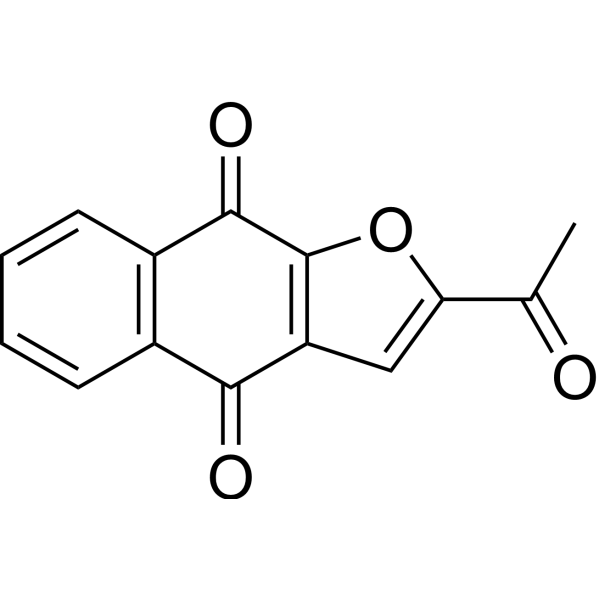
Napabucasin (BBI608; BB608) is an orally active STAT3 inhibitor. Napabucasin inhibits STAT3/RelA signaling and induces cancer cell apoptosis, cell cycle arrest, and ROS/DNA damage, inhibiting cancer cell proliferation, migration, and invasion. Napabucasin, upon activation by NQO1/POR, enhances Docetaxel (HY-B0011) sensitivity and inhibits BCR-ABL1-positive leukemia self-renewal. Napabucasin recruits cytotoxic T/B lymphocytes, enhances immune checkpoint blockade, prevents liver metastasis, and radiosensitizes diffuse midline glioma. Napabucasin can be used in research on cancers such as glioblastoma, pancreatic ductal adenocarcinoma, and prostate cancer .
loading...
    loading...
27
27 Cited Publications
Cat. No.: HY-10215
CAS No.: 747412-49-3
Purity:  99.74%
Synonyms: VER-52296; AUY922; NVP-AUY922
Target:  

HSP EGFR VEGFR PDGFR Apoptosis

Research Areas:  

Cancer

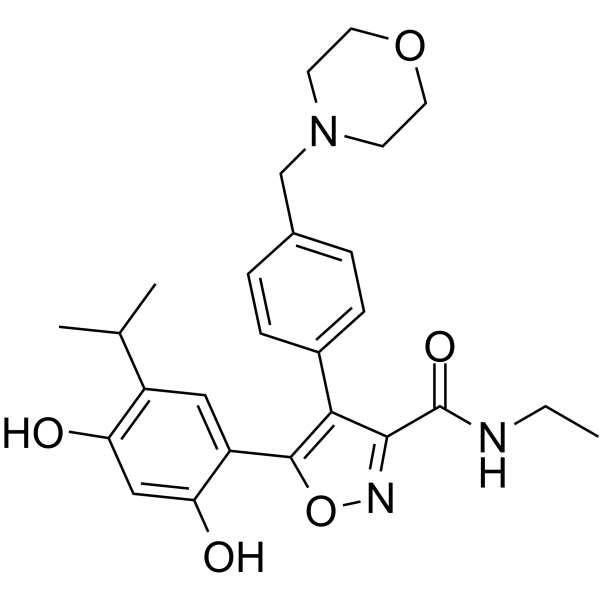
Luminespib (VER-52296) is a potent HSP90 inhibitor, with IC50 values ​​of 7.8 nM for HSP90α and 21 nM for HSP90β. By inhibiting HSP90, Luminespib blocks multiple signaling pathways—mediated by EGF, VEGF, and PDGF—that promote cell proliferation, metastasis, and angiogenesis; consequently, it suppresses cancer cell proliferation, migration, and invasion, as well as the formation of new blood vessels. Luminespib can be used in research on cancers such as pancreatic cancer and prostate cancer .
loading...
    loading...
27
27 Cited Publications
Cat. No.: HY-13902
CAS No.: 1232416-25-9
Purity:  99.70%
Synonyms: VE-822; VX-970; M6620
Research Areas:  

Infection Metabolic Disease Cancer

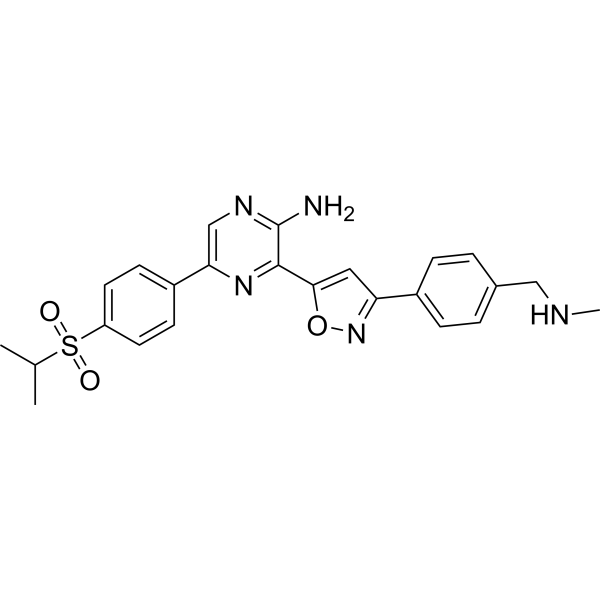
Berzosertib (VE-822) is an orally active, CNS-penetrant, and selective ATR kinase inhibitor. Berzosertib blocks ATR kinase activity, abrogates G2/M cell cycle checkpoint, impairs DNA damage repair. Berzosertib induces apoptosis, inhibnits conlony migration, inhibits cell proliferation, and activates cGAS-STING axes in cancer cells. Berzosertib can be used for the research of cancers, such as head and neck squamous cell carcinoma, and colorectal cancer .
loading...
    loading...
27
27 Cited Publications
Cat. No.: HY-13902A
CAS No.: 1428935-04-9
Synonyms: VE-822 hydrochloride; VX-970 hydrochloride; M6620 hydrochloride
Research Areas:  

Neurological Disease Cancer

Berzosertib (VE-822) hydrochloride is an orally active, CNS-penetrant, and selective ATR kinase inhibitor. Berzosertib hydrochloride blocks ATR kinase activity, abrogates G2/M cell cycle checkpoint, impairs DNA damage repair. Berzosertib hydrochloride induces apoptosis, inhibnits conlony migration, inhibits cell proliferation, and activates cGAS-STING axes in cancer cells. Berzosertib hydrochloride can be used for the research of cancers, such as head and neck squamous cell carcinoma, and colorectal cancer .
loading...
    loading...
