

71 Results for "

Notch signalling

" in MedChemExpress (MCE) Product Catalog:
Products (71)

71 Results for "Notch signalling" in MCE Product Catalog:

169
169 Publications Verification
Cat. No.: HY-13027
CAS No.: 208255-80-5
Purity:  99.97%
Synonyms: GSI-IX
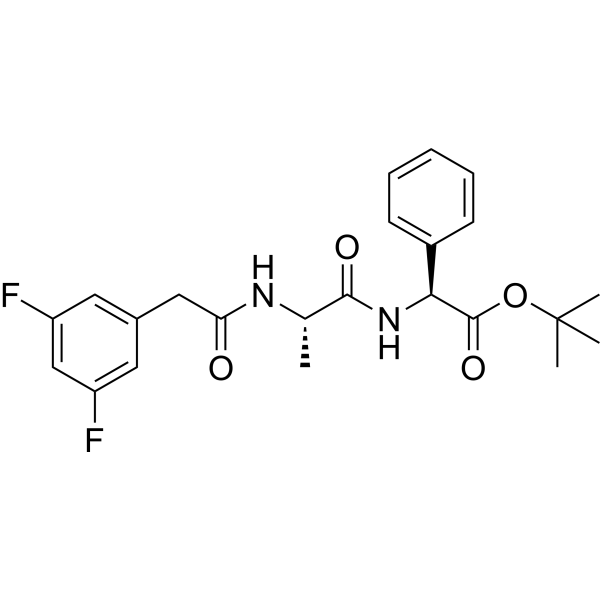
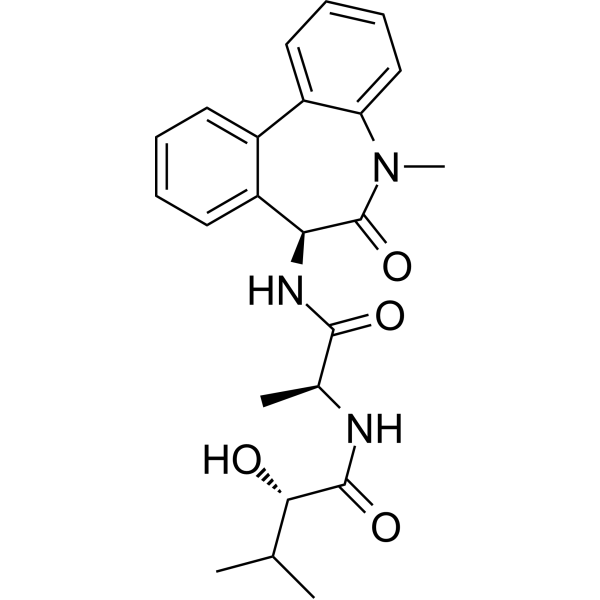
DAPT (GSI-IX) is a potent and orally active γ-secretase inhibitor with IC50s of 115 nM and 200 nM for total amyloid-β (Aβ) and 42, respectively. DAPT inhibits the activation of Notch 1 signaling and induces cell differentiation. DAPT also induces autophagy and apoptosis. DAPT has neuroprotection activity and has the potential for autoimmune and lymphoproliferative diseases, degenerative disease and cancers treatment .
loading...
    loading...
132
132 Cited Publications
Cat. No.: HY-15244
CAS No.: 1217486-61-7
Purity:  99.88%
Synonyms: BYL-719
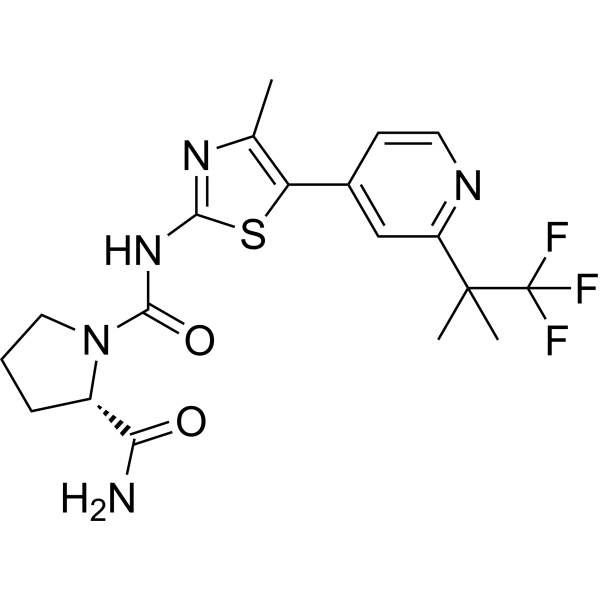
Alpelisib (BYL-719) is an orally active PI3Kα-selective inhibitor that blocks the conversion of PIP2 to PIP3, thereby inhibiting pathways including PI3K/AKT/mTOR, MAPK/ERK, Notch and JAK-STAT. Alpelisib also induces apoptosis, G0/G1 phase arrest and senescence; it significantly inhibits the proliferation, self-renewal, stemness and epithelial-mesenchymal transition (EMT) of tumor cells, reduces cancer stem cell populations and decreases the expression of stem cell markers. Alpelisib not only enhances the sensitivity to Eribulin (HY-13442) and exerts a synergistic effect with Paclitaxel (HY-B0015), but may also induce drug resistance by upregulating the SGK3/GSK3β/β-catenin signaling pathway. Alpelisib can be applied to research related to breast cancer, gastric cancer and lipomas associated with PTEN hamartoma tumor syndrome .
loading...
    loading...
132
132 Cited Publications
Cat. No.: HY-15244A
CAS No.: 1584128-91-5
Synonyms: BYL-719 hydrochloride
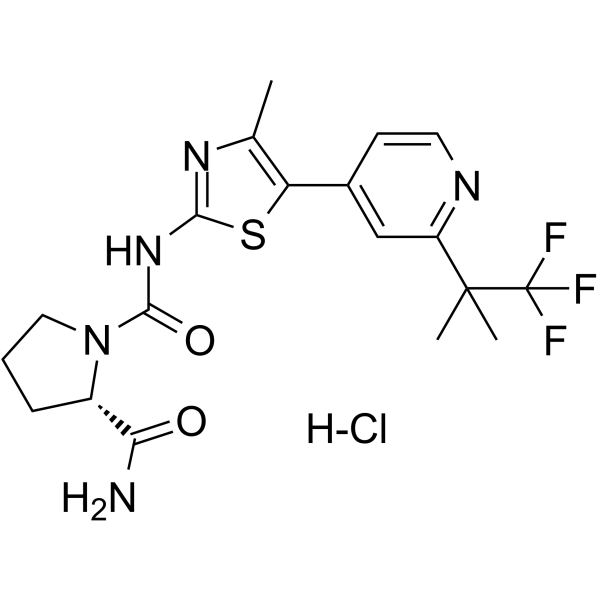
Alpelisib (BYL-719) hydrochloride is an orally active PI3Kα-selective inhibitor that blocks the conversion of PIP2 to PIP3, thereby inhibiting pathways including PI3K/AKT/mTOR, MAPK/ERK, Notch and JAK-STAT. Alpelisib hydrochloride also induces apoptosis, G0/G1 phase arrest and senescence; it significantly inhibits the proliferation, self-renewal, stemness and epithelial-mesenchymal transition (EMT) of tumor cells, reduces cancer stem cell populations and decreases the expression of stem cell markers. Alpelisib hydrochloride not only enhances the sensitivity to Eribulin (HY-13442) and exerts a synergistic effect with Paclitaxel (HY-B0015), but may also induce drug resistance by upregulating the SGK3/GSK3β/β-catenin signaling pathway. Alpelisib hydrochloride can be applied to research related to breast cancer, gastric cancer and lipomas associated with PTEN hamartoma tumor syndrome .
loading...
    loading...
69
69 Cited Publications
Cat. No.: HY-10585
CAS No.: 99-66-1
Purity:  99.19%
Synonyms: VPA; 2-Propylpentanoic acid; Dipropylacetic acid
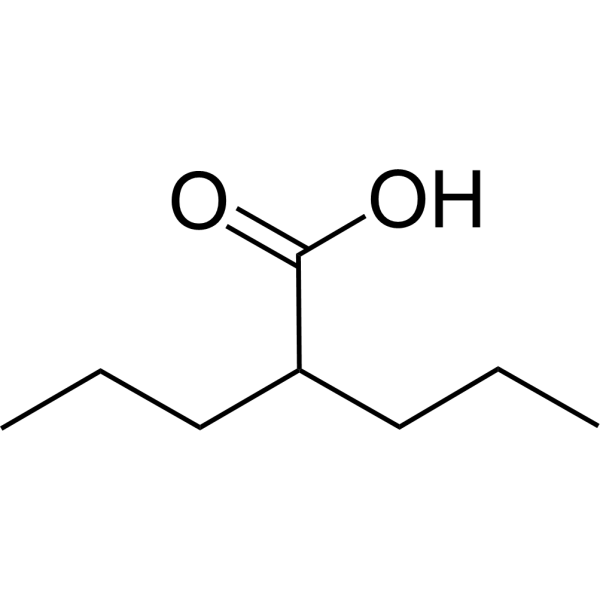
Valproic acid (VPA) is an orally active HDAC inhibitor, with IC50 in the range of 0.5 and 2 mM. Valproic acid inhibits HDAC1 (IC50, 400 μM), and induces proteasomal degradation of HDAC2. Valproic acid activates Notch1 signaling and inhibits proliferation in small cell lung cancer (SCLC) cells. Valproic acid is used in the epilepsy, bipolar disorder, metabolic disease, HIV infection and prevention of migraine headaches .
loading...
    loading...
69
69 Cited Publications
Cat. No.: HY-10585A
CAS No.: 1069-66-5
Purity:  98.14%
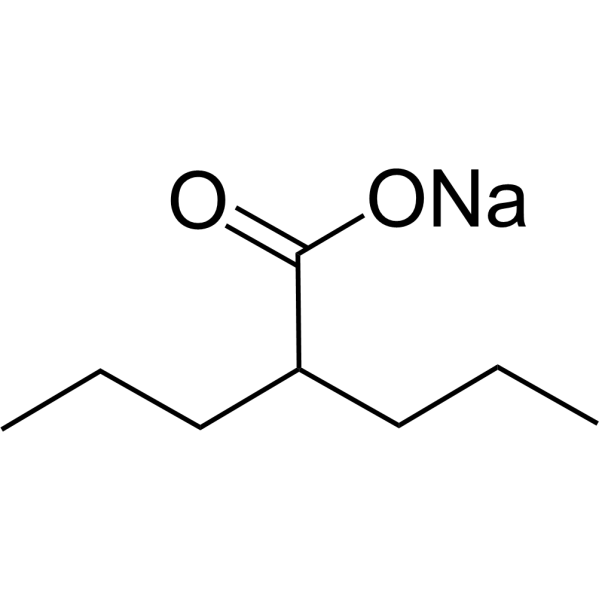
Synonyms: Sodium Valproate; VPA sodium; 2-Propylpentanoic acid sodium
Valproic acid (Sodium Valproate) sodium is an orally active HDAC inhibitor, with IC50 in the range of 0.5 and 2 mM, also inhibits HDAC1 (IC50, 400 μM), and induces proteasomal degradation of HDAC2. Valproic acid sodium activates Notch1 signaling and inhibits proliferation in small cell lung cancer (SCLC) cells. Valproic acid sodium is used in the treatment of epilepsy, bipolar disorder, metabolic disease, HIV infection and prevention of migraine headaches .
loading...
    loading...
15
15 Cited Publications
Cat. No.: HY-15185
CAS No.: 1290543-63-3
Purity:  99.78%
Synonyms: PF-3084014
Target:  

γ-secretase Apoptosis

Research Areas:  

Neurological Disease Cancer

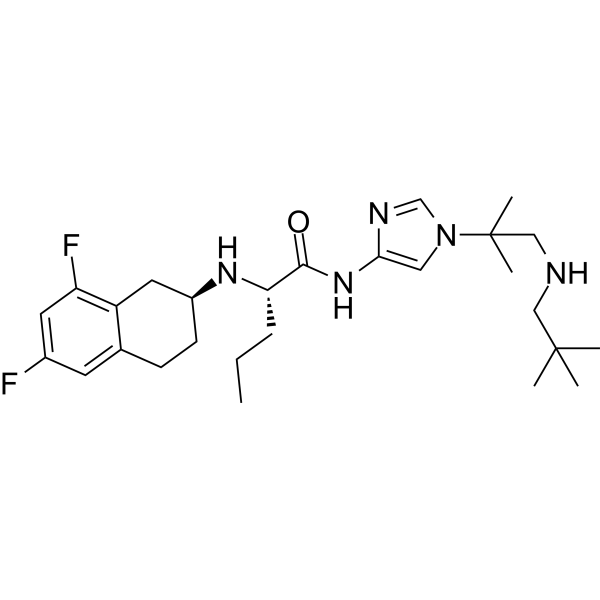
Nirogacestat (PF-3084014) is a reversible, orally bioavailable, noncompetitive, and selective γ-secretase inhibitor with an IC50 of 6.2 nM. Inhibition of Notch signaling by Nirogacestat while minimizing gastrointestinal toxicity presents a promising approach for research of Notch receptor-dependent cancers .
loading...
    loading...
15
15 Cited Publications
Cat. No.: HY-15185B
CAS No.: 1962925-29-6
Purity:  99.63%
Synonyms: PF-3084014 dihydrobromide; PF-03084014 dihydrobromide
Target:  

γ-secretase Apoptosis

Research Areas:  

Cancer

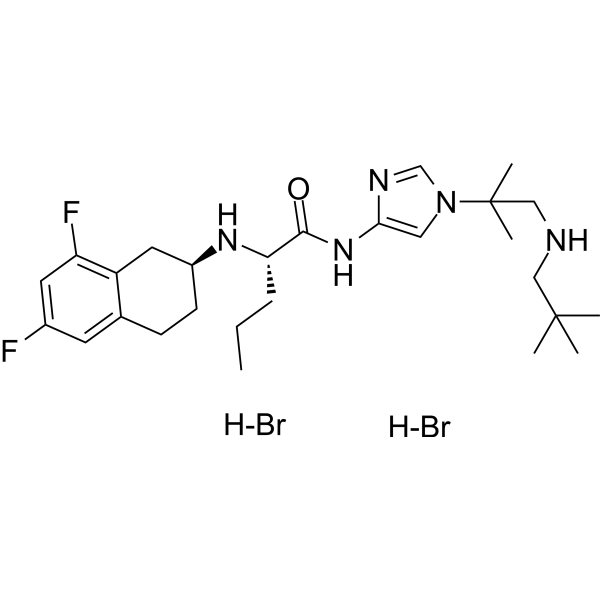
Nirogacestat dihydrobromide (PF-3084014 dihydrobromide) is a reversible, orally bioavailable, noncompetitive, and selective γ-secretase inhibitor with an IC50 of 6.2 nM. Inhibition of Notch signaling by Nirogacestat dihydrobromide while minimizing gastrointestinal toxicity presents a promising approach for research of Notch receptor-dependent cancers .
loading...
    loading...
12
12 Cited Publications
Cat. No.: HY-10009
CAS No.: 425386-60-3
Purity:  98.89%
Synonyms: LY450139
Research Areas:  

Neurological Disease

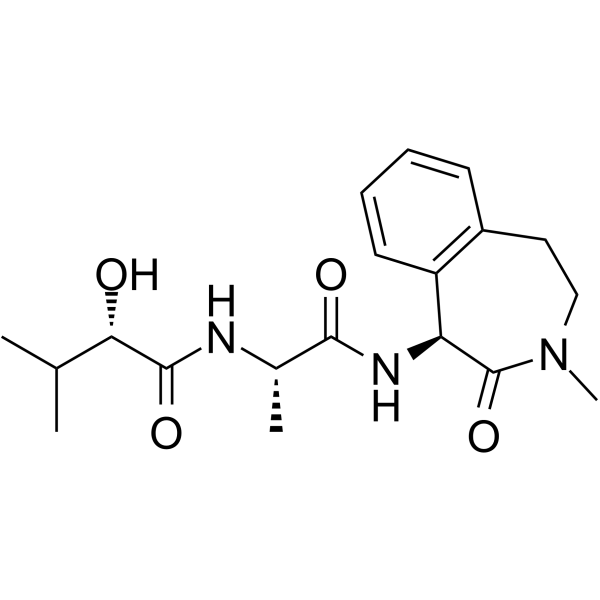
Semagacestat is a γ-secretase inhibitor, inhibits β-amyloid (Aβ42), Aβ38 and Aβ40 with IC50s of 10.9, 12 and 12.1 nM, respectively; also inhibits Notch signaling with IC50 of 14.1 nM. Semagacestat can be used for the research of alzheimer's disease .
loading...
    loading...
12
12 Cited Publications
Cat. No.: HY-15860
CAS No.: 313967-18-9
Purity:  99.88%
Target:  

Notch

Research Areas:  

Cancer

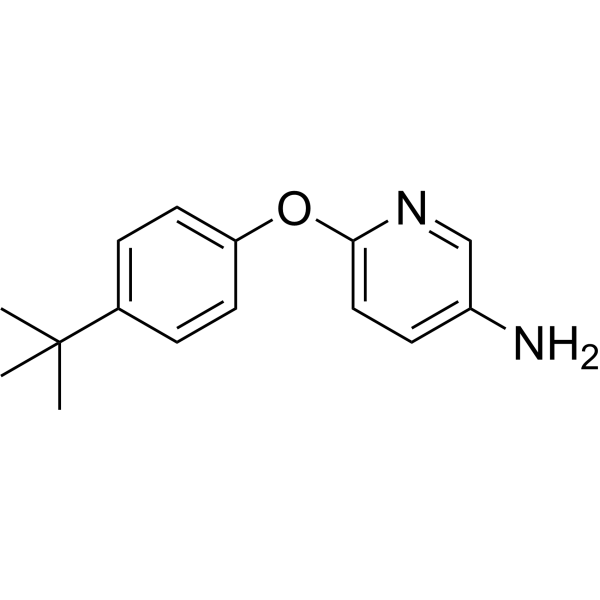
FLI-06 is an inhibitor of Notch signaling with an EC50 of 2.3 μM.
loading...
    loading...
11
11 Cited Publications
Cat. No.: HY-135145
CAS No.: 218457-67-1
Purity:  99.89%
Synonyms: CB-103
Target:  

Notch

Research Areas:  

Cancer

Limantrafin (CB-103) is a first-in-class, orally active protein-protein interaction (PPI) inhibitor of the NOTCH transcriptional activation complex. Limantrafin has anti-tumor activity .
loading...
    loading...
5
5 Cited Publications
Cat. No.: HY-N0232
CAS No.: 18642-23-4
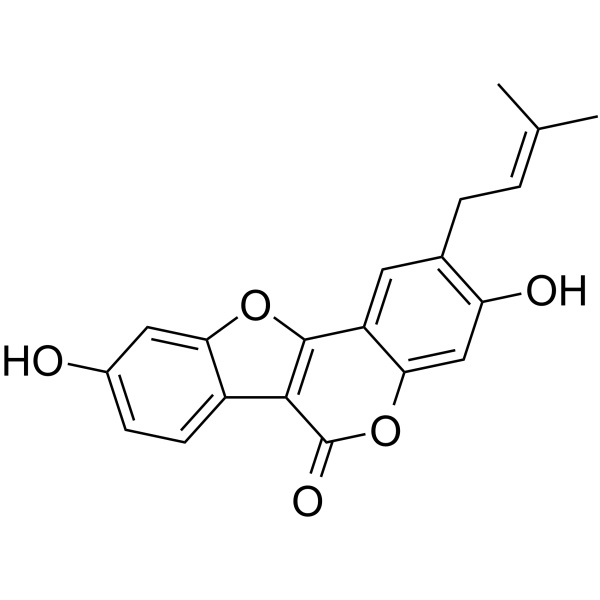
Psoralidin is a dual inhibitor of COX-2 and 5-LOX, regulates ionizing radiation (IR)-induced pulmonary inflammation.Anti-cancer, anti-bacterial, and anti-inflammatory properties . Psoralidin significantly downregulates NOTCH1 signaling. Psoralidin also greatly induces ROS generation .
loading...
    loading...
1
1 Cited Publications
Cat. No.: HY-10585S
CAS No.: 87745-17-3
Purity:  ≥98.0%
Synonyms: VPA-d4; 2-Propylpentanoic acid-d4
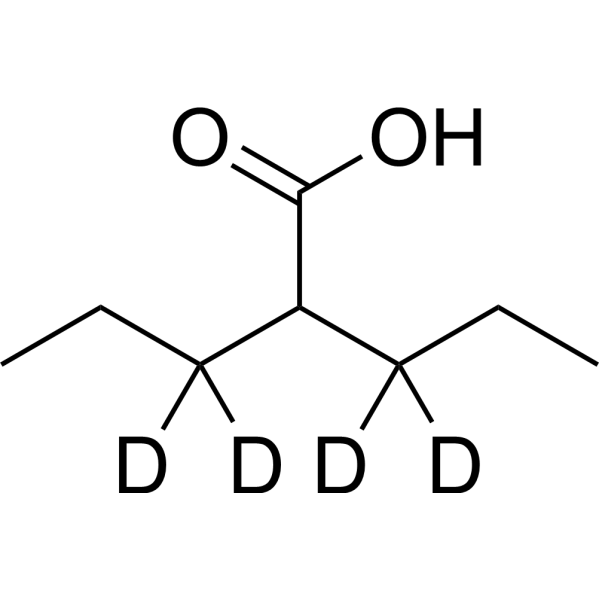
Valproic acid-d4 is the deuterium labeled Valproic acid. Valproic acid (VPA; 2-Propylpentanoic Acid) is an HDAC inhibitor, with IC50 in the range of 0.5 and 2 mM, also inhibits HDAC1 (IC50, 400 μM), and induces proteasomal degradation of HDAC2. Valproic acid activates Notch1 signaling and inhibits proliferation in small cell lung cancer (SCLC) cells. Valproic acid sodium salt is used in the treatment of epilepsy, bipolar disorder and prevention of migraine headaches .
loading...
    loading...
Cat. No.: HY-N10790
CAS No.: 64725-24-2
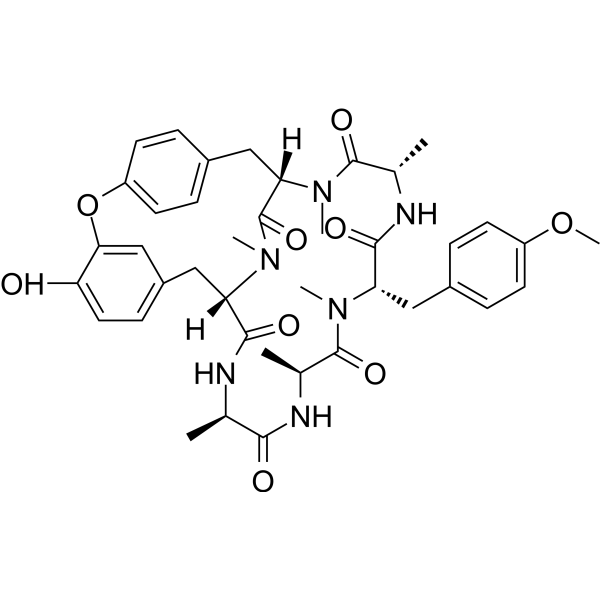
RA-V is a cyclic hexapeptide. RA-V has activity against Wnt, Myc and Notch with IC50 values of 50, 75, and 93 ng/mL, respectively. RA-V can be used for the research of cancer-related signaling pathways .
loading...
    loading...
Cat. No.: HY-P99258
CAS No.: 1447814-75-6
Synonyms: OMP 52M51; Anti-Human Notch1 Recombinant Antibody

Target:  

Notch

Research Areas:  

Cancer

Brontictuzumab (OMP 52M51) is a monoclonal antibody (MAb) that inhibits Notch1 signal. Brontictuzumab selectively binds the negative regulatory region of the Notch1. Brontictuzumab inhibits tumor cell proliferation. Brontictuzumab can be used in the research of leukemia and lymphoma .
loading...
    loading...
Cat. No.: HY-N2896
CAS No.: 465-00-9
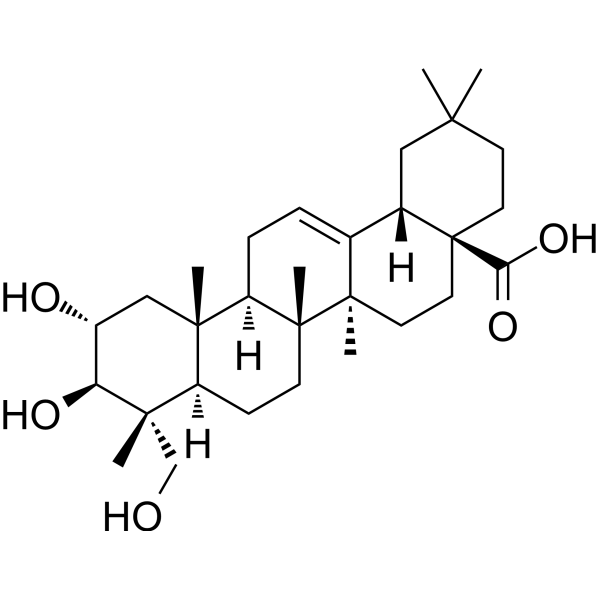
Arjunolic acid is an orally active, multifunctional bioactive compound. Arjunolic acid exhibits free radical scavenging activity, as well as fungal and bacterial activities. Arjunolic acid induces apoptosis (Apoptosis) in various cancer cells. Arjunolic acid protects hepatocytes against induced oxidative stress and apoptosis by reducing reactive oxygen species and inhibiting NF-κB activation. Arjunolic acid regulates pancreatic dysfunction in type 2 diabetic rats by blocking the activation of the TLR-4/MyD88 and canonical Wnt pathways. Arjunolic acid inhibits neuroinflammation and ameliorates depressive behaviors via the SIRT1/AMPK/Notch1 signaling pathway in microglia. Arjunolic acid improves Crohn's disease-like colitis by restoring gut microbiota composition and inhibiting TLR4 signaling. Arjunolic acid suppresses osteosarcoma progression by inhibiting Wnt3a-mediated M2 polarization of macrophages. Arjunolic acid ameliorates diabetic retinopathy via the autophagy pathway regulated by AMPK/mTOR/HO-1. Arjunolic acid is applicable to research related to type 2 diabetes, organ toxicity, depression, Crohn's disease, osteosarcoma, diabetic retinopathy, and testicular dysfunction .
loading...
    loading...
Cat. No.: HY-N1510
CAS No.: 22149-35-5
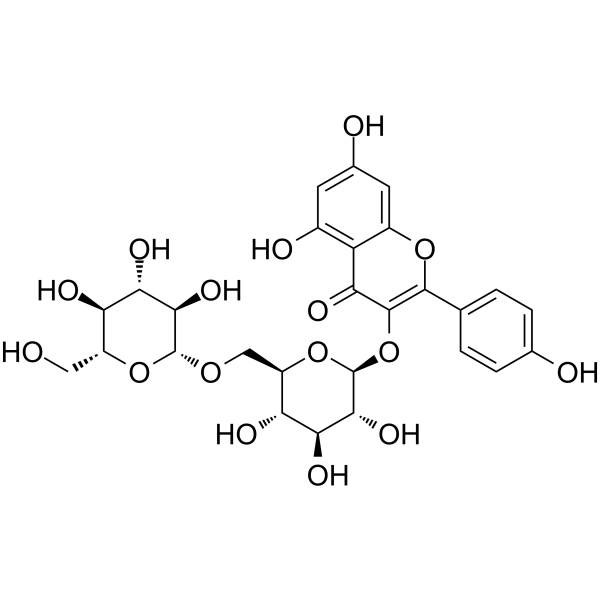
Kaempferol 3-O-gentiobioside is an orally active flavonoid, with a Ka value of 57 µM against human NOTCH1 and an IC50 value of 50 μM against α-glucosidase. Kaempferol 3-O-gentiobioside inhibits the NOTCH signaling pathway. It downregulates the expression of TLR4 and NLRP3, and suppresses the activation and nuclear translocation of NF-κB. Kaempferol 3-O-gentiobioside inhibits the expression of MUC5AC, reduces nitrite and ROS levels, and attenuates excessive mucus secretion. It exhibits antibacterial activity, reducing the formation and growth of MRSA biofilms. Kaempferol 3-O-gentiobioside blocks the TGF-β/ALK5/Smad signaling pathway and inhibits epithelial-mesenchymal transition. It suppresses the proliferation, migration, invasion and metastatic growth of tumor cells. Kaempferol 3-O-gentiobioside alleviates airway inflammation and mucus hypersecretion in mice with allergic asthma . It reduces the volume of ovarian cancer xenografts in mice. Kaempferol 3-O-gentiobioside can be used in research related to allergic asthma, diabetes, MRSA infection, breast cancer, gastric cancer and ovarian cancer .
loading...
    loading...
Cat. No.: HY-144899
CAS No.: 2690312-67-3
Purity:  99.05%
Target:  

Notch

Research Areas:  

Cancer

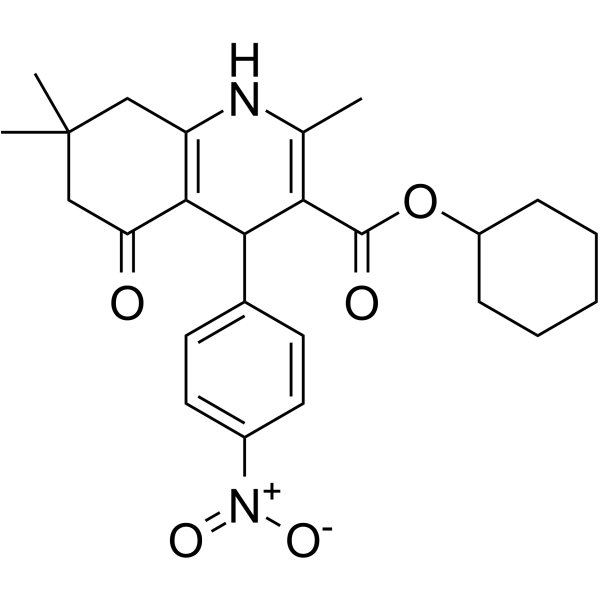
ASR-490 reduces the viability of HCT116 and SW620 cells by downregulating Notch1 signaling. ASR-490 overcomes Notch1 overexpression and inhibits the growth of HCT/Notch1 transfectants. ASR-490 inhibits the tumor growth in control (pCMV/HCT116) and Notch1/HCT116 in xenotransplanted mice .
loading...
    loading...
Cat. No.: HY-18614
CAS No.: 209984-68-9
Target:  

Notch γ-secretase

Research Areas:  

Cancer

LY900009 is a potent and orally active, First-in-class inhibitor of Notch signaling via selective inhibition of the γ-secretase protein (GSI). LY900009 inhibits Notch signalling in tumor cell lines and endothelial cells (IC50=0.005-20 nM). LY900009 can be used for advanced cancer research .
loading...
    loading...
Cat. No.: HY-P99320
CAS No.: 1359940-55-8
Synonyms: OMP 59R5; Anti-Human Notch2 Recombinant Antibody

Target:  

Notch

Research Areas:  

Cancer

Tarextumab (OMP-59R5) is a cross-reactive, fully human IgG2 antibody that selectively inhibits Notch2 and Notch3 signaling. Tarextumab demonstrates broad-spectrum antitumor efficacy in xenograft models of epithelial tumors. Tarextumab can be used for the study of pancreatic cancer .
loading...
    loading...
Cat. No.: HY-124284
CAS No.: 3073-59-4
Purity:  99.56%
Synonyms: HMBA
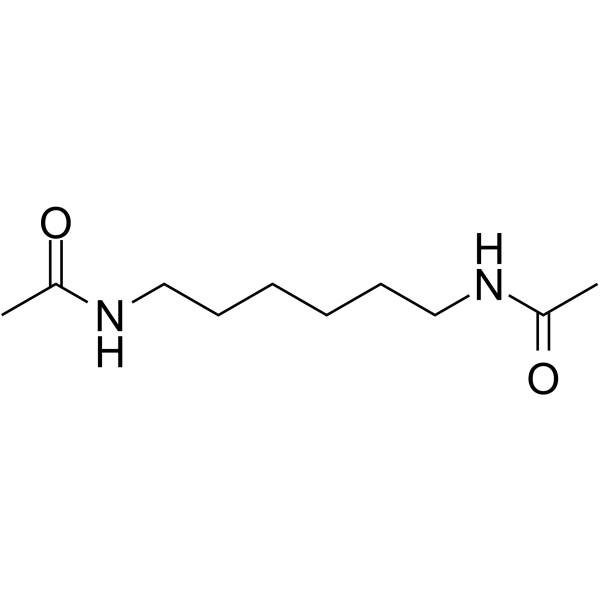
Hexamethylene bisacetamide (HMBA) is a differentiation inducer and selective bromine domain inhibitor that can differentiate across the blood-brain barrier. Hexamethylene bisacetamide can induce tumor cell differentiation and inhibit cell proliferation, showing antitumor activity. Hexamethylene bisacetamide induces apoptosis by Notch1, Bcl-2 and p53 signaling pathways. In addition, Hexamethylene bisacetamide improves the obesity phenotype of mice .
loading...
    loading...

