Search Result
Results for "
P2X3
" in MedChemExpress (MCE) Product Catalog:
| Cat. No. |
Product Name |
Target |
Research Areas |
Chemical Structure |
-
- HY-136254
-
|
|
P2X Receptor
|
Inflammation/Immunology
Cancer
|
|
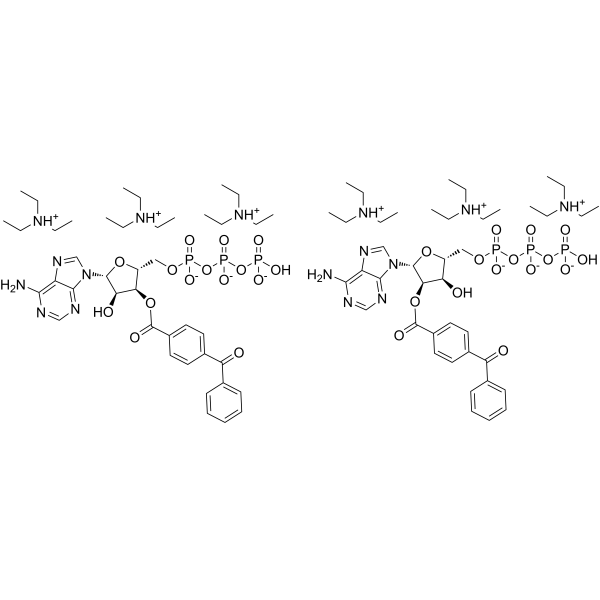
BzATP triethylammonium salt acts as a P2X receptor agonist with pEC50s of 8.74, 5.26, 7.10, 7.50, 6.19, 6.31, 5.33 for P2X1, P2X2, P2X3, P2X2/3, P2X4 and P2X7, respectively . BzATP triethylammonium salt is potent at P2X7 receptors with EC50s of 3.6 μM and 285 μM for rat P2X7 and mouse P2X7, respectively .
|
-
-
- HY-101588
-
|
MK-7264; AF-219
|
P2X Receptor
|
Inflammation/Immunology
|
|
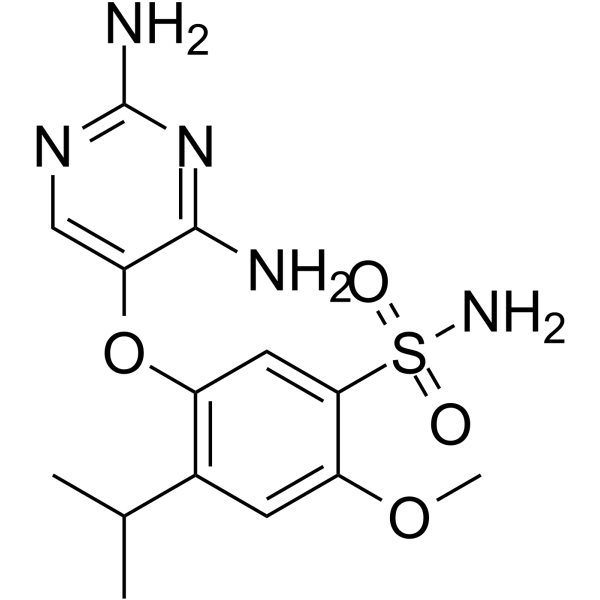
Gefapixant is an orally active and potent purinergic P2X3 receptor (P2X3R) antagonist, with IC50 values of ~30 nM versus recombinant hP2X3 homotrimers and 100-250 nM at hP2X2/3 heterotrimeric receptors. Gefapixant can be used for the research of chronic cough and knee osteoarthritis .
|
-
-
- HY-109170
-
|
BAY 1817080
|
P2X Receptor
|
Inflammation/Immunology
|
|
Eliapixant (BAY 1817080) is a potent and selective antagonist of P2X3 receptor, with an IC50 of 8 nM. Eliapixant can be used for the research of refractory chronic cough .
|
-
-
- HY-108652
-
|
|
P2X Receptor
|
Inflammation/Immunology
|
|
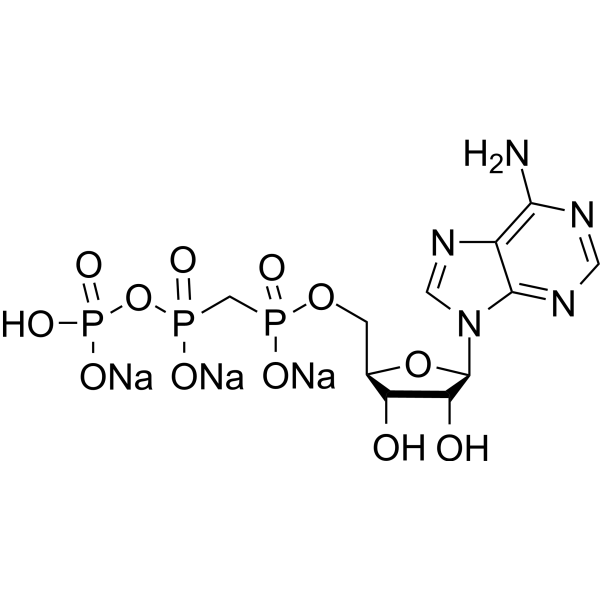
α,β-Methylene-ATP trisodium is an agonist of P2X1 and P2X3 receptors and can cross the blood-brain barrier. α,β-Methylene-ATP trisodium can trigger a reflex pressor response by activating P2X receptors in peripheral muscles and the central locus coeruleus (LC); this effect can be blocked by the P2X antagonist PPADS (HY-108960). α,β-Methylene-ATP trisodium also activates noradrenergic neurons in the central locus coeruleus, mediating antinociceptive effects; this effect can be attenuated by the locus coeruleus damaging agent DSP-4 (HY-103210/HY-121602). α,β-Methylene-ATP trisodium can be used to study the pathological mechanisms of neuropathic pain, cardiovascular reflex regulation, and antinociceptive effects of the central nervous system .
|
-
-
- HY-101588A
-
|
MK-7264 citrate; AF-219 citrate
|
P2X Receptor
|
Inflammation/Immunology
|
|
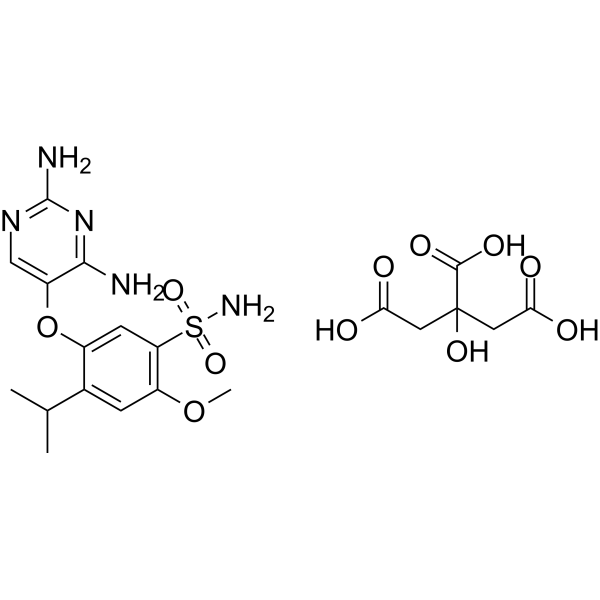
Gefapixant citrate is an orally active and potent purinergic P2X3 receptor (P2X3R) antagonist, with IC50 values of ~30 nM versus recombinant hP2X3 homotrimers and 100-250 nM at hP2X2/3 heterotrimeric receptors. Gefapixant citrate can be used for the research of chronic cough and knee osteoarthritis .
|
-
-
- HY-136026
-
|
BLU-5937
|
P2X Receptor
|
Inflammation/Immunology
|
|
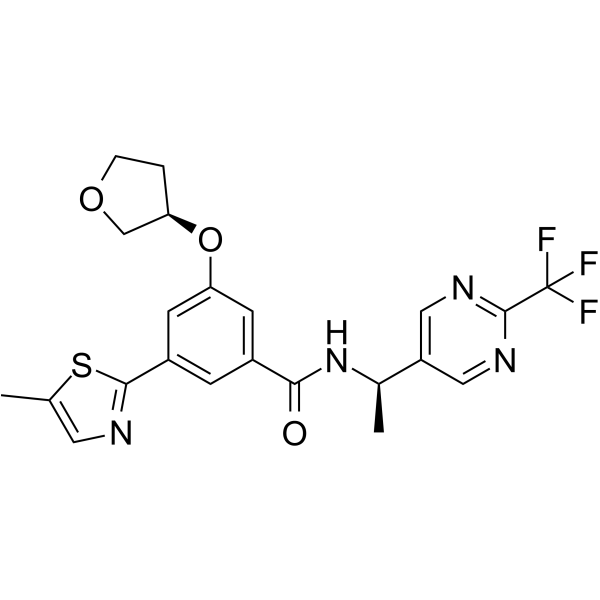
Camlipixant (BLU-5937) a potent, selective, non-competitive and orally active P2X3 homotrimeric receptor antagonist with an IC50 of 25 nM against hP2X3 homotrimeric. Camlipixant shows potent anti-tussive effect and no taste alteration. Camlipixant can be used for the research of unexplained, refractory chronic cough .
|
-
-
- HY-15568
-
|
|
P2X Receptor
|
Neurological Disease
Inflammation/Immunology
|
|
A-317491 is a potent, selective and non-nucleotide antagonist of P2X3 and P2X2/3 receptors, with Kis of 22, 22, 9, and 92 nM for hP2X3, rP2X3, hP2X2/3, and rP2X2/3, respectively. A-317491 is highly selective (IC50>10 μM) over other P2 receptors and other neurotransmitter receptors, ion channels, and enzymes. A-317491 reduces inflammatory and neuropathic pain by blocking P2X3 and P2X2/3 receptor-mediated calcium flux .
|
-
-
- HY-135976
-
|
|
P2X Receptor
|
Neurological Disease
Inflammation/Immunology
|
|
P2X3 antagonist 34 is a potent, selective and orally active P2X3 homotrimeric receptor antagonist with IC50s of 25 nM, 92 nM and 126 nM for human P2X3, rat P2X3 and guinea pig P2X3 receptors, respectively. P2X3 antagonist 34 is less active against human, rat and guinea pig P2X2/3 heterotrimeric receptors. P2X3 antagonist 34 has strong anti-tussive effect .
|
-
-
- HY-B1901
-
|
(±)-Eperisone hydrochloride
|
P2X Receptor
|
Neurological Disease
|
|
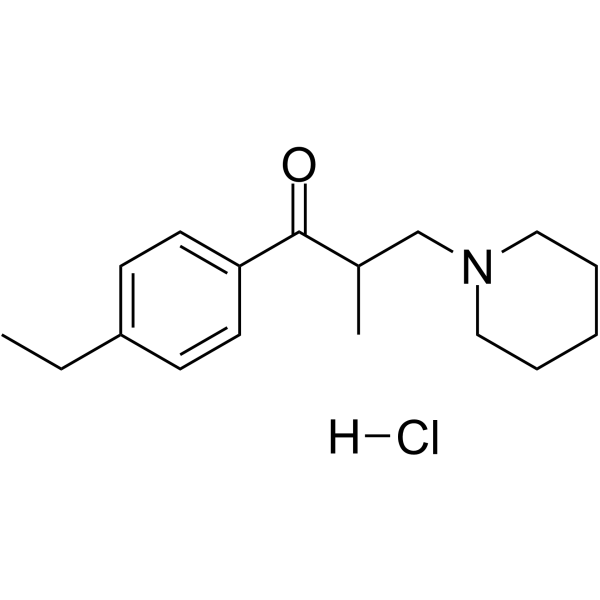
Eperisone Hydrochloride ((±)-Eperisone hydrochloride) is an orally active antispastic agent with a vasodilator effect, used for the research of muscle stiffness and pain. Eperisone Hydrochloride is a potent and selectively P2X7 receptor antagonist, also shows antagonism for human P2X3. Eperisone Hydrochloride works by relaxing both skeletal muscles and vascularsmooth muscles, demonstrating a variety of effects such as reduction ofmyotonia, improvement of circulationand and suppression of the pain reflex .
|
-
-
- HY-122575
-
|
|
P2X Receptor
Influenza Virus
Topoisomerase
MicroRNA
Apoptosis
|
Infection
Neurological Disease
Inflammation/Immunology
|
|
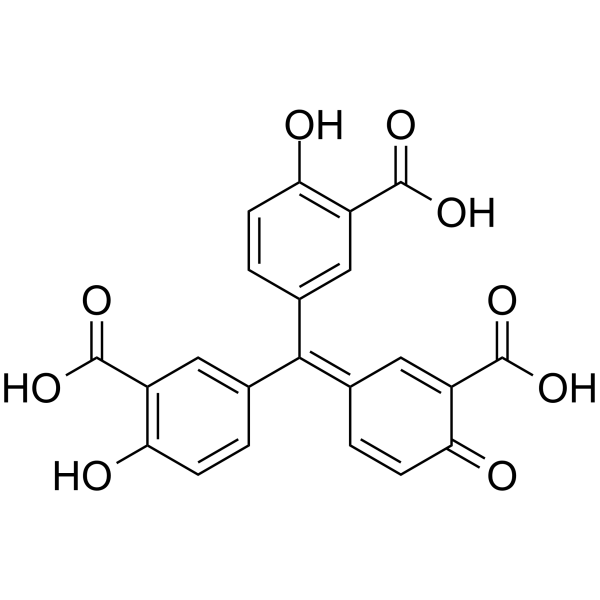
Aurintricarboxylic acid is a nanomolar-potency, allosteric antagonist with selectivity towards αβ-methylene-ATP-sensitive P2X1Rs and P2X3Rs, with IC50s of 8.6 nM and 72.9 nM for rP2X1R and rP2X3R, respectively . Aurintricarboxylic acid is a potent anti-influenza agent by directly inhibiting the neuraminidase . Aurintricarboxylic acid is an inhibitor of topoisomerase II and apoptosis . Aurintricarboxylic acid is a selective inhibitor of the TWEAK-Fn14 signaling pathway . Aurintricarboxylic acid also acts as a cystathionine-lyase (CSE) inhibitor with an IC50 of 0.6 μM . Aurintricarboxylic acid is a modifier of miRNAs that regulate miRNA function, with an IC50 of 0.47 µM .
|
-
-
- HY-14483
-
AF-353
1 Publications Verification
Ro-4
|
P2X Receptor
|
Cancer
|
|
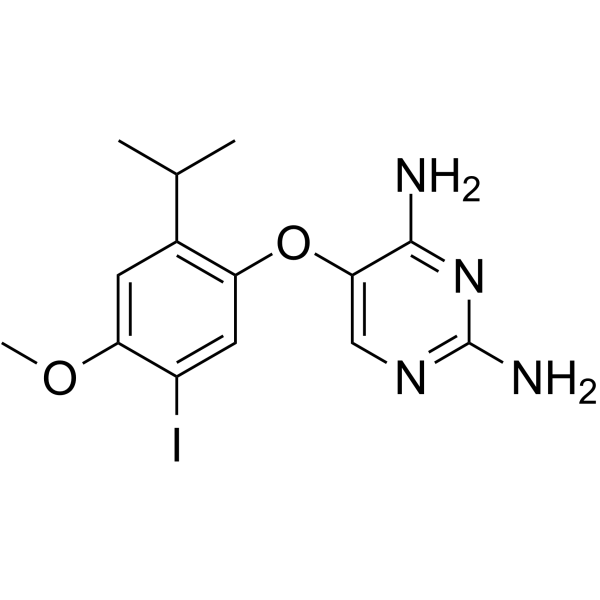
AF-353 (Ro-4) is a potent, selective and orally bioavailable P2X3/P2X2/3 receptor antagonist, with a pIC50 of 8.0 for both human and rat P2X3, and with a pIC50 of 7.3 for human P2X2/3 .
|
-
-
- HY-N1478
-
|
|
P2X Receptor
Reactive Oxygen Species (ROS)
|
Neurological Disease
Inflammation/Immunology
|
|
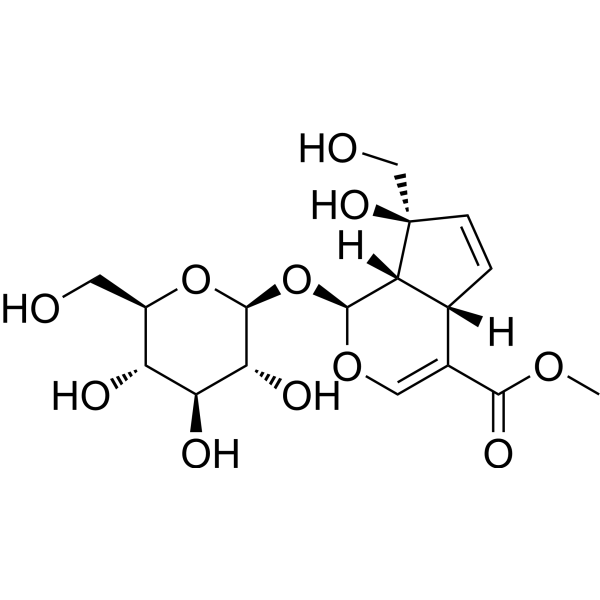
Gardenoside is an orally active natural compound found in Gardenia fruits. Gardenoside reliefs chronic constriction injury (CCI)-induced neuropathic pain by regulating the P2X3 and P2X7 receptors. Gardenoside has an inhibitory effect on free fatty acids (FFA)-induced cellular steatosis. Gardenoside reduces reactive oxygen species (ROS). Gardenoside can be used for anti-inflammatory, antinociceptive and hepatoprotective study .
|
-
-
- HY-137451
-
|
S-600918
|
P2X Receptor
|
Neurological Disease
|
|
Sivopixant (S-600918) is a potent and selective P2X3 receptor antagonist (P2X3 IC50=4.2 nM; P2X2/3 IC50=1100 nM). Sivopixant shows strong analgesic effect .
|
-
-
- HY-D0976
-
NF279
1 Publications Verification
|
P2X Receptor
HIV
NTPDase
CXCR
|
Infection
|
|
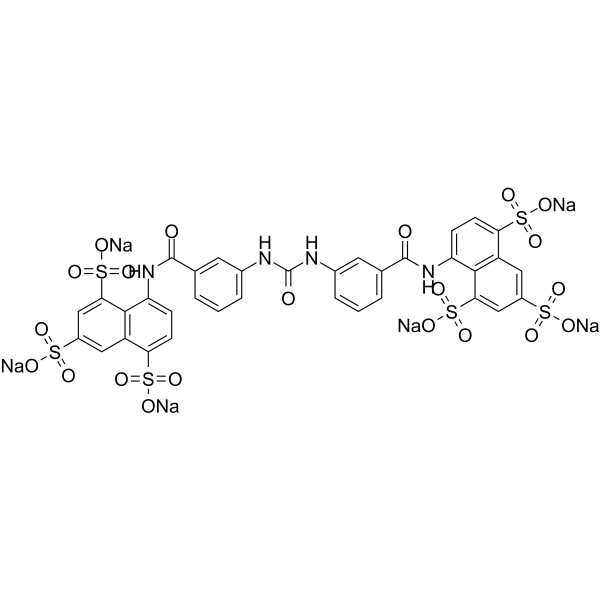
NF279 is a selective P2X1 receptor antagonist and NTPDase inhibitor, with a P2X1 IC50 value of 19 nM. NF279 suppresses GABA-evoked currents, reduces ATP-excited respiratory activity, alters hypoglossal nerve burst parameters, and blocks CXCR4, CCR5, CXCR3, and CXCR7-mediated calcium responses. NF279 arrests HIV-1 fusion downstream of CD4 binding, inhibits R5- and X4-tropic HIV-1 strains. NF279 can be used for the research of HIV-1 infection .
|
-
-
- HY-108667
-
|
|
P2X Receptor
Interleukin Related
Fluorescent Dye
|
Neurological Disease
|
|
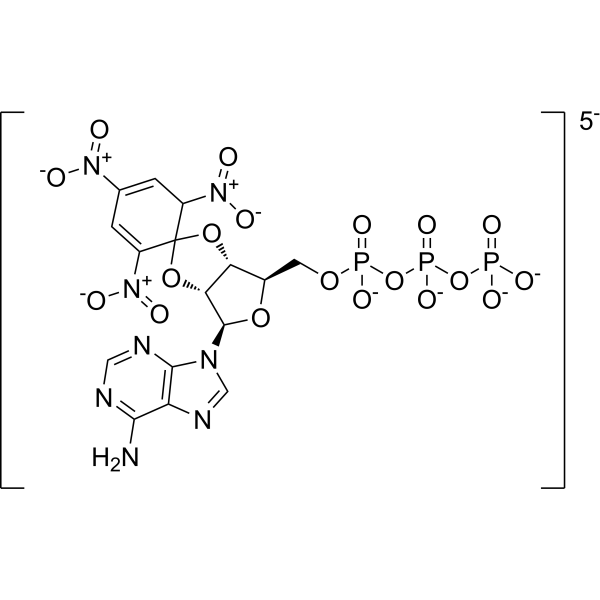
TNP-ATP triethylammonium is a P2X receptor antagonist with an IC50 of 0.010 μM for P2X3 and an IC50 of 0.062 μM for P2X2/3. TNP-ATP triethylammonium acts as an inhibitor of CheA autophosphorylation, with a Ki of 0.7 µM. TNP-ATP triethylammonium blocks the functional activation of P2X1-7 receptors. TNP-ATP triethylammonium attenuates hypoxia-induced IL-1β expression and release. TNP-ATP triethylammonium alleviates visceral pain, and improves hypoxia-induced cognitive impairment, insufficient myelination and neuroinflammation. Binding of TNP-ATP triethylammonium to CheA enhances the fluorescence of the TNP group. TNP-ATP triethylammonium can be used in studies related to visceral pain. NP-ATP triethylammonium can be used in studies related to hypoxia-induced insufficient myelination and cognitive decline .
|
-
-
- HY-134807
-
|
|
P2X Receptor
5-HT Receptor
Autophagy
|
Cancer
|
|
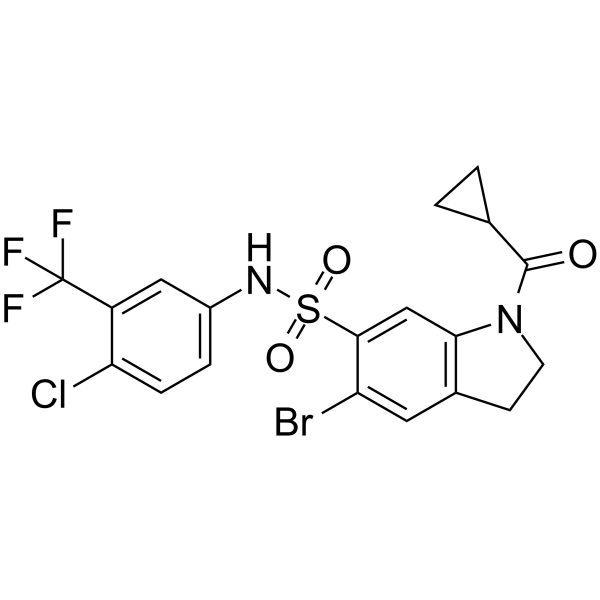
Indophagolin is a potent, indoline-containing autophagy inhibitor (IC50=140 nM). Indophagolin antagonizes the purinergic receptor P2X4 as well as P2X1 and P2X3 with IC50s of 2.71, 2.40 and 3.49 μM, respectively. Indophagolin also antagonizes the Gq-protein-coupled P2Y4, P2Y6, and P2Y11 receptors (IC50s =3.4~15.4 μM). Indophagolin has a strong antagonistic effect on serotonin receptor 5-HT6 (IC50=1.0 μM) and a moderate effect on receptors 5-HT1B, 5-HT2B, 5-HT4e, and 5-HT7 .
|
-
-
- HY-108676
-
|
|
P2X Receptor
|
Neurological Disease
|
|
NF023 hexasodium is a selective and competitive P2X1 receptor antagonist, with IC50 values of 0.21 μM, 28.9 μM, > 50 μM and > 100 μM for human P2X1, P2X3, P2X2, and P2X4-mediated responses respectively .
|
-
-
- HY-101308A
-
|
|
P2Y Receptor
|
Cardiovascular Disease
|
|
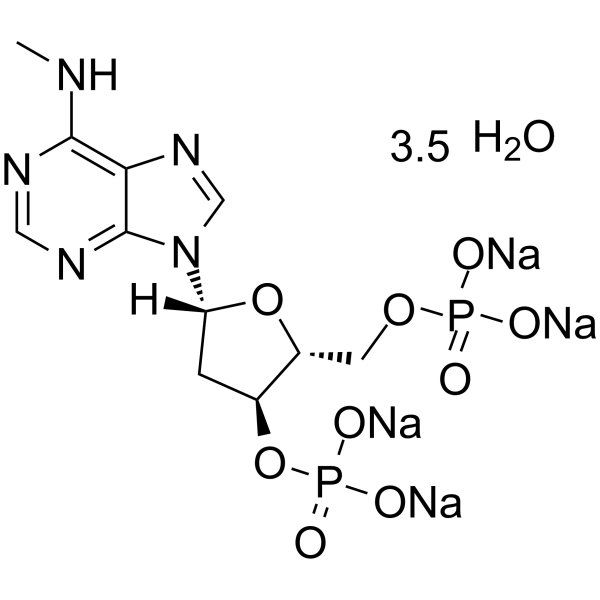
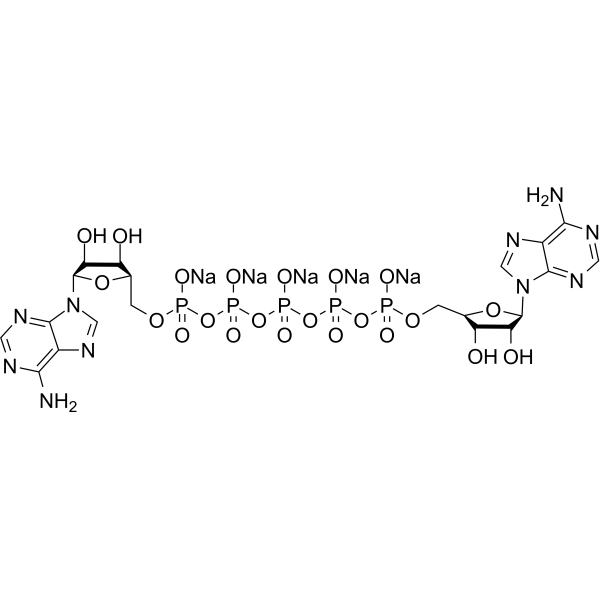
MRS2179 tetrasodium hydrate is a competitive P2Y1 receptor antagonist, with a Kb of 102 nM and a pA2 of 6.99 for turkey P2Y1 receptor. MRS2179 tetrasodium hydrate is selective for P2Y1 over P2X1 (IC50=1.15 µM), P2X3 (12.9 µM), P2X2, P2X4, P2Y2, P2Y4, and P2Y6 receptors . MRS2179 tetrasodium hydrate inhibits platelet aggregation .
|
-
-
- HY-109173
-
-
-
- HY-134440A
-
|
|
P2X Receptor
|
Inflammation/Immunology
|
|
α,β-Methylene-ATP is an agonist of P2X1 and P2X3 receptors and can cross the blood-brain barrier. α,β-Methylene-ATP can trigger a reflex pressor response by activating P2X receptors in peripheral muscles and the central locus coeruleus (LC); this effect can be blocked by the P2X antagonist PPADS (HY-108960). α,β-Methylene-ATP also activates noradrenergic neurons in the central locus coeruleus, mediating antinociceptive effects; this effect can be attenuated by the locus coeruleus damaging agent DSP-4 (HY-103210/HY-121602). α,β-Methylene-ATP can be used to study the pathological mechanisms of neuropathic pain, cardiovascular reflex regulation, and antinociceptive effects of the central nervous system .
|
-
-
- HY-15568A
-
|
|
P2X Receptor
|
Neurological Disease
Inflammation/Immunology
|
|
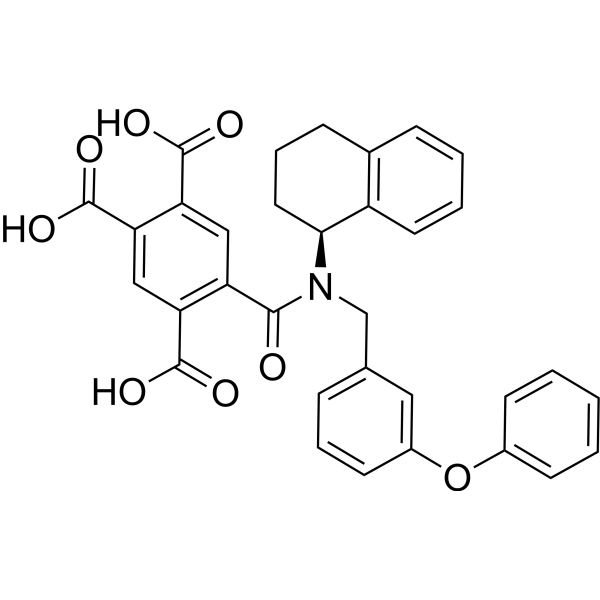
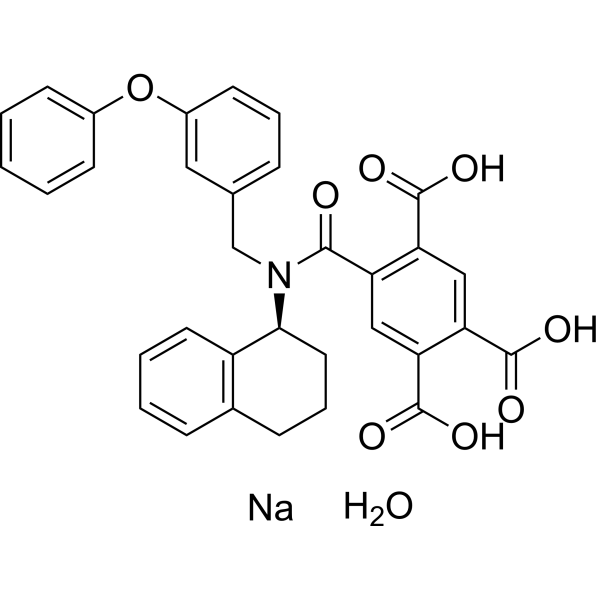
A-317491 sodium salt hydrate is a potent, selective and non-nucleotide antagonist of P2X3 and P2X2/3 receptors, with Kis of 22, 22, 9, and 92 nM for hP2X3, rP2X3, hP2X2/3, and rP2X2/3, respectively. A-317491 sodium salt hydrate is highly selective (IC50>10 μM) over other P2 receptors and other neurotransmitter receptors, ion channels, and enzymes. A-317491 sodium salt hydrate reduces inflammatory and neuropathic pain by blocking P2X3 and P2X2/3 receptor-mediated calcium flux .
|
-
-
- HY-B1901R
-
|
(±)-Eperisone hydrochloride (Standard)
|
P2X Receptor
Reference Standards
|
Neurological Disease
|
|
Eperisone (hydrochloride) (Standard) is the analytical standard of Eperisone (hydrochloride). This product is intended for research and analytical applications. Eperisone Hydrochloride ((±)-Eperisone hydrochloride) is an orally active antispastic agent with a vasodilator effect, used for the research of muscle stiffness and pain. Eperisone Hydrochloride is a potent and selectively P2X7 receptor antagonist, also shows antagonism for human P2X3. Eperisone Hydrochloride works by relaxing both skeletal muscles and vascularsmooth muscles, demonstrating a variety of effects such as reduction ofmyotonia, improvement of circulationand and suppression of the pain reflex .
|
-
-
- HY-108960
-
|
|
P2X Receptor
Interleukin Related
|
Neurological Disease
|
|
PPADS is a P2X receptor (P2X Receptor) antagonist and a reversible competitive antagonist of NAADP receptors, with IC50 values of 68 nM (P2X1) and 214 nM (P2X3), respectively. PPADS alleviates pain-related behaviors in the central and peripheral nervous systems of mice after peripheral neuropathy, inhibits the overproduction of IL-1β, IL-6, iNOS and nNOS, and suppresses the hydrolytic activity of extracellular ATPase. PPADS blocks ATP-mediated inward currents on recombinant rat P2X1 and P2X3 receptors, and inhibits purinergic nerve stimulation-induced contraction of rabbit bladder detrusor muscle. PPADS is applicable to research related to neuropathic pain .
|
-
-
- HY-105285
-
|
Neu-P11
|
Melatonin Receptor
5-HT Receptor
P2X Receptor
TRP Channel
Sodium Channel
|
Neurological Disease
|
|
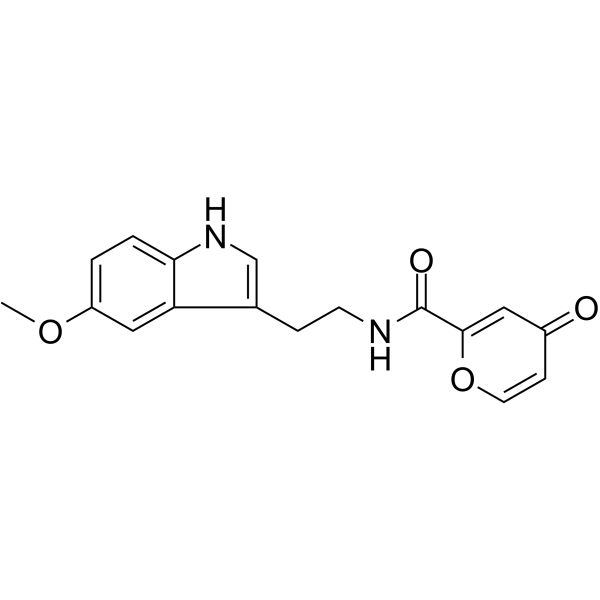
Piromelatine (Neu-P11) is a melatonin MT1/MT2 receptor agonist, serotonin 5-HT1A/5-HT1D agonist, and serotonin 5-HT2B antagonist. Piromelatine (Neu-P11) possesses sleep promoting, analgesic, anti-neurodegenerative, anxiolytic and antidepressant potentials. Piromelatine (Neu-P11) also possesses pain-related P2X3, TRPV1, and Nav1.7 channel-inhibition capacities .
|
-
-
- HY-143576
-
-
-
- HY-18745
-
|
Benzoylbenzoyl-ATP triethylammonium
|
P2X Receptor
|
Inflammation/Immunology
Cancer
|
|
BzATP triethylammonium acts as a P2X receptor agonist with pEC50s of 8.74, 5.26, 7.10, 7.50, 6.19, 6.31, 5.33 for P2X1, P2X2, P2X3, P2X2/3, P2X4 and P2X7, respectively . BzATP triethylammonium is potent at P2X7 receptors with EC50s of 3.6 μM and 285 μM for rat P2X7 and mouse P2X7, respectively .
|
-
-
- HY-161914
-
|
|
P2X Receptor
|
Neurological Disease
|
|
P2X3 antagonist 39 (compound 26a) is a selective P2X3 receptor antagonist with an IC50 value of 54.9 nM. P2X3 antagonist 39 can be used in the study of neuropathic pain model .
|
-
-
- HY-143568
-
-
-
- HY-101546A
-
|
(+)-Cavidine
|
p38 MAPK
ERK
Interleukin Related
|
Neurological Disease
Inflammation/Immunology
|
|
Cavidine ((+)-Cavidine) is an analgesic and anti-inflammatory agent. Cavidine can be isolated from Corydalis ternata f. yanhusuo (Y.H.Chou & Chun C.Hsu) Y.C.Zhu. Cavidine reduces the expression of inflammatory factors IL-1β, IL-6 and TNF-α, and inhibits calcium ion influx. Cavidine inhibits the phosphorylation of p38 and ERK1/2. Cavidine increases mechanical and thermal pain thresholds in chronic pain models. Cavidine can be used for the research of chronic pain .
|
-
-
- HY-153710
-
|
|
P2X Receptor
|
Inflammation/Immunology
|
|
P2X3 antagonist 38 (compound 4) is a potent and orally active P2X3 antagonist with IC50 values of 0.132, 0.165, 0.421 µM for hP2X3, rP2X3, gpP2X3, respectively .
|
-
-
- HY-19978
-
|
|
P2X Receptor
|
Neurological Disease
|
|
RO-3 is a potent, and orally active P2X3 and P2X2/3 antagonist with pIC50s of 5.9 and 7.0 for human homomultimeric P2X3 and heteromultimeric P2X2/3 receptors, respectively. RO-3 shows selectivity for P2X3 and P2X2/3 over all other functional homomultimeric P2X receptors (IC50 >10 μM at P2X1,2,4,5,7) .
|
-
-
- HY-183056
-
-
-
- HY-101308
-
|
|
P2Y Receptor
|
Cardiovascular Disease
|
|
MRS2179 tetrasodium is a competitive P2Y1 receptor antagonist, with a Kb of 102 nM and a pA2 of 6.99 for turkey P2Y1 receptor. MRS2179 tetrasodium is selective for P2Y1 over P2X1 (IC50=1.15 µM), P2X3 (12.9 µM), P2X2, P2X4, P2Y2, P2Y4, and P2Y6 receptors . MRS2179 tetrasodium inhibits platelet aggregation .
|
-
-
- HY-178450
-
|
|
P2X Receptor
|
Neurological Disease
|
|
HW091077 is a highly selective P2X3 receptor antagonist with an IC50 of 17 nM. HW091077 blocks ATP-induced calcium influx and cell depolarization to inhibit cough reflex pathways. HW091077 is promising for research of chronic cough .
|
-
-
- HY-128402
-
-
-
- HY-137610A
-
|
|
P2X Receptor
P2Y Receptor
|
Neurological Disease
|
|
TNP-ATP is an antagonist of purinergic P2Y1, P2X3, and P2X2/3 receptors (IC50 = 6, 0.9, and 7 nM, respectively, in HEK293 cells expressing human receptors). TNP-ATP reduces acetate-induced calcium flux in 1321N1 cells expressing P2X3 and P2X2/3 receptors (IC50 = 100 and 62 nM, respectively). TNP-ATP dose-dependently attenuates acetate-induced abdominal contractions in a mouse visceral pain model (ED50 = 6.35 µmol/kg) [1][2].
|
-
-
- HY-108673
-
|
|
P2X Receptor
|
Cancer
|
|
Ro 0437626 is a selective purinergic (P2X1) receptor antagonist (IC50 = 3 μM), but shows low affinity for P2X2, P2X3 and P2X2/3 receptors (IC50 > 100 μM) .
|
-
-
- HY-108671
-
|
|
P2X Receptor
|
Neurological Disease
|
|
NF110 is a P2X3 receptor antagonist (Ki = 36 nM) and inactive toward P2Y receptors stably expressed (IC50s > 10 M). NF110 blocks alphabeta-methylene-ATP-induced currents (IC50 = 527 nM) in rat dorsal root ganglia neurons .
|
-
-
- HY-N1478R
-
|
|
Reference Standards
P2X Receptor
Reactive Oxygen Species (ROS)
|
Neurological Disease
Inflammation/Immunology
|
|
Gardenoside is an orally active natural compound found in Gardenia fruits. Gardenoside reliefs chronic constriction injury (CCI)-induced neuropathic pain by regulating the P2X3 and P2X7 receptors. Gardenoside has an inhibitory effect on free fatty acids (FFA)-induced cellular steatosis. Gardenoside reduces reactive oxygen species (ROS). Gardenoside can be used for anti-inflammatory, antinociceptive and hepatoprotective study .
|
-
-
- HY-137451A
-
|
(E/Z)-S-600918
|
P2X Receptor
|
Inflammation/Immunology
|
|
(E/Z)-Sivopixant ((E/Z)-S-600918) is a potent P2X3 receptor antagonist with an IC50 of 4 nM. (E/Z)-Sivopixant can be used for respiratory diseases research .
|
-
-
- HY-134440
-
|
|
P2X Receptor
|
Inflammation/Immunology
|
|
α,β-Methylene-ATP dilithium is an agonist of P2X1 and P2X3 receptors and can cross the blood-brain barrier. α,β-Methylene-ATP dilithium can trigger a reflex pressor response by activating P2X receptors in peripheral muscles and the central locus coeruleus (LC); this effect can be blocked by the P2X antagonist PPADS (HY-108960). α,β-Methylene-ATP dilithium also activates noradrenergic neurons in the central locus coeruleus, mediating antinociceptive effects; this effect can be attenuated by the locus coeruleus damaging agent DSP-4 (HY-103210/HY-121602). α,β-Methylene-ATP dilithium can be used to study the pathological mechanisms of neuropathic pain, cardiovascular reflex regulation, and antinociceptive effects of the central nervous system .
|
-
-
- HY-14485
-
|
|
P2X Receptor
|
Neurological Disease
|
|
Ro-51 is a potent and selective dual P2X3/P2X2/3 antagonist, with IC50 of 2 nM and 5 nM for P2X3 and P2X2/3, respectively. Ro-51 can be used for the research for pain .
|
-
-
- HY-14483A
-
|
Ro-4 hydrochloride
|
P2X Receptor
|
Cancer
|
|
AF-353 hydrochloride is a potent, selective and orally bioavailable P2X3/P2X2/3 receptor antagonist, with a pIC50 of 8.0 for both human and rat P2X3, and with a pIC50 of 7.3 for human P2X2/3 .
|
-
-
- HY-101588R
-
|
MK-7264 (Standard); AF-219 (Standard)
|
Reference Standards
P2X Receptor
|
Inflammation/Immunology
|
|
Gefapixant (Standard) is the analytical standard of Gefapixant. This product is intended for research and analytical applications. Gefapixant is an orally active and potent purinergic P2X3 receptor (P2X3R) antagonist, with IC50 values of ~30 nM versus recombinant hP2X3 homotrimers and 100-250 nM at hP2X2/3 heterotrimeric receptors. Gefapixant can be used for the research of chronic cough and knee osteoarthritis .
|
-
-
- HY-14483R
-
|
Ro-4 (Standard)
|
P2X Receptor
Reference Standards
|
Cancer
|
|
AF-353 (Standard) is the analytical standard of AF-353. This product is intended for research and analytical applications. AF-353 (Ro-4) is a potent, selective and orally bioavailable P2X3/P2X2/3 receptor antagonist, with a pIC50 of 8.0 for both human and rat P2X3, and with a pIC50 of 7.3 for human P2X2/3 .
|
-
-
- HY-P1330
-
|
|
P2X Receptor
|
Inflammation/Immunology
|
|
Purotoxin 1 is a P2X3 receptor inhibitor. Purotoxin 1 shows antinociceptive properties in animal models of inflammatory pain. Purotoxin 1 can be isolated from the venom of the wolf spider Geolycosa sp .
|
-
-
- HY-108668
-
|
|
P2X Receptor
|
Others
|
|
TC-P 262 is a potent P2X3 inhibitor. TC-P 262 shows inhibition by bindings to hP2X3. TC-P 262 has the potential for the research of rheumatoid arthritis, cough, and pain .
|
-
-
- HY-101077
-
|
|
P2X Receptor
|
Inflammation/Immunology
|
|
Iso-PPADS tetrasodium is a P2X-purinoceptor antagonist. Iso-PPADS tetrasodium inhibits P2X1 and P2X3 receptor with IC50s of 43 nM and 84 nM. Iso-PPADS tetrasodium is protective against ventilator-induced brain injury (VIBI) .
|
-
-
- HY-105285R
-
|
Neu-P11 (Standard)
|
Reference Standards
Melatonin Receptor
5-HT Receptor
P2X Receptor
TRP Channel
Sodium Channel
|
Neurological Disease
|
|
Piromelatine (Standard) is the analytical standard of Piromelatine. This product is intended for research and analytical applications. Piromelatine (Neu-P11) is a melatonin MT1/MT2 receptor agonist, serotonin 5-HT1A/5-HT1D agonist, and serotonin 5-HT2B antagonist. Piromelatine (Neu-P11) possesses sleep promoting, analgesic, anti-neurodegenerative, anxiolytic and antidepressant potentials. Piromelatine (Neu-P11) also possesses pain-related P2X3, TRPV1, and Nav1.7 channel-inhibition capacities .
|
-
-
- HY-186112
-
|
|
P2X Receptor
|
Inflammation/Immunology
|
|
PSFL2915 is a P2X receptor inhibitor with oral effectiveness, with an IC50 of 0.319 μM for human P2X3, 0.261 μM for rat P2X2/3, and 13.3 μM for human P2X2, and exhibits ~42-fold selectivity for human P2X3 over human P2X2. PSFL2915 inhibits human P2X3 activation by preventing allosteric tightening of the inner pocket of the head domain required for channel opening, with magnesium-dependent inhibition. PSFL2915 inhibits rat P2X2/3 and human P2X2 receptor activation, and has low activity against human P2X1, P2X4, and P2X7 receptors. PSFL2915 can be used for the research of chronic cough .
|
-
- HY-101588AR
-
|
MK-7264 citrate (Standard); AF-219 citrate (Standard)
|
P2X Receptor
Reference Standards
|
Inflammation/Immunology
|
|
Gefapixant (citrate) (Standard) is the analytical standard of Gefapixant (citrate) (HY-101588A). This product is intended for research and analytical applications. Gefapixant citrate is an orally active and potent purinergic P2X3 receptor (P2X3R) antagonist, with IC50 values of ~30 nM versus recombinant hP2X3 homotrimers and 100-250 nM at hP2X2/3 heterotrimeric receptors. Gefapixant citrate can be used for the research of chronic cough and knee osteoarthritis .
|
-
- HY-RS09903
-
|
|
Small Interfering RNA (siRNA)
|
Others
|
|
P2RX3 Human Pre-designed siRNA Set A contains three designed siRNAs for P2RX3 gene (Human), as well as a negative control, a positive control, and a FAM-labeled negative control.
|
-
P2RX3 Human Pre-designed siRNA Set A
- HY-RS09904
-
|
|
Small Interfering RNA (siRNA)
|
Others
|
|
P2rx3 Mouse Pre-designed siRNA Set A contains three designed siRNAs for P2rx3 gene (Mouse), as well as a negative control, a positive control, and a FAM-labeled negative control.
|
-
P2rx3 Mouse Pre-designed siRNA Set A
- HY-122163
-
-
- HY-108652R
-
|
|
Reference Standards
P2X Receptor
|
Inflammation/Immunology
|
|
α,β-Methylene-ATP trisodium (Standard) is the analytical standard of α,β-Methylene-ATP (trisodium) (HY-108652). This product is intended for research and analytical applications. α,β-Methylene-ATP trisodium is an agonist of P2X1 and P2X3 receptors and can cross the blood-brain barrier. α,β-Methylene-ATP trisodium can trigger a reflex pressor response by activating P2X receptors in peripheral muscles and the central locus coeruleus (LC); this effect can be blocked by the P2X antagonist PPADS (HY-108960). α,β-Methylene-ATP trisodium also activates noradrenergic neurons in the central locus coeruleus, mediating antinociceptive effects; this effect can be attenuated by the locus coeruleus damaging agent DSP-4 (HY-103210/HY-121602). α,β-Methylene-ATP trisodium can be used to study the pathological mechanisms of neuropathic pain, cardiovascular reflex regulation, and antinociceptive effects of the central nervous system .
|
-
| Cat. No. |
Product Name |
Target |
Research Area |
-
- HY-P1330
-
|
|
P2X Receptor
|
Inflammation/Immunology
|
|
Purotoxin 1 is a P2X3 receptor inhibitor. Purotoxin 1 shows antinociceptive properties in animal models of inflammatory pain. Purotoxin 1 can be isolated from the venom of the wolf spider Geolycosa sp .
|
| Cat. No. |
Product Name |
Category |
Target |
Chemical Structure |
| Cat. No. |
Compare |
Product Name |
Species |
Source |
Image |
Compare Products
|
| Products |
|
| Cat. No. |
|
| Species |
|
| Source |
|
| Tag |
|
| Accession |
|
| Gene ID |
|
| Molecular Weight |
|
| Purity |
|
| Endotoxin Level |
|
| Biological Activity |
|
| Appearance |
|
| Formulation |
|
| Storage & Stability |
|
| Shipping |
|
| Free Sample |
Yes
No
|
| Size |
* This product has been "discontinued".
Optimized version of product available:
|
| Cat. No. |
Product Name |
|
Classification |
-
- HY-RS09903
-
|
|
|
siRNAs
Human Pre-designed siRNA Sets
|
|
P2RX3 Human Pre-designed siRNA Set A contains three designed siRNAs for P2RX3 gene (Human), as well as a negative control, a positive control, and a FAM-labeled negative control.
|
-
- HY-RS09904
-
|
|
|
siRNAs
Mouse Pre-designed siRNA Sets
|
|
P2rx3 Mouse Pre-designed siRNA Set A contains three designed siRNAs for P2rx3 gene (Mouse), as well as a negative control, a positive control, and a FAM-labeled negative control.
|
Your information is safe with us. * Required Fields.
Inquiry Information
- Product Name:
- Cat. No.:
- Quantity:
- MCE Japan Authorized Agent:

