1. Search Result
Search Result
Results for "

Polyamine

" in MedChemExpress (MCE) Product Catalog:

96

Inhibitors & Agonists

1

Fluorescent Dye

2

Biochemical Assay Reagents

1

MCE Kits

31

Natural
Products

4

Recombinant Proteins

10

Isotope-Labeled Compounds

2

Antibodies

2

Oligonucleotides

Cat. No. Product Name Target Research Areas Chemical Structure
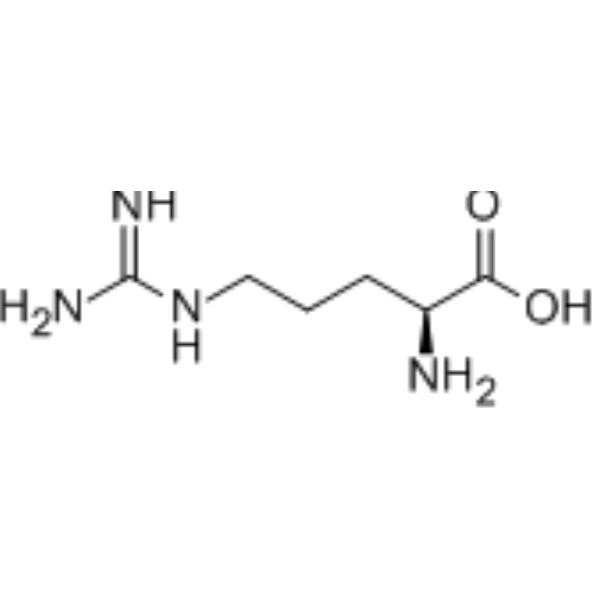
  • HY-N0455
    L-Arginine
    20+ Cited Publications

    Environmental Pollutants Endogenous Metabolite NO Synthase Cardiovascular Disease Inflammation/Immunology
    L-Arginine ((S)-(+)-Arginine) is the substrate for the endothelial nitric oxide synthase (eNOS) to generate NO. L-Arginine is transported into vascular smooth muscle cells by the cationic amino acid transporter family of proteins where it is metabolized to nitric oxide (NO), polyamines, or L-proline. L-Arginine is a potent vasodilator, and can be used to induce experimental acute pancreatitis .
    L-Arginine
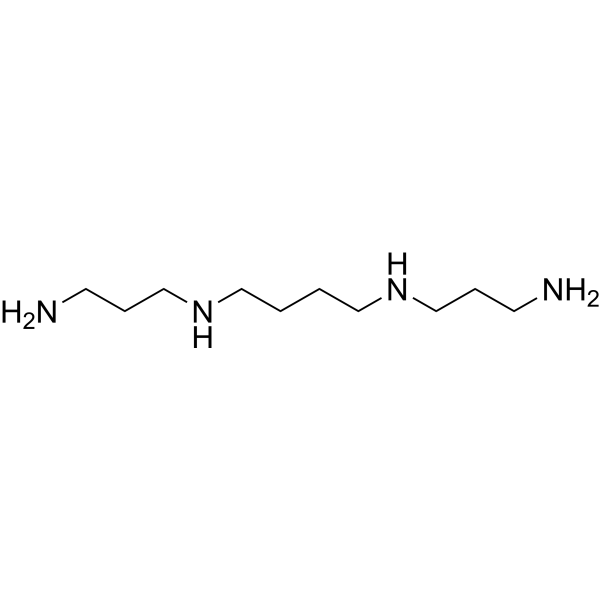
  • HY-B1777
    Spermine
    5+ Cited Publications

    NSC 268508; Neuridine

    Endogenous Metabolite Bacterial Reactive Oxygen Species (ROS) DNA/RNA Synthesis Infection Neurological Disease Inflammation/Immunology
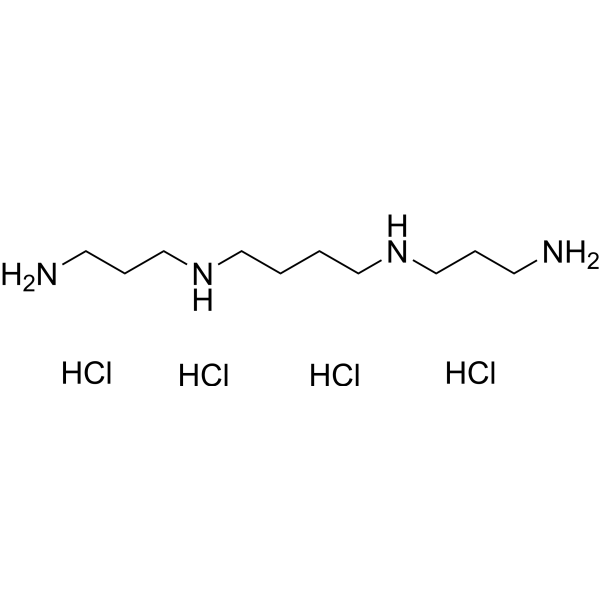
    Spermine is a natural antioxidant and anti-inflammatory agent. Spermine is known to inhibit some bacterial cultures, especially strains of Staphylococcus aureus. Spermine induces neurotoxicity in the striarum dose-dependently. Spermine can reversibly inhibits DNA synthetic response, mixed lymphocyte response and the induction of cytolytic lymphocyte response in primary cultures of murine spleen cells. Spermine tetrahydrochloride is a polyamine nitric oxide donor that can provide nitric oxide to platelets and inhibit platelet activation to a certain extent concentration-dependently. Spermine tetrahydrochloride occurs in mammalian tissues, plants, bacteria, ribosomes and bacteriophage. Spermine tetrahydrochloride inhibits primary human embryo lung fibroblasts in vitro .
    Spermine
  • HY-16938
    5'-Methylthioadenosine
    5+ Cited Publications

    5'-(Methylthio)-5'-deoxyadenosine; 5'-Deoxy-5'-(methylthio)adenosine; 5'-S-Methyl-5'-thioadenosine

    Endogenous Metabolite Apoptosis Parasite Metabolic Disease Cancer
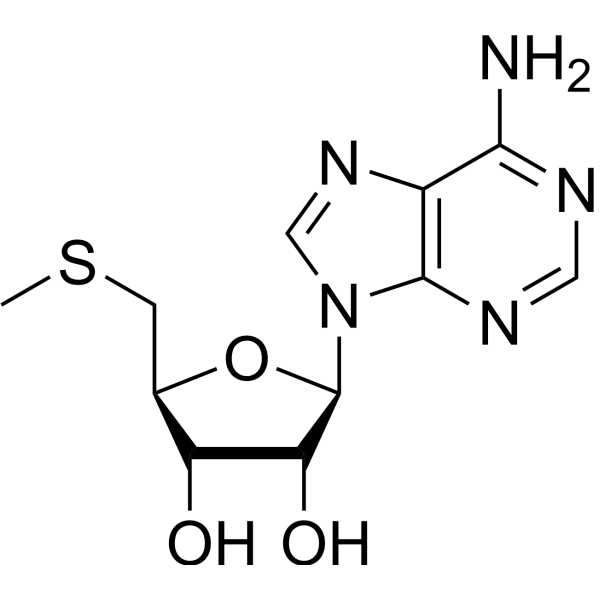
    5'-Methylthioadenosine (5'-(Methylthio)-5'-deoxyadenosine) is a nucleoside generated from S-adenosylmethionine (SAM) during polyamine synthesis . 5'-Methylthioadenosine suppresses tumors by inhibiting tumor cell proliferation, invasion, and the induction of apoptosis while controlling the inflammatory micro-environments of tumor tissue. 5'-Methylthioadenosine and its associated materials have striking regulatory effects on tumorigenesis .
    5'-Methylthioadenosine
  • HY-N0067
    γ-Aminobutyric acid
    5 Publications Verification

    4-Aminobutyric acid

    Environmental Pollutants Endogenous Metabolite GABA Receptor Neurological Disease Metabolic Disease
    γ-Aminobutyric acid (4-Aminobutyric acid) is a major inhibitory neurotransmitter in the adult mammalian brain, binding to the ionotropic GABA receptors (GABAA receptors) and metabotropic receptors (GABAB receptors. γ-Aminobutyric acid shows calming effect by blocking specific signals of central nervous system .
    γ-Aminobutyric acid
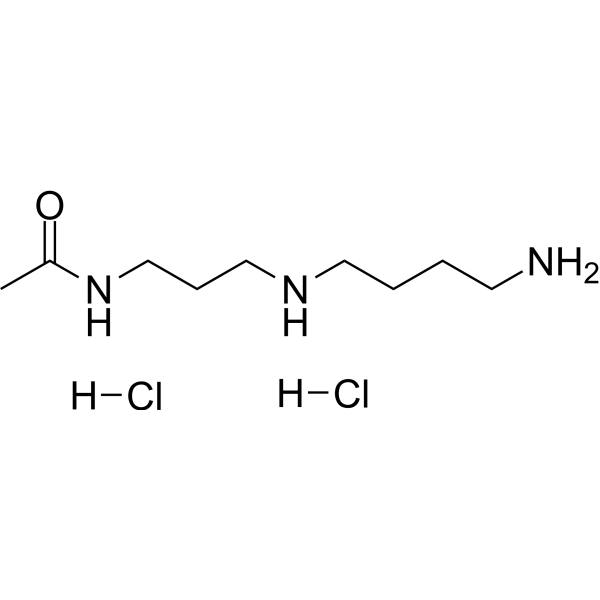
  • HY-113253A
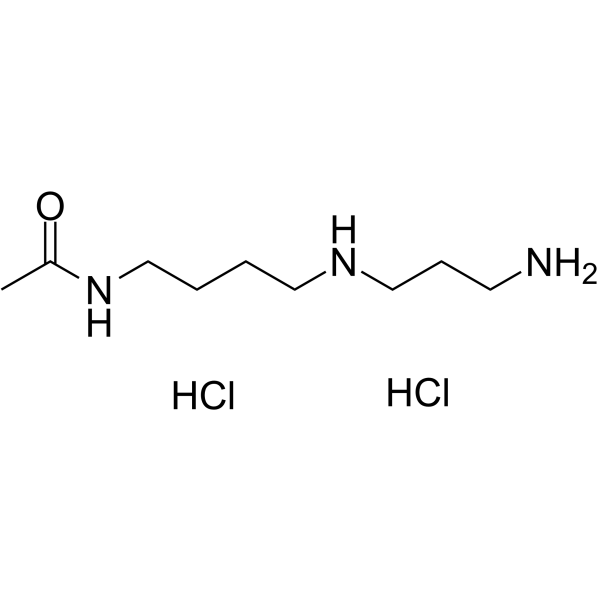
    N8-Acetylspermidine dihydrochloride
    2 Publications Verification

    Endogenous Metabolite Neurological Disease
    N8-Acetylspermidine dihydrochloride is a polyamine metabolite. N8-Acetylspermidine dihydrochloride can be oxidatively deaminated by copper amine oxidase. N8-Acetylspermidine dihydrochloride can also induce the differentiation of PC12 cells and promote neurite outgrowth .
    N8-Acetylspermidine dihydrochloride
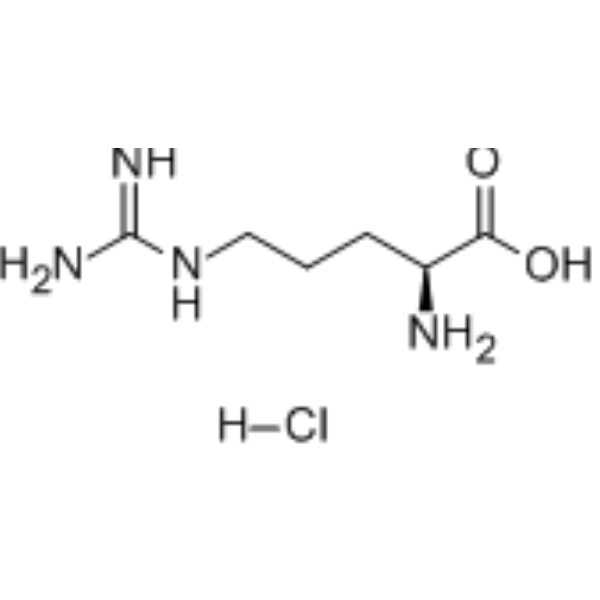
  • HY-N0455A
    L-Arginine hydrochloride
    Maximum Cited Publications
    23 Publications Verification

    (S)-(+)-Arginine hydrochloride

    NO Synthase Endogenous Metabolite Cardiovascular Disease Inflammation/Immunology
    L-Arginine ((S)-(+)-Arginine) is the substrate for the endothelial nitric oxide synthase (eNOS) to generate NO. L-Arginine is transported into vascular smooth muscle cells by the cationic amino acid transporter family of proteins where it is metabolized to nitric oxide (NO), polyamines, or L-proline. L-Arginine is a potent vasodilator, and can be used to induce experimental acute pancreatitis .
    L-Arginine hydrochloride
  • HY-113056A

    Endogenous Metabolite Apoptosis Cancer
    N1-Acetylspermidine hydrochloride is an acetyl derivative of polyamines and a substrate for polyamine oxidase (PAO). N1-Acetylspermidine hydrochloride can promote Apoptosis in combination with Procyanidins. N1-Acetylspermidine hydrochloride has a certain cleavage efficiency at apurinic sites of DNA. N1-Acetylspermidine hydrochloride can be used in colorectal cancer research .
    N1-Acetylspermidine hydrochloride
  • HY-N0240
    Herbacetin
    5 Publications Verification

    Ornithine decarboxylase (ODC) Cancer
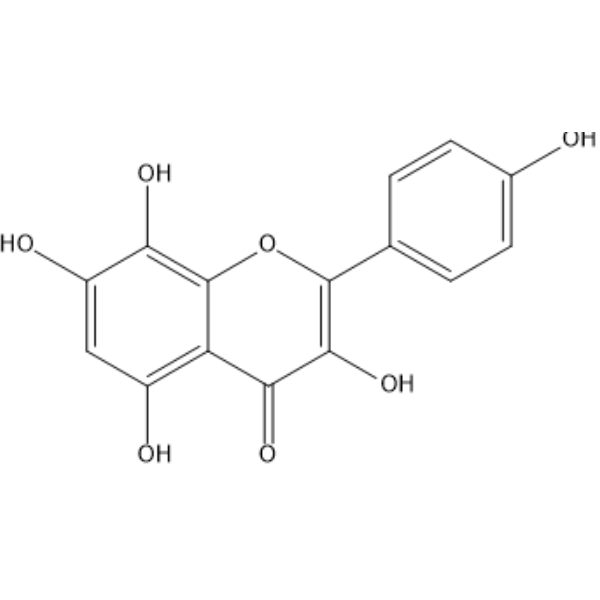
    Herbacetin is a natural flavonoid from flaxseed, exerts various pharmacological activities, including antioxidant, anti-inflammatory and anticancer effects . Herbacetin is an Ornithine decarboxylase (ODC) allosteric inhibitor, directly binds to Asp44, Asp243, and Glu384 on ODC. Ornithine decarboxylase (ODC) is a rate-limiting enzyme in the first step of polyamine biosynthesis .
    Herbacetin
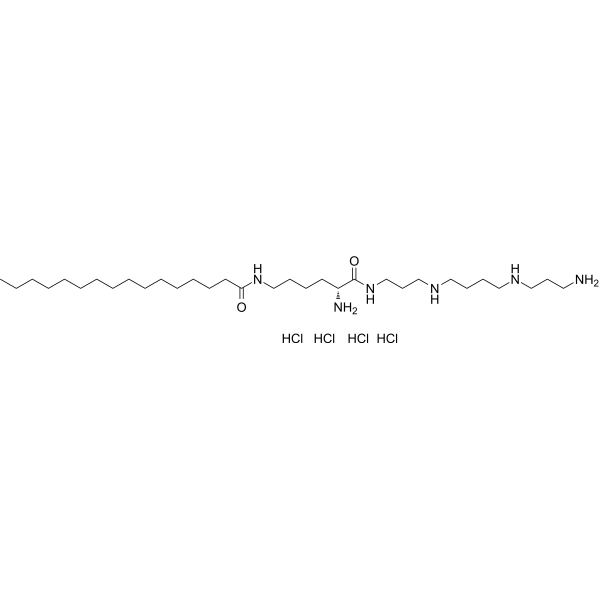
  • HY-124617A
    AMXT-1501 tetrahydrochloride
    5+ Cited Publications

    Apoptosis Bacterial Infection Inflammation/Immunology Cancer
    AMXT-1501 tetrahydrochloride is a Bacterial agent and polyamine transport system inhibitor. AMXT-1501 tetrahydrochloride targets membrane phospholipids and exhibits antibacterial activity against a variety of Gram-positive and Gram-negative multidrug-resistant bacteria . AMXT-1501 tetrahydrochloride inhibits capsular biosynthesis in Streptococcus pneumoniae . AMXT-1501 tetrahydrochloride targets ornithine decarboxylase and polyamines to inhibit the proliferation of neuroblastoma cells . AMXT-1501 tetrahydrochloride in combination with DFMO (HY-B0744) induces Apoptosis in neuroblastoma cells. AMXT-1501 tetrahydrochloride is applicable to research related to multidrug-resistant bacterial infections, pneumococcal infections, Streptococcus pneumoniae infections, and neuroblastoma .
    AMXT-1501 tetrahydrochloride
  • HY-100621
    MDL 72527
    1 Publications Verification

    Monoamine Oxidase Neurological Disease
    MDL 72527 is a potent polyamine oxidase (PAO) inhibitor. MDL 72527 shows a lysosomotropic effect. MDL 72527 shows neuroprotective effects .
    MDL 72527
  • HY-124617
    AMXT-1501
    5+ Cited Publications

    Apoptosis Bacterial Infection Cancer
    AMXT-1501 is a Bacterial agent and polyamine transport system inhibitor. AMXT-1501 targets membrane phospholipids and exhibits antibacterial activity against a variety of Gram-positive and Gram-negative multidrug-resistant bacteria . AMXT-1501 inhibits capsular biosynthesis in Streptococcus pneumoniae . AMXT-1501 targets ornithine decarboxylase and polyamines to inhibit the proliferation of neuroblastoma cells . AMXT-1501 in combination with DFMO (HY-B0744) induces Apoptosis in neuroblastoma cells. AMXT-1501 is applicable to research related to multidrug-resistant bacterial infections, pneumococcal infections, Streptococcus pneumoniae infections, and neuroblastoma .
    AMXT-1501
  • HY-W342604
    N-Acetylputrescine
    1 Publications Verification

    NAP

    Endogenous Metabolite Neurological Disease Cancer
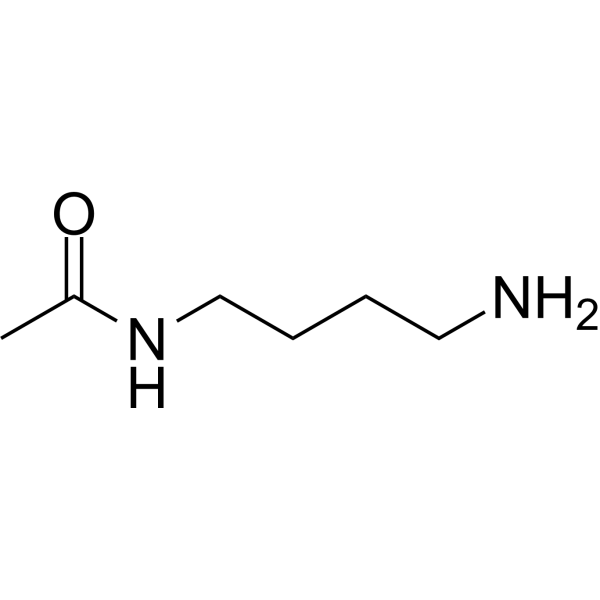
    N-Acetylputrescine is a polyamine metabolite that regulates cell proliferation and signal transduction mainly by participating in polyamine acetylation modification. N-Acetylputrescine may reduce the positive charge of polyamines, affect protein-nucleic acid interactions, and promote cell growth. The concentration changes of N-Acetylputrescine can help disease diagnosis (such as early screening and efficacy evaluation of lung cancer) and microbial cell wall structure research. N-Acetylputrescine can be used as a potential biomarker for the progression of squamous cell carcinoma of the lung (SCCL) and Parkinson's disease (PD) .
    N-Acetylputrescine
  • HY-B1777AS

    Isotope-Labeled Compounds Endogenous Metabolite Reactive Oxygen Species (ROS) Bacterial DNA/RNA Synthesis Metabolic Disease
    Spermine-d8 (tetrahydrochloride) is the deuterium labeled Spermine tetrahydrochloride. Spermine tetrahydrochloride is a polyamine nitric oxide donor that can provide nitric oxide to platelets and inhibit platelet activation to a certain extent concentration-dependently. Spermine tetrahydrochloride occurs in mammalian tissues, plants, bacteria, ribosomes and bacteriophage. Spermine tetrahydrochloride inhibits primary human embryo lung fibroblasts in vitro. Spermine is a natural antioxidant and anti-inflammatory agent. Spermine is known to inhibit some bacterial cultures, especially strains of Staphylococcus aureus. Spermine induces neurotoxicity in the striarum dose-dependently. Spermine can reversibly inhibits DNA synthetic response, mixed lymphocyte response and the induction of cytolytic lymphocyte response in primary cultures of murine spleen cells .
    Spermine-d8 tetrahydrochloride
  • HY-106634
    Mitoguazone
    5 Publications Verification

    Methylglyoxal-bis(guanylhydrazone); MGBG; Methyl-GAG

    HIV Apoptosis Infection Cancer
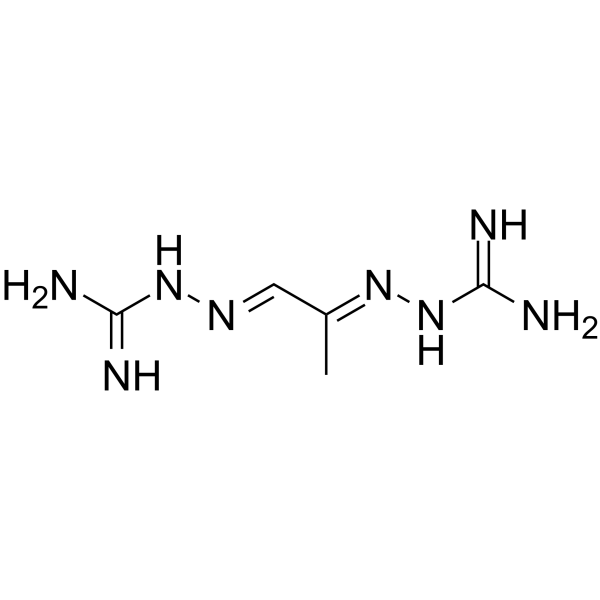
    Mitoguazone (Methylglyoxal-bis(guanylhydrazone)) is a synthetic polycarbonyl derivative with potent antineoplastic activity. Mitoguazone is a brain-penetrant and competitive S-adenosyl-methionine decarboxylase (SAMDC) inhibitor that disrupts polyamine biosynthesis. Mitoguazone induces cell apoptosis. Mitoguazone inhibits HIV DNA integration into the cellular DNA in both monocytes and macrophages. Mitoguazone has the potential for acute leukemia, Hodgkin's and non-Hodgkin's lymphoma treatment .
    Mitoguazone
  • HY-B1777A
    Spermine tetrahydrochloride
    5+ Cited Publications

    Endogenous Metabolite Bacterial Reactive Oxygen Species (ROS) DNA/RNA Synthesis Infection Neurological Disease Inflammation/Immunology
    Spermine tetrahydrochloride is a polyamine nitric oxide donor that can provide nitric oxide to platelets and inhibit platelet activation to a certain extent concentration-dependently. Spermine tetrahydrochloride occurs in mammalian tissues, plants, bacteria, ribosomes and bacteriophage. Spermine tetrahydrochloride inhibits primary human embryo lung fibroblasts in vitro. Spermine is a natural antioxidant and anti-inflammatory agent. Spermine is known to inhibit some bacterial cultures, especially strains of Staphylococcus aureus. Spermine induces neurotoxicity in the striarum dose-dependently. Spermine can reversibly inhibits DNA synthetic response, mixed lymphocyte response and the induction of cytolytic lymphocyte response in primary cultures of murine spleen cells .
    Spermine tetrahydrochloride
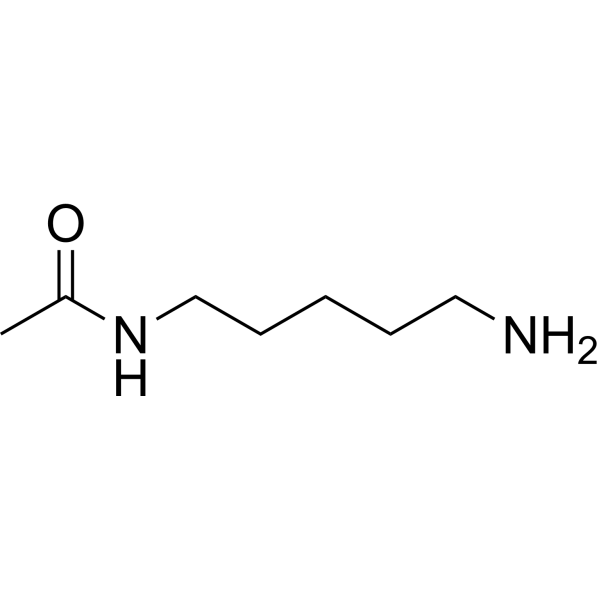
  • HY-101403

    Monoacetylcadaverine

    Endogenous Metabolite Cancer
    N-(5-Aminopentyl)acetamide is the acetylated form of the polyamine cadaverine.
    N-(5-Aminopentyl)acetamide
  • HY-13610A

    Diethylnorspermine tetrahydrochloride; DENSPM tetrahydrochloride; BENSPM tetrahydrochloride

    Caspase mTOR Cancer
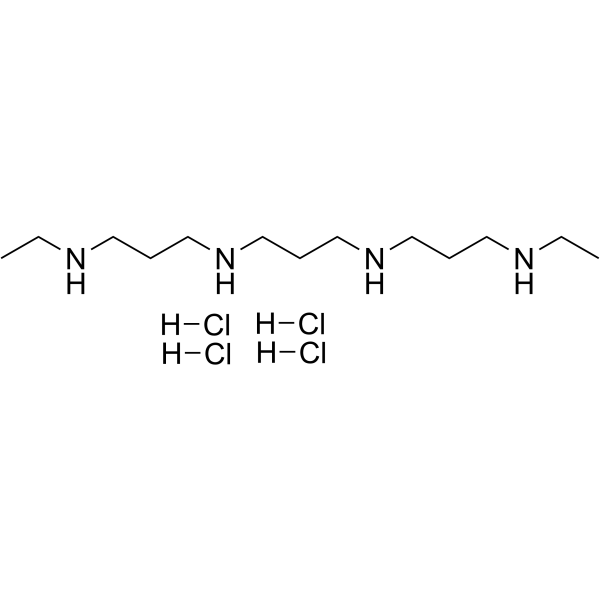
    N1, N11-Diethylnorspermine tetrahydrochloride (DENSPM tetrahydrochloride) is a potent anticancer agent. N1,N11-Diethylnorspermine tetrahydrochloride activates polyamine catabolism and downregulates mTOR protein. N1,N11-Diethylnorspermine tetrahydrochloride induces the release of cytochrome c from mitochondria, resulting in activation of caspase 3. N1,N11-Diethylnorspermine tetrahydrochloride kills glioblastoma multiforme (GBM) through induction of SSAT (spermidine/spermine N1-acetyltransferase) coupled with H2O2 production .
    N1,N11-Diethylnorspermine tetrahydrochloride
  • HY-D0183
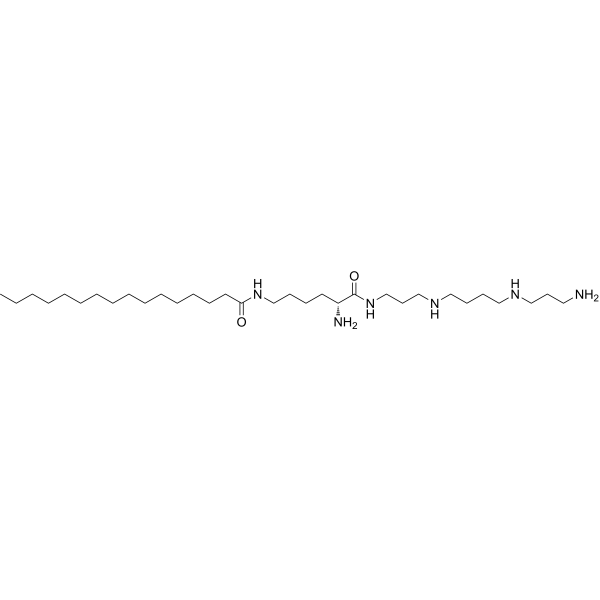
    ATP-polyamine-biotin
    3 Publications Verification

    Biochemical Assay Reagents Others
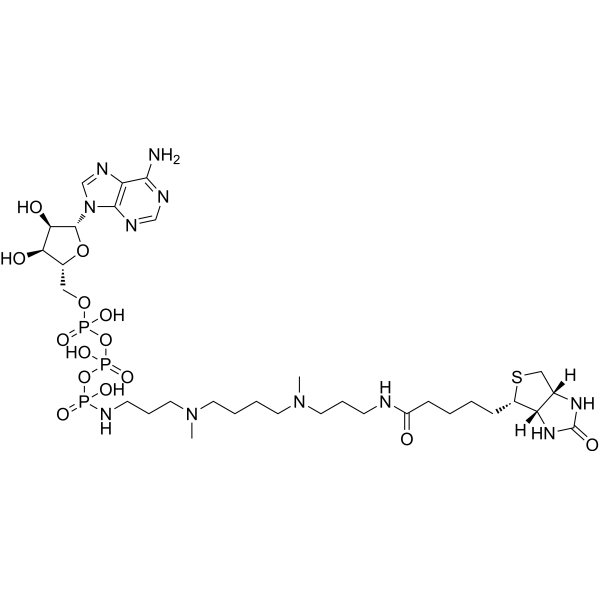
    ATP-polyamine-biotin, the first cell-permeable ATP analogue, is an efficient kinase cosubstrate. ATP-polyamine-biotin promotes biotin labeling of kinase substrates in live cells .
    ATP-polyamine-biotin
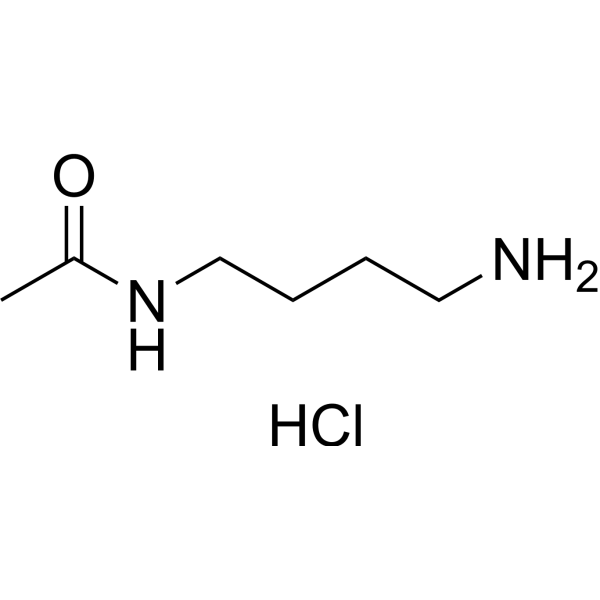
  • HY-113100
    N-Acetylputrescine hydrochloride
    1 Publications Verification

    Endogenous Metabolite Neurological Disease Cancer
    N-Acetylputrescine hydrochloride is a polyamine metabolite that regulates cell proliferation and signal transduction mainly by participating in polyamine acetylation modification. N-Acetylputrescine hydrochloride may reduce the positive charge of polyamines, affect protein-nucleic acid interactions, and promote cell growth. The concentration changes of N-Acetylputrescine hydrochloride can help disease diagnosis (such as early screening and efficacy evaluation of lung cancer) and microbial cell wall structure research. N-Acetylputrescine hydrochloride can be used as a potential biomarker for the progression of squamous cell carcinoma of the lung (SCCL) and Parkinson's disease (PD) .
    N-Acetylputrescine hydrochloride
  • HY-N0455R

    Reference Standards NO Synthase Endogenous Metabolite Cardiovascular Disease Cancer
    L-Arginine (Standard) is the analytical standard of L-Arginine. This product is intended for research and analytical applications. L-Arginine ((S)-(+)-Arginine) is the substrate for the endothelial nitric oxide synthase (eNOS) to generate NO. L-Arginine is transported into vascular smooth muscle cells by the cationic amino acid transporter family of proteins where it is metabolized to nitric oxide (NO), polyamines, or L-proline. L-Arginine is a potent vasodilator, and can be used to induce experimental acute pancreatitis .
    L-Arginine (Standard)
  • HY-N0067R
    γ-Aminobutyric acid (Standard)
    5 Publications Verification

    4-Aminobutyric acid (Standard)

    Endogenous Metabolite GABA Receptor Reference Standards Neurological Disease
    γ-Aminobutyric acid (Standard) is the analytical standard of γ-Aminobutyric acid. This product is intended for research and analytical applications. γ-Aminobutyric acid (4-Aminobutyric acid) is a major inhibitory neurotransmitter in the adult mammalian brain, binding to the ionotropic GABA receptors (GABAA receptors) and metabotropic receptors (GABAB receptors. γ-Aminobutyric acid shows calming effect by blocking specific signals of central nervous system .
    γ-Aminobutyric acid (Standard)
  • HY-16395

    CGC-11047

    Others Cancer
    PG-11047 (CGC-11047) is a polyamine analogue. PG-11047 can be used for the research of breast cancer .
    PG-11047
  • HY-129912

    Endogenous Metabolite Cancer
    N1,N8-Diacetylspermidine is a polyamines in the human urine . N1,N8-Diacetylspermidine is useful as prognostic indicators after treatment and during follow-up examination of cancer patients .
    N1,N8-Diacetylspermidine
  • HY-Q36392
    JNJ-9350
    2 Publications Verification

    Histone Demethylase Cancer
    JNJ-9350, a chemical probe, is an inhibitor of spermine oxidase (SMOX) with an IC50 value of 0.01 μM. JNJ-9350 also inhibits polyamine oxidase (PAO) with an IC50 value of 0.79 μM. JNJ-9350 can be used for the research of cancer .
    JNJ-9350
  • HY-129476

    Parasite Endogenous Metabolite Infection Cancer
    L-Canaline is a nonprotein amino acid stored in many leguminous plants. L-Canaline is a cytotoxic metabolite catalyzed by L-canavanine and its arginase. L-Canaline is a potent and irreversible inhibitor of ornithine aminotransferase. L-Canaline inhibits the growth of the malaria parasite Plasmodium falciparum with an IC50 of 297 nM. L-Canaline has anticancer and antiproliferative effects .
    L-Canaline
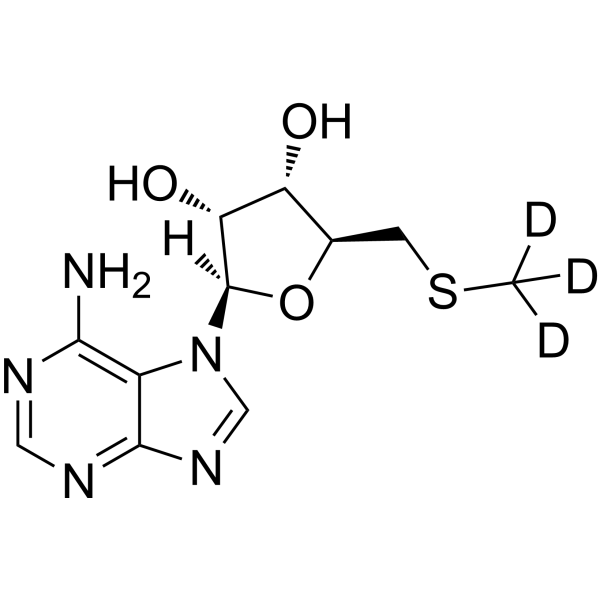
  • HY-16938S1
    5'-Methylthioadenosine-d3
    1 Publications Verification

    5'-(Methylthio)-5'-deoxyadenosine-d3; 5'-Deoxy-5'-(methylthio)adenosine-d3; 5'-S-Methyl-5'-thioadenosine-d3

    Apoptosis Parasite Endogenous Metabolite Inflammation/Immunology
    5'-Methylthioadenosine-d3 is the deuterium labeled 5'-Methylthioadenosine . 5'-Methylthioadenosine (5'-(Methylthio)-5'-deoxyadenosine) is a nucleoside generated from S-adenosylmethionine (SAM) during polyamine synthesis. 5'-Methylthioadenosine suppresses tumors by inhibiting tumor cell proliferation, invasion, and the induction of apoptosis while controlling the inflammatory micro-environments of tumor tissue. 5'-Methylthioadenosine and its associated materials have striking regulatory effects on tumorigenesis .
    5'-Methylthioadenosine-d3
  • HY-132822

    SBP-101

    Drug Derivative Cancer
    Ivospemin (SBP-101) is an antineoplastic spermine analog. Ivospemin has shown efficacy in slowing pancreatic and ovarian tumor progression in vitro and in vivo. Ivospemin shows modest induction of polyamine catabolism, but stronger repression of ornithine decarboxylase activity. Ivospemin is promising for research of cancers .
    Ivospemin
  • HY-160791

    Phosphatase Infection Cancer
    Claramine is a steroid polyamine with blood-brain barrier permeability. Claramine can regulate the properties of lipid membranes and protect cells from various biological toxins, including misfolded protein oligomers and biological protein-based toxins .
    Claramine
  • HY-D0862

    Biochemical Assay Reagents Others
    DIDNTB is a dye. DIDNTB exhibits chemical sensitivity and specificity toward albumin. DIDNTB is much less affected by other proteins. DIDNTB enables the detection of urinary albumin at concentrations ≥10 mg/L .\n
    DIDNTB
  • HY-151115

    Smo Inflammation/Immunology Cancer
    JNJ-1289 is a potent, selective, competitive and allosteric human spermine oxidase (hSMOX) inhibitor (IC50: 50 nM). JNJ-1289 can be used in the research of polyamine catabolism, inflammation and cancers .
    JNJ-1289
  • HY-106031

    Topoisomerase DNA/RNA Synthesis Cancer
    F-14512 is an anticancer agent that utilizes the polyamine transport system (PTS) to selectively deliver polyamine-containing drugs to cancer cells. F-14512 enhances the affinity of polyamines for DNA, thereby inhibiting topoisomerase II and achieving selective cellular uptake. F-14512 exhibits significant cytotoxicity against cells with high PTS activity and induces DNA damage. F-14512 demonstrates potent antitumor activity in the MX1 breast tumor xenograft model. F-14512 can be used to study breast cancer .
    F-14512
  • HY-P2758

    DAO

    Biochemical Assay Reagents Metabolic Disease Inflammation/Immunology Cancer
    Diamine oxidase (DAO) is an orally active enzyme. Diamine oxidase catalyzes oxidative deamination of various polyamines. Diamine oxidase degrades histamine and polyamines to maintain the metabolic balance of amines in the body. Diamine oxidase is a key regulatory enzyme in rapidly proliferating tissues such as bone marrow and intestinal mucosa. Diamine oxidase can be used in research related to intestinal diseases, small bowel transplant rejection, histamine intolerance, and other conditions .
    Diamine oxidase
  • HY-16394

    CGC-11047 tetrahydrochloride

    Drug Derivative Cancer
    PG-11047 (CGC-11047), a polyamine analogue, is a nonfunctional competitor of the natural polyamine spermine. PG-11047 has broad spectrum anticancer activities .
    PG-11047 tetrahydrochloride
  • HY-D1478

    Fluorescent Dye Others
    Fluorescent polyamine probe-1 (compound 15) is a linear polyamine probe with high uptake efficiency. Fluorescent polyamine probe-1 can be used for the research of transport system into cancer cells .
    Fluorescent polyamine probe-1
  • HY-160791A

    Phosphatase Infection Cancer
    Claramine TFA is a steroidal polyamine. Claramine TFA can regulate the properties of lipid membranes and protect cells from various biological toxins, including misfolded protein oligomers and toxins derived from biological proteins .
    Claramine TFA
  • HY-129912A

    Endogenous Metabolite Cancer
    N1,N8-Diacetylspermidine hydrochloride is a polyamines in the human urine . N1,N8-Diacetylspermidine hydrochloride is useful as prognostic indicators after treatment and during follow-up examination of cancer patients .
    N1,N8-Diacetylspermidine hydrochloride
  • HY-W654139

    Isotope-Labeled Compounds Endogenous Metabolite Parasite Apoptosis Metabolic Disease
    5'-Deoxy-5'-(methylthio)adenosine-d3 is deuterium labeled 5'-Methylthioadenosine. 5'-Methylthioadenosine (5'-(Methylthio)-5'-deoxyadenosine) is a nucleoside generated from S-adenosylmethionine (SAM) during polyamine synthesis . 5'-Methylthioadenosine suppresses tumors by inhibiting tumor cell proliferation, invasion, and the induction of apoptosis while controlling the inflammatory micro-environments of tumor tissue. 5'-Methylthioadenosine and its associated materials have striking regulatory effects on tumorigenesis.
    5'-Deoxy-5'-(methylthio)adenosine-d3
  • HY-N7436

    Glutathione S-transferase Cancer
    Methyl propyl disulfide is an orally administrable volatile sulfide present in onions. Methyl propyl disulfide reduces the activity of spermine N'1-acetyltransferase (SAT), inhibits cell proliferation, and decreases the induction of placental glutathione S-transferase (GST-P)-positive hepatocyte foci in rat livers. Methyl propyl disulfide can be used in studies related to the mechanism of hepatocarcinogenesis .
    Methyl propyl disulfide
  • HY-160791B

    Phosphatase Infection Cancer
    Claramine hydrochloride is a steroid polyamine with blood-brain barrier permeability. Claramine hydrochloride can regulate the properties of lipid membranes and protect cells from various biological toxins, including misfolded protein oligomers and biological protein-based toxins .
    Claramine hydrochloride
  • HY-151884

    c-Myc Cancer
    FUBP1-IN-2 (compound 9) is a potent FUBP1 (far upstream binding protein 1) inhibitor. FUBP1-IN-2 inhibits the KH4 FUBP1-FUSE interaction in a gel shift assay. FUBP1-IN-2 binds to FUBP1 in a ChIP assay. FUBP1-IN-2 reduces both c-Myc mRNA and protein expression, increases p21 mRNA and protein expression, and depletes intracellular polyamines .
    FUBP1-IN-2
  • HY-126171

    Endogenous Metabolite Others
    Hypusine is a natural amino acid. The post-translational synthesis of hypusine is mainly catalyzed by deoxyhypusine synthase (DHPS) and deoxyhypusine hydroxylase (DOHH) .
    Hypusine
  • HY-B2007

    Environmental Pollutants Acetyl-CoA Carboxylase Herbicide Metabolic Disease Inflammation/Immunology
    Fluazifop-P-butyl is an orally active herbicide and ACCase inhibitor. Fluazifop-P-butyl blocks the formation of malonyl-CoA, disrupts lipid synthesis in sensitive plants, and exhibits concentration-dependent phytotoxicity to non-target maize seedlings. Fluazifop-P-butyl induces oxidative stress in male Wistar rats, impairs their liver and kidney functions, and disrupts testicular function .
    Fluazifop-P-butyl
  • HY-124343

    DEHSPM

    Drug Derivative Cancer
    Diethylhomospermine is a polyamine analogue. Diethylhomospermine has antitumor and antidiarrheal activity .
    Diethylhomospermine
  • HY-W099540

    Bacterial Infection
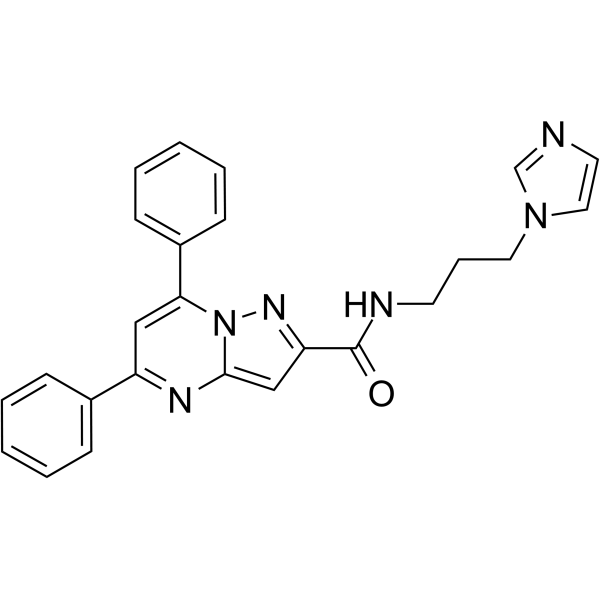
    OES2-0017 shows potent synergy with polyamines and growth-inhibitory effects at the low micromolar range. OES2-0017 inhibits spermine/spermidine acetyltransferase (SpeG) (IC50: 34.82 μM ) and other polyamine detoxification enzymes in low concentrations, perturbed the bacterial membrane in higher concentrations .
    OES2-0017
  • HY-101403R

    Monoacetylcadaverine (Standard)

    Reference Standards Endogenous Metabolite Cancer
    N-(5-Aminopentyl)acetamide (Standard) is the analytical standard of N-(5-Aminopentyl)acetamide. This product is intended for research and analytical applications. N-(5-Aminopentyl)acetamide is the acetylated form of the polyamine cadaverine.
    N-(5-Aminopentyl)acetamide (Standard)
  • HY-146413

    CXCR HIV Infection Cancer
    HF50731 (compound 21) is a potent CXCR4 antagonist. HF50731 shows strong CXCR4 binding affinity, with IC50 of 19.8 nM. HF50731 effectively inhibits calcium mobilization, cell migration, and HIV-1 infection via CXCR4 coreceptor, with IC50 values of 119.2 nM, 621.4 nM and 1.5 μM .
    HF50731
  • HY-16938S

    5'-(Methylthio)-5'-deoxyadenosine-13C6; 5'-Deoxy-5'-(methylthio)adenosine-13C6; 5'-S-Methyl-5'-thioadenosine-13C6

    Endogenous Metabolite Apoptosis Metabolic Disease Cancer
    5'-Methylthioadenosine- 13C6 is the 13C-labeled 5'-Methylthioadenosine. 5'-Methylthioadenosine (5'-(Methylthio)-5'-deoxyadenosine) is a nucleoside generated from S-adenosylmethionine (SAM) during polyamine synthesis . 5'-Methylthioadenosine suppresses tumors by inhibiting tumor cell proliferation, invasion, and the induction of apoptosis while controlling the inflammatory micro-environments of tumor tissue. 5'-Methylthioadenosine and its associated materials have striking regulatory effects on tumorigenesis .
    5'-Methylthioadenosine-13C6
  • HY-113056AR

    Endogenous Metabolite Apoptosis Reference Standards Cancer
    N1-Acetylspermidine (hydrochloride) (Standard) is the analytical standard of N1-Acetylspermidine (hydrochloride). This product is intended for research and analytical applications. N1-Acetylspermidine hydrochloride is an acetyl derivative of polyamines and a substrate for polyamine oxidase (PAO). N1-Acetylspermidine hydrochloride can promote Apoptosis in combination with Procyanidins. N1-Acetylspermidine hydrochloride has a certain cleavage efficiency at apurinic sites of DNA. N1-Acetylspermidine hydrochloride can be used in colorectal cancer research .
    N1-Acetylspermidine hydrochloride (Standard)
  • HY-171115

    GPR84 Aldose Reductase Metabolic Disease
    Pyrone-211 is a potent GPR84 agonist and AKR1C3 inhibitor. Pyrone-211 participates in an expanded polyamine pathway .
    Pyrone-211
  • HY-W010252

    Calcium Channel Bacterial Infection
    N-Benzylethylenediamine is a polyamine compound. N-Benzylethylenediamine can effectively release Ca 2+ from the outer membrane of Escherichia coli (ED50: 200-500 μM), but cannot induce TPP + uptake .
    N-Benzylethylenediamine

Inquiry Online

Your information is safe with us. * Required Fields.

Salutation


Country or Region *

Applicant Name *


Organization Name *

Department *


Email Address *


Product Name *

Cat. No.


Requested quantity *

Phone Number *


Remarks

Inquiry Online

Inquiry Information

Product Name:
Cat. No.:
Quantity:
MCE Japan Authorized Agent:

