



1. Search Result
Search Result
Results for "

Protein stability

" in MedChemExpress (MCE) Product Catalog:

195

Inhibitors & Agonists

6

Screening Libraries

36

Fluorescent Dye

45

Biochemical Assay Reagents

8

Peptides

4

MCE Kits

7

Natural
Products

3

Isotope-Labeled Compounds

8

Click Chemistry

4

Oligonucleotides

Cat. No. Product Name Target Research Areas Chemical Structure
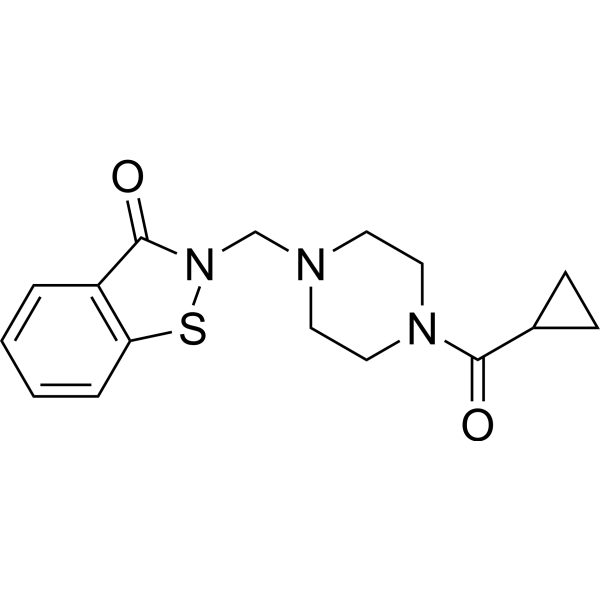
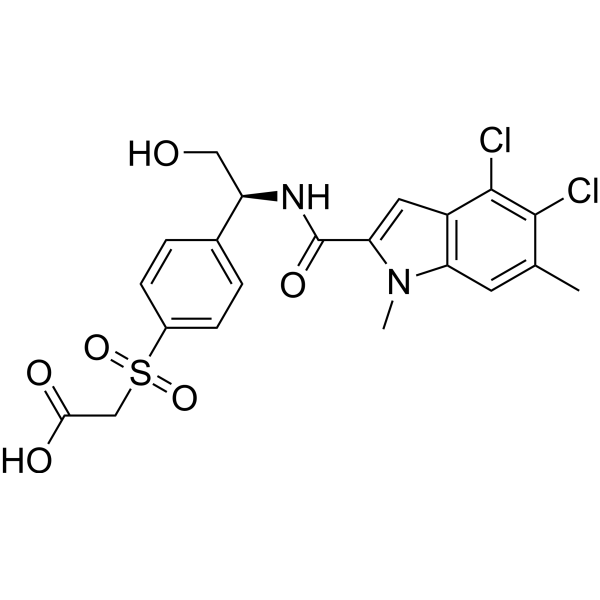
  • HY-100432
    LOC14
    4 Publications Verification

    PDI Neurological Disease Inflammation/Immunology
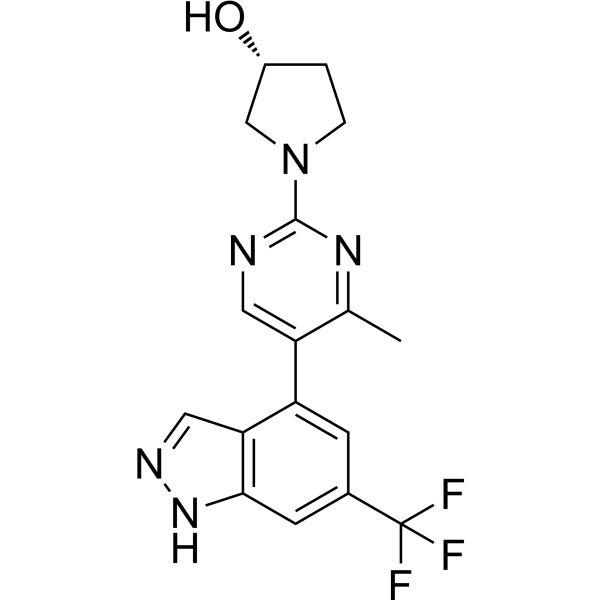
    LOC14 is a potent Protein disulfide isomerase (PDI) inhibitor with EC50 and Kd values of 500 nM and 62 nM, respectively. LOC14 exhibits high stability in mouse liver microsomes and blood plasma, low intrinsic microsome clearance, and low plasma-protein binding . LOC14 inhibits PDIA3 activity, decreases intramolecular disulfide bonds and subsequent oligomerization (maturation) of HA in lung epithelial cells .
    LOC14
  • HY-143202

    Liposome Biochemical Assay Reagents Others
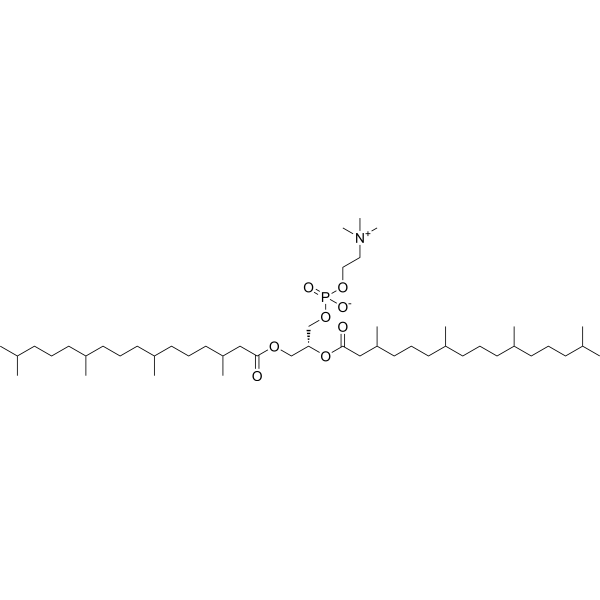
    DPhPC is a phospholipid compound characterized by high mechanical and chemical stability, broad temperature phase stability, and high electrical resistance. DPhPC readily forms unilamellar vesicles and solid-supported bilayers. DPhPC is commonly used as a component of nanoliposomal drug carriers or as a model membrane material for studies on membrane proteins/ion channels .
    DPhPC
  • HY-D2001

    Fluorescent Dye Others
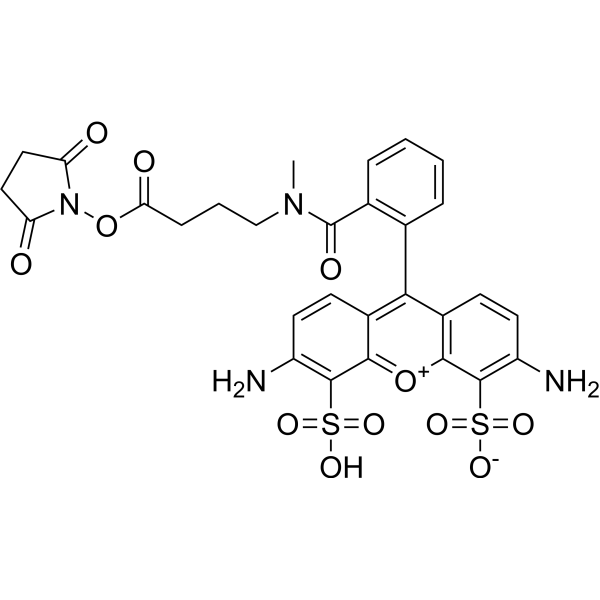
    ATTO 488 NHS ester is a new fluorescent marker based on the Rhodamine structure. It has strong absorption, high fluorescence quantum yield, high thermal stability and photochemical stability, and is suitable for single molecule detection and high-resolution microscopy. ATTO 488 NHS ester is an NHS ester derivative of ATTO 488 that can be used to label proteins or antibodies.
    ATTO 488 NHS ester
  • HY-P10152

    Biochemical Assay Reagents Infection
    INF7 is a derivative of the N-terminal domain of the HA2 protein and is sensitive to pH. INF7 disrupts the stability of endosomal membranes through a mechanism independent of membrane fusion. INF7 can be used to enhance the endosome escape of complex or liposome-encapsulated proteins. Co-encapsulation of INF7 and molecular imaging probes in liposomes can enhance intracellular signaling and probe retention .
    INF7
  • HY-153083

    mRNA SARS-CoV Infection
    COVID-19 Spike Protein mRNA (N1-Me-Pseudo UTP) is an mRNA encoding the SARS-CoV-2 spike protein with enhanced performance via chemical modification. COVID-19 Spike Protein mRNA (N1-Me-Pseudo UTP) replaces natural uridine (UTP) with N1-Me-Pseudo UTP, which effectively reduces immunogenicity and improves stability and translation efficiency. The 3' UTR of COVID-19 Spike Protein mRNA (N1-Me-Pseudo UTP) optimizes AU-rich elements through HuR anchor sites, exhibiting higher translation efficiency. COVID-19 Spike Protein mRNA is widely used in COVID-19-related scientific research and vaccine development .
    COVID-19 Spike Protein mRNA(N1-Me-Pseudo UTP)
  • HY-NP009

    Bacterial Infection Neurological Disease
    α-Lactalbumin is a globular whey protein that exists in milk. α-Lactalbumin binds Ca 2+, Mg 2+, Mn 2+, Na +, K + and Zn 2+ ions; among these, Ca 2+ binding enhances protein stability, while Zn 2+ binding reduces stability and induces aggregation. α-Lactalbumin forms amyloid fibrils, amorphous aggregates, nanoparticles and nanotubes depending on external conditions. α-Lactalbumin exhibits bactericidal and antiviral activities. α-Lactalbumin has anxiolytic and antidepressant activities, and its effects are enhanced under stress conditions .
    α-Lactalbumin
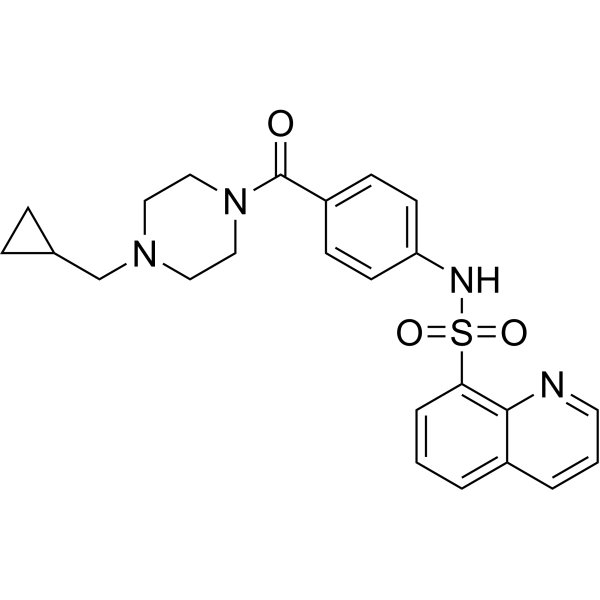
  • HY-126254
    BI-4924
    1 Publications Verification

    Phosphoglycerate Dehydrogenase (PHGDH) Cancer
    BI-4924 is a lipophilic, highly plasma protein bound selective phosphoglycerate dehydrogenase (PHGDH) inhibitor (IC50=3 nM) with excellent microsomal, as well as hepatocytic stability. Intracellular trapping of BI-4924 disrupts serine biosynthesis with an IC50 of 2200 nM at 72 h .
    BI-4924
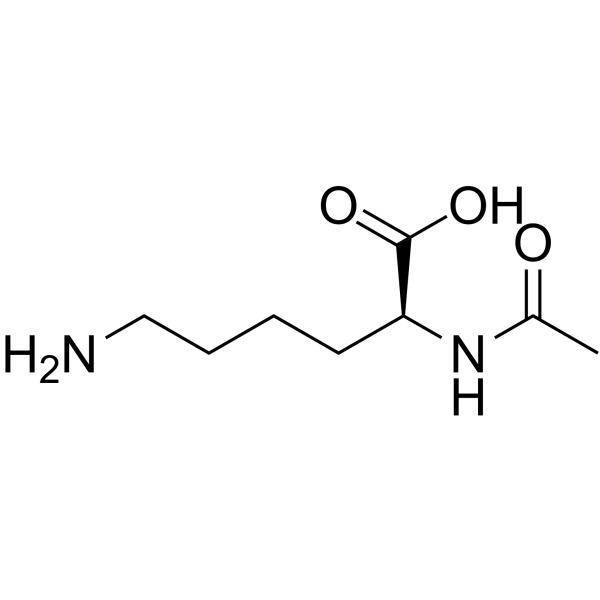
  • HY-W048838
    Acetyl-L-lysine
    1 Publications Verification

    Endogenous Metabolite Metabolic Disease
    Acetyl-L-lysine is an acetylated form of the amino acid L-lysine. Acetyl-L-lysine can participate in protein acylation processes, affecting protein functions such as stability and enzyme activity .
    Acetyl-L-lysine
  • HY-Y0537B

    Environmental Pollutants Biochemical Assay Reagents Mitochondrial Metabolism Metabolic Disease
    Potassium chloride, for molecular biology is potassium chloride that can be used in molecular biology. Potassium chloride, for molecular biology affects the stability of biological membranes by disrupting the electrostatic interactions between proteins and lipids. Potassium chloride, for molecular biology affects the solubility of myofibrillar proteins and the integrity of mitochondria. Potassium chloride, for molecular biology is commonly used in homogenization buffers and protein extraction procedures .
    Potassium chloride, for molecular biology
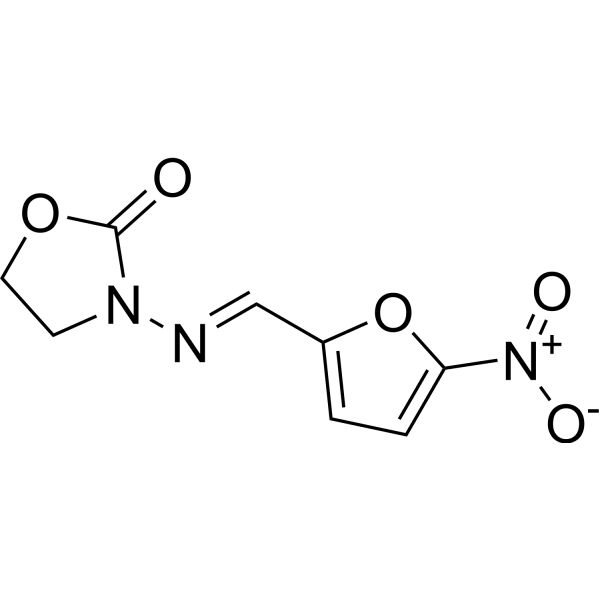
  • HY-B1336
    Furazolidone
    3 Publications Verification

    Environmental Pollutants Antibiotic Bacterial Apoptosis Parasite Infection Cancer
    Furazolidone is a monoamine oxidase (MAO) inhibitor with antiproliferative, apoptosis-inducing and differentiation-promoting activities. Furazolidone may inhibit leukemia fusion protein-mediated bone marrow transformation by upregulating the stability of the tumor suppressor protein p53. Furazolidone exhibits anti-leukemic activity in acute myeloid leukemia (AML) cell lines and can be used for anti-AML research [2].
    Furazolidone
  • HY-124828
    CMLD-2
    2 Publications Verification

    HuR Cancer
    CMLD-2, an inhibitor of HuR-ARE interaction, competitively binds HuR protein disrupting its interaction with adenine-uridine rich elements (ARE)-containing mRNAs (Ki=350 nM). CMLD-2 induces apoptosis exhibits antitumor activity in different cancer cells as colon, pancreatic, thyroid and lung cancer cell lines. Hu antigen R (HuR) is an RNA binding protein, can regulate target mRNAs stability and translation .
    CMLD-2
  • HY-W451406C

    PROTAC Linkers Others
    NH2-PEG2000-NH2 is a polyethylene glycol derivative containing two primary amine groups. The amino group can react quickly with activated carboxylic acid or carboxyl groups such as NHS esters to form stable amide bonds. The PEGylation of NH2-PEG-NH2 can increase solubility and stability, and reduce the immunogenicity of peptides and proteins, so it is mostly used to modify proteins, peptides and other substances.
    NH2-PEG2000-NH2
  • HY-138192

    OGNG

    Biochemical Assay Reagents Others
    Octyl glucose neopentyl glycol (OGNG) is a neopentyl glycol detergent that can be used to maintain the stability of membrane proteins .
    Octyl glucose neopentyl glycol
  • HY-D2001A

    Fluorescent Dye Others
    TTO 488 NHS ester TEA is a new fluorescent marker based on the Rhodamine structure. It has strong absorption, high fluorescence quantum yield, high thermal stability and photochemical stability, and is suitable for single molecule detection and high-resolution microscopy. TTO 488 NHS ester TEA is an NHS ester derivative of ATTO 488 that can be used to label proteins or antibodies.
    ATTO 488 NHS ester TEA
  • HY-124713

    DNA/RNA Synthesis Neurological Disease
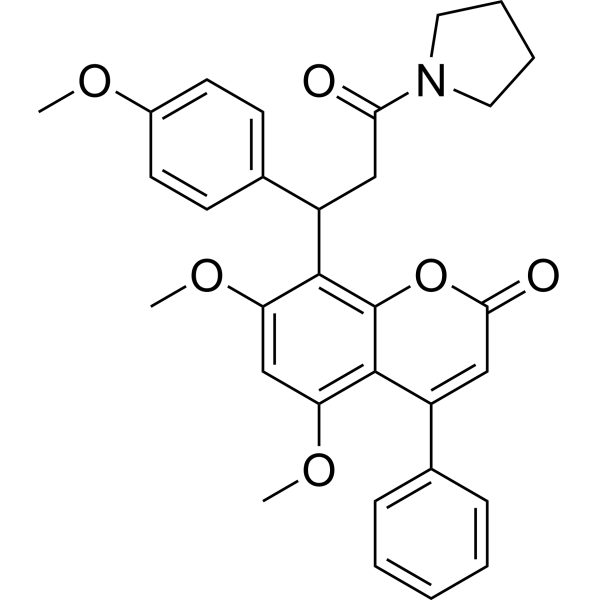
    ML372 inhibits survival motor neuron (SMN) protein ubiquitination, increases SMN protein stability without affecting mRNA expression. ML372 improves spinal muscular atrophy (SMA) in mice. ML372 is brain penetrant and has a reasonable exposure and half-life in vivo .
    ML372
  • HY-D1305

    Fluorescent Dye Others
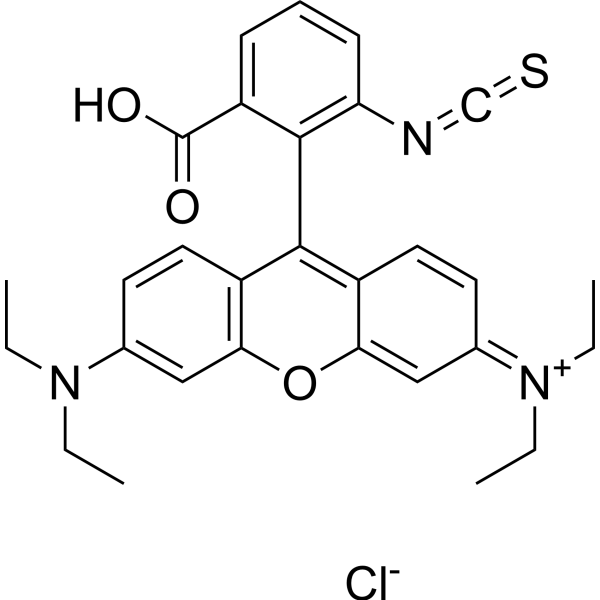
    ATTO 488 carboxylic acid is a new fluorescent label based on the Rhodamine structure. It has strong absorption, high fluorescence quantum yield, high thermal stability and photochemical stability, and is suitable for single molecule detection and high-resolution microscopy. ATTO 488 carboxylic acid is a carboxylic acid derivative of ATTO 488, which can be used to label proteins or antibodies.
    ATTO 488 carboxylic acid
  • HY-124512

    Pentaacetylquercetin

    RSV Infection Inflammation/Immunology
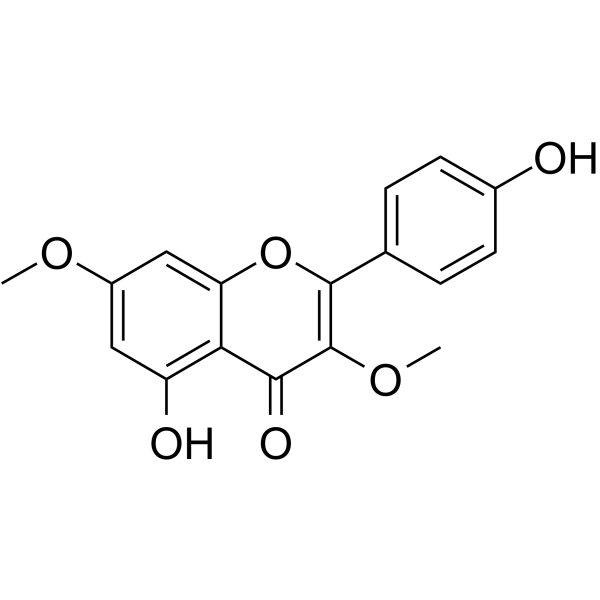
    Quercetin pentaacetate could interact with F-protein with lower binding energy and better stability to block viral adhesion. Quercetin pentaacetate interacts with RSV and inhibit the viral adhesion on cell surface .
    Quercetin pentaacetate
  • HY-W1049092

    Biochemical Assay Reagents Others
    mPEG2000-N3 can be used to modify proteins, peptides, and other materials. The azide group can react with alkynes in aqueous solution catalyzed by copper. It can also be easily reduced to an amine group. PEGylation can increase solubility and stability and reduce the immunogenicity of peptides and proteins. mPEG2000-N3 can also inhibit the nonspecific binding of charged molecules to the modified surface .
    mPEG2000-N3
  • HY-D2002

    Fluorescent Dye Others
    ATTO 488 maleimide is a new fluorescent marker based on the Rhodamine structure. It has strong absorption, high fluorescence quantum yield, high thermal stability and photochemical stability, and is suitable for single molecule detection and high-resolution microscopy. ATTO 488 maleimide is a maleimide derivative of ATTO 488, which can be used to label proteins or antibodies.
    ATTO 488 maleimide
  • HY-D1959

    Fluorescent Dye Others
    ATTO 565 NHS ester is a new fluorescent marker based on the Rhodamine structure. It has strong absorption, high fluorescence quantum yield, high thermal stability and photochemical stability, and is suitable for single molecule detection and high-resolution microscopy. ATTO 565 NHS ester is an NHS ester derivative of ATTO 565 that can be used to label proteins or antibodies.
    ATTO 565 NHS ester
  • HY-N0278

    Pulsatilla camphor; Anemonine; trans-Anemonin

    PKC NO Synthase Inflammation/Immunology
    Anemonin (Pulsatilla camphor), a selective iNOS inhibitor, is also a PKC-θ inhibitor. Anemonin can significantly inhibit the translation or protein stability of PKC-θ protein. Anemonin also ameliorates dextran sodium sulfate-induced acute ulcerative colitis (UC) in mice. Anemonin can be used in the research of inflammation-related diseases .
    Anemonin
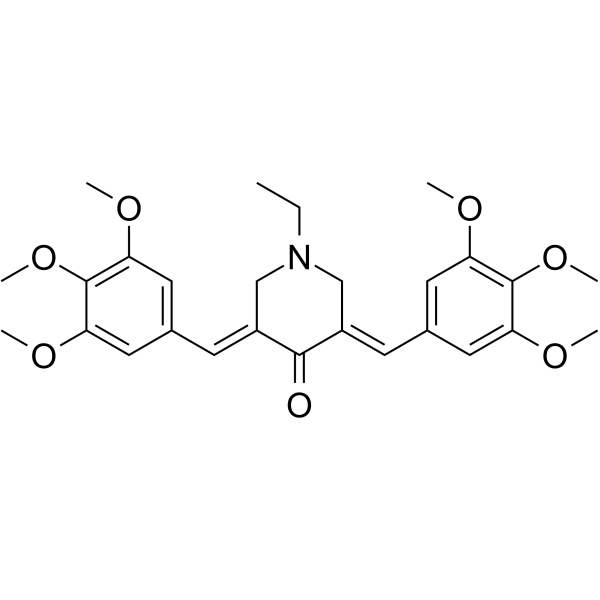
  • HY-146302
    14-3-3η Protein inhibitor 1
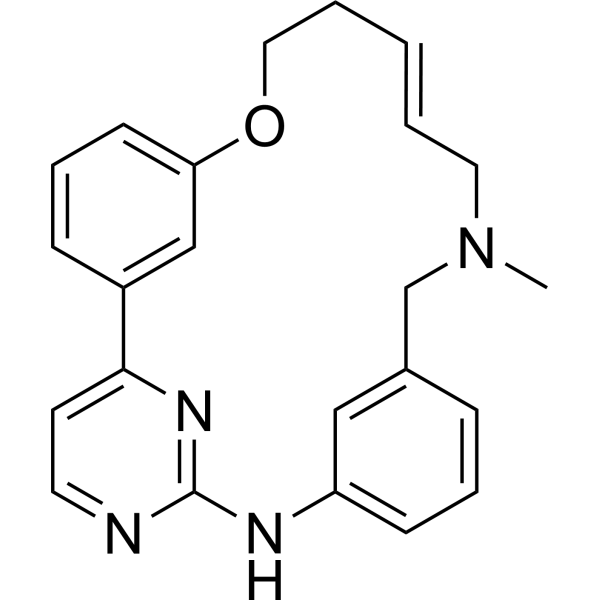
    2 Publications Verification

    Apoptosis Cancer
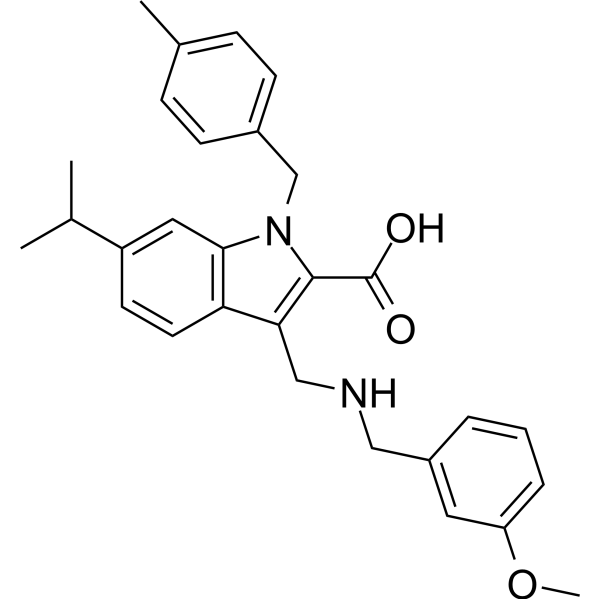
    14-3-3η Protein inhibitor 1 (Compound C11) is a 14-3-3η protein inhibitor with a KD of 35 µM. 14-3-3η Protein inhibitor 1 shows inhibitory activities against several typical human liver cancer cell lines. 14-3-3η Protein inhibitor 1 induces cell apoptosis and G1-S cell cycle arrest with good metabolic stability .
    14-3-3η Protein inhibitor 1
  • HY-N0278A

    (Rac)-Pulsatilla camphor; (Rac)-Anemonine

    PKC NO Synthase Inflammation/Immunology
    (Rac)-Anemonin ((Rac)-Pulsatilla camphor) is the diastereoisomer of Anemonin (HY-N0278). Anemonin (Pulsatilla camphor), a selective iNOS inhibitor, is also a PKC-θ inhibitor. Anemonin can significantly inhibit the translation or protein stability of PKC-θ protein. Anemonin also ameliorates dextran sodium sulfate-induced acute ulcerative colitis (UC) in mice. Anemonin can be used in the research of inflammation-related diseases .
    (Rac)-Anemonin
  • HY-W145523

    Viscarin SD 309

    Biochemical Assay Reagents Others
    ι-Carrageenan (Viscarin SD 309) is a biochemical reagent. ι-Carrageenan can be isolated from Eucheuma serra or red algae H. musciformis and S. filiformis. ι-Carrageenan has potential application in protein emulsion flocculation and stability .
    ι-Carrageenan
  • HY-146268

    CaMK Neurological Disease
    CaMKIIα-IN-1 (Compound 4d) is an orally active Ca 2+/calmodulin-dependent protein kinase II α (CaMKIIα) inhibitor with a KD of 219 nM for CaMKIIα WT hub. CaMKIIα-IN-1 has good metabolic stability .
    CaMKIIα-IN-1
  • HY-153524

    Fluorescent Dye Others
    ATTO 425 NHS ester is a new fluorescent marker based on the Rhodamine structure. It has strong absorption, high fluorescence quantum yield, high thermal stability and photochemical stability, and is suitable for single molecule detection and high-resolution microscopy. ATTO 425 NHS ester is an NHS ester derivative of ATTO 425 that can be used to label proteins or antibodies.
    ATTO 425 NHS ester
  • HY-177767

    Biochemical Assay Reagents Others
    EY-CBS is a synthetic and rigid cross linker. EY-CBS reacts selectively with cysteines in a-helices, to stabilize the connecting helix. EY-CBS can be used for the study of the structural stability of protein polypeptides .
    EY-CBS
  • HY-D2444

    Fluorescent Dye Cancer
    AF555 NHS is a red fluorescent dye with excellent fluorescence properties and light stability. The excitation wavelength is 556 nm and the emission wavelength is 571 nm, which can be used for protein labeling, antibody labeling, and cell imaging .
    AF555 NHS
  • HY-137108

    PKA PKG Neurological Disease
    Sp-8-pCPT-cGMPS is a potent cyclic guanosine monophosphate-gated channel agonist and a lipophilic activator of protein kinase G (types I α, I β, and II) and protein kinase A type II with excellent cell membrane permeability and phosphodiesterase stability. Sp-8-pCPT-cGMPS can be used to study the role of cGMP in neural plasticity and synaptic transmission .
    Sp-8-pCPT-cGMPS
  • HY-157618

    Bacterial Others
    18:0-18:1 PG sodium is a hydrogenated phospholipid that contributes to the stability of photosystem I and II protein complexes and plays a role in bacterial defense mechanisms, featuring two extra methylene groups in its saturated sn-1 chain, and is present in the thylakoid membranes of higher plants and cyanobacteria.
    18:0-18:1 PG sodium
  • HY-404548

    Biochemical Assay Reagents Others
    Sulfo-TAG TFP ester disodium is a tetrafluorophenyl (TFP) ester that can be coupled to proteins via primary amine groups. Sulfo-TAG TFP ester disodium is more hydrophobic than NHS esters and exhibits higher hydrolytic stability in aqueous solutions. Sulfo-TAG TFP ester disodium can be used for antibody labeling.
    Sulfo-TAG TFP ester disodium
  • HY-177076

    Bcl-2 Family Cancer
    Dalvotoclax (Example 8) is a selective inhibitor of BCL-2. Dalvotoclax has good liver microsomal stability. Dalvotoclax inhibits the activity of anti-apoptotic BCL-2 protein and anti-apoptotic BCL-XL protein. Dalvotoclax can be studied in research for B cell leukemia .
    Dalvotoclax
  • HY-D1957

    Fluorescent Dye Others
    ATTO 633 NHS ester is a new fluorescent marker based on the Rhodamine structure. It has strong absorption, high fluorescence quantum yield, high thermal stability and photochemical stability, and is suitable for single molecule detection and high-resolution microscopy. ATTO 633 NHS ester is an NHS ester derivative of ATTO 633 that can be used to label proteins or antibodies.
    ATTO 633 NHS ester
  • HY-D2019

    Fluorescent Dye Others
    ATTO 550 NHS ester is a new fluorescent marker based on the Rhodamine structure. It has strong absorption, high fluorescence quantum yield, high thermal stability and photochemical stability, and is suitable for single molecule detection and high-resolution microscopy. ATTO 550 NHS ester is an NHS ester derivative of ATTO 550 that can be used to label proteins or antibodies.
    ATTO 550 NHS ester
  • HY-D2073

    Fluorescent Dye Others
    ATTO 680 NHS ester is a new fluorescent marker based on the Rhodamine structure. It has strong absorption, high fluorescence quantum yield, high thermal stability and photochemical stability, and is suitable for single molecule detection and high-resolution microscopy. ATTO 680 NHS ester is an NHS ester derivative of ATTO 680 that can be used to label proteins or antibodies.
    ATTO 680 NHS ester
  • HY-D2021

    Fluorescent Dye Others
    ATTO 550 maleimide is a new fluorescent marker based on the Rhodamine structure. It has strong absorption, high fluorescence quantum yield, high thermal stability and photochemical stability, and is suitable for single molecule detection and high-resolution microscopy. ATTO 550 maleimide is a maleimide derivative of ATTO 550, which can be used to label proteins or antibodies.
    ATTO 550 maleimide
  • HY-D2058

    Fluorescent Dye Others
    ATTO 700 NHS ester is a new fluorescent marker based on the Rhodamine structure. It has strong absorption, high fluorescence quantum yield, high thermal stability and photochemical stability, and is suitable for single molecule detection and high-resolution microscopy. ATTO 700 NHS ester is an NHS ester derivative of ATTO 700 that can be used to label proteins or antibodies.
    ATTO 700 NHS ester
  • HY-D2016

    Fluorescent Dye Others
    ATTO 565 cadaverine is a new fluorescent marker based on the Rhodamine structure. It has strong absorption, high fluorescence quantum yield, high thermal stability and photochemical stability, and is suitable for single molecule detection and high-resolution microscopy. ATTO 565 cadaverine is a cadaverine derivative of ATTO 565, which can be used to label proteins or antibodies.
    ATTO 565 cadaverine
  • HY-D2046

    Fluorescent Dye Others
    ATTO 532 NHS ester is a new fluorescent marker based on the Rhodamine structure. It has strong absorption, high fluorescence quantum yield, high thermal stability and photochemical stability, and is suitable for single molecule detection and high-resolution microscopy. ATTO 532 NHS ester is an NHS ester derivative of ATTO 532 that can be used to label proteins or antibodies.
    ATTO 532 NHS ester
  • HY-D1935

    Fluorescent Dye Others
    ATTO 465 NHS ester is a new fluorescent marker based on the Rhodamine structure. It has strong absorption, high fluorescence quantum yield, high thermal stability and photochemical stability, and is suitable for single molecule detection and high-resolution microscopy. ATTO 465 NHS ester is an NHS ester derivative of ATTO 465 that can be used to label proteins or antibodies.
    ATTO 465 NHS ester
  • HY-174359C

    Biochemical Assay Reagents Others
    Alkyne-PEG5000-NH2 is an alkyne-functionalized bifunctional PEG derivative that can be used to modify proteins, peptides, and other materials. The alkyne group reacts with azides in aqueous solution in a copper-catalyzed manner. PEGylation can increase solubility and stability and reduce the immunogenicity of peptides and proteins .
    Alkyne-PEG5000-NH2
  • HY-E70658

    CDK Cancer
    CDK12 R722C/CycK Recombinant Human Active Protein Kinase is a cyclin-dependent kinase and regulates the expression of genes involved in DNA repair and is required for the maintenance of genomic stability .
    CDK12 R722C/CycK Recombinant Human Active Protein Kinase
  • HY-152469

    Epigenetic Reader Domain Cancer
    Eleven-Nineteen-Leukemia Protein IN-1 is an inhibitor of ENL YEATS domain with an IC50 value of 14.5 nM. Eleven-Nineteen-Leukemia Protein IN-1 interacts with ENL protein and enhances the thermal stability of ENL protein in vitro .
    Eleven-Nineteen-Leukemia Protein IN-1
  • HY-W048838R

    Reference Standards Endogenous Metabolite Metabolic Disease
    Acetyl-L-lysine is an acetylated form of the amino acid L-lysine. Acetyl-L-lysine can participate in protein acylation processes, affecting protein functions such as stability and enzyme activity .
    Acetyl-L-lysine (Standard)
  • HY-152471

    Epigenetic Reader Domain Cancer
    Eleven-Nineteen-Leukemia Protein IN-3 is an orally active inhibitor of ENL YEATS domain with an IC50 value of 15.4 nM. Eleven-Nineteen-Leukemia Protein IN-3 down-regulates MYC expression through ENL in cells and can enhances the thermal stability of ENL protein in vitro .
    Eleven-Nineteen-Leukemia Protein IN-3
  • HY-155064

    HSP Metabolic Disease
    TRAP1-IN-2 (compound 36) is a selective degrader of TRAP1 downstream proteins without affecting Hsp90's cytoplasmic downstream proteins. TRAP1-IN-2 also inhibits OXPHOS and alters cellular glycolysis metabolism. TRAP1-IN-2 destabilizes TRAP1 tetramers and disrupts mitochondrial membrane potential.
    TRAP1-IN-2
  • HY-D1917

    Fluorescent Dye Others
    ATTO 390 NHS ester is a new fluorescent marker based on the Rhodamine structure. It has strong absorption, high fluorescence quantum yield, high thermal stability and photochemical stability, and is suitable for single molecule detection and high-resolution microscopy. ATTO 390 NHS ester is an NHS ester derivative of ATTO 390 that can be used to label proteins or antibodies.
    ATTO 390 NHS ester
  • HY-D2038

    Fluorescent Dye Others
    ATTO 550 alkyne is a new fluorescent marker based on the Rhodamine structure. It has strong absorption, high fluorescence quantum yield, high thermal stability and photochemical stability, and is suitable for single molecule detection and high-resolution microscopy. ATTO 550 alkyne is an alkyne derivative of ATTO 550 and can be used to label proteins or antibodies.
    ATTO 550 alkyne
  • HY-D1929

    Fluorescent Dye Others
    ATTO 594 NHS ester is a new fluorescent marker based on the Rhodamine structure. It has strong absorption, high fluorescence quantum yield, high thermal stability and photochemical stability, and is suitable for single molecule detection and high-resolution microscopy. ATTO 594 NHS ester is an NHS ester derivative of ATTO 594 that can be used to label proteins or antibodies.
    ATTO 594 NHS ester
  • HY-D1999

    Fluorescent Dye Others
    ATTO 665 NHS ester is a new fluorescent marker based on the Rhodamine structure. It has strong absorption, high fluorescence quantum yield, high thermal stability and photochemical stability, and is suitable for single molecule detection and high-resolution microscopy. ATTO 665 NHS ester is an NHS ester derivative of ATTO 665 that can be used to label proteins or antibodies.
    ATTO 665 NHS ester

Inquiry Online

Your information is safe with us. * Required Fields.

Salutation


Country or Region *

Applicant Name *


Organization Name *

Department *


Email Address *


Product Name *

Cat. No.


Requested quantity *

Phone Number *


Remarks

Inquiry Online

Inquiry Information

Product Name:
Cat. No.:
Quantity:
MCE Japan Authorized Agent:

