1. Search Result
Search Result
Results for "

RUNX

" in MedChemExpress (MCE) Product Catalog:

50

Inhibitors & Agonists

4

Biochemical Assay Reagents

3

Peptides

14

Natural
Products

1

Recombinant Proteins

1

Isotope-Labeled Compounds

14

Antibodies

11

Oligonucleotides

Targets Recommended:
Cat. No. Product Name Target Research Areas Chemical Structure
  • HY-127090
    Muramyl dipeptide
    5+ Cited Publications

    MDP

    p38 MAPK NOD-like Receptor (NLR) Inflammation/Immunology Cancer
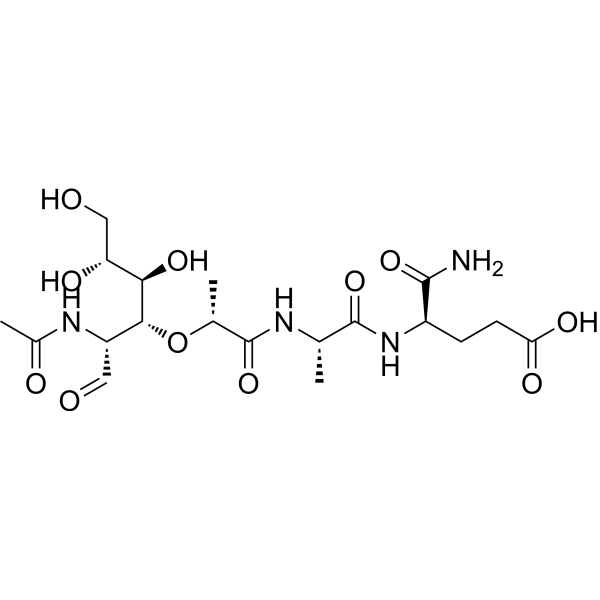
    Muramyl dipeptide (MDP) is a synthetic immunoreactive peptide, consisting of N-acetyl muramic acid attached to a short amino acid chain of L-Ala-D-isoGln. Muramyl dipeptide is an inducer of bone formation through induction of Runx2. Muramyl dipeptide directly enhances osteoblast differentiation by up-regulating Runx2 gene expression through MAPK pathways. Muramyl dipeptide is a NLRP1 agonist .
    Muramyl dipeptide
  • HY-107837
    L-Ascorbic acid 2-phosphate trisodium
    Maximum Cited Publications
    10 Publications Verification

    2-Phospho-L-ascorbic acid trisodium

    Phosphatase Reactive Oxygen Species (ROS) Endogenous Metabolite Metabolic Disease
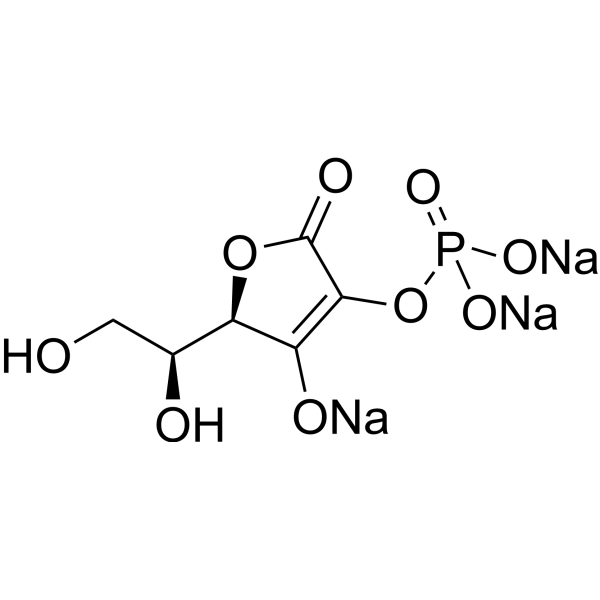
    L-Ascorbic acid 2-phosphate trisodium (2-Phospho-L-ascorbic acid trisodium) is a long-acting vitamin C derivative that can stimulate collagen formation and expression . L-Ascorbic acid 2-phosphate trisodium (2-Phospho-L-ascorbic acid trisodium) can be used as a culture medium supplement for the osteogenic differentiation of human adipose stem cells (hASCs). L-Ascorbic acid 2-phosphate trisodium (2-Phospho-L-ascorbic acid trisodium) increases alkaline phosphatase (ALP) activity and expression of runx2A in hASCs during the osteogenic differentiation .
    L-Ascorbic acid 2-phosphate trisodium
  • HY-103701A
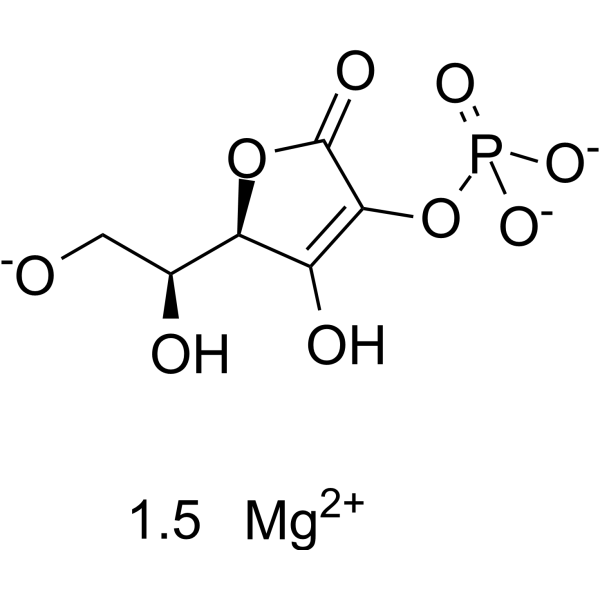
    L-Ascorbic acid 2-phosphate magnesium
    Maximum Cited Publications
    10 Publications Verification

    2-Phospho-L-ascorbic acid magnesium; LAA2P magnesium

    Phosphatase Reactive Oxygen Species (ROS) Endogenous Metabolite Metabolic Disease
    L-Ascorbic acid 2-phosphate magnesium (2-Phospho-L-ascorbic acid magnesium) is a long-acting vitamin C derivative that can stimulate collagen formation and expression . L-Ascorbic acid 2-phosphate magnesium (2-Phospho-L-ascorbic acid magnesium) can be used as a culture medium supplement for the osteogenic differentiation of human adipose stem cells (hASCs). L-Ascorbic acid 2-phosphate magnesium (2-Phospho-L-ascorbic acid magnesium) increases alkaline phosphatase (ALP) activity and expression of runx2A in hASCs during the osteogenic differentiation .
    L-Ascorbic acid 2-phosphate magnesium
  • HY-103701
    L-Ascorbic acid 2-phosphate
    Maximum Cited Publications
    10 Publications Verification

    2-Phospho-L-ascorbic acid; LAA2P

    Phosphatase Reactive Oxygen Species (ROS) Endogenous Metabolite Metabolic Disease
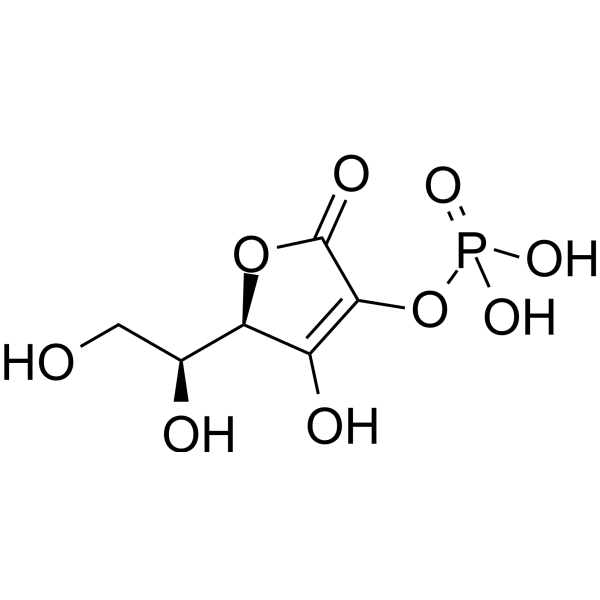
    L-ascorbic acid 2-phosphate (2-Phospho-L-ascorbic acid) is a long-acting vitamin C derivative that can stimulate collagen formation and expression . L-ascorbic acid 2-phosphate (2-Phospho-L-ascorbic acid) can be used as a culture medium supplement for the osteogenic differentiation of human adipose stem cells (hASCs). L-ascorbic acid 2-phosphate increases alkaline phosphatase (ALP) activity and expression of runx2A in hASCs during the osteogenic differentiation .
    L-Ascorbic acid 2-phosphate
  • HY-103701B

    2-Phospho-L-ascorbic acid magnesium hydrate; LAA2P magnesium hydrate

    Phosphatase Reactive Oxygen Species (ROS) Endogenous Metabolite Metabolic Disease
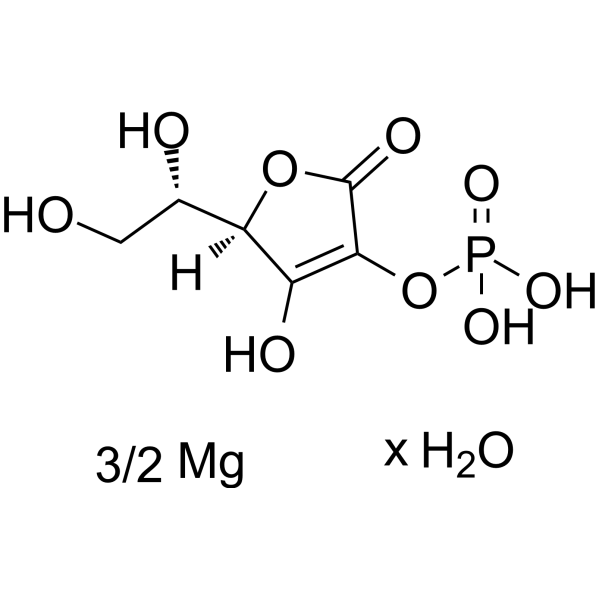
    L-ascorbic acid 2-phosphate (2-Phospho-L-ascorbic acid) magnesium hydrate is a long-acting vitamin C derivative that can stimulate collagen formation and expression. L-ascorbic acid 2-phosphate magnesium hydrate can be used as a culture medium supplement for the osteogenic differentiation of human adipose stem cells (hASCs). L-ascorbic acid 2-phosphate magnesium hydrate increases alkaline phosphatase (ALP) activity and expression of runx2A in hASCs during the osteogenic differentiation .
    L-Ascorbic acid 2-phosphate magnesium hydrate
  • HY-16268
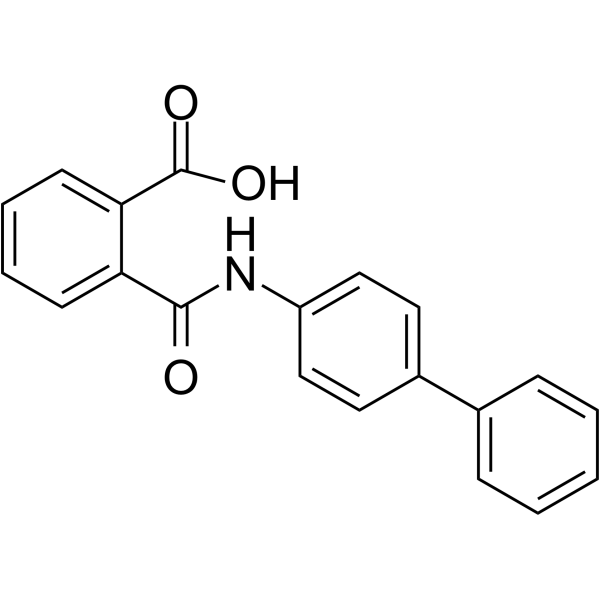
    Kartogenin
    Maximum Cited Publications
    31 Publications Verification

    KGN

    TGF-beta/Smad Inflammation/Immunology
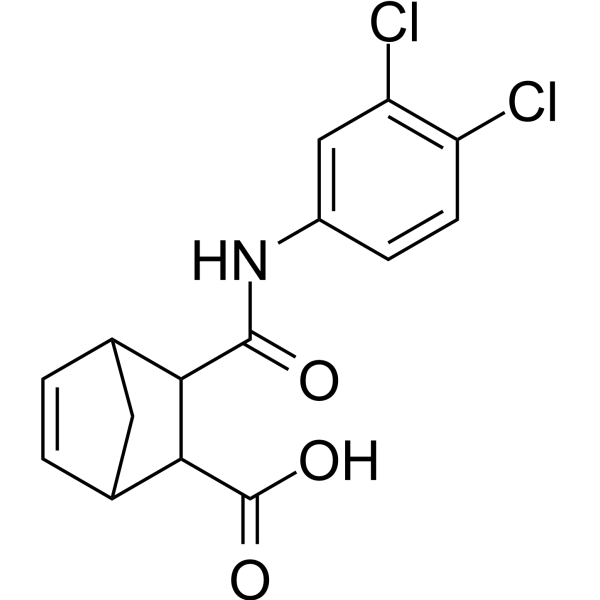
    Kartogenin (KGN) is an inducer of chondrogenic tissue formation (EC50: 100 nM). Kartogenin induces chondrogenesis by binding to fibrin A, disrupting its interaction with the transcription factor core binding factor beta subunit (CBFβ), and by modulating the CBFβ-RUNX1 transcriptional program. Kartogenin also promotes tendon-bone junction (TBJ) wound healing by stimulating collagen synthesis. Kartogenin is widely used in cell-free therapy in the field of regeneration for cartilage regeneration and protection, tendon-bone healing, wound healing and limb development. Kartogenin promotes cartilage repair, coordinates limb development, and is also used in osteoarthritis (OA) research .
    Kartogenin
  • HY-108470
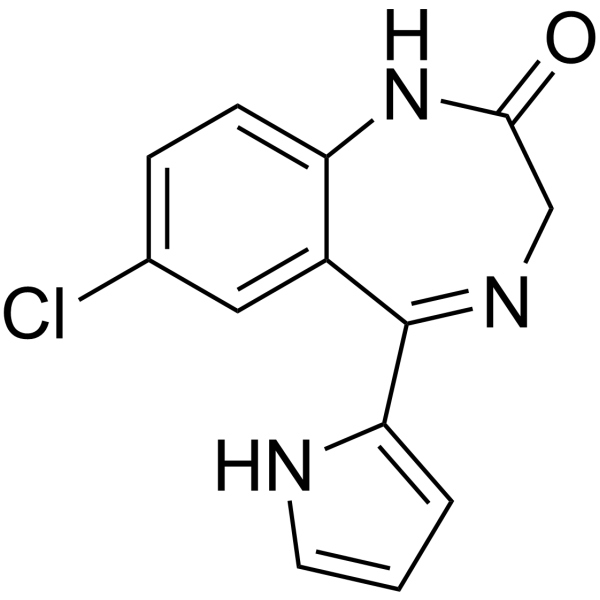
    Ro5-3335
    10+ Cited Publications

    RUNX Cancer
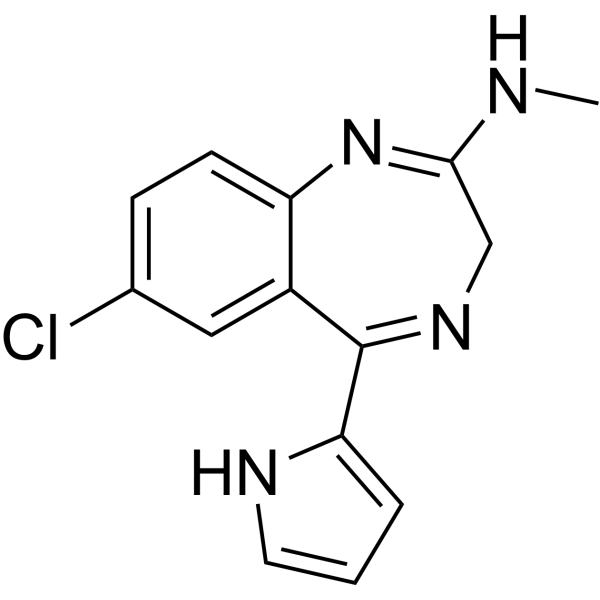
    Ro5-3335, a benzodiazepine, acts as an inhibitor of core binding factor (CBF) leukemia. Ro5-3335 is a RUNX1-CBFβ interaction inhibitor that represses RUNX1/CBFB-dependent transactivation .
    Ro5-3335
  • HY-107999
    CADD522
    5 Publications Verification

    Reactive Oxygen Species (ROS) Cancer
    CADD522 is a RUNX2-DNA binding inhibitor (downregulates RUNX2-mediated transcription of downstream target genes), with an IC50 of 10 nM. CADD522 inhibits primary tumor growth and experimental metastasis of tumor cells in the lungs of immune-compromised mice. CADD522 can be used in study of cancer .
    CADD522
  • HY-16786
    AI-10-49
    1 Publications Verification

    RUNX Inflammation/Immunology Cancer
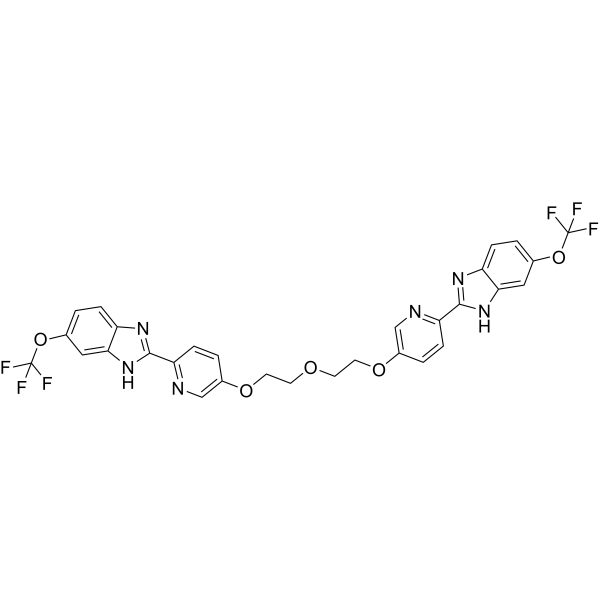
    AI-10-49 is an inhibitor of leukemic oncoprotein CBFβ-SMHHC. AI-10-49 inhibits the binding of CBFβ-SMMHCto the RUNX1 Runt domain with IC50 value of 0.26 μM. AI-10-49 can be used for the research of leukemia .
    AI-10-49
  • HY-19149
    Ro24-7429
    1 Publications Verification

    HIV Apoptosis Infection Inflammation/Immunology Cancer
    Ro24-7429 is a potent and orally active HIV-1 transactivator protein Tat antagonist. Ro24-7429 is also a runt-related transcription factor 1 (RUNX1) inhibitor. Ro24-7429 has anti-HIV, antifibrotic and anti-inflammatory effects .
    Ro24-7429
  • HY-122657

    RUNX Cancer
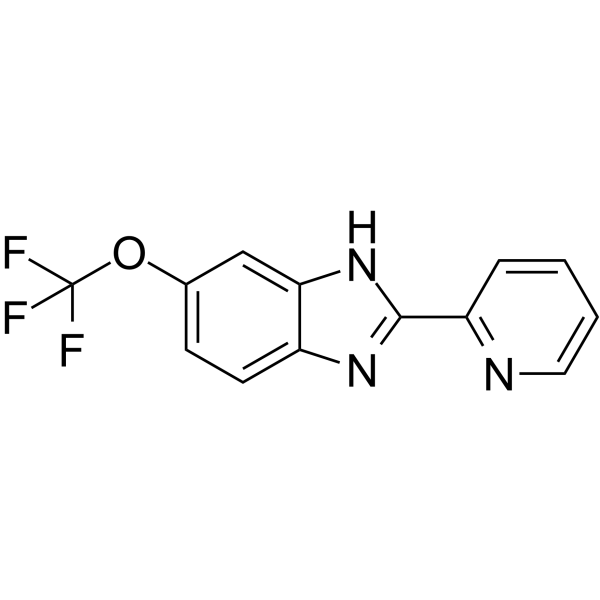
    AI-10-104 is an inhibitor for runt-related transcription factor (RUNX), which enhances the cytotoxicity in myeloma cells .
    AI-10-104
  • HY-W014410

    Drug Intermediate Endocrinology
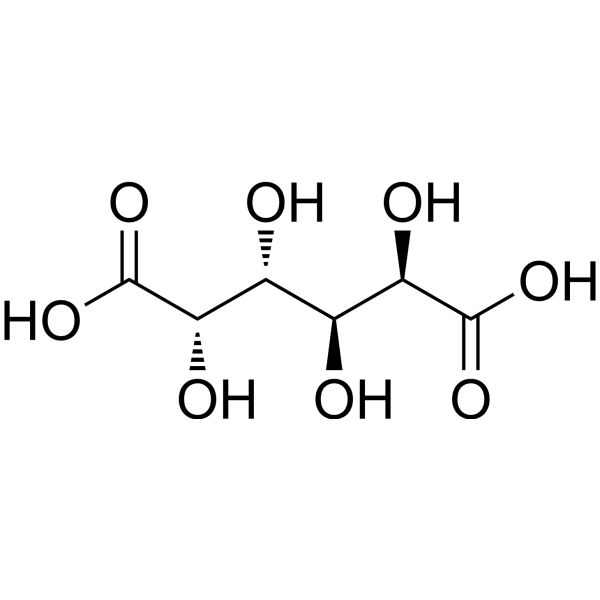
    Mucic acid (Galactaric acid) is a building block for polymers. Mucic acid stimulates Runx2 mRNA expression. Mucic acid can be used in polymer synthesis and bone tissue engineering research .
    Mucic acid
  • HY-N2375

    Wnt β-catenin p38 MAPK Metabolic Disease
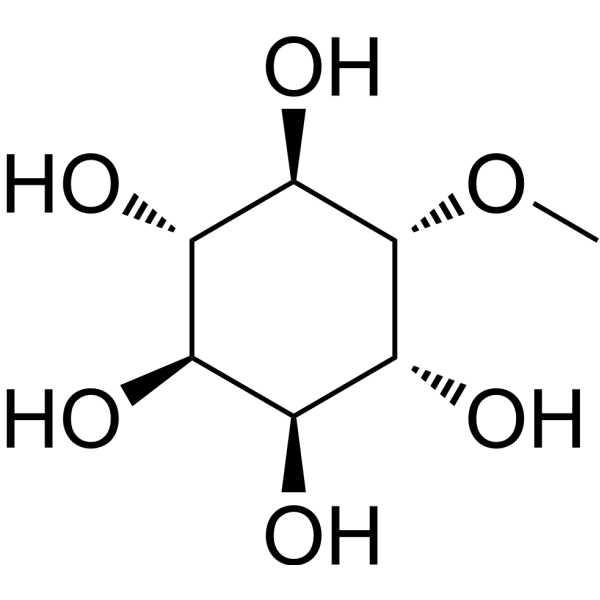
    L-Quebrachitol is a methoxy analog of inositol that can be isolated from plants. L-Quebrachitol has free-radical scavenging, gastroprotection, anti-platelet aggregation and anti-diabetic activity. L-Quebrachitol promotes osteoblastogenesis by uppregulation of BMP-2, runt-related transcription factor-2 (Runx2), MAPK (ERK, JNK, p38α), and Wnt/β-catenin signaling pathway .
    L-Quebrachitol
  • HY-151411

    RUNX Cancer
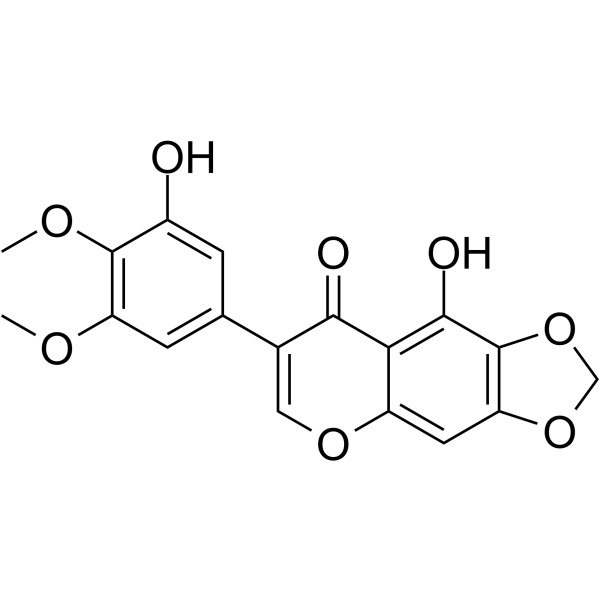
    RUNX1/ETO tetramerization-IN-1 is a small-molecule inhibitor of RUNX1/ETO tetramerization, exhibits anti-leukemic effect. RUNX1/ETO tetramerization-IN-1 specifically targets to NHR2 of RUNX1/ETO (EC50=0.25 μM), restores gene expression down-regulated by RUNX1/ETO. RUNX1/ETO tetramerization-IN-1 inhibits the proliferation of RUNX1/ETO-depending SKNO-1 cells, and reduces the RUNX1/ETO-related tumor growth in a mouse model .
    RUNX1/ETO tetramerization-IN-1
  • HY-138617
    AI-10-47
    1 Publications Verification

    RUNX Cancer
    AI-10-47 is a small molecule inhibitor of CBFβ-RUNX binding, with an IC50 of 3.2 μM .
    AI-10-47
  • HY-Y1123

    Glycinamide hydrochloride

    Amino Acid Derivatives Phosphatase Endocrinology
    2-Aminoacetamide hydrochloride (Glycinamide hydrochloride) is a derivative of Glycine (HY-Y0966). 2-Aminoacetamide hydrochloride forms cell-absorbable nanocomplexes with proteins (such as bovine serum albumin) through strong electrostatic interactions, promoting cellular uptake of related proteins. 2-Aminoacetamide hydrochloride synergizes with BMP2 to upregulate the expression of osteogenic marker genes (such as Col1a1, Alp, Runx2) and proteins (such as COL1, BSP), enhancing collagen synthesis. 2-Aminoacetamide hydrochloride synergizes with BMP2 to promote osteoblast differentiation in vitro and bone regeneration in vivo .
    2-Aminoacetamide hydrochloride
  • HY-N4119

    Phosphatase Cholinesterase (ChE) p38 MAPK Apoptosis Autophagy Neurological Disease Metabolic Disease
    Neoeriocitrin is a Naringin (HY-N0153) analogue found in Drynaria Rhizome. Neoeriocitrin induces cells proliferation, differentiation, up-regulates type I collagen, osteocalcin, and key osteogenic markers, and increases ALP activity. Neoeriocitrin increases expression of Runx2, COL I, OCN and Beclin1. Neoeriocitrin inhibits phosphorylation of P38 mitogen-activated protein kinase, reduces acetylcholinesterase (AChE) activity, and increases choline acetyltransferase (ChAT) activity. Neoeriocitrin reduces apoptosis and induces autophagy. Neoeriocitrin can be used for the researches of osteoporosis and Alzheimer's disease .
    Neoeriocitrin
  • HY-P5832

    TGF-beta/Smad RUNX Metabolic Disease
    BMP2-derived peptide is an osteogenic inducer and BMP receptor ligand. BMP2-derived peptide binds to BMP receptors on the cell surface to form a complex, activates the downstream Smad signaling pathway, and regulates the expression of osteogenic transcription factors. BMP2-derived peptide effectively promotes the adhesion, proliferation, osteogenic differentiation and mineralization of bone marrow mesenchymal stem cells, significantly up-regulates the mRNA levels of OCN, Runx2 and type I collagen, and increases alkaline phosphatase activity and calcium deposition. BMP2-derived peptide induces osteoblast differentiation and ectopic bone regeneration, and improves cranial bone defect repair. Meanwhile, BMP2-derived peptide enhances the cytocompatibility of mesoporous silica nanoparticles, synergistically increases osteogenic activity with Dexamethasone (HY-14648), serving as an important tool for bone defect repair research .
    BMP2-derived peptide
  • HY-W019901B

    Gypsum ustum (97%)

    Environmental Pollutants Biochemical Assay Reagents RUNX Metabolic Disease
    Anhydrous calcium sulfate (97%) serves as an oil-based drilling fluid additive and an osteogenic material. Anhydrous calcium sulfate (97%) increases the plastic viscosity, yield point, apparent viscosity and gel strength of oil-based drilling fluids. Anhydrous calcium sulfate (97%) upregulates the expression of bone-related genes FOSL1, RUNX2 and SPP1. Anhydrous calcium sulfate (97%) significantly affects the behavior of dental pulp stem cells, enhancing their proliferation, differentiation and matrix deposition .
    Anhydrous calcium sulfate (97%)
  • HY-RS12349

    Small Interfering RNA (siRNA) Others

    RUNX1 Human Pre-designed siRNA Set A contains three designed siRNAs for RUNX1 gene (Human), as well as a negative control, a positive control, and a FAM-labeled negative control.

    RUNX1 Human Pre-designed siRNA Set A
    RUNX1 Human Pre-designed siRNA Set A
  • HY-N0946

    (-)-Pinoresinol 4-O-β-D-glucopyranoside

    Glycosidase Metabolic Disease
    (-)-Pinoresinol 4-O-glucoside ((-)-Pinoresinol 4-O-β-D-glucopyranoside) is a potent and orally active α-glucosidase inhibitor with an IC50 value of 48.13 µM. (-)-Pinoresinol 4-O-glucoside increases cell migration and early differentiation of pre-osteoblasts. (-)-Pinoresinol 4-O-glucoside increases protein level of BMP2, p-Smad1/5/8, RUNX2. (-)-Pinoresinol 4-O-glucoside attenuates oxidative stress, hyperglycemia and hepatic toxicity. (-)-Pinoresinol 4-O-glucoside has the potential for the research of osteoporosis and periodontal disease .
    (-)-Pinoresinol 4-O-glucoside
  • HY-16268A
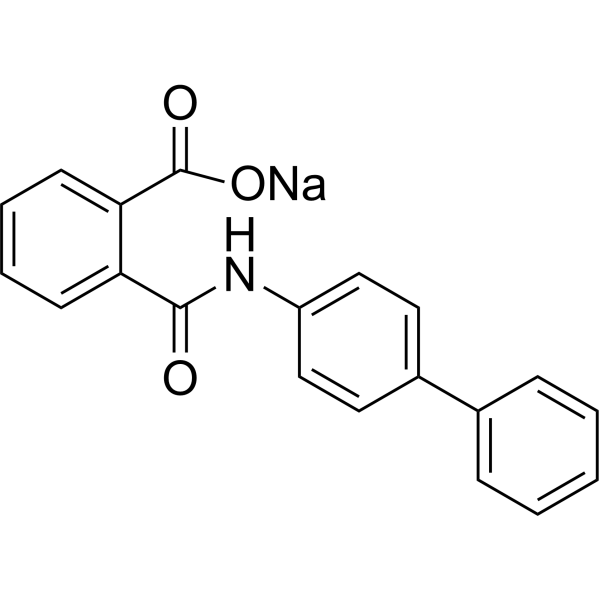
    Kartogenin sodium
    Maximum Cited Publications
    31 Publications Verification

    KGN sodium

    TGF-beta/Smad Inflammation/Immunology
    Kartogenin (KGN) sodium is an inducer of chondrogenic tissue formation (EC50: 100 nM). Kartogenin sodium induces chondrogenesis by binding to fibrin A, disrupting its interaction with the transcription factor core binding factor beta subunit (CBFβ), and by modulating the CBFβ-RUNX1 transcriptional program. Kartogenin sodium also promotes tendon-bone junction (TBJ) wound healing by stimulating collagen synthesis. Kartogenin sodium is widely used in cell-free therapy in the field of regeneration for cartilage regeneration and protection, tendon-bone healing, wound healing and limb development. Kartogenin sodium promotes cartilage repair, coordinates limb development, and is also used in osteoarthritis (OA) research .
    Kartogenin sodium
  • HY-174367

    RUNX Apoptosis Cancer
    RUNX1/ETO-IN-1 is a RUNX1-ETO oncogenic fusion protein inhibitor that specifically targets the NHR2 oligomerization domain. RUNX1/ETO-IN-1 directly interacts with the NHR2 (KD,app = 39 μM). RUNX1/ETO-IN-1 exhibits anti-leukemic activity by inducing apoptosis and promoting differentiation in RUNX1/ETO-translocated AML cells. RUNX1/ETO-IN-1 remains essentially uncharged at physiological pH, demonstrating superior membrane permeability.
    RUNX1/ETO-IN-1
  • HY-P5522A
    TriDAP dihydrochloride
    1 Publications Verification

    L-Ala-γ-D-Glu-meso-diaminopimelic acid dihydrochloride

    NOD-like Receptor (NLR) NF-κB MAP3K MEK ERK p38 MAPK Interleukin Related SARS-CoV Infection Inflammation/Immunology
    TriDAP dihydrochloride (L-Ala-γ-D-Glu-meso-diaminopimelic acid dihydrochloride) is a NOD1 agonist with a Kd value of 34.5 μM. TriDAP dihydrochloride enhances the binding of NOD1-RICK, promotes RICK phosphorylation, and activates the NF-κB, TAK1, MEK/ERK, p38 and interferon response pathways. TriDAP dihydrochloride downregulates Runx2 via increasing ubiquitination and reduces trabecular bone parameters. TriDAP dihydrochloride decreases IκBα levels and increases p65 levels. TriDAP dihydrochloride induces the secretion of proinflammatory mediators IL-8 and prostaglandins, triggers tissue inflammation and innate immune activation, and inhibits SARS-CoV-2 replication in lung epithelial cells. TriDAP dihydrochloride increases the RANKL/OPG ratio in mice, reduces bone mass and enhances osteoclast activity, and inhibits new bone formation by decreasing the mineralization deposition rate in mice. TriDAP dihydrochloride can be used in research related to pulpitis, chronic ulcerative colitis, Crohn's disease and SARS-CoV-2 infection .
    TriDAP dihydrochloride
  • HY-RS12352

    Small Interfering RNA (siRNA) Others

    RUNX3 Human Pre-designed siRNA Set A contains three designed siRNAs for RUNX3 gene (Human), as well as a negative control, a positive control, and a FAM-labeled negative control.

    RUNX3 Human Pre-designed siRNA Set A
    RUNX3 Human Pre-designed siRNA Set A
  • HY-RS12351

    Small Interfering RNA (siRNA) Others

    RUNX2 Human Pre-designed siRNA Set A contains three designed siRNAs for RUNX2 gene (Human), as well as a negative control, a positive control, and a FAM-labeled negative control.

    RUNX2 Human Pre-designed siRNA Set A
    RUNX2 Human Pre-designed siRNA Set A
  • HY-RS12350

    Small Interfering RNA (siRNA) Others

    RUNX1T1 Human Pre-designed siRNA Set A contains three designed siRNAs for RUNX1T1 gene (Human), as well as a negative control, a positive control, and a FAM-labeled negative control.

    RUNX1T1 Human Pre-designed siRNA Set A
    RUNX1T1 Human Pre-designed siRNA Set A
  • HY-Y0332L

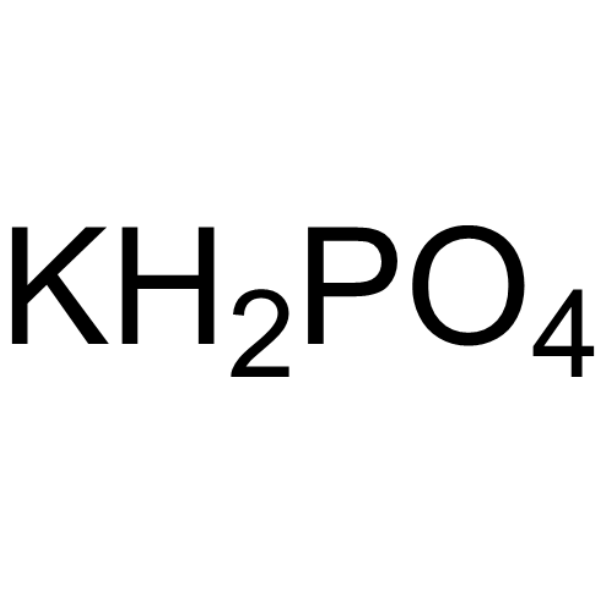
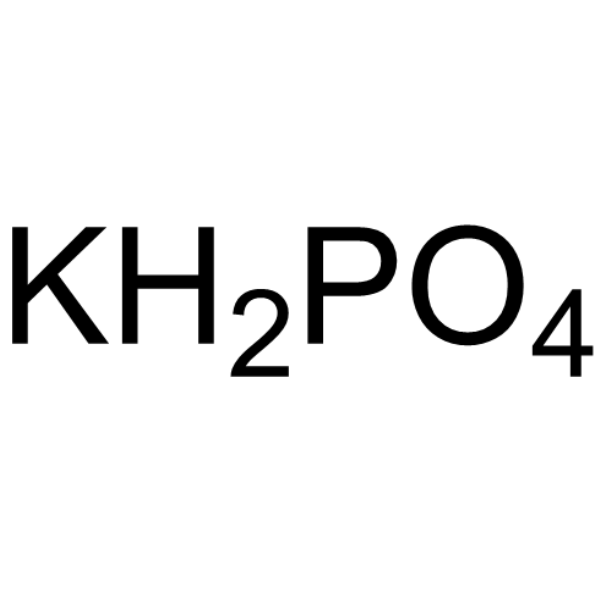
    Potassium phosphate monobasic, meets analytical specification of Ph. Eur., NF, E340

    Biochemical Assay Reagents NF-κB Others
    Potassium dihydrogen phosphate (Potassium phosphate monobasic), meeting the analytical specifications of Ph. Eur., NF, E340, is a reagent with buffering capacity, used for preparing biological buffers. Potassium dihydrogen phosphate downregulates the expression of IκBα in the cytoplasm, increases the expression of p-P65 in the cytoplasm, and upregulates the expression of P65 in the nucleus, thereby activating the NF-κB pathway. Potassium dihydrogen phosphate promotes the proliferation of human periodontal ligament stem cells in the logarithmic growth phase. Potassium dihydrogen phosphate upregulates the expression of odontogenic/osteogenic markers (OCN, DSP/DSPP, OSX, RUNX2, ALP) in human periodontal ligament stem cells and enhances the mineralization capacity of these cells. Potassium dihydrogen phosphate can be used in the research of periodontal diseases .
    Potassium dihydrogen phosphate, meets analytical specification of Ph. Eur., NF, E340
  • HY-103701AR

    2-Phospho-L-ascorbic acid magnesium (Standard); LAA2P magnesium (Standard)

    Reference Standards Phosphatase Reactive Oxygen Species (ROS) Endogenous Metabolite Metabolic Disease
    L-Ascorbic acid 2-phosphate (magnesium) (Standard) is the analytical standard of L-Ascorbic acid 2-phosphate (magnesium). This product is intended for research and analytical applications. L-Ascorbic acid 2-phosphate magnesium (2-Phospho-L-ascorbic acid magnesium) is a?long-acting?vitamin?C?derivative?that can stimulate collagen formation and expression . L-Ascorbic acid 2-phosphate magnesium (2-Phospho-L-ascorbic acid magnesium) can be used as a culture medium supplement for the osteogenic differentiation of human adipose stem cells (hASCs). L-Ascorbic acid 2-phosphate magnesium (2-Phospho-L-ascorbic acid magnesium) increases alkaline phosphatase (ALP) activity and expression of runx2A in hASCs during the osteogenic differentiation .
    L-Ascorbic acid 2-phosphate magnesium (Standard)
  • HY-RS16864

    Small Interfering RNA (siRNA) Others

    Runx2 Mouse Pre-designed siRNA Set A contains three designed siRNAs for Runx2 gene (Mouse), as well as a negative control, a positive control, and a FAM-labeled negative control.

    Runx2 Mouse Pre-designed siRNA Set A
    Runx2 Mouse Pre-designed siRNA Set A
  • HY-P5522

    L-Ala-γ-D-Glu-meso-diaminopimelic acid

    NOD-like Receptor (NLR) NF-κB MAP3K MEK ERK p38 MAPK Interleukin Related SARS-CoV Infection Inflammation/Immunology
    TriDAP (L-Ala-γ-D-Glu-meso-diaminopimelic acid) is a NOD1 agonist with a Kd value of 34.5 μM. TriDAP enhances the binding of NOD1-RICK, promotes RICK phosphorylation, and activates the NF-κB, TAK1, MEK/ERK, p38 and interferon response pathways. TriDAP downregulates Runx2 via increasing ubiquitination and reduces trabecular bone parameters. TriDAP decreases IκBα levels and increases p65 levels. TriDAP induces the secretion of proinflammatory mediators IL-8 and prostaglandins, triggers tissue inflammation and innate immune activation, and inhibits SARS-CoV-2 replication in lung epithelial cells. TriDAP increases the RANKL/OPG ratio in mice, reduces bone mass and enhances osteoclast activity, and inhibits new bone formation by decreasing the mineralization deposition rate in mice. TriDAP can be used in research related to pulpitis, chronic ulcerative colitis, Crohn's disease and SARS-CoV-2 infection .
    TriDAP
  • HY-124137

    RUNX Cancer
    Runx1-CBFβ interaction inhibitor 1 is an allosteric inhibitior of Runt domain-CBFb interaction (IC50=3.2 μM) .
    Runx1-CBFβ interaction inhibitor 1
  • HY-RS16650

    Small Interfering RNA (siRNA) Cancer

    Runx1 Mouse Pre-designed siRNA Set A contains three designed siRNAs for Runx1 gene (Mouse), as well as a negative control, a positive control, and a FAM-labeled negative control.

    Runx1 Mouse Pre-designed siRNA Set A
    Runx1 Mouse Pre-designed siRNA Set A
  • HY-118365

    RUNX Infection Cancer
    NSC 140873 is an inhibitor of the RUNX1-CBFβ interaction. NSC 140873 can be used for research of viral infection and leukemia. NSC 140873 has an unstable structure and can be converted spontaneously in solution to a benzodiazepine (Ro5-3335) .
    NSC 140873
  • HY-125966

    RUNX Cancer
    AI-4-57 is an allosteric inhibitor for CBFβ SMMHC-RUNX1 (core binding factor β and the smooth-muscle myosin heavy chain) interaction with an IC50 of 22 μM .
    AI-4-57
  • HY-155991

    Apoptosis Cancer
    RUNX-IN-2 (Compound Conjugate 3) covalently binds to the RUNX-binding sequences, and inhibits the binding of RUNX proteins to their target sites. RUNX-IN-2 induces the p53-dependent apoptosis and inhibits cancer cell growth. RUNX-IN-2 inhibits tumor growth in PANC-1 xenograft mice. RUNX-IN-2 has high alkylation efficiency and specificity .
    RUNX-IN-2
  • HY-174541

    mRNA Cancer
    Human RUNX1 mRNA encodes the human RUNX family transcription factor 1 (RUNX1) protein, the alpha subunit of Core binding factor (CBF). RUNX1 can forms the heterodimeri CBF with CBFB and is thought to be involved in the development of normal hematopoiesis.
    Human RUNX1 mRNA
  • HY-RS23085

    Small Interfering RNA (siRNA) Others

    Runx1 Rat Pre-designed siRNA Set A contains three designed siRNAs for Runx1 gene (Rat), as well as a negative control, a positive control, and a FAM-labeled negative control.

    Runx1 Rat Pre-designed siRNA Set A
    Runx1 Rat Pre-designed siRNA Set A
  • HY-W014410R

    Reference Standards Biochemical Assay Reagents RUNX Endocrinology
    Mucic acid (Standard) is the analytical standard of Mucic acid (HY-W014410). This product is intended for research and analytical applications. Mucic acid (Galactaric acid) is a building block for polymers. Mucic acid stimulates Runx2 mRNA expression. Mucic acid can be used in polymer synthesis and bone tissue engineering research .
    Mucic acid (Standard)
  • HY-N14021

    DNA/RNA Synthesis Neurological Disease Inflammation/Immunology Cancer
    Petasites japonicus extract is the extract from Petasites japonicus with antioxidant, anti-inflammatory, anti-obesity, neuroprotective and anti-cancer effects. Petasites japonicus extract promotes osteoblast differentiation via up-regulation of Runx2 and Osterix in MC3T3-E1 cells .
    Petasites japonicus extract
  • HY-N2375R

    Reference Standards Wnt β-catenin p38 MAPK Metabolic Disease
    L-Quebrachitol is a methoxy analog of inositol that can be isolated from plants. L-Quebrachitol has free-radical scavenging, gastroprotection, anti-platelet aggregation and anti-diabetic activity. L-Quebrachitol promotes osteoblastogenesis by uppregulation of BMP-2, runt-related transcription factor-2 (Runx2), MAPK (ERK, JNK, p38α), and Wnt/β-catenin signaling pathway .
    L-Quebrachitol (Standard)
  • HY-107837R

    2-Phospho-L-ascorbic acid trisodium (Standard)

    Reference Standards Phosphatase Reactive Oxygen Species (ROS) Endogenous Metabolite Metabolic Disease
    L-Ascorbic acid 2-phosphate (trisodium) (Standard) is the analytical standard of L-Ascorbic acid 2-phosphate (trisodium). This product is intended for research and analytical applications. L-Ascorbic acid 2-phosphate trisodium (2-Phospho-L-ascorbic acid trisodium) is a long-acting vitamin C derivative that can stimulate collagen formation and expression[1]. L-Ascorbic acid 2-phosphate trisodium (2-Phospho-L-ascorbic acid trisodium) can be used as a culture medium supplement for the osteogenic differentiation of human adipose stem cells (hASCs). L-Ascorbic acid 2-phosphate trisodium (2-Phospho-L-ascorbic acid trisodium) increases alkaline phosphatase (ALP) activity and expression of runx2A in hASCs during the osteogenic differentiation[2][3].
    L-Ascorbic acid 2-phosphate trisodium (Standard)
  • HY-N4119R

    Reference Standards Phosphatase Cholinesterase (ChE) p38 MAPK Apoptosis Autophagy Neurological Disease Metabolic Disease
    Neoeriocitrin (Standard) is the analytical standard of Neoeriocitrin (HY-N4119). This product is intended for research and analytical applications. Neoeriocitrin is a Naringin (HY-N0153) analogue found in Drynaria Rhizome. Neoeriocitrin induces cells proliferation, differentiation, up-regulates type I collagen, osteocalcin, and key osteogenic markers, and increases ALP activity. Neoeriocitrin increases expression of Runx2, COL I, OCN and Beclin1. Neoeriocitrin inhibits phosphorylation of P38 mitogen-activated protein kinase, reduces acetylcholinesterase (AChE) activity, and increases choline acetyltransferase (ChAT) activity. Neoeriocitrin reduces apoptosis and induces autophagy. Neoeriocitrin can be used for the researches of osteoporosis and Alzheimer's disease .
    Neoeriocitrin (Standard)
  • HY-RS26603

    Small Interfering RNA (siRNA) Others

    Runx3 Rat Pre-designed siRNA Set A contains three designed siRNAs for Runx3 gene (Rat), as well as a negative control, a positive control, and a FAM-labeled negative control.

    Runx3 Rat Pre-designed siRNA Set A
    Runx3 Rat Pre-designed siRNA Set A
  • HY-RS23305

    Small Interfering RNA (siRNA) Others

    Runx2 Rat Pre-designed siRNA Set A contains three designed siRNAs for Runx2 gene (Rat), as well as a negative control, a positive control, and a FAM-labeled negative control.

    Runx2 Rat Pre-designed siRNA Set A
    Runx2 Rat Pre-designed siRNA Set A
  • HY-RS20100

    Small Interfering RNA (siRNA) Others

    Runx3 Mouse Pre-designed siRNA Set A contains three designed siRNAs for Runx3 gene (Mouse), as well as a negative control, a positive control, and a FAM-labeled negative control.

    Runx3 Mouse Pre-designed siRNA Set A
    Runx3 Mouse Pre-designed siRNA Set A
  • HY-108470R

    RUNX Reference Standards Cancer
    Ro5-3335 (Standard) is the analytical standard of Ro5-3335 (HY-108470). This product is intended for research and analytical applications. Ro5-3335, a benzodiazepine, acts as an inhibitor of core binding factor (CBF) leukemia. Ro5-3335 is a RUNX1-CBFβ interaction inhibitor that represses RUNX1/CBFB-dependent transactivation .
    Ro5-3335 (Standard)
  • HY-107999R

    Reference Standards Reactive Oxygen Species (ROS) Cancer
    CADD522 (Standard) is the analytical standard of CADD522 (HY-107999). This product is intended for research and analytical applications. CADD522 is a RUNX2-DNA binding inhibitor (downregulates RUNX2-mediated transcription of downstream target genes), with an IC50 of 10 nM. CADD522 inhibits primary tumor growth and experimental metastasis of tumor cells in the lungs of immune-compromised mice. CADD522 can be used in study of cancer .
    CADD522 (Standard)
  • HY-127090S

    MDP-d3

    Isotope-Labeled Compounds p38 MAPK NOD-like Receptor (NLR) Others
    Muramyl dipeptide-d3 (MDP-d3) is the deuterium labeled Muramyl dipeptide. Muramyl dipeptide (MDP) is a synthetic immunoreactive peptide, consisting of N-acetyl muramic acid attached to a short amino acid chain of L-Ala-D-isoGln. Muramyl dipeptide is an inducer of bone formation through induction of Runx2. Muramyl dipeptide directly enhances osteoblast differentiation by up-regulating Runx2 gene expression through MAPK pathways. Muramyl dipeptide is a NLRP1 agonist .
    Muramyl dipeptide-d3
  • HY-179588

    PROTACs Epigenetic Reader Domain c-Myc Cancer
    PROTAC BET Degrader-14 is a highly efficient PROTAC targeting BET (bromodomain and extra-terminal domain). PROTAC BET Degrader-14 can degrade all BET (BRD2, BRD3, BRD4) family proteins. PROTAC BET Degrader-14 potently degrades BET proteins in U2OS osteosarcoma cell lines (BRD4 DC50 = 130 nM) and KYSE180 esophageal squamous cell carcinoma cell lines (DC50 = 40 nM). PROTAC BET Degrader-14’s dependence on the ubiquitin-proteasome system. PROTAC BET Degrader-14 decreases levels of BET-regulated gene products c-Myc, RUNX2, and KRT14. PROTAC BET Degrader-14 can be used for the study of osteosarcoma .
    PROTAC BET Degrader-14

Inquiry Online

Your information is safe with us. * Required Fields.

Salutation


Country or Region *

Applicant Name *


Organization Name *

Department *


Email Address *


Product Name *

Cat. No.


Requested quantity *

Phone Number *


Remarks

Inquiry Online

Inquiry Information

Product Name:
Cat. No.:
Quantity:
MCE Japan Authorized Agent:

