

1. Search Result
Search Result
Results for "

Sclerosis

" in MedChemExpress (MCE) Product Catalog:

361

Inhibitors & Agonists

6

Screening Libraries

1

Fluorescent Dye

2

Biochemical Assay Reagents

37

Peptides

25

Inhibitory Antibodies

21

Natural
Products

2

Recombinant Proteins

16

Isotope-Labeled Compounds

8

Antibodies

10

Oligonucleotides

Cat. No. Product Name Target Research Areas Chemical Structure
  • HY-17363
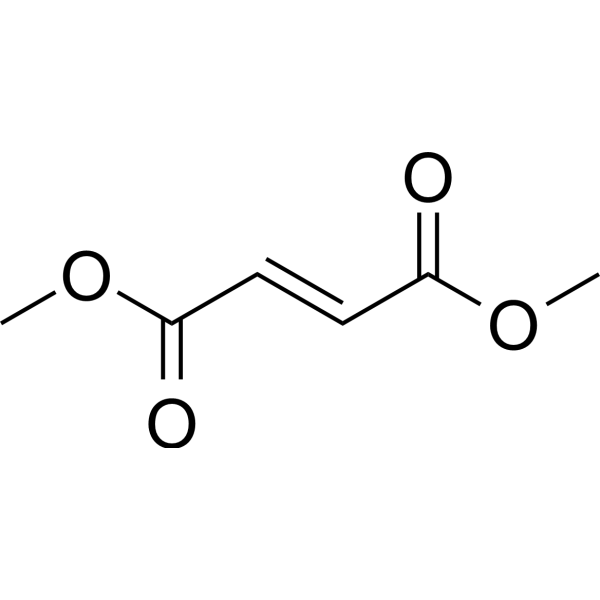
    Dimethyl fumarate
    Maximum Cited Publications
    56 Publications Verification

    Keap1-Nrf2 Reactive Oxygen Species (ROS) HIV Autophagy Endogenous Metabolite Infection Neurological Disease Inflammation/Immunology Cancer
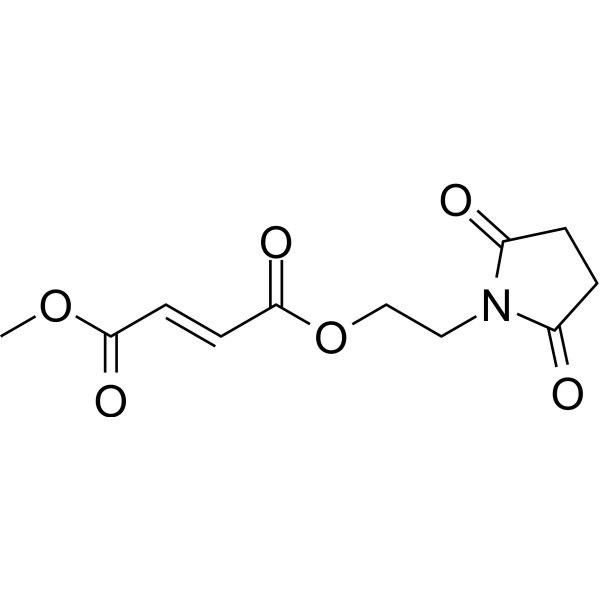
    Dimethyl fumarate (DMF) is an orally active and brain-penetrant Nrf2 activator and induces upregulation of antioxidant gene expression. Dimethyl fumarate induces necroptosis in colon cancer cells through GSH depletion/ROS increase/MAPKs activation pathway, and also induces cell autophagy. Dimethyl fumarate can be used for multiple sclerosis research .
    Dimethyl fumarate
  • HY-12355
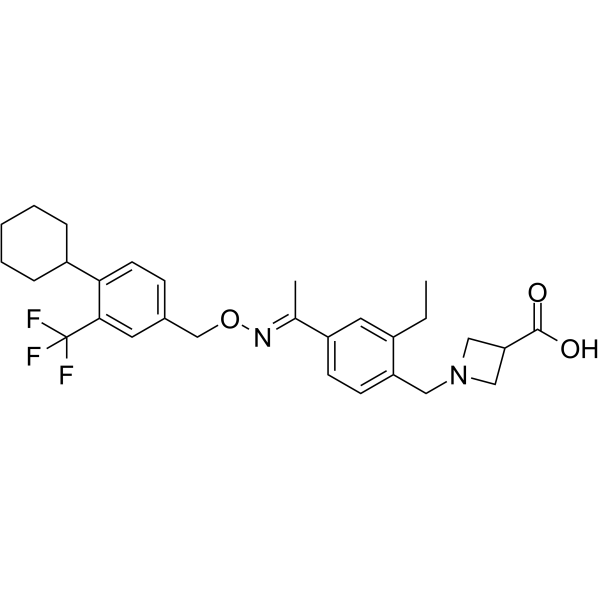
    Siponimod
    5+ Cited Publications

    BAF-312

    LPL Receptor Neurological Disease Inflammation/Immunology
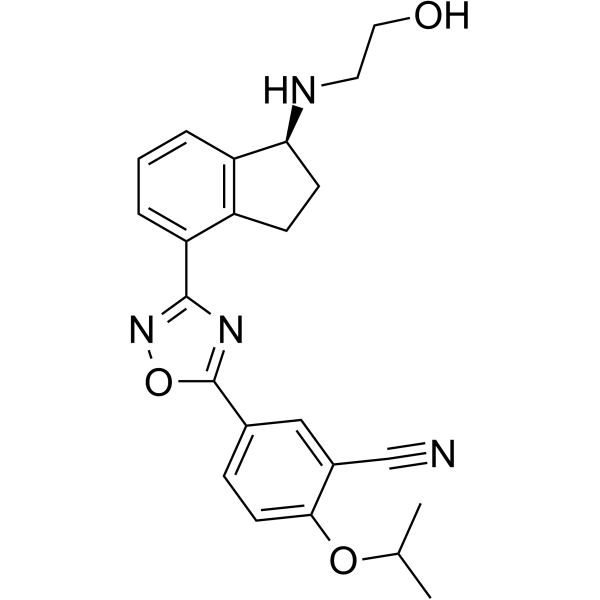
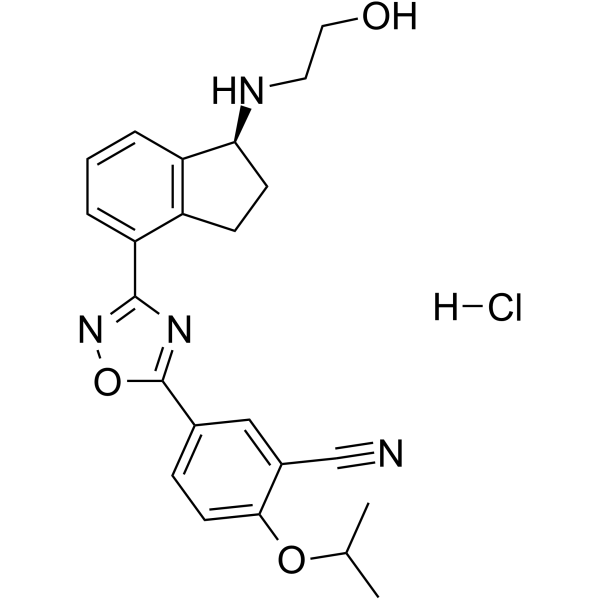
    Siponimod (BAF-312) is an orally active and selective sphingosine-1-phosphate (S1P) receptor modulator. Siponimod is selective for S1P1 and S1P5 over S1P2, S1P3, and S1P4, with EC50s of 0.4, 0.98, >10000, >1000, and 750 nM, respectively. Siponimod can be used for multiple sclerosis (MS) research - .
    Siponimod
  • HY-110252

    Opioid Receptor Neurological Disease Inflammation/Immunology
    Salvinorin B is a selective and brain-penetrant kappa opioid receptor (KOPr) agonist with an EC50 of 248 nM and Ki of 2.95 μM. Salvinorin B activates downstream signaling pathways by binding to KOPr, inhibits pain transmission and reduces inflammatory response. Salvinorin B can be used for the researches of inflammation, immunology and neurological disease, such as neuropathic pain, multiple sclerosis and anxiety .
    Salvinorin B
  • HY-P99486

    ABT-874

    Interleukin Related Inflammation/Immunology
    Briakinumab (ABT-874) is a fully human anti-IL-12/23p40 monoclonal antibody. Briakinumab targets and neutralizes IL-12 and IL-23. Briakinumab can be used for the research of rheumatoid arthritis, inflammatory bowel disease, and multiple sclerosis .
    Briakinumab
  • HY-P99113
    Inebilizumab
    1 Publications Verification

    MEDI-551

    ADC Antibody CD19 Inflammation/Immunology
    Inebilizumab is an anti-CD19 monoclonal antibody (mAb) with enhanced antibody-dependent cell-mediated cytotoxicity against B cells. Inebilizumab can be used for multiple sclerosis and neuromyelitis optica research .
    Inebilizumab
  • HY-173236

    STAT Metabolic Disease Inflammation/Immunology Cancer
    STAT4-IN-1 is an inhibitor of STAT4 with a Ki of 0.35 μM. STAT4-IN-1 is expected to be used in the research of autoimmune diseases, including inflammatory bowel disease, multiple sclerosis, rheumatoid arthritis, and diabetes .
    STAT4-IN-1
  • HY-W004284
    Heptadecanoic acid
    2 Publications Verification

    Environmental Pollutants Apoptosis PI3K Akt Cardiovascular Disease Metabolic Disease Cancer
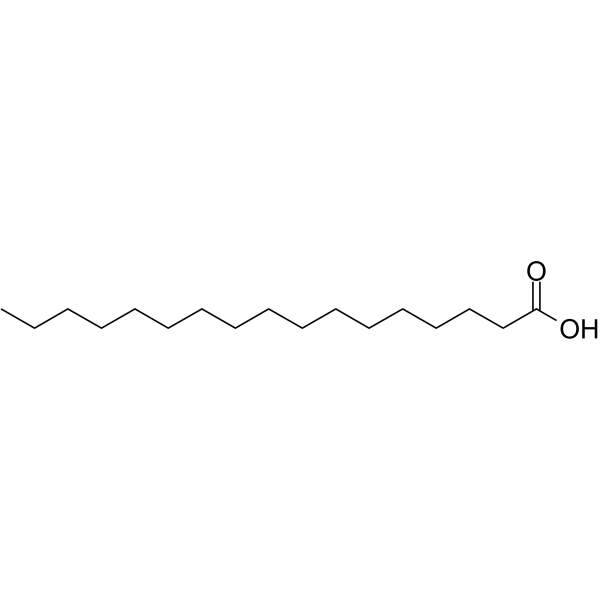
    Heptadecanoic acid is an odd-chain saturated fatty acid (OCS-FA) with oral activity. Heptadecanoic acid can inhibit cell proliferation and induce Apoptosis. Heptadecanoic acid has antitumor activity. Heptadecanoic acid is associated with a number of diseases, including coronary heart disease, pre-diabetes and type 2 diabetes, and multiple sclerosis .
    Heptadecanoic acid
  • HY-P3507

    ShK-186

    Potassium Channel Metabolic Disease Inflammation/Immunology
    Dalazatide (ShK-186) is a specific Kv1.3 potassium channel peptide inhibitor. Dalazatide can be used in the study of autoimmune diseases such as multiple sclerosis (MS), lupus erythematosus, psoriasis, rheumatoid arthritis, type 1 diabetes and inflammatory bowel disease .
    Dalazatide
  • HY-14930

    SK3530

    Phosphodiesterase (PDE) Glucocorticoid Receptor Wnt β-catenin Apoptosis Neurological Disease Inflammation/Immunology Endocrinology
    Mirodenafil (SK3530) is an orally active, potent, reversible, and selective phosphodiesterase 5 (PDE5) inhibitor. Mirodenafil is a glucocorticoid receptor (GR) modulator Mirodenafil activates the Wnt/β-catenin signaling pathway by downregulating Dkk1 expression. Mirodenafil can be used for the research of erectile dysfunction (ED), Alzheimer’s disease (AD) and systemic sclerosis (SSc) .
    Mirodenafil
  • HY-134477
    NF-κΒ activator 2
    5 Publications Verification

    NF-κB Neurological Disease
    NF-κΒ activator 2 is a potent and orally active NF- B activator, with an EC50 of 1.58 μM. NF-κΒ activator 2 induces SOD2 through increasing NF- B expression and activation. NF-κΒ activator 2 can be used for the research of amyotrophic lateral sclerosis (ALS) .
    NF-κΒ activator 2
  • HY-15381
    Fingolimod phosphate
    1 Publications Verification

    FTY720 phosphate

    LPL Receptor Infection Neurological Disease Inflammation/Immunology
    Fingolimod phosphate (FTY720 phosphate) is an orally active sphingosine 1-phosphate (S1P) receptor agonist. Fingolimod phosphate can promote the neuroprotective effects of microglia. Fingolimod phosphate can be used for the research of multiple sclerosis and neurologic diseases .
    Fingolimod phosphate
  • HY-153040
    HPPE
    3 Publications Verification

    Bach1-IN-1

    Mitochondrial Metabolism Metabolic Disease
    HPPE (compound 236) is an orally active, potential Bach1 inhibitor. Bach1 is a transcription factor of the cap'n'collar type alkaline region leucine zipper factor family (CNC-bZip) that regulates mitochondrial metabolism and reduces glucose utilization. HPPE can be used for research in psoriasis, multiple sclerosis, and COPD .
    HPPE
  • HY-14951
    Firategrast
    5+ Cited Publications

    SB 683699

    Integrin Neurological Disease
    Firategrast (SB 683699) is an orally active and specific α4β1/α4β7 integrin antagonist. Firategrast reduces trafficking of lymphocytes into the central nervous system (CNS) and decreases multiple sclerosis (MS) activity .
    Firategrast
  • HY-13010
    Laquinimod
    2 Publications Verification

    ABR-215062

    NF-κB Apoptosis Inflammation/Immunology
    Laquinimod (ABR-215062), an orally available carboxamide derivative, is a potent immunomodulator which prevents neurodegeneration and inflammation in the central nervous system. Laquinimod reduces astrocytic NF-κB activation to protect from Cuprizone-induced demyelination. Laquinimod has the potential for relapsing remitting (RR) and chronic progressive (CP) forms of multiple sclerosis (MS; RRMS or CPMS) as well as neurodegenerative diseases research .
    Laquinimod
  • HY-108738

    Ro 24-7375

    Interleukin Related Apoptosis Inflammation/Immunology Cancer
    Daclizumab (Ro 24-7375) is a humanized, monoclonal antibody that blocks CD25 (α-subunit of the high-affinity interleukin-2 receptor (IL-2R-HA)). Daclizumab inhibits effector T cell activation, regulatory T cell (Treg) expansion and survival, and activation-induced T-cell apoptosis. Daclizumab increases IL-2 bioavailability to bind to the intermediate-affinity IL-2R (IL-2R-IA), driving the expansion of anti-inflammatory CD56bright natural killer (NK) cells. Daclizumab can be used for multiple sclerosis and cancer research .
    Daclizumab
  • HY-147410
    Ulefnersen
    1 Publications Verification

    ION-363

    DNA/RNA Synthesis Neurological Disease
    Ulefnersen (ION363) is an Antisense Oligonucleotide (ASO) directed against the 6th intron of the fused-in sarcoma (FUS) transcript to silence FUS in a non-allele-specific manner. Ulefnersen can reduce postnatal levels of FUS protein in the brain and spinal cord in disease-relevant mouse model of ALS-FUS , delaying motor neuron degeneration. Ulefnersen can be used in the research of Amyotrophic Lateral Sclerosis (ALS) .
    Ulefnersen
  • HY-14930A

    SK-3530 dihydrochloride

    Phosphodiesterase (PDE) Glucocorticoid Receptor Wnt β-catenin Apoptosis Neurological Disease Inflammation/Immunology Endocrinology
    Mirodenafil (SK3530) dihydrochloride is an orally active, potent, reversible, and selective phosphodiesterase 5 (PDE5) inhibitor. Mirodenafil dihydrochloride is a glucocorticoid receptor (GR) modulator Mirodenafil dihydrochloride activates the Wnt/β-catenin signaling pathway by downregulating Dkk1 expression. Mirodenafil dihydrochloride can be used for the research of erectile dysfunction (ED), Alzheimer’s disease (AD) and systemic sclerosis (SSc) .
    Mirodenafil dihydrochloride
  • HY-109520
    Glatiramer acetate
    2 Publications Verification

    MHC Inflammation/Immunology Cancer
    Glatiramer acetate, a synthetic analogue of myelin basic protein and an immunomodulating agent, inhibits Experimental autoimmune encephalomyelitis (EAE), and can be used for the research of multiple sclerosis. Glatiramer acetate exhibits strong and promiscuous binding to MHC molecules and consequent competition with various myelin antigens for their presentation to T cells. A further aspect of its action is potent induction of specific suppressor cells of the T helper 2 (Th2) type that migrate to the brain and lead to in situ bystander suppression .
    Glatiramer acetate
  • HY-176860

    Molecular Glues NEKs NOD-like Receptor (NLR) Caspase Interleukin Related Cardiovascular Disease Neurological Disease Inflammation/Immunology
    NEK7 degrader-1 is a NEK7 molecular glue degrader with a DC50 of 9  nM. NEK7 degrader-1 dose-dependently inhibits caspase-1 activity and IL-Ιβ release in macrophages in response to NLRP3 inflammasome activation. NEK7 degrader-1 can be used for autoinflammatory and autoimmune disorders like multiple sclerosis, neurodegeneraive diseases like Alzheimer's disease and cardiovascular and melabolic disorders like pericarditis and Type 2 diabetes research .
    NEK7 degrader-1
  • HY-145990
    FABPs ligand 6
    1 Publications Verification

    MF6

    FABP Inflammation/Immunology
    FABPs ligand 6 (MF6) is an FABP5 and FABP7 inhibitor with KD values of 874 nM and 20 nM, respectively. FABPs ligand 6 can be used for multiple sclerosis research .
    FABPs ligand 6
  • HY-P9960

    2H7; PRO70769; RG1594

    CD20 Inflammation/Immunology
    Ocrelizumab (Ocrevus) is a humanized anti-CD20 monoclonal antibody. Ocrelizumab can induce B cell depletion and inhibit multiple sclerosis lesions in mice through antibody dependent cytotoxicity (ADCC) .
    Ocrelizumab
  • HY-153399A

    ABBV-CLS-7262 THAM sodium

    Eukaryotic Initiation Factor (eIF) Neurological Disease Cancer
    Fosigotifator (ABBV-CLS-7262) THAM sodium is a brain penetrant, orally active EIF2b (eukaryotic initiation factor) activator. Fosigotifator THAM sodium stabilizes the elF2B complex and boosts the activity, including that of complexes carrying pathogenic vanishing white matter (VWM) mutations. Fosigotifator THAM sodium is an integrated stress response inhibitor (ISRI). Fosigotifator THAM sodium can be used for amyotrophic lateral sclerosis research .
    Fosigotifator THAM sodium
  • HY-109192
    Tolebrutinib
    5+ Cited Publications

    SAR442168; PRN2246

    Btk Neurological Disease
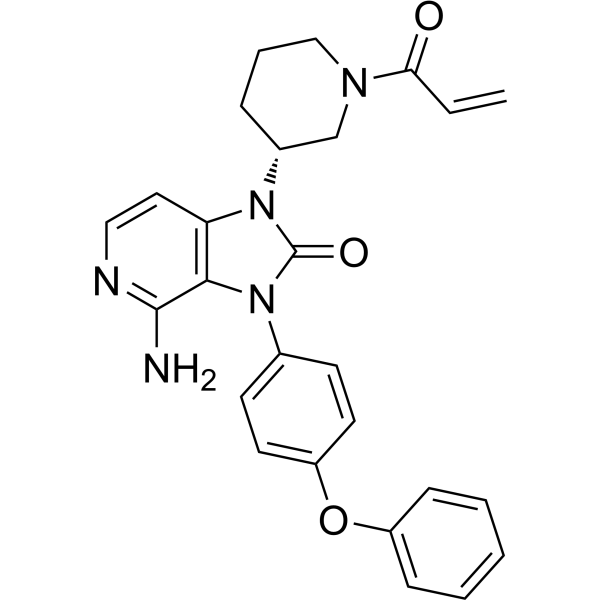
    Tolebrutinib (SAR442168) is a potent, selective, orally active and brain-penetrant inhibitor of Bruton tyrosine kinase (BTK), with IC50s of 0.4 and 0.7 nM in Ramos B cells and in HMC microglia cells, respectively. Tolebrutinib exhibits efficacy in central nervous system immunity. Tolebrutinib can be used for the research of multiple sclerosis (MS) .
    Tolebrutinib
  • HY-18620
    DZ2002
    1 Publications Verification

    STAT PI3K NF-κB MEK ERK Bacterial Antibiotic Akt Inflammation/Immunology
    DZ2002 is an orally active, reversible and low-cytotoxic type III SAHH inhibitor (Ki=17.9 nM), with good immunosuppressive activity. DZ2002 prevents the development of experimental dermal fibrosis by reversing the profibrotic phenotype of various cell types. DZ2002 can be used in studies of autoimmune diseases such as lupus syndrome and systemic sclerosis .
    DZ2002
  • HY-P99325

    IDEC-131; Anti-Human CD40 ligand Recombinant Antibody

    TNF Receptor Inflammation/Immunology
    Toralizumab (IDEC-131) is a humanized monoclonal antibody (mAb) against CD40L (CD154) comprised of human gamma 1 heavy chains and human kappa light chains. Toralizumab binds specifically to human CD40L on T cells, thereby preventing CD40 signaling. Toralizumab is an immunosuppressive agent. Toralizumab can lead to increased thrombosis. Toralizumab can be studied in research for diseases such as multiple sclerosis, systemic lupus erythematosus (SLE), and Crohn’s disease .
    Toralizumab
  • HY-P99524

    GBR500

    Integrin Neurological Disease Inflammation/Immunology
    Vatelizumab (GBR500) is a monoclonal antibody that targets the α2 subunit (CD49b) of very late antigen 2 (VLA-2). Vatelizumab can be used for research on multiple sclerosis .
    Vatelizumab
  • HY-148787

    SAR443820; DNL788

    RIP kinase Neurological Disease Inflammation/Immunology
    Oditrasertib (SAR443820) is an orally active, BBB-penetrable and selective reversible inhibitor of RIPK1. Oditrasertib can be used in the research of chronic inflammatory central nervous system diseases, such as amyotrophic lateral sclerosis and multiple sclerosis .
    Oditrasertib
  • HY-125471
    VK-1727
    1 Publications Verification

    EBV Infection Inflammation/Immunology Cancer
    VK-1727 is a selective small molecule inhibitor of EBNA1. VK-1727 can reduce EBNA1 DNA binding activity. VK-1727 selectively blocks the proliferation and metabolic activity of EBV+ cells, instead of EBV- cells. VK-1727 is used in multiple sclerosis research .
    VK-1727
  • HY-P3507A

    ShK-186 TFA

    Potassium Channel Metabolic Disease Inflammation/Immunology
    Dalazatide (ShK-186) TFA is a specific Kv1.3 potassium channel peptide inhibitor. Dalazatide TFA can be used in the study of autoimmune diseases such as multiple sclerosis (MS), lupus erythematosus, psoriasis, rheumatoid arthritis, type 1 diabetes and inflammatory bowel disease .
    Dalazatide TFA
  • HY-122153

    Cannabinoid Receptor Cardiovascular Disease Inflammation/Immunology
    VSN-16 is a cannabinoid receptor agonist with vasodilatory activity. VSN-16 can be used for the study of multiple sclerosis .
    VSN-16
  • HY-145933

    Glutaminase Inflammation/Immunology
    BJJF078 is an aminopiperidine derivative. BJJF078 is a potent inhibitor of recombinant human and mouse Transglutaminase enzyme (TG2) activity, IC50 values of 41 and 54 nM, respectively. BJJF078 also inhibits the close related enzyme TG1, with an IC50 of 0.16 μM. BJJF078 can be used for Multiple sclerosis (MS) research .
    BJJF078
  • HY-147051

    MRGPRX4 modulator-2

    Mas-related G-protein-coupled Receptor (MRGPR) Inflammation/Immunology
    MRGPRX4 modulator-2 (compound 1-55) is a potent MRGPR X4 modulator, possessing antagonist activity against MRGPR X4 with an IC50 < 100 nM. MRGPRX4 modulator-2 can be used for researching autoimmune diseases such as psoriasis, multiple sclerosis, Steven Johnson’s Syndrome, and other chronic itch conditions .
    Nelremagpran
  • HY-144197

    CCR Neurological Disease
    CCR8 antagonist 1 (Compound 15) is a potente human CCR8 antagonist with a Ki of 1.6 nM. CCR8 antagonist 1 has high safety and metabolic stability. CCR8 antagonist 1 can be used to study diseases such as asthma and multiple sclerosis .
    CCR8 antagonist 1
  • HY-P5982

    Phosphatase Neurological Disease
    PTPσ Inhibitor, ISP can bind to recombinant human PTPs and inhibits PTPσ signaling. PTPσ Inhibitor, ISP can penetrate the membrane and relieves the chondroitin sulfate proteoglycan (CSPG)-mediated axonal sprouting inhibition in spinal cord injury model. PTPσ Inhibitor, ISP enhances remyelination in LPC-induced demyelinated spinal cord. PTPσ Inhibitor, ISP also promotes oligodendrocyte progenitor cells (OPCs) migration, maturation, remyelination, and functional recovery in animal models of Multiple Sclerosis (MS) .
    PTPσ Inhibitor, ISP
  • HY-P3414A
    Proteasome-activating peptide 1 TFA
    3 Publications Verification

    Proteasome Neurological Disease
    Proteasome-activating peptide 1 TFA is a peptide and a potent proteasome activator. Proteasome-activating peptide 1 TFA increases the chymotrypsin-like proteasomal catalytic activity and, consequently, proteolytic rates both in vitro and in culture. Proteasome-activating peptide 1 TFA prevents protein aggregation in a cellular model of amyotrophic lateral sclerosis .
    Proteasome-activating peptide 1 TFA
  • HY-128063

    CXCR Inflammation/Immunology
    CXCR3 antagonist 1 (compound 6c) is a selective and non-cytotoxic CXCR3 antagonist (IC50=0.06 µM). CXCR3 antagonist 1 has potential in researching inflammatory diseases (including inflammatory bowel disease, multiple sclerosis, rheumatoid arthritis, and diabetes) .
    CXCR3 antagonist 1
  • HY-160115

    DNA/RNA Synthesis Neurological Disease
    TDP-43 degrader-1 (Compound example 7) is a TDP-43 degrader. TDP-43 degrader-1 reduces the aggregation of TDP-43-positive HuR stress granules in cells and promotes the relocalization of abnormally distributed TDP-43 in the cytoplasm to the nucleus. TDP-43 degrader-1 can be used in the study of amyotrophic lateral sclerosis and Alzheimer's disease .
    TDP-43 degrader-1
  • HY-161875

    Histone Acetyltransferase Metabolic Disease Cancer
    NAT1-IN-1 (compound 350) is a potent N-acetyltransferase 1 (NAT1)-targeted inhibitor, with an IC50 of 44 nM. NAT1-IN-1 can be used for the research of hypermetabolic diseases such as amyotrophic lateral sclerosis, cancer cachexia, and sepsis .
    NAT1-IN-1
  • HY-P10532

    PKC Others Inflammation/Immunology
    Myelin basic protein, MBP (68-86) is the portion of the 68th to 86th amino acid residues in the MBP protein sequence. Myelin basic protein, MBP (68-86) can act as an autoantigen, triggering the immune system to attack its own myelin. Myelin basic protein, MBP (68-86) is used as one of the immunogens in the experimental autoimmune encephalomyelitis (EAE) animal model to study immune responses associated with multiple sclerosis (MS) .
    Myelin basic protein, MBP (68-86)
  • HY-P99891
    Rovelizumab
    1 Publications Verification

    Hu23F2G

    Integrin Cardiovascular Disease
    Rovelizumab is a humanized monoclonal leukointegrin antibody. Rovelizumab is a monoclonal antibody directed against the CD11/CD18 cell adhesion proteins. Rovelizumab can be used for research of multiple sclerosis (MS), hemorrhagic shock, myocardial infarction (MI) and stroke .
    Rovelizumab
  • HY-118858

    EAAT Neurological Disease Cancer
    UCPH-102 is a highly selective EAAT1 inhibitor with an IC50 of 0.43 µM. UCPH-102 exhibits a specific anti-proliferative effect on T-ALL cells. UCPH-102 also shows good blood-brain permeability, which can be used in studies of amyotrophic lateral sclerosis, Alzheimer’s disease, chronic pain and obsessive compulsive disorder .
    UCPH-102
  • HY-147410A
    Ulefnersen sodium
    1 Publications Verification

    ION-363 sodium

    DNA/RNA Synthesis Neurological Disease
    Ulefnersen sodium (ION363) is an Antisense Oligonucleotide (ASO) directed against the 6th intron of the fused-in sarcoma (FUS) transcript to silence FUS in a non-allele-specific manner. Ulefnersen sodium can reduce postnatal levels of FUS protein in the brain and spinal cord in disease-relevant mouse model of ALS-FUS , delaying motor neuron degeneration. Ulefnersen sodium can be used in the research of Amyotrophic Lateral Sclerosis (ALS) .
    Ulefnersen sodium
  • HY-12355A
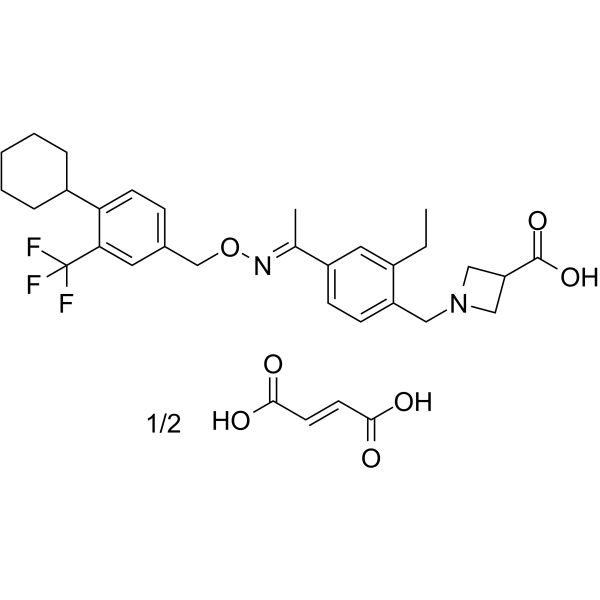
    Siponimod hemifumarate
    5+ Cited Publications

    BAF-312 hemifumarate

    LPL Receptor Neurological Disease Inflammation/Immunology
    Siponimod (BAF-312) hemifumarate is a potent and selective sphingosine-1-phosphate (S1P) receptor modulator. Siponimod hemifumarate is selective for S1P1 and S1P5 receptors over S1P2, S1P3, and S1P4 (EC50s of 0.39, 0.98, >10000, >1000, and 750 nM, respectively). Siponimod hemifumarate can be used for multiple sclerosis (MS) research .
    Siponimod hemifumarate
  • HY-N15352

    Liposome Neurological Disease
    C20 Sphingomyelin (d18:1/20:1) is a sphingomyelin substance. The level of C20 Sphingomyelin (d18:1/20:1) is associated with amyotrophic lateral sclerosis and primary lateral sclerosis .
    C20 Sphingomyelin (d18:1/20:1)
  • HY-153019

    SOD Neurological Disease
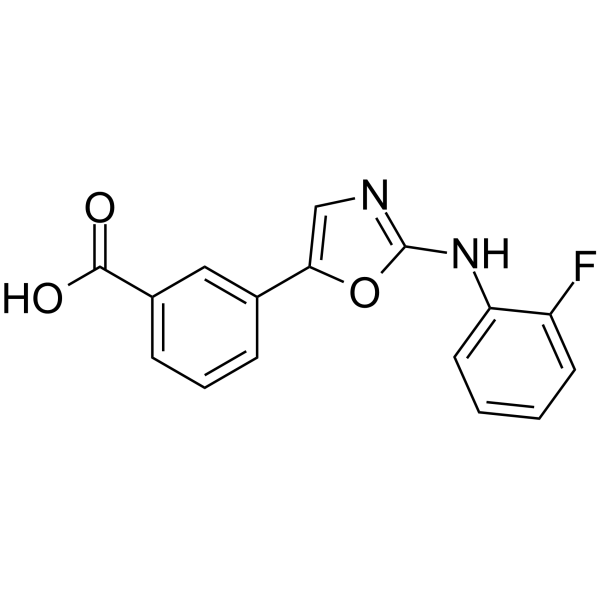
    NUCC-0000323 is a potent superoxide dismutase 1 (SOD1) inhibitor. NUCC-0000323 inhibits SOD1 expression. NUCC-0000323 can be used in research of amyotrophic lateral sclerosis (ALS) .
    NUCC-0000323
  • HY-172967

    Toll-like Receptor (TLR) Neurological Disease
    SARM1-IN-5 (compound 1-23-a) is a SARM1 inhibitor. SARM1-IN-5 can be used in the study of axonal degeneration related diseases such as Alzheimer’s disease, Parkinson’s disease, amyotrophic lateral sclerosis (ALS), and multiple sclerosis (MS) .
    SARM1-IN-5
  • HY-126361A
    ZK824190 hydrochloride
    1 Publications Verification

    Ser/Thr Protease PAI-1 Inflammation/Immunology
    ZK824190 hydrochloride is an orally available and selective urokinase plasminogen activator (uPA) inhibitor as a potential treatment for multiple sclerosis. IC50s of 237, 1600 and 1850 nM for uPA, tPA, and Plasmin, respectively .
    ZK824190 hydrochloride
  • HY-126361

    Ser/Thr Protease PAI-1 Inflammation/Immunology
    ZK824190 is an orally available and selective urokinase plasminogen activator (uPA) inhibitor as a potential treatment for multiple sclerosis. IC50s of 237, 1600 and 1850 nM for uPA, tPA, and Plasmin, respectively .
    ZK824190
  • HY-W004284R

    Reference Standards Apoptosis PI3K Akt Cardiovascular Disease Metabolic Disease Cancer
    Heptadecanoic acid (Standard) is the analytical standard of Heptadecanoic acid. This product is intended for research and analytical applications. Heptadecanoic acid is an odd-chain saturated fatty acid (OCS-FA) with oral activity. Heptadecanoic acid can inhibit cell proliferation and induce Apoptosis. Heptadecanoic acid has antitumor activity. Heptadecanoic acid is associated with a number of diseases, including coronary heart disease, pre-diabetes and type 2 diabetes, and multiple sclerosis[1].
    Heptadecanoic acid (Standard)
  • HY-17363R

    Reference Standards Keap1-Nrf2 Reactive Oxygen Species (ROS) HIV Autophagy Endogenous Metabolite Infection Neurological Disease Inflammation/Immunology Cancer
    Dimethyl fumarate (Standard) is the analytical standard of Dimethyl fumarate. This product is intended for research and analytical applications. Dimethyl fumarate (DMF) is an orally active and brain-penetrant Nrf2 activator and induces upregulation of antioxidant gene expression. Dimethyl fumarate induces necroptosis in colon cancer cells through GSH depletion/ROS increase/MAPKs activation pathway, and also induces cell autophagy. Dimethyl fumarate can be used for multiple sclerosis research .
    Dimethyl fumarate (Standard)

Inquiry Online

Your information is safe with us. * Required Fields.

Salutation


Country or Region *

Applicant Name *


Organization Name *

Department *


Email Address *


Product Name *

Cat. No.


Requested quantity *

Phone Number *


Remarks

Inquiry Online

Inquiry Information

Product Name:
Cat. No.:
Quantity:
MCE Japan Authorized Agent:

