2030 Results for "

Subunit

" in MedChemExpress (MCE) Product Catalog:
Products (2030)

2030 Results for "Subunit" in MCE Product Catalog:

  • Targets Recommended:
76
76 Publications Verification
Cat. No.: HY-B0470
CAS No.: 1405-10-3
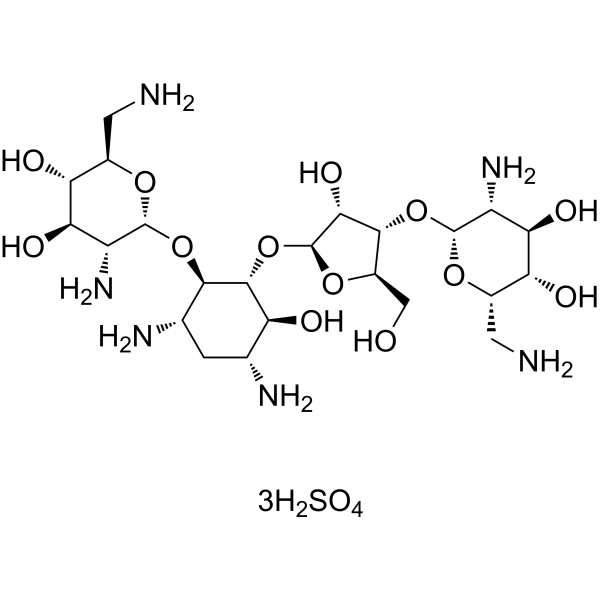
Neomycin sulfate, an aminoglycoside antibiotic, exerts antibacterial activity through irreversible binding of the nuclear 30S ribosomal subunit, thereby blocking bacterial protein synthesis. Neomycin sulfate is a known phospholipase C (PLC) inhibitor. Neomycin sulfate potently inhibits both the nuclear translocation of angiogenin and angiogenin-induced cell proliferation and angiogenesis. Neomycin sulfate inhibits IP3-mediated Ca 2+ release, MgATP-dependent Ca 2+ uptake, and electrical excitation-evoked skeletal muscle Ca 2+ transients. Neomycin sulfate depletes gut microbiota in specific mouse models, causes hearing impairment, and kidney damage with prolonged exposure. Neomycin sulfate can be used for the research of cancer .
loading...
    loading...
72
72 Cited Publications
Cat. No.: HY-17412
CAS No.: 13614-98-7
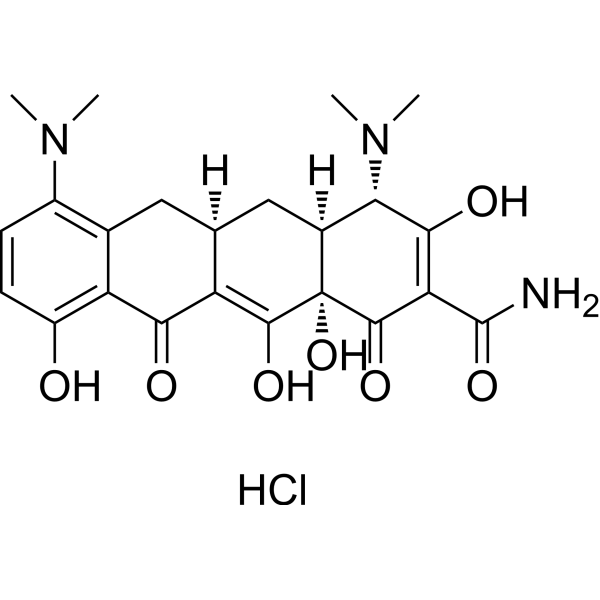
Minocycline hydrochloride is an orally active, potent and BBB-penetrated semi-synthetic tetracycline antibiotic. Minocycline hydrochloride is a hypoxia-inducible factor (HIF)-1α inhibitor. Minocycline hydrochloride shows anti-cancer, anti-inflammatory, and glutamate antagonist effects. Minocycline hydrochloride reduces glutamate neurotransmission and shows neuroprotective properties and antidepressant effects. Minocycline hydrochloride inhibits bacterial protein synthesis through binding with the 30S subunit of the bacterial ribosome, resulting in a bacteriostatic effect .
loading...
    loading...
72
72 Cited Publications
Cat. No.: HY-17412A
CAS No.: 10118-90-8
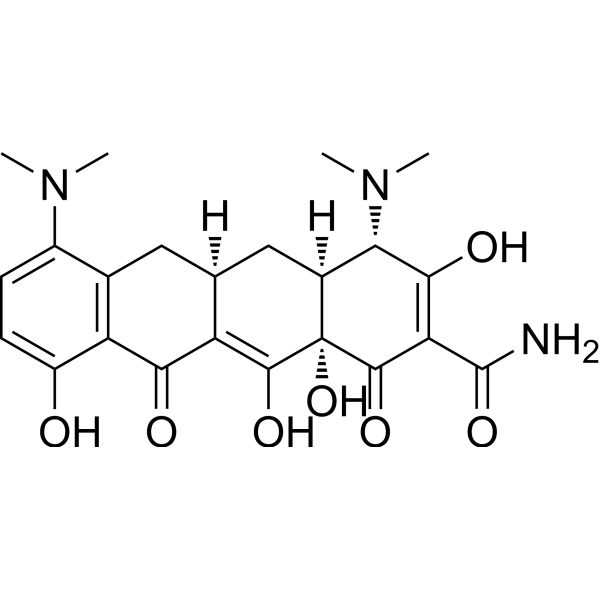
Minocycline is an orally active, potent and BBB-penetrated semi-synthetic tetracycline antibiotic. Minocycline is a hypoxia-inducible factor (HIF)-1α inhibitor. Minocycline shows anti-cancer, anti-inflammatory, and glutamate antagonist effects. Minocycline reduces glutamate neurotransmission and shows neuroprotective properties and antidepressant effects. Minocycline inhibits bacterial protein synthesis through binding with the 30S subunit of the bacterial ribosome, resulting in a bacteriostatic effect .
loading...
    loading...
64
64 Cited Publications
Cat. No.: HY-135748A
Poly (I:C):Kanamycin (1:1) sodium is an isometric complex of Poly (I:C) (HY-135748) and Kanamycin (HY-16566). Poly(I:C) sodium, a synthetic analog of double-stranded RNA, is a TLR3 and retinoic acid-inducible gene I receptor (RIG-I and b>MDA5) agonist. Poly(I:C) sodium can be used as a vaccine adjuvant to enhance innate and adaptive immune responses and induce apoptosis in cancer cells . Kanamycin is an orally active antibacterial agent (Gram-negative/positive bacteria) that inhibits translocation and causes miscoding by binding to the 70S ribosomal subunit. Kanamycin shows good inhibitory activity against Mycobacterium tuberculosis (susceptible and drug-resistant) and Klebsiella pneumoniae, and can be used in the research of tuberculosis and pneumonia .
loading...
    loading...
56
56 Cited Publications
Cat. No.: HY-14881
CAS No.: 843663-66-1
Purity:  99.98%
Synonyms: TMC207; R207910
Target:  

Bacterial Antibiotic

Research Areas:  

Infection

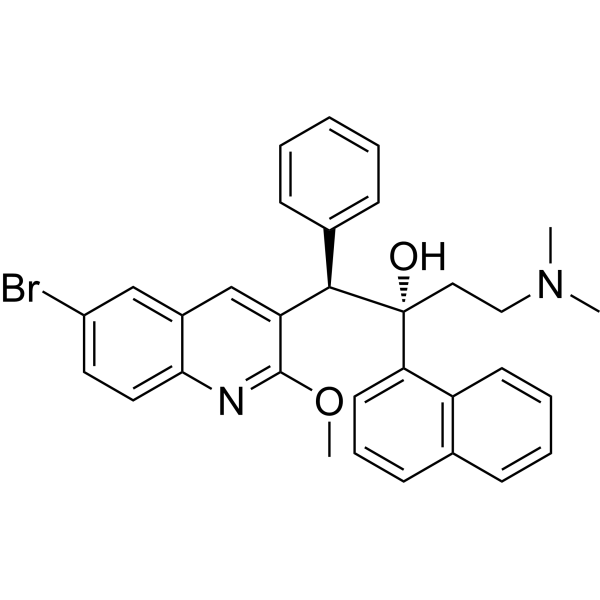
Bedaquiline (TMC207) is a diarylquinoline agent and inhibits Mycobacterium tuberculosis (Mtb) F1FO-ATP synthase through targeting of both the c- and the ε-subunit . Bedaquiline has uncoupler activity. Bedaquiline is used for the multi-agent resistant tuberculosis .
loading...
    loading...
50
50 Cited Publications
Cat. No.: HY-109025A
CAS No.: 1985605-59-1
Purity:  99.68%
Synonyms: Baloxavir acid; S-033447
Target:  

Influenza Virus

Research Areas:  

Infection Cancer

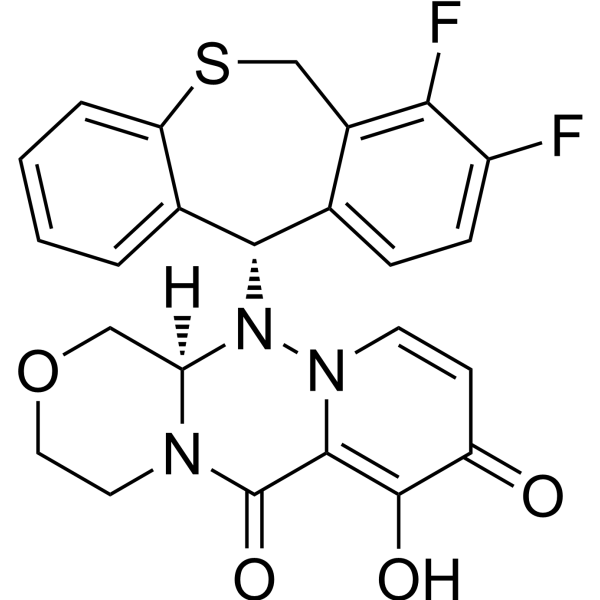
Baloxavir (Baloxavir acid), derived from the proagent Baloxavir marboxil, is a first-in-class, potent and selective cap-dependent endonuclease (CEN) inhibitor within the polymerase PA subunit of influenza A and B viruses. Baloxavir inhibits viral RNA transcription and replication and has potently antiviral activity .
loading...
    loading...
38
38 Cited Publications
Cat. No.: HY-10518
CAS No.: 547757-23-3
Purity:  99.90%
Target:  

IKK

Research Areas:  

Cancer

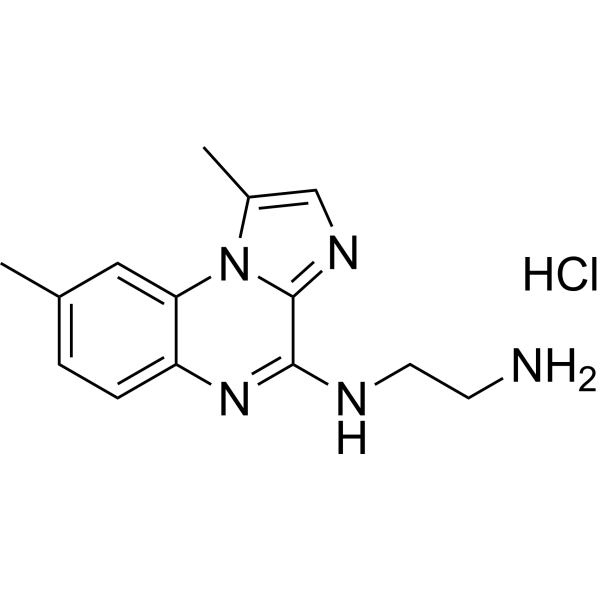
BMS-345541 hydrochloride is a selective inhibitor of the catalytic subunits of IKK (IKK-2 IC50=0.3 μM, IKK-1 IC50=4 μM). BMS-345541 binds at an allosteric site of IKK.
loading...
    loading...
38
38 Cited Publications
Cat. No.: HY-10519
CAS No.: 445430-58-0
Purity:  99.86%
Target:  

IKK

Research Areas:  

Cancer

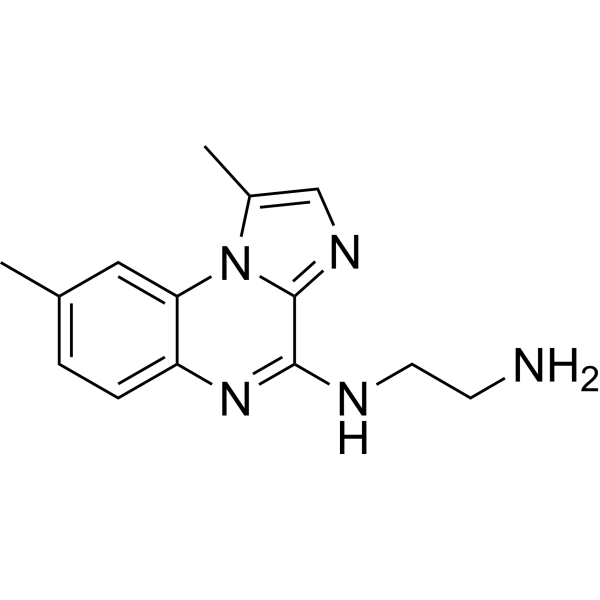
BMS-345541 is a selective inhibitor of the catalytic subunits of IKK (IKK-2 IC50=0.3 μM, IKK-1 IC50=4 μM). BMS-345541 binds at an allosteric site of IKK.
loading...
    loading...
36
36 Cited Publications
Cat. No.: HY-14927
CAS No.: 170632-47-0
Purity:  99.70%
Synonyms: YC-1
Target:  

Guanylate Cyclase

Research Areas:  

Cardiovascular Disease Cancer

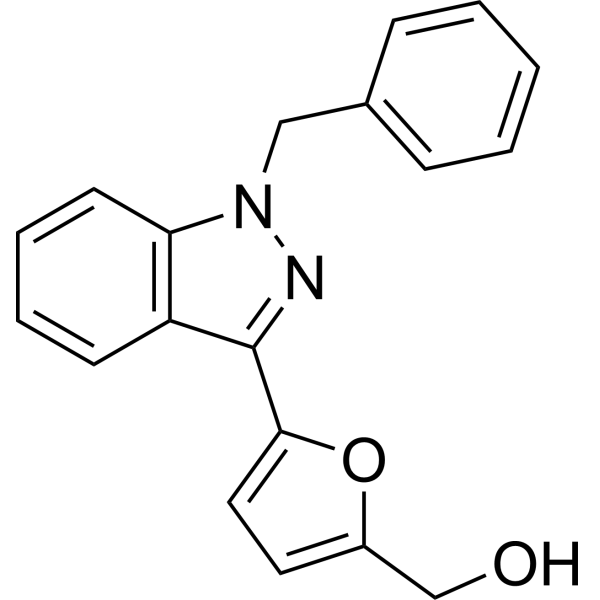
Lificiguat binds to the β subunit of soluble guanylyl cyclase(sGC) with Kd of 0.6-1.1 μM in the presence of CO.
loading...
    loading...
36
36 Cited Publications
Cat. No.: HY-10496
CAS No.: 913822-46-5
Purity:  99.24%
Target:  

NF-κB Influenza Virus

Research Areas:  

Infection Cancer

SC75741 is a broad and efficient NF-κB inhibitor with an IC50 of 200 nM for p65 . SC75741 blocks influenza viruses (IV) replication. SC75741 impairs DNA binding of the NF-κB subunit p65, resulting in reduced expression of cytokines, chemokines, and pro-apoptotic factors. SC75741 subsequently inhibits caspase activation and blocks caspase-mediated nuclear export of viral ribonucleoproteins .
loading...
    loading...
33
33 Cited Publications
Cat. No.: HY-16566
CAS No.: 59-01-8
Synonyms: Kanamycin A
Target:  

Antibiotic Bacterial

Research Areas:  

Infection Inflammation/Immunology

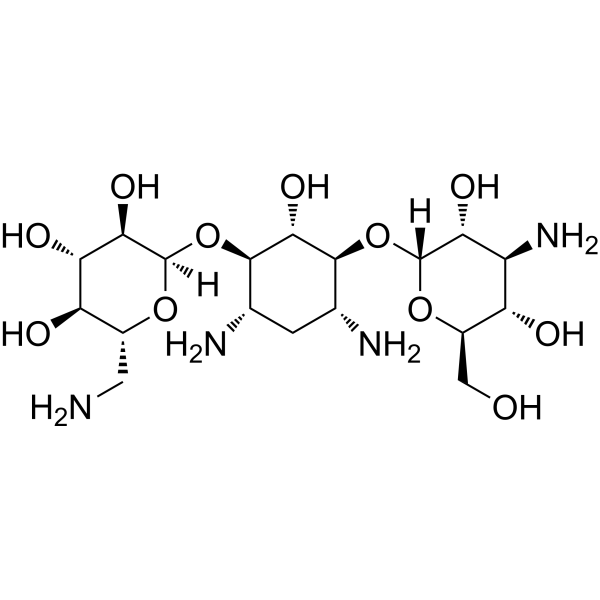
Kanamycin (Kanamycin A) is an orally active antibacterial (gram-negative/positive bacteria) agent, inhibits translocation and causes misencoding by binding to the 70 S ribosomal subunit. Kanamycin shows good inhibitory activity to both M. tuberculosis (sensitive and drug-resistant ) and K. pneumonia, which can be used in studies of tuberculosis and pneumonia .
loading...
    loading...
33
33 Cited Publications
Cat. No.: HY-16566A
CAS No.: 25389-94-0
Synonyms: Kanamycin A sulfate
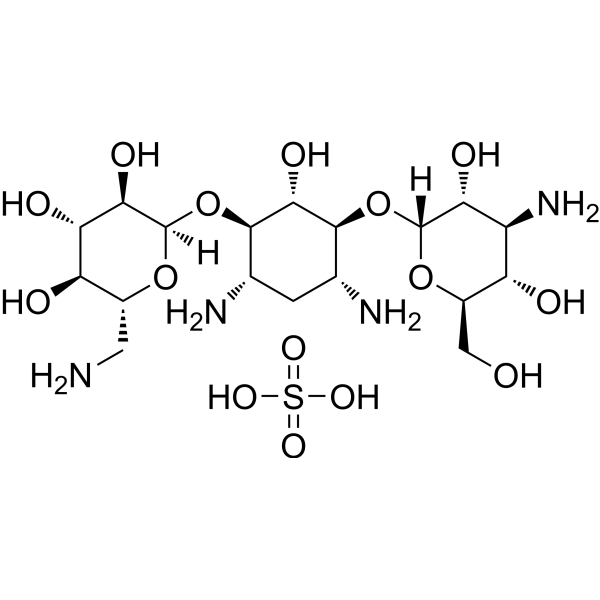
Kanamycin (Kanamycin A) sulfate is an orally active antibacterial (gram-negative/positive bacteria) agent, inhibits translocation and causes misencoding by binding to the 70 S ribosomal subunit. Kanamycin sulfate shows good inhibitory activity to both M. tuberculosis (sensitive and drug-resistant ) and K. pneumonia, which can be used in studies of tuberculosis and pneumonia .
loading...
    loading...
33
33 Cited Publications
Cat. No.: HY-14865
CAS No.: 389139-89-3
Purity:  99.85%
Synonyms: PTK 0796; Amadacycline
Target:  

Bacterial Antibiotic

Research Areas:  

Infection

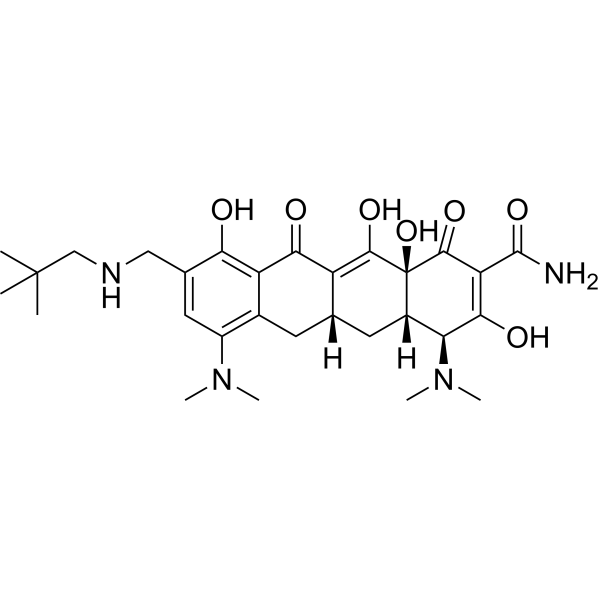
Omadacycline (PTK 0796), a first-in-class orally active aminomethylcycline antibacterial, is a member of the tetracycline class of antibiotics. Omadacycline acts through the inhibition of bacterial protein synthesis by binding to the 30S ribosomal subunit. Omadacycline possesses broad-spectrum antibacterial activity against aerobic and anaerobic Gram-positive and Gram-negative bacteria, as well as atypical bacteria. Omadacycline can be used for the research of acute bacterial skin and skin-structure infections, community-acquired pneumonia, and urinary tract infections .
loading...
    loading...
33
33 Cited Publications
Cat. No.: HY-14865B
CAS No.: 1075240-43-5
Purity:  99.37%
Synonyms: PTK 0796 tosylate; Amadacycline tosylate
Target:  

Bacterial Antibiotic

Research Areas:  

Infection

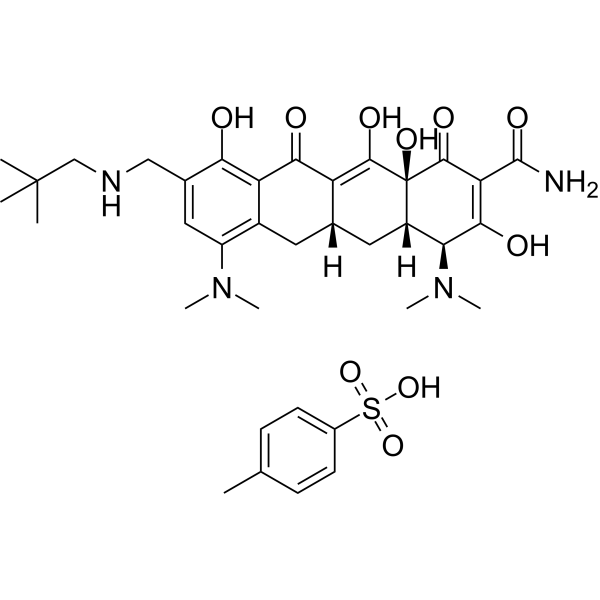
Omadacycline (PTK 0796) tosylate, a first-in-class orally active aminomethylcycline antibacterial, is a member of the tetracycline class of antibiotics. Omadacycline tosylate acts through the inhibition of bacterial protein synthesis by binding to the 30S ribosomal subunit. Omadacycline tosylate possesses broad-spectrum antibacterial activity against aerobic and anaerobic Gram-positive and Gram-negative bacteria, as well as atypical bacteria. Omadacycline tosylate can be used for the research of acute bacterial skin and skin-structure infections, community-acquired pneumonia, and urinary tract infections .
loading...
    loading...
33
33 Cited Publications
Cat. No.: HY-14865C
CAS No.: 1196800-39-1
Purity:  99.47%
Synonyms: PTK0796 hydrochloride; Amadacycline hydrochloride
Target:  

Bacterial Antibiotic

Research Areas:  

Infection

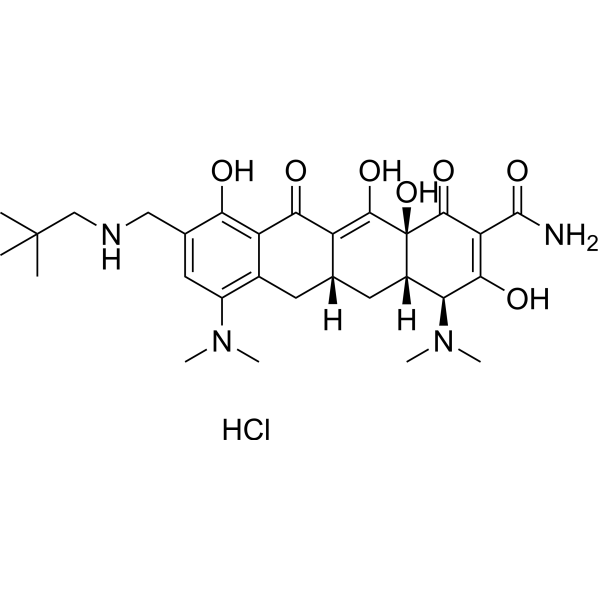
Omadacycline (PTK 0796) hydrochloride, a first-in-class orally active aminomethylcycline antibacterial, is a member of the tetracycline class of antibiotics. Omadacycline hydrochloride acts through the inhibition of bacterial protein synthesis by binding to the 30S ribosomal subunit. Omadacycline hydrochloride possesses broad-spectrum antibacterial activity against aerobic and anaerobic Gram-positive and Gram-negative bacteria, as well as atypical bacteria. Omadacycline hydrochloride can be used for the research of acute bacterial skin and skin-structure infections, community-acquired pneumonia, and urinary tract infections .
loading...
    loading...
33
33 Cited Publications
Cat. No.: HY-16268
CAS No.: 4727-31-5
Synonyms: KGN
Target:  

TGF-beta/Smad

Research Areas:  

Inflammation/Immunology

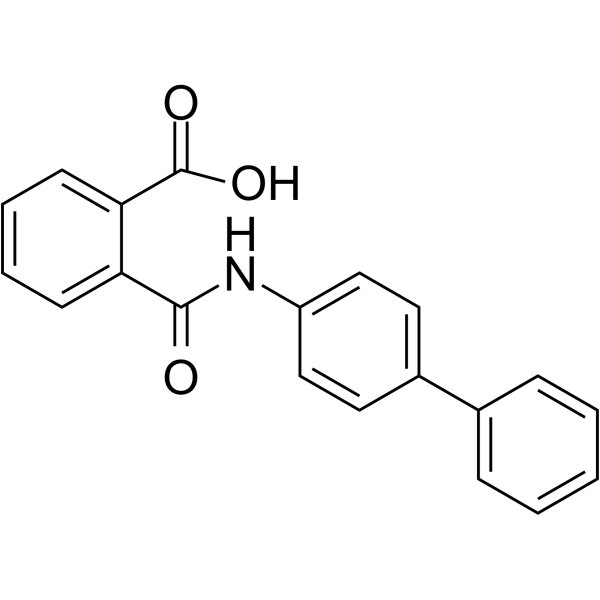
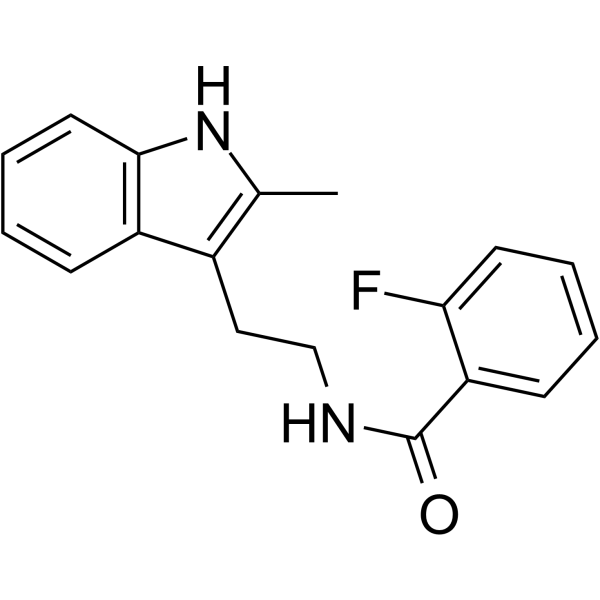
Kartogenin (KGN) is an inducer of chondrogenic tissue formation (EC50: 100 nM). Kartogenin induces chondrogenesis by binding to fibrin A, disrupting its interaction with the transcription factor core binding factor beta subunit (CBFβ), and by modulating the CBFβ-RUNX1 transcriptional program. Kartogenin also promotes tendon-bone junction (TBJ) wound healing by stimulating collagen synthesis. Kartogenin is widely used in cell-free therapy in the field of regeneration for cartilage regeneration and protection, tendon-bone healing, wound healing and limb development. Kartogenin promotes cartilage repair, coordinates limb development, and is also used in osteoarthritis (OA) research .
loading...
    loading...
33
33 Cited Publications
Cat. No.: HY-16268A
CAS No.: 1401168-39-5
Synonyms: KGN sodium
Target:  

TGF-beta/Smad

Research Areas:  

Inflammation/Immunology

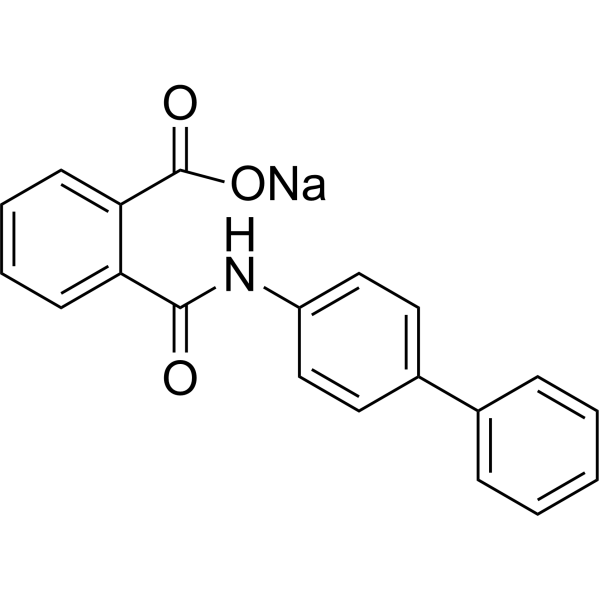
Kartogenin (KGN) sodium is an inducer of chondrogenic tissue formation (EC50: 100 nM). Kartogenin sodium induces chondrogenesis by binding to fibrin A, disrupting its interaction with the transcription factor core binding factor beta subunit (CBFβ), and by modulating the CBFβ-RUNX1 transcriptional program. Kartogenin sodium also promotes tendon-bone junction (TBJ) wound healing by stimulating collagen synthesis. Kartogenin sodium is widely used in cell-free therapy in the field of regeneration for cartilage regeneration and protection, tendon-bone healing, wound healing and limb development. Kartogenin sodium promotes cartilage repair, coordinates limb development, and is also used in osteoarthritis (OA) research .
loading...
    loading...
30
30 Cited Publications
Cat. No.: HY-B0509
CAS No.: 1257517-67-1
Synonyms: BAY 41-6551 hydrate
Target:  

Bacterial Antibiotic

Research Areas:  

Infection Cancer

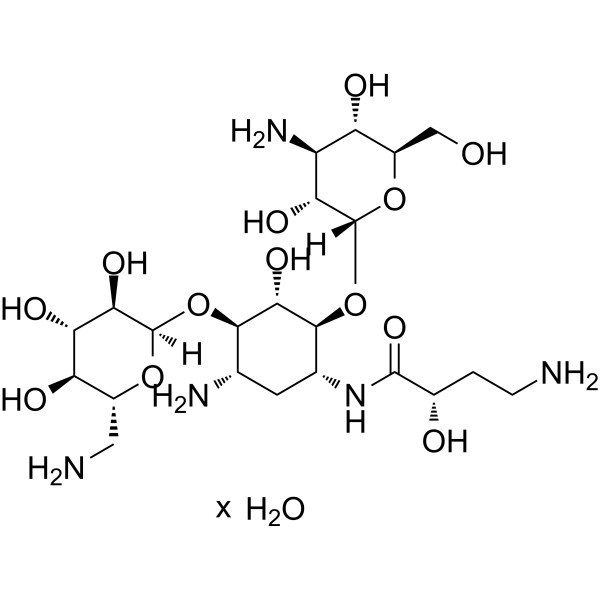
Amikacin hydrate (BAY 41-6551 hydrate) is an aminoglycoside antibiotic and a semisynthetic analog of kanamycin. Amikacin hydrate is bactericidal, acting directly on the 30S and 50S bacerial ribosomal subunits to inhibit protein synthesis. Amikacin hydrate is very active against most Gram-negative bacteria including gentamicin- and tobramycin-resistant strains. Amikacin hydrate also inhibits the infections caused by susceptible Nocardia and nontuberculous mycobacteria .
loading...
    loading...
30
30 Cited Publications
Cat. No.: HY-107813
CAS No.: 149022-22-0
Purity:  99.11%
Synonyms: BAY 41-6551 sulfate
Target:  

Bacterial Antibiotic

Research Areas:  

Infection Cancer

Amikacin sulfate (BAY 41-6551 sulfate) is an aminoglycoside antibiotic and a semisynthetic analog of kanamycin. Amikacin sulfate is bactericidal, acting directly on the 30S and 50S bacerial ribosomal subunits to inhibit protein synthesis. Amikacin sulfate is very active against most Gram-negative bacteria including gentamicin- and tobramycin-resistant strains. Amikacin sulfate also inhibits the infections caused by susceptible Nocardia and nontuberculous mycobacteria .
loading...
    loading...
30
30 Cited Publications
Cat. No.: HY-B0509B
CAS No.: 39831-55-5
Synonyms: BAY 41-6551 disulfate
Target:  

Bacterial Antibiotic

Research Areas:  

Infection Cancer

Amikacin disulfate (BAY 41-6551 dissulfate) is an aminoglycoside antibiotic and a semisynthetic analog of kanamycin. Amikacin disulfate is bactericidal, acting directly on the 30S and 50S bacerial ribosomal subunits to inhibit protein synthesis. Amikacin disulfate is very active against most Gram-negative bacteria including gentamicin- and tobramycin-resistant strains. Amikacin disulfate also inhibits the infections caused by susceptible Nocardia and nontuberculous mycobacteria .
loading...
    loading...

