

366 Results for "

Triglycerides

" in MedChemExpress (MCE) Product Catalog:
Products (366)

366 Results for "Triglycerides" in MCE Product Catalog:

69
69 Publications Verification
Cat. No.: HY-112490
CAS No.: 344423-98-9
Purity:  99.64%
Research Areas:  

Cardiovascular Disease Others

Atorvastatin calcium salt trihydrate is a drug belonging to the statin class of drugs used to lower blood cholesterol levels. Atorvastatin calcium salt trihydrate has unique chemical properties that make it an effective tool in controlling high levels of low-density lipoprotein (LDL) cholesterol and triglycerides in the body, reducing the risk of heart attack and stroke. Atorvastatin calcium salt trihydrate works by inhibiting HMG-CoA reductase, the enzyme responsible for producing cholesterol in the liver.
loading...
    loading...
43
43 Cited Publications
Cat. No.: HY-15859
CAS No.: 1469924-27-3
Purity:  99.57%
Target:  

ATGL

Research Areas:  

Metabolic Disease

Atglistatin is a selective adipose triglyceride lipase (ATGL) inhibitor which inhibits lipolysis with an IC50 of 0.7 μM in vitro.
loading...
    loading...
33
33 Cited Publications
Cat. No.: HY-101563
CAS No.: 1616392-22-3
Purity:  99.51%
Synonyms: EPZ015938
GSK3326595 is a protein arginine methyltransferase 5 (PRMT5) inhibitor. GSK3326595 decreases SARS-CoV-2 infection, inhibits cancer cell proliferation and induces pro-inflammatory macrophage polarization and increases hepatic triglyceride levels without affecting atherosclerosis. GSK3326595 can be used for research of relapsed/refractory mantle cell lymphoma .
loading...
    loading...
27
27 Cited Publications
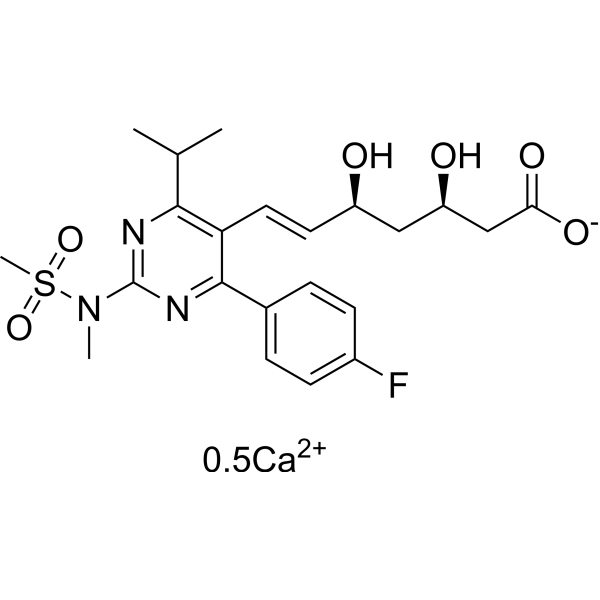
Cat. No.: HY-17504
CAS No.: 147098-20-2
Synonyms: Rosuvastatin hemicalcium; ZD 4522 Calcium
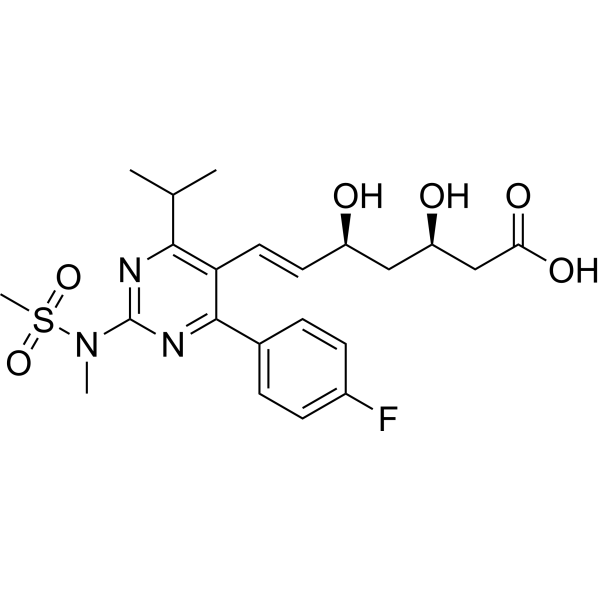
Rosuvastatin Calcium is a competitive HMG-CoA reductase (HMGCR) inhibitor, with an IC50 of 11 nM. Rosuvastatin Calcium potently blocks hERG current with an IC50 of 195 nM . Rosuvastatin Calcium reduces the expression of the mature hERG and the interaction of heat shock protein 70 (Hsp70) with the hERG protein. Rosuvastatin Calcium effectively lowers low-density lipoprotein (LDL) cholesterol, triglycerides, and C-reactive protein levels .
loading...
    loading...
27
27 Cited Publications
Cat. No.: HY-17504A
CAS No.: 287714-41-4
Synonyms: ZD 4522
Rosuvastatin (ZD 4522) is a competitive HMG-CoA reductase inhibitor with an IC50 of 11 nM. Rosuvastatin potently blocks hERG current with an IC50 of 195 nM, delayed cardiac repolarization, and thereby prolonged action potential durations (APDs) and corrected QT interval (QTc) intervals. Rosuvastatin reduces the expression of the mature hERG and the interaction of heat shock protein 70 (Hsp70) with the hERG protein. Rosuvastatin effectively lowers low-density lipoprotein (LDL) cholesterol, triglycerides, and C-reactive protein levels .
loading...
    loading...
27
27 Cited Publications
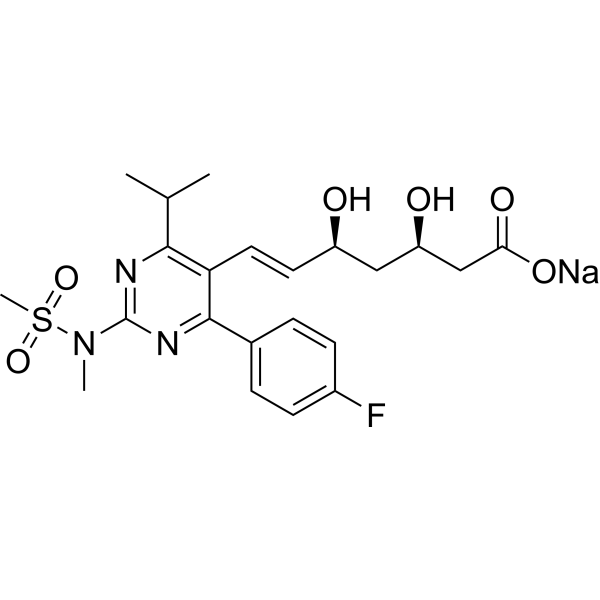
Cat. No.: HY-17504B
CAS No.: 147098-18-8
Synonyms: ZD 4522 Sodium; X-Plended Sodium; Crestor Sodium
Rosuvastatin Sodium is a competitive HMG-CoA reductase (HMGCR) inhibitor, with an IC50 of 11 nM. Rosuvastatin Sodium potently blocks hERG current with an IC50 of 195 nM . Rosuvastatin Sodium reduces the expression of the mature hERG and the interaction of heat shock protein 70 (Hsp70) with the hERG protein. Rosuvastatin Sodium effectively lowers low-density lipoprotein (LDL) cholesterol, triglycerides, and C-reactive protein levels .
loading...
    loading...
16
16 Cited Publications
Cat. No.: HY-16343
CAS No.: 131060-14-5
Target:  

COX

Research Areas:  

Metabolic Disease

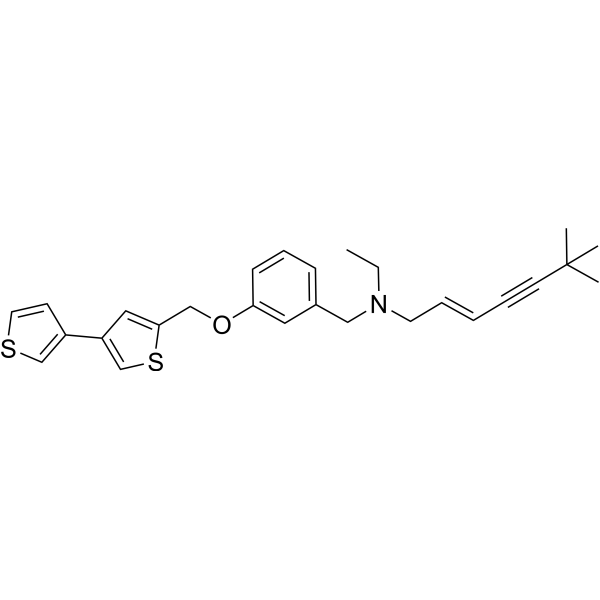
NB-598 is a potent and competitive inhibitor of squalene epoxidase (SE), and suppresses triglyceride biosynthesis through the farnesol pathway. NB-598 is a click chemistry reagent, it contains an Alkyne group and can undergo copper-catalyzed azide-alkyne cycloaddition (CuAAc) with molecules containing Azide groups.
loading...
    loading...
16
16 Cited Publications
Cat. No.: HY-16343C
CAS No.: 155294-62-5
Target:  

COX

Research Areas:  

Metabolic Disease

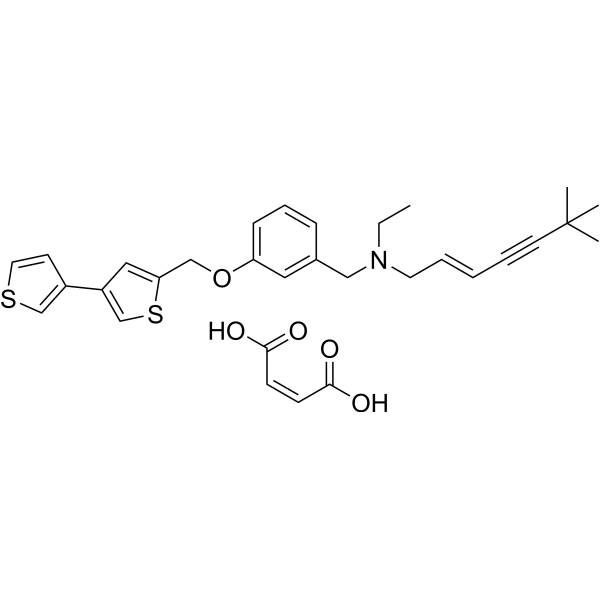
NB-598 Maleate is a potent and competitive inhibitor of squalene epoxidase (SE), and suppresses triglyceride biosynthesis through the farnesol pathway. NB-598 (Maleate) is a click chemistry reagent, it contains an Alkyne group and can undergo copper-catalyzed azide-alkyne cycloaddition (CuAAc) with molecules containing Azide groups.
loading...
    loading...
13
13 Cited Publications
Cat. No.: HY-17504R
CAS No.: 147098-20-2
Synonyms: Rosuvastatin hemicalcium (Standard); ZD 4522 Calcium (Standard)
Rosuvastatin (Calcium) (Standard) is the analytical standard of Rosuvastatin (Calcium). This product is intended for research and analytical applications. Rosuvastatin Calcium is a competitive HMG-CoA reductase (HMGCR) inhibitor, with an IC50 of 11 nM. Rosuvastatin Calcium potently blocks hERG current with an IC50 of 195 nM . Rosuvastatin Calcium reduces the expression of the mature hERG and the interaction of heat shock protein 70 (Hsp70) with the hERG protein. Rosuvastatin Calcium effectively lowers low-density lipoprotein (LDL) cholesterol, triglycerides, and C-reactive protein levels .
loading...
    loading...
10
10 Cited Publications
Cat. No.: HY-135425
CAS No.: 66990-30-5
Purity:  99.05%
Target:  

Acyltransferase

Research Areas:  

Metabolic Disease

10,12-Tricosadiynoic acid is a highly specific, selective, high affinity and orally active acyl-CoA oxidase-1 (ACOX1) inhibitor. 10,12-Tricosadiynoic acid can treat high fat diet- or obesity-induced metabolic diseases by improving mitochondrial lipid and ROS metabolism . 10,12-Tricosadiynoic acid is a click chemistry reagent, it contains an Alkyne group and can undergo copper-catalyzed azide-alkyne cycloaddition (CuAAc) with molecules containing Azide groups.
loading...
    loading...
8
8 Cited Publications
Cat. No.: HY-19870C
CAS No.: 2759937-80-7
Synonyms: RM-493 monoacetate; BIM-22493 monoacetate; IRC-022493 monoacetate
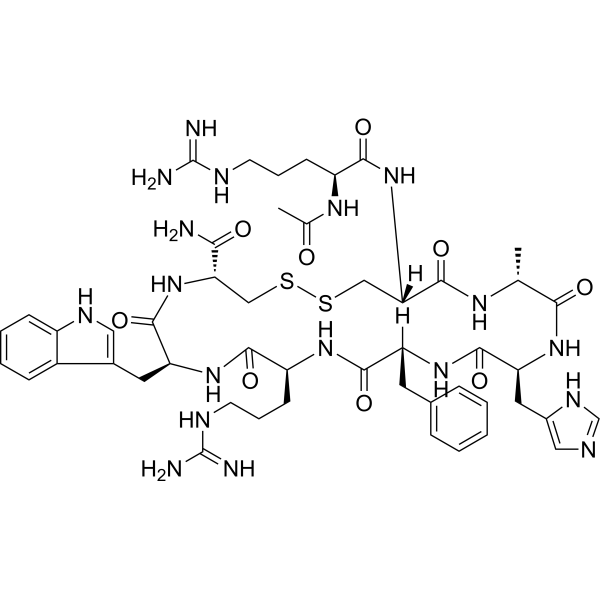
Setmelanotide monoacetate (RM-493 monoacetate) is a blood-brain barrier-permeable, selective MC4R agonist with a Ki value of 2.1 nM for hMC4R. Setmelanotide monoacetate activates the CaMKK2/AMPK signaling pathway. Setmelanotide monoacetate mediates body weight homeostasis, feeding regulation and energy expenditure modulation; it reduces food intake, induces weight loss, decreases obesity severity, increases daytime activity and energy expenditure, lowers levels of leptin, triglycerides, fasting insulin and diastolic blood pressure, improves insulin sensitivity, glucose tolerance and fatty liver condition, and reverses respiratory depression. Setmelanotide monoacetate is applicable to research related to obesity, hyperinsulinemia, fatty liver and respiratory depression .
loading...
    loading...
7
7 Cited Publications
Cat. No.: HY-14667
CAS No.: 182431-12-5
Purity:  99.63%
Synonyms: AEGR-733; BMS-201038
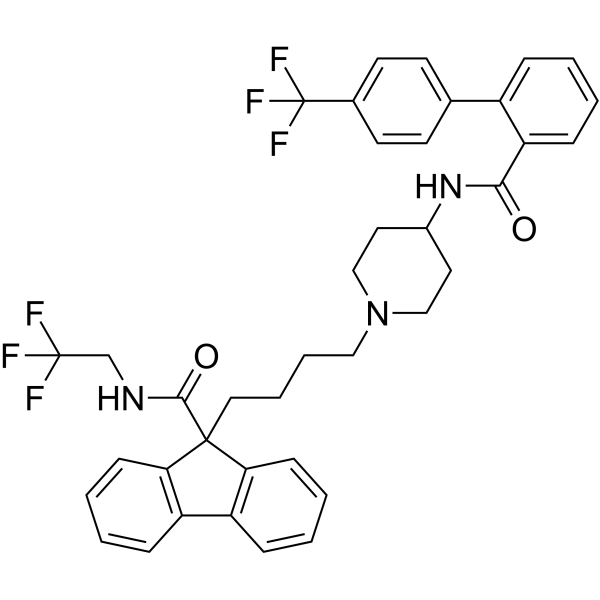
Lomitapide (AEGR-733; BMS-201038) is a potent inhibitor of microsomal triglyceride-transfer protein (MTP) with an IC50 of 8 nM in vitro.
loading...
    loading...
7
7 Cited Publications
Cat. No.: HY-14668
CAS No.: 202914-84-9
Purity:  99.57%
Synonyms: AEGR-733 mesylate; BMS-201038 mesylate
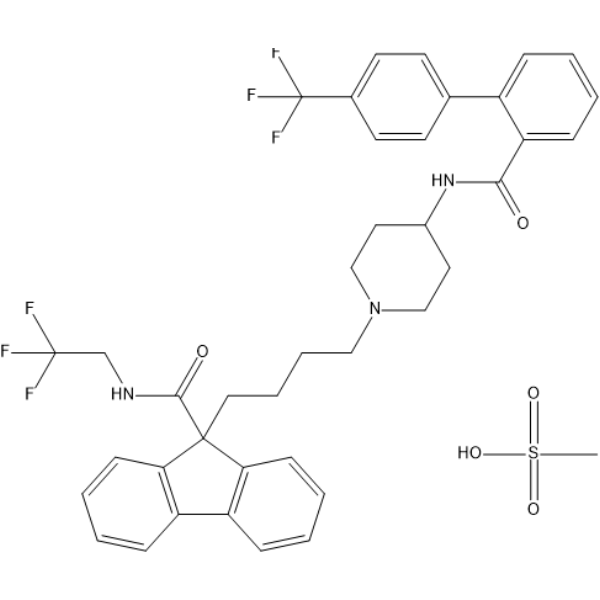
Lomitapide (AEGR-733; BMS-201038) mesylate is an orally active microsomal triglyceride transfer protein (MTP) inhibitor and a selective mTORC1 inhibitor with lipid-lowering activity and BBB permeability. Lomitapide mesylate significantly reduces plasma LDL levels by blocking the assembly and secretion of very-low-density lipoprotein (VLDL). Lomitapide mesylate inhibits mTORC1 in an ATP-dependent manner, thereby inducing AMPK-independent autophagic cell death and suppressing cancer cell growth and apoptosis. Lomitapide mesylate also enhances tumor infiltration of CD8 + T cells. In addition, Lomitapide mesylate inhibits HDAC, improves endothelial function, effectively alleviates vascular inflammation and oxidative stress, and exerts neuroprotective effects in a cerebral ischemia/reperfusion injury model. Lomitapide mesylate can be used in research on related diseases such as colorectal cancer, breast cancer, melanoma, ischemic stroke, and familial hypercholesterolemia .
loading...
    loading...
6
6 Cited Publications
Cat. No.: HY-100313A
CAS No.: 182959-33-7
Purity:  98.23%
Research Areas:  

Infection Metabolic Disease

YM-53601, a squalene synthase inhibitor, reduces plasma cholesterol and triglyceride levels in vivo . YM-53601 inhibits squalene synthase derived from human hepatoma cells with an IC50 of 79 nM. Lipid-lowering agent . YM-53601 is also an inhibitor of farnesyl-diphosphate farnesyltransferase 1 (FDFT1) enzyme activity and abrogates HCV propagation .
loading...
    loading...
5
5 Cited Publications
Cat. No.: HY-107799
CAS No.: 8001-79-4
Castor oil is a natural triglyceride and a solvent. Castor oil has a laxative effect and induces labor in pregnant females. Castor oil can be used as a solvent, co-solvent, stabilizing agent and polyol for the formation of polymer-nanoparticle composites .
loading...
    loading...
5
5 Cited Publications
Cat. No.: HY-112540
CAS No.: 541-50-4
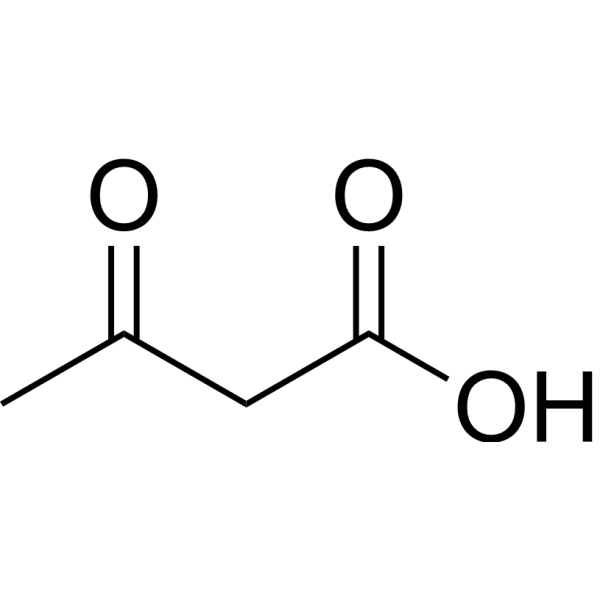
Acetoacetic acid is an oxidative stress inducer that affects the antioxidant enzyme system and lipoprotein metabolism. Acetoacetic acid induces oxidative stress by decreasing the mRNA expression and activity of superoxide dismutase (SOD), catalase (CAT), and glutathione peroxidase (GSH-Px), increasing MDA content, and inhibiting very low density lipoprotein (VLDL) assembly by downregulating apolipoprotein ApoB100, ApoE, and low density lipoprotein receptor (LDLR), leading to triglyceride (TG) accumulation in hepatocytes. Acetoacetic acid can be used to study metabolic diseases .
loading...
    loading...
5
5 Cited Publications
Cat. No.: HY-W009732
CAS No.: 530-59-6
Synonyms: Sinapic acid
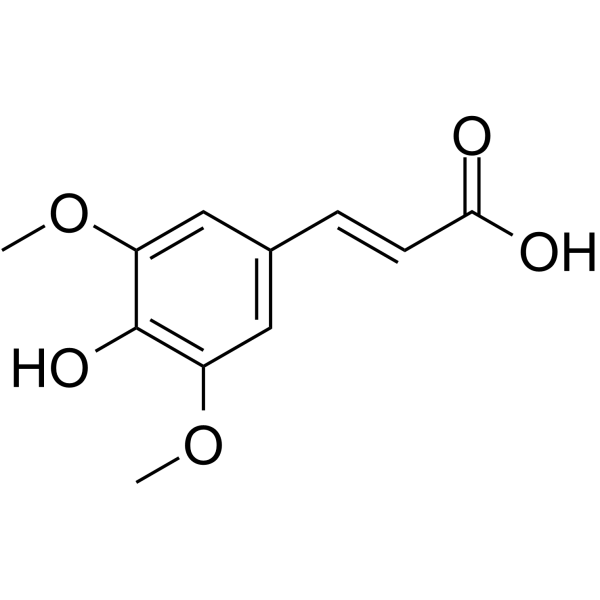
Sinapinic acid (Sinapic acid) is a phenolic compound isolated from Hydnophytum formicarum Jack. Rhizome, acts as an inhibitor of HDAC, with an IC50 of 2.27 mM , and also inhibits ACE-I activity . Sinapinic acid posssess potent anti-tumor activity, induces apoptosis of tumor cells . Sinapinic acid shows antioxidant and antidiabetic activities . Sinapinic acid reduces total cholesterol, triglyceride, and HOMA-IR index, and also normalizes some serum parameters of antioxidative abilities and oxidative damage in ovariectomized rats .
loading...
    loading...
5
5 Cited Publications
Cat. No.: HY-112540A
CAS No.: 3483-11-2
Purity:  ≥98.0%
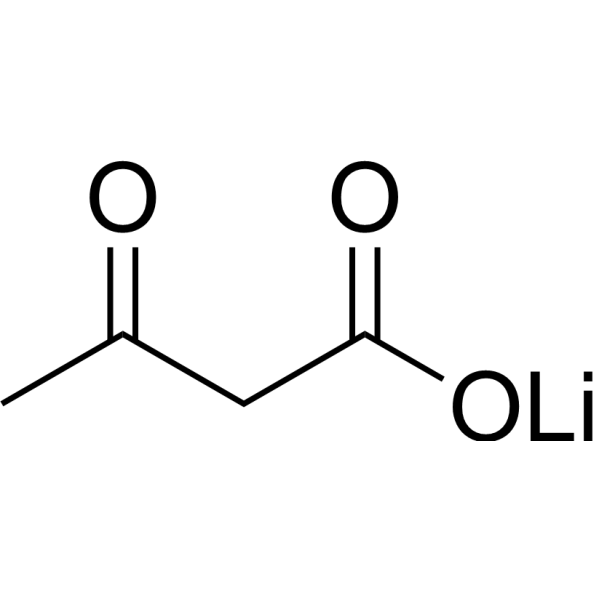
Acetoacetic acid lithium is an oxidative stress inducer that affects the antioxidant enzyme system and lipoprotein metabolism. Acetoacetic acid lithium induces oxidative stress by decreasing the mRNA expression and activity of superoxide dismutase (SOD), catalase (CAT), and glutathione peroxidase (GSH-Px), increasing MDA content, and inhibiting very low density lipoprotein (VLDL) assembly by downregulating apolipoprotein ApoB100, ApoE, and low density lipoprotein receptor (LDLR), leading to triglyceride (TG) accumulation in hepatocytes. Acetoacetic acid lithium can be used to study metabolic diseases .
loading...
    loading...
4
4 Cited Publications
Cat. No.: HY-W015309
CAS No.: 334-48-5
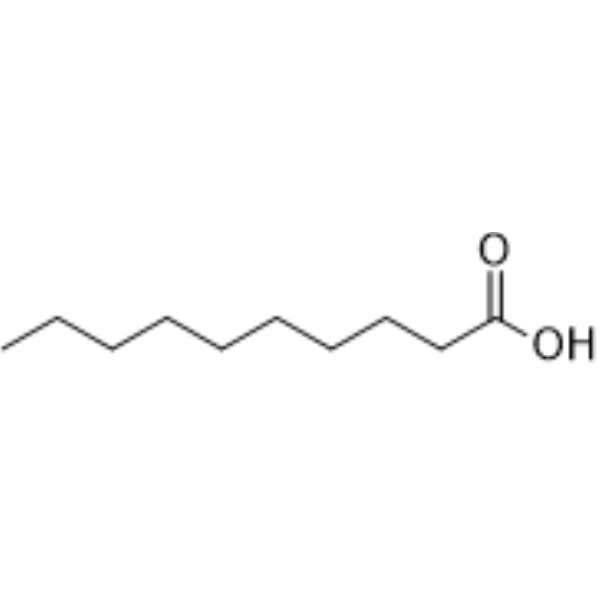
Decanoic acid is a key component of the medium-chain triglyceride (MCT) found in coconut oil. Decanoic acid is a brain-penetrant and non-competitive inhibitor of AMPA receptor showing antiseizure activity in rats. Decanoic acid reduces tyrosinase activity and inhibits melanosome maturation. Decanoic acid suppresses the phosphorylation of c-Met and induced apoptosis in hepatocellular carcinoma (HCC) cells by inhibiting the expression of various oncogenic proteins, which is promising for research in the field of mTORC1 signaling, HCC and epilepsy .
loading...
    loading...
4
4 Cited Publications
Cat. No.: HY-N7075
CAS No.: 9005-80-5
Inulin is an orally active prebiotic targeting the intestinal microbiota, selectively promoting the proliferation and activity of beneficial bacteria such as bifidobacteria and lactic acid bacteria, and playing a role in regulating the intestinal microecology. The functions of Inulin include: Fermentation by probiotics in the colon to produce short-chain fatty acids (such as butyrate and propionate), lowering the intestinal pH and inhibiting the overgrowth of harmful bacteria; Enhancing the intestinal barrier function and reducing endotoxin translocation; Directly scavenging free radicals (such as superoxide free radicals, hydroxyl free radicals) and activating antioxidant enzymes (SOD, CAT) to reduce oxidative stress. Inulin can also be used in the study of intestinal diseases (constipation, IBD), metabolic syndrome (diabetes, obesity) and liver damage by regulating glucose and lipid metabolism (such as reducing triglycerides, improving insulin sensitivity) and immune response (enhancing NK cell activity, inhibiting inflammatory factors)[1][2][3][4].
loading...
    loading...

