Search Result
Results for "
Vitamin A acid (Standard)
" in MedChemExpress (MCE) Product Catalog:
7
Biochemical Assay Reagents
| Cat. No. |
Product Name |
Target |
Research Areas |
Chemical Structure |
-
- HY-14649R
-
|
Vitamin A acid (Standard); all-trans-Retinoic acid (Standard); ATRA (Standard)
|
Reference Standards
RAR/RXR
PPAR
Endogenous Metabolite
Autophagy
|
Cancer
|
|
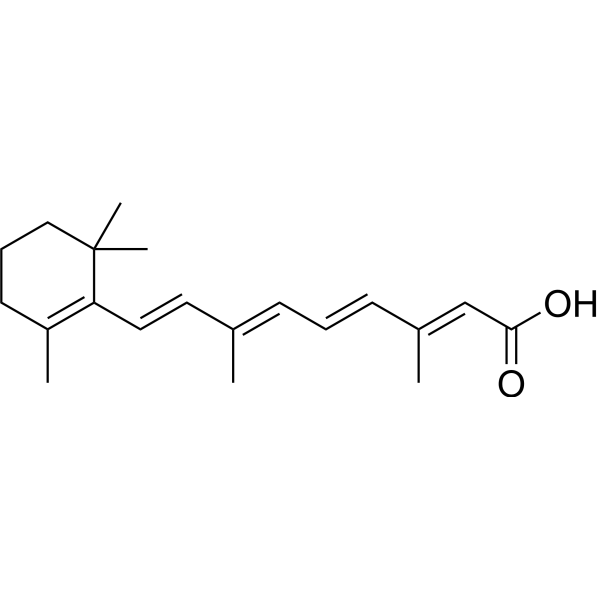
Retinoic acid (Standard) is the analytical standard of Retinoic acid. This product is intended for research and analytical applications. Retinoic acid is a metabolite of vitamin A that plays important roles in cell growth, differentiation, and organogenesis. Retinoic acid is a natural agonist of RAR nuclear receptors, with IC50s of 14 nM for RARα/β/γ. Retinoic acid bind to PPARβ/δ with Kd of 17 nM. Retinoic acid acts as an inhibitor of transcription factor Nrf2 through activation of retinoic acid receptor alpha.
|
-
-
- HY-B0315R
-
|
Cyanocobalamin (Standard)
|
Reference Standards
Endogenous Metabolite
|
Metabolic Disease
Cancer
|
|
Vitamin B12 (Standard) is the analytical standard of Vitamin B12. This product is intended for research and analytical applications. Vitamin B12 is a vitamin. Vitamin B12 plays a key role in the normal functioning of the brain and nervous system, and for the formation of blood .
|
-
-
- HY-N0623R
-
|
Tryptophan (Standard); Tryptophane (Standard)
|
Others
Reference Standards
|
Metabolic Disease
|
|
L-Tryptophan (standard) is the analytical standard of L-Tryptophan. L-Tryptophan (Tryptophan) is an orally active and essential amino acid that is the precursor of serotonin, melatonin, and vitamin B3. L-Tryptophan can promote an increase in stemness and osteogenic ability of BMSCs in vitro and in vivo. L-Tryptophan inhibits cell proliferation and induced cell cycle arrest with high levels .
|
-
-
- HY-B0150R
-
|
Niacinamide(Standard); Nicotinic acid amide (Standard)
|
Reference Standards
Endogenous Metabolite
Sirtuin
|
Cancer
|
|
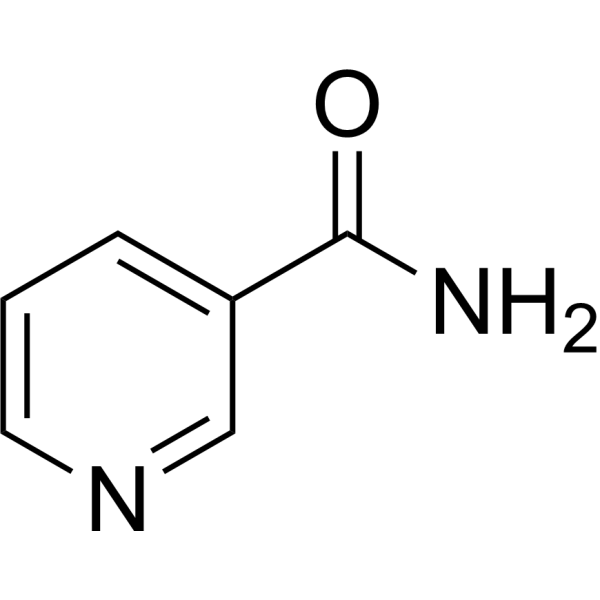
Nicotinamide (Standard) is the analytical standard of Nicotinamide. This product is intended for research and analytical applications. Nicotinamide is a form of vitamin B3 or niacin. Nicotinamide Hydrochloride inhibits SIRT2 activity (IC50: 2 μM). Nicotinamide also inhibits SIRT1. Nicotinamide increases cellular NAD+, ATP, ROS levels. Nicotinamide inhibits tumor growth and improves survival. Nicotinamide also has anti-HBV activity .
|
-
-
- HY-16637R
-
|
Vitamin B9 (Standard); Vitamin M (Standard)
|
Reference Standards
DNA/RNA Synthesis
Endogenous Metabolite
|
Neurological Disease
Cancer
|
|
Folic acid (Standard) is the analytical standard of Folic acid. This product is intended for research and analytical applications. Folic acid (Vitamin B9) is a orally active essential nutrient from the B complex group of vitamins. Folic acid shows antidepressant-like effect. Folic acid sodium reduces the risk of neonatal neural tube defects. Folic acid can be used to the research of megaloblastic and macrocytic anemias due to folic deficiency .
|
-
-
- HY-15398R
-
|
Cholecalciferol (Standard); Colecalciferol (Standard)
|
Reference Standards
VD/VDR
Endogenous Metabolite
Bacterial
|
Metabolic Disease
Cancer
|
|
Vitamin D3 (Standard) is the analytical standard of Vitamin D3. This product is intended for research and analytical applications. Vitamin D3 (Cholecalciferol; Colecalciferol) is a naturally occuring form of vitamin D. Vitamin D3 induces cell differentiation and prevents proliferation of cancer cells.
|
-
-
- HY-N0683R
-
-
-
- HY-110281R
-
|
|
Reference Standards
Endogenous Metabolite
|
Neurological Disease
|
|
Dehydroascorbic acid (Standard) is the analytical standard of Dehydroascorbic acid. This product is intended for research and analytical applications. Dehydroascorbic acid, a blood-brain barrier transportable form of vitamin C, mediates potent cerebroprotection in experimental stroke.
|
-
-
- HY-B0586R
-
|
Mecobalamin (Standard); CH3-B12 (Standard)
|
Reference Standards
Endogenous Metabolite
|
Metabolic Disease
|
|
Methylcobalamin (Standard) is the analytical standard of Methylcobalamin. This product is intended for research and analytical applications. Methylcobalamin (CH3-B12), a cobalamin, is a form of vitamin B12.
|
-
-
- HY-B1744R
-
|
Pyridoxal 5′-phosphate (Standard); Pyridoxyl phosphate (Standard)
|
Reference Standards
Reverse Transcriptase
Endogenous Metabolite
|
Neurological Disease
|
|
Pyridoxal phosphate (Standard) is the analytical standard of Pyridoxal phosphate. This product is intended for research and analytical applications. Pyridoxal phosphate is the active form of vitamin B6, acts as an inhibitor of reverse transcriptases, and is used for the treatment of tardive dyskinesia.
|
-
-
- HY-101445B
-
|
|
Drug Isomer
|
Neurological Disease
|
|
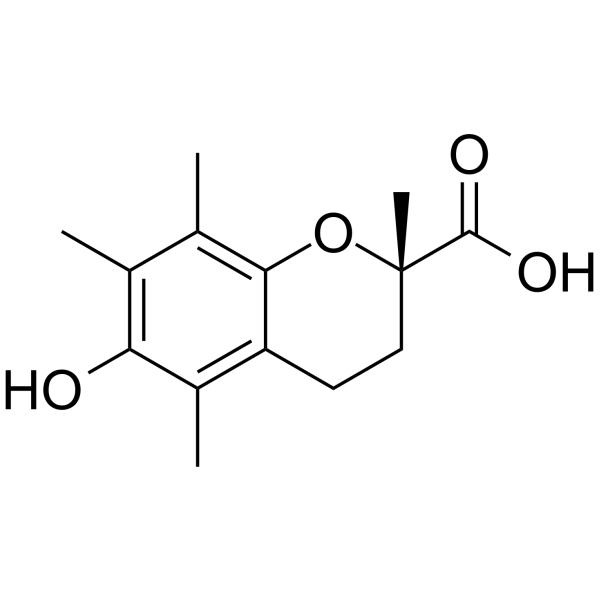
(S)-Trolox is an analogue of vitamin E, in which the phytyl chain is replaced with a carboxyl group. (S)-Trolox is frequently used as a model compound for studies of structural features, as well as a standard for evaluation of antioxidant activity. (S)-Trolox has potent and specific neuroprotective and antioxidant effects .
|
-
-
- HY-B1384R
-
|
Vitamin A palmitate (Standard); Retinol palmitate (Standard)
|
Endogenous Metabolite
Reference Standards
|
Others
|
|
Retinyl palmitate (Standard) is the analytical standard of Retinyl palmitate. This product is intended for research and analytical applications. Retinyl palmitate is an ester of Retinol and is the major form of vitamin A found in the epidermis. Retinyl palmitate has been widely used in pharmaceutical and cosmetic formulations.
|
-
-
- HY-10002R
-
|
1,25-DihydroxyVitamin D3 (Standard)
|
Drug Metabolite
Reference Standards
VD/VDR
Endogenous Metabolite
|
Cancer
|
|
Calcitriol (Standard) is the analytical standard of Calcitriol. This product is intended for research and analytical applications. Calcitriol is the most active metabolite of vitamin D and also a vitamin D receptor (VDR) agonist.
|
-
-
- HY-B0143R
-
|
Nicotinic acid (Standard); Vitamin B3 (Standard)
|
MOFs
|
Cardiovascular Disease
Metabolic Disease
Cancer
|
|
Niacin (Standard) is the analytical standard of Niacin. This product is intended for research and analytical applications. Niacin (Vitamin B3) is an orally active water-soluble B3 vitamin that is an essential nutrient for humans. Niacin (Vitamin B3) plays a key role in energy metabolism, cell signaling cascades regulating gene expression and apoptosis. Niacin (Vitamin B3) is also used in the study of cardiovascular diseases .
|
-
-
- HY-B0332R
-
|
Vitamin K3 (Standard)
|
Reference Standards
Endogenous Metabolite
|
Others
|
|
Menadione (Standard) is the analytical standard of Menadione. This product is intended for research and analytical applications. Menadione is a naphthoquinone that is converted into active vitamin K2 in the body. Menadione is a potential anticancer agent and radiosensitizer .
|
-
-
- HY-112790R
-
|
Coenzyme B12 (Standard); Cobamamide (Standard); AdoCbl (Standard)
|
Reference Standards
Endogenous Metabolite
|
Metabolic Disease
|
|
Adenosylcobalamin (Standard) is the analytical standard of Adenosylcobalamin. This product is intended for research and analytical applications. Adenosylcobalamin (Coenzyme B12;Cobamamide;AdoCbl) is an active form of Vitamin B12 which is a cofactor for methylmalonyl CoA mutase
|
-
-
- HY-B0511R
-
|
Vitamin B7 (Standard); Vitamin H (Standard); D-Biotin (Standard)
|
Endogenous Metabolite
Reference Standards
|
Metabolic Disease
|
|
Biotin (Standard) is the analytical standard of Biotin. Biotin, vitamin B7 and serves as a coenzyme for five carboxylases in humans, involved in the synthesis of fatty acids, isoleucine, and valine, and in gluconeogenesis. Biotin is necessary for cell growth, the production of fatty acids, and the metabolism of fats and amino acids .
|
-
-
- HY-107469R
-
|
Pyridoxaldehyde (Standard)
|
Endogenous Metabolite
Reference Standards
|
Neurological Disease
Metabolic Disease
|
|
Pyridoxal (Standard) is the analytical standard of Pyridoxal. This product is intended for research and analytical applications. Pyridoxal is a neuroprotectant. Pyridoxal is one of the main forms of vitamin B6. Pyridoxal is phosphorylated by pyridoxal kinase to pyridoxal phosphate (HY-B1744). Pyridoxal is oxidized by the liver to 4-pyridoxic acid (HY-113493) and excreted in the urine. Pyridoxal has shown promise in the study of carpal tunnel syndrome (CTS)[1][2][3].
|
-
-
- HY-N0679R
-
|
Retinol acetate (Standard); Vitamin A acetate (Standard)
|
Reference Standards
Others
|
Cancer
|
|
Retinyl acetate (Standard) is the analytical standard of Retinyl acetate. This product is intended for research and analytical applications. Retinyl acetate is a synthetic acetate ester form derived from retinol and has potential antineoplastic and chemo preventive activities .
|
-
-
- HY-N0682R
-
|
Vitamin B6 hydrochloride (Standard)
|
Reference Standards
Endogenous Metabolite
Keap1-Nrf2
|
Neurological Disease
Cancer
|
|
Pyridoxine (hydrochloride) (Standard) is the analytical standard of Pyridoxine (hydrochloride). This product is intended for research and analytical applications. Pyridoxine hydrochloride (Pyridoxol; Vitamin B6) is a pyridine derivative. Pyridoxine (Pyridoxol; Vitamin B6) exerts antioxidant effects in cell model of Alzheimer's disease via the Nrf-2/HO-1 pathway.
|
-
-
- HY-103395R
-
|
Methylpropanedioic acid (Standard); Methylmalonate (Standard)
|
Reference Standards
Endogenous Metabolite
|
Cancer
|
|
Methylmalonic acid (Standard) is the analytical standard of Methylmalonic acid. This product is intended for research and analytical applications. Methylmalonic acid (Methylmalonate) is an indicator of Vitamin B-12 deficiency in cancer.
|
-
-
- HY-10001R
-
|
MC 903 (Standard); Calcipotriene (Standard)
|
Reference Standards
VD/VDR
|
Inflammation/Immunology
Cancer
|
|
Calcipotriol (Standard) is the analytical standard of Calcipotriol. This product is intended for research and analytical applications. Calcipotriol is a synthetic VitD3 analogue with a high affinity for the vitamin D receptor.
|
-
-
- HY-129459R
-
|
|
Reference Standards
Endogenous Metabolite
|
Cardiovascular Disease
Neurological Disease
|
|
α-Tocotrienol (Standard) is the analytical standard of α-Tocotrienol. This product is intended for research and analytical applications. α-Tocotrienol is an isoform of vitamin E and found in vegetables, fruits, seeds, nuts, grains, and oils. Vitamin E plays a role as an antioxidant, in lowering cholesterol and other lipids, as a neuroprotective and anticancer agent, and in cardiovascular disease protection.
|
-
-
- HY-32351R
-
|
25-hydroxy Vitamin D3 (Standard)
|
Reference Standards
VD/VDR
Endogenous Metabolite
|
Metabolic Disease
|
|
Calcifediol (Standard) is the analytical standard of Calcifediol. This product is intended for research and analytical applications. Calcifediol (25-hydroxy Vitamin D3) is an effective VDR ligand and VD supplement. Calcifediol is a prohormone of the vitamin D endocrine system (VDES) and is hydroxylated in the liver to produce the active form, calcitriol. Calcifediol can rapidly increase serum VD levels .
|
-
-
- HY-B1278BR
-
|
(±)-Vitamin E acetate (Standard)
|
Biochemical Assay Reagents
Reference Standards
|
Infection
|
|
(±)-α-Tocopherol acetate (Standard) is the analytical standard of (±)-α-Tocopherol acetate. This product is intended for research and analytical applications. (±)-α-Tocopherol acetate ((±)-Vitamin E acetate), is a orally active synthetic form of vitamin E. (±)-α-Tocopherol acetate is the ester of acetic acid and α-tocopherol. (±)-α-Tocopherol acetate can be used for the research of the susceptibility of farmed fish to infectious diseases .
|
-
-
- HY-113279R
-
|
|
Endogenous Metabolite
Reference Standards
|
Others
|
|
7-Dehydrocholesterol (Standard) is the analytical standard of 7-Dehydrocholesterol. This product is intended for research and analytical applications.7-Dehydrocholesterol is biosynthetic precursor of cholesterol and vitamin D3.
|
-
-
- HY-B2156R
-
|
Vitamin K2(MK-4) (Standard); Menaquinone K4 (Standard)
|
Reference Standards
Endogenous Metabolite
|
Cancer
|
|
Menaquinone-4 (Standard) is the analytical standard of Menaquinone-4. This product is intended for research and analytical applications. Menaquinone-4 is a vitamin K, used as a hemostatic agent, and also a adjunctive therapy for the pain of osteoporosis.
|
-
-
- HY-15127R
-
|
13-cis-Retinoic acid (Standard)
|
Reference Standards
RAR/RXR
Endogenous Metabolite
Autophagy
|
Cancer
|
|
Isotretinoin (Standard) is the analytical standard of Isotretinoin. This product is intended for research and analytical applications. Isotretinoin (13-cis-Retinoic acid) is an orally active vitamin A derivative and is often be used for the research of severe acne. Isotretinoin also shows anticancer activity .
|
-
-
- HY-W020044R
-
|
DL-α-Tocopherol (Standard)
|
Reference Standards
Ferroptosis
DNA/RNA Synthesis
Apoptosis
|
Cancer
|
|
DL-alpha-Tocopherol (Standard) is the analytical standard of DL-alpha-Tocopherol. This product is intended for research and analytical applications. DL-alpha-Tocopherol is a synthetic vitamin E, with antioxidation effect. DL-alpha-Tocopherol protects human skin fibroblasts against the cytotoxic effect of UVB .
|
-
-
- HY-W011474R
-
|
|
Reference Standards
NF-κB
|
Inflammation/Immunology
|
|
Geranylgeraniol (Standard) is the analytical standard of Geranylgeraniol. This product is intended for research and analytical applications. Geranylgeraniol is an orally acitve vitamin K2 sub-type, an intermediate of the mevalonate pathway. Geranylgeraniol targets NF-kB signaling pathway and could alleviate LPS-induced microglial inflammation in animal model [4].
|
-
-
- HY-B0964R
-
|
Riboflavine phosphate sodium (Standard); Riboflavin 5'-phosphate sodium (Standard); Riboflavine 5'-phosphate sodium (Standard)
|
Reference Standards
Endogenous Metabolite
|
Others
|
|
Riboflavin phosphate (sodium) (Standard) is the analytical standard of Riboflavin phosphate (sodium). This product is intended for research and analytical applications. Riboflavin phosphate sodium (FMN-Na) is a derivative of Riboflavin (vitamin B2) which is an essential nutrient for animals. Riboflavin phosphate sodium can be used for the research of progressive keratoconus, corneal ectasia and irregular astigmatism . Riboflavine phosphate sodium is a very effective NAD+-recycling agent .
|
-
-
- HY-113076R
-
|
Cocarboxylase (Standard)
|
Reference Standards
Endogenous Metabolite
|
Metabolic Disease
Inflammation/Immunology
|
|
Thiamine pyrophosphate (Standard) is the analytical standard of Thiamine pyrophosphate. This product is intended for research and analytical applications. Thiamine pyrophosphate is the coenzyme form of Vitamin B1, and is a required intermediate in the pyruvate dehydrogenase complex and the ketoglutarate dehydrogenase complex. Thiamine pyrophosphate is necessary for oxidative phosphorylation and the pentose phosphate pathway by acting as a cofactor for α-ketoacid dehydrogenases .
|
-
-
- HY-N7148R
-
|
D-γ-Tocopherol (Standard); (+)-γ-Tocopherol (Standard)
|
Reference Standards
COX
Endogenous Metabolite
|
Inflammation/Immunology
Cancer
|
|
γ-Tocopherol (Standard) is the analytical standard of γ-Tocopherol. This product is intended for research and analytical applications. γ-Tocopherol (D-γ-Tocopherol) is a potent cyclooxygenase (COX) inhibitor. γ-Tocopherol is a naturally occurring form of Vitamin E in many plant seeds, such as corn oil and soybeans. γ-Tocopherol possesses antiinflammatory properties and anti-cancer activity .
|
-
-
- HY-N0684R
-
|
Phylloquinone (Standard); Phytomenadione (Standard)
|
Reference Standards
|
Cardiovascular Disease
|
|
Vitamin K1 (Standard) is the analytical standard of Vitamin K1. This product is intended for research and analytical applications. Vitamin K1 a naturally occurring vitamin required for blood coagulation and bone and vascular metabolism.
|
-
-
- HY-32349R
-
|
25-Hydroxy Vitamin D2 (Standard)
|
Reference Standards
VD/VDR
Endogenous Metabolite
|
Metabolic Disease
|
|
Ercalcidiol (Standard) is the analytical standard of Ercalcidiol. This product is intended for research and analytical applications. Ercalcidiol is a metabolite of vitamin D2, is regarded as an indicator of vitamin D nutritional status.
|
-
-
- HY-N0681R
-
|
Calcium pantothenate (Standard); Calcium D-pantothenate (Standard); Vitamin B5 calcium salt (Standard)
|
Reference Standards
Endogenous Metabolite
Apoptosis
|
Others
|
|
D-Pantothenic acid (hemicalcium salt) (Standard) is the analytical standard of D-Pantothenic acid (hemicalcium salt). This product is intended for research and analytical applications. D-Pantothenic acid hemicalcium salt is a vitamin that reduces patulin in apple juice.
|
-
-
- HY-112499R
-
|
Vitamin K2-7(Standard); Vitamin K2(35)(Standard); Vitamin MK-7 (Standard)
|
Endogenous Metabolite
Reference Standards
|
Cardiovascular Disease
|
|
Menaquinone-7 (Standard) is the analytical standard of Menaquinone-7. This product is intended for research and analytical applications. Menaquinone-7 (Vitamin K2-7), belongs to a class of K2-vitamin homologs (orally active), is originally discovered as the anti-hemorrhagic factors. Menaquinone-7 inhibits osteoclast bone resorption in vitro and stimulates bone formation in femoral tissue of aged female rats. Menaquinone-7 has a well-researched potential in the prevention of aging-induced bone degeneration. Menaquinone-7 is also a pharmacological option for activating Gla matrix protein and intervening in the progression of calcific aortic stenosis (CAVS) .
|
-
-
- HY-101036R
-
|
|
Reference Standards
mAChR
Endogenous Metabolite
|
Neurological Disease
Cancer
|
|
Choline (bitartrate) (Standard) is the analytical standard of Choline (bitartrate). This product is intended for research and analytical applications. Choline bitartrate is a vitamin-like essential nutrient, can affect diseases such as liver disease, atherosclerosis and neurological disorders . Choline bitartrate is a precursor for the neurotransmitter acetylcholine, as a methyl donor in various metabolic processes, and in lipid metabolism .
|
-
-
- HY-10003AR
-
|
|
Thyroid Hormone Receptor
Reference Standards
|
Metabolic Disease
|
|
1α-Hydroxy-3-epi-vitamin D3 (Standard) is the analytical standard of 1α-Hydroxy-3-epi-vitamin D3 (HY-10003A). This product is intended for research and analytical applications. 1α-Hydroxy-3-epi-vitamin D3, a natural metabolite of 1alpha,25-dihydroxyvitamin D3, is a potent suppressor of parathyroid hormone (PTH) secretion .
|
-
-
- HY-113493R
-
|
|
Reference Standards
Endogenous Metabolite
|
Metabolic Disease
|
|
4-Pyridoxic acid (Standard) is the analytical standard of 4-Pyridoxic acid. This product is intended for research and analytical applications. 4-Pyridoxic acid is a catabolic product of vitamin B6 which is excreted in the urine.
|
-
-
- HY-B0987R
-
|
L-Ascorbic acid 6-hexadecanoate (Standard); 6-O-Palmitoyl-L-ascorbic acid (Standard)
|
Reference Standards
Reactive Oxygen Species (ROS)
Endogenous Metabolite
|
Cancer
|
|
Ascorbyl palmitate (Standard) is the analytical standard of Ascorbyl palmitate. This product is intended for research and analytical applications. Ascorbyl palmitate is an ester formed from ascorbic acid and palmitic acid creating an vitamin C, it is also used as an antioxidant food additive.
|
-
-
- HY-N0139R
-
-
-
- HY-107494R
-
|
4-Keto 13-cis-retinoic acid (Standard); 4-Oxoisotretinoin (Standard); Ro 22-6595 (Standard)
|
Reference Standards
Endogenous Metabolite
|
Others
|
|
13-cis-4-Oxoretinoic acid (Standard) is the analytical standard of 13-cis-4-Oxoretinoic acid (HY-107494). This product is intended for research and analytical applications. 13-cis-4-Oxoretinoic acid (4-Keto 13-cis-retinoic acid) is a metabolite of vitamin A in human plasma .
|
-
-
- HY-133680R
-
|
|
Reference Standards
Tyrosinase
|
Others
|
|
β-Tocopherol (Standard) is the analytical standard of β-Tocopherol. This product is intended for research and analytical applications. β-Tocopherol is an analogue of vitamin E, exhibits antioxidant properties. β-Tocopherol can inhibit tyrosinase activity and melanin synthesis. β-Tocopherol also can prevent the inhibition of cell growth and of PKC activity caused by d-alpha-tocopherol .
|
-
-
- HY-16742BR
-
|
|
Reference Standards
Antibiotic
Bacterial
Topoisomerase
|
Infection
|
|
Niacin (Standard) is the analytical standard of Niacin. This product is intended for research and analytical applications. Niacin (Vitamin B3) is an orally active water-soluble B3 vitamin that is an essential nutrient for humans. Niacin (Vitamin B3) plays a key role in energy metabolism, cell signaling cascades regulating gene expression and apoptosis. Niacin (Vitamin B3) is also used in the study of cardiovascular diseases .
|
-
-
- HY-113026R
-
-
-
- HY-122778R
-
|
|
Reference Standards
NF-κB
AP-1
Caspase
Apoptosis
|
Cardiovascular Disease
Inflammation/Immunology
Cancer
|
|
δ-Tocotrienol (Standard) is the analytical standard of δ-Tocotrienol. This product is intended for research and analytical applications. δ-Tocotrienol is a Vitamin E in vegetables, fruits, seeds, nuts, grains and oils. Vitamin E has become well known for its role as an antioxidant, in lowering cholesterol and other lipids, as a neuroprotective and anticancer agent, and in cardiovascular disease protection.
|
-
-
- HY-16686R
-
|
alpha-Tocopherol phosphate (Standard); TocP (Standard); Vitamin E phosphate (Standard)
|
Reactive Oxygen Species (ROS)
Endogenous Metabolite
Reference Standards
|
Cancer
|
|
α-Tocopherol (phosphate) (Standard) is the analytical standard of α-Tocopherol (phosphate). This product is intended for research and analytical applications. α-Tocopherol phosphate is a compound with the high activity of vitamin E.
|
-
-
- HY-179179
-
|
|
Biochemical Assay Reagents
|
Others
|
|
1/2 MS Medium has a similar composition to standard MS medium, including inorganic salts, sucrose, vitamins, etc. Unlike MS medium, 1/2 MS Medium contains a lower concentration of plant growth hormones (such as indoleacetic acid and adenosine), typically half the concentration of standard MS medium.
|
-
-
- HY-B2224R
-
|
|
Reference Standards
HIV
Endogenous Metabolite
|
Infection
Metabolic Disease
|
|
Thiamine disulfide (Standard) is the analytical standard of Thiamine disulfide. This product is intended for research and analytical applications. Thiamine disulfide, a vitamin B1 derivative, is an oxidized dimer of Thiamine. Thiamine disulfide is a potent HIV-1 inhibitor. Thiamine disulfide significantly depresses HIV-1 transactivator (Tat) activity .
|
-
- HY-17374R
-
|
S-Benzoylthiamine O-monophosphate (Standard)
|
Reference Standards
HIV
SARS-CoV
|
Infection
Metabolic Disease
Inflammation/Immunology
|
|
Benfotiamine (Standard) is the analytical standard of Benfotiamine. This product is intended for research and analytical applications. Benfotiamine (S-Benzoylthiamine O-monophosphate) is a vitamin B1 derivative that exhihibits potent antioxidative and anti-inflammatory activity. Benfotiamine can be used for the research of various secondary diabetic complications. Benfotiamine also can be used in infectious diseases such as HIV and COVID-19 .
|
-
- HY-W003607R
-
|
|
Reference Standards
Tyrosinase
|
Inflammation/Immunology
|
|
3-O-Ethyl-L-ascorbic acid (Standard) is the analytical reference standard for 3-O-Ethyl-L-ascorbic acid. 3-O-Ethyl-L-ascorbic acid is a stable derivative of vitamin C and a cosmetic tyrosinase inhibitor. 3-O-Ethyl-L-ascorbic acid has antioxidant, anti-aging, and skin-whitening activities. 3-O-Ethyl-L-ascorbic acid is often used in the study of cosmetic .
|
-
- HY-A0020R
-
|
ED-71 (Standard); 2-(3-hydroxypropoxy)-1,25-dihydroxyVitamin D3 (Standard)
|
Reference Standards
VD/VDR
Apoptosis
|
Metabolic Disease
Inflammation/Immunology
Cancer
|
|
Eldecalcitol (Standard) is the analytical standard of Eldecalcitol. This product is intended for research and analytical applications. Eldecalcitol (ED-71) is an orally active vitamin D3 analogue, inhibits bone resorption and increases bone mineral density. Eldecalcitol (ED-71) displays anti-tumor effect and inhibits cell proliferation, migration and induces apoptosis by suppressing GPx-1 .
|
-
- HY-15398AR
-
|
5,6-trans-Cholecalciferol (Standard); 5,6-trans-Colecalciferol (Standard); Cholecalciferol EP Impurity A (Standard)
|
Reference Standards
VD/VDR
|
Metabolic Disease
|
|
5,6-trans-Vitamin D3 (Standard) is the analytical standard of 5,6-trans-Vitamin D3. This product is intended for research and analytical applications. 5,6-trans-Vitamin D3 (5,6-trans-Cholecalciferol;5,6-trans-Colecalciferol) is a photoproduct of vitamin D3 . Vitamin D3 is a naturally occuring form of vitamin D. Vitamin D3 induces cell differentiation and prevents proliferation of cancer cells.
|
-
- HY-16516R
-
|
|
Reference Standards
DNA/RNA Synthesis
MMP
Autophagy
|
Cancer
|
|
Vitamin CK3 (Standard) is the combination of Vitamin C and vitamin K3 (100:1 ratio). Vitamin CK3 (Standard) can decrease MMP activity. Vitamin CK3 (Standard) can reactivate DNases and cause cell autophagy. Vitamin CK3 (Standard) can be used for the research of cancer, such as lung cancer .
|
-
- HY-N4289R
-
|
|
Reference Standards
Cathepsin
|
Cancer
|
|
α-Vitamin E (Standard) is the analytical standard of α-Vitamin E. This product is intended for research and analytical applications. α-Vitamin E ((+)-α-Tocopherol), a naturally occurring vitamin E form, is a potent antioxidant .
|
-
- HY-B1701R
-
|
Thiamine monophosphate chloride (Standard)
|
Reference Standards
Others
|
Others
|
|
Vitamin B1 monophosphate (chloride) (Standard) is the analytical standard of Vitamin B1 monophosphate (chloride). This product is intended for research and analytical applications. Vitamin B1 monophosphate (Thiamine monophosphate) chloride is a source of vitamin B1 and can be used in food supplements to enhance nutrition[1].
|
-
- HY-76542AR
-
|
5,6-trans-Ergocalciferol (Standard); 5,6-trans-Calciferol (Standard); 5,6-trans-Ercalciol (Standard)
|
Drug Isomer
VD/VDR
Reference Standards
|
Others
|
|
5,6-trans-Vitamin D2 (Standard) is the analytical standard of 5,6-trans-Vitamin D2. This product is intended for research and analytical applications. 5,6-trans-Vitamin D2 is the isomer of Vitamin D2[1].
|
-
- HY-B1508R
-
|
Acetomenaphthone (Standard)
|
Reference Standards
Endogenous Metabolite
Apoptosis
|
Cardiovascular Disease
Cancer
|
|
Vitamin K4 (Standard) is the analytical standard of Vitamin K4. This product is intended for research and analytical applications. Vitamin K4 is a chemically synthesized Vitamin K which plays an important role in the normal blood coagulation system. Vitamin K4 arrests the cells in S phase and induces apoptosis. Vitamin K4 can be used for the research of cancer, such as prostate cancer and osteosarcoma .
|
-
- HY-32348R
-
|
1.alpha.-HydroxyVitamin D2 (Standard)
|
Reference Standards
VD/VDR
|
Metabolic Disease
Cancer
|
|
Doxercalciferol (Standard) is the analytical standard of Doxercalciferol. This product is intended for research and analytical applications. Doxercalciferol is a Vitamin D2 analog, acts as an activator of Vitamin D receptor, and prevent renal disease.
|
-
- HY-N2552R
-
|
|
Reference Standards
Pyruvate Kinase
Bacterial
Fungal
Apoptosis
|
Infection
Cancer
|
|
Vitamin K5 (hydrochloride) (Standard) is the analytical standard of Vitamin K5 (hydrochloride). This product is intended for research and analytical applications. Vitamin K5 hydrochloride is a photosensitizer and a antimicrobial agent. Vitamin K5 hydrochloride is a specific PKM2 inhibitor with IC50 values of 28, 191 and 120 μM for PKM2, PKM1 and PKL. Vitamin K5 hydrochloride induces apoptosis of colon 26 cells. Vitamin K5 hydrochloride can be used for the research of infection and cancer, and it also can be used as a preservative for pharmaceuticals, foods, and beverages[1][2][3].
|
-
- HY-32350R
-
-
- HY-50919R
-
|
|
Reference Standards
VD/VDR
|
Metabolic Disease
Cancer
|
|
Paricalcitol (Standard) is the analytical standard of Paricalcitol. This product is intended for research and analytical applications. Paricalcitol, a vitamin D analogue, is a vitamin D receptor agonist, used for the prevention and treatment of secondary hyperparathyroidism (excessive secretion of parathyroid hormone) associated with chronic renal failure.
|
-
- HY-75035R
-
|
|
Reference Standards
VD/VDR
|
Inflammation/Immunology
|
|
Calcipotriol Impurity C (Standard) is the analytical standard of Calcipotriol Impurity C. This product is intended for research and analytical applications. Calcipotriol Impurity C is an impurity of Calcipotriol (HY-10001). Calcipotriol is a synthetic vitamin D3 analogue with high affinity for the vitamin D receptor.
|
-
- HY-B2082R
-
-
- HY-B2229R
-
|
Bisibuthiamine (Standard)
|
Endogenous Metabolite
Reference Standards
|
Neurological Disease
|
|
Sulbutiamine (Standard) is the analytical standard of Sulbutiamine. This product is intended for research and analytical applications. Sulbutiamine is a synthetic analogue of vitamin B1 used for the treatment of asthenia.
|
-
- HY-10001AR
-
|
|
Reference Standards
VD/VDR
|
Inflammation/Immunology
Cancer
|
|
Calcipotriol (monohydrate) (Standard) is the analytical standard of Calcipotriol (monohydrate). This product is intended for research and analytical applications. Calcipotriol monohydrate is a synthetic VitD3 analogue with a high affinity for the vitamin D receptor.
|
-
- HY-A0145R
-
|
|
VD/VDR
Reference Standards
|
Others
Cancer
|
|
Phenprocoumon (Standard) is the analytical standard of Phenprocoumon. This product is intended for research and analytical applications. Phenprocoumon is a coumarin derivative that acts as a long acting oral anticoagulant and an antagonist of vitamin K.
|
-
- HY-B0918R
-
|
Chlophenadione (Standard); Indaliton (Standard); G-25766 (Standard)
|
VD/VDR
Reference Standards
|
Cardiovascular Disease
|
|
Chlorindione (Standard) is the analytical standard of Chlorindione. This product is intended for research and analytical applications. Chlorindione (Chlophenadione) is a potent anticoagulant. Chlorindione also is a vitamin K1 antagonist .
|
-
- HY-32351AR
-
|
25-hydroxy Vitamin D3 monohydrate (Standard)
|
Reference Standards
VD/VDR
Endogenous Metabolite
|
Metabolic Disease
|
|
Calcifediol monohydrate (Standard) is the analytical standard of Calcifediol (monohydrate). This product is intended for research and analytical applications. Calcifediol monohydrate (25-hydroxy Vitamin D3 monohydrate), is an effective VDR ligand and VD supplement. Calcifediol is a prohormone of the vitamin D endocrine system (VDES) and is hydroxylated in the liver to produce the active form, calcitriol. Calcifediol can rapidly increase serum VD levels .
|
-
- HY-B2223R
-
-
- HY-32351BR
-
|
3-epi-25-hydroxy Cholecalciferol (Standard)
|
PTHR
Reference Standards
|
Endocrinology
|
|
3-epi-Calcifediol (Standard) is the analytical standard of 3-epi-Calcifediol. This product is intended for research and analytical applications. 3-epi-25-hydroxy Vitamin D3 is the C-3 epimer of 25-hydroxy vitamin D3.1 Dietary administration of 3-epi-25-hydroxy vitamin D3 (0.5 and 1 IU/g) decreases levels of serum parathyroid hormone (PTH) in male, but not female, weanling rats.
|
-
- HY-N7495R
-
|
AnhydroVitamin A (Standard)
|
Reference Standards
Drug Metabolite
|
Metabolic Disease
|
|
all-trans-Anhydro Retinol (Standard) (Anhydrovitamin A (Standard)) is the analytical standard of all-trans-Anhydro Retinol (HY-N7495). This product is intended for research and analytical applications. all-trans-Anhydro Retinol (Anhydrovitamin A) is an orally active degradation product formed by the dehydration of vitamin A alcohol and its esters under conditions such as acidic catalysis or hydroxylic solvents, with a biological activity only 0.4% of that of Vitamin A (HY-B1342). In rats, all-trans-Anhydro Retinol can be metabolized into hydroxy derivatives and their esters, but it cannot be converted into Vitamin A (HY-B1342) and has a low storage capacity in the body .
|
-
- HY-131553R
-
|
Vitamin E succinate (Standard)
|
Reference Standards
Apoptosis
|
Cancer
|
|
D-α-Tocopherol Succinate (Standard) is the analytical standard of D-α-Tocopherol Succinate. This product is intended for research and analytical applications. D-α-Tocopherol Succinate (Vitamin E succinate) is an antioxidant tocopherol and a salt form of vitamin E. D-α-Tocopherol Succinate inhibits Cisplatin (HY-17394)-induced cytotoxicity. D-α-Tocopherol Succinate can be used for the research of cancer .
|
-
- HY-B1278AR
-
|
Vitamin E acetate (Standard)
|
Reference Standards
Endogenous Metabolite
|
Inflammation/Immunology
|
|
DL-α-Tocopherol acetate (Standard) is the analytical standard of DL-α-Tocopherol acetate. This product is intended for research and analytical applications. DL-α-Tocopherol acetate is a vitamin E derivative which is often included in the formulations of enteral nutrition.
|
-
- HY-131501R
-
|
|
Drug Derivative
Reference Standards
|
Metabolic Disease
|
|
Menaquinone 9 (Standard) is the analytical standard of Menaquinone 9. This product is intended for research and analytical applications. Menaquinone 9 is a vitamin K2 (HY-109569) analog. Menaquinone 9 acts as a prothrombogenic agent and functional electron transfer component in nitrate reductase .
|
-
- HY-10003R
-
|
1-hydroxycholecalciferol (Standard); 1.alpha.-HydroxyVitamin D3 (Standard)
|
Reference Standards
VD/VDR
|
Metabolic Disease
|
|
Alfacalcidol (Standard) is the analytical standard of Alfacalcidol. This product is intended for research and analytical applications. Alfacalcidol (1-hydroxycholecalciferol) is a vitamin D active metabolites, acts as a non-selective VDR activator medication, and widely be used in the management of osteoporosis .
|
-
- HY-128394R
-
|
|
Reference Standards
Drug Intermediate
|
Others
|
|
L-Gulose (Standard) is the analytical standard substance of L-Gulose. This product is used for research and analytical applications. L-Gulose is a rare L-type hexose sugar found in nature and is a key structural unit for synthesizing various important active compounds (such as vitamin C).
|
-
- HY-W011727AR
-
|
Pyridoxal phosphate monohydrate (Standard)
|
Reference Standards
Endogenous Metabolite
Amyloid-β
ERK
|
Neurological Disease
Metabolic Disease
Cancer
|
|
Pyridoxal 5'-phosphate (monohydrate) (Standard) is the analytical standard of Pyridoxal 5'-phosphate (monohydrate). This product is intended for research and analytical applications. Pyridoxal 5'-phosphate monohydrate, the active form of vitamin B6, is an essential cofactor for multiple enzymes, including aromatic l-amino acid decarboxylase that catalyzes the final stage in the production of the neurotransmitters dopamine and serotonin. Pyridoxal 5'-phosphate monohydrate is the most important coenzyme variant in the process of vitamin B6 intracellular phosphorylation and is interconvertible with other variants, including pyridoxine 5′‐phosphate (PNP) and pyridoxamine 5′-phosphate (PMP) .
|
-
- HY-B0893R
-
|
Nicotinyl alcohol (Standard); Pyridine-3-carbinol (Standard)
|
CETP
Reference Standards
|
Metabolic Disease
|
|
3-Pyridinemethanol (Standard) is the analytical standard of 3-Pyridinemethanol. This product is intended for research and analytical applications. 3-Pyridinemethanol (Nicotinyl alcohol), a pyridine derivative, is a cholesterol-lowering agent. 3-Pyridinemethanol can be selectively oxidized to vitamin B3 .
|
-
- HY-138694R
-
|
|
Antibiotic
Reference Standards
|
Infection
|
|
Cholesterol (Excipient) (Standard) is the analytical standard of Cholesterol (Excipient). This product is intended for research and analytical applications. Cholesterol Excipient is a component of cell membranes, and precursors certain hormones, vitamin D and bile acids. Cholesterol Excipient can be used as an excipient in pharmaceutical preparations for its amphiphilicity, good biocompatibility and biodegradability .
|
-
- HY-107494AR
-
|
all-trans 4-Keto Retinoic acid (Standard)
|
Reference Standards
Endogenous Metabolite
|
Metabolic Disease
|
|
all-trans-4-Oxoretinoic acid (Standard) is the analytical standard of all-trans-4-Oxoretinoic acid. This product is intended for research and analytical applications. all-trans-4-Oxoretinoic acid, an active metabolite of vitamin A, induces gene transcription via binding to nuclear retinoic acid receptors (RARs).
|
-
- HY-79139R
-
|
|
Reference Standards
Drug Intermediate
|
Metabolic Disease
|
|
Pteroic acid (Standard) is the analytical standard of Pteroic acid (HY-79139). This product is intended for research and analytical applications. Pteroic acid is a precursor to significant compounds like Folic acid (HY-16637) and Vitamin B12 (HY-B0315). Pteroic acid facilitates the examination of how different compounds influence cell growth and development .
|
-
- HY-B0166CR
-
|
L-Ascorbate calcium dihydrate (Standard); Vitamin C calcium dihydrate (Standard)
|
Biochemical Assay Reagents
Reference Standards
|
Others
Cancer
|
|
L-Ascorbic acid (calcium dihydrate) (Standard) is the analytical standard of L-Ascorbic acid (calcium dihydrate). This product is intended for research and analytical applications. L-Ascorbic acid (calcium dihydrate) (L-Ascorbate (calcium dihydrate); Vitamin C (calcium dihydrate)) is a biochemical reagent that can be used as a biological material or organic compound for life science related research.
|
-
- HY-128742R
-
|
|
Reference Standards
Endogenous Metabolite
Drug Derivative
|
Metabolic Disease
|
|
Thiamine monophosphate chloride dihydrate (Standard) is an analytical standard for Thiamine monophosphate chloride dihydrate (HY-128742). This product is intended for use in research and analytical applications. Thiamine monophosphate chloride dihydrate is a vitamin B1 (HY-A0100) metabolite and thiamine precursor. Thiamine monophosphate chloride dihydrate is absorbable in vivo and can be converted into thiamine. Thiamine monophosphate chloride dihydrate can be used as a food additive .
|
-
- HY-15128R
-
-
- HY-W051723R
-
|
(R)-(-)-3-Hydroxybutanoic acid (Standard); (R)-3-Hydroxybutyric acid (Standard)
|
Reference Standards
Endogenous Metabolite
|
Metabolic Disease
|
|
(R)-3-Hydroxybutanoic acid (Standard) is the analytical standard of (R)-3-Hydroxybutanoic acid. This product is intended for research and analytical applications. (R)-3-Hydroxybutanoic acid is a metabolite, and converted from acetoacetic acid catalyzed by 3-hydroxybutyrate dehydrogenase. (R)-3-Hydroxybutanoic acid has applications as a nutrition source and as a precursor for vitamins, antibiotics and pheromones[1][2].
|
-
- HY-B0757AR
-
|
rel-Vitamin E Nicotinate (Standard)
|
Reference Standards
Reactive Oxygen Species (ROS)
Endogenous Metabolite
|
Cardiovascular Disease
|
|
(±)-α-Tocopherol nicotinate (Standard) is the analytical standard of (±)-α-Tocopherol nicotinate. This product is intended for research and analytical applications. (±)-α-Tocopherol nicotinate, vitamin E - nicotinate, is an orally active fat-soluble antioxidant that prevents lipid peroxidation in cell membranes. (±)-α-Tocopherol nicotinate is hydrolysed in the blood to α -tocopherol and niacin and may be used in studies of related vascular diseases[1][2].
|
-
- HY-W016628R
-
|
L-Gulonolactone (Standard)
|
Reference Standards
Endogenous Metabolite
|
Metabolic Disease
|
|
L-Gulono-1,4-lactone (L-Gulonolactone) (Standard) is the analytical standard of L-Gulono-1,4-lactone. This product is intended for research and analytical applications. L-Gulono-1,4-lactone is a biosynthetic precursor of L-Ascorbic acid (Vitamin C) (HY-B0166). L-Gulono-1,4-lactone can be enzymatically converted to L-Ascorbic acid via the animal uronic acid pathway, while species such as humans lack the key oxidase that catalyzes this step, resulting in the disruption of this pathway and the necessity to obtain Vitamin C from diet. L-Gulono-1,4-lactone is a putative intermediate in an alternative biosynthetic pathway of L-Ascorbic acid in Arabidopsis thaliana.
|
-
- HY-111186R
-
|
WL 108366 (Standard)
|
Reference Standards
VKOR
Glucocorticoid Receptor
MMP
|
Others
|
|
Flocoumafen (Standard) is the analytical standard of Flocoumafen. This product is intended for research and analytical applications. Flocoumafen (WL 108366) is an orally active vitamin K epoxide reductase inhibitor and a multi-target ligand, which includes prostaglandin F synthase, serum albumin, glucocorticoid receptor 2, and MMP-9. Flocoumafen is a second-generation anticoagulant rodenticide (ARs) with a half-life of 177.4 hours and has deadly anticoagulant effects .
|
-
- HY-W015851R
-
|
(R)-(-)-3-Hydroxybutanoic acid sodium (Standard); (R)-3-Hydroxybutyric acid sodium (Standard)
|
Reference Standards
Endogenous Metabolite
|
Metabolic Disease
|
|
(R)-3-Hydroxybutanoic acid (sodium) (Standard) is the analytical standard of (R)-3-Hydroxybutanoic acid (sodium). This product is intended for research and analytical applications. (R)-3-Hydroxybutanoic acid ((R)-3-Hydroxybutyric acid) sodium is a metabolite converted from acetoacetic acid catalyzed by 3-hydroxybutyrate dehydrogenase. (R)-3-Hydroxybutanoic acid sodium can function as a nutrition source, and as a precursor for vitamins, antibiotics and pheromones[1][2].
|
-
- HY-B1014R
-
-
- HY-76406R
-
|
9,10-Secocholesta-5,7,10(19)-triene-1,3-diol, (1α,3β,5E,7E)- (Standard); (1R,3S,5E)-5-[(2E)-2-[(1R,3aS,7aR)-7a-methyl-1-[(2R)-6-methylheptan-2-yl]-2,3,3a,5,6,7-hexahydro-1H-inden-4-ylidene]ethylidene]-4-methylidenecyclohexane-1,3-diol (Standard)
|
Reference Standards
|
|
|
1α-Hydroxy-5,6-trans-vitamin D3 (Standard) is the analytical standard of 1α-Hydroxy-5,6-trans-vitamin D3. This product is intended for research and analytical applications.
|
-
- HY-W107616R
-
|
|
Endogenous Metabolite
Reference Standards
|
Others
|
|
3,7,11,15-Tetramethyl-2-hexadecen-1-ol (Standard) is the analytical standard of 3,7,11,15-Tetramethyl-2-hexadecen-1-ol (HY-W107616). This product is intended for research and analytical applications. 3,7,11,15-Tetramethyl-2-hexadecen-1-ol can be used to synthesize vitamin E and vitamin E's precursor vitamin K1. 3,7,11,15-Tetramethyl-2-hexadecen-1-ol regulates transcription in cells through the transcription factor PPAR-alpha and the retinoid X receptor (RXR)43 .
|
-
- HY-W011727R
-
|
Pyridoxal phosphate hydrate (Standard)
|
Endogenous Metabolite
Reference Standards
Amyloid-β
ERK
|
Neurological Disease
Metabolic Disease
Cancer
|
|
Pyridoxal 5'-phosphate (hydrate) (Standard) is the analytical standard of Pyridoxal 5'-phosphate (hydrate) (HY-W011727). This product is intended for research and analytical applications. Pyridoxal 5'-phosphate hydrate, the active form of vitamin B6, is an essential cofactor for multiple enzymes, including aromatic l-amino acid decarboxylase that catalyzes the final stage in the production of the neurotransmitters dopamine and serotonin. Pyridoxal 5'-phosphate hydrate is the most important coenzyme variant in the process of vitamin B6 intracellular phosphorylation and is interconvertible with other variants, including pyridoxine 5′‐phosphate (PNP) and pyridoxamine 5′-phosphate (PMP) .
|
-
- HY-182659
-
|
|
Biochemical Assay Reagents
|
Others
|
|
3/4 MS Medium (Agar-Free, Sucrose-Free) has a similar composition to standard MS medium, including inorganic salts, sucrose, and vitamins. However, unlike standard MS medium, 3/4 MS Medium (Agar-Free, Sucrose-Free) contains lower concentrations of plant growth hormones (such as indoleacetic acid and adenosine), typically three-quarters the concentration found in standard MS medium.
|
-
- HY-101445BR
-
|
|
Drug Isomer
Reference Standards
|
Neurological Disease
|
|
(S)-Trolox (Standard) is the analytical standard of (S)-Trolox (HY-101445B). This product is intended for research and analytical applications. (S)-Trolox is an analogue of vitamin E, in which the phytyl chain is replaced with a carboxyl group. (S)-Trolox is frequently used as a model compound for studies of structural features, as well as a standard for evaluation of antioxidant activity. (S)-Trolox has potent and specific neuroprotective and antioxidant effects .
|
-
- HY-179179A
-
|
|
Biochemical Assay Reagents
|
Others
|
|
1/2 MS Medium (Agar-Free, Sucrose-Free) has a similar composition to standard MS medium, including inorganic salts, sucrose, vitamins, etc. Unlike MS medium, 1/2 MS Medium (Agar-Free, Sucrose-Free) contains a lower concentration of plant growth hormones (such as indoleacetic acid and adenosine), typically half the concentration of standard MS medium.
|
-
- HY-10002AR
-
|
1α,25-Dihydroxy-3-epi-Vitamin-D3 (Standard)
|
Reference Standards
VD/VDR
|
Others
|
|
(1S)-Calcitriol (Standard) is the analytical standard of (1S)-Calcitriol (HY-10002A). This product is intended for research and analytical applications. (1S)-Calcitriol (1α,25-Dihydroxy-3-epi-vitamin-D3) is a natural metabolite of 1α,25-dihydroxyvitamin D3 (1α,25(OH)2D3). (1S)-Calcitriol exhibits potent vitamin D receptor (VDR)-mediated actions such as inhibition of keratinocyte growth or suppression of parathyroid hormone secretion .
|
-
- HY-W017464R
-
|
N-Acetyl-4-benzoquinone Imine (Standard)
|
Drug Metabolite
Reference Standards
Endogenous Metabolite
|
Metabolic Disease
|
|
NAPQI (Standard) is the analytical standard of NAPQI (HY-W017464). This product is intended for research and analytical applications. NAPQI is the toxic metabolite of Acetaminophen (HY-66005). NAPQI is also an inhibitor of enzymes in the vitamin K cycle. NAPQI is rapidly detoxified by glutathione (GSH), but in situations of GSH deficiency, excess NAPQI reacts with cysteine residues in proteins, causing cell death and toxicity in the liver .
|
-
- HY-N6961R
-
|
|
Reference Standards
Dihydroorotate Dehydrogenase
DNA/RNA Synthesis
Parasite
|
Infection
Inflammation/Immunology
Cancer
|
|
Lapachol (Standard) is the analytical standard of Lapachol. This product is intended for research and analytical applications. Lapachol, a natural naphthoquinone, is an orally active, potent DHODH inhibitor. Lapachol has immunosuppressive activity on lymphocytes through its direct ability to block DHODH activity and inhibit pyrimidine synthesis. Lapachol is a vitamin K antagonist with antitumor activity and can inhibit DNA and RNA synthesis in neoplastic cells. Lapachol has anti-Leishmania activity .
|
-
- HY-113958R
-
|
LM-2219 (Standard)
|
TrxR
Reference Standards
|
Others
|
|
Difethialone (Standard) is the analytical standard of Difethialone. This product is intended for research and analytical applications. Difethialone (LM-2219) is an anticoagulant rodenticide. Difethialone shows high rodenticide activity in warfarin-sensitive and resistant strains of rats and mice. Difethialone interferes with the circulation of vitamin K in the liver, preventing the synthesis of coagulation factors, resulting in the inability of the blood to coagulate properly, ultimately causing internal bleeding and death. Difethialone can be used in studies of ecological impacts .
|
-
- HY-123033AR
-
|
|
Reference Standards
Sirtuin
Endogenous Metabolite
|
Neurological Disease
Metabolic Disease
Cancer
|
|
Nicotinamide riboside (chloride) (Standard) is the analytical standard of Nicotinamide riboside (chloride). This product is intended for research and analytical applications. Nicotinamide riboside Chloride, an orally active NAD+ precursor, increases NAD+ levels and activates SIRT1 and SIRT3. Nicotinamide riboside Chloride is a source of vitamin B3 (niacin) and enhances oxidative metabolism, protection against high fat diet-induced metabolic abnormalities[1]. Nicotinamide riboside Chloride reduces cognitive deterioration in a transgenic mouse model of Alzheimer’s disease[2].
|
-
- HY-113068R
-
|
|
Reference Standards
Tyrosinase
|
Metabolic Disease
|
|
(rel)-β-Tocopherol (Standard) is the analytical standard of (rel)-β-Tocopherol. This product is intended for research and analytical applications. (rel)-β-Tocopherol is a relative configuration of β-Tocopherol.(±)-β-Tocopherol is a lipid-soluble form of vitamin E with antioxidant activity. β-Tocopherol can inhibit tyrosinase activity and melanin synthesis. β-Tocopherol also can prevent the inhibition of cell growth and of PKC activity caused by d-alpha-tocopherol .
|
-
- HY-108694R
-
|
|
Reference Standards
Endogenous Metabolite
NF-κB
|
Metabolic Disease
Inflammation/Immunology
|
|
γ-Tocotrienol (Standard) is the analytical standard of γ-Tocotrienol. This product is intended for research and analytical applications. γ-Tocotrienol is an active form of vitamin E. γ-tocotrienol reverses the multidrug resistance (MDR) of breast cancer cells through the signaling pathway of NF-κB and P-gp. γ-Tocotrienol is also a novel radioprotector agent, can mitigate bone marrow radiation damage during targeted radionuclide treatment .
|
-
- HY-W027446R
-
|
|
Reference Standards
Endogenous Metabolite
|
Neurological Disease
Metabolic Disease
|
|
Pyridoxal hydrochloride (Standard) is the analytical standard of Pyridoxal hydrochloride. This product is intended for research and analytical applications. Pyridoxal hydrochloride, the hydrochloride form of Pyridoxal (HY-107469), is a newly developed neuroprotective agent. Pyridoxal hydrochloride is one of the major forms of vitamin B6. Pyridoxal hydrochloride is solvolyzed in methanol to form pyridoxal monomethylacetal. Pyridoxal is phosphorylated by pyridoxal kinase to Pyridoxal phosphate (HY-B1744). Pyridoxal is oxidized by the liver to 4-Pyridoxic acid (HY-113493) which is excreted in the urine. Pyridoxal hydrochloride is proming for research of carpal tunnel syndrome (CTS) .
|
-
- HY-N0411R
-
|
ProVitamin A (Standard); beta-Carotene (Standard)
|
Reference Standards
Endogenous Metabolite
Apoptosis
Reactive Oxygen Species (ROS)
|
Metabolic Disease
Cancer
|
|
β-Carotene (Standard) is the analytical standard of β-Carotene. This product is intended for research and analytical applications. β-Carotene (Provitamin A), a carotenoid compound, is a naturally-occurring vitamin A precursor. β-Carotene is a modulator of reactive oxygen species (ROS), with antioxidant and antiinflammatory activities. β-Carotene may serve as an antioxidant or as a prooxidant, depending on its intrinsic properties as well as on the redox potential of the biological environment in which it acts. β-Carotene induces breast cancer cells apoptosis, with anticancer activities .
|
-
- HY-14854R
-
|
ATI-5923 (Standard)
|
Reference Standards
VKOR
|
Cardiovascular Disease
|
|
Tecarfarin (ATI-5923) (Standard) is the analytical standard of Tecarfarin. This product is intended for research and analytical applications. Tecarfarin is an orally active VKOR inhibitor with an IC50 of 0.67 μM against VKORC1. Tecarfarin blocks the post-translational modification of vitamin K-dependent coagulation factors II, VII, IX and X, reducing their levels and activities. Tecarfarin prolongs prothrombin time, attenuates venous and arterial thrombosis, increases ear incision bleeding volume, and exerts reversible anticoagulant effects. Tecarfarin is applicable to research related to arterial and venous thrombosis as well as other diseases requiring anticoagulation .
|
-
- HY-W015240R
-
|
|
Reference Standards
Endogenous Metabolite
|
Metabolic Disease
Inflammation/Immunology
|
|
N-Acetyl-L-glutamic acid (Standard) is the analytical standard of N-Acetyl-L-glutamic acid (HY-W015240). This product is intended for research and analytical applications. N-Acetyl-L-glutamic acid is a type of glutamic acid that can serve as a component of cell culture media. When combined with media containing inorganic salts, carbohydrates, vitamins, and amino acids, N-Acetyl-L-glutamic acid plays roles in promoting cell growth, enhancing antibody production, etc. N-Acetyl-L-glutamic acid is also an endogenous metabolite that can be found in the brain. Additionally, as an IgE blocker, N-Acetyl-L-glutamic acid can be used in the research of allergic diseases .
|
-
- HY-111024R
-
|
PMC (Standard)
|
Reference Standards
Androgen Receptor
NF-κB
|
Cardiovascular Disease
Inflammation/Immunology
Cancer
|
|
2,2,5,7,8-Pentamethyl-6-Chromanol (Standard) is the analytical standard of 2,2,5,7,8-Pentamethyl-6-Chromanol. This product is intended for research and analytical applications. 2,2,5,7,8-Pentamethyl-6-Chromanol (PMC) is the anti-oxidant moiety of vitamin E (α-tocopherol). 2,2,5,7,8-Pentamethyl-6-Chromanol has potent androgen receptor (AR) signaling modulation and anti-cancer activity against prostate cancer cell lines[1].
|
-
- HY-133794R
-
|
|
Reference Standards
Drug Metabolite
|
Cancer
|
|
L-Ascorbic acid (GMP Like) (Standard) is the analytical standard of L-Ascorbic acid (GMP Like). This product is intended for research and analytical applications. L-Ascorbic acid (GMP Like) is the GMP Like class L-Ascorbic acid (HY-B0166). L-Ascorbic acid (L-Ascorbate, Vitamin C), an electron donor, is an endogenous antioxidant agent. L-Ascorbic acid inhibits selectively Cav3.2 channels with an IC50 of 6.5 μM. L-Ascorbic acid is also a collagen deposition enhancer and an elastogenesis inhibitor . L-Ascorbic acid exhibits anti-cancer effects through the generation of reactive oxygen species (ROS) and selective damage to cancer cells .
|
-
- HY-N2853R
-
|
α-Tocopherylquinone (Standard)
|
Reference Standards
Reactive Oxygen Species (ROS)
|
Others
|
|
D-α-Tocopherylquinone (α-Tocopherylquinone) (Standard) is the analytical standard of D-α-Tocopherylquinone. This product is intended for research and analytical applications. D-α-Tocopherylquinone is a quinone, can be isolated from Phaeodactylum tricornutum. D-α-Tocopherylquinone is an oxidation product of α-Tocopherol (vitamin E). D-α-Tocopherylquinone can act as an anticoagulant and as an antioxidant. D-α-Tocopherylquinone reduces cellular oxidative damage produced by oxidized lipids. D-α-Tocopherylquinone binds to a liver cytosolic protein with a molecular mass of about 40 kDa. D-α-Tocopherylquinone binds to glurathione-S-transferase (GST) and can be transported to the site of metabolism or excreted in the bile .
|
-
- HY-100008R
-
|
NIK333 (Standard)
|
Reference Standards
RAR/RXR
SphK
Autophagy
HCV
|
Infection
Cancer
|
|
Peretinoin (Standard) is the analytical standard of Peretinoin. This product is intended for research and analytical applications. Peretinoin is an oral acyclic retinoid with a vitamin A-like structure that targets retinoid nuclear receptors such as retinoid X receptor (RXR) and retinoic acid receptor (RAR). Peretinoin reduces the mRNA level of sphingosine kinase 1 (SPHK1) in vitro by downregulating a transcription factor, Sp1[1]. Peretinoin prevents the progression of non-alcoholic steatohepatitis (NASH) and the development of hepatocellular carcinoma (HCC) through activating the autophagy pathway by increased Atg16L1 expression[2]. Peretinoin inhibits HCV RNA amplification and virus release by altering lipid metabolism with a EC50 of 9 μM[3].
|
-
- HY-103701AR
-
|
2-Phospho-L-ascorbic acid magnesium (Standard); LAA2P magnesium (Standard)
|
Reference Standards
Phosphatase
Reactive Oxygen Species (ROS)
Endogenous Metabolite
|
Metabolic Disease
|
|
L-Ascorbic acid 2-phosphate (magnesium) (Standard) is the analytical standard of L-Ascorbic acid 2-phosphate (magnesium). This product is intended for research and analytical applications. L-Ascorbic acid 2-phosphate magnesium (2-Phospho-L-ascorbic acid magnesium) is a?long-acting?vitamin?C?derivative?that can stimulate collagen formation and expression . L-Ascorbic acid 2-phosphate magnesium (2-Phospho-L-ascorbic acid magnesium) can be used as a culture medium supplement for the osteogenic differentiation of human adipose stem cells (hASCs). L-Ascorbic acid 2-phosphate magnesium (2-Phospho-L-ascorbic acid magnesium) increases alkaline phosphatase (ALP) activity and expression of runx2A in hASCs during the osteogenic differentiation .
|
-
- HY-107837R
-
|
2-Phospho-L-ascorbic acid trisodium (Standard)
|
Reference Standards
Phosphatase
Reactive Oxygen Species (ROS)
Endogenous Metabolite
|
Metabolic Disease
|
|
L-Ascorbic acid 2-phosphate (trisodium) (Standard) is the analytical standard of L-Ascorbic acid 2-phosphate (trisodium). This product is intended for research and analytical applications. L-Ascorbic acid 2-phosphate trisodium (2-Phospho-L-ascorbic acid trisodium) is a long-acting vitamin C derivative that can stimulate collagen formation and expression[1]. L-Ascorbic acid 2-phosphate trisodium (2-Phospho-L-ascorbic acid trisodium) can be used as a culture medium supplement for the osteogenic differentiation of human adipose stem cells (hASCs). L-Ascorbic acid 2-phosphate trisodium (2-Phospho-L-ascorbic acid trisodium) increases alkaline phosphatase (ALP) activity and expression of runx2A in hASCs during the osteogenic differentiation[2][3].
|
-
- HY-B0921R
-
|
Succinylsulphathiazole (Standard)
|
Reference Standards
Bacterial
Antibiotic
Dihydrofolate reductase (DHFR)
mTOR
|
Infection
|
|
Succinylsulfathiazole (Standard) (Succinylsulphathiazole) is the analytical standard of Succinylsulfathiazole (HY-B0921). This product is intended for research and analytical applications. Succinylsulfathiazole is a long-acting sulfonamide antibiotic with localized gut-specific antibacterial activity and is orally active. Succinylsulfathiazole inhibits bacterial folate synthesis, reduces coliform counts, suppresses intestinal bacterial growth and vitamin biosynthesis, and depletes gut folate-producing bacteria. Succinylsulfathiazole modulates hepatic mTOR signaling, diminishes cecal fermentation, decreases hepatic folate levels and total folate excretion, elevates nitrogen excretion and reduces the fermentability of certain dietary fibers. Succinylsulfathiazole induces folate deficiency and triggers biotin- and folate-related nutritional deficiency symptoms in rats and C57BL/6 mice .
|
-
- HY-108693R
-
|
|
Leukotriene Receptor
Reference Standards
Apoptosis
|
Inflammation/Immunology
|
|
β-Tocotrienol (Standard) is the analytical standard of β-Tocotrienol. This product is intended for research and analytical applications. β-Tocotrienol is an isomer of vitamin E. β-Tocotrienol is a less potent antioxidant than α-tocotrienol. β-Tocotrienol can be found in the tocotrienol-rich fraction (TRF) of palm oil, which possesses anti-carcinogenic effects in vitro on human colon carcinoma and prostate cancer cells. β-Tocotrienol inhibits the growth of A549 (GI50 = 1.38 μM) and U87MG (GI50 = 2.53 μM) cells. β-Tocotrienol also induces apoptosis in cancer cells. β-Tocotrienol can inhibit PD-L1 expression and mitigates PD-L1-mediated immune suppression in vitro and in vivo .
|
-
| Cat. No. |
Product Name |
Type |
-
- HY-B1278BR
-
|
(±)-Vitamin E acetate (Standard)
|
Biochemical Assay Reagents
|
|
(±)-α-Tocopherol acetate (Standard) is the analytical standard of (±)-α-Tocopherol acetate. This product is intended for research and analytical applications. (±)-α-Tocopherol acetate ((±)-Vitamin E acetate), is a orally active synthetic form of vitamin E. (±)-α-Tocopherol acetate is the ester of acetic acid and α-tocopherol. (±)-α-Tocopherol acetate can be used for the research of the susceptibility of farmed fish to infectious diseases .
|
-
- HY-179179
-
|
|
Biochemical Assay Reagents
|
|
1/2 MS Medium has a similar composition to standard MS medium, including inorganic salts, sucrose, vitamins, etc. Unlike MS medium, 1/2 MS Medium contains a lower concentration of plant growth hormones (such as indoleacetic acid and adenosine), typically half the concentration of standard MS medium.
|
-
- HY-131553R
-
|
Vitamin E succinate (Standard)
|
Biochemical Assay Reagents
|
|
D-α-Tocopherol Succinate (Standard) is the analytical standard of D-α-Tocopherol Succinate. This product is intended for research and analytical applications. D-α-Tocopherol Succinate (Vitamin E succinate) is an antioxidant tocopherol and a salt form of vitamin E. D-α-Tocopherol Succinate inhibits Cisplatin (HY-17394)-induced cytotoxicity. D-α-Tocopherol Succinate can be used for the research of cancer .
|
-
- HY-B0166CR
-
|
L-Ascorbate calcium dihydrate (Standard); Vitamin C calcium dihydrate (Standard)
|
Biochemical Assay Reagents
|
|
L-Ascorbic acid (calcium dihydrate) (Standard) is the analytical standard of L-Ascorbic acid (calcium dihydrate). This product is intended for research and analytical applications. L-Ascorbic acid (calcium dihydrate) (L-Ascorbate (calcium dihydrate); Vitamin C (calcium dihydrate)) is a biochemical reagent that can be used as a biological material or organic compound for life science related research.
|
-
- HY-B0757AR
-
|
rel-Vitamin E Nicotinate (Standard)
|
Biochemical Assay Reagents
|
|
(±)-α-Tocopherol nicotinate (Standard) is the analytical standard of (±)-α-Tocopherol nicotinate. This product is intended for research and analytical applications. (±)-α-Tocopherol nicotinate, vitamin E - nicotinate, is an orally active fat-soluble antioxidant that prevents lipid peroxidation in cell membranes. (±)-α-Tocopherol nicotinate is hydrolysed in the blood to α -tocopherol and niacin and may be used in studies of related vascular diseases[1][2].
|
-
- HY-182659
-
|
|
Biochemical Assay Reagents
|
|
3/4 MS Medium (Agar-Free, Sucrose-Free) has a similar composition to standard MS medium, including inorganic salts, sucrose, and vitamins. However, unlike standard MS medium, 3/4 MS Medium (Agar-Free, Sucrose-Free) contains lower concentrations of plant growth hormones (such as indoleacetic acid and adenosine), typically three-quarters the concentration found in standard MS medium.
|
-
- HY-179179A
-
|
|
Biochemical Assay Reagents
|
|
1/2 MS Medium (Agar-Free, Sucrose-Free) has a similar composition to standard MS medium, including inorganic salts, sucrose, vitamins, etc. Unlike MS medium, 1/2 MS Medium (Agar-Free, Sucrose-Free) contains a lower concentration of plant growth hormones (such as indoleacetic acid and adenosine), typically half the concentration of standard MS medium.
|
-
- HY-K3014
-
|
|
|
This product is serum-free and vitamin A-free.It is a customized variant of the standard Bi-27 formulation with vitamin A removed as a supplement for neuronal cell culture to support the low- or high-density growth and short- or long-term viability of embryonic. This product is formulated with water-for-injection. The 10 mL is defined as the base specification. All larger sizes correspond to incremental volumes of this base.
|
-
- HY-K3014D
-
|
|
|
MCE Bi-27 Serum-free Supplement (50×), Antioxidant-Free is a customized neuronal culture supplement developed by removing antioxidants components (such as vitamins, superoxide dismutase, catalase, etc.) from the standard Bi-27 formulation. It is specifically designed for investigating the roles of reactive oxygen species (ROS) in aging, cytotoxicity, apoptosis, and chronic neurological diseases. This formulation provides a stable culture environment for mechanistic studies without the interference of exogenous antioxidants.
|
| Cat. No. |
Product Name |
Category |
Target |
Chemical Structure |
- HY-B2223R
-
-
- HY-N7495R
-
|
AnhydroVitamin A (Standard)
|
Structural Classification
Terpenoids
Diterpenoids
Endogenous metabolite
Source Classification
|
Reference Standards
Drug Metabolite
|
|
all-trans-Anhydro Retinol (Standard) (Anhydrovitamin A (Standard)) is the analytical standard of all-trans-Anhydro Retinol (HY-N7495). This product is intended for research and analytical applications. all-trans-Anhydro Retinol (Anhydrovitamin A) is an orally active degradation product formed by the dehydration of vitamin A alcohol and its esters under conditions such as acidic catalysis or hydroxylic solvents, with a biological activity only 0.4% of that of Vitamin A (HY-B1342). In rats, all-trans-Anhydro Retinol can be metabolized into hydroxy derivatives and their esters, but it cannot be converted into Vitamin A (HY-B1342) and has a low storage capacity in the body .
|
-
- HY-B1278AR
-
-
- HY-128394R
-
-
- HY-W011727AR
-
|
Pyridoxal phosphate monohydrate (Standard)
|
Structural Classification
Ketones, Aldehydes, Acids
Endogenous metabolite
Source Classification
|
Reference Standards
Endogenous Metabolite
Amyloid-β
ERK
|
|
Pyridoxal 5'-phosphate (monohydrate) (Standard) is the analytical standard of Pyridoxal 5'-phosphate (monohydrate). This product is intended for research and analytical applications. Pyridoxal 5'-phosphate monohydrate, the active form of vitamin B6, is an essential cofactor for multiple enzymes, including aromatic l-amino acid decarboxylase that catalyzes the final stage in the production of the neurotransmitters dopamine and serotonin. Pyridoxal 5'-phosphate monohydrate is the most important coenzyme variant in the process of vitamin B6 intracellular phosphorylation and is interconvertible with other variants, including pyridoxine 5′‐phosphate (PNP) and pyridoxamine 5′-phosphate (PMP) .
|
-
- HY-107494AR
-
-
- HY-128742R
-
-
- HY-15128R
-
-
- HY-W051723R
-
-
- HY-B0757AR
-
-
- HY-W016628R
-
|
L-Gulonolactone (Standard)
|
Structural Classification
Human Gut Microbiota Metabolites
Microorganisms
Endogenous metabolite
Saccharides
Source Classification
|
Reference Standards
Endogenous Metabolite
|
|
L-Gulono-1,4-lactone (L-Gulonolactone) (Standard) is the analytical standard of L-Gulono-1,4-lactone. This product is intended for research and analytical applications. L-Gulono-1,4-lactone is a biosynthetic precursor of L-Ascorbic acid (Vitamin C) (HY-B0166). L-Gulono-1,4-lactone can be enzymatically converted to L-Ascorbic acid via the animal uronic acid pathway, while species such as humans lack the key oxidase that catalyzes this step, resulting in the disruption of this pathway and the necessity to obtain Vitamin C from diet. L-Gulono-1,4-lactone is a putative intermediate in an alternative biosynthetic pathway of L-Ascorbic acid in Arabidopsis thaliana.
|
-
- HY-W015851R
-
|
(R)-(-)-3-Hydroxybutanoic acid sodium (Standard); (R)-3-Hydroxybutyric acid sodium (Standard)
|
Structural Classification
Ketones, Aldehydes, Acids
Endogenous metabolite
Source Classification
|
Reference Standards
Endogenous Metabolite
|
|
(R)-3-Hydroxybutanoic acid (sodium) (Standard) is the analytical standard of (R)-3-Hydroxybutanoic acid (sodium). This product is intended for research and analytical applications. (R)-3-Hydroxybutanoic acid ((R)-3-Hydroxybutyric acid) sodium is a metabolite converted from acetoacetic acid catalyzed by 3-hydroxybutyrate dehydrogenase. (R)-3-Hydroxybutanoic acid sodium can function as a nutrition source, and as a precursor for vitamins, antibiotics and pheromones[1][2].
|
-
- HY-W015240R
-
|
|
Microorganisms
Amino acids
Endogenous metabolite
Source Classification
|
Reference Standards
Endogenous Metabolite
|
|
N-Acetyl-L-glutamic acid (Standard) is the analytical standard of N-Acetyl-L-glutamic acid (HY-W015240). This product is intended for research and analytical applications. N-Acetyl-L-glutamic acid is a type of glutamic acid that can serve as a component of cell culture media. When combined with media containing inorganic salts, carbohydrates, vitamins, and amino acids, N-Acetyl-L-glutamic acid plays roles in promoting cell growth, enhancing antibody production, etc. N-Acetyl-L-glutamic acid is also an endogenous metabolite that can be found in the brain. Additionally, as an IgE blocker, N-Acetyl-L-glutamic acid can be used in the research of allergic diseases .
|
-
- HY-N2853R
-
|
α-Tocopherylquinone (Standard)
|
Quinones
Microorganisms
Benzene Quinones
Source Classification
|
Reference Standards
Reactive Oxygen Species (ROS)
|
|
D-α-Tocopherylquinone (α-Tocopherylquinone) (Standard) is the analytical standard of D-α-Tocopherylquinone. This product is intended for research and analytical applications. D-α-Tocopherylquinone is a quinone, can be isolated from Phaeodactylum tricornutum. D-α-Tocopherylquinone is an oxidation product of α-Tocopherol (vitamin E). D-α-Tocopherylquinone can act as an anticoagulant and as an antioxidant. D-α-Tocopherylquinone reduces cellular oxidative damage produced by oxidized lipids. D-α-Tocopherylquinone binds to a liver cytosolic protein with a molecular mass of about 40 kDa. D-α-Tocopherylquinone binds to glurathione-S-transferase (GST) and can be transported to the site of metabolism or excreted in the bile .
|
-
- HY-107837R
-
|
2-Phospho-L-ascorbic acid trisodium (Standard)
|
Structural Classification
Ketones, Aldehydes, Acids
Endogenous metabolite
Source Classification
|
Reference Standards
Phosphatase
Reactive Oxygen Species (ROS)
Endogenous Metabolite
|
|
L-Ascorbic acid 2-phosphate (trisodium) (Standard) is the analytical standard of L-Ascorbic acid 2-phosphate (trisodium). This product is intended for research and analytical applications. L-Ascorbic acid 2-phosphate trisodium (2-Phospho-L-ascorbic acid trisodium) is a long-acting vitamin C derivative that can stimulate collagen formation and expression[1]. L-Ascorbic acid 2-phosphate trisodium (2-Phospho-L-ascorbic acid trisodium) can be used as a culture medium supplement for the osteogenic differentiation of human adipose stem cells (hASCs). L-Ascorbic acid 2-phosphate trisodium (2-Phospho-L-ascorbic acid trisodium) increases alkaline phosphatase (ALP) activity and expression of runx2A in hASCs during the osteogenic differentiation[2][3].
|
-
- HY-W107616R
-
|
|
Structural Classification
Natural Products
Rudbeckia laciniata L.
Plants
Compositae
Source Classification
|
Endogenous Metabolite
Reference Standards
|
|
3,7,11,15-Tetramethyl-2-hexadecen-1-ol (Standard) is the analytical standard of 3,7,11,15-Tetramethyl-2-hexadecen-1-ol (HY-W107616). This product is intended for research and analytical applications. 3,7,11,15-Tetramethyl-2-hexadecen-1-ol can be used to synthesize vitamin E and vitamin E's precursor vitamin K1. 3,7,11,15-Tetramethyl-2-hexadecen-1-ol regulates transcription in cells through the transcription factor PPAR-alpha and the retinoid X receptor (RXR)43 .
|
-
- HY-W011727R
-
|
Pyridoxal phosphate hydrate (Standard)
|
Structural Classification
Ketones, Aldehydes, Acids
Endogenous metabolite
Source Classification
|
Endogenous Metabolite
Reference Standards
Amyloid-β
ERK
|
|
Pyridoxal 5'-phosphate (hydrate) (Standard) is the analytical standard of Pyridoxal 5'-phosphate (hydrate) (HY-W011727). This product is intended for research and analytical applications. Pyridoxal 5'-phosphate hydrate, the active form of vitamin B6, is an essential cofactor for multiple enzymes, including aromatic l-amino acid decarboxylase that catalyzes the final stage in the production of the neurotransmitters dopamine and serotonin. Pyridoxal 5'-phosphate hydrate is the most important coenzyme variant in the process of vitamin B6 intracellular phosphorylation and is interconvertible with other variants, including pyridoxine 5′‐phosphate (PNP) and pyridoxamine 5′-phosphate (PMP) .
|
-
- HY-W017464R
-
-
- HY-W027446R
-
|
|
Structural Classification
Ketones, Aldehydes, Acids
Endogenous metabolite
Source Classification
|
Reference Standards
Endogenous Metabolite
|
|
Pyridoxal hydrochloride (Standard) is the analytical standard of Pyridoxal hydrochloride. This product is intended for research and analytical applications. Pyridoxal hydrochloride, the hydrochloride form of Pyridoxal (HY-107469), is a newly developed neuroprotective agent. Pyridoxal hydrochloride is one of the major forms of vitamin B6. Pyridoxal hydrochloride is solvolyzed in methanol to form pyridoxal monomethylacetal. Pyridoxal is phosphorylated by pyridoxal kinase to Pyridoxal phosphate (HY-B1744). Pyridoxal is oxidized by the liver to 4-Pyridoxic acid (HY-113493) which is excreted in the urine. Pyridoxal hydrochloride is proming for research of carpal tunnel syndrome (CTS) .
|
-
Your information is safe with us. * Required Fields.
Inquiry Information
- Product Name:
- Cat. No.:
- Quantity:
- MCE Japan Authorized Agent:

